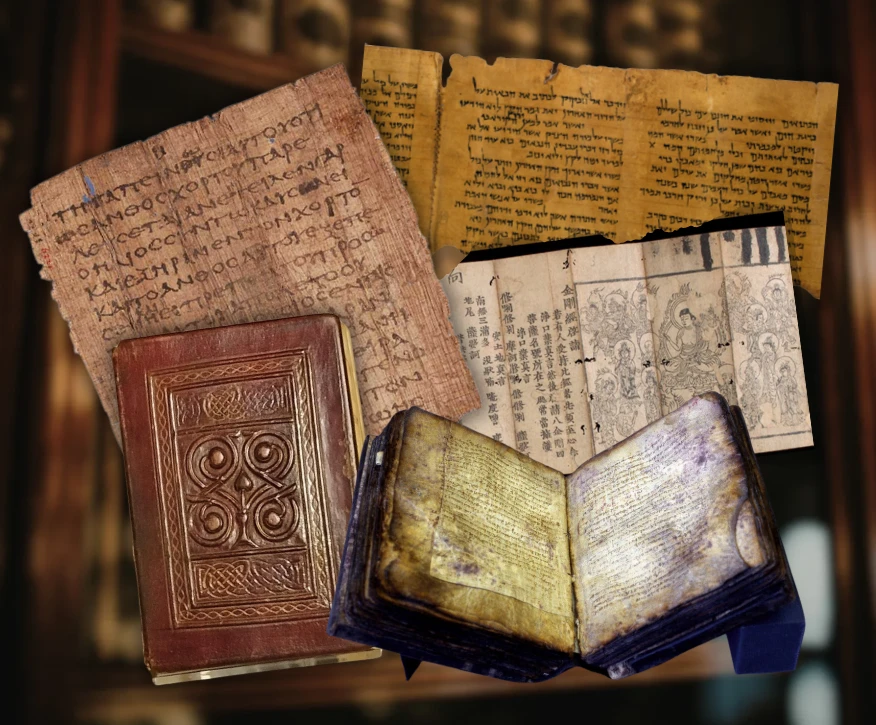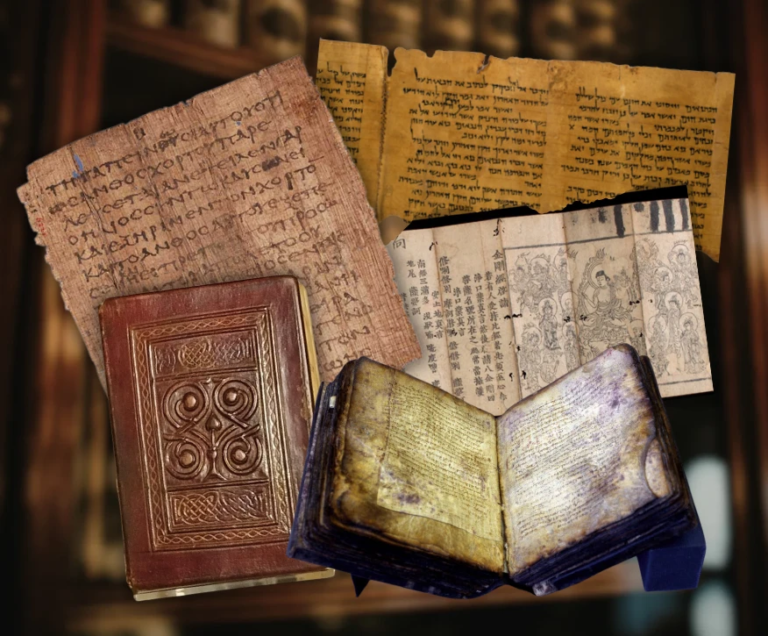

Lost for centuries, rediscovered by chance. These rare books remind us that history isn’t finished. It’s waiting, quietly, to be found again.
There’s something almost magical about the idea of a book hiding in the dark for centuries, just waiting for the right moment to resurface. Not forgotten… more like sleeping. When these rare texts finally come back into the light, they don’t just become a footnote in history.
They often rewrite whole chapters of what we thought we knew. From desert caves to dusty trash heaps, here are some of the most incredible rare book discoveries ever made, and why they changed the world as we knew it.
The Diamond Sutra: Printing History Rewritten
In 1907, explorer Aurel Stein was poking around caves along the Silk Road when he stumbled upon something astonishing. Hidden inside a sealed cave at the Mogao Caves, he found a long paper scroll; in fact, the whole thing is over 16 feet in length! It was dated to 868 AD, making it the oldest known printed “book” in the world. Its name? The Diamond Sutra.
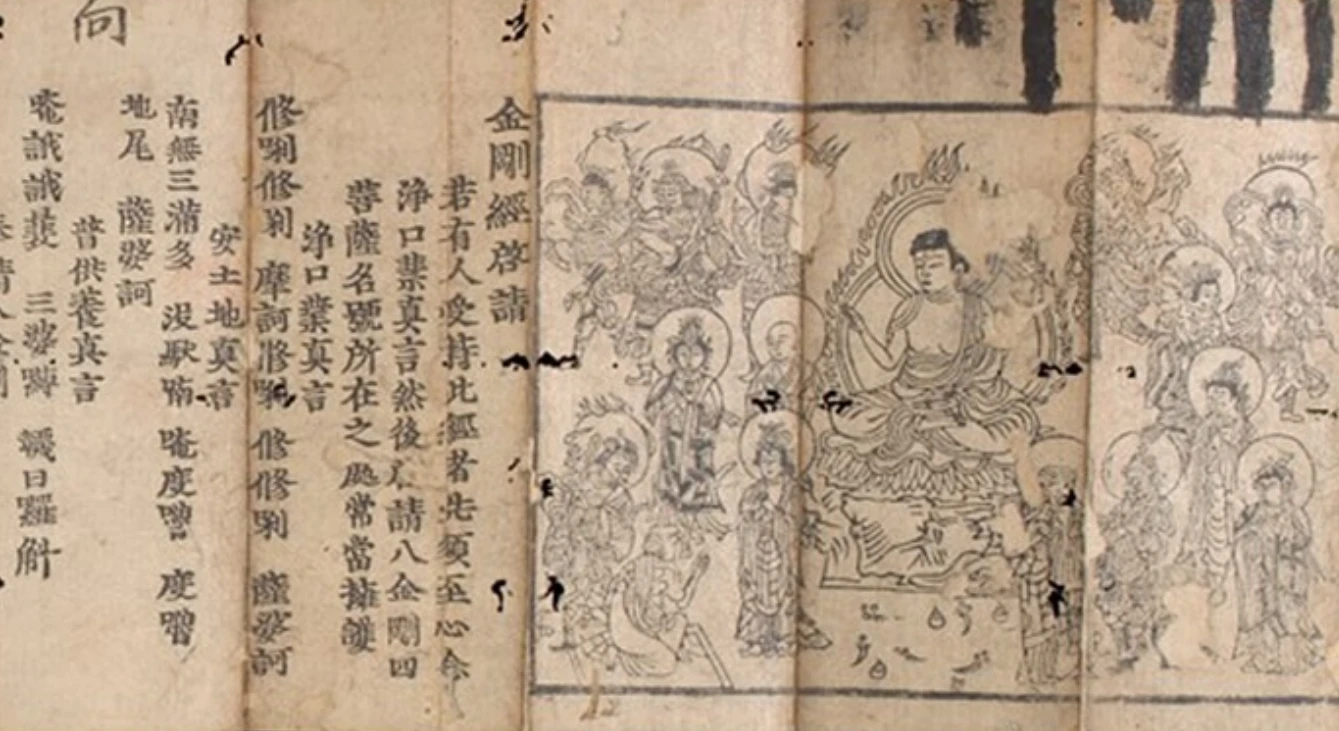
The scroll was printed nearly six centuries before Gutenberg’s famous Bible. Its preservation is likely due to the fact that it had been sealed away since the 11th century, protected from light, air, and human hands. When it emerged, the ink was still dark, the text still crisp.
The Diamond Sutra is a Buddhist scripture, but it wasn’t like anything we’d found before. It completely shattered Western assumptions about the origins of printing. Turns out, like many things, the printing revolution started in Asia long before Europe caught on.
The Dead Sea Scrolls: A Shepherd’s Accidental Miracle
Sometimes history changes because someone loses a goat. Yes, really.
In 1947, a Bedouin shepherd wandered into a cave near Qumran and tossed in a stone, hoping to scare his lost animal out. Instead, he heard pottery shatter. When he went in, he found clay jars filled with ancient manuscripts, which form what we now call the Dead Sea Scrolls.
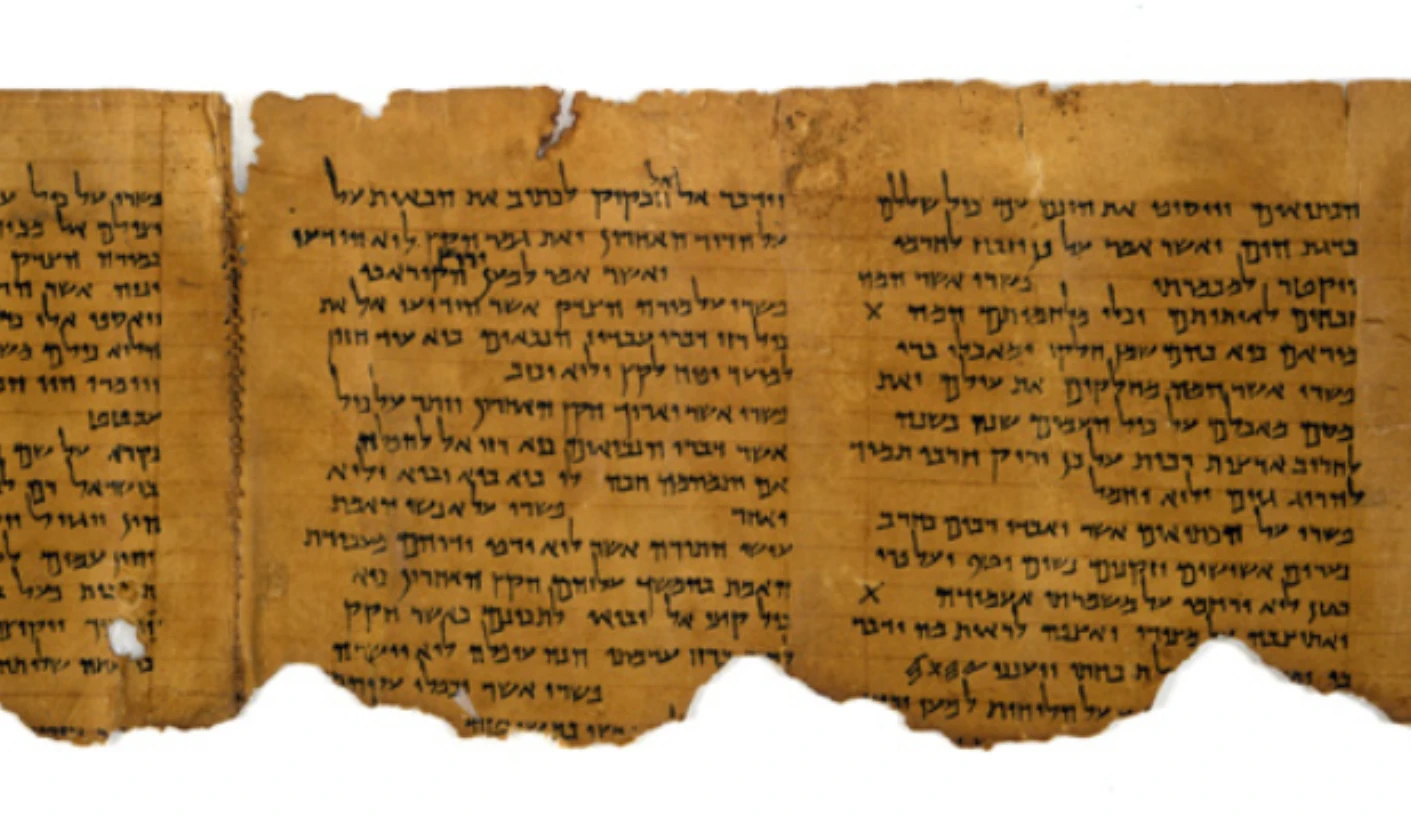
These texts were more than 2,000 years old, dating from the 3rd century BCE to the 1st century CE. They included biblical texts, community rules, hymns, and commentaries from the time of Second Temple Judaism.
After the shepherd’s discovery, people searched for the caves of Qumran and found more scrolls. These expeditions and searches continued right up until 2021!
The Oxyrhynchus Papyri: Treasure in the Trash
If you think nothing important ever ends up in the garbage, think again. In 1897, British archaeologists Bernard Grenfell and Arthur Hunt started digging through an ancient rubbish dump in Egypt. The site was Oxyrhynchus, and what they found would become known as the Oxyrhynchus Papyri. (Try saying that three times fast!)
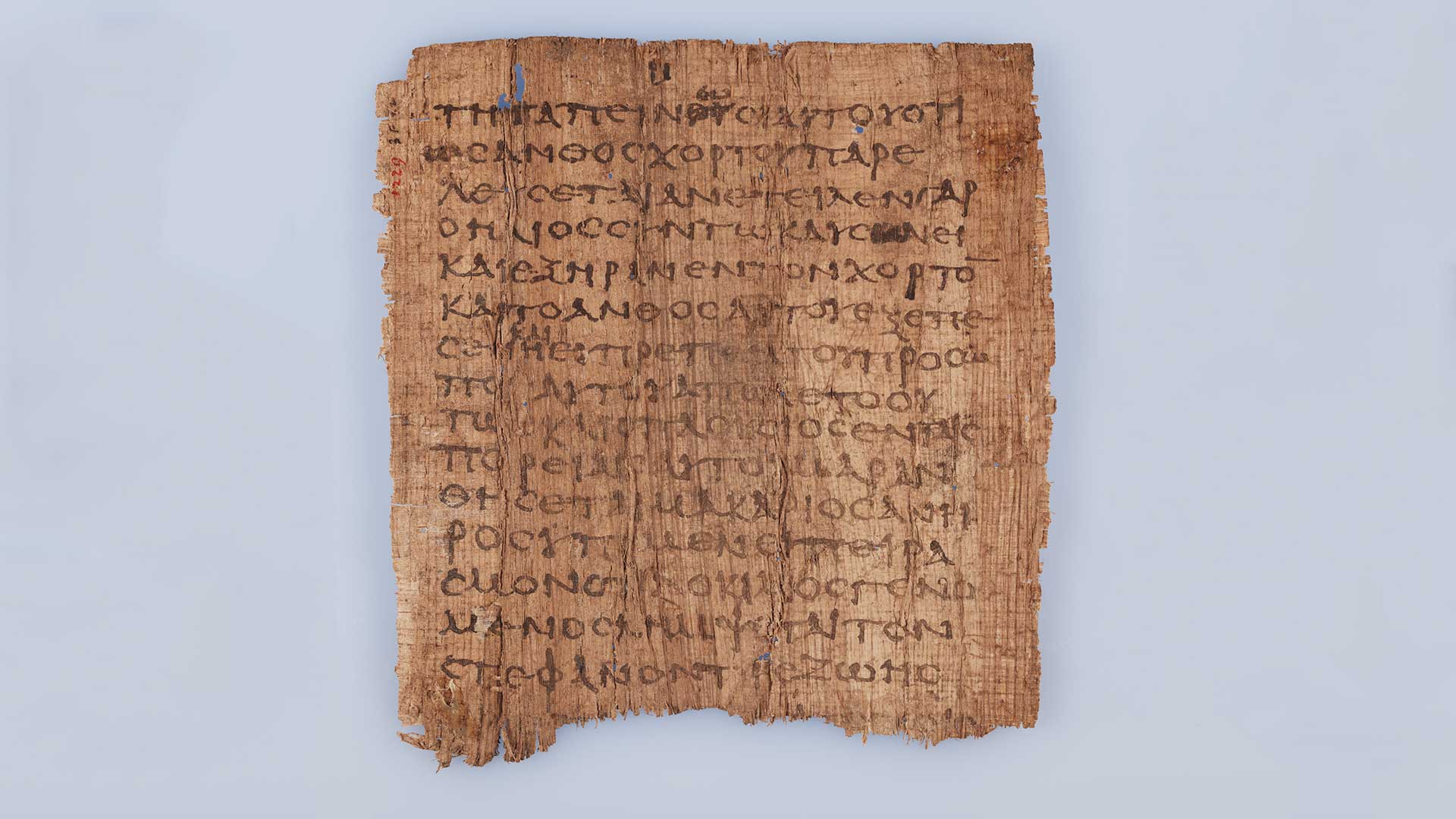
The archaeologists found over half a million papyrus fragments. They were clippings of letters, tax records, shopping lists, and even literary works. Works by Menander, poems by Sappho, and early Christian gospels. The scraps revealed plenty about how ordinary people lived, even if they were supposed to be trash.
The Archimedes Palimpsest: Genius Beneath the Prayers
In 1998, a medieval prayer book sold at auction for about $2 million. Valuable, yes, but not earth-shattering. That changed when scholars realized the parchment had been reused. Beneath the prayers were erased writings by Archimedes, copied in the 10th century and later scraped away.
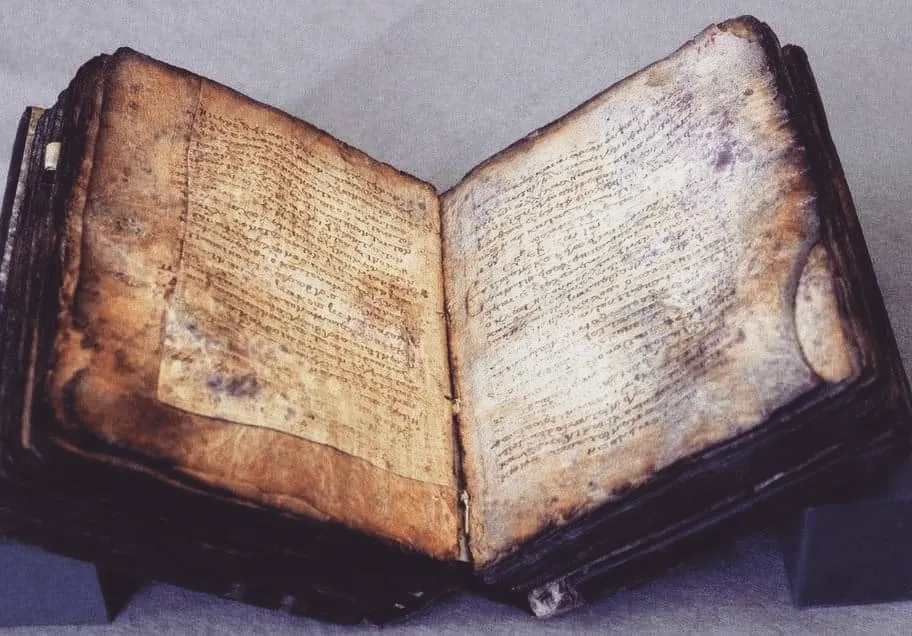
This hidden treasure is known as the Archimedes Palimpsest. Using ultraviolet light and advanced digital imaging, researchers recovered texts that had been lost for nearly two millennia. One of which is The Method or The Method of Mechanical Theorems, the earliest approach to infinitesimals!
The St. Cuthbert Gospel: Faith That Refused to Be Lost
When St. Cuthbert died in 687 AD, his followers placed a small gospel book in his coffin as a symbol of devotion. That book travelled with his body for centuries, carried by monks fleeing Viking raids, protected at all costs. Then it vanished from view.

In 1901, it was rediscovered inside his coffin beneath the altar at Durham Cathedral. The St. Cuthbert Gospel was still intact. Its leather binding was untouched, its Latin text perfectly readable after more than 1,200 years.
Today, it stands as the oldest intact European book and a powerful reminder that sometimes, preservation isn’t about hiding knowledge away. It’s about carrying it, generation after generation, no matter the cost.
What Does This Tell Us?
These books and what their discoveries did to the world, to history tells us one thing: history isn’t a fixed story carved in stone. It’s a living thing, constantly shifting as new voices resurface and long-lost evidence comes back into view. Every time a forgotten book is uncovered, or a buried text is finally read, the past gets a little more complicated, a little more human, and a lot more interesting.
These discoveries remind us that what we “know” about history is always provisional, shaped by chance, curiosity, and the fragile survival of words on a page. The story of humanity is still being written, sometimes quite literally, one remarkable discovery at a time.

Millie Ramm
Millie has been writing since she was a child, and has spent more time with her nose in books than anywhere else. She has been ghostwriting novels and editing for the past few years, and when not working she is curled up with her cats, looking for her next read.