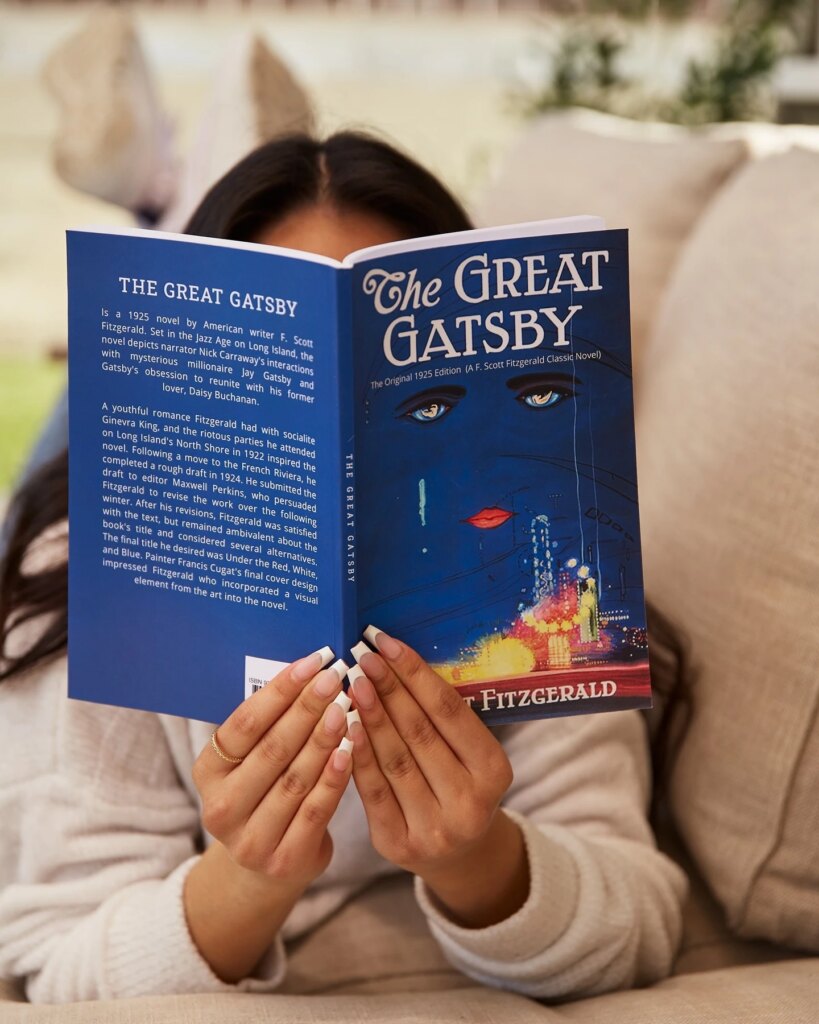

Stop fearing the “Classics.” Learn how to enjoy old literature with actionable tips like the 50-page rule and audiobooks in this essential reading guide.
Every once in a while, a group of book lovers gathers and dives into discussing books that resonated with them recently. But then, like clockwork, the conversation quickly spins off to focus on classics. While doing that is all fun and games, the real agony is losing context on the discussion if it’s a classic one that one hasn’t read.
The book is probably sitting there on the shelf, but the problem is that there are too many classics out there to read. Several thousand must-read popular classics have been written over the years, but here is a quick guide to the literary classics that book lovers have a higher chance of discussing.
The American Dream
America is a land of opportunities, and since James Truslow Adams popularized the phrase “The American Dream” in his 1931 book, The Epic of America, several great stories have followed. With these books, one gets to understand that behind the glamour and fancy words lies gritty, tragic, and costly prices paid for ambition and societal development.
The Great Gatsby by F. Scott Fitzgerald
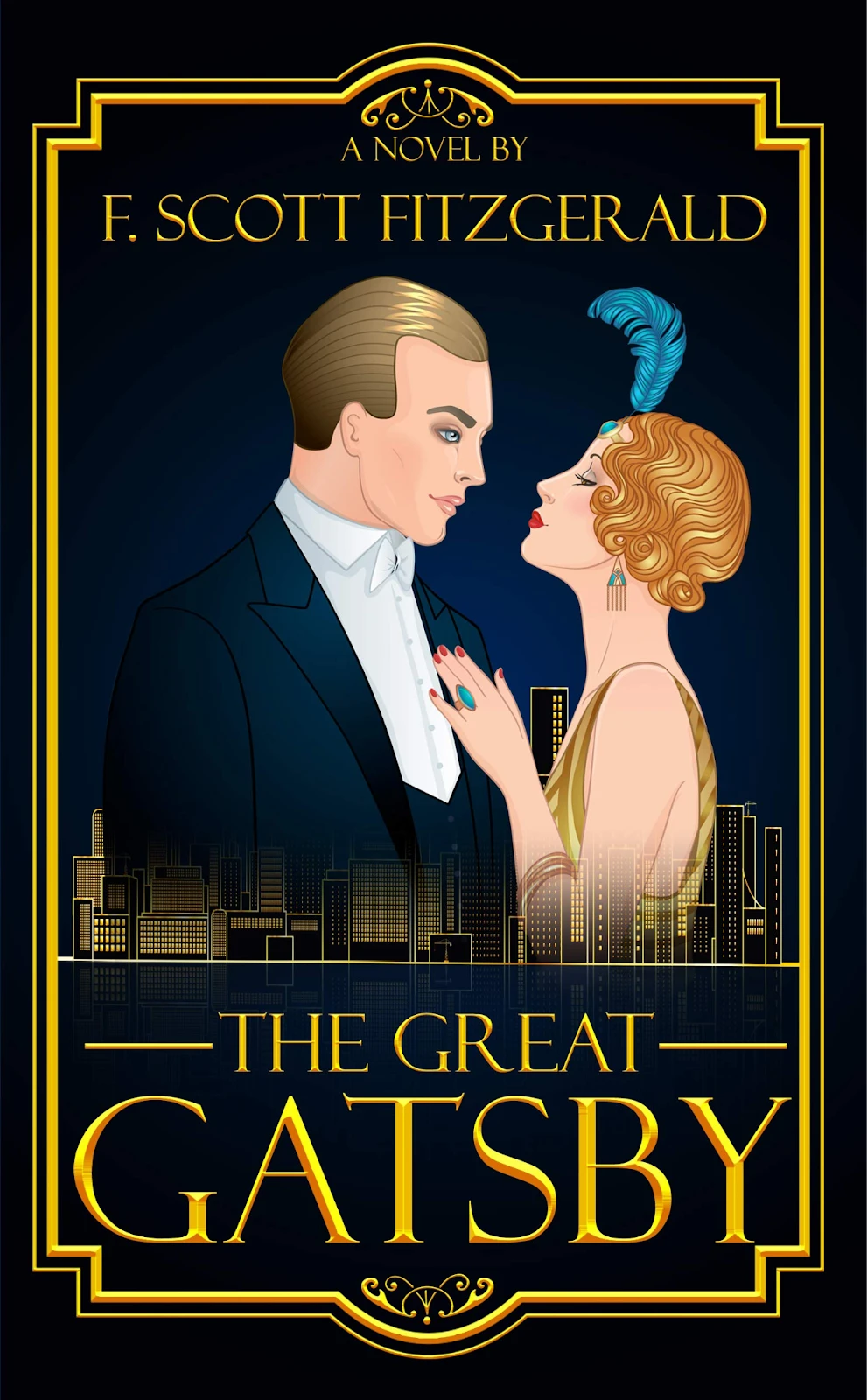
Exploring the corruption of the American Dream, F. Scott Fitzgerald’s take on glittery tragedy thematically combines the beauty of the Jazz Age, love, social class, and wealth. With an ending that stays with the reader for an eternity, the story set on New York’s Long Island, questions whether wealth can actually buy happiness and erase the past.
To Kill a Mockingbird by Harper Lee
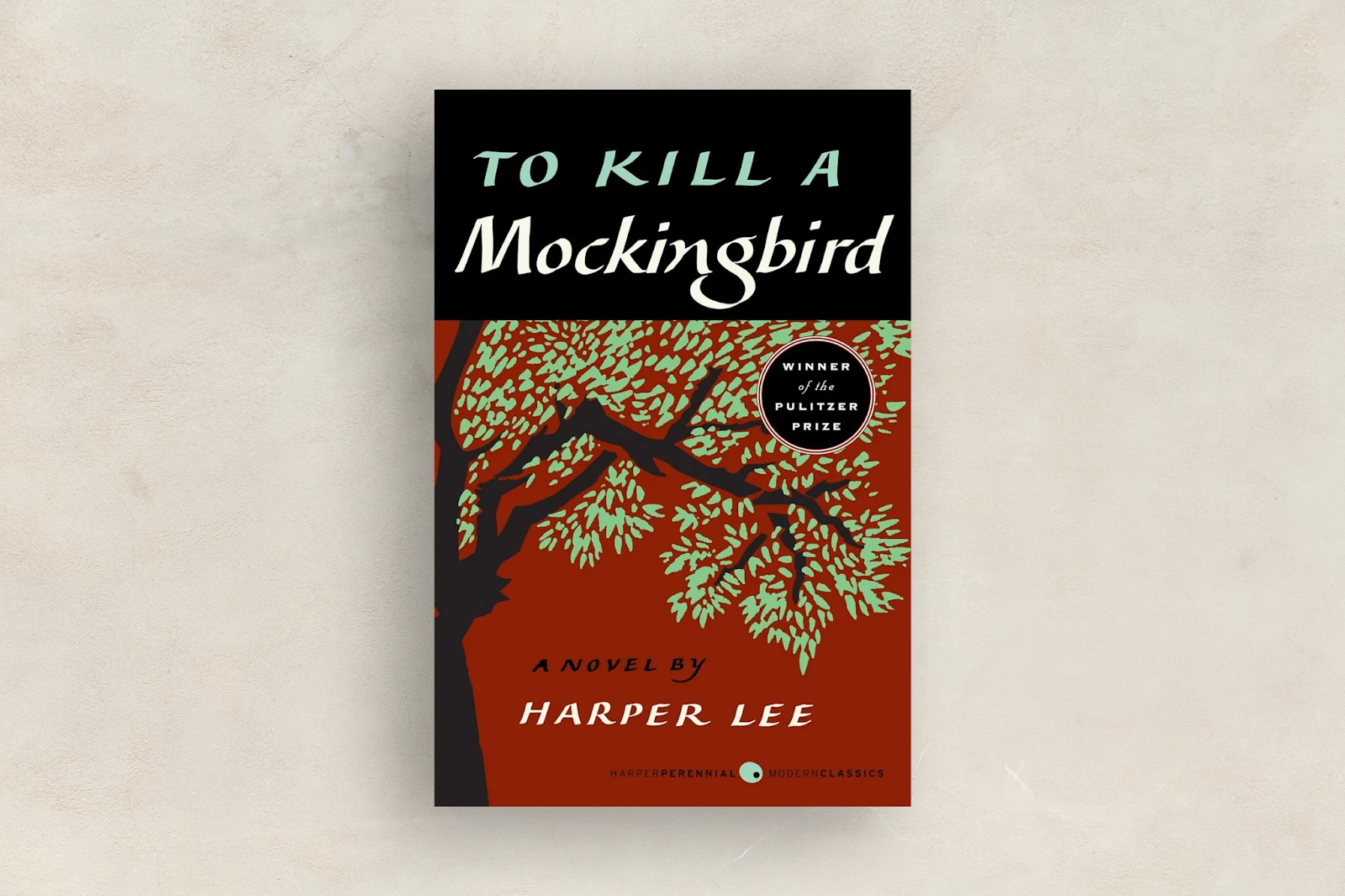
Empathy seems long lost in today’s world, but reading Harper Lee’s words in To Kill a Mockingbird through the eyes of Scout Finch baptizes one with an overdose of emotions. With themes like racism, prejudice, innocence, morality, and social inequality, To Kill a Mockingbird is one of those books society needs to go back to reading once a year.
The Catcher in the Rye by J. D. (Jerome David) Salinger
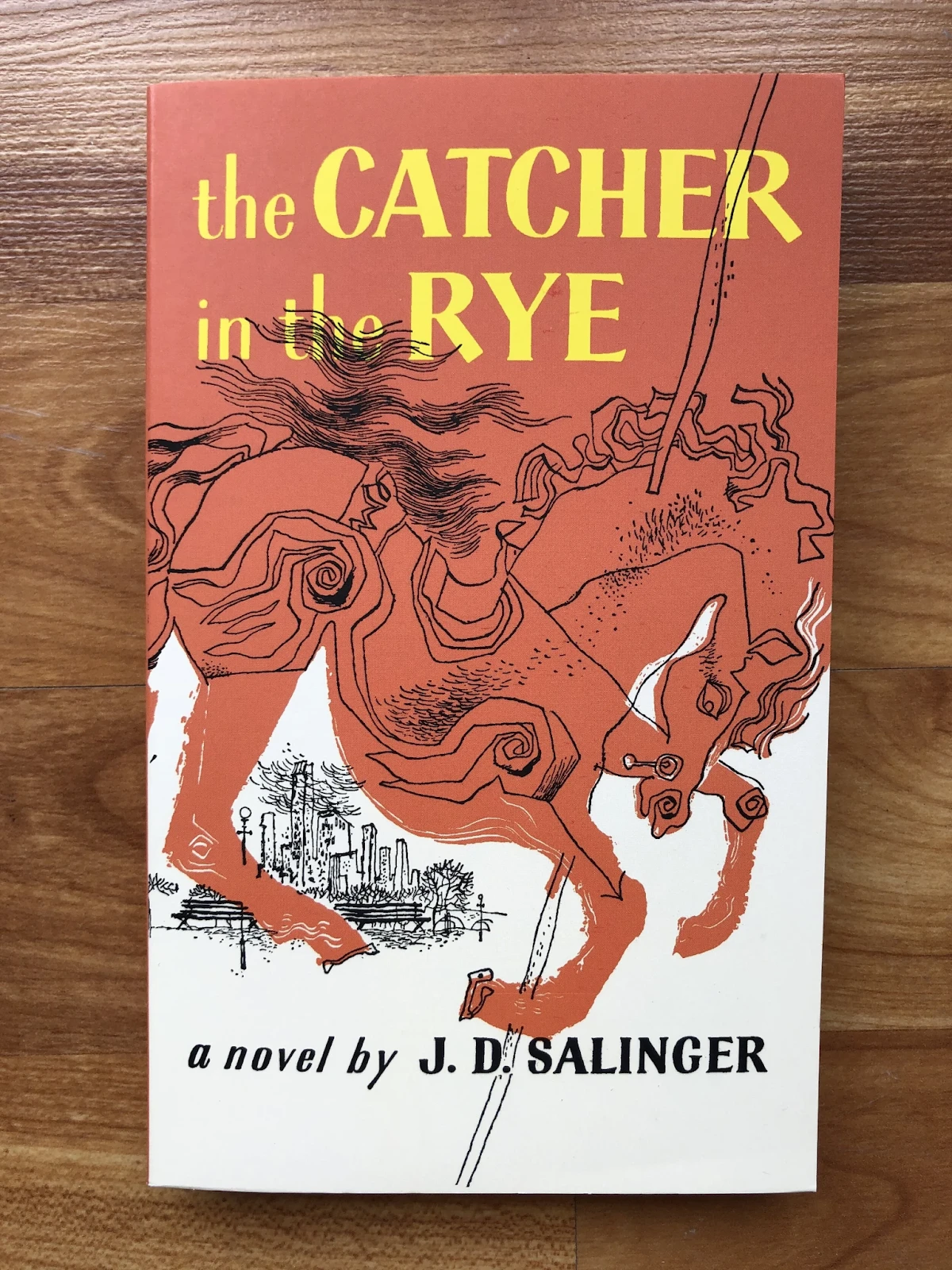
The teenage years are very sensitive, as they can make everything go right or make everything go wrong. For the disillusioned character, 16-year-old Holden Caulfield, The Catcher in the Rye was about coming of age in a journey marred with adolescent angst, identification, alienation, the loss of innocence, and just how much of a hypocrite adults are.
The People that Burn, and Society
One thing is pertinent to do in our time on earth as humans, and that is to meet people, connect, and love. From family, to friends, and people that cause our senses to numb, there is a world of stories to be told, and some classics have defined the category.
Pride and Prejudice by Jane Austen
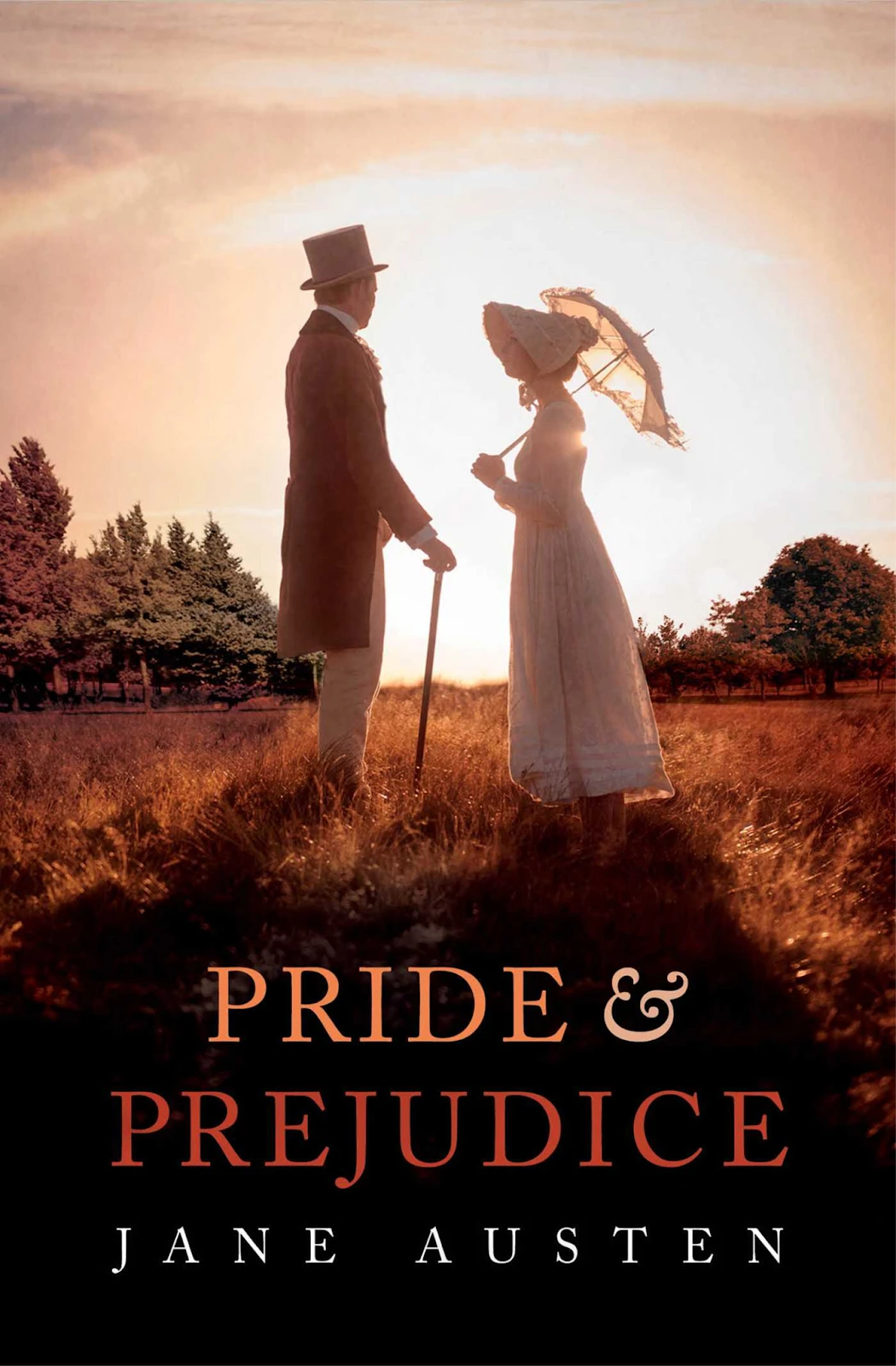
Regardless of the differing opinions of many on this book, the work of Jane Austen stands out and can be argued to be one of the foundations of romantic comedy. Typical of the era it was set in, the female characters faced the pressure of being married for financial stability. The modern mind might find this ridiculous, but that shouldn’t distract the reader from the fact that the book explores the need for an ability to judge character when building relationships.
Jane Eyre by Charlotte Brontë
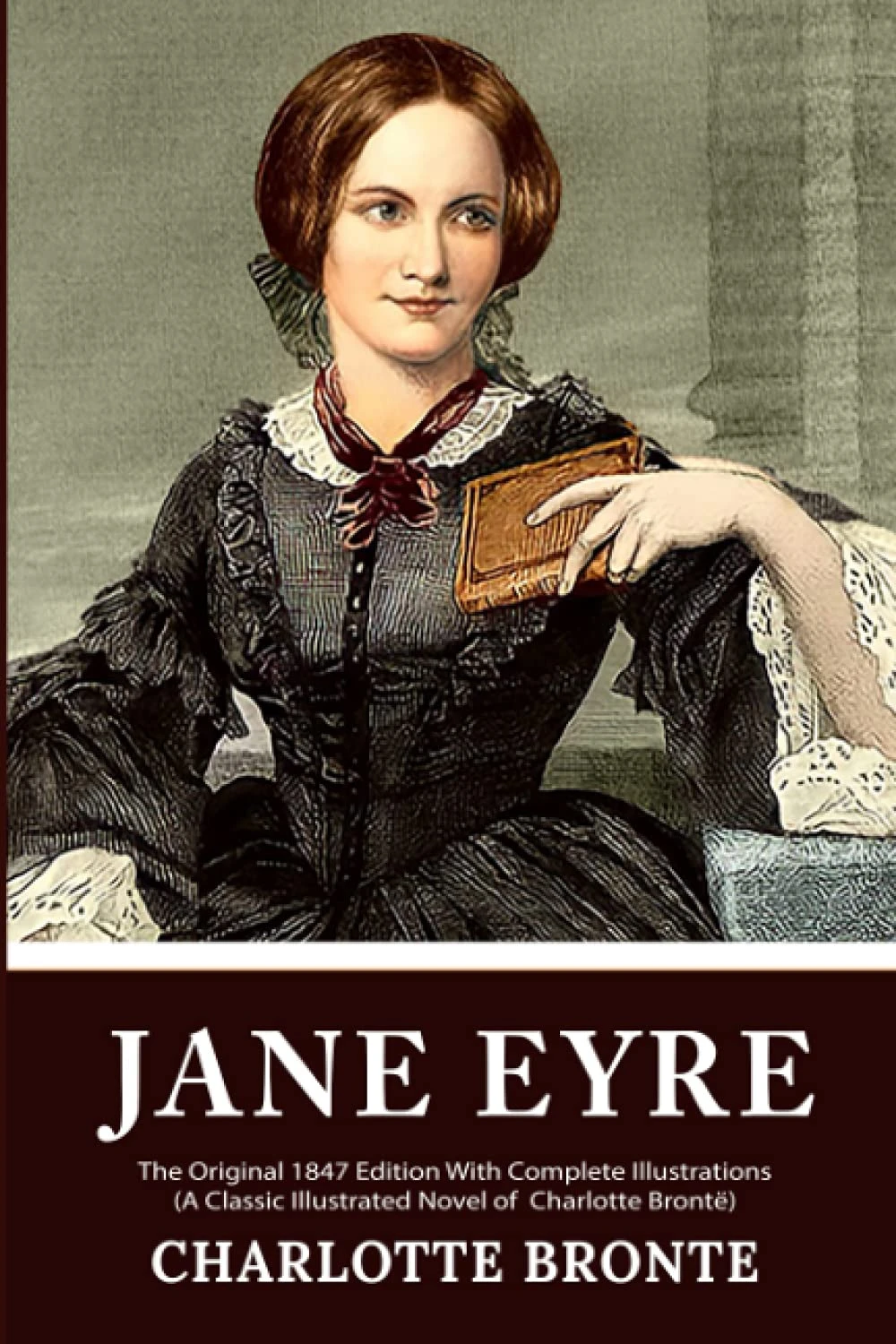
Gothic mystery mixed with romance? Jane Eyre is the epitome. This book sheds bright light on the complexities of relationships amidst societal expectations, harsh teenage realities, secrets, independence, and self-discovery. For readers in search of independent heroines to take cues from, Jane Eyre is the right pick.
Little Women by Louisa May Alcott
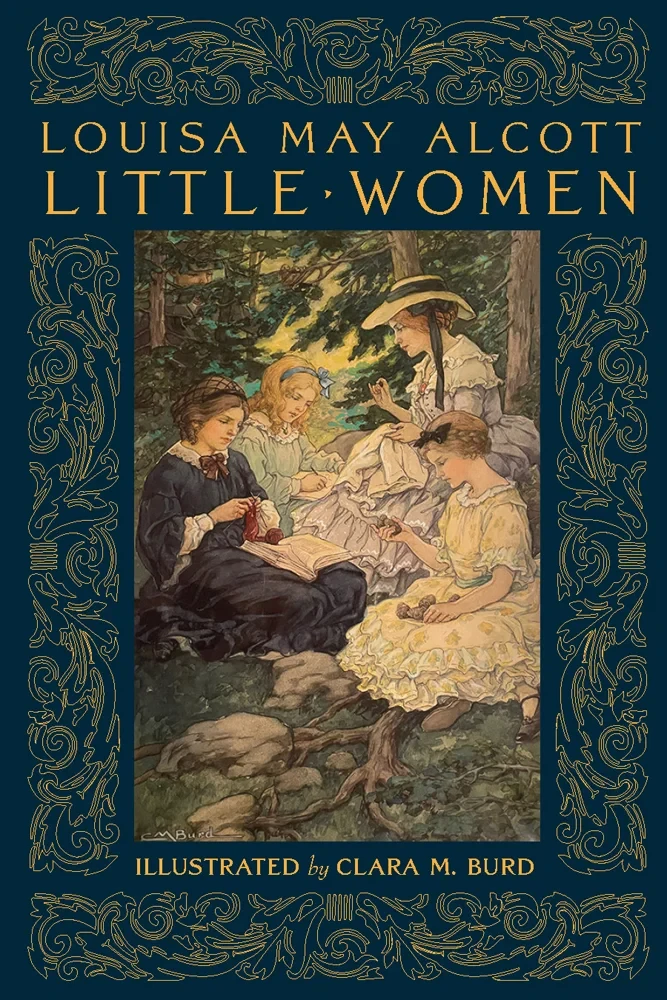
Family is such a beautiful concept, but it can be ridiculously tough. The level of complication can be mindboggling, especially with the love-hate web of relationships that quickly form. No book depicts the full picture of family and the friction it has with personal ambition as much as Little Women. This book is definitely worth the wait and read.
The Future from the Past
A lot of classics have the current world as the future. Back in the day, when authors imagined what the future would look like, the plots felt wild. But reading those books today will feel different because we can see the difference between the imagined and the real.
1984 by George Orwell
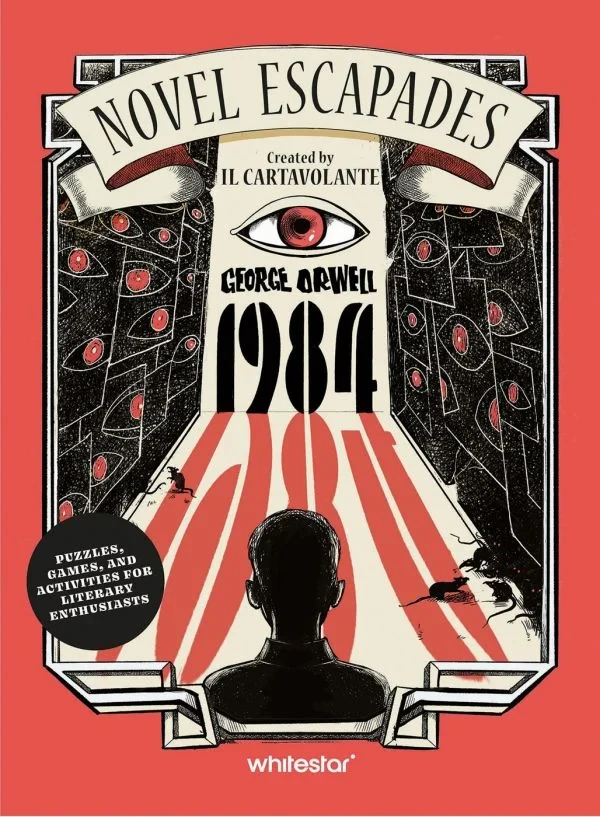
While the specifics differ slightly, the core theme around the loss of privacy explored in the book is one with which parallels can be drawn with the modern day. In a world where a chat about a product with a friend on a messaging app can lead to the user seeing related ads on another platform, 1984 feels a little too real from the perspective of now. To make matters worse, there are reality shows with a Big Brother that sees everything in today’s world. 1984 was a warning, and one that often feels ignored.
Fahrenheit 451 by Ray Bradbury
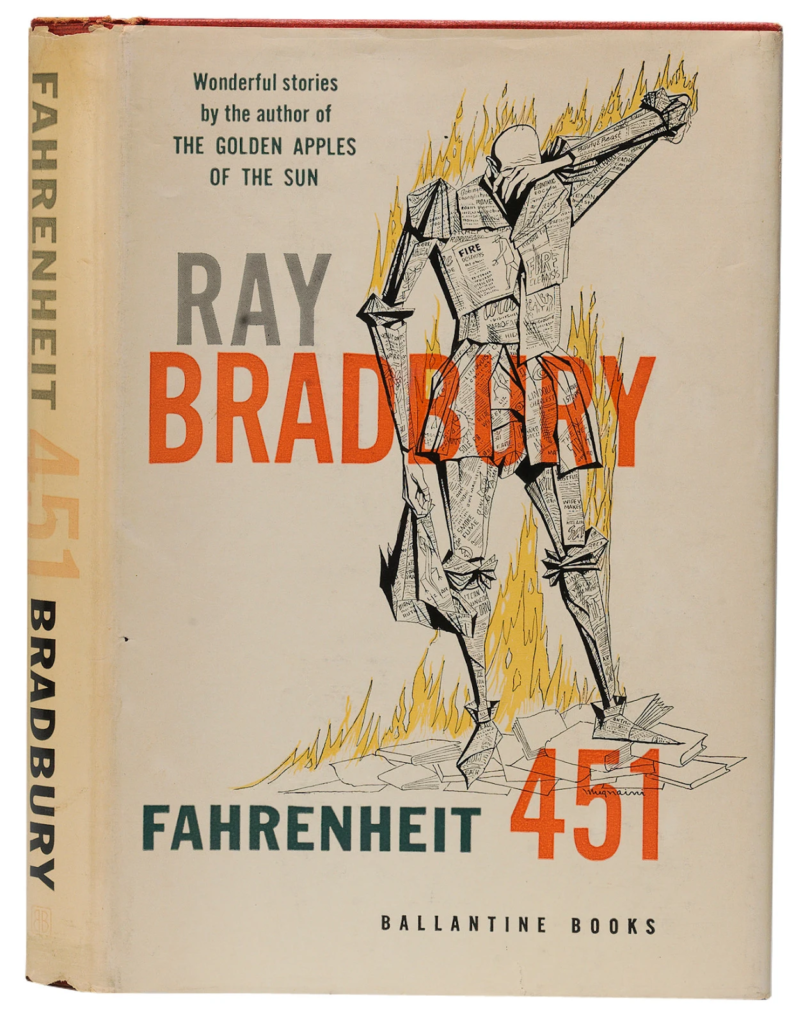
In a society against knowledge, one fireman decided to go against the order to secretly join a group seeking to preserve literature and rebuild intellectualism. While this might not be the exact scenario playing out in modern day, the current threat to knowledge is closely related, and the world needs more saviors like Guy Montag.
Beyond the Reading

In today’s world, there is more than one way to enjoy classical books. Other than sitting silently in a room to read or have headphones on with subtle music playing, one can go for the audiobook experience. Then, movie adaptations of books have also grown to become great alternatives for people without enough time to flip through hundreds of pages. But with the classics listed above, the first fifty pages are enough to get real booklovers hooked till the end.

Erica Sarah
Erica is a creative writer and editor with a love for books and the smell of libraries. When she’s not reading or writing, she’s doting on her cat, Felix, and daydreaming about ending global hunger.