
Discover 10 unforgettable opening lines that prove a single sentence can hook readers, shape a story, and become part of literary history.
The opening line of a book is critical. It can make or break the story, sell or sway the reader. Many writers say it is the most important writing your entire book can have. Here are ten of the most recognizable of all time, with a little on why each one still stops readers cold.
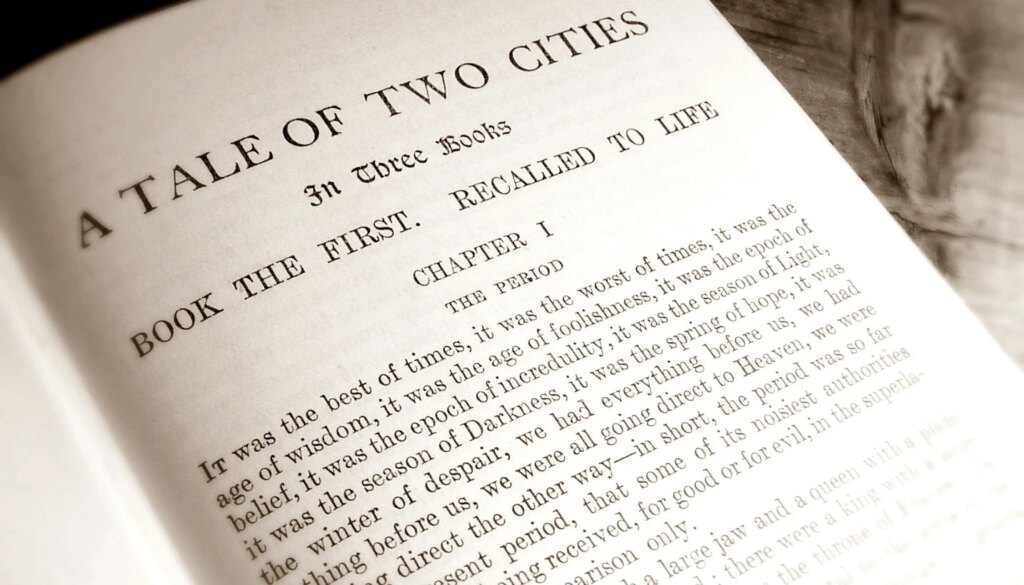
1. A Tale of Two Cities by Charles Dickens (1859)
“It was the best of times, it was the worst of times…”
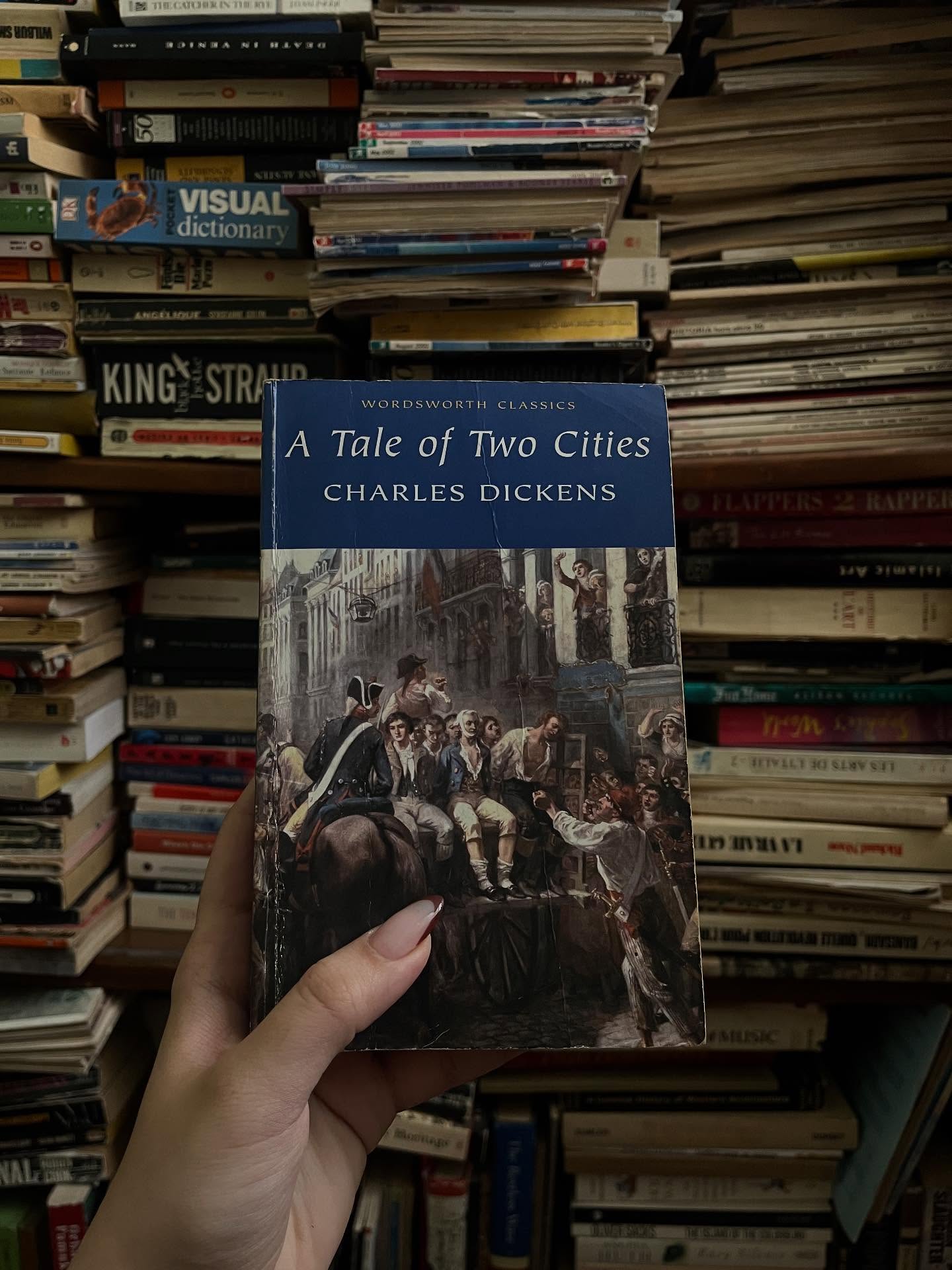
Set in London and Paris in the years around the French Revolution, Dickens’s novel follows a doctor released from years of unjust imprisonment, his daughter, and the two very different men who love her, all swept toward the guillotine.
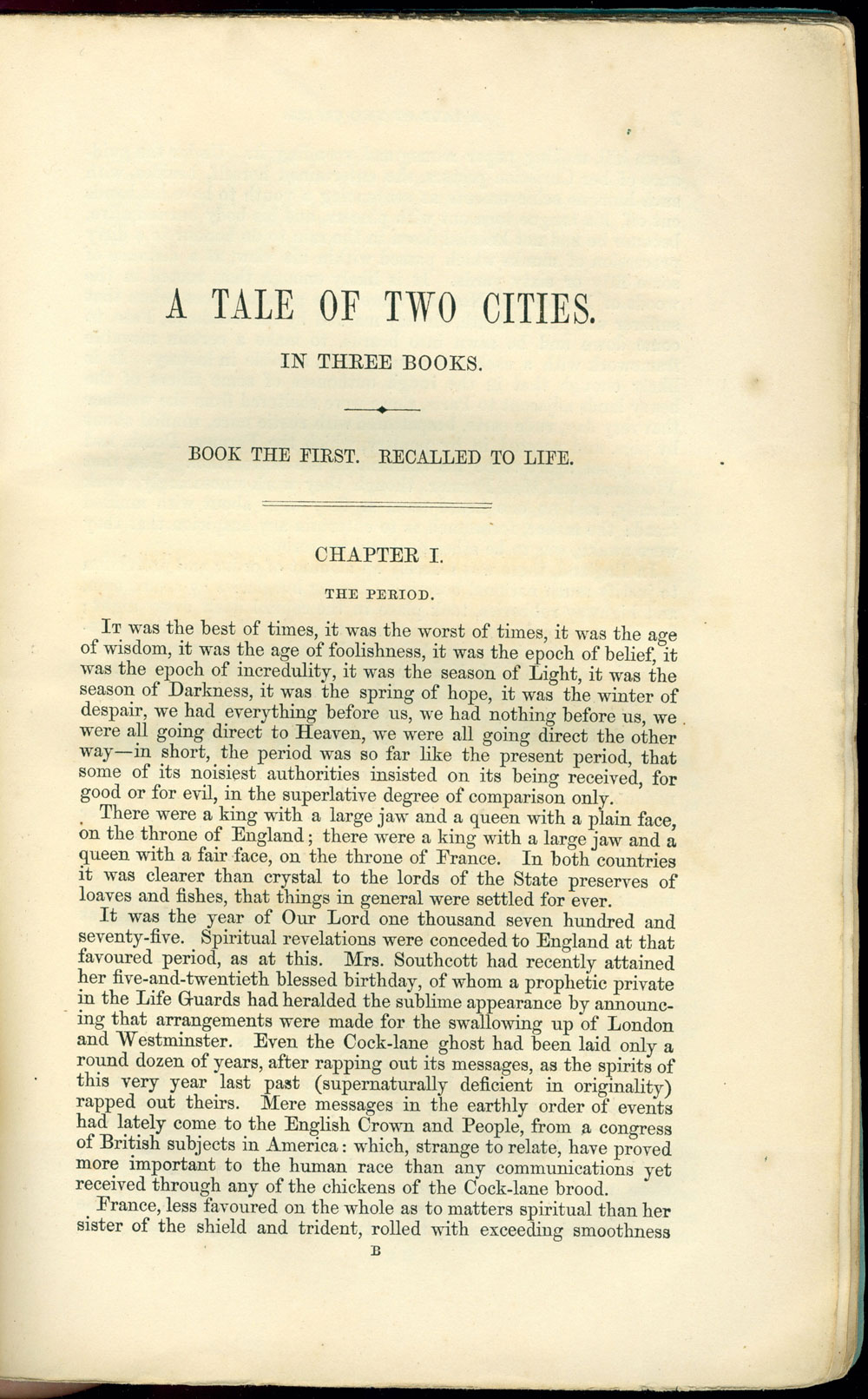
The most famous of his rolling contrasts (the full sentence piles on nine more), it works by holding two opposites in perfect balance, priming you for a world splitting in two long before it names either.
2. Slaughterhouse-Five by Kurt Vonnegut (1969)
“All this happened, more or less.”
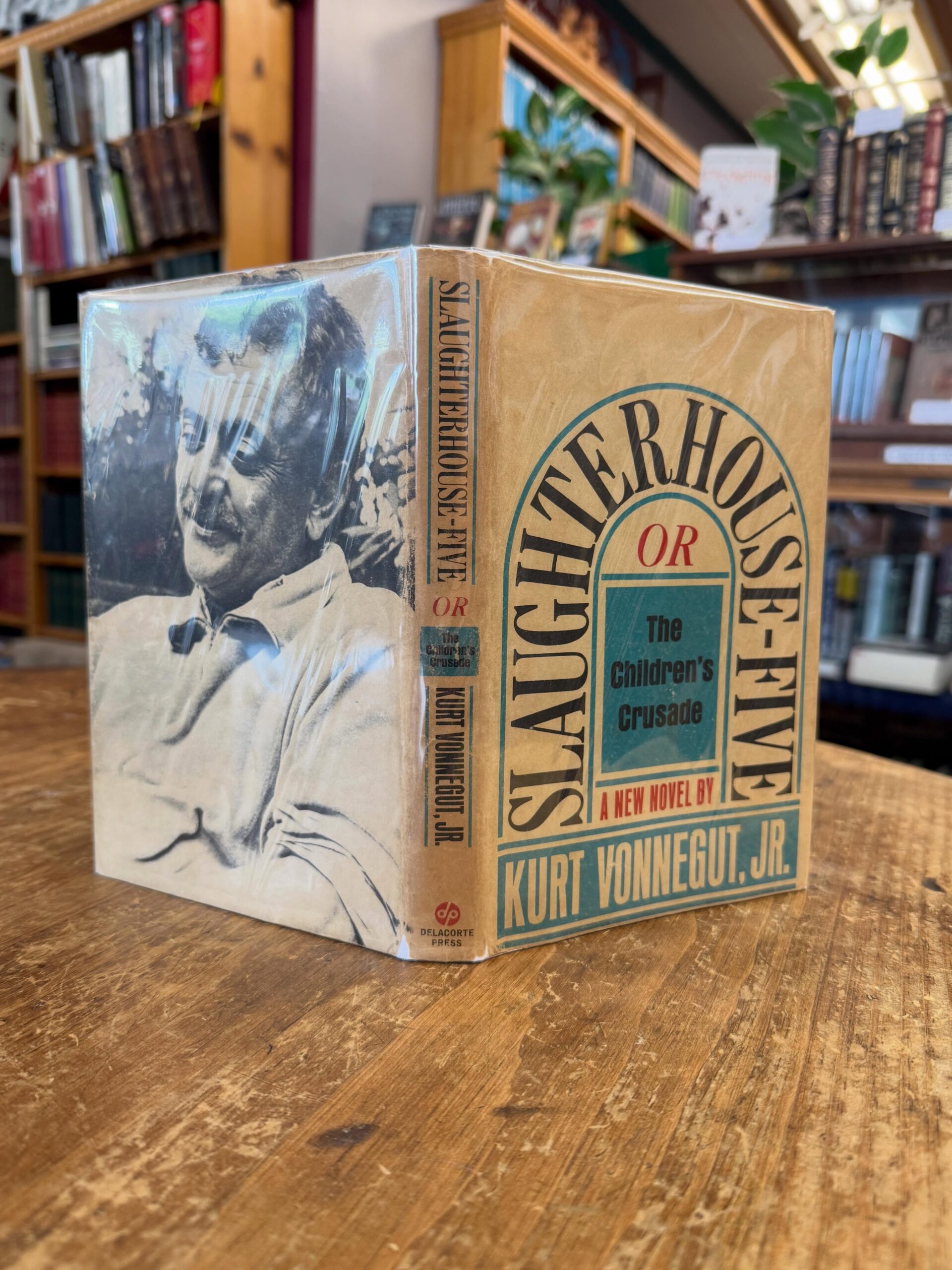
A darkly comic anti-war novel about Billy Pilgrim, a soldier who survives the firebombing of Dresden and comes “unstuck in time,” drifting between his war, his ordinary postwar life, and an alien zoo.
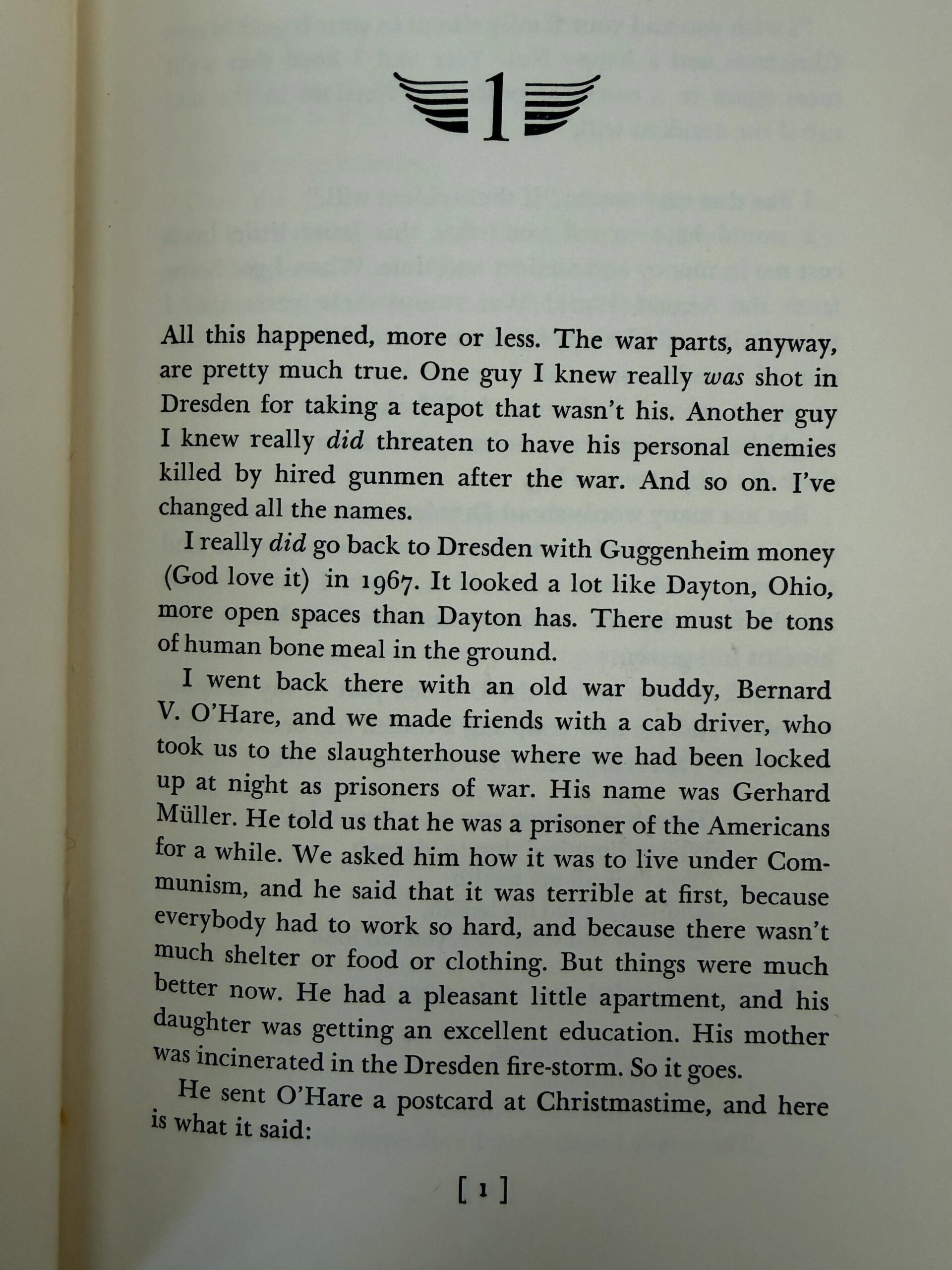
Those first five words tell you exactly how to read it: the casual shrug of “more or less” quietly warns you that truth here will be slippery.
3. Fahrenheit 451 by Ray Bradbury (1953)
“It was a pleasure to burn.”
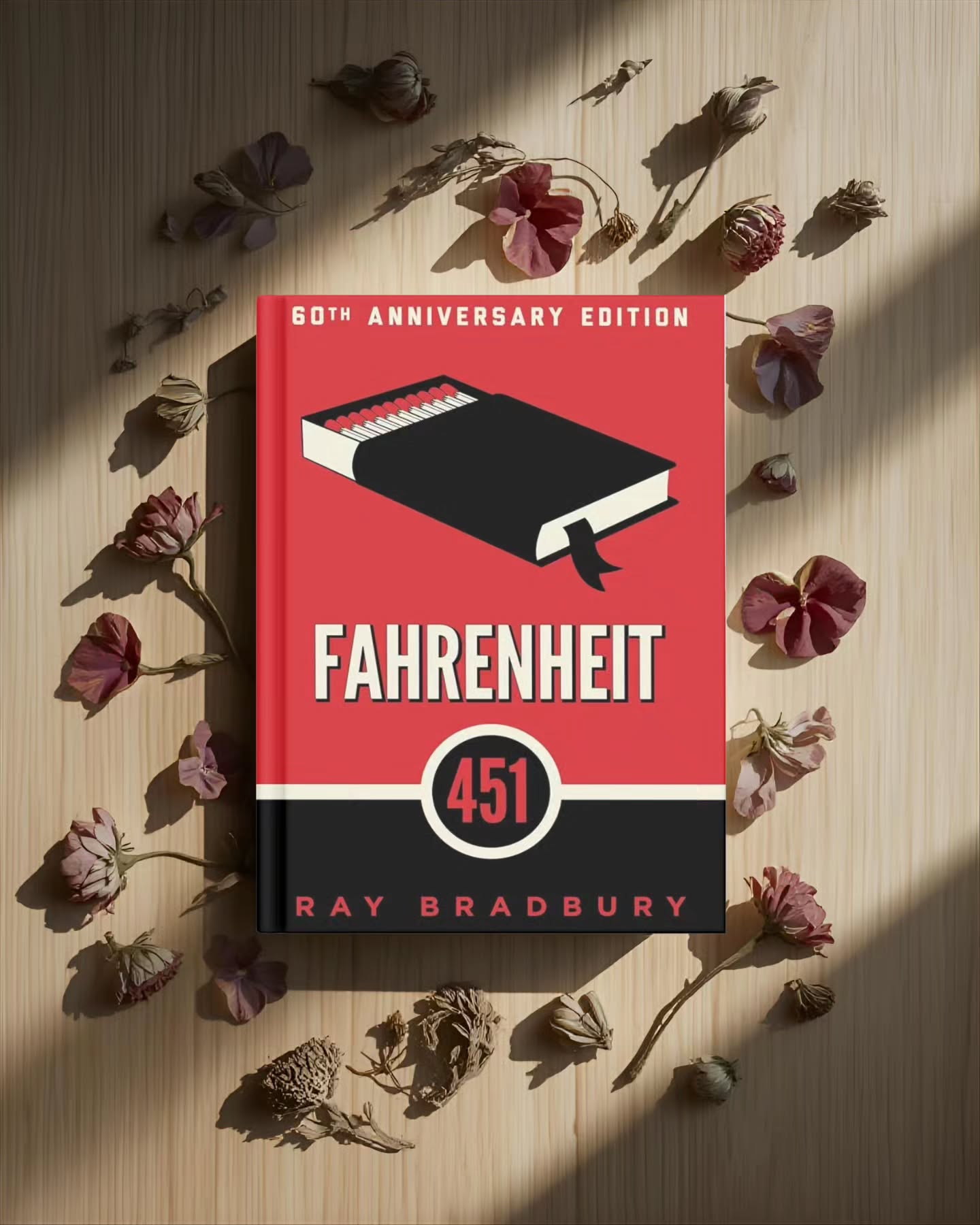
A dystopia in which books are banned and “firemen” exist to burn them, until one of them, Guy Montag, begins to question everything he destroys.
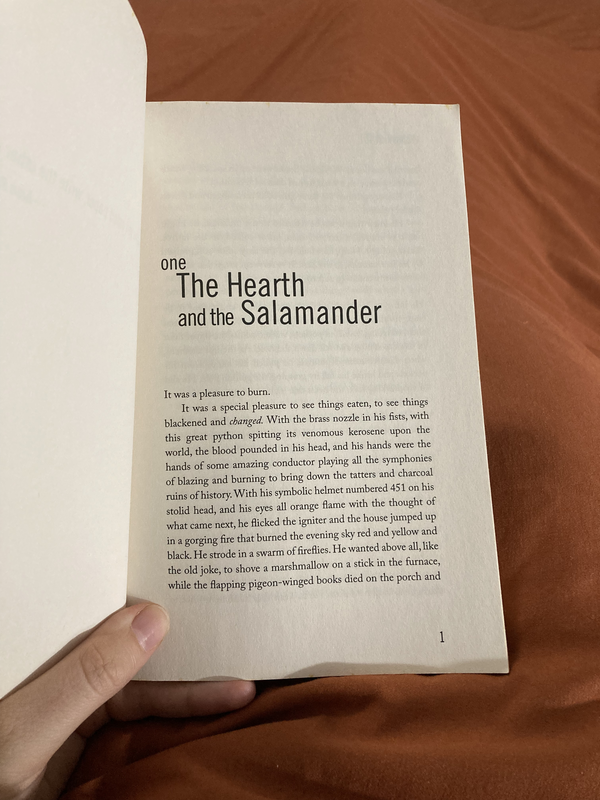
The line is a shock delivered in six words: Bradbury makes destruction feel good, dropping you inside Montag’s head before you’ve been told anything is wrong with that.
4. The Secret History by Donna Tartt (1992)
“The snow in the mountains was melting and Bunny had been dead for several weeks before we came to understand the gravity of our situation.”
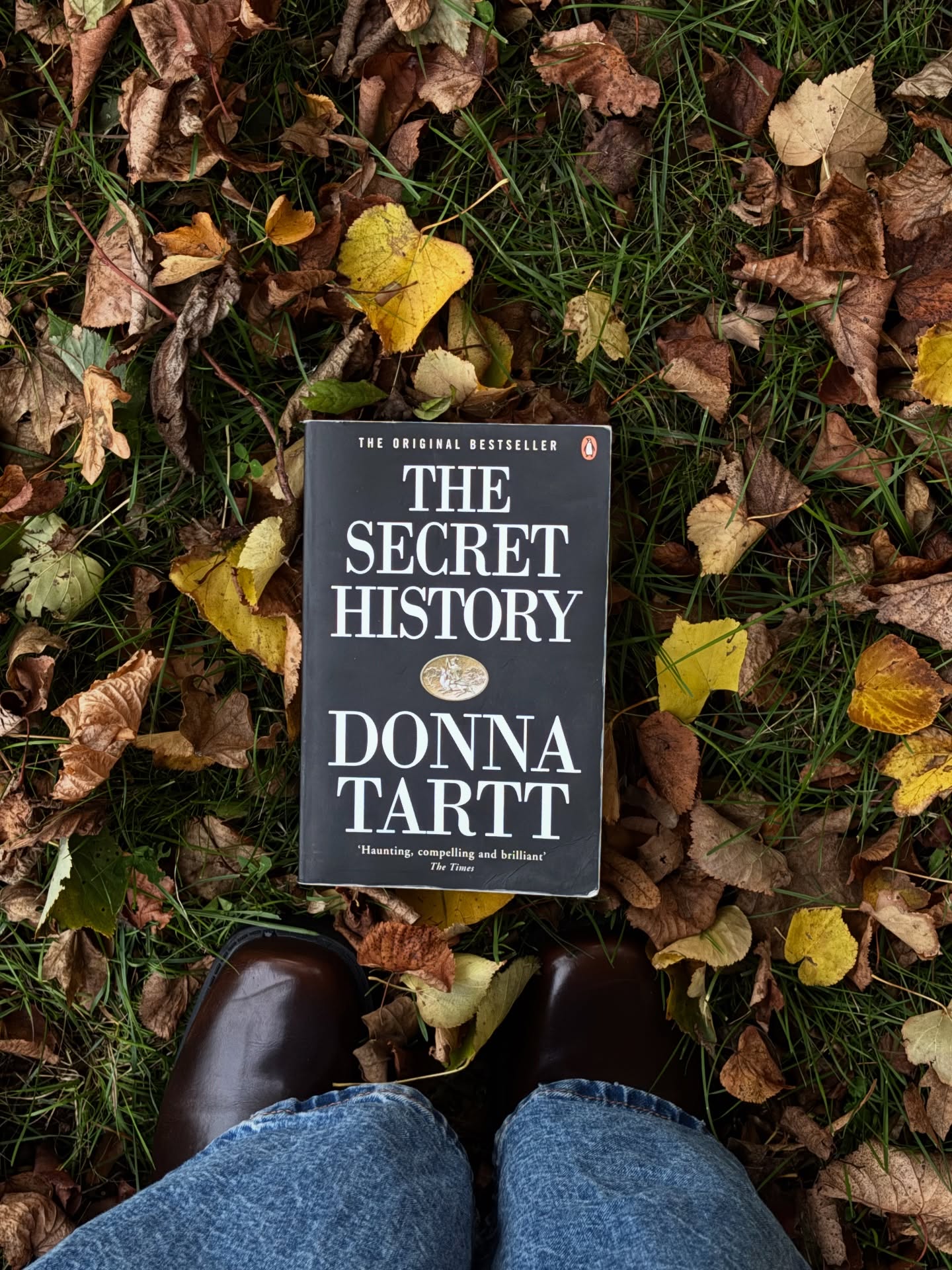
Tartt’s debut follows a tight, elitist group of classics students at a New England college who commit a murder and unravel in its aftermath.
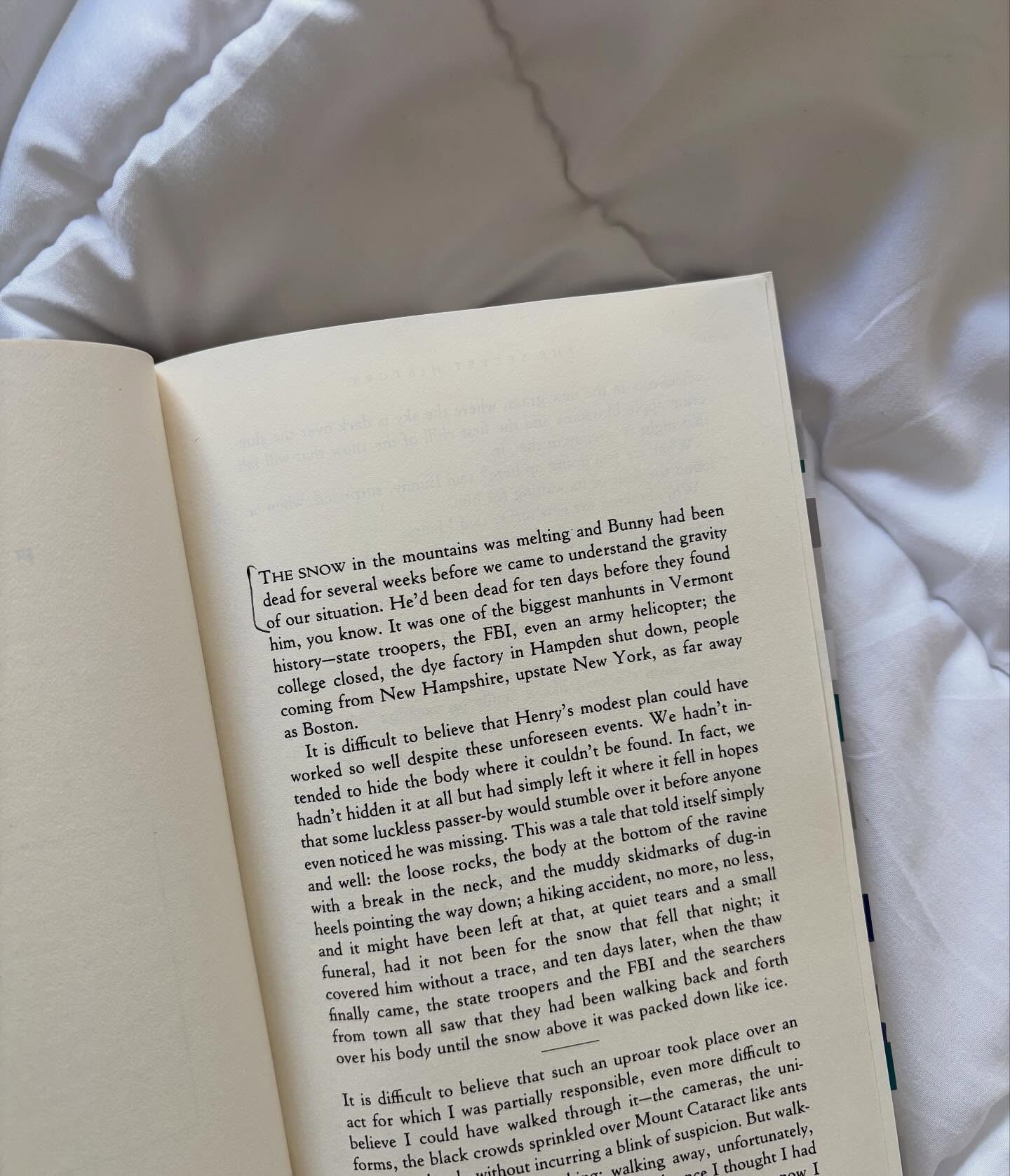
The opening turns the mystery inside out: you learn there’s a body and that the narrator helped make it, so the book becomes a “why-done-it” rather than a whodunit, and you keep reading to find out how they got there.
5. Their Eyes Were Watching God by Zora Neale Hurston (1937)
“Ships at a distance have every man’s wish on board.”
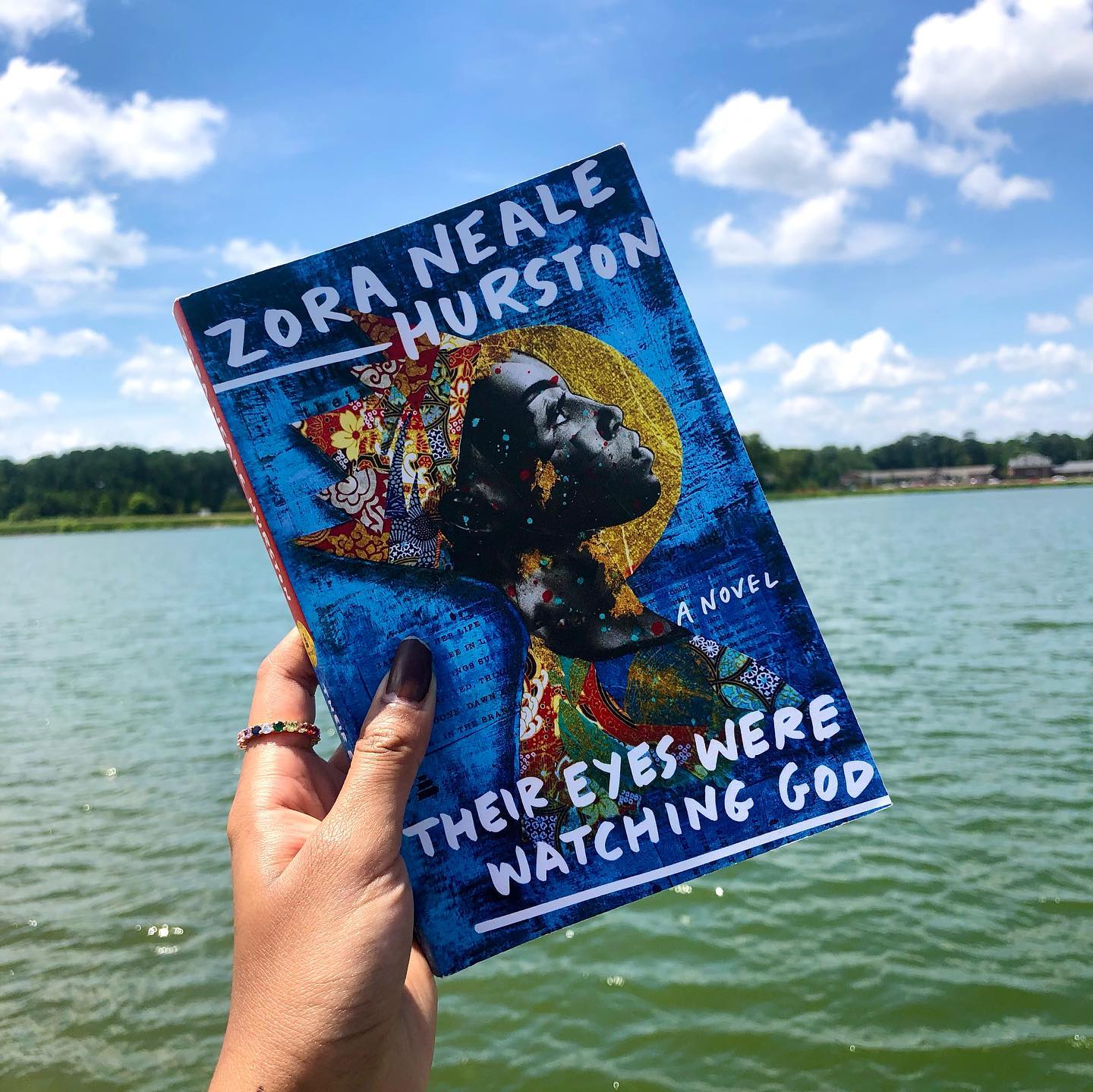
This book follows the story of Janie Crawford, a Black woman in the early-twentieth-century South searching for love and her own voice across three marriages.
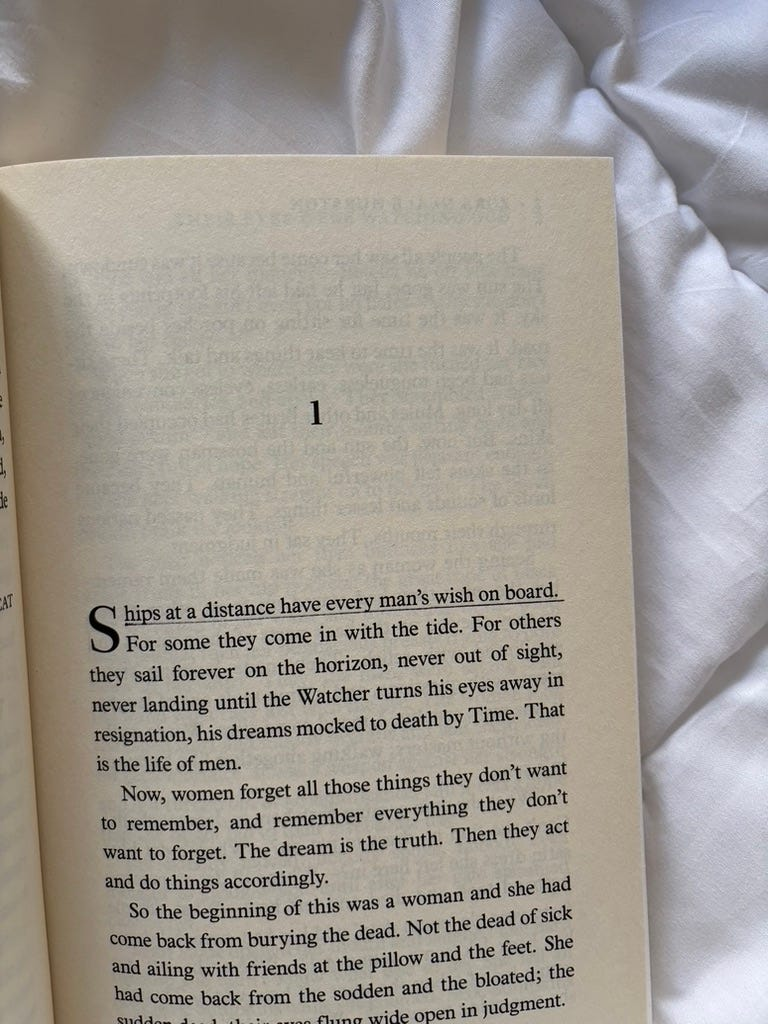
Hurston opens with an image, not an event: a horizon full of dreams that may never dock, setting up Janie’s longing and the ache of hopes that stay just out of reach.
6. The Bell Jar by Sylvia Plath (1963)
“It was a queer, sultry summer, the summer they electrocuted the Rosenbergs, and I didn’t know what I was doing in New York.”
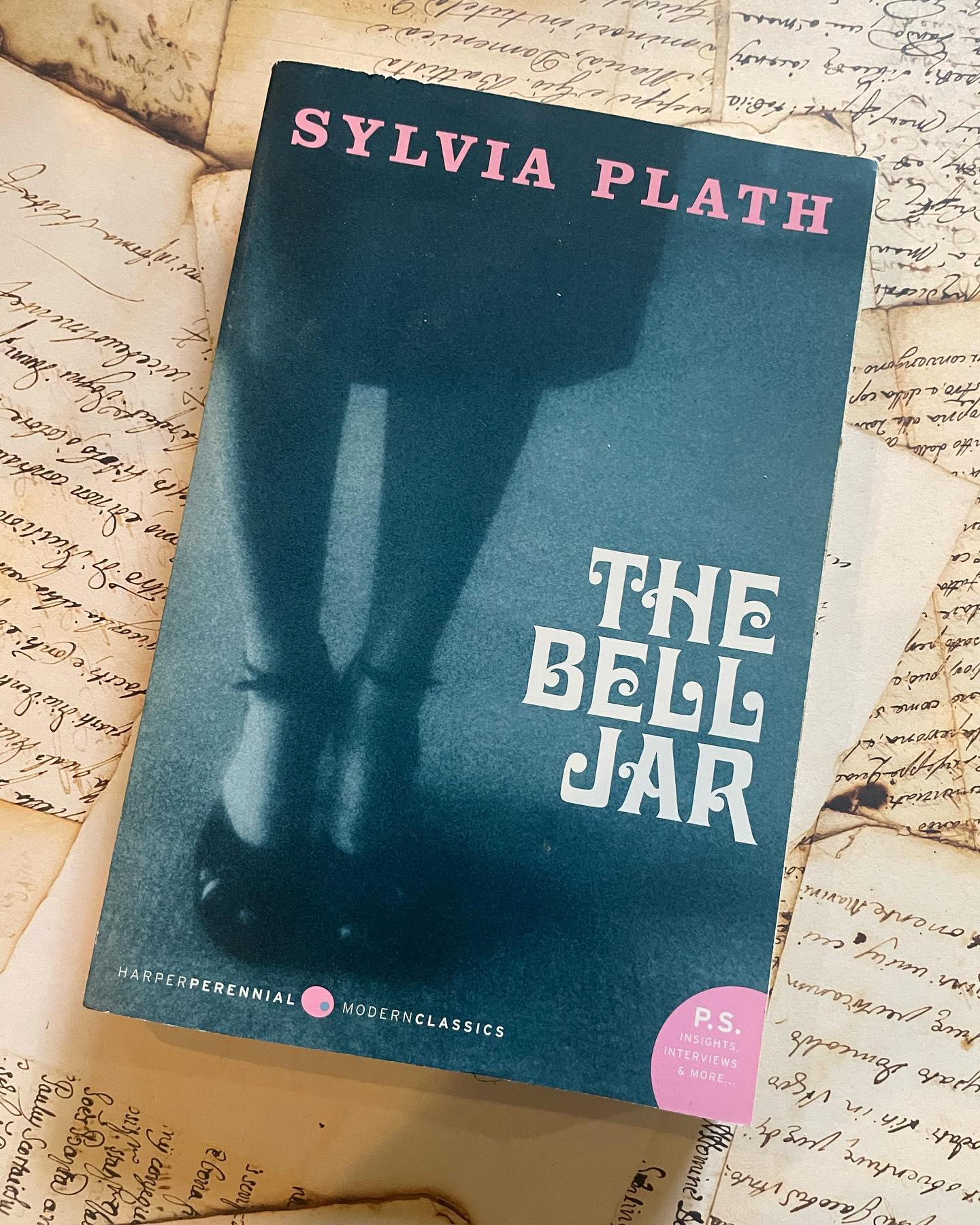
Plath’s only novel, first published under the pseudonym Victoria Lucas, follows Esther Greenwood, a talented young woman whose promising summer in New York gives way to a spiraling mental breakdown.
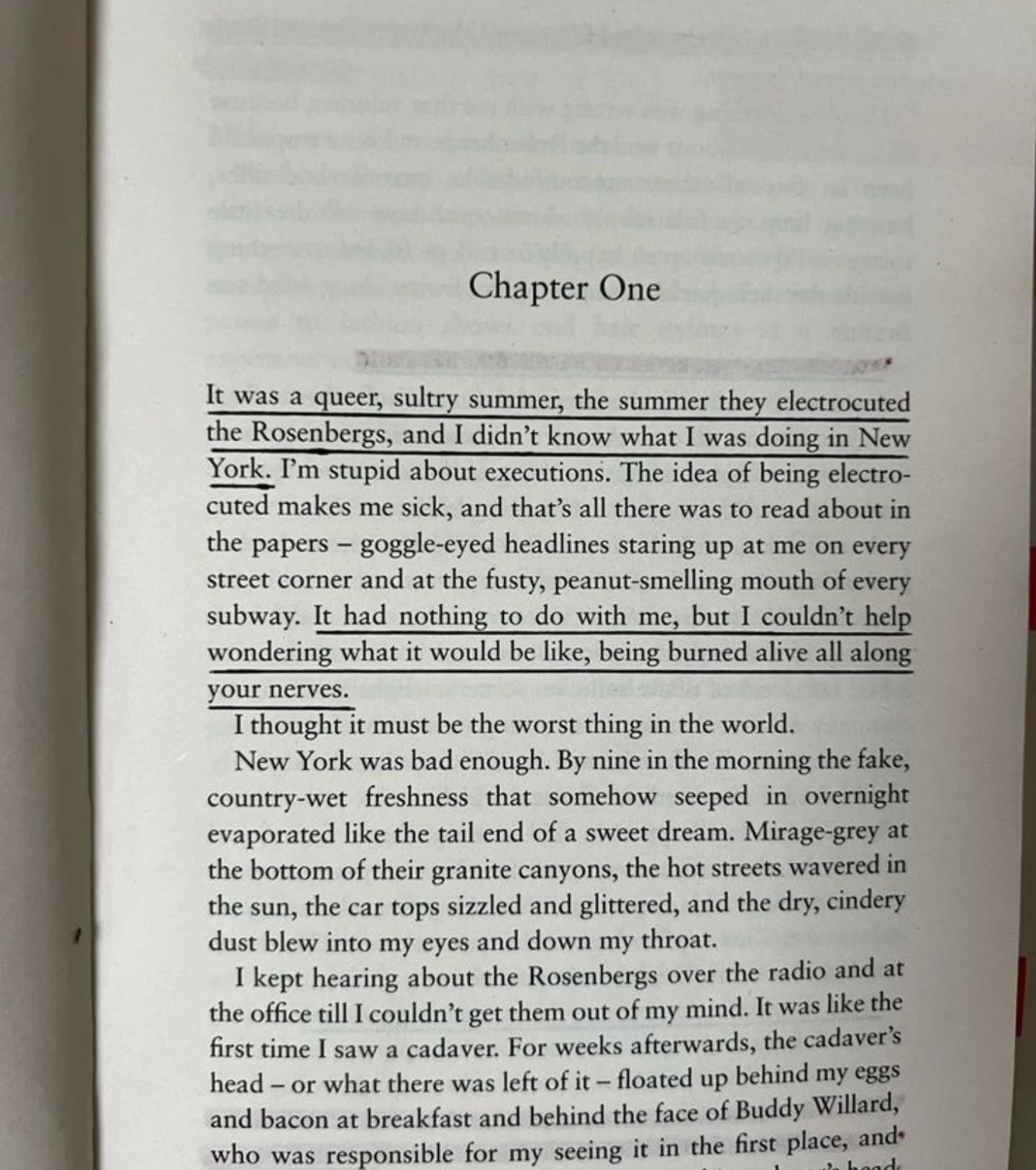
The line anchors a private crisis to a public execution: the Rosenbergs were put to death in June 1953, and that jolt of real-world dread mid-sentence is what makes it linger.
7. Pride and Prejudice by Jane Austen (1813)
“It is a truth universally acknowledged, that a single man in possession of a good fortune, must be in want of a wife.”
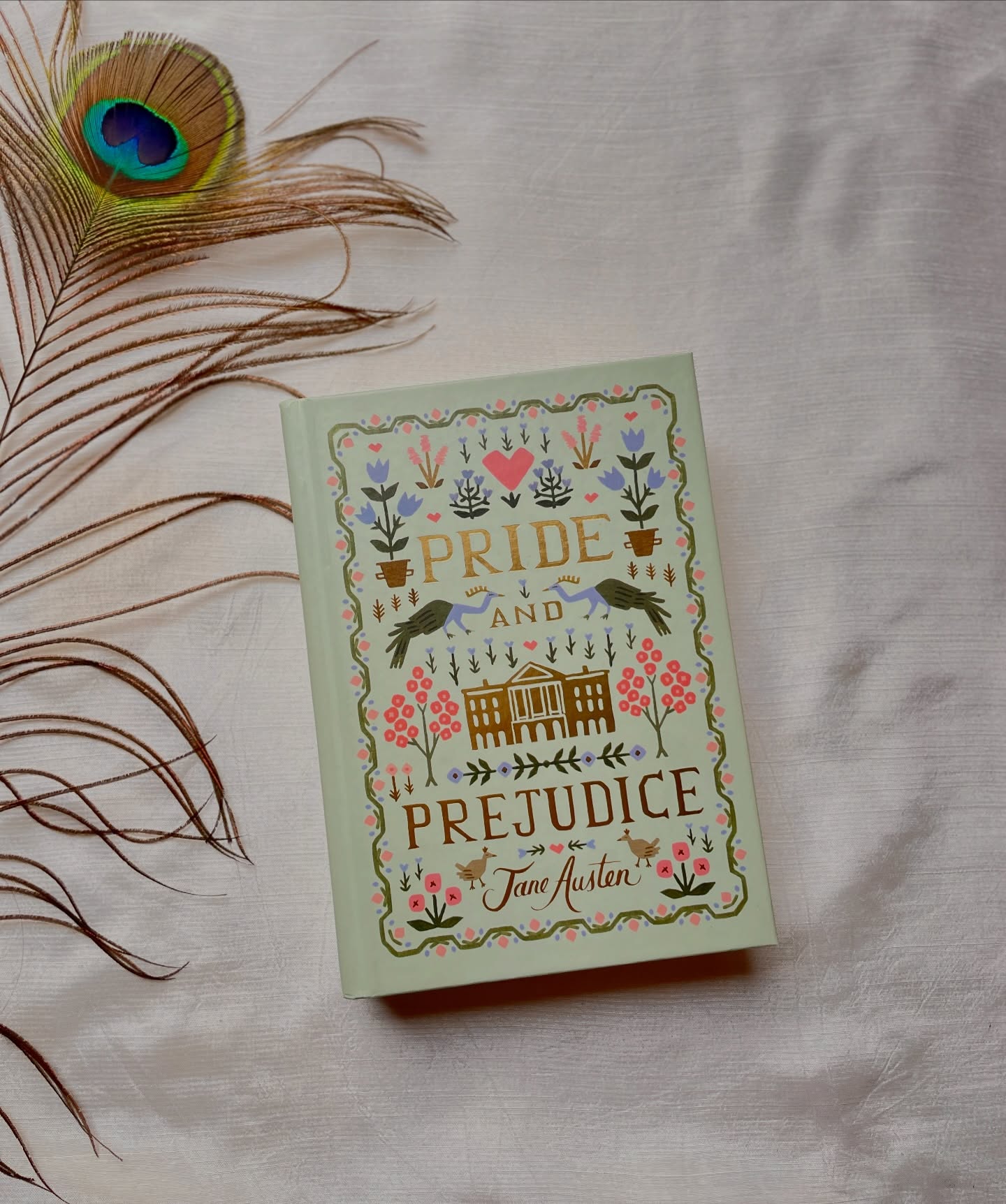
Austen’s comedy of manners about Elizabeth Bennet, her four sisters, and the marriage market that governs their futures, above all her prickly, evolving relationship with the wealthy Mr. Darcy.
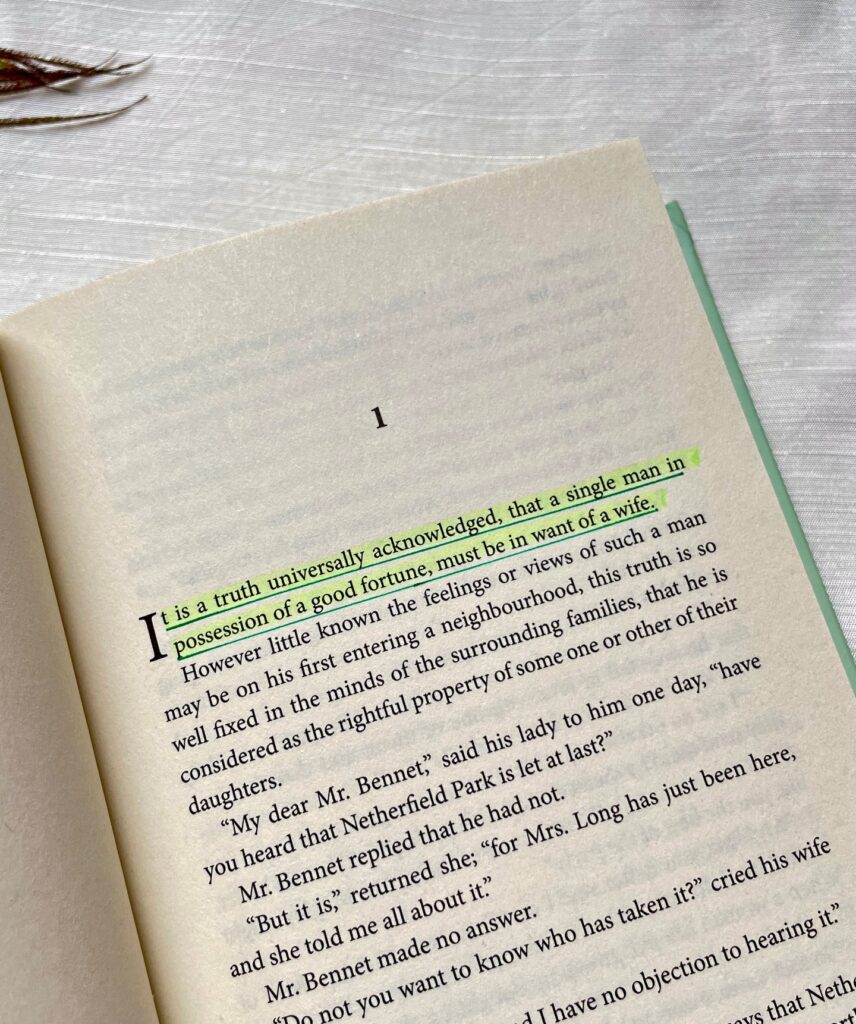
The opening is a masterclass in irony: Austen states a “truth” that is nothing of the kind, and the whole social satire is baked into that wink.
8. Moby-Dick by Herman Melville (1851)
“Call me Ishmael.”
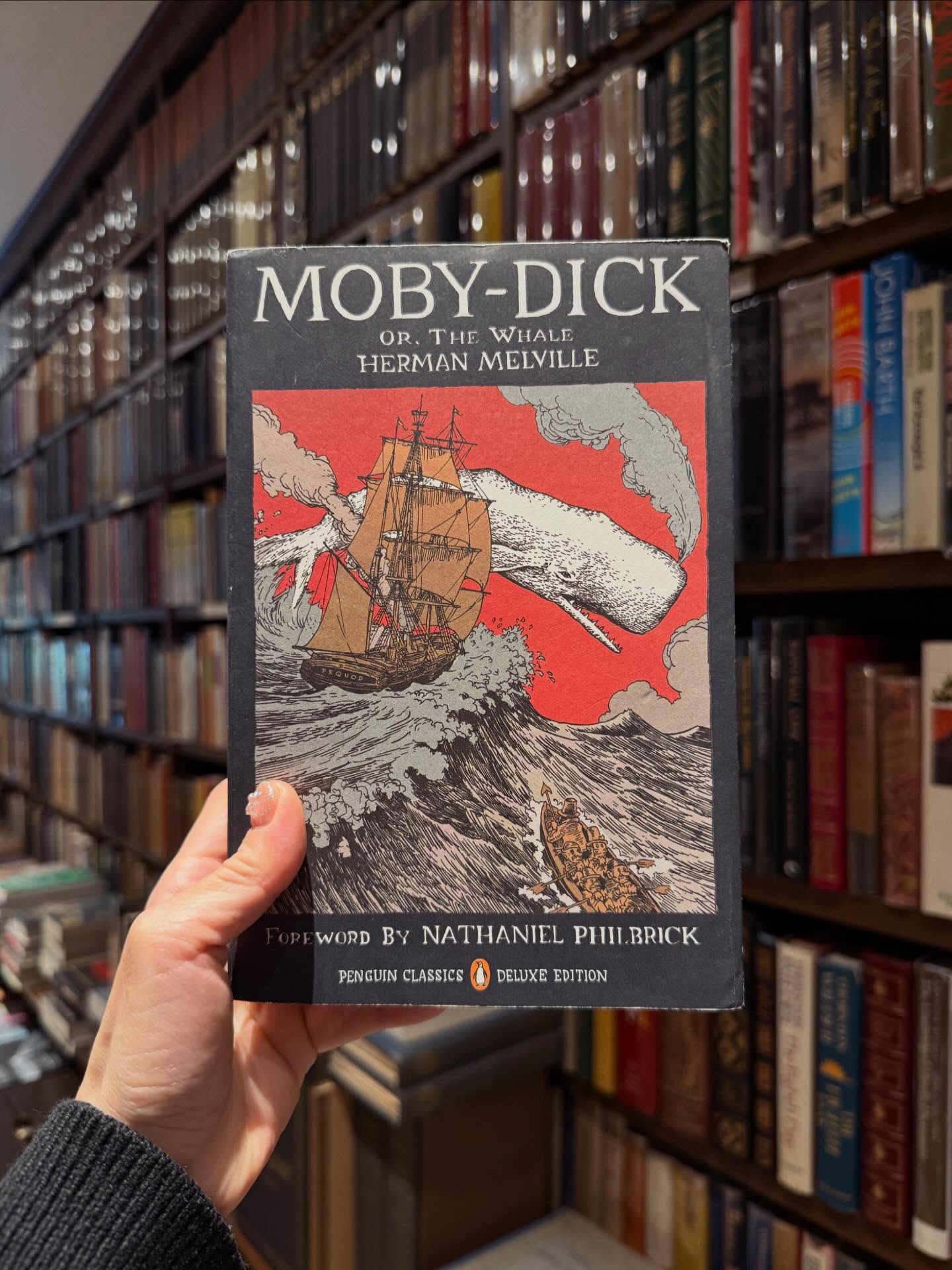
Narrated by the sailor Ishmael, this is the epic of Captain Ahab and his obsessive hunt aboard the doomed whaler Pequod for the white whale that took his leg.
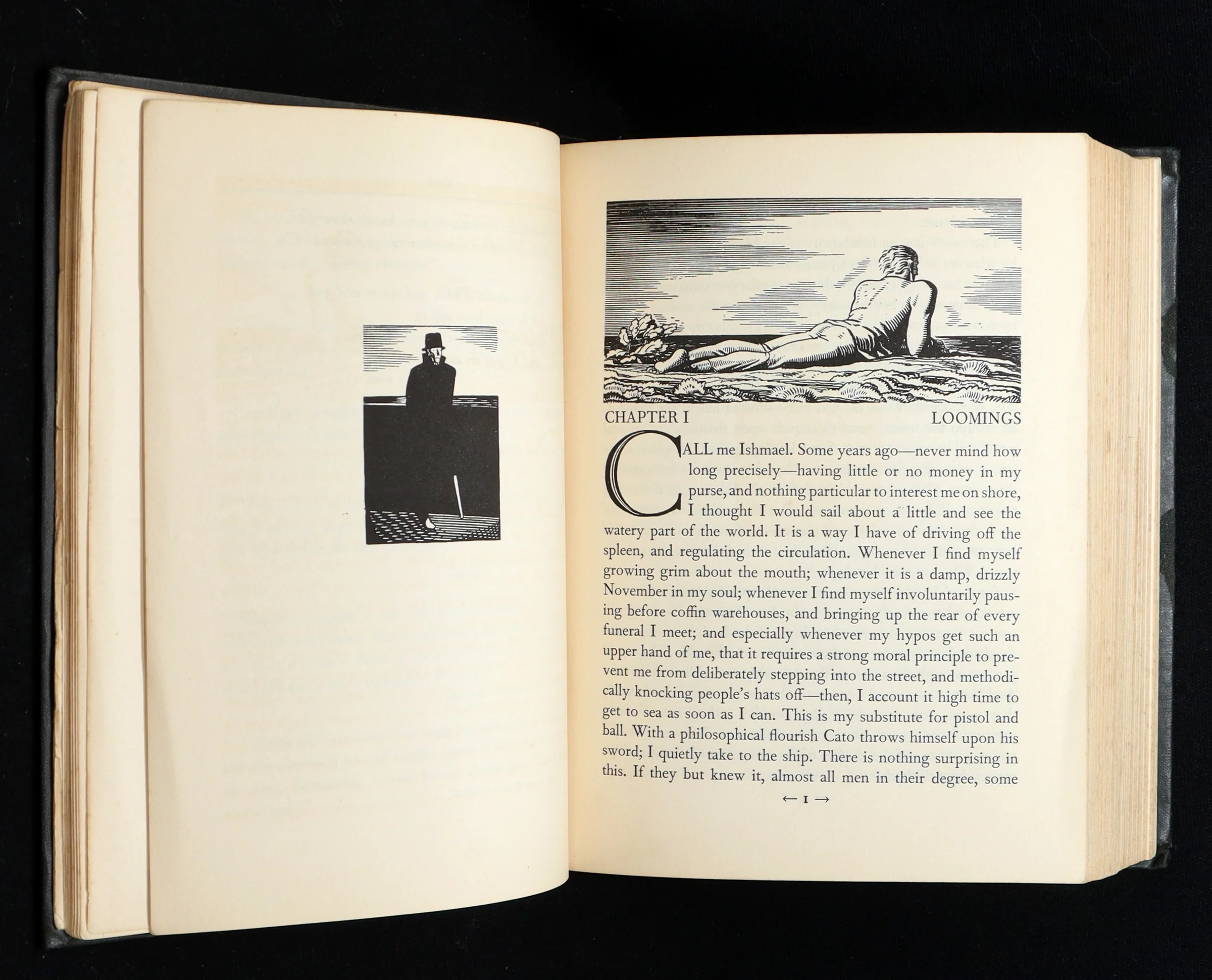
In just three words you get a narrator, a distinct voice, and a personal invitation. He says “Call me Ishmael,” not “My name is Ishmael,” hinting that the name may be one he has chosen rather than his real one, which adds a note of mystery.
9. Notes from Underground by Fyodor Dostoevsky (1864)
“I am a sick man, I am a spiteful man, I am an unattractive man.”
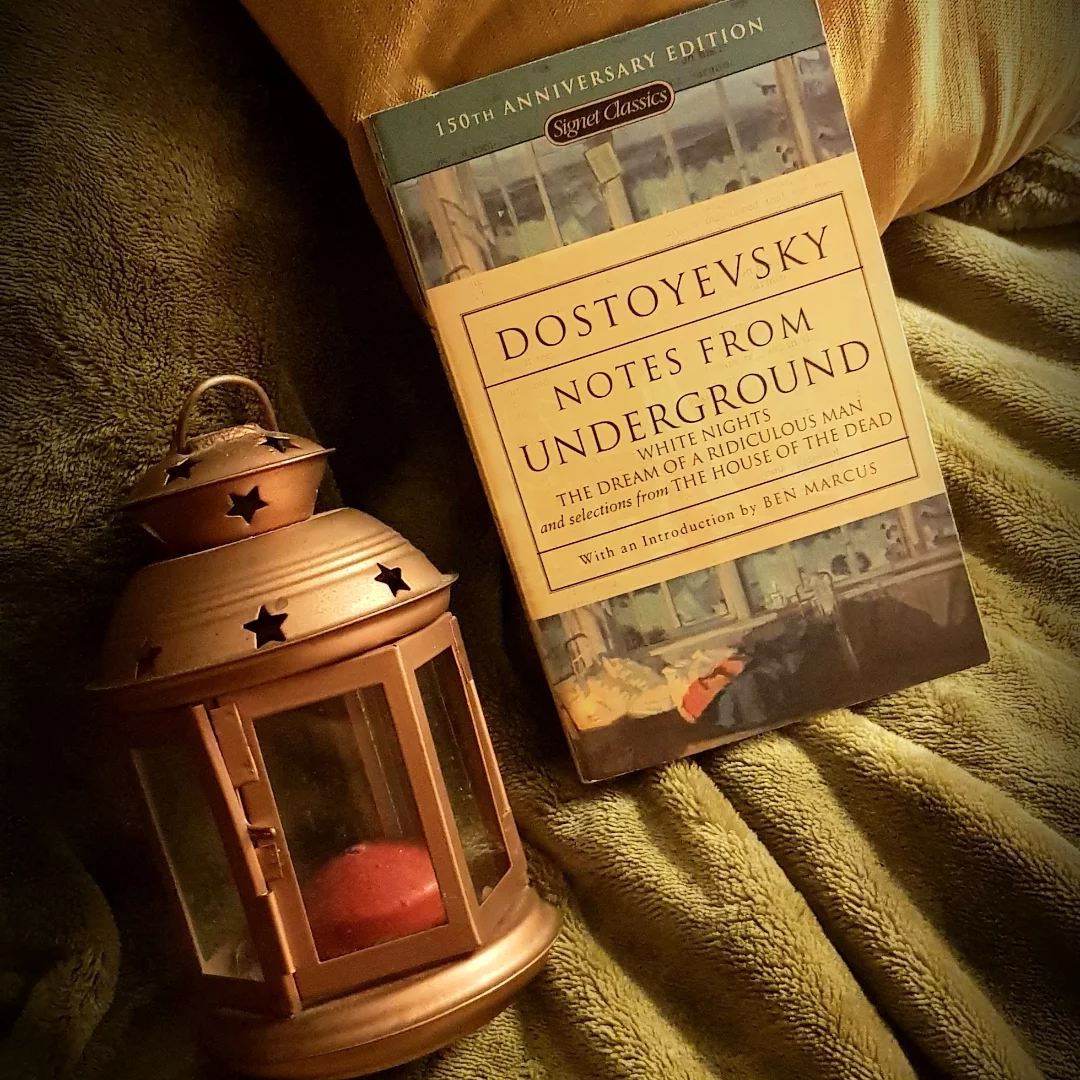
A bitter, first-person confession from an unnamed retired civil servant in St. Petersburg, often called the first existentialist novel. The opening plunges you straight into his self-lacerating voice.
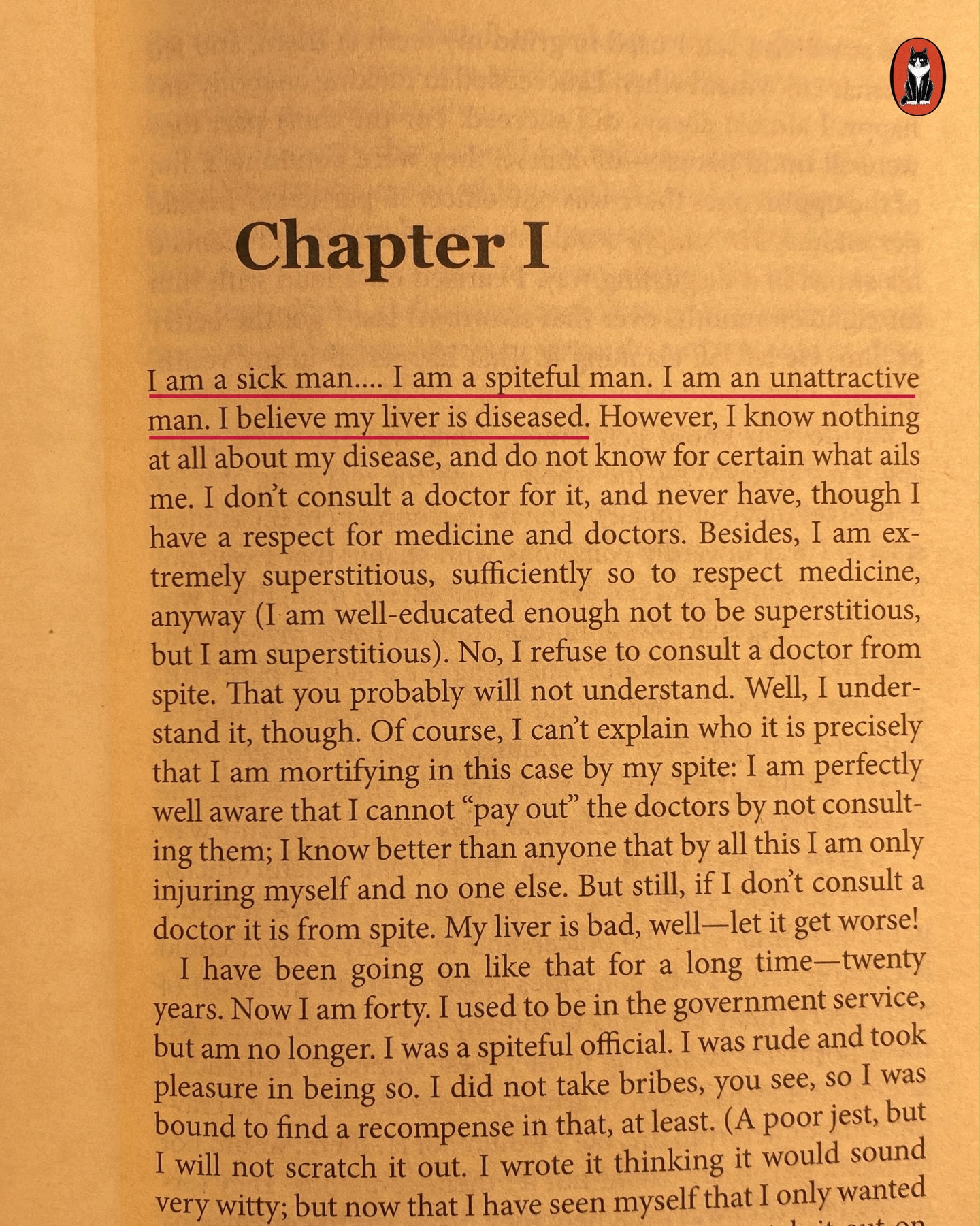
One quirk of reading Dostoevsky in English: that key adjective changes by edition. Garnett renders it “spiteful,” Pevear and Volokhonsky “wicked,” proof that a translator helps shape even the most famous line.
10. The Color Purple by Alice Walker (1982)
“You better not never tell nobody but God.”
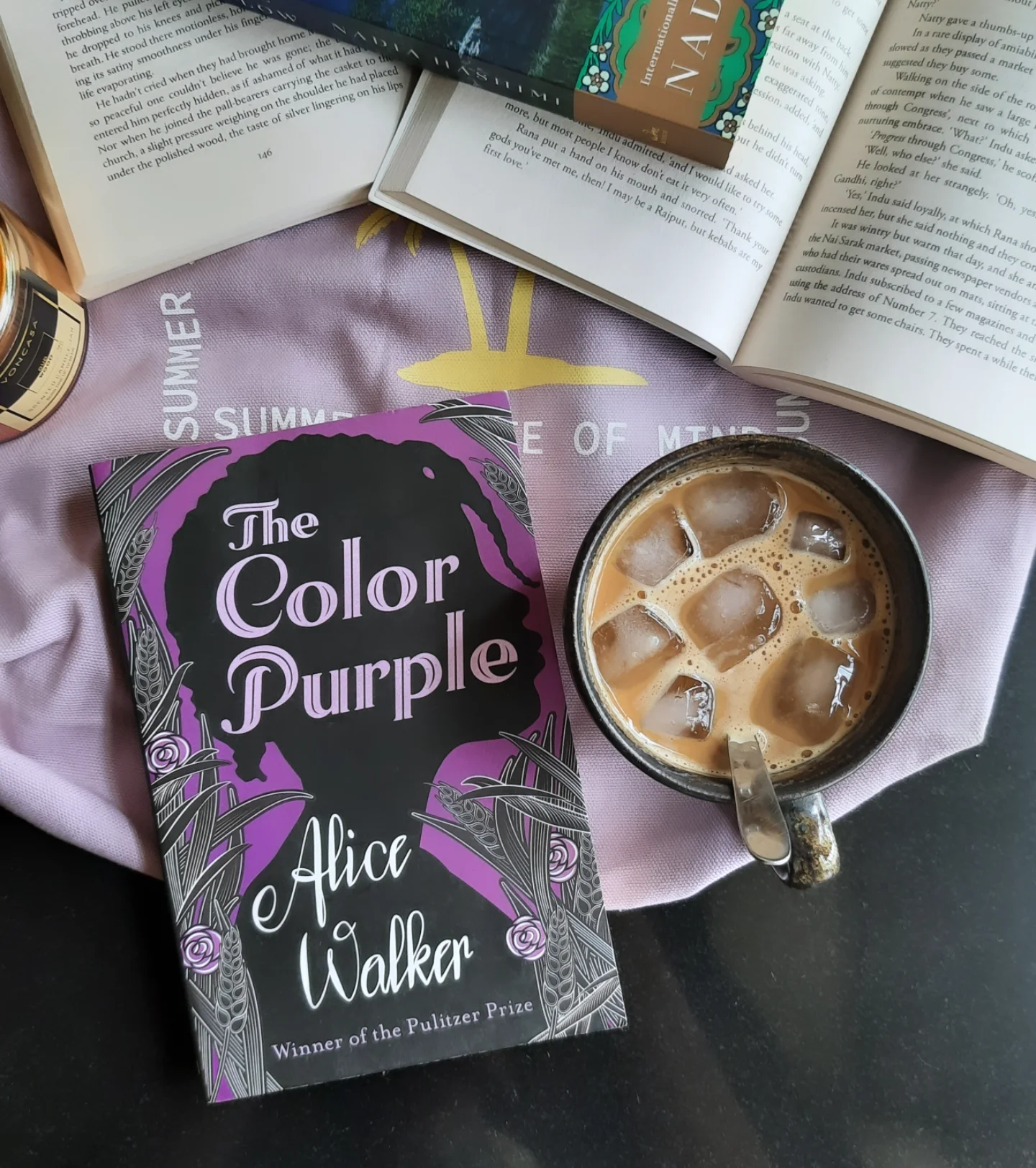
Told through letters, Walker’s novel follows Celie, a young Black woman in the rural South, as she survives abuse and slowly finds her own strength and voice.
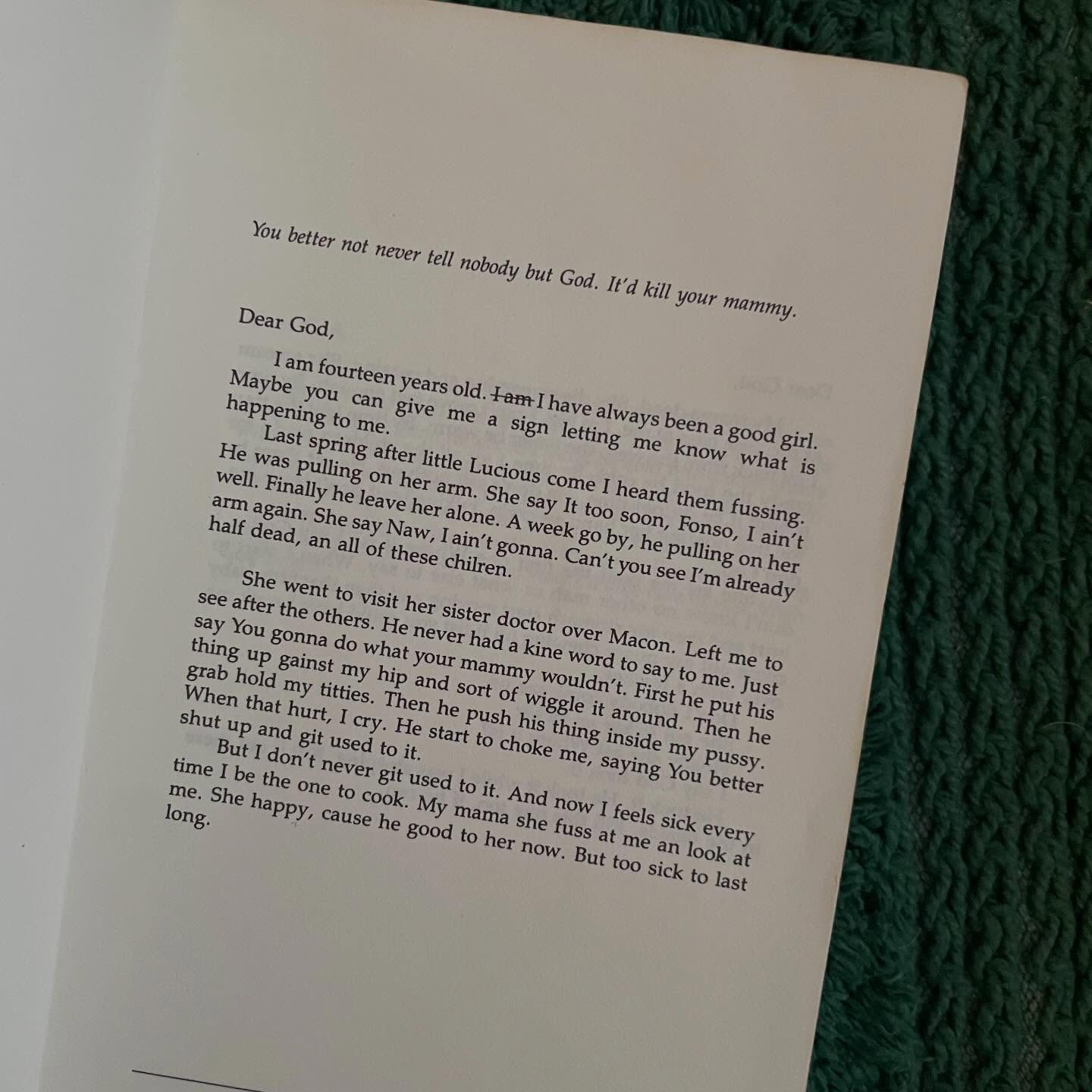
The first line arrives in Celie’s exact grammar, rhythm, and fear, and in one breath establishes both the epistolary form and a life ruled by enforced silence. The book went on to win the Pulitzer Prize for Fiction in 1983.
Why We Never Forget Them
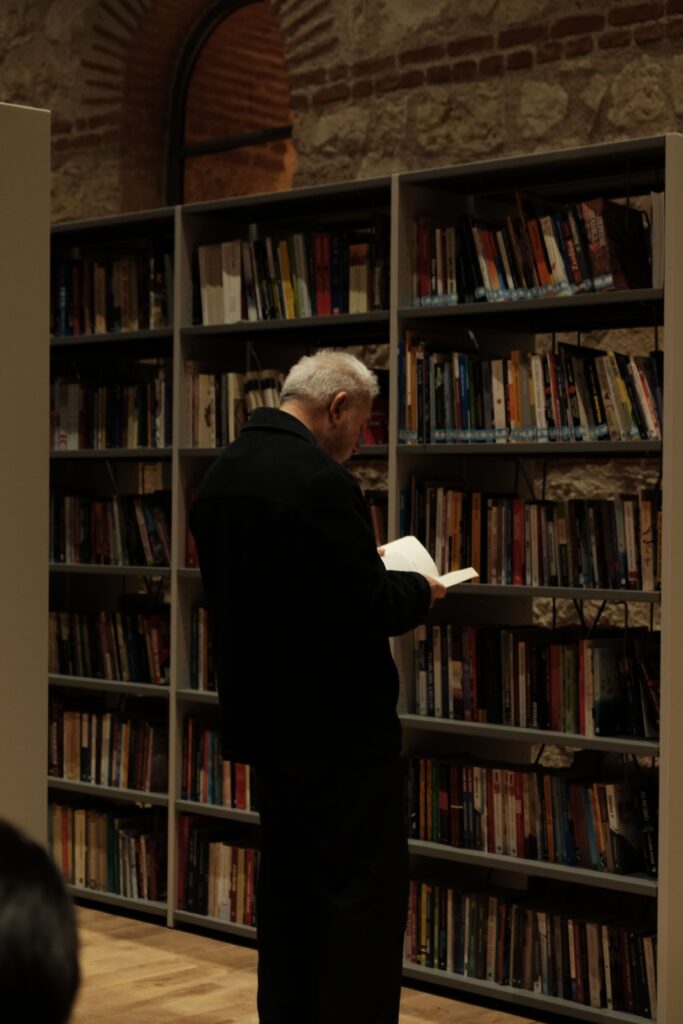
The strange thing about a perfect opening line is that you often remember it long after the plot has faded. They do something. They shock you, confess to you, let you in on a secret, or hand you a voice so specific you trust it instantly. Whether it takes three words or thirty, the trick is the same: create a question you need answered, and the reader turns the page to answer it.

Carley Bishop
Carley is an editorial lifestyle writer and aspiring novelist. She is based in North Carolina where she resides with her husband and their puppy, Daisy, and is a proud graduate of University of South Carolina. Carley is a lifelong bookworm who enjoys reading everything from the classics to modern romances. When she's not reading or writing, she enjoys traveling, getting outside and trying new recipes at home.