
Neat or messy, elegant or chaotic, these legendary authors proved that handwriting, like prose, has a personality of its own.
Here’s the thing: when we think about great writers, we probably picture their books neatly typeset on crisp pages, maybe even a dramatic portrait on the back cover… We probably don’t picture the messy reality that is most creative people’s notes.
After all, long before laptops and even typewriters, writers lived by their pens. So what we imagine to have been their books, their drafts, was likely not the case. Which raises the question: what did their handwriting look like?
Was it as elegant as their prose? Or a wild scrawl that only they (sometimes) could decipher? Let’s peek into the penmanship of seven literary legends: Fyodor Dostoyevsky, Franz Kafka, Jane Austen, Sylvia Plath, Leo Tolstoy, Oscar Wilde, and Albert Camus, and see whether they’d impress a calligraphy teacher… or get detention for illegible scribbles.
Fyodor Dostoyevsky: Passion in Every Stroke
Let’s start in Russia with Dostoyevsky, the master of psychological intensity. His handwriting? Dense, jagged, and practically vibrating off the page. Scholars often describe it as cramped and angular, with sudden shifts in pressure as if he were wrestling his pen across the paper. It’s not the kind of script that screams “easy to read.” In fact, looking at his manuscripts can feel like staring at a storm in ink. But that’s Dostoyevsky all over, really. Restless, driven, chaotic, and deeply emotional.
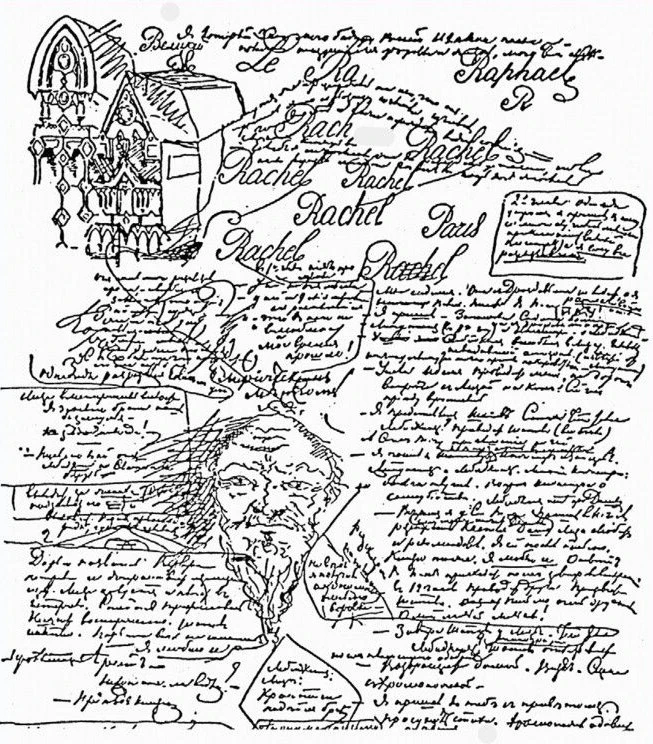
His handwriting gives the impression that his words poured out with urgency, so much so that the letters look like they’re sprinting to keep up. Imagine him hunched over his desk, candle burning low, racing against both deadlines and debts. It makes sense that his handwriting isn’t “neat.” It’s a mirror of his inner world: tortured brilliance captured in every slash of the pen.
Franz Kafka: Controlled, Yet Trapped
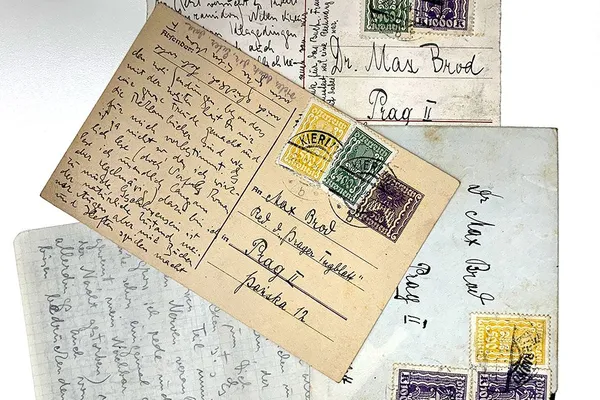
Now let’s hop over to Prague. Franz Kafka, the man whose name literally became shorthand for anxiety and existential dread. If Dostoyevsky’s handwriting was a metaphorical storm, Kafka’s was a kind of cage.
Kafka’s script was precise, almost mechanical, neat rows of carefully shaped letters that looked sharp and a little restrained. He was a trained lawyer, after all, and his handwriting has that clerk-like regularity.
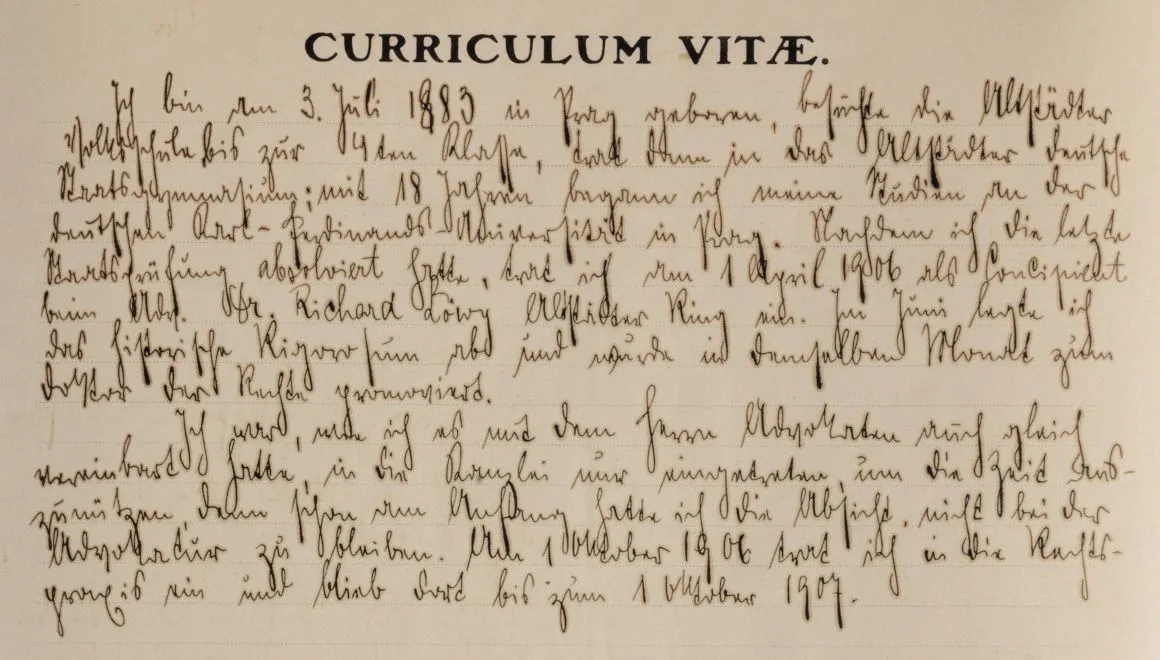
At first glance, it’s tidy, neat, organized, even beautiful. But if you stare at it too long, there’s an odd tightness, a feeling of confinement.
Doesn’t that sound perfectly Kafkaesque? Here was a man obsessed with rules, systems, and the crushing weight of bureaucracy, so it tracks that his own handwriting looks like it’s following strict orders, trying hard not to step out of line. Neat, yes. Free? Not so much.
Jane Austen: Gracefully Cursive
Next, we turn to Jane Austen, whose handwriting is basically the Regency version of a well-brewed cup of tea: it’s truly refined, measured, and deeply satisfying.
Austen’s letters show a flowing, graceful cursive. The letters lean slightly forward, as if eager to be written and read, and the lines are even and balanced. It’s very evidently the script of someone who had a steady hand and a sharp mind.
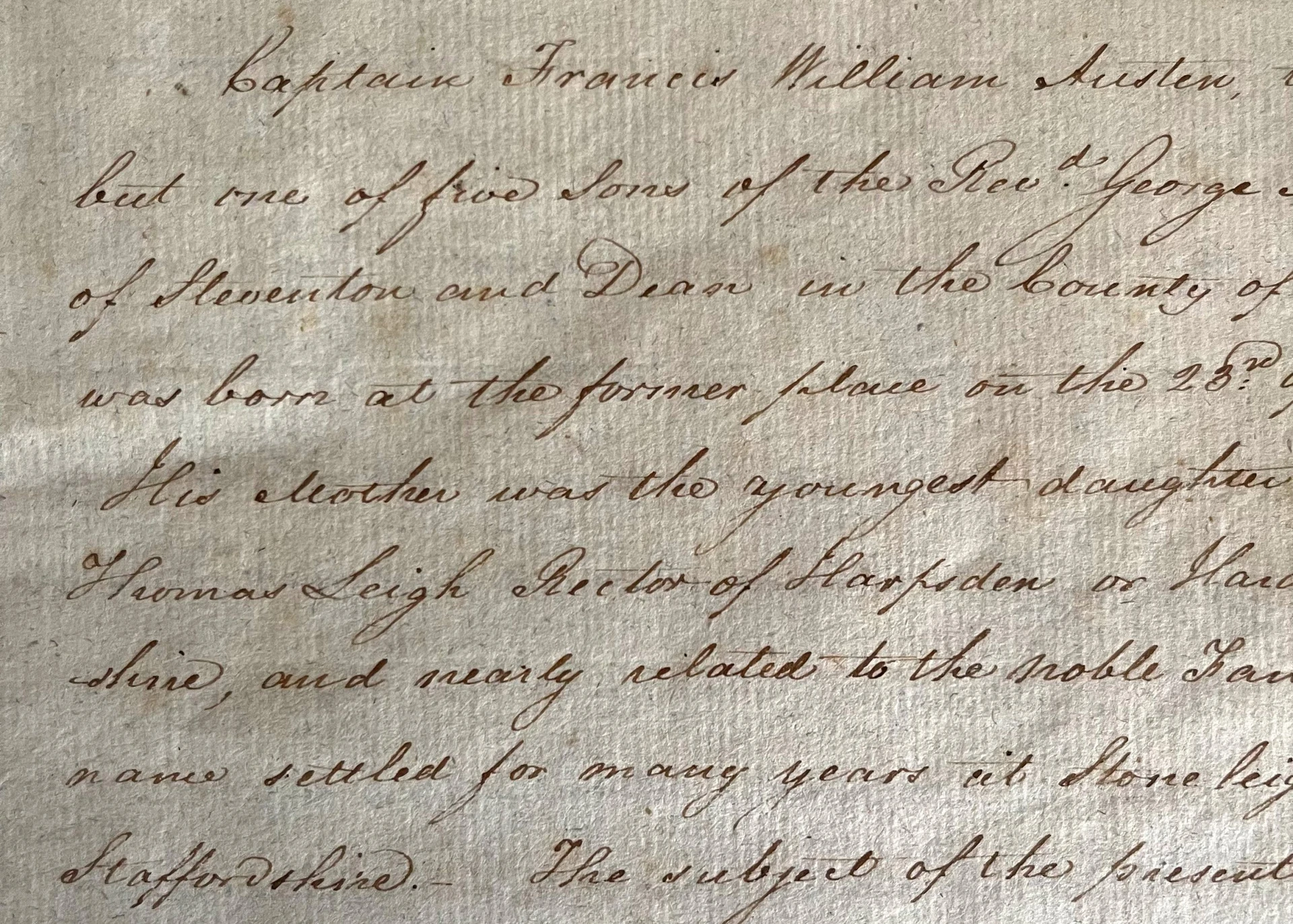
Reading her handwriting feels like what we imagine listening to her conversations would feel like. Her words are witty, elegant, orderly, with just enough flair to keep you leaning in. No wonder her novels are full of carefully observed social nuance. Her penmanship looks like someone who knew exactly what she wanted to say and could say it without mess or fuss.
If your teacher were grading penmanship, Jane Austen would absolutely get a gold star.
Sylvia Plath: Intensity in Ink
Sylvia Plath’s handwriting tells a very different story. Looking at her journals, her script is quick, loose, and frantic. It has an intensity to it, as though each word couldn’t get out fast enough.
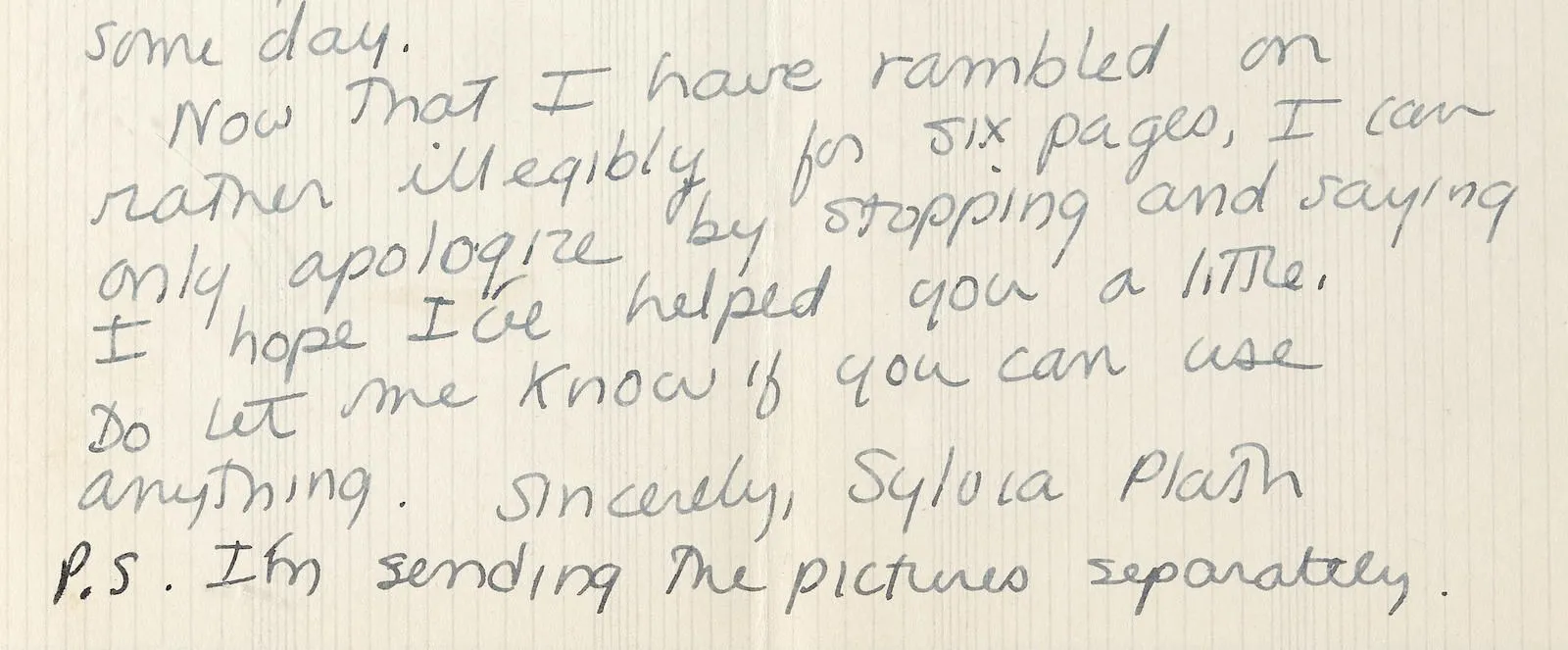
There’s a creative energy buzzing in those loops and lines, but also a kind of vulnerability, letters that tilt and stretch, words pressed hard into the page. Her handwriting seems almost impatient with itself, as though she knew time was short and she had to pin her thoughts down before they scattered.
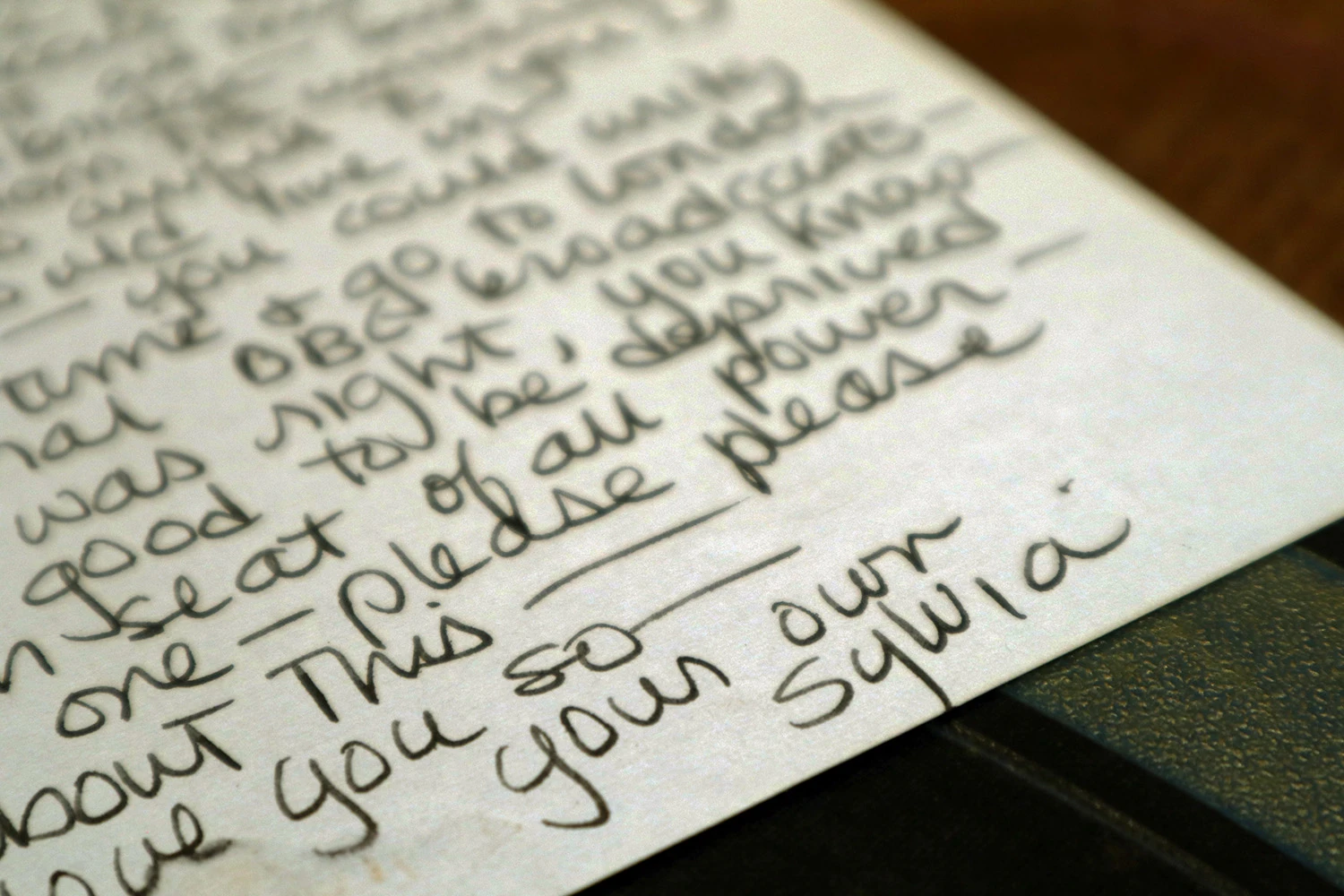
It’s beautiful in its way, but also restless. Like her poetry, it swings between control and chaos, light and shadow. You can practically see the emotional tides rising and falling in her pen strokes.
Leo Tolstoy: Chaotic Order
If handwriting is a mirror of the self, then Tolstoy’s pen shows him to be a man of two sides. Sometimes, his writing was clean and precise, but sometimes, his handwriting became messier, looser, even erratic.
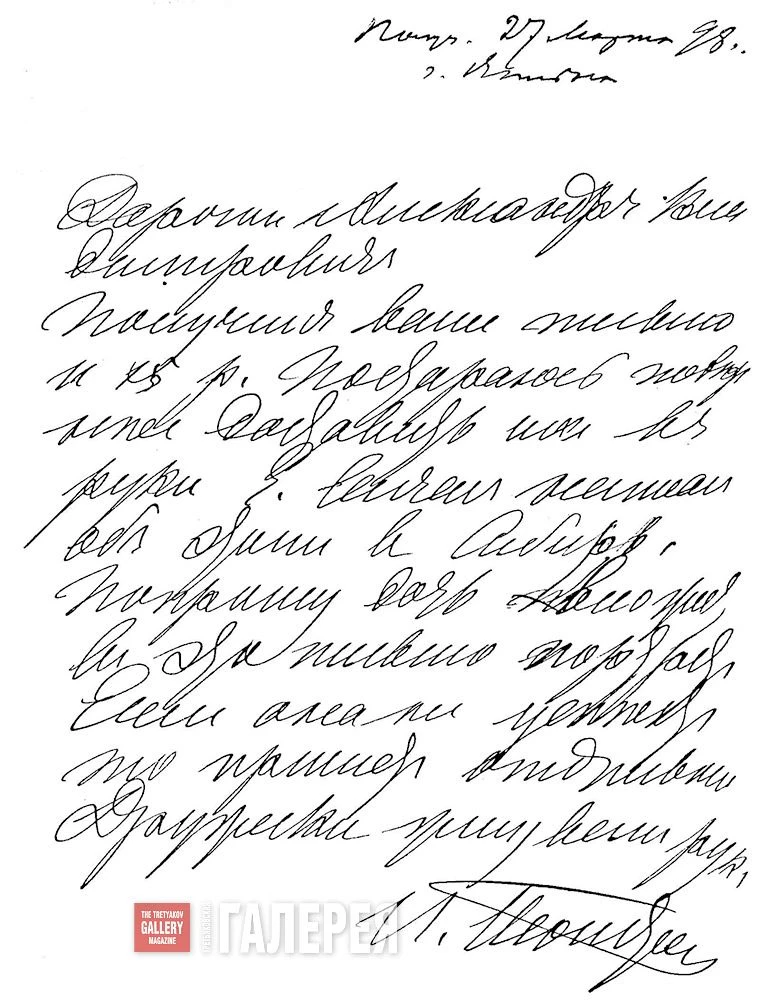
In some manuscripts, his words look hurried, as though he was scribbling ideas faster than his hand could keep up. In others, he slows down, and the elegance returns.
It’s like his handwriting reflects his lifelong swings between order and rebellion, luxury and asceticism, control and surrender.
For Tolstoy, it very much seems like penmanship wasn’t about neatness; it was about keeping up with the constant flood of ideas that defined his massive novels and his restless search for meaning.
Oscar Wilde: Flourish and Drama
Ah, Oscar Wilde, a man who would never settle for boring handwriting. His penmanship, much like his fashion sense, was all about style, flair, and just a touch of drama.
His letters reveal bouncy strokes and elegant flourishes, especially in his signature. It’s the kind of handwriting that doesn’t just speak for him, it practically announces anything he wrote with a theatrical bow.
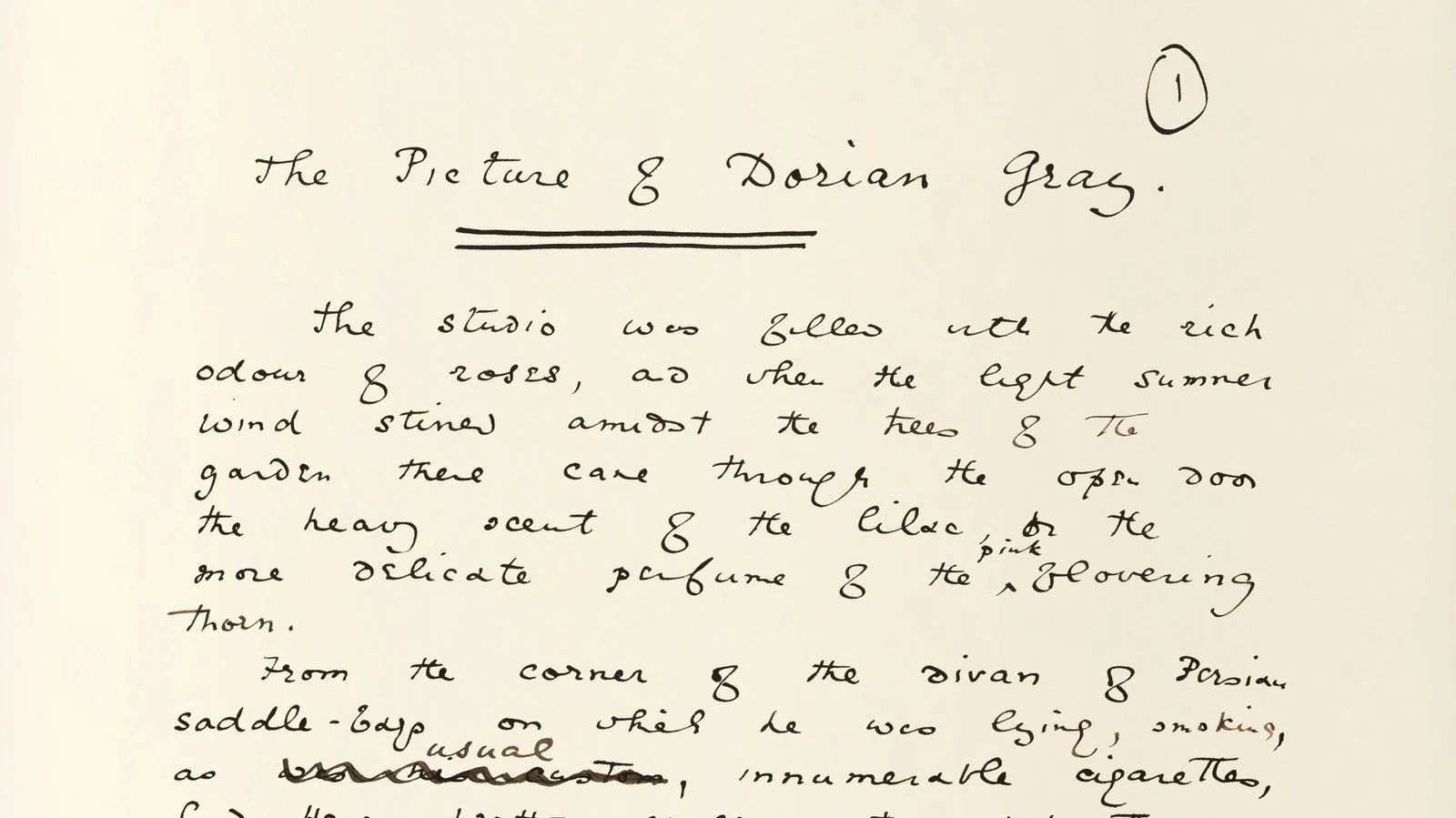
There’s a sense of artistry in his script. Wilde understood that appearances mattered, whether in a perfectly turned epigram or a swooping pen stroke. Was it always the most readable? Maybe not. But was it fabulous? Absolutely.
Albert Camus: Modernity and Minimalism
Albert Camus, the French-Algerian philosopher of the absurd. His handwriting? Surprisingly clear, modern, and minimalist compared to the more common sprawling scripts of the 19th century.
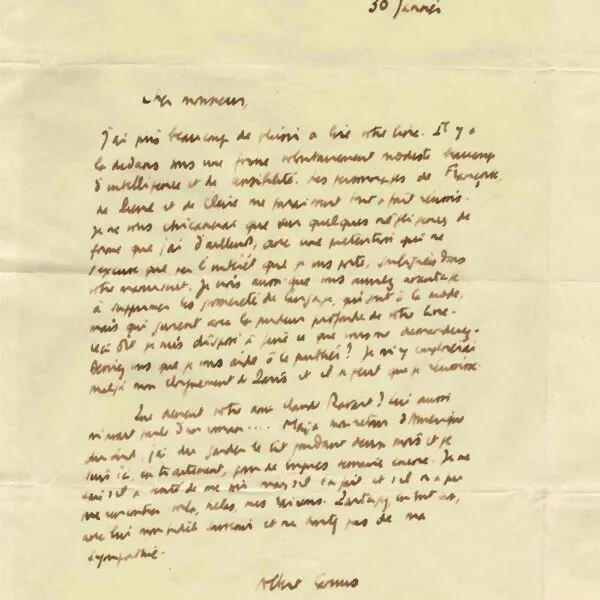
Camus’s letters and notebooks show a style that’s readable, efficient, and unpretentious, almost like his prose. Short, declarative, a little squiggly. It’s handwriting that gets the job done without showing off, but still carries an obvious intelligence.

Millie Ramm
Millie has been writing since she was a child, and has spent more time with her nose in books than anywhere else. She has been ghostwriting novels and editing for the past few years, and when not working she is curled up with her cats, looking for her next read.