
From drills to sewing machines to cotton candy makers, discover how Buffalo’s Tool Library shows that sharing tools builds stronger communities.
If you’ve ever stared at a broken toaster and thought: Well, that’s it! Off to the landfill with you! Then Buffalo’s Tool Library might just be what you need to make you rethink that whole toss-it mentality. Imagine a place that feels like your local library, only instead of books the shelves are filled with tools you can borrow, where you can get help fixing your busted gadgets, and maybe even make a few friends while you’re at it.
That’s exactly what’s happening in Buffalo, New York, where a scrappy idea born in a college dorm has grown into a full-on community movement.
From College Idea to Community Hub
Picture this: back in 2011, Darren Cotton was a grad student in urban planning at the State University of New York, Buffalo. At the university, there was a huge influx of students who were living in neglected properties and who desperately wanted to fix up their homes, but who lacked the tools and the knowledge.
He started thinking about real-world solutions to solve this inaccessibility. After all, they’re expensive, they take up space, and, let’s be honest, you probably only use that power sander once a year, if that.
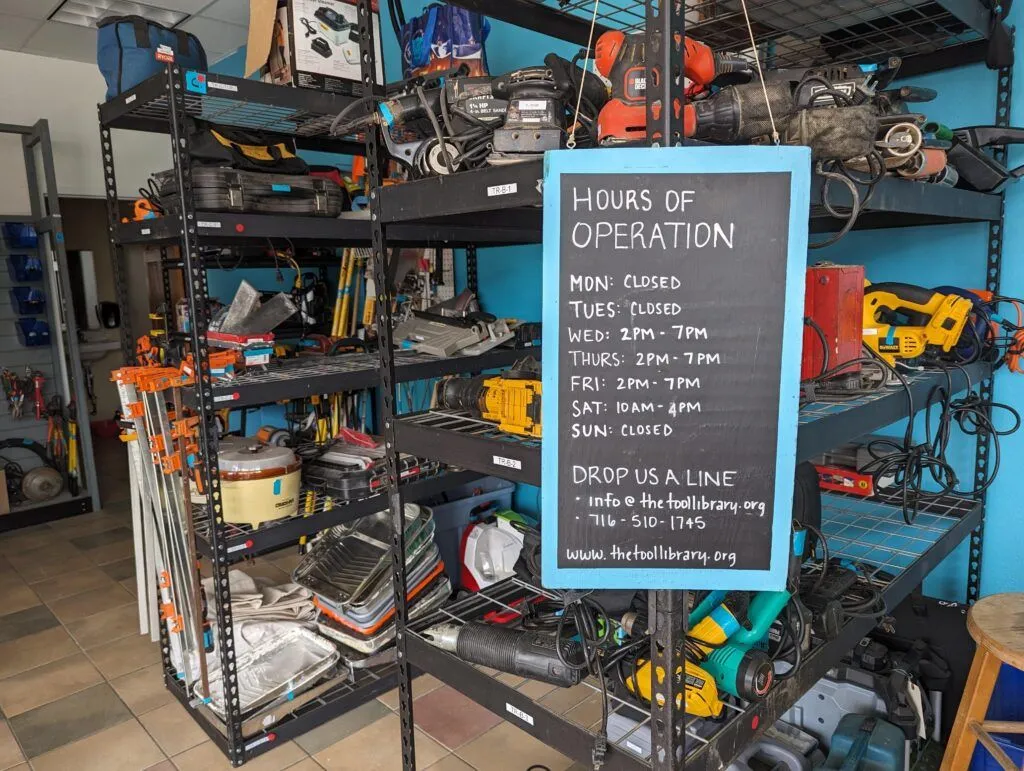
So Darren started what became The Tool Library with just 40 donated tools. It may have been barely enough to stock the corner of a garage, but it was enough to spark something bigger.
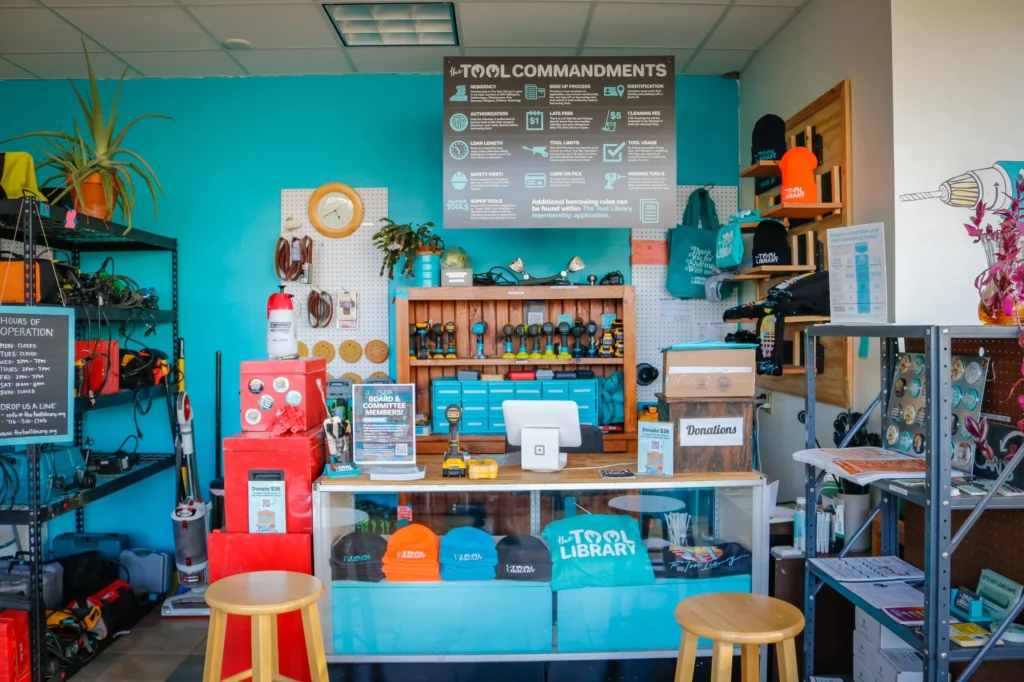
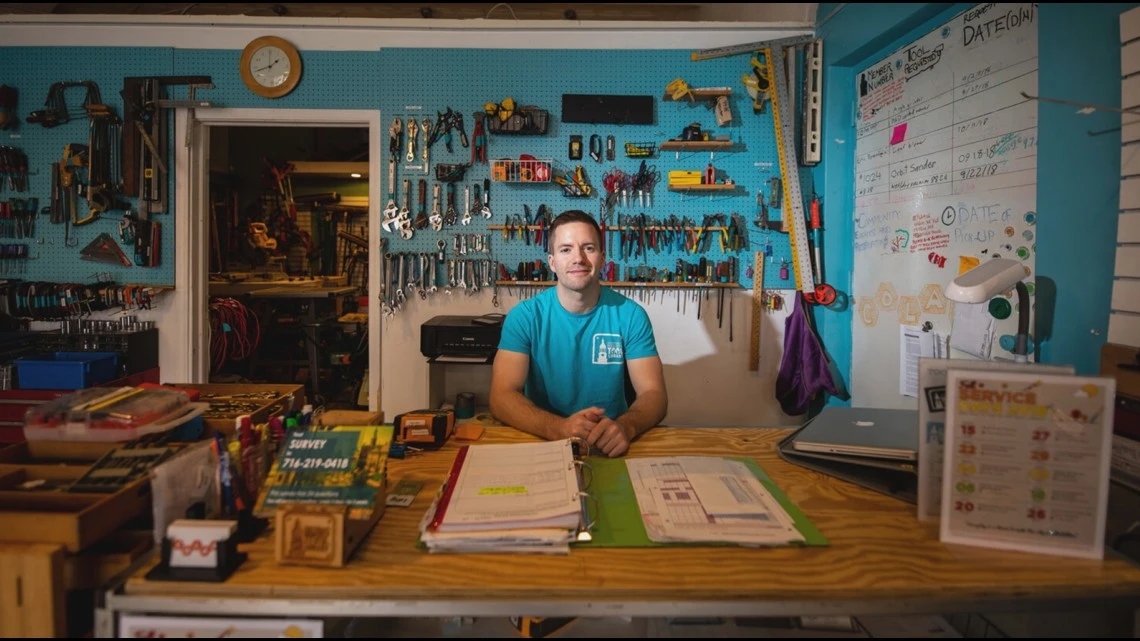
Fast forward to today, and the place has ballooned into a buzzing hub with nearly 5,000 tools, everything from cordless drills and lawnmowers to a sewing machine and, wait for it, a cotton candy maker.
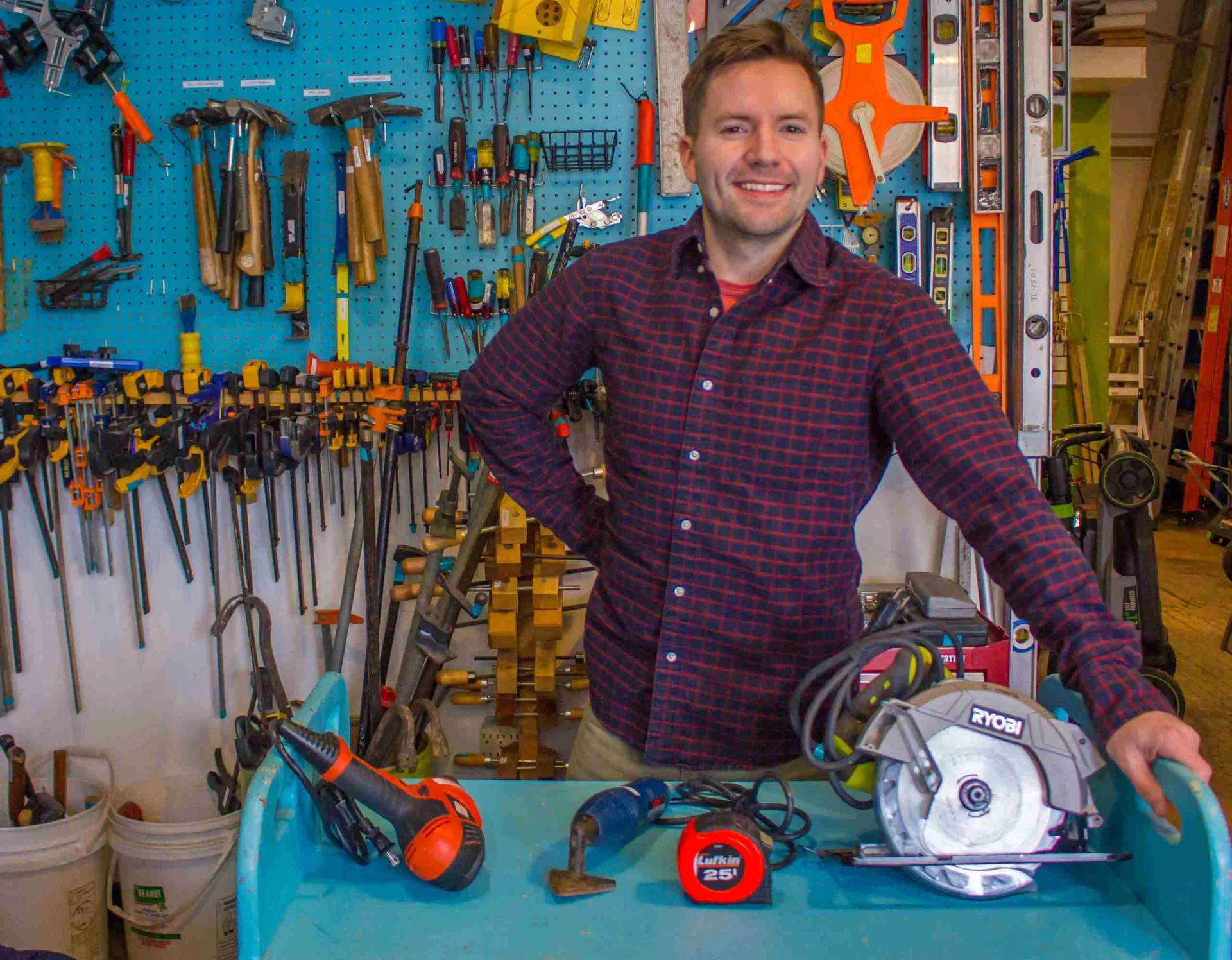
Yes, you read that right. Because sometimes what you need isn’t a hammer, it’s a sugar rush (and then to stay away from the hammer…)
What started as one student’s brainstorm has now blossomed into a nonprofit with 1,500 members and more than 14,000 loans processed every year. Not bad for a “library” that doesn’t even have books.
The Magic of Repair Cafés
Eventually, in 2017, The Tool Library took a big step and launched what they call Dare to Repair Cafés. To understand the vibe, imagine a pop-up party where neighbors gather to fix each other’s broken stuff. Toasters, lamps, vacuum cleaners, headphones, if it’s busted and you can carry it in, there’s probably a volunteer ready to take a crack at reviving it, whatever the issue may be.
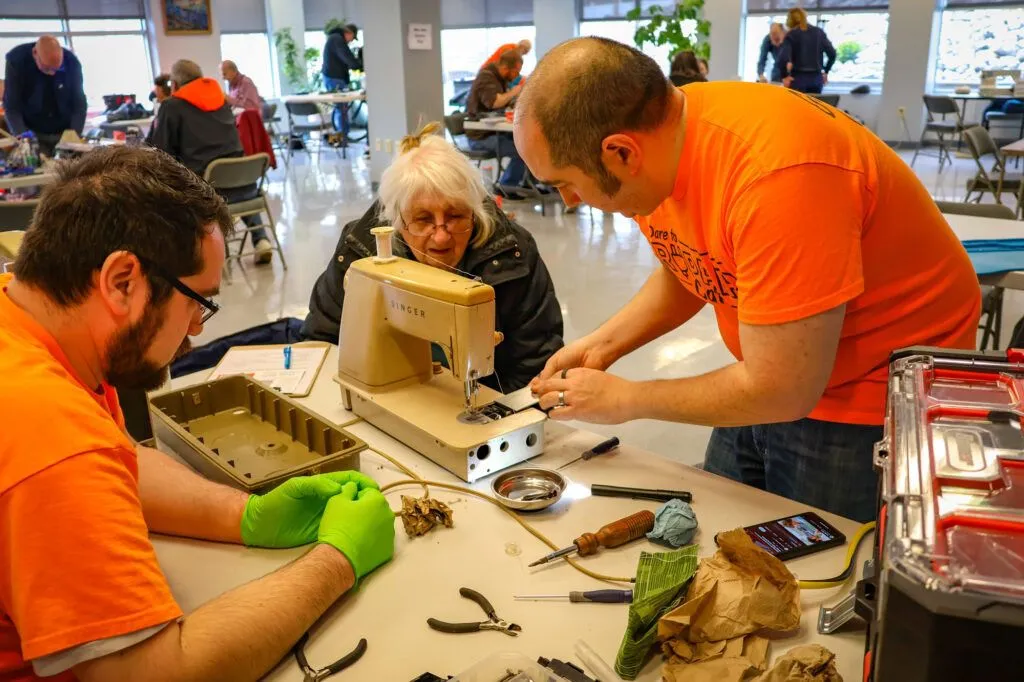
But it’s far from just a quiet DIY sesh. The vibe is much more “block party” than “boring workshop.” Volunteers sit side by side with folks, teaching them how to tinker, solder, or stitch, so the skills get passed along too. It’s less about dropping something off for repair and more about learning that you can actually fix things yourself. Sometimes, you just need a little guidance.
Since these events started, The Tool Library has recorded over 7,700 pounds of items saved from the landfill. That is thousands of pounds of junk diverted, just by giving things a little tinker.
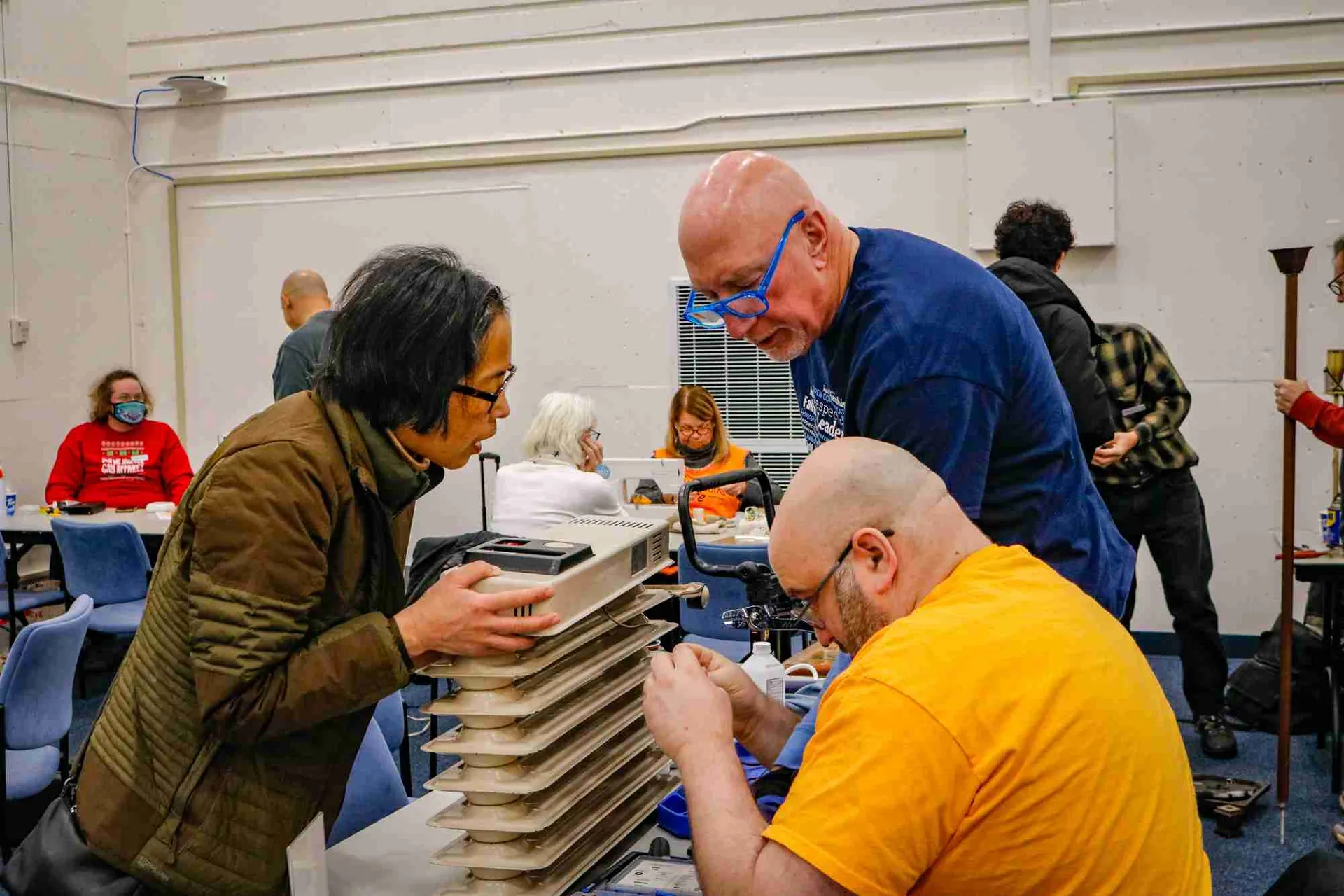
And here’s the kicker: the cafés don’t just fix stuff, either. As a consequence of how they’re set up, the cafes also create connections. People meet neighbors they’ve never talked to, swap stories while waiting for their gadget to be tinkered with, and walk away with a sense that their community actually has their back.
Growing Pains (In a Good Way)
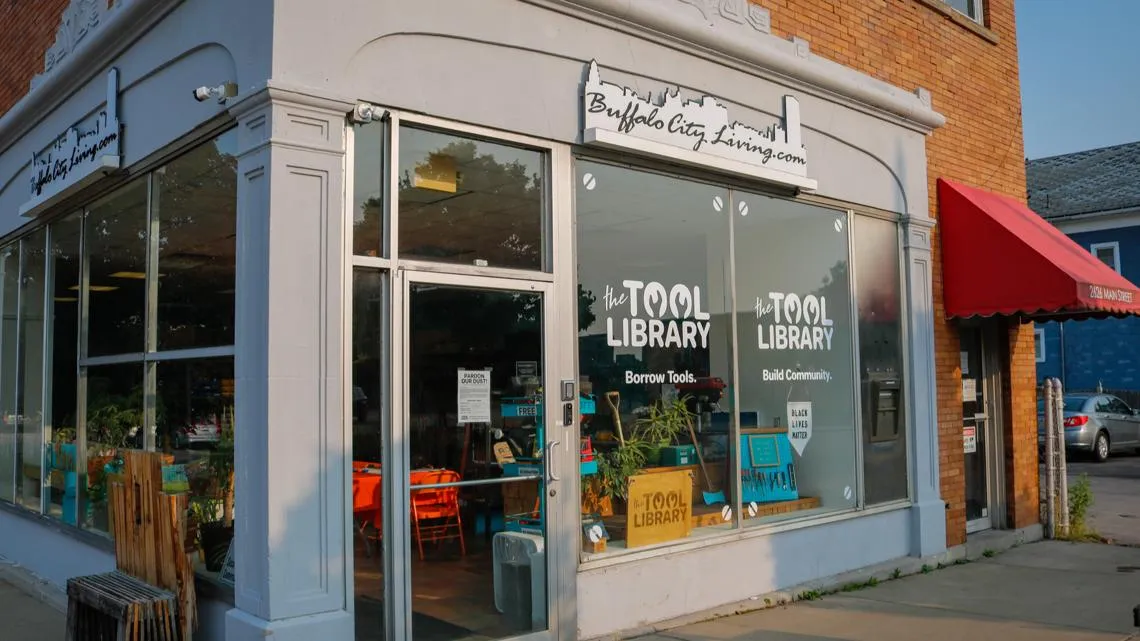
It wasn’t long before The Tool Library quickly outgrew its original tiny space. After all, 1,500 square feet crammed with thousands of tools isn’t exactly roomy. In 2023, the organization packed up and moved into a bigger, 2,500-square-foot space inside a renovated old bank on Main Street. The place has history, character, and, most importantly, space to breathe.
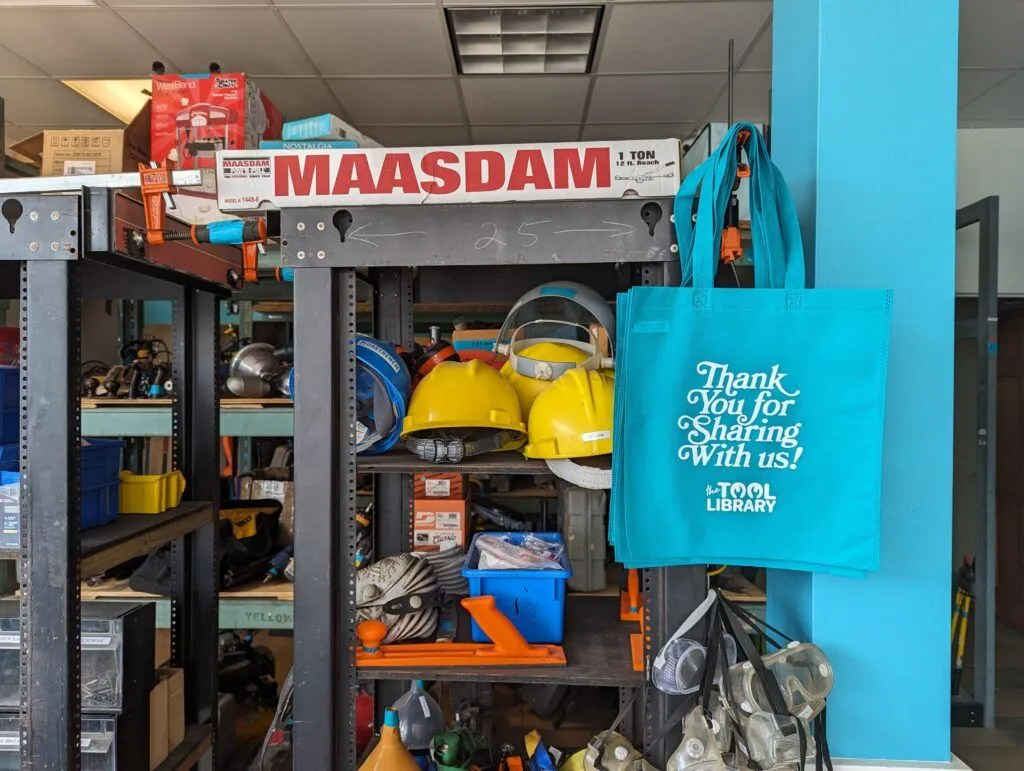
The move also brought new people into the fold, like operations manager Lissa Rhodes, a trained carpenter who knows her way around both wood and people. Having someone like Lissa on the team helped to take the library from a dusty room full of wrenches to a more organized, welcoming spot where borrowing tools feels as natural as checking out a library book.
A Different Kind of Economy
Here’s the deeper layer to all this: The Tool Library isn’t just about stuff, it’s about shifting mindsets. It’s making people ask: What if we shared more? What if we learned to repair instead of replace? What if we saw value in community, not just consumption?
It’s a kind of radical idea, if you think about it. Instead of everyone individually owning tools and spending more money at big stores to buy their own sets that will simply gather dust 90% of the time, why don’t communities just pool resources? Instead of chucking anything away the second it slows down or breaks, why not save the money on buying a new one and simply repair it?
It’s more than thrifting, it’s regenerating. And what’s more, the ripple effects go beyond saving pennies and landfill space. It helps to foster skills, confidence, and connections.
Setting An Example
The Tool Library has a huge number of glowing reviews. Plenty of locals gush about how they’ve borrowed tools for everything from home repairs to community tree-planting projects. It’s also become a model and a go-to hub for other community sharing efforts, supporting everything from little free libraries to public gardens.
Others rave about the classes and the hands-on help they’ve received. One Redditor summed it up perfectly: “Every single tiny aspect of The Tool Library is fascinating. It’s a small org with a broad reach … a true Buffalo gem.”
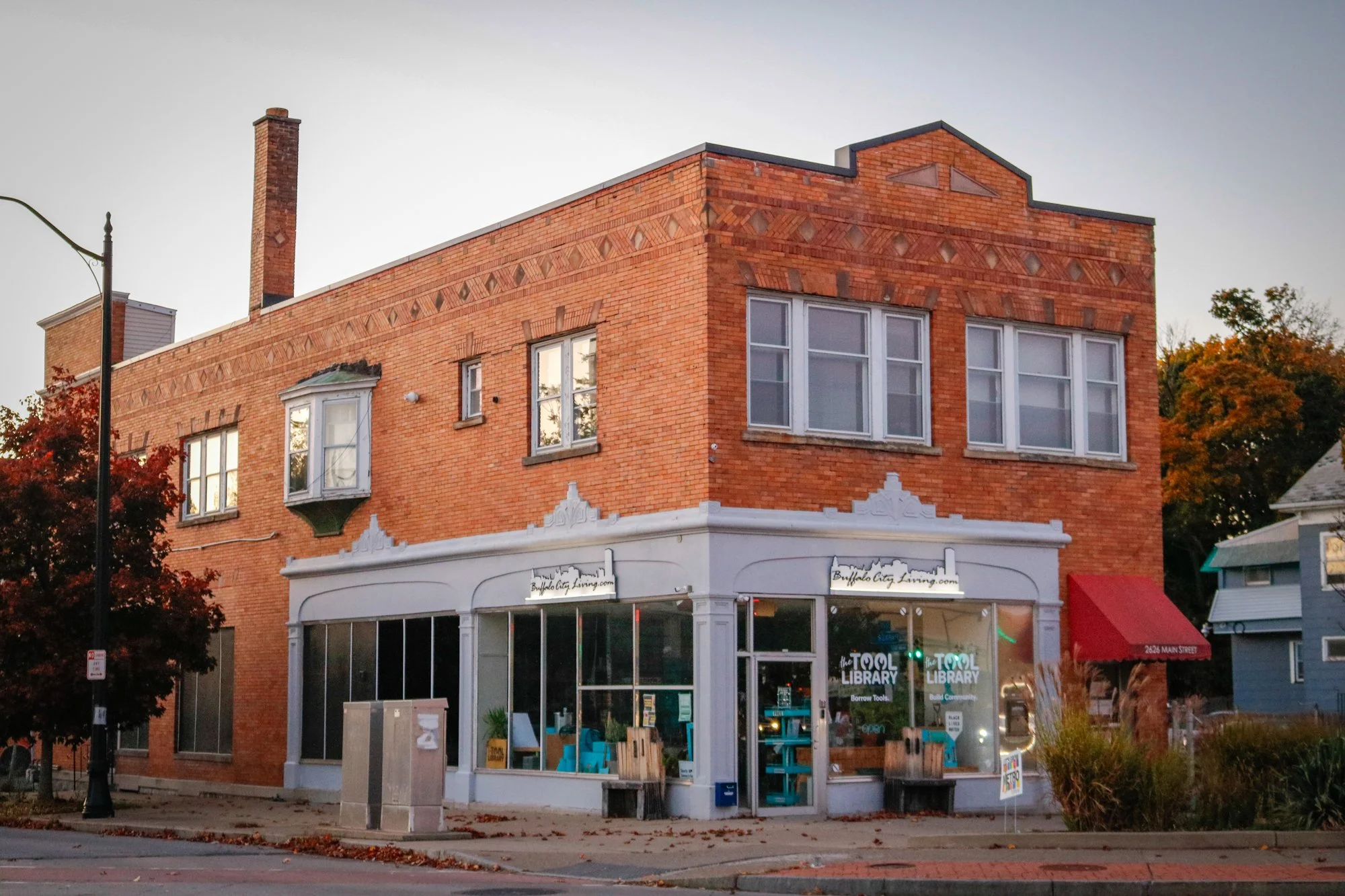
But here’s the exciting part: Buffalo isn’t alone. Tool libraries and repair cafés are popping up in cities across the U.S. and around the world. They may not all have cotton candy machines (yet), but they’re all pushing back against our disposable culture in their own way.
And it’s about time. With climate change looming and waste piling up, movements like this show us that solutions don’t always have to come from big government or giant corporations. It is a great example of how people can make a difference if we come together.
So next time your blender burns out or your lamp flickers, maybe just pause before tossing it. If you’re lucky enough to live near a tool library or repair café, haul it down there and see what happens. You might leave not only with a working appliance but with a new friend, a new skill, and a fresh perspective on what community can look like.
Buffalo’s Tool Library is proof that small ideas can grow into powerful movements. From 40 tools to thousands, from a college dream to a citywide gem, it shows us that sharing is more than just caring… it’s repairing, too.

Millie Ramm
Millie has been writing since she was a child, and has spent more time with her nose in books than anywhere else. She has been ghostwriting novels and editing for the past few years, and when not working she is curled up with her cats, looking for her next read.