
Discover how Disney and Studio Ghibli capture the beauty of longing, wonder, and nostalgia through the timeless magic of saudade.
Chihiro sits quietly next to No Face, voyagers on a train that glides along turquoise waters under an expanse of aquamarine, a moment’s release of action and dialogue, a memory preserved in one of Hayao Miyazaki’s chefs-d’oeuvre. If you haven’t watched Miyazaki’s animated masterpiece, Spirited Away, this scene describes the main character Chihiro and her friend, No Face, as they take a train in one of the fanciful worlds created in the Studio Ghibli universe.
There is a reason that adults and children alike are drawn to Miyazaki’s world of storytelling: his masterful ability to transport us. When you settle down and watch Spirited Away, Howl’s Moving Castle, or another one of his masterpieces, you receive an invitation into these strange yet somewhat familiar worlds, worlds brimming with a sense of youth and wonder, whilst also being fantastical and unearthly.
The Art of Slow Storytelling
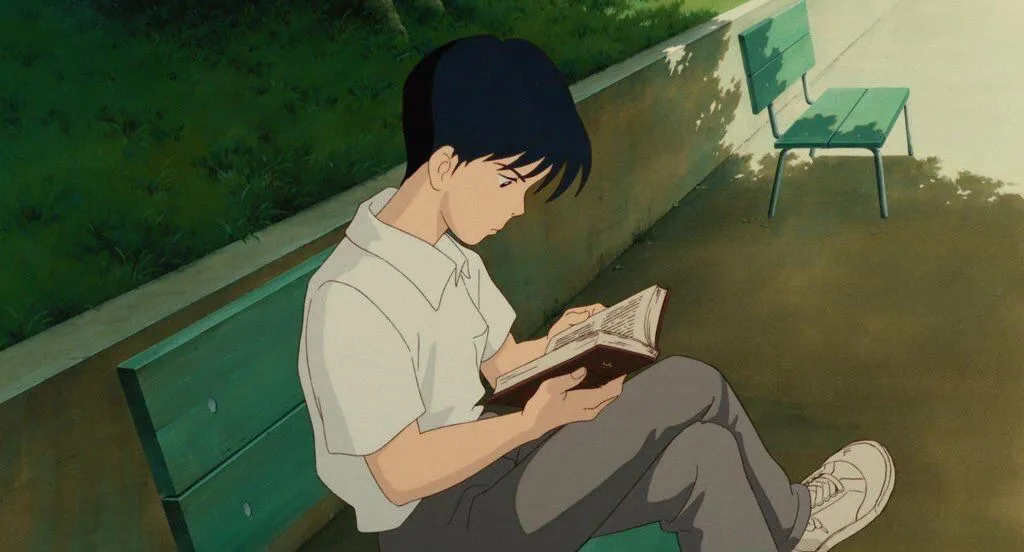
Unlike action films, Studio Ghibli films provide a slow release of dopamine, thereby not exhausting or overloading our brains. A recent study found that watching Studio Ghibli films has a positive effect on our mental health and overall sense of happiness. Our attention spans are shrinking, and, like reading a long chapter, watching a long movie (without any other distractions) is much better than a constant overloading of screen-derived dopamine.

Old Disney gives viewers a similar sense of comfort and wonder. The hand-drawn animation, classic music, and easy storylines remind us of simple and heartfelt pleasures, many of which we see in our current and past lives.
Disney’s Gentle Magic
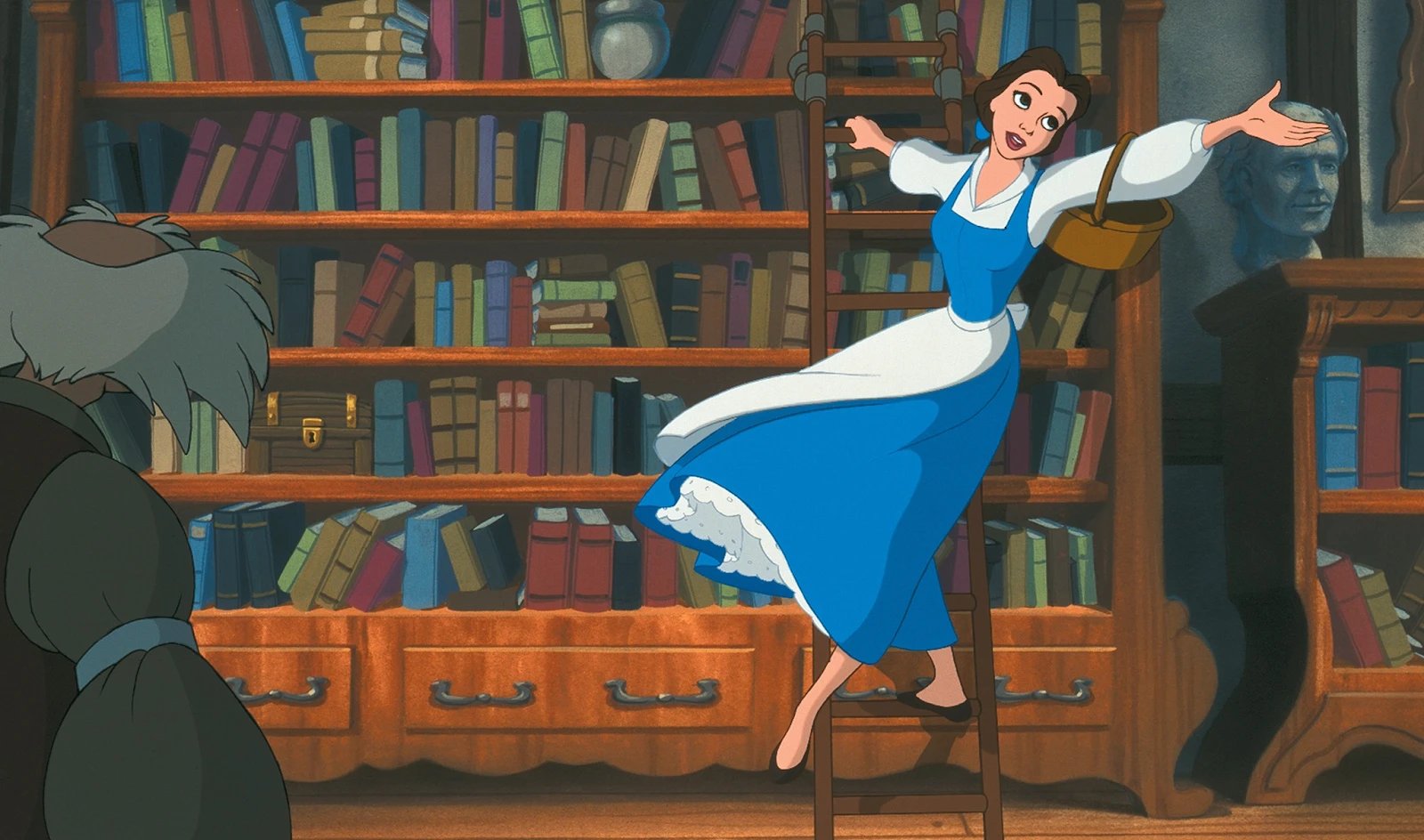
There are many who search for the type of love and emotion portrayed in a Disney film. A quest for Prince Charming or a Disney Princess, for the kind of love worth fighting for. They search for the way Tramp looks at Lady, like she is the moon and the stars lighting up a dark evening. Of course, these films also portray challenges and hardships, but never in a way that lasts or drains us of hope. There is always an idea that it can get better, that every person is capable of improvement.

The softness of the love we see is reminiscent of the unconditional love of a mother or father, sister or brother, the love that we likely grew up with, back when the world seemed limitless and full of hope. There is a specificness to the allure, a sense of love, but an undoubted feeling of longing. For the Portuguese, this could be known as their philosophy of saudade.
The Philosophy of Saudade

If you were to translate the word “saudade,” you’d find a rough conversion into the English word ‘longing’. Yet many have called this word “untranslatable,” and not fully able to encapsulate the philosophy nor specific reality of the word as well as its mother tongue.
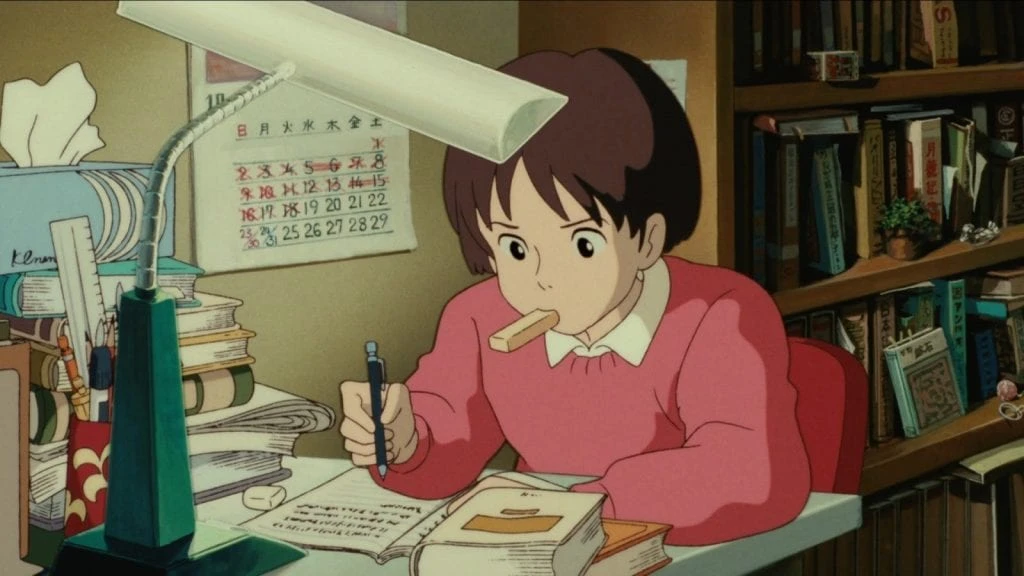
According to the Portuguese, saudade best describes the bittersweet reality of nostalgia. A longing for the past, with a kind of melancholic appreciation of it. Beautiful, yes, but bitter. Saudade describes that feeling of yearning for something you can never get back, something once beautiful but now past.
The Bittersweet Beauty of Nostalgia
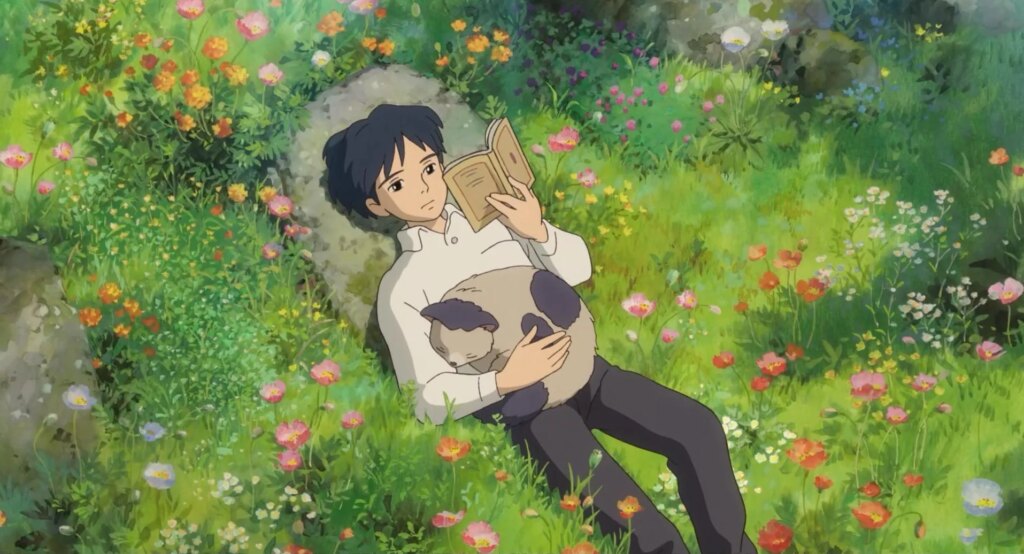
Many of us grew up on Disney, and the newer generation with Studio Ghibli. Part of this bittersweet nostalgia, this saudade, comes from the longing we feel for our youth. There is a part of ourselves that revisits these childhood films when we seek comfort and joy. Take Howl’s Moving Castle, with Howl’s treasure-chest of a room, the emotional soundtrack, and the scenes drawn like an old storybook.
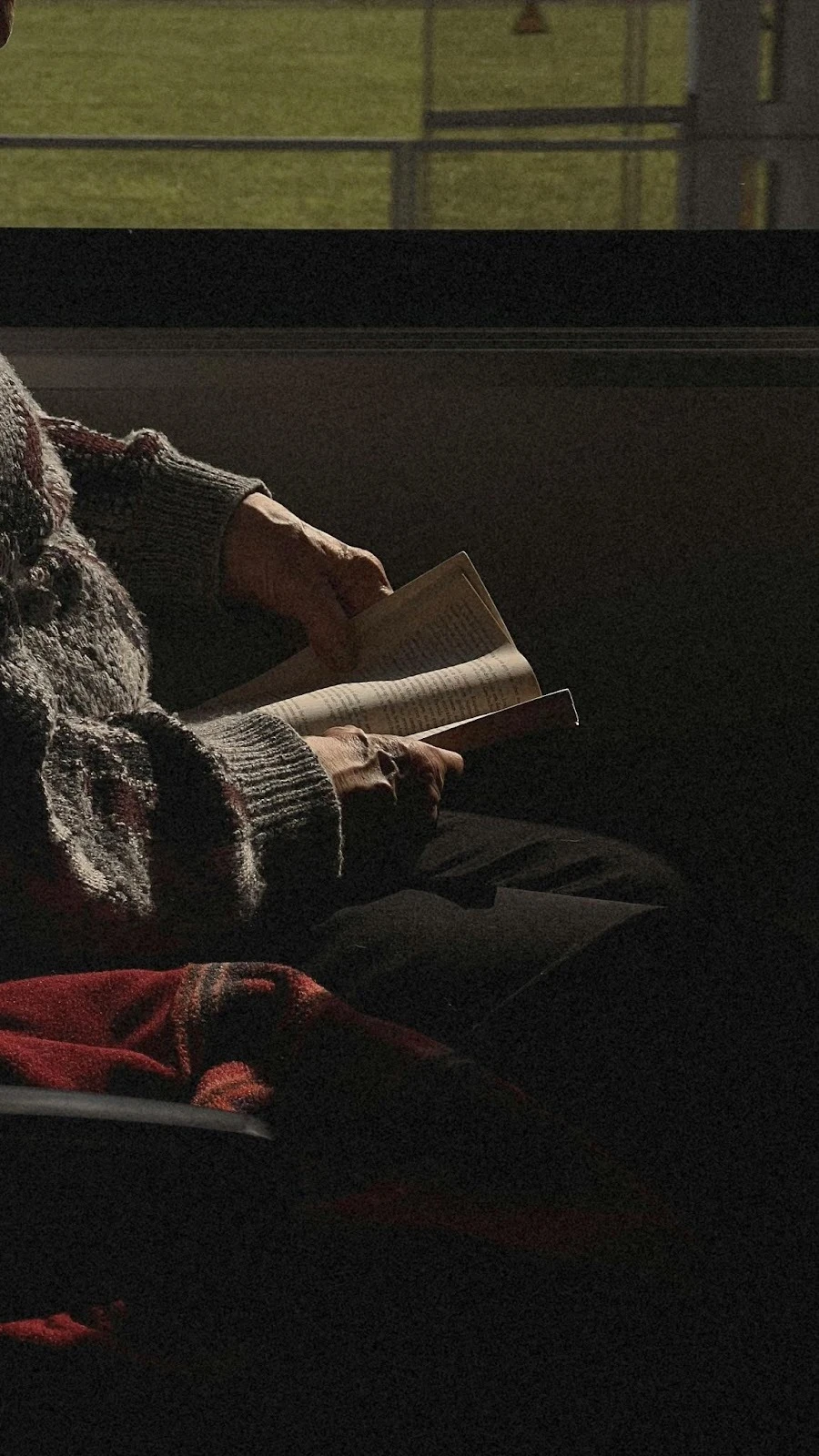
Or Princess Aurora dancing with her prince as her dress changes from blue to rose pink. It provides us with a certain softness often lost in our everyday lives. If there is one thing both Studio Ghibli and old Disney get right, it is this sense of wonder. This sense of marvelling at the world as if we are discovering its secrets for the first time.
Worlds We Return To
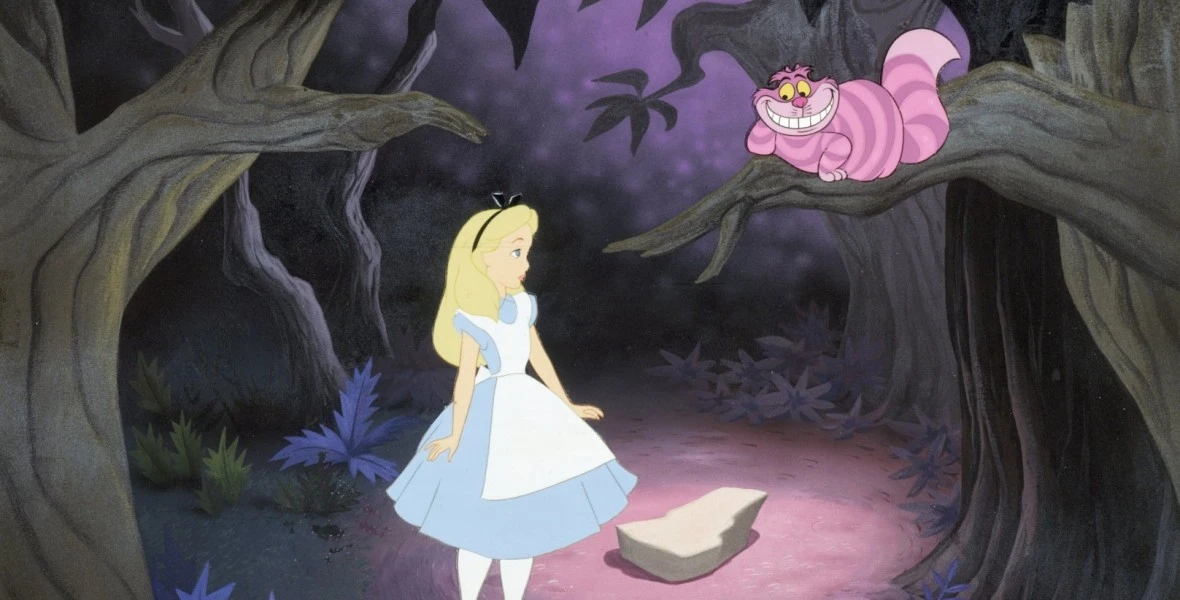
Disney and Studio Ghibli characters are sometimes transported into new worlds and meet fantastic characters. Alice goes to Wonderland, Chihiro enters the Spirit Realm, and we go right along with them. These films have a way of easing us gently into their universes until they begin to feel known to us, too.
Finding Strength in Longing

Many could view saudade, and this type of nostalgia, as something desolate. In reality, longing for the past is a normal part of humanity, one that can bring us joy and strength to the present moment. Like a call with your mother, or turning the worn pages of your teenage journal, there is power in revisiting and cherishing the past. Like Chihiro and No Face, we all need to take a train from time to time, giving our brains a rare moment’s repose and allowing our saudade for the past to heal us in the present.

Vincent Minatozaki
Vincent is the founder and Editor-in-Chief of 1000 Libraries Magazine. He is a Paris-born ex-corporate turned bookseller and philosopher, on a global mission to spread the joy of physical books in our age of digital technology.