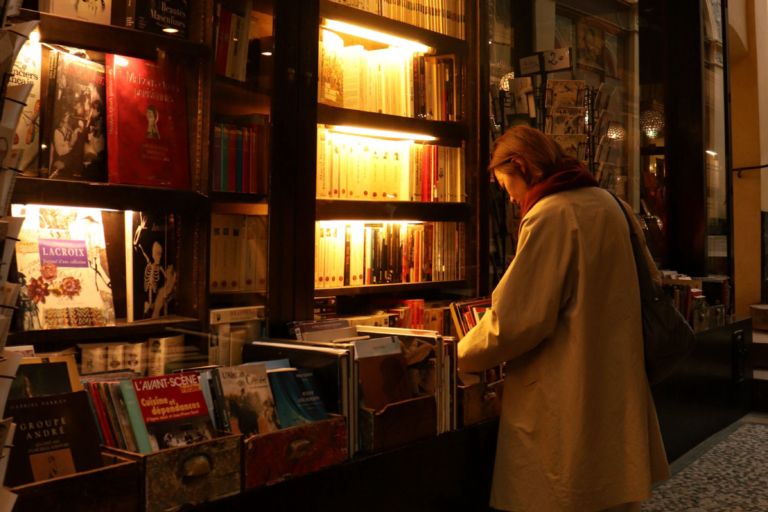

Discover why reading aloud boosts learning, strengthens connection and keeps an ancient storytelling tradition alive.
Stories in themselves can engulf us completely, but there is nothing quite like hearing something being read aloud. We likely have some memory tucked away like a weathered picture book of someone reading us a bedtime story. The intonation of a mother’s voice when she becomes Princess Cinderella, or dastardly Rumpelstiltskin. The words float off the page and into our minds, twirling and stretching until they make images, until we can see the story play over our minds.
Learning Through Voice
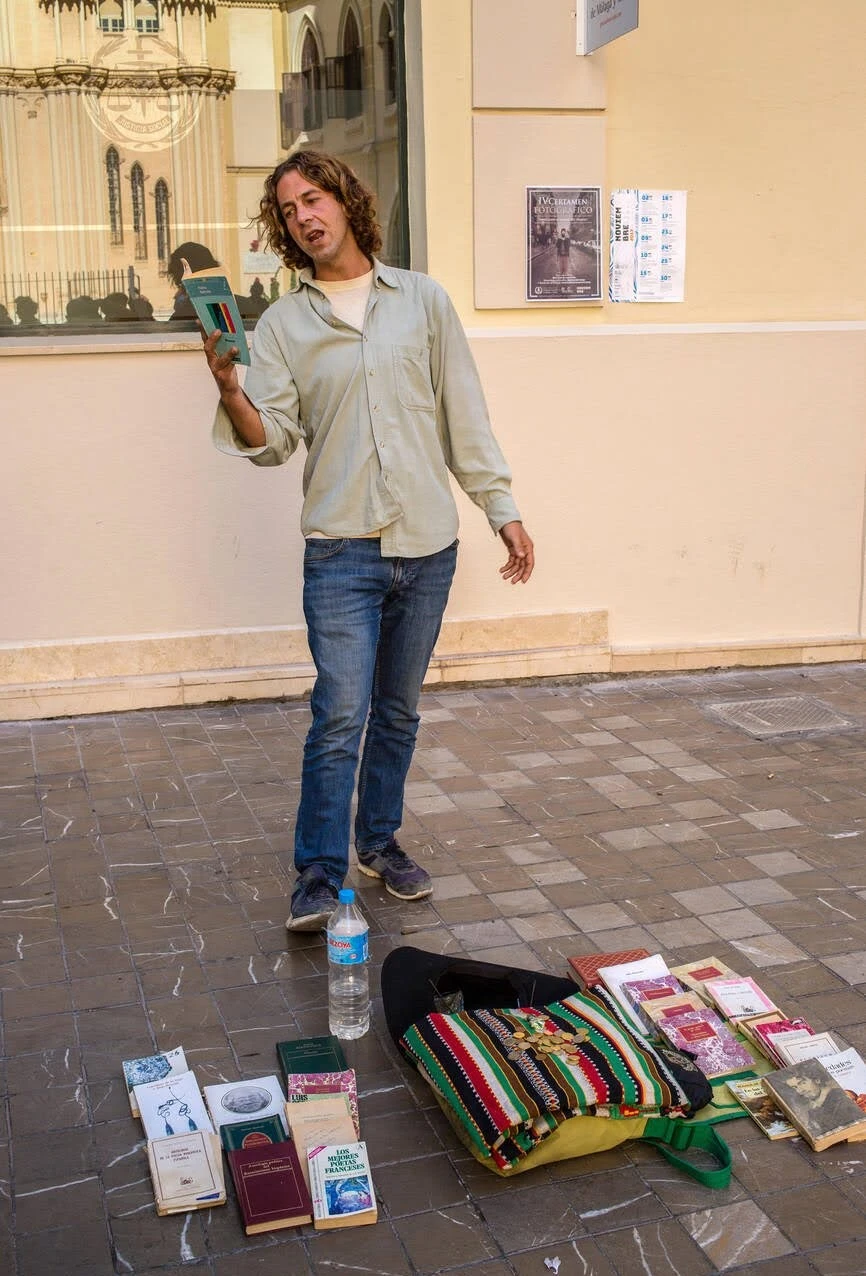
In high school, reading A Midsummer Night’s Dream or The Crucible, you might have been asked to recite certain characters out loud. Especially with Shakespearean language, reading aloud helps our tongues to learn the words and adds new vocabulary to our inventory. What might have seemed like a nonsense phrase of made-up words and forgotten language can be understood when we speak the words ourselves.
An Ancient Human Practice
Oral storytelling is not a practice of the New Age. It has existed for many a century, dating back into prehistoric times. An ancient form of human communication, oral storytelling was an integral part of guarding stories and legends.
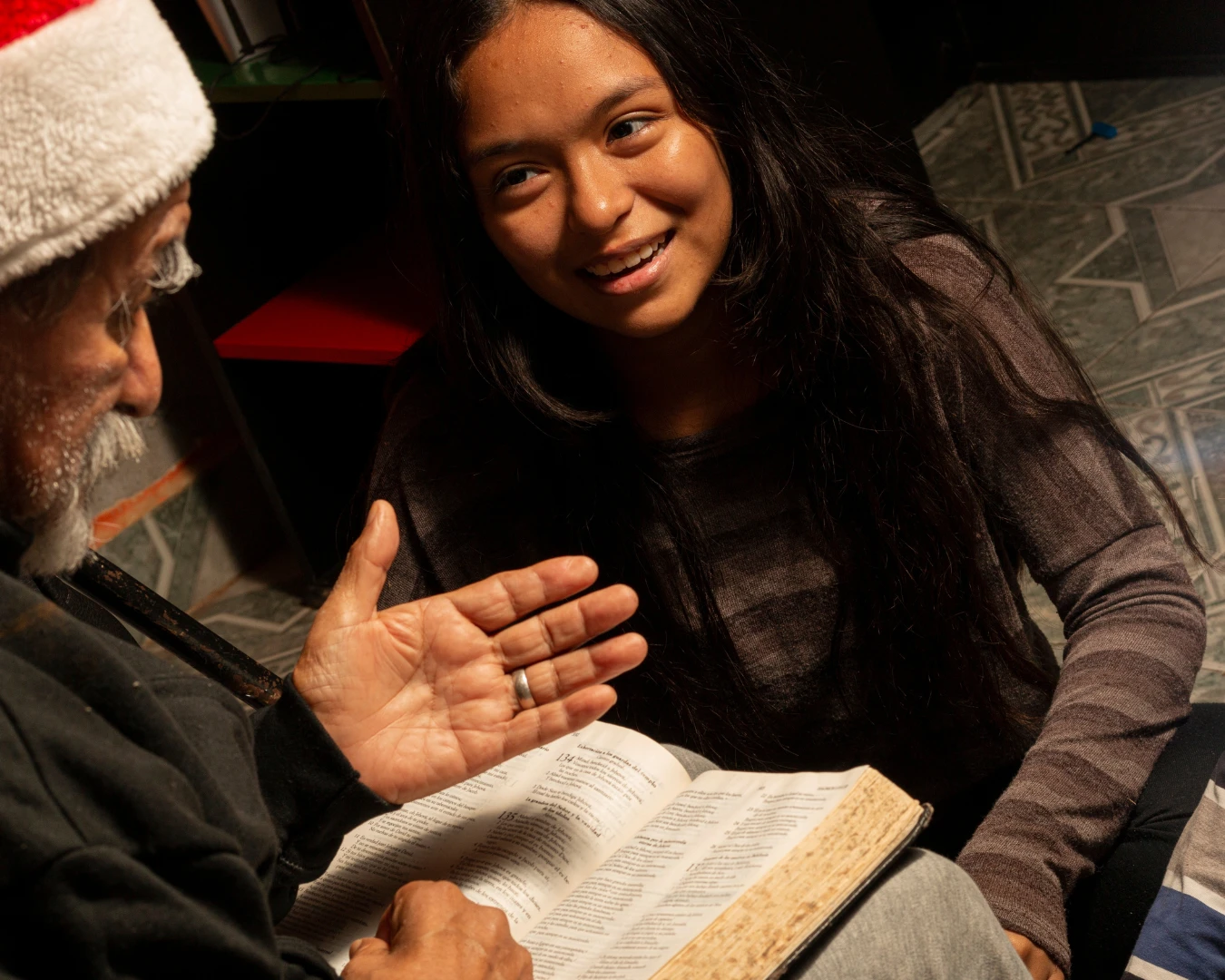
Yes, perhaps now we tell stories in a cosy library, or on a stage under lights, but originally these stories would have been shared under moonlight. Around a campfire, the flames spitting and sizzling, as children and adults alike sat in stillness, listening.
Stories as Community Memory
The stories spoken wouldn’t have just been tales, but would have represented deeper values, so ingrained in a community that they lasted through many generations. Unlike our modern society of paper and pen and laptop, ancient communities would have relied on the spoken word to memorise these tales.

In many Indigenous cultures, come wintertime, the storytelling tradition becomes even more important. Coming together and combining physical warmth with the warmth of creativity and imagination can make those winter nights all the less icy. These folktales, no matter how many times they were heard, brought a sense of comfort to listeners.
Reading Aloud as Resistance

In our current culture of individualism, a practice that celebrates connection and collective voice may be a subtle form of resistance. Why should reading aloud only be saved for childhood? Is there anything more intimate than reading aloud to someone you love? Hearing a story in the voice of a person you cherish combines two moments of tenderness into one.
Ubuntu and the Shared Human Voice
The South African philosophy of Ubuntu, a word referring to “humanity to others,” captures the importance of community beautifully. For the Nguni, a group of Bantu-speaking peoples, Ubuntu speaks to the idea that people become people through others. When we read stories aloud, when we share them with our community, we are changed, too.

We are marked by these stories, and the shared experience of listening to them spoken. The Nguni believe that we are all inherently connected and that immense joy can be felt through shared moments of connection. It is undeniable, the people and stories we are surrounded by change us.
What the Research Shows
One Australian study revealed that, amongst a group of 7-10-year-olds tasked with reading a word list, children who read out loud recognised 87% of words, whereas the children who read silently recognised only 70%. The data was similar even amongst older adults, where words read aloud were recognised at a much higher percentage (80%) than those read silently (60%).
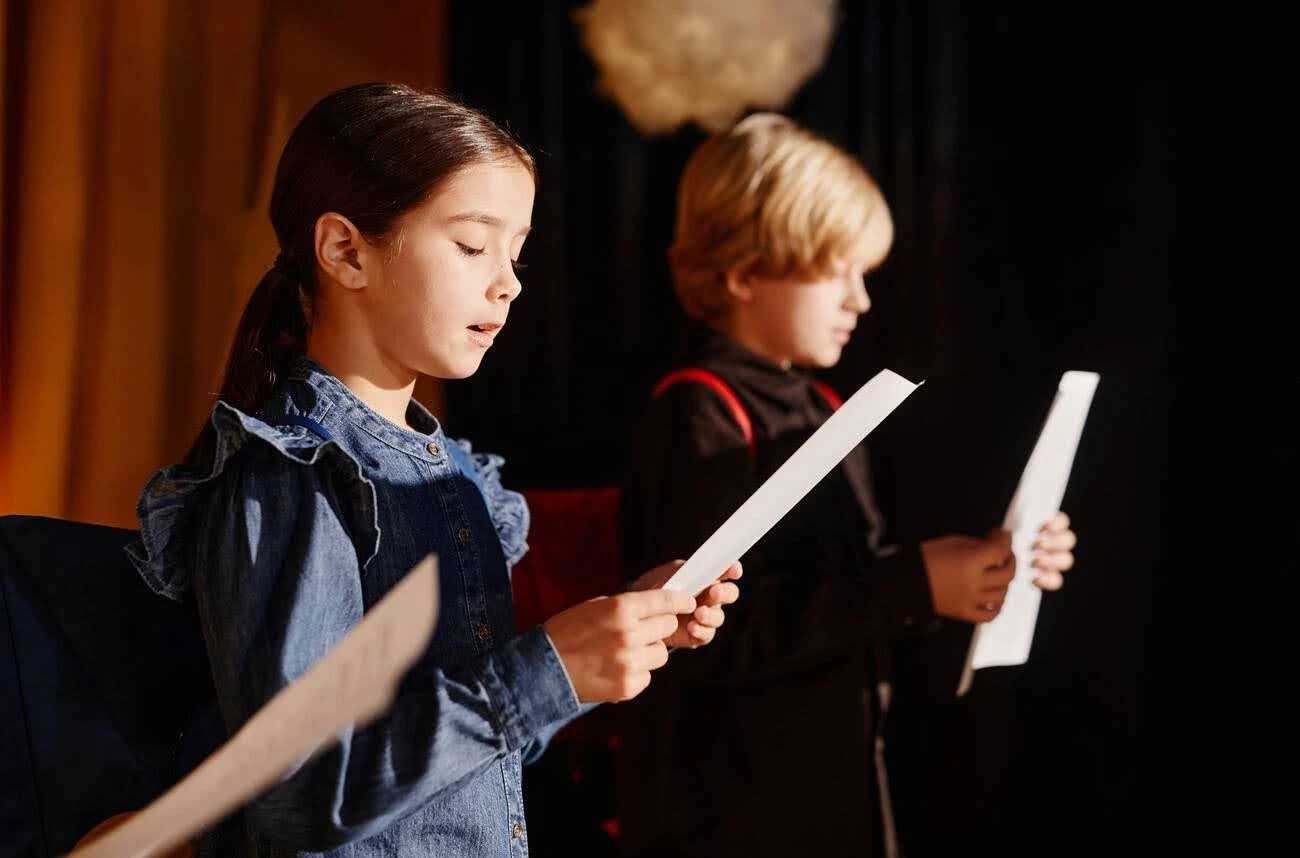
Other studies have suggested that this practice can also increase the emotional comprehension and empathy of children. After all, it promotes patience, equity, and active listening, all under the enchanting experience of storytelling. Putting a voice to text changes the way we understand and remember. An ordinary monologue may read blandly on a page, but beautifully when spoken with tenderness, anger, or adoration.
The Actor’s Method

It is why actors read their lines aloud over and over again, because the way we read sentences changes their meaning. Take a play like Hamlet, for example. If the actors are performing the text in original Shakespearean, they have to work tirelessly to ensure the way they speak the words makes the meaning obvious for the audience. The rhythm, intonation – the poetry of it all, even, is essential for comprehension. It is an art and a delight.
A Gentle Invitation Back to Storytelling
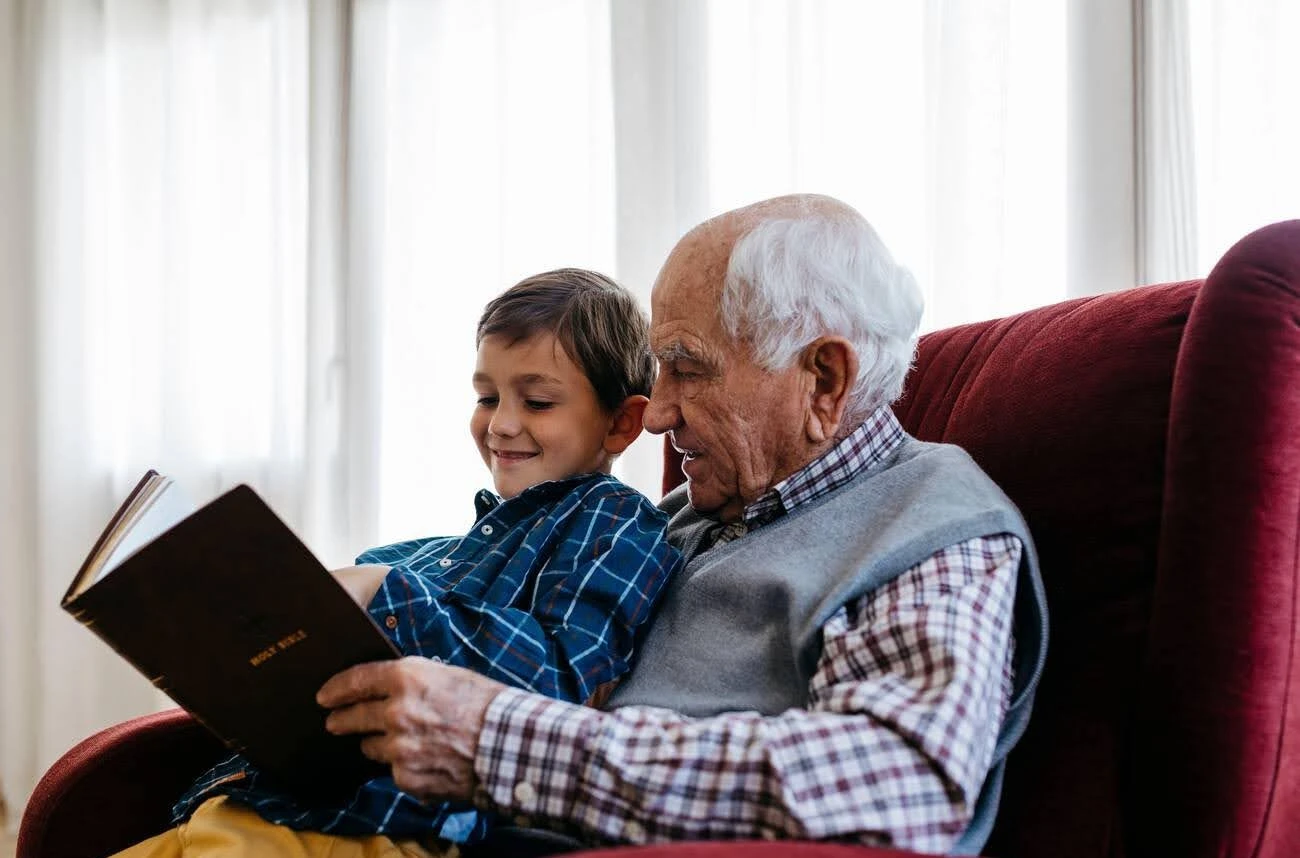
This article is not advising you to read aloud every piece of writing you ever encounter, but is just gently suggesting that there is no harm in trying. Although it certainly helps children, it is not a practice restricted to those under 18. It is a tradition that has been fiercely guarded across millennia, across culture, across the sea and the earth. Before we could write, we could speak. Before we could watch and read, we could listen. And before everything, even at the start of it all, there was storytelling.

Vincent Phan
Vincent is the founder and Editor-in-Chief of 1000 Libraries Magazine. He is a Paris-born ex-corporate turned bookseller and philosopher, on a global mission to spread the joy of physical books in our age of digital technology.