
Explore how libraries continue to be irreplaceable anchors of learning and human connection, and why their role as third spaces matters more than ever.
T. S. Eliot once said that, “The very existence of libraries affords the best evidence that we may yet have hope for the future of man.”
Libraries as Beacons of Hope and Equality
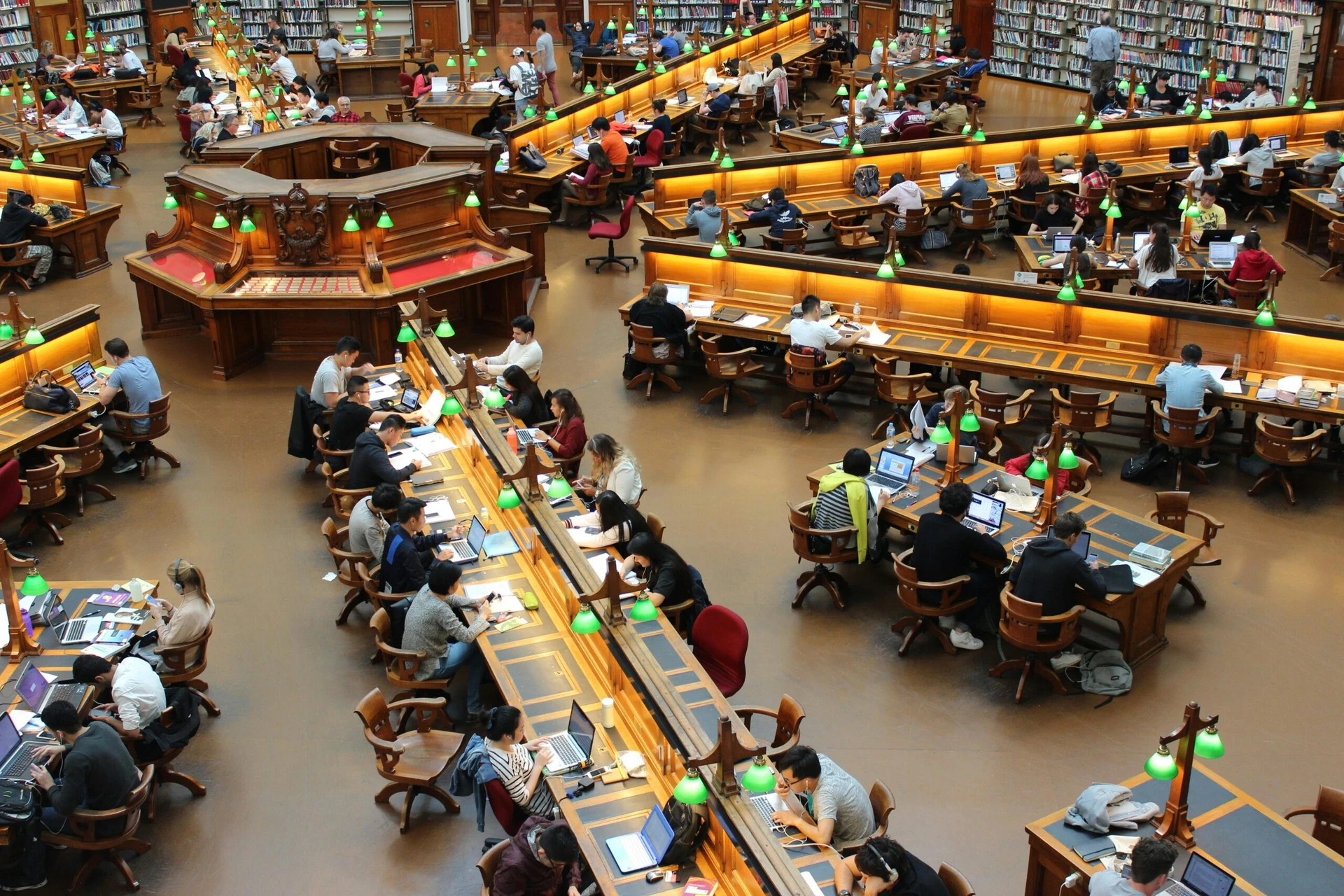
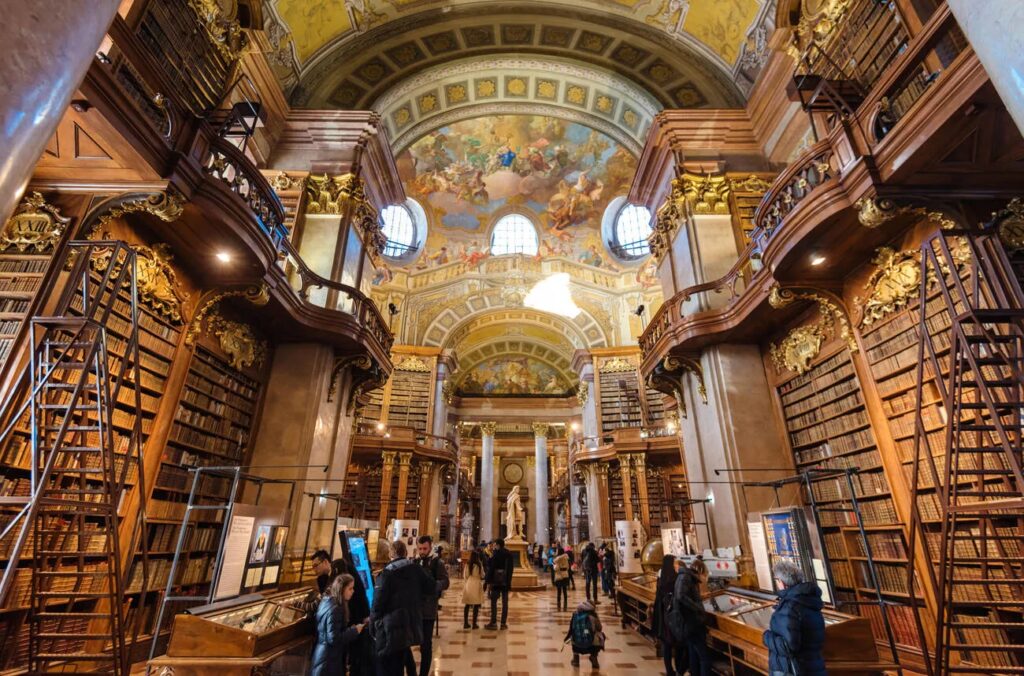
Eliot, as many other writers have, saw libraries as beacons of hope. Of progress. There needs to be more love letters to libraries, not simply the beautiful, elaborate ones situated in the middle of Paris or Vienna, but even your humble, local library.
Unlike a regular store, a library is not a place that simply holds things; it does not exist to sell or make a profit. It provides a community with knowledge; it can change the trajectory of someone’s life. Like little Matilda in Roald Dahl’s book of the same name, finding a local library and beginning to read can pull you onto a different path than the one life has set out for you.
How Libraries Break Cycles of Poverty

Education, according to the United Nations, has proven instrumental in changing cycles of poverty and providing vulnerable, marginalized communities with greater opportunities. Access to books, both fiction and non-fiction, enables individuals to access better jobs with higher earning ranges. Even in the wealthiest of countries, opportunity is often afforded by privilege. Libraries softly challenge this norm, allowing communities to access a plethora of texts without requiring payment.
The Decline of Third Spaces — and the Library’s Crucial Role
Do not, however, let the gentleness and openness of the modern library deceive you – libraries have been under attack ever since their creation. Power comes in many forms, and knowledge is arguably the most prevailing. Any person or group seeking control knows that libraries are a source of quiet but certain defiance. Flowing sources of information that serve also as spaces of meeting, sharing ideas, and connection. These kinds of third spaces can certainly be a threat to people who seek control and obedience.

Ray Oldenburg was the first to coin the term “third spaces.” A space that was neither the workplace nor the home, but another space vital for providing connection and community. Third spaces are disappearing in the Western world, our days are getting busier, and we have less time for life outside of our first two spaces. Libraries, however, have stayed put.
They host book clubs, classes, films, and workshops, amongst other things. Libraries remain areas of transformation, as well as havens of comfort and safety. Moreover, there are limited spaces where young people can pass their time without cost. Sure, a café is great for writing or reading, but it comes at the price of a warm drink and may not be sustainable for a whole day.
Libraries vs. AI: Why Human Learning Still Matters
Yet, some may still argue: Who needs libraries when you’ve got a shiny ChatGPT search bar that can give you answers in mere seconds? What is the point of learning when you can simply attain the information without understanding?
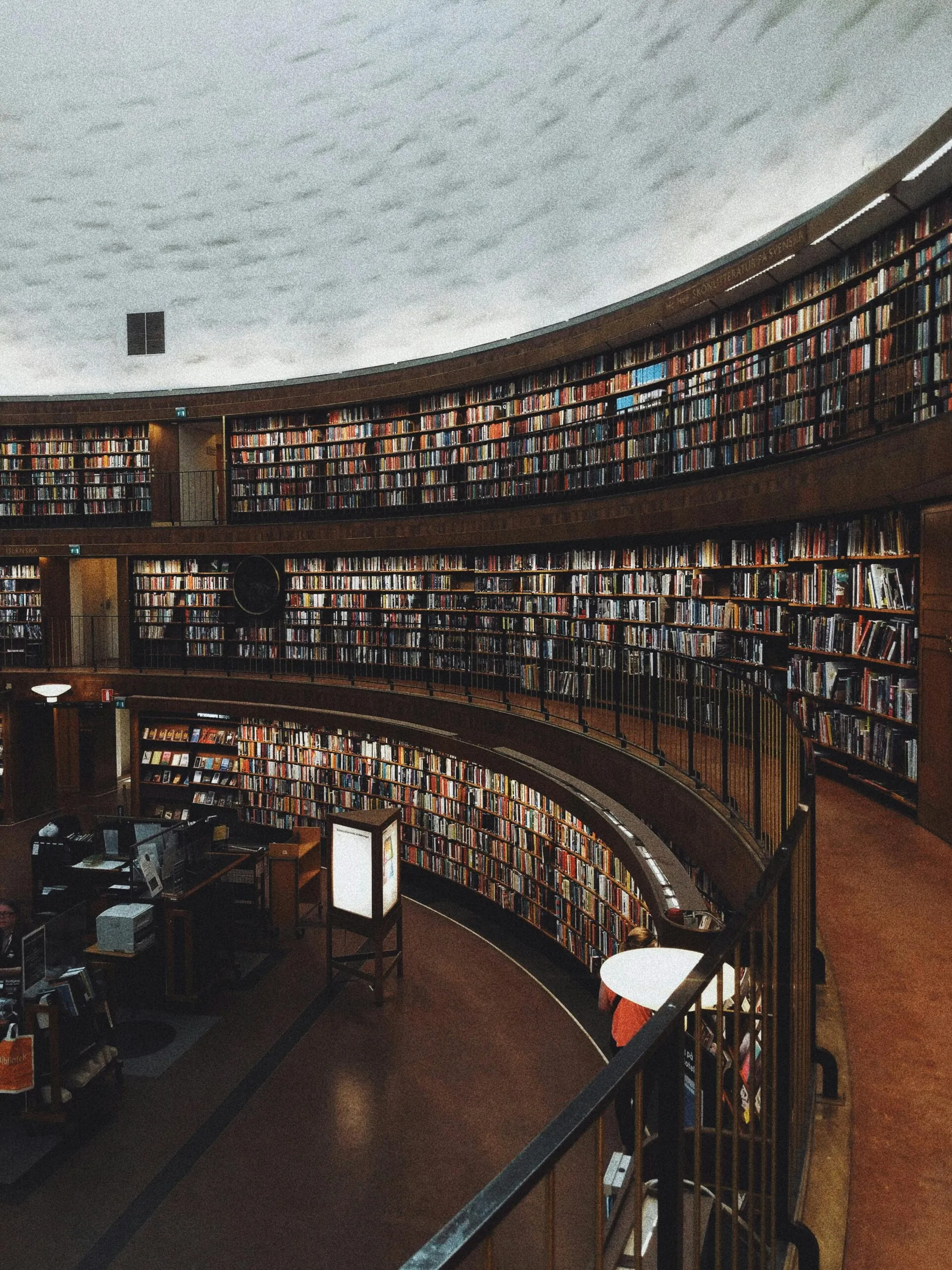
If you cannot hear the tongue-in-cheek sarcasm, rest assured, this is not an advertisement for abandoning the real world for the virtual. Instead, a gentle reminder that having all the world’s knowledge at our fingertips does not necessarily grant us wisdom. Reports suggest that using ChatGPT can decrease the quality of our critical thinking; our brains have come to expect to attain knowledge without reflection or consideration. When reading a book, our brains are more active; it takes effort and consciousness. Reading can retrain our brains, can ensure that we do what humans do best: think.
Why Libraries Are One of the Last Truly Public Spaces
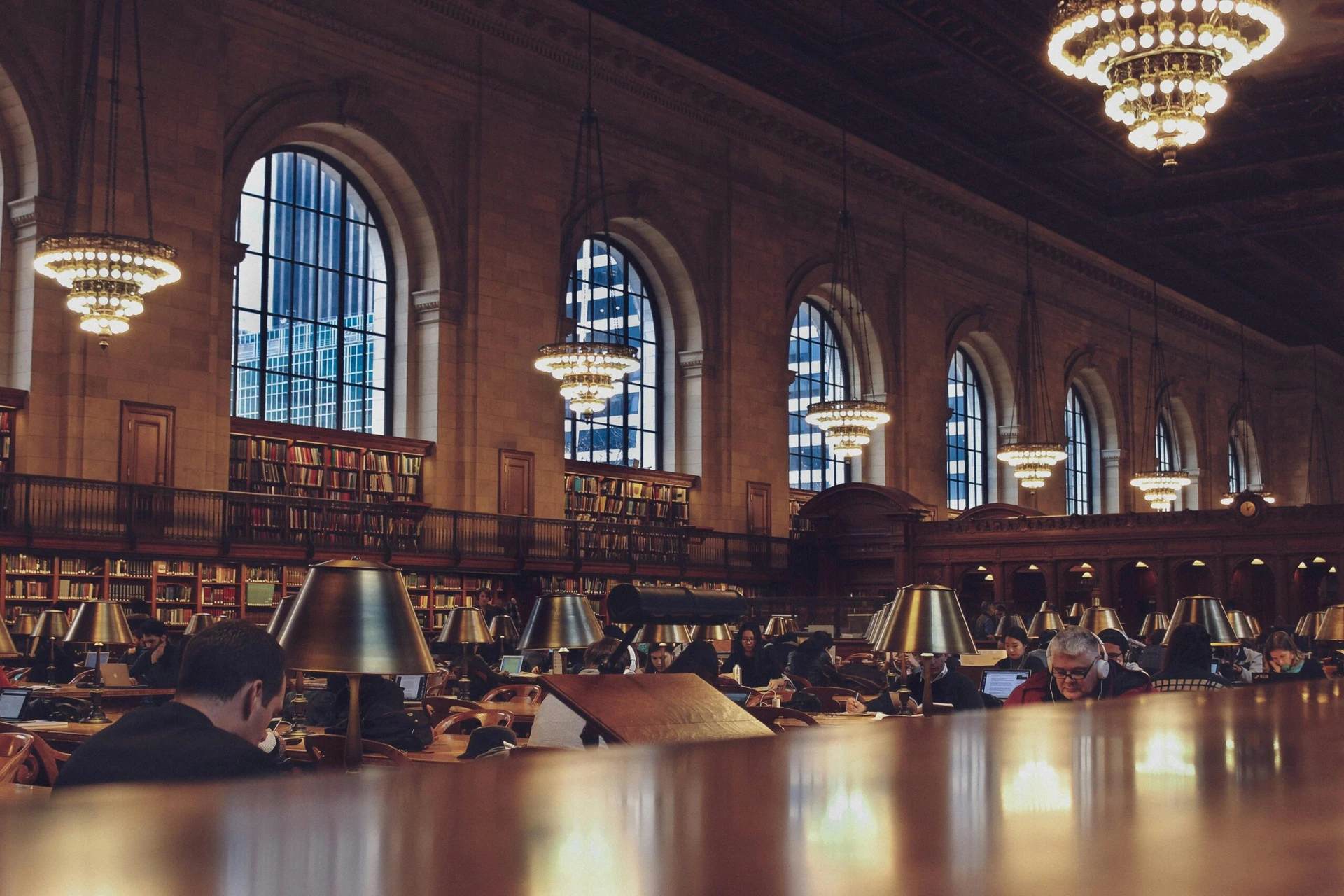
Libraries are a moment of repose. The silence is welcoming, the books are loved, and the workers are passionate. The world can stop for a little while, and we can lose ourselves in the loving embrace of a library. A young student can study for his final exams, a mother can show her little child the magical stories she herself read, and an older man can fight loneliness through being surrounded by his community. Time passes slowly, softly, and with no judgement.
A Brief History of the World’s First Library
The word ‘library’ is derived from the Latin word ‘Libraria’, meaning ‘a place storing books.’ This vital third space is not something of the new age, but an institution that has existed for much of human history. If you were to time-travel five thousand years ago, you may arrive at the world’s first ever library: The Library of Ashurbanipal. Whilst it wouldn’t have been filled with pretty, cosy lighting and bulletin boards of community events, it was still home to a plethora of knowledge that has allowed for much of our modern understanding.
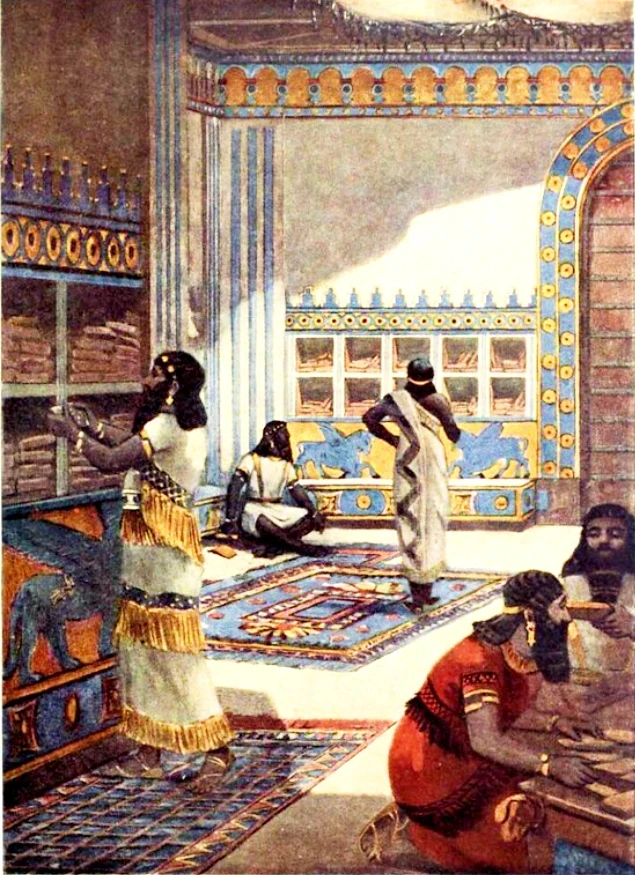
The Library of Ashurbanipal was home to a collection of around 30,000 clay tablets with various languages and texts, including the world’s oldest poem, The Epic of Gilgamesh. Nineveh, the city where the library stood, was once burnt to the ground by invaders. If the knowledge had been written on paper or papyrus, it would have turned to ashes, lost to the winds of time. However, the clay tablets of the libraries proved impenetrable, and the deadly fire only further preserved the texts for thousands of years to come.
What We Lose If We Lose Libraries
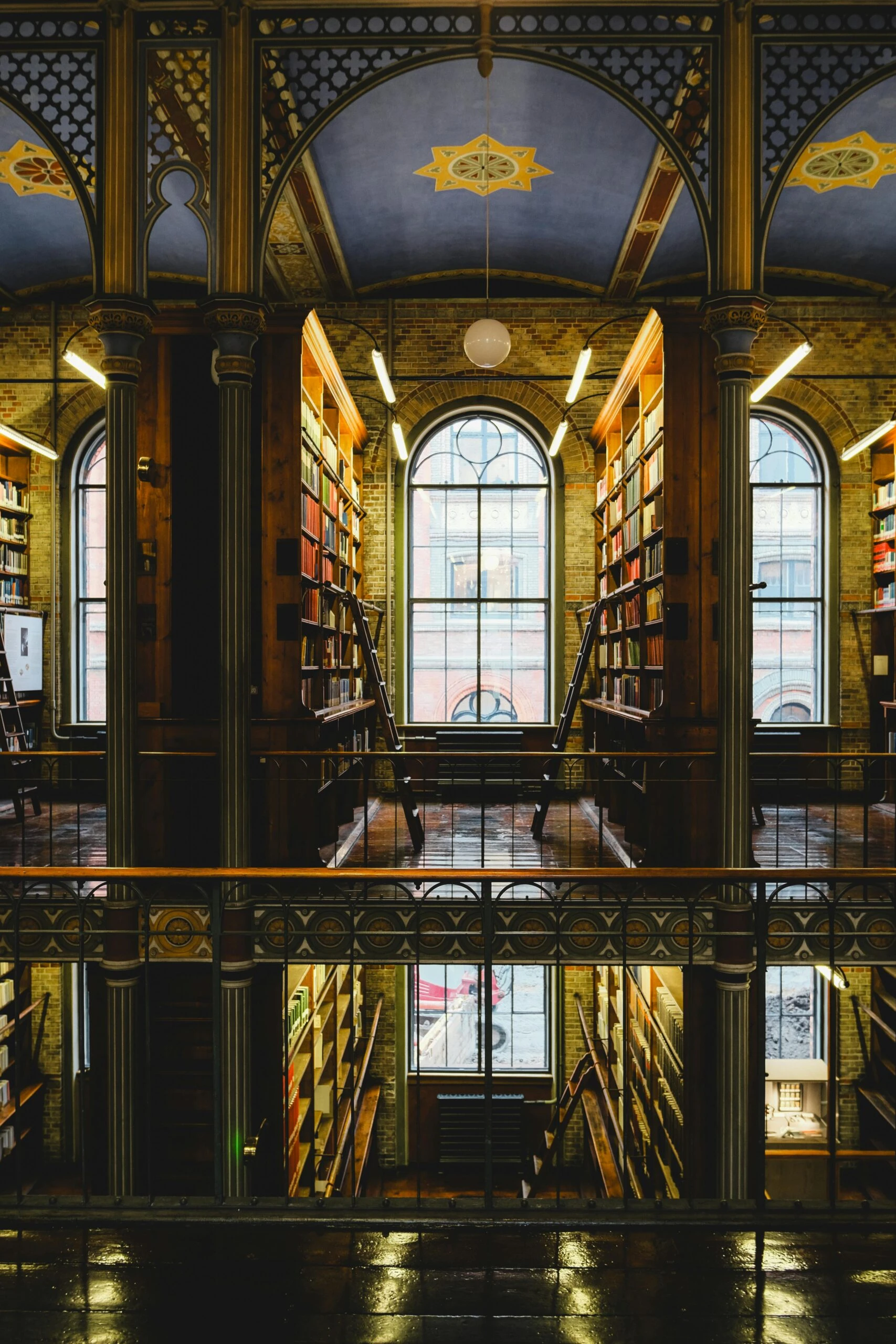
Libraries may stand humbly, being of little consideration to most, but they are a meeting of the future and the past and the present. Resisting a world of money, they argue that the people’s greatest capital is their minds. If you ever feel pessimistic about the future, just remember, the mere existence of libraries in our world today is hope that someone believes in our world tomorrow.

Vincent Minatozaki
Vincent is the founder and Editor-in-Chief of 1000 Libraries Magazine. He is a Paris-born ex-corporate turned bookseller and philosopher, on a global mission to spread the joy of physical books in our age of digital technology.