
Behind every literary revolution is a conversation: Bloomsbury, the Beats, the Inklings. Eight friendships that reshaped literature as we know it.
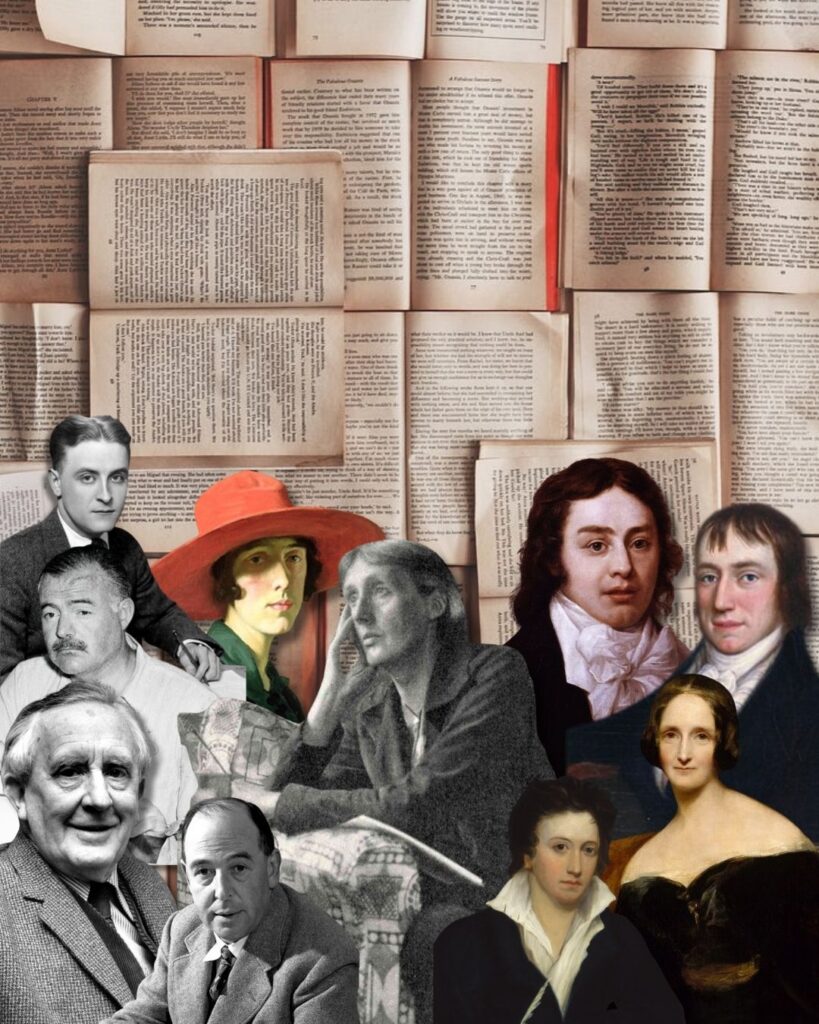
We love the myth of the lone genius: the writer hunched over a desk, wrestling brilliance out of thin air. But literature, like life, is often a team sport. Behind many of the books that shaped the world is a key friendship: someone to argue with, impress, imitate, disappoint, and ultimately grow with. These relationships weren’t just social; they created creative engines. They sparked movements, built communities, and rewired how stories and poems could work.
J.R.R. Tolkien & C.S. Lewis: The Inklings
If you’ve ever read The Chronicles of Narnia and anything out of Middle-earth, you might not have noticed any similarities beyond their shared genre. And yet, their two authors were long-term friends. Tolkien and Lewis met at Oxford and became the heart of The Inklings, a group of writers who gathered to read aloud their works-in-progress over pints and pipes.
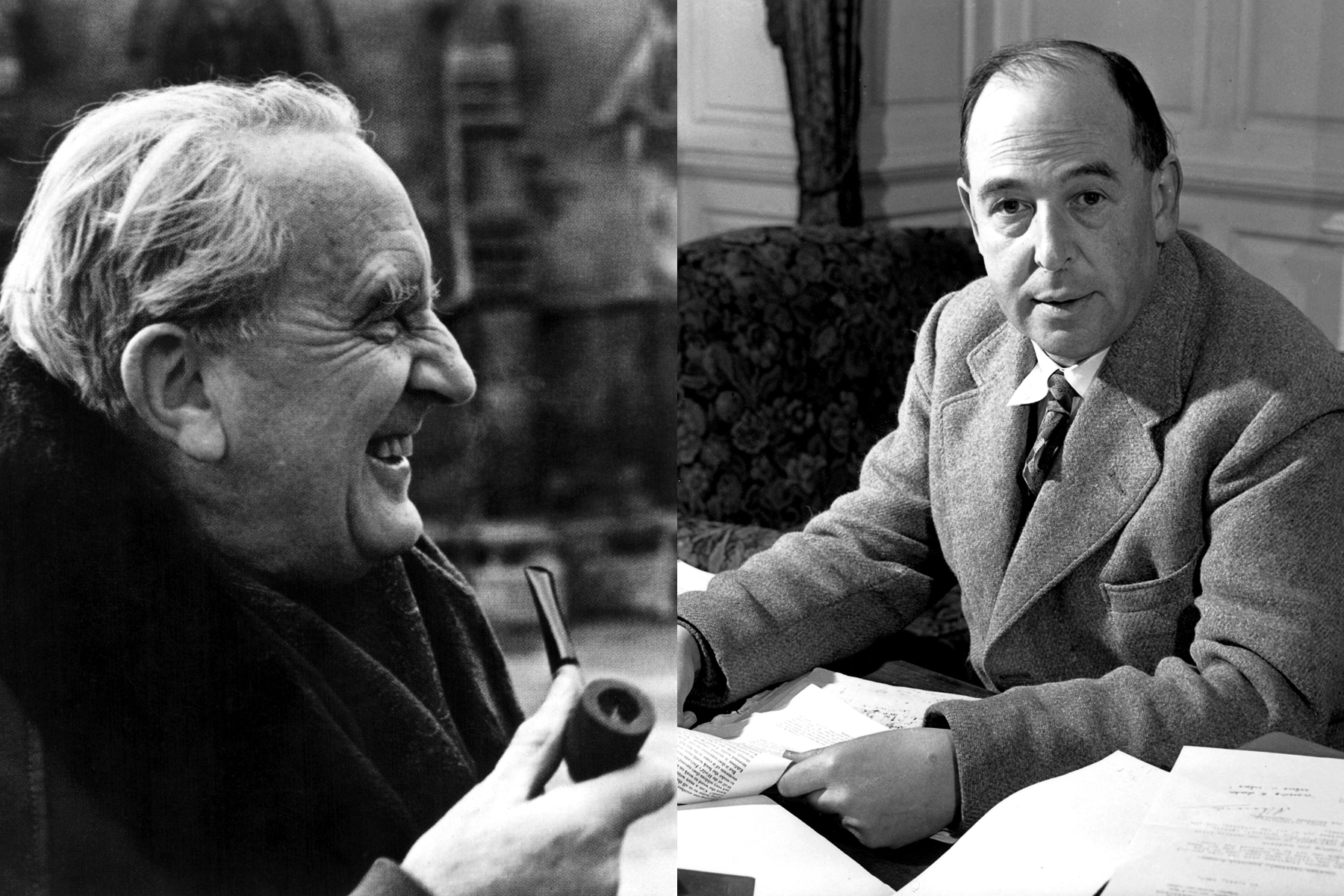
Tolkien shared early chapters of The Lord of the Rings with Lewis, who became one of its fiercest champions. Lewis, in turn, tested out his fantasy ideas on Tolkien, though Tolkien was famously less impressed with Narnia’s genre-mashing approach (Santa Claus in a mythic world? Aslan being an anthropomorphic Jesus? He had notes).
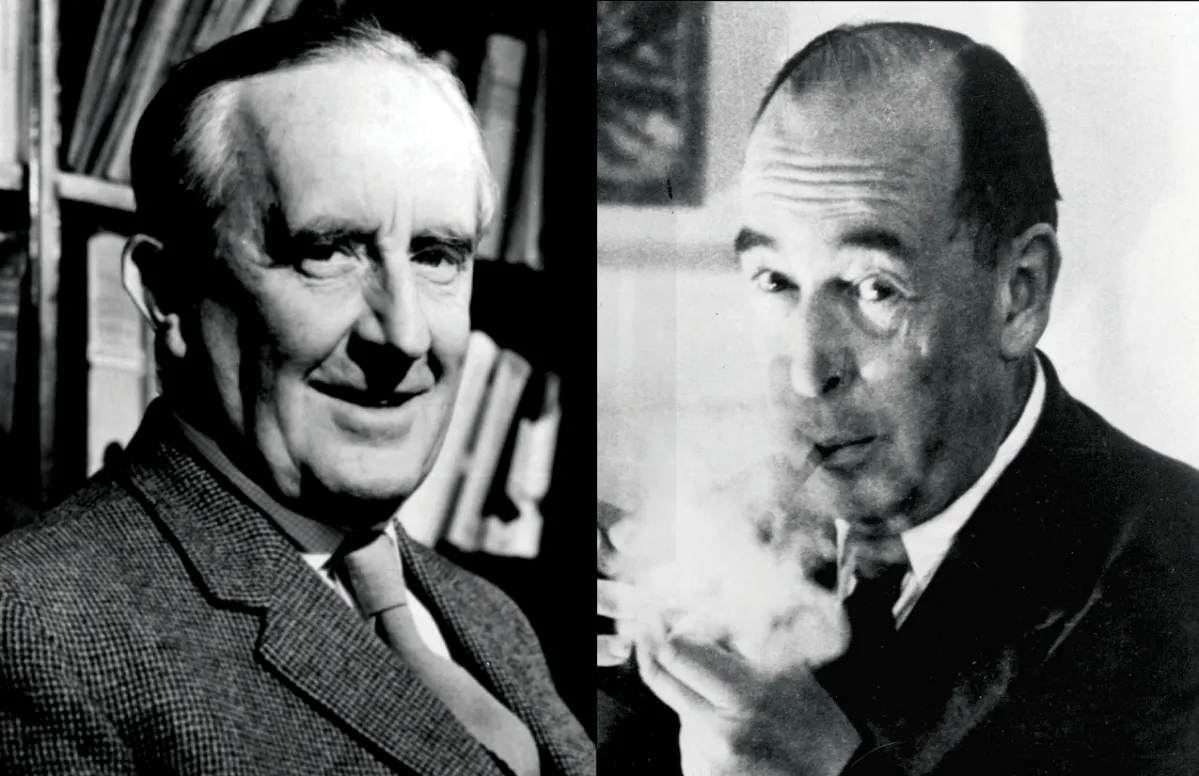
They disagreed, probably more often than they agreed, but that friction was productive. Each pushed the other toward greater things and better work. Without Lewis’s encouragement, Tolkien might never have finished his epic. Without Tolkien’s mythic seriousness, Lewis’s fantasy might never have found its depth. Together, the pair truly legitimized modern fantasy.
William Wordsworth & Samuel Taylor Coleridge: The Birth of Romanticism
This friendship pretty much invented a literary movement. In 1798, Wordsworth and Coleridge published Lyrical Ballads, a slim volume that detonated English poetry. It took a huge step away from the standards. Gone were stiff classical forms; in came everyday language, emotional honesty, and reverence for nature.
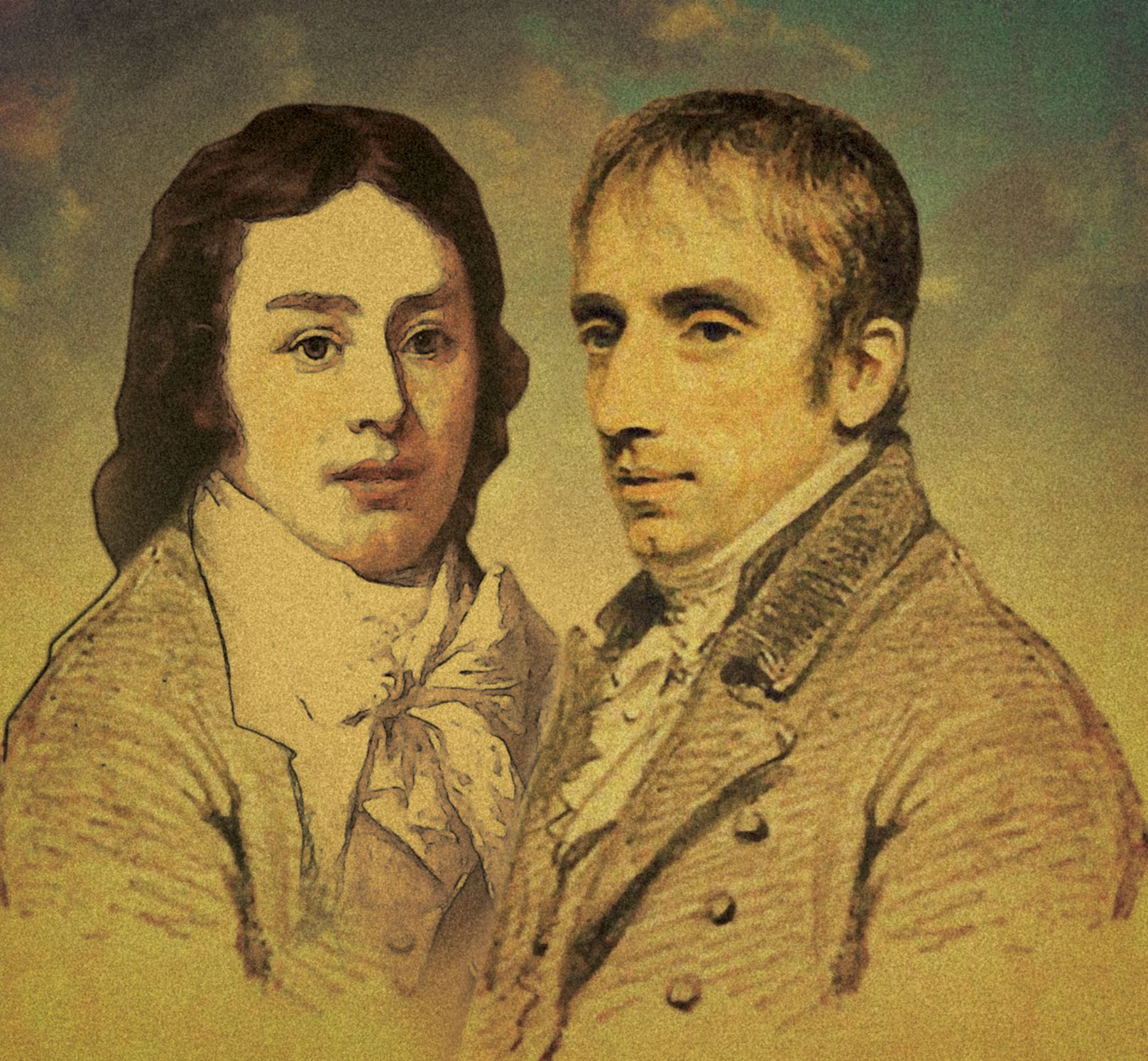
During their friendship, the two of them produced works that created a blueprint for Romanticism. Coleridge’s The Rime of the Ancient Mariner and Wordsworth’s lyrical meditations forged the way for something new. Their friendship, and the work that came out of it, showed that poetry could be intimate, mystical, and rooted in ordinary life. Even after they drifted apart, the shockwave of their collaboration never faded.
Mary Shelley & Percy Shelley: Love, Loss and Literary Legacy
Mary and Percy Shelley’s relationship was intense, scandalous, and tragically short. They were partners in life and art, reading each other’s drafts and ideas in a whirlwind of creativity.
It was Percy who encouraged Mary to expand a ghost story idea into what became Frankenstein. He edited her drafts, offered philosophical frameworks, and treated her seriously as a writer, a decidedly uncommon thing for a young woman in the early 19th century.
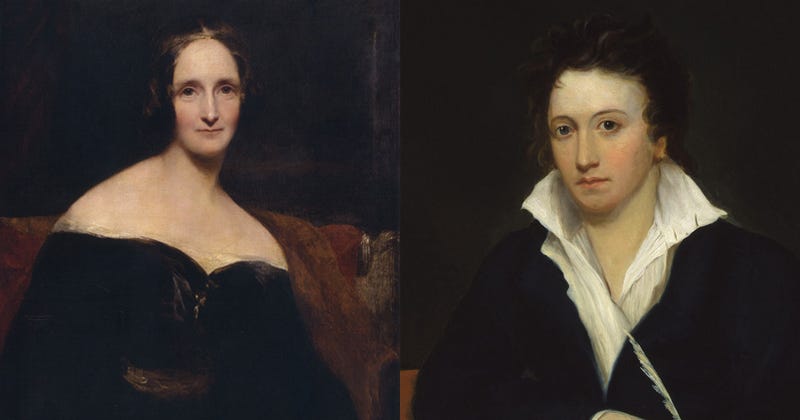
But this was no one-way street. Mary’s imagination and emotional intelligence grounded Percy’s idealism. Their work wrestled with creation, responsibility, and the limits of human ambition. Together, they forged a darker, more psychologically complex Romanticism, one that still defines modern science fiction and horror.
Virginia Woolf & Vita Sackville-West: The Bloomsbury Group
Virginia Woolf didn’t just fall in unlikely love with Vita Sackville-West; she transformed that love into literature. Their affair, conducted through hundreds of flirtatious, brilliant letters, inspired Orlando, a novel that bends gender, time, and identity into something dazzling and strange.
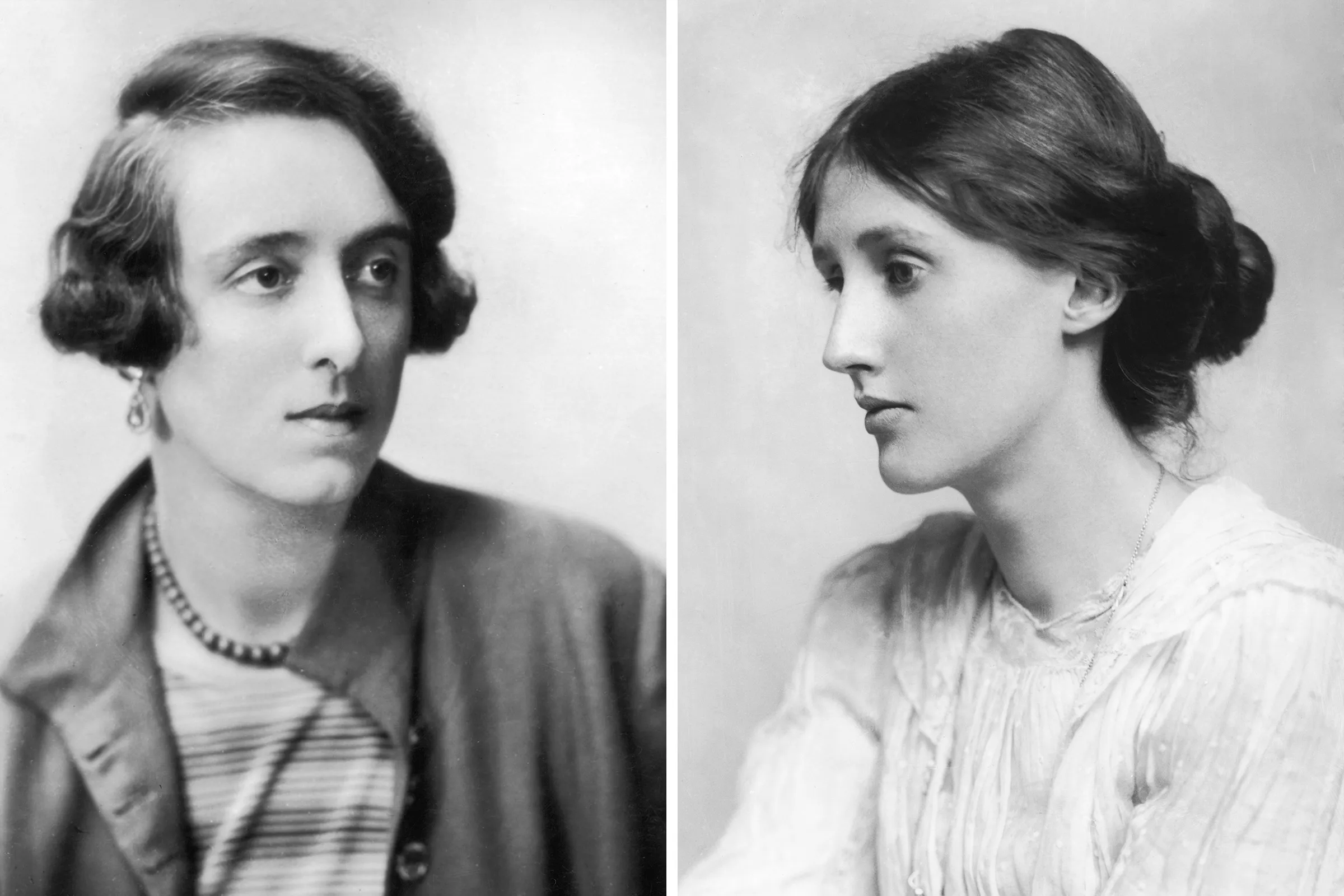
Both women were central figures in The Bloomsbury Group, a circle of artists and thinkers who rejected Victorian norms in favor of experimentation, honesty, and emotional freedom. Woolf’s modernist techniques met Vita’s aristocratic confidence and adventurous spirit.
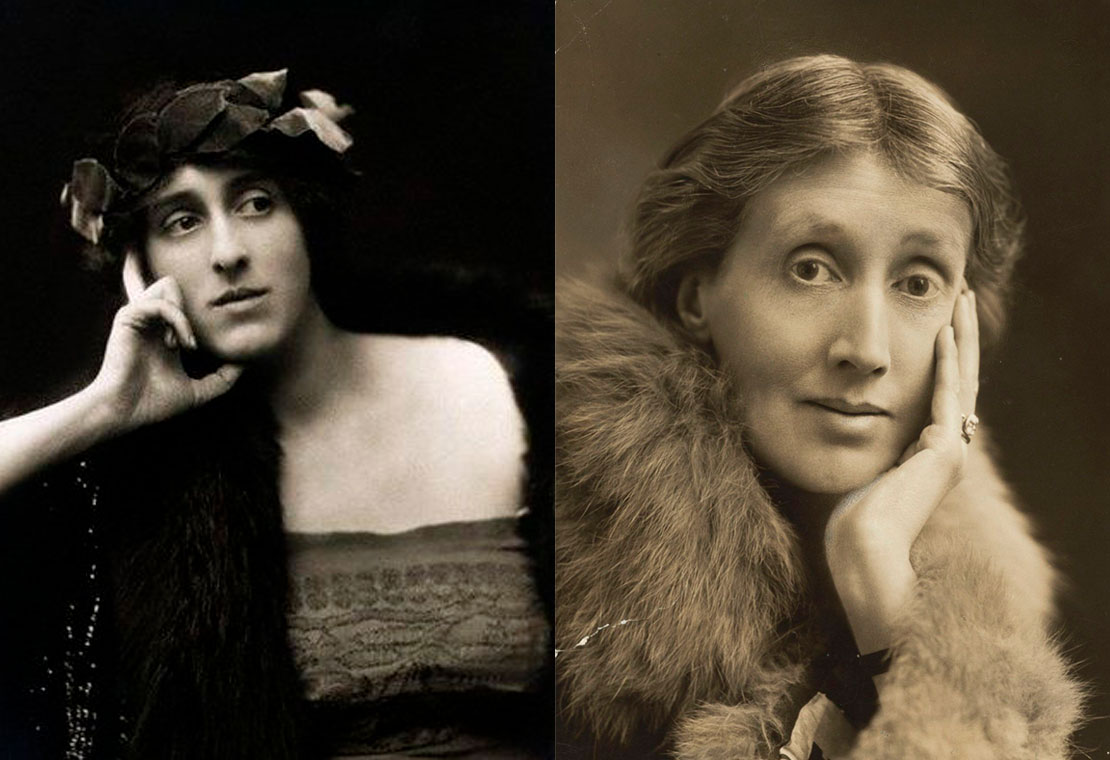
Vita gave Woolf permission to imagine new ways of being. Woolf gave Vita literary immortality. Their friendship and romance helped open space for queer expression in literature long before it was safe, or common, to do so.
Ernest Hemingway & F. Scott Fitzgerald: Rivals in Paris
This was a friendship fueled by admiration, envy, and, to some extent, mutual damage. In 1920s Paris, Fitzgerald championed Hemingway, introducing him to editors and helping launch his career. Hemingway repaid him with loyalty and brutal honesty.

They drank together, fought together, and critiqued each other mercilessly. Fitzgerald envied Hemingway’s discipline; Hemingway pitied Fitzgerald’s fragility. In their relationship, each sharpened the other. Fitzgerald’s lyrical glamour and Hemingway’s spare realism came to define American prose.
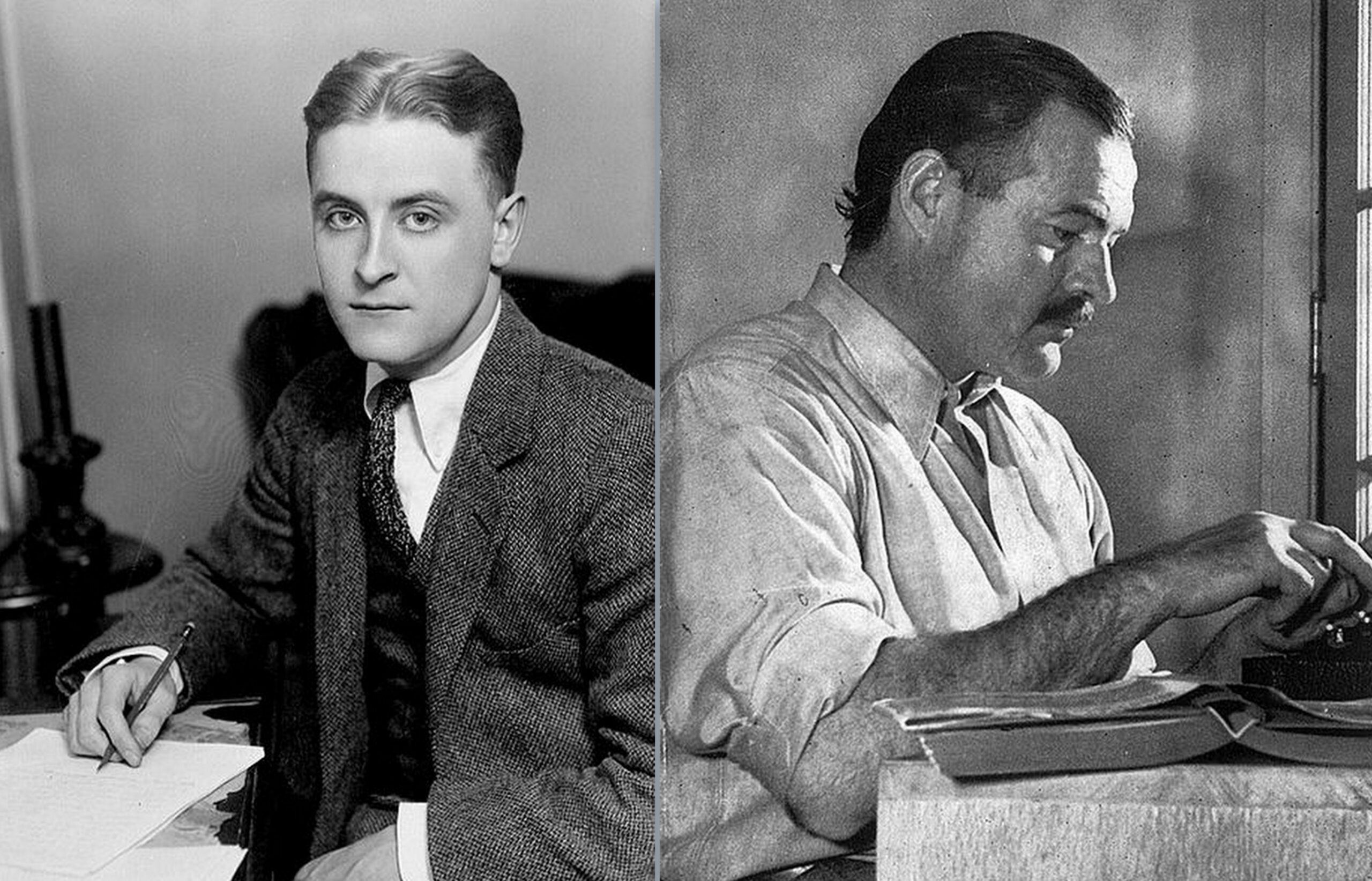
Their relationship was messy, but it forced both men to confront what kind of writer they wanted to be. The tension between them helped shape the voice of a generation.
Ralph Waldo Emerson & Henry David Thoreau: Nature as Philosophy
Emerson was Thoreau’s mentor, landlord, and intellectual north star. He was the one who encouraged Thoreau to write, to trust his strange, independent vision, and to live deliberately. In turn, Thoreau took that advice very literally, moving into a cabin by Walden Pond.
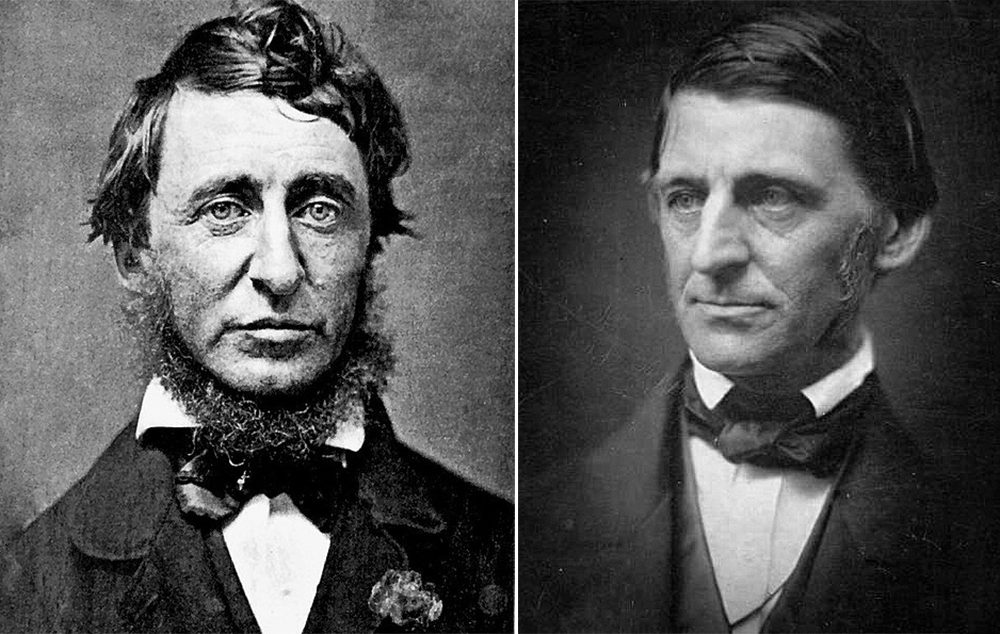
Their friendship defined American Transcendentalism. Emerson’s essays articulated a philosophy of self-reliance and spiritual connection. Thoreau embodied it, turning daily life into literature in Walden.
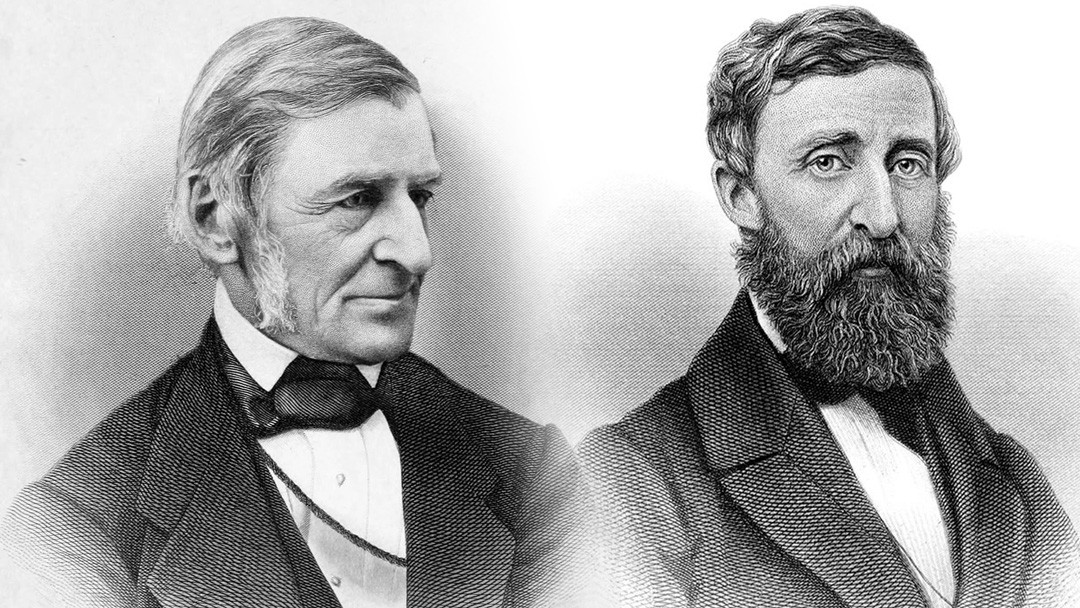
They disagreed, sometimes sharply, but their discussions of theory and practice gave American writing a distinctly philosophical, nature-centered voice, one that still shapes environmental thought today.
Jack Kerouac & Allen Ginsberg: The Beats
If you’ve ever dreamed of ditching everything and hitting the road with a notebook, you can thank these two. Kerouac and Ginsberg were the emotional core of The Beats, a movement that rejected conformity in favor of spontaneity, spirituality, and raw truth.
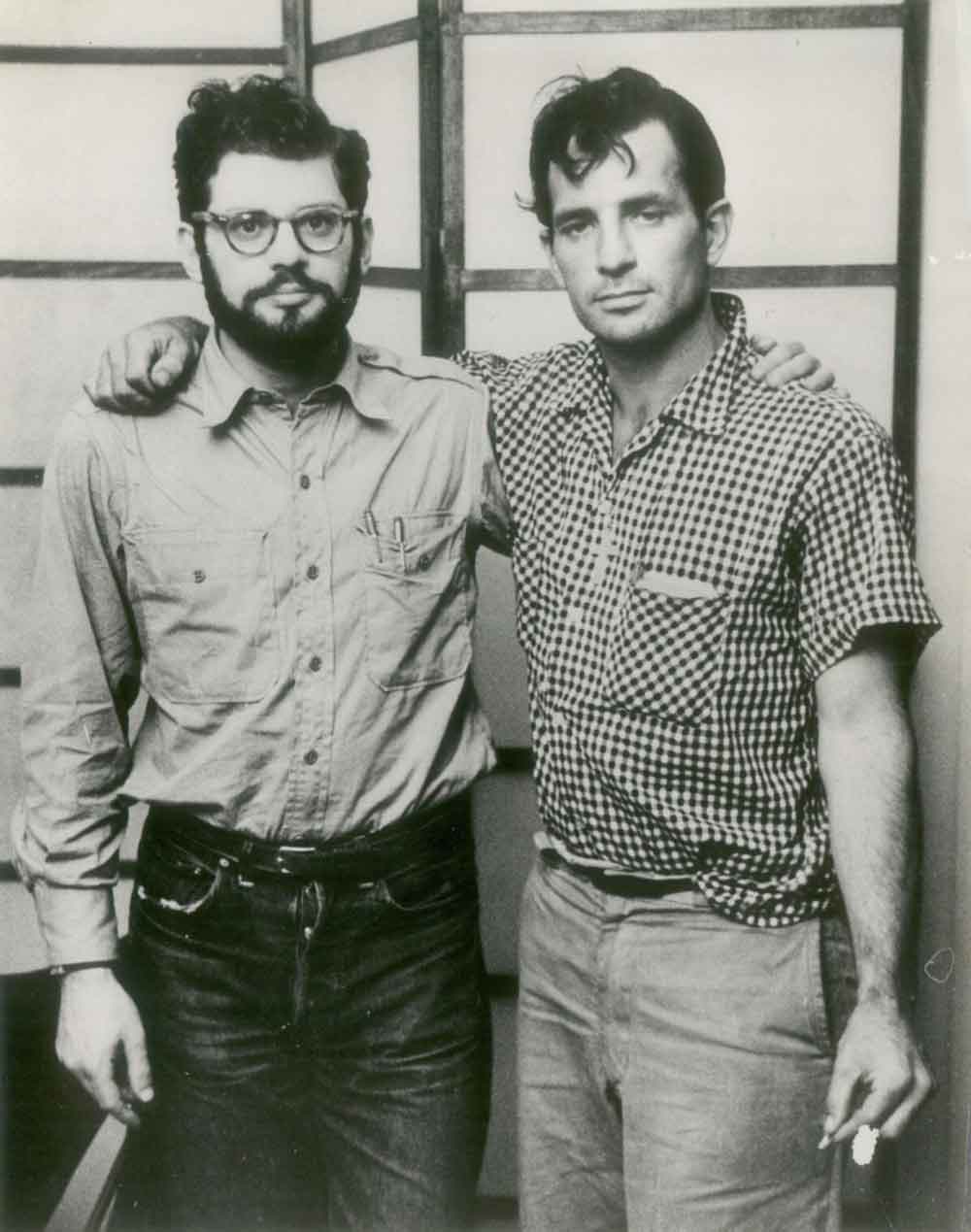
They edited each other’s work, traveled together, and built a mythology of freedom that still echoes through culture. Their friendship taught literature to breathe, ramble, rave, confess, and live on the page.
Ezra Pound & T.S. Eliot: The Modernist Pairing
It would be fair to say that Ezra Pound was less a friend than a literary hurricane. When he encountered T.S. Eliot’s sprawling draft of The Waste Land, he attacked it with a red pen, carving it into the tight, devastating poem we all know (and some of us love) today.

Eliot called Pound “the better craftsman.” Pound believed in Eliot’s genius and bullied the literary world into taking him seriously. Their collaboration defined Modernism: it was fragmented, allusive, global, and unapologetically new.

Millie Ramm
Millie has been writing since she was a child, and has spent more time with her nose in books than anywhere else. She has been ghostwriting novels and editing for the past few years, and when not working she is curled up with her cats, looking for her next read.