
From Nabokov to Dickinson, these love letters prove that some hearts write in verse without ever meaning to. Romance at its rawest.
There’s something quietly magical about reading someone else’s love letters. It feels a little like eavesdropping on history, not the kind made of wars and treaties, but the kind made of trembling hands, sleepless nights, and hearts that couldn’t stay quiet.
Some of the most brilliant writers who ever lived poured their rawest selves into letters. They were just trying to say, “This is what you do to me.” What came out was poetry.
Vladimir Nabokov to Vera Nabokov
“My sun, my soul, my everything. I love you, my life, beyond all words, beyond all reason, beyond all smiles and tears.”
Nabokov, the master of language, reduces everything here to the simplest truth: you are everything. There’s no metaphor, no flourish… just total surrender.
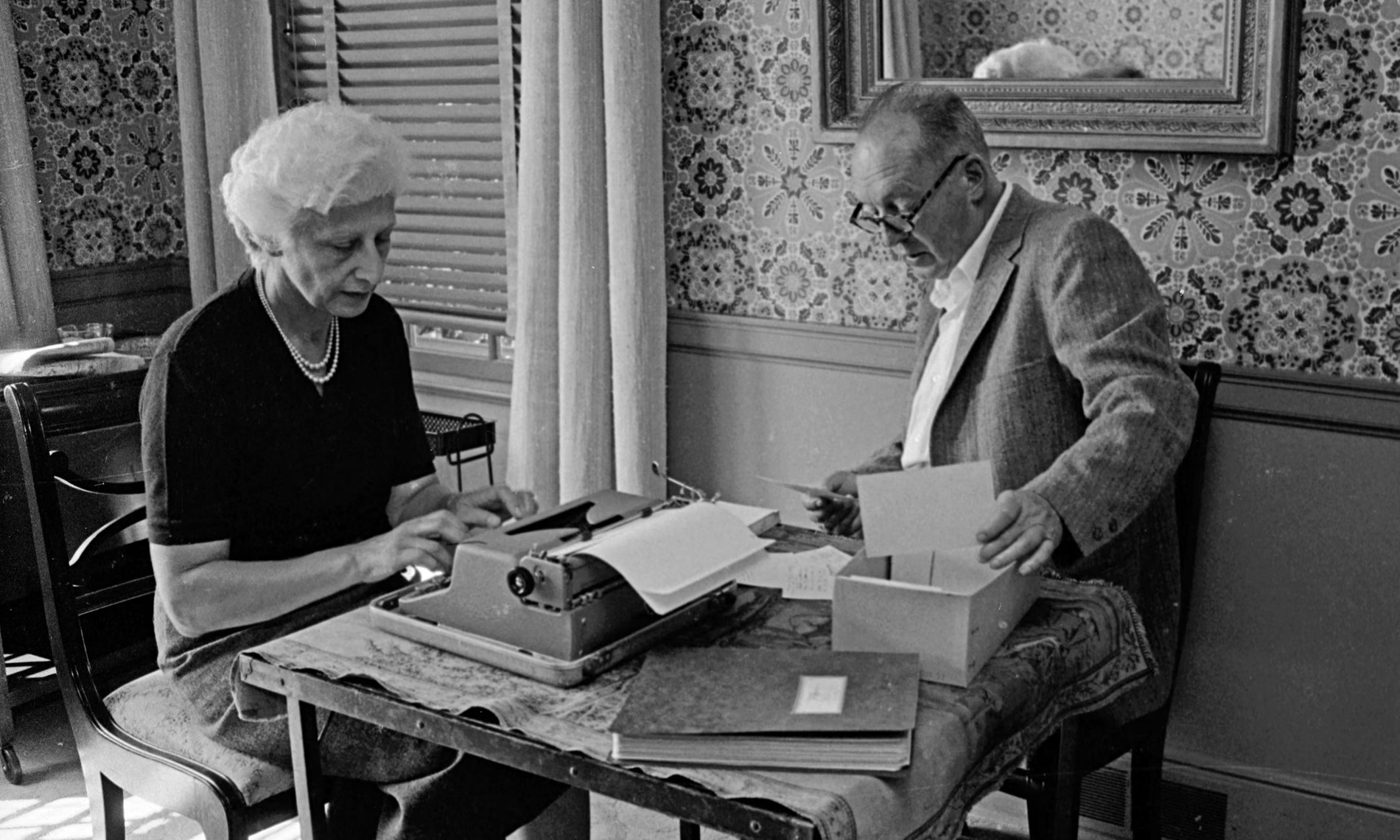
“Beyond all words” is particularly striking coming from a man whose entire life was built on them. It’s as though he’s admitting defeat. Language can do many things, but it cannot fully hold what he feels for Vera.
This is love as absoluteness. Not romance as decoration, but as gravity.
It doesn’t stop there, either. Nabokov wrote lots about his love, including: “Perhaps this is how the whole enormous world, shining all over, can be created — out of five vowels and three consonants.”
Franz Kafka to Milena Jesenská
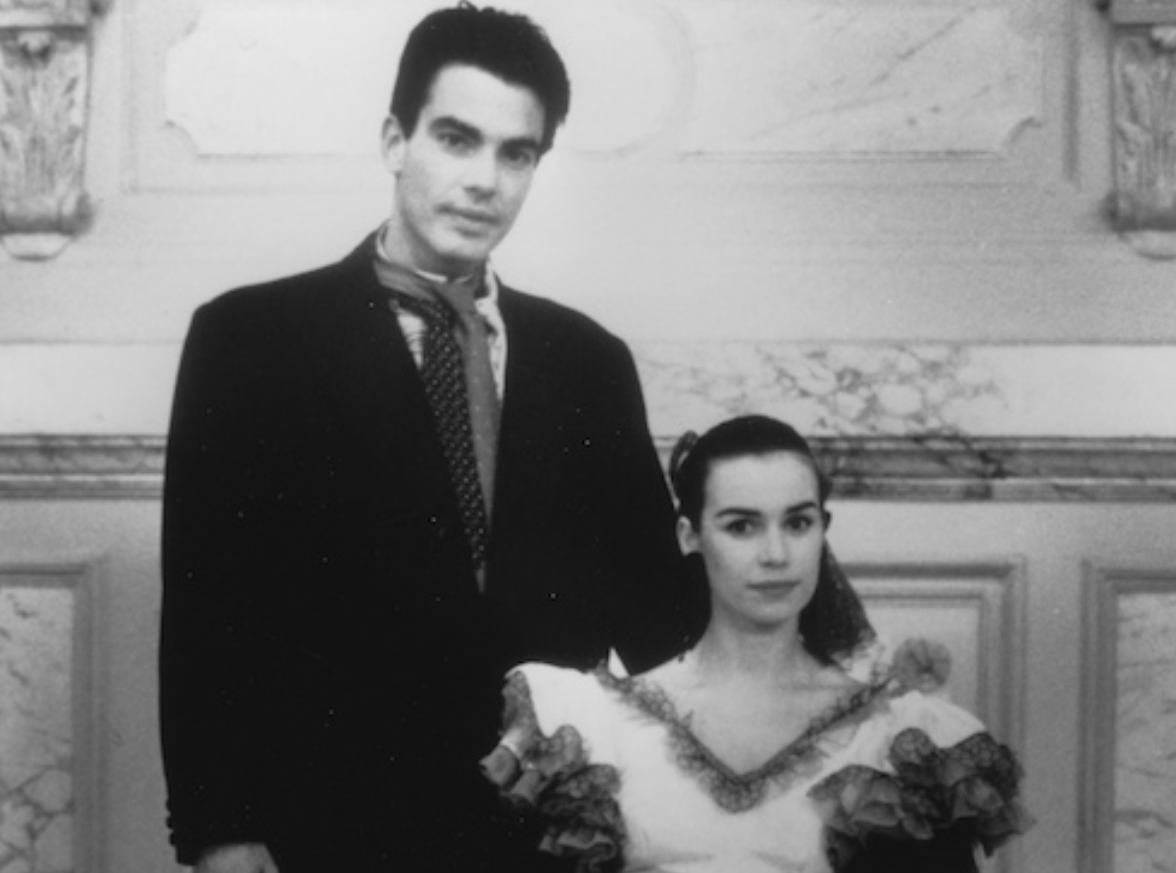
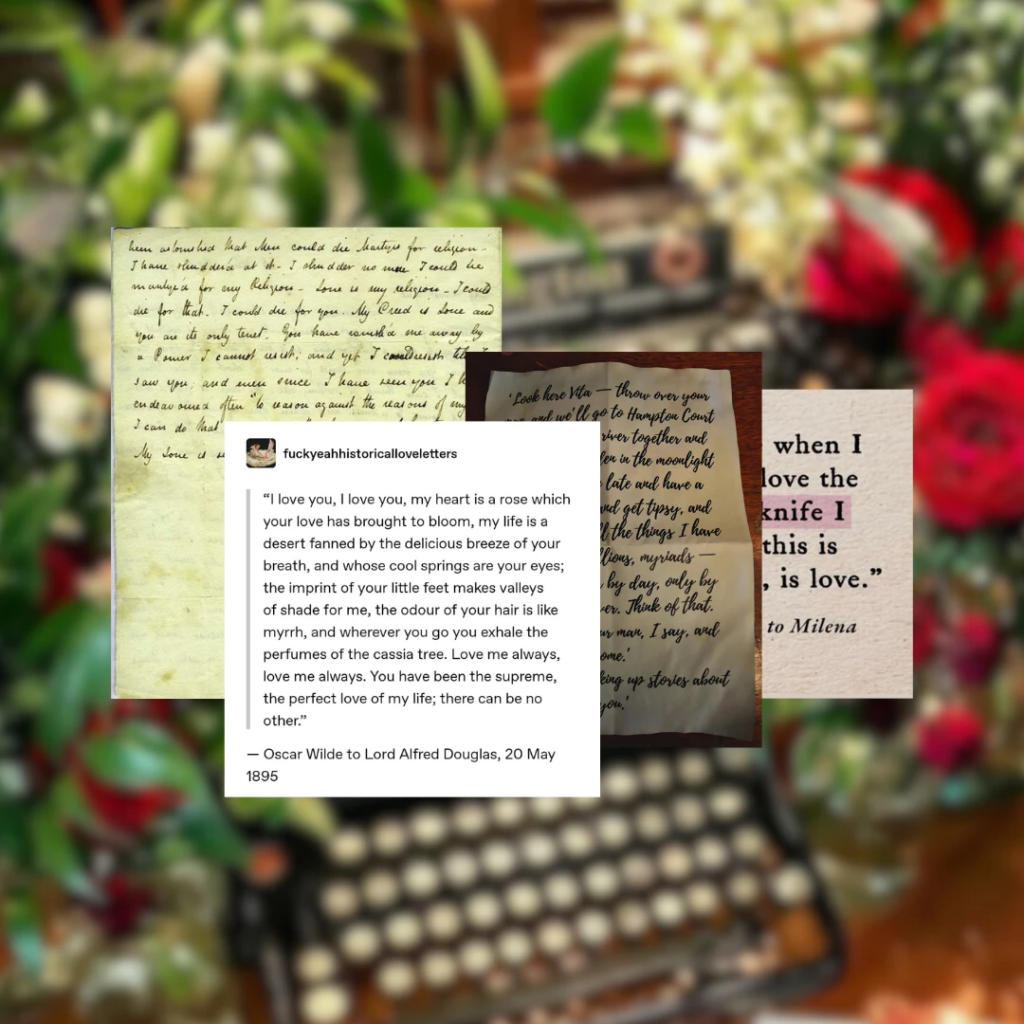
“You are the knife I turn inside myself — this is love.”
Kafka doesn’t offer comfort. He offers truth, sharp and unsoftened.
This isn’t love as safety. It’s love with intensity. As self-recognition is so powerful, it hurts. To love someone is to be opened by them, to be made vulnerable in ways you can’t control.
It’s unsettling. And it’s real.
For Kafka, love isn’t warmth. It’s a transformation — and transformation always cuts.
Oscar Wilde to Lord Alfred Douglas
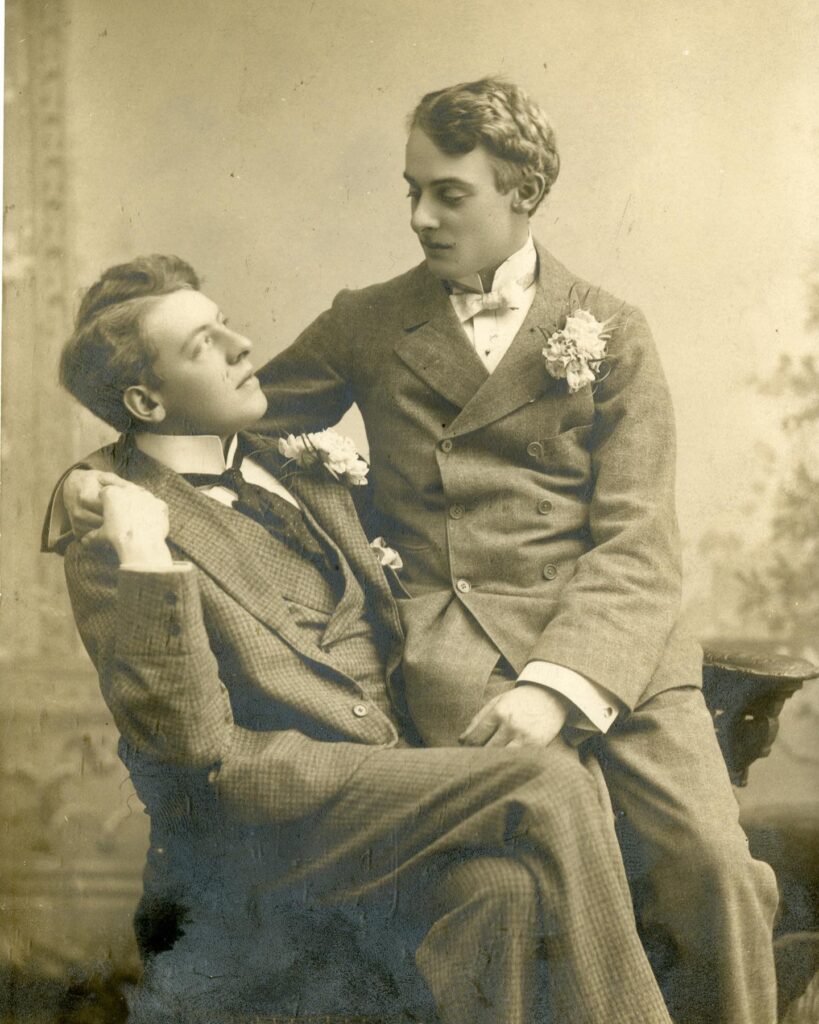
“I love you, I love you, my heart is a rose which your love has brought to bloom, my life is a desert fanned by the delicious breeze of your breath, and whose cool springs are your eyes; the imprint of your little feet makes valleys of shade for me, the odour of your hair is like myrrh, and wherever you go you exhale the perfumes of the cassia tree. Love me always, love me always. You have been the supreme, the perfect love of my life; there can be no other.”
Wilde writes like a man who believes love should be extravagant. His metaphors bloom and spill. Deserts become gardens. Footsteps create shade. A beloved becomes weather, landscape, perfume.
This is love as art.
But beneath the lush imagery is a fragile plea: Love me always. It repeats like a prayer. Wilde, so brilliant and flamboyant in public, reveals a deeply human need to be chosen again and again.
It’s beauty wrapped around vulnerability.
John Keats to Fanny Brawne
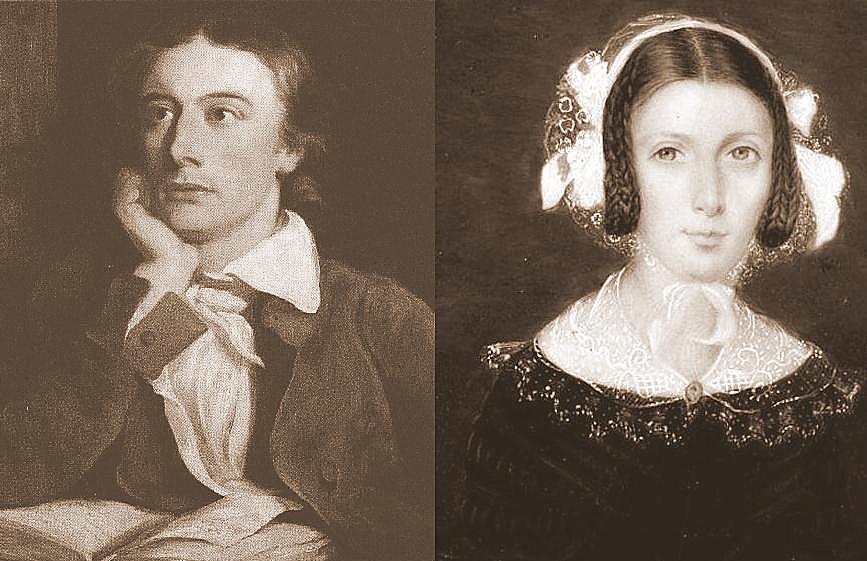
“Love is my religion — I could die for that — I could die for you.”
Keats writes like a man already half aware of his own mortality. His love is consuming, almost frightening in its intensity.
He cannot exist without her. He feels himself dissolving. Love overtakes everything: his thought, purpose, and faith.
This is devotion in its rawest form. Not polite. Not restrained. It is love as total surrender.
For Keats, love is not a part of life. It is life.
Virginia Woolf to Vita Sackville-West
“Look here Vita – throw over your man, and we’ll go to Hampton Court and dine on the river together and walk in the garden in the moonlight and come home late and have a bottle of wine and get tipsy, and I’ll tell you all the things I have in my head, millions, myriads – They won’t stir by day, only by dark on the river. Think of that. Throw over your man, I say, and come.”
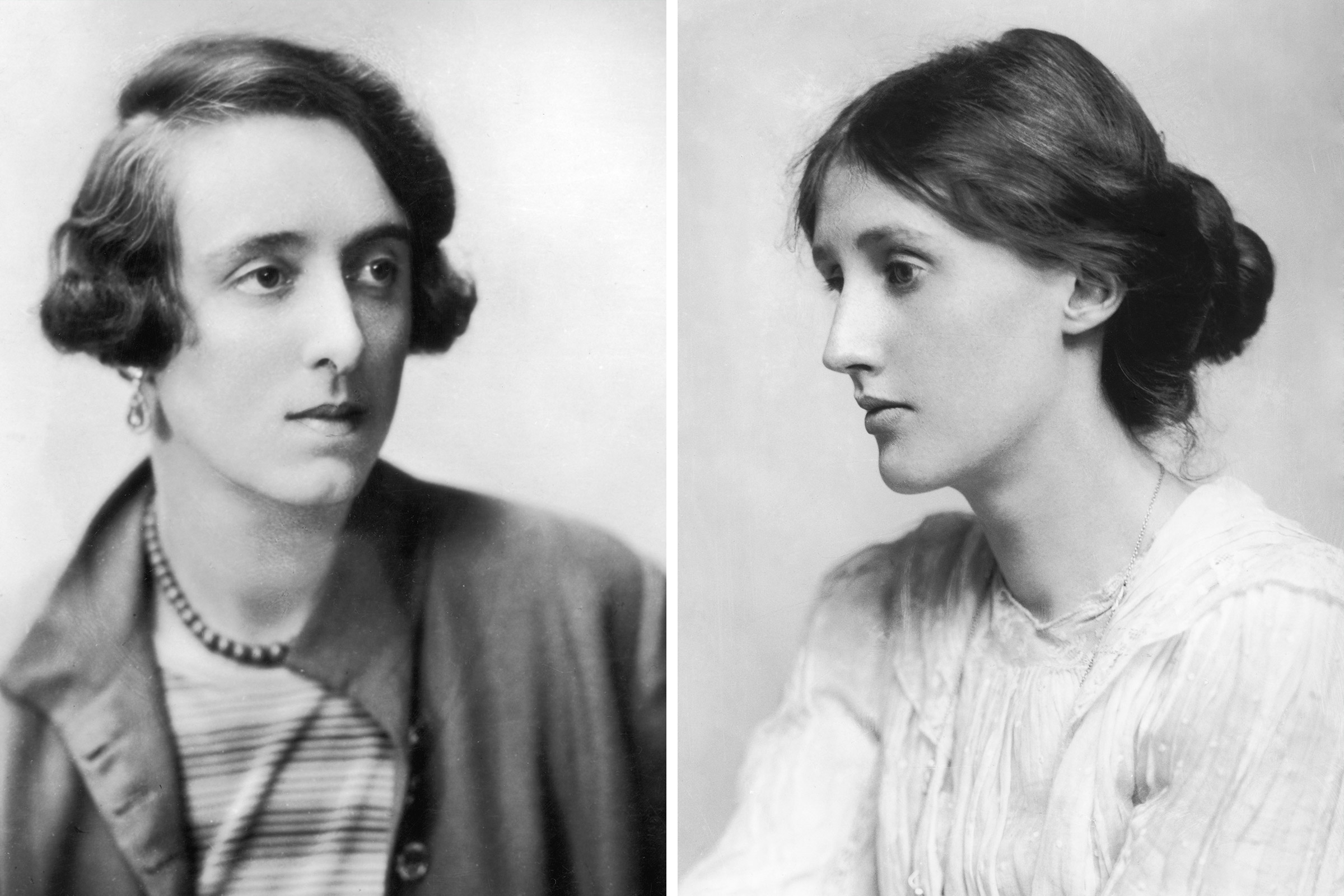
This letter is a whisper of rebellion.
Woolf doesn’t dress her desire in tragedy or torment. She offers Vita moonlight, wine, and a world that only awakens in darkness. She invites her into imagination itself.
It’s playful. It’s daring. It’s tender.
What makes it poetic is its intimacy. The sense that love is not just passion, but shared wonder. A private universe built from walks, words, and wine.
Anaïs Nin to Henry Miller
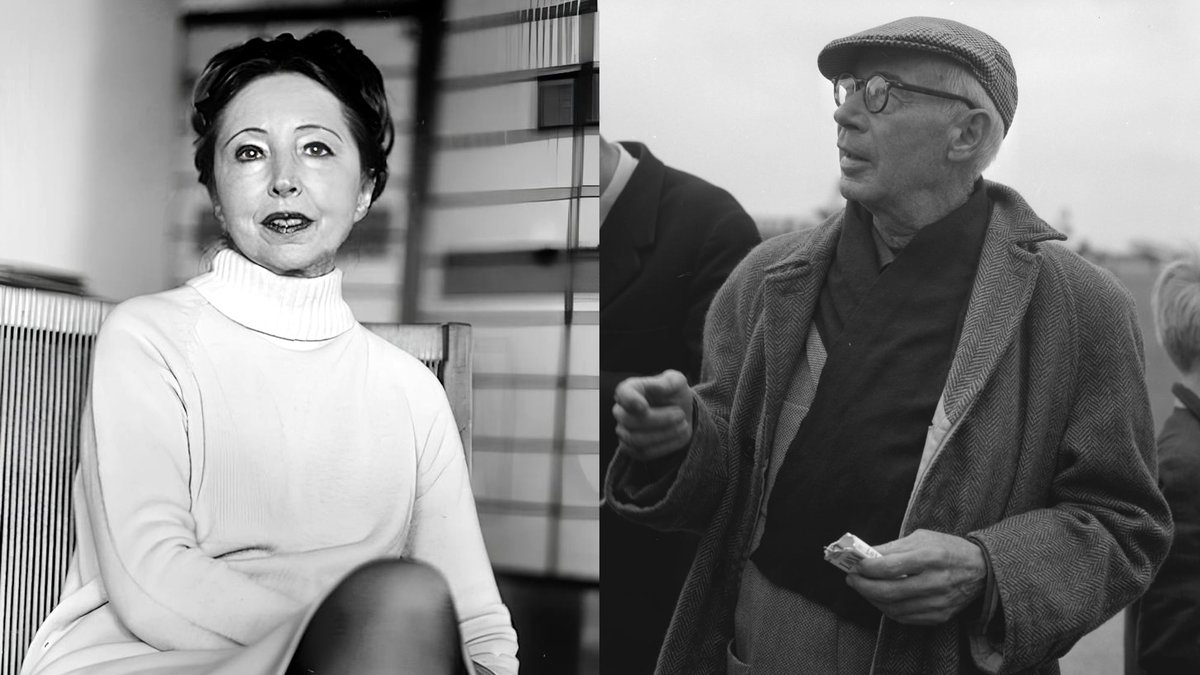
“You live in the realm of the senses, and I in the realm of the spirit — but together we make the whole world.”
Nin sees love as completion.
Two halves. Two modes of being. Sensual and spiritual. Body and mind. Neither is enough alone.
Together, they become whole.
It’s a beautiful vision of partnership. Not sameness, but harmony. Love as expansion. As a way of becoming more than you are by yourself.
Albert Camus to Maria Casarès
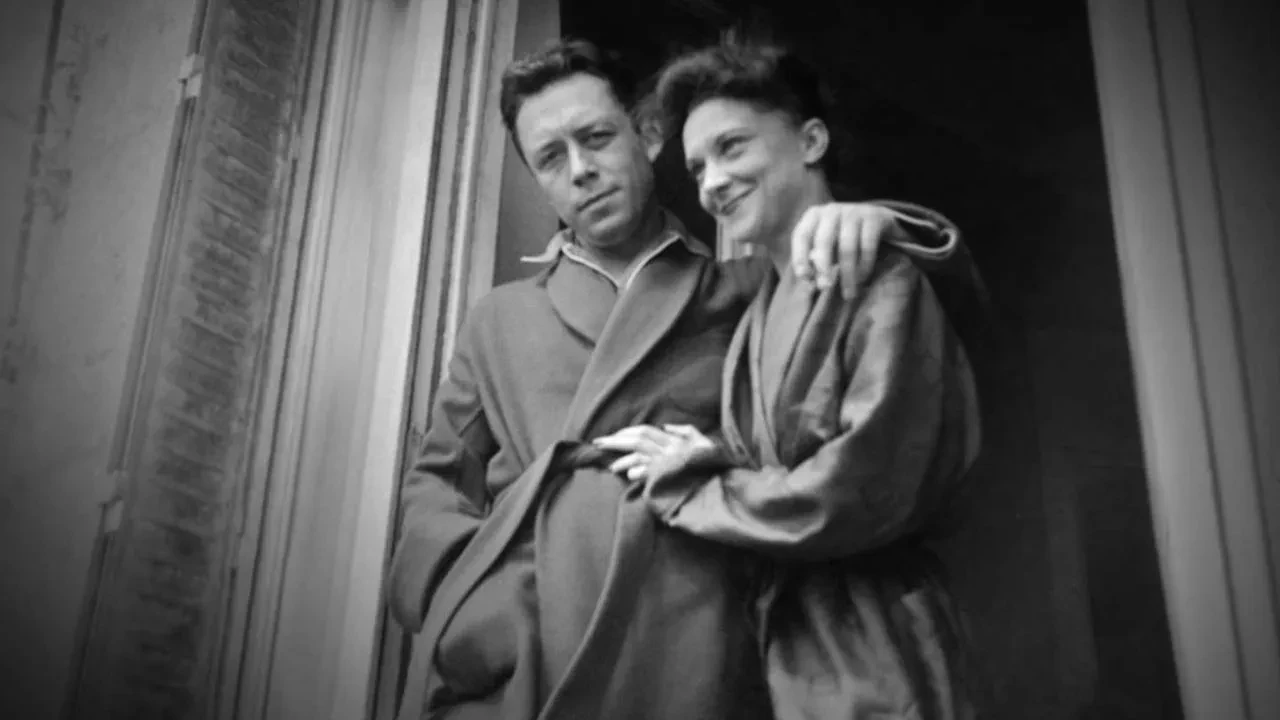
“I love you with a kind of rage, as one loves only once in a lifetime.”
Camus names a feeling most people recognize but rarely admit. This is not calm love. It is urgent and consuming. A love that knows itself to be singular, not meant to be repeated. There is no promise of forever, only the certainty of once.
To love once is not about time, but scale. This love takes everything and sets a measure nothing else can match.
For Camus, love is not meant to comfort. It is meant to alter you. It burns because it is real, and once it happens, it stays.
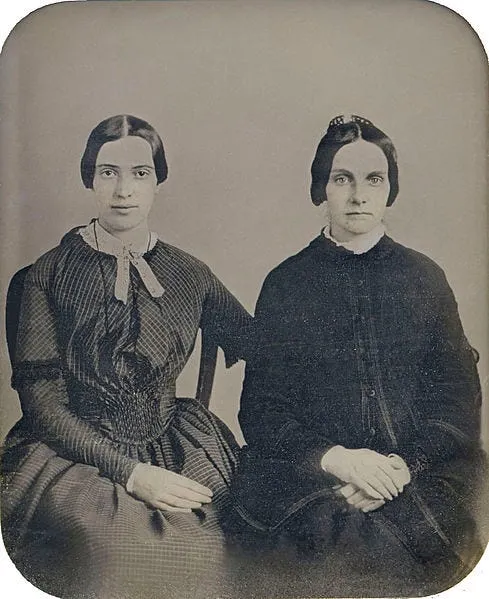
Emily Dickinson to Susan Gilbert Dickinson
“Susie, you make me drunken — I reel in your presence.”
Dickinson’s love is soft, shy, and devastating in its simplicity.
She doesn’t need grand metaphors. One sentence does everything: You undo me.
In another letter, she worries about her appearance, about being unworthy, about arriving “soiled and worn.” And yet, she trusts that their hearts are “always clean, and always neat and lovely.”
It is love without performance. Love as quiet certainty.

Millie Ramm
Millie has been writing since she was a child, and has spent more time with her nose in books than anywhere else. She has been ghostwriting novels and editing for the past few years, and when not working she is curled up with her cats, looking for her next read.