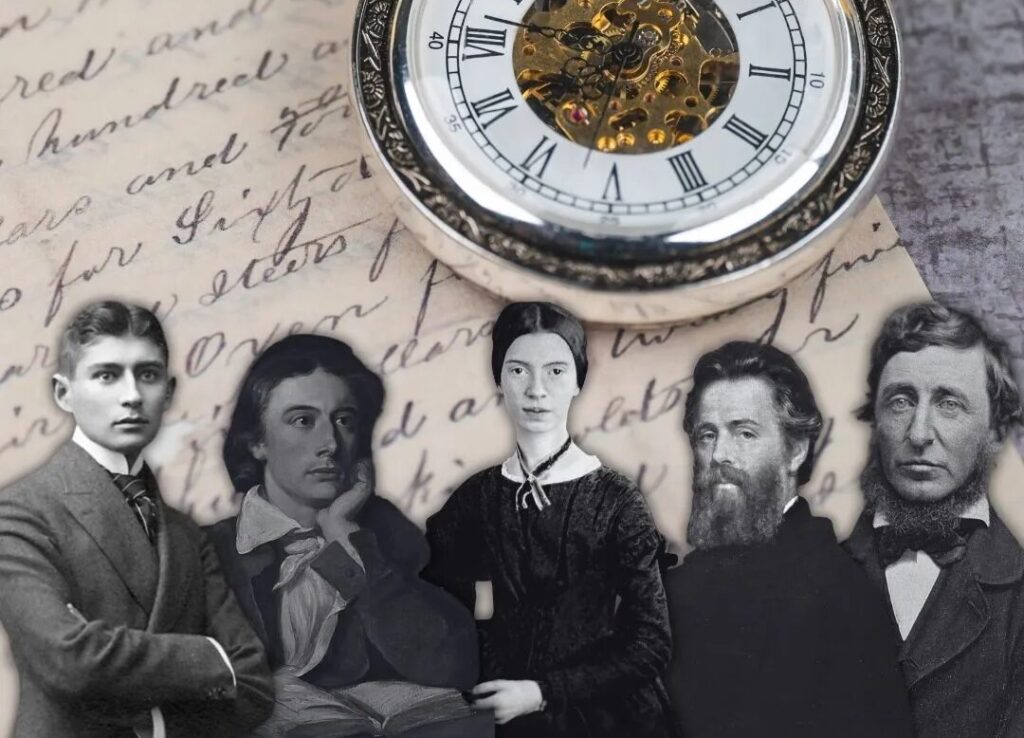

They wrote in silence. They died unknown. Then the world caught up. From Herman Melville to Henry David Thoreau, genius doesn’t always arrive on time.
Literary history is full of dramatic tragedies, but none hit quite as hard as the writers who never lived to see their own greatness recognized. These are authors who wrote in near silence, endured bad reviews or total indifference, and died believing, often quite sincerely, that they had failed. Then, years or decades later, the world caught up.
Franz Kafka: The Man Who Asked for Oblivion
Franz Kafka is almost comically symbolic of posthumous success. He died in 1924 at the age of 40, exhausted by illness and utterly convinced his writing had gone nowhere. During his lifetime, Kafka published only a few short stories. His well-known novels like The Trial, The Castle, and Amerika were unfinished, largely unread, and unknown to the wider world.
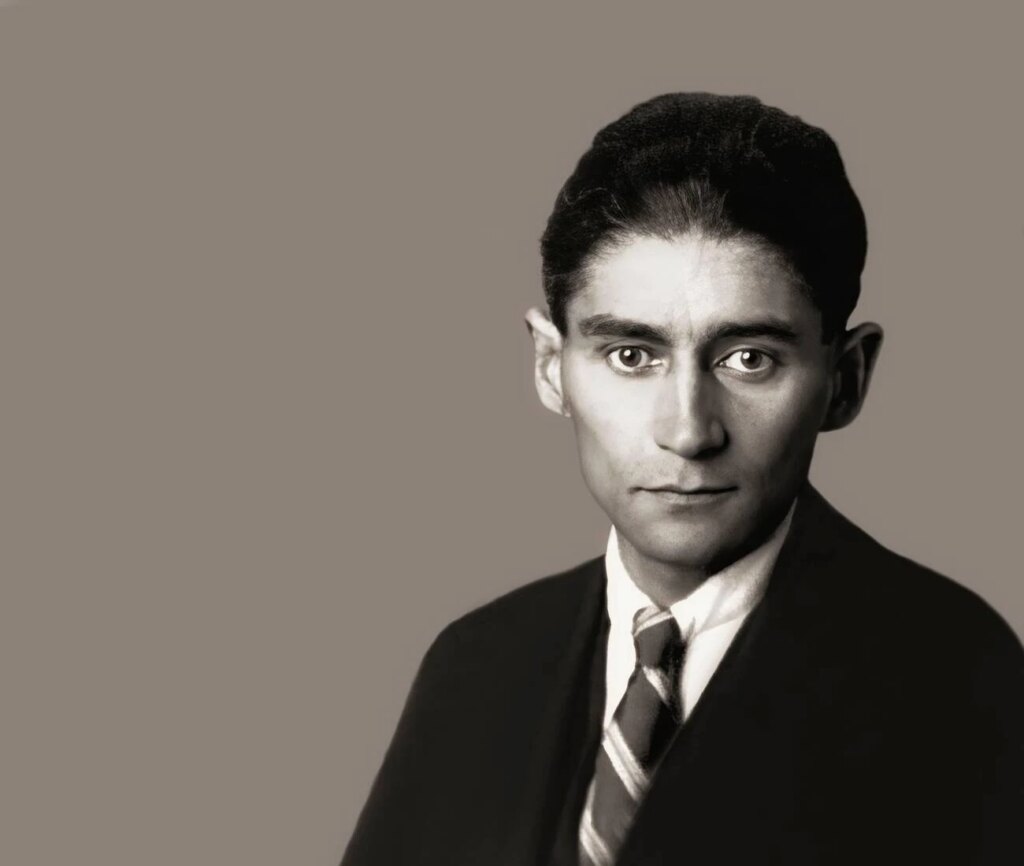
Kafka didn’t just fear obscurity; he expected it. In fact, at one point, he instructed his close friend Max Brod to burn all of his manuscripts after his death. Every last page. Fortunately for us, Brod famously refused, choosing instead to edit and publish them.
That single act of defiance changed literary history. Word spread across Europe, and by the 1940s, Kafka’s bleak, unsettling vision of bureaucracy and alienation had begun to haunt readers. By the 1960s, he was canonized. Today, “Kafkaesque” is a word people casually use to describe modern life. It’s truly heartbreaking; he died thinking nobody would care. Instead, his work became a mirror that the world couldn’t stop looking into.
Emily Dickinson: Writing for a World That Didn’t Exist Yet
If Kafka feared obscurity, Emily Dickinson simply assumed it. During her lifetime, only ten of her poems were published, all anonymously, and all aggressively edited to fit 19th-century poetic norms. Her completely unique punctuation, abrupt rhythms, and slanted truths were considered simply unacceptable.
The rest of her work, nearly 1,800 poems, was hidden away in hand-sewn booklets in her bedroom. Dickinson wrote with no audience in mind, as if the world would never read her words. And for a long time, it didn’t.
After her death in 1886, her sister Lavinia Dickinson discovered the manuscripts and showed them to the world. Early editors once again reshaped the poems, taming their wildness. But over time, scholars began restoring Dickinson’s original voice, returning the dashes, the silences, and her radical structure.
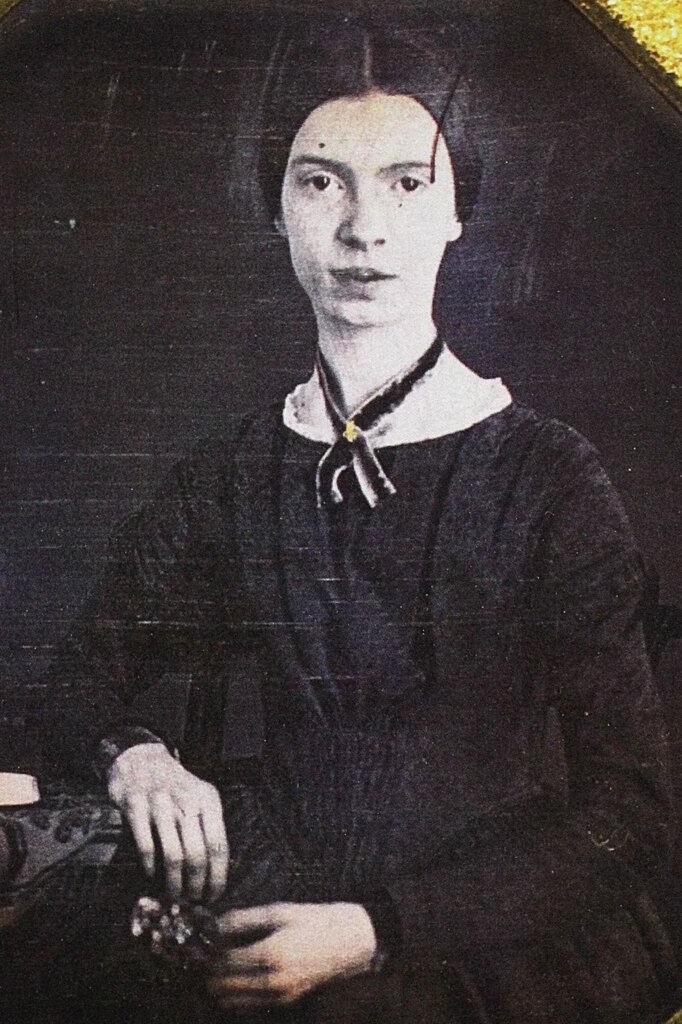
By the mid-20th century, Dickinson was hailed as one of America’s greatest poets. In her life, nobody knew of her poems, let alone her name. All these years later, her words are studied in classrooms, shared in weddings, and etched into gravestones. She had written in private, but the world lapped it up as soon as it got the chance.
Herman Melville: The Book That Sank Before It Sailed
It’s hard to imagine now, but Moby-Dick was a complete flop.
When Herman Melville published the novel in 1851, readers just didn’t… get it. To them, it was strange, philosophical, dense, and wildly different from the adventure stories that had once made Melville popular. Critics were confused. Sales were dismal. Melville’s confidence as a once bestselling author was fractured, and his reputation collapsed.
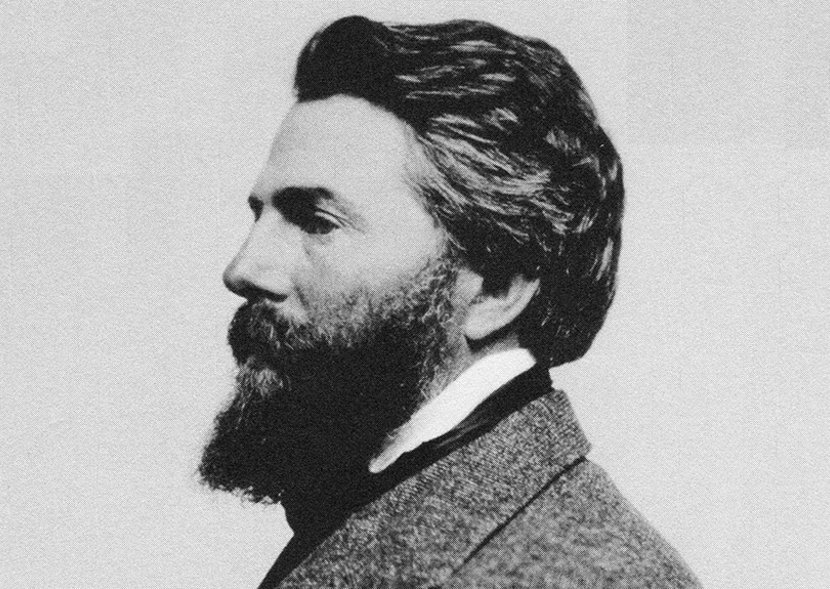
He spent the rest of his life in relative obscurity, eventually working as a customs inspector to pay the bills. When he died in 1891, the New York Times obituary didn’t even mention Moby-Dick.
Then, a meagre 30 years later, in the 1920s, scholars rediscovered the novel. Critics began reassessing it. Universities started teaching it. By the 1940s, Moby-Dick had become a pillar of the American literary canon. The book that once sank now towers over American literature, long after its author was gone.
John Keats: A Name “Writ in Water”
Few stories are as quietly devastating as that of John Keats. He died at just 25, in Rome, from tuberculosis. He was poor, physically broken, and emotionally wrecked by the poor reception of his poetry. Keats was convinced he had failed, not just as a poet, but at life.
His gravestone reads: “Here lies one whose name was writ in water.” He truly believed he would be forgotten.
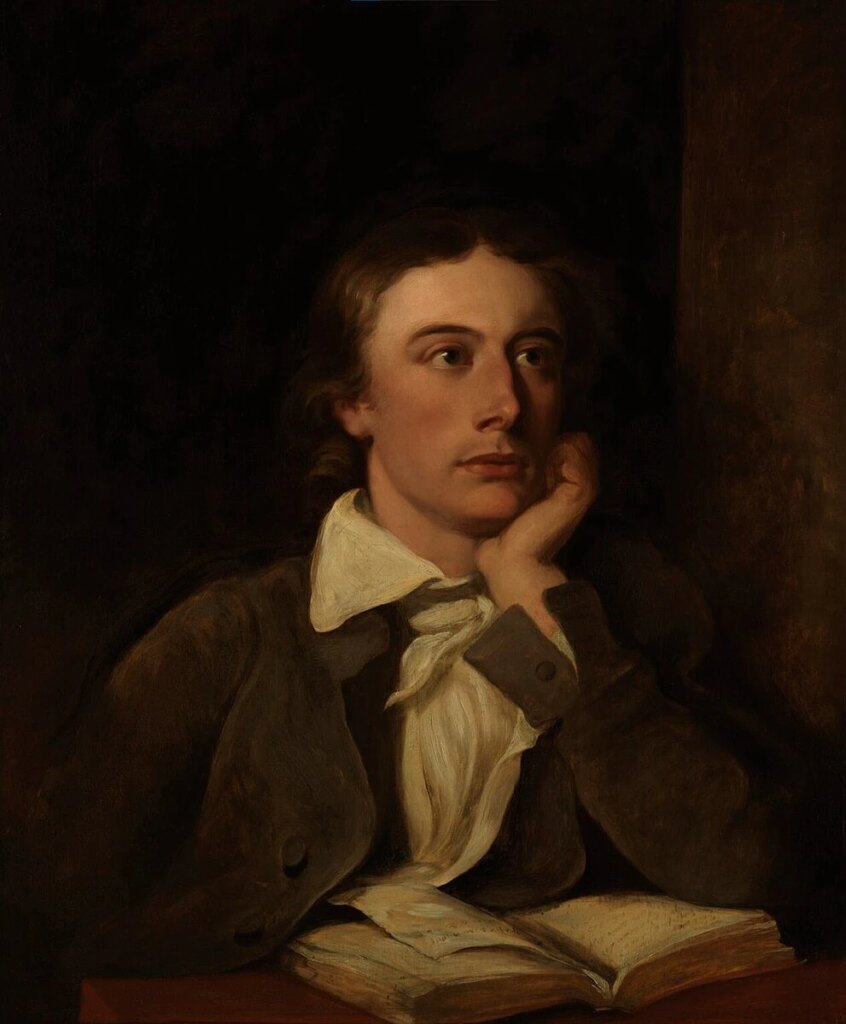
Instead, his friends preserved his poems, and his reputation slowly grew. First among fellow Romantics, then across Europe, and eventually the world. By the end of the 19th century, Keats was widely regarded as a poetic genius. His works are now among the most beloved in the English language. He tragically died thinking his life meant little. His words proved immortal.
Henry David Thoreau: The Quiet Radical
When Henry David Thoreau published Walden in 1854, it only sold 2,000 copies. Reviews were polite but lukewarm. Readers didn’t quite understand what he was doing.
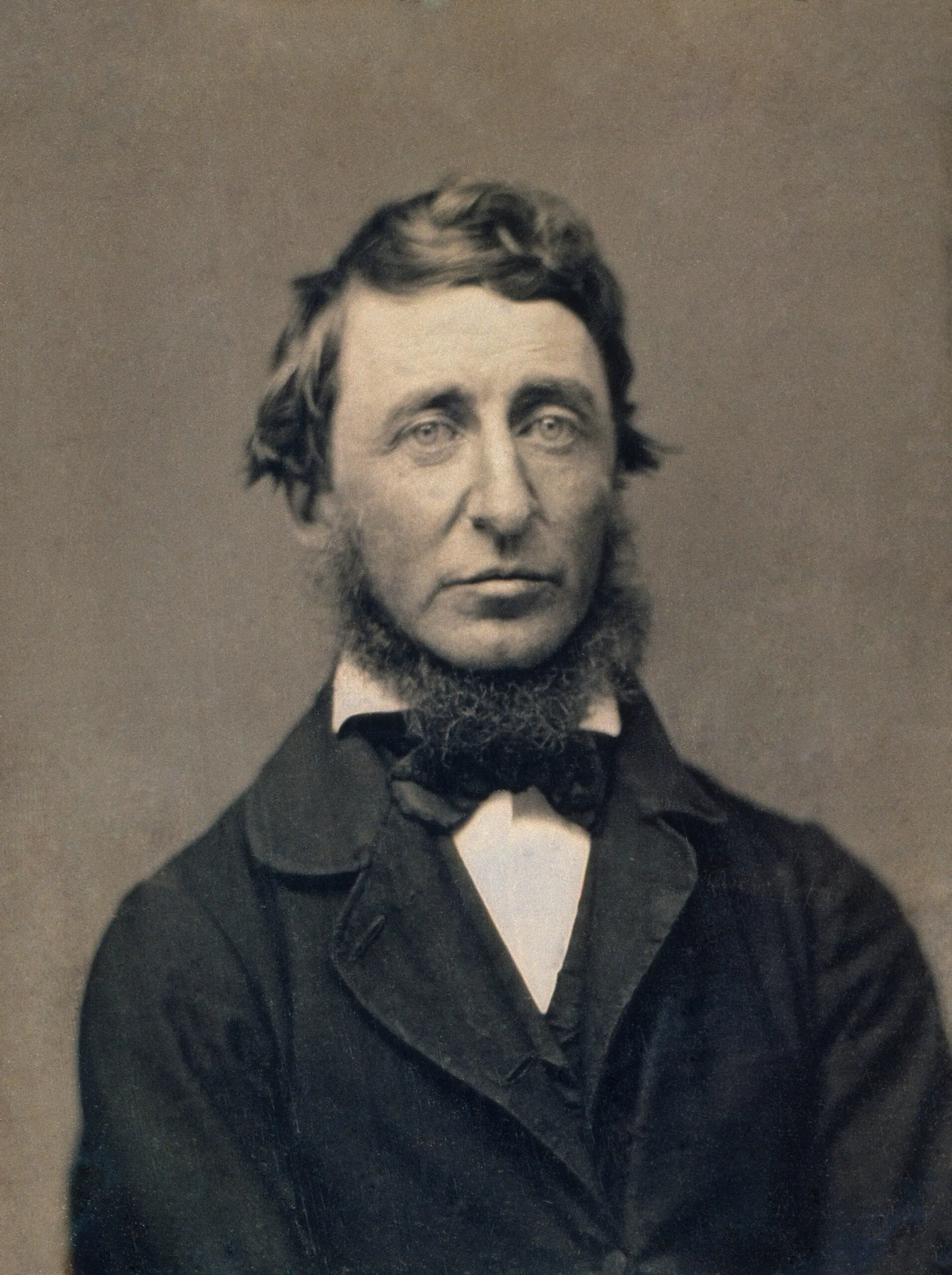
Thoreau died at 44, known only within small literary circles in New England. But his ideas refused to disappear. His writings on civil disobedience and ethical living went on to inspire historical figures like Martin Luther King Jr. and Mahatma Gandhi. Schools began assigning him. Activists quoted him. His cabin became a shrine.
He never saw the reach of his influence, but it stretched far.

Millie Ramm
Millie has been writing since she was a child, and has spent more time with her nose in books than anywhere else. She has been ghostwriting novels and editing for the past few years, and when not working she is curled up with her cats, looking for her next read.