
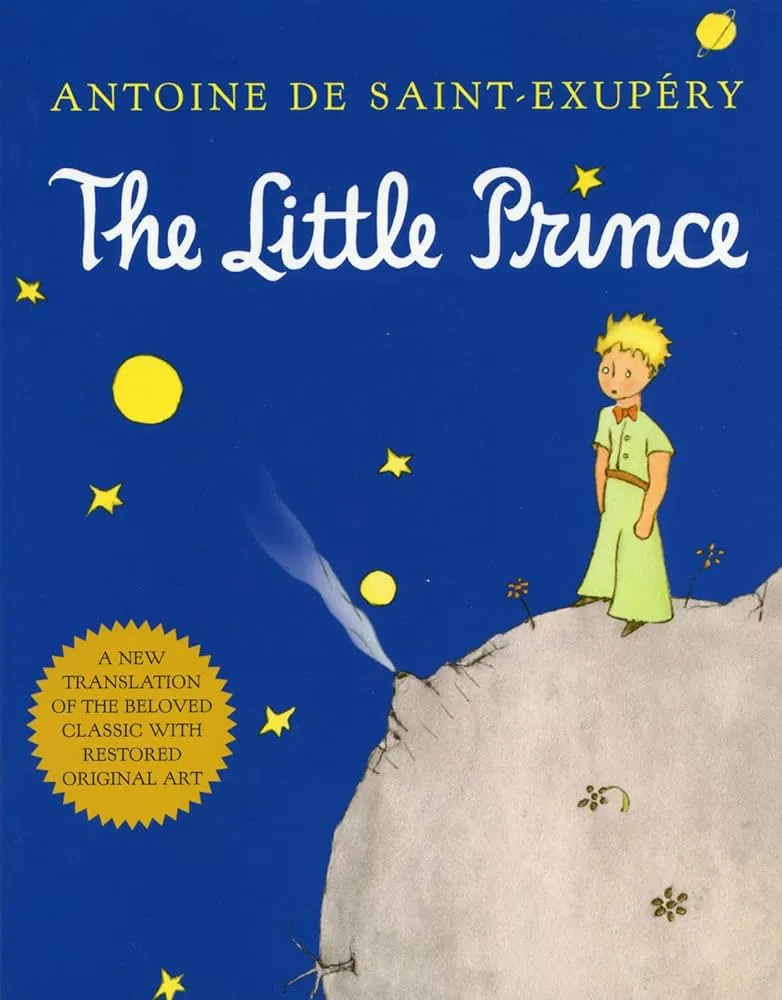
Happy Anniversary, The Little Prince! 83 years since its publication, it still reminds us that growing up shouldn’t mean losing our sense of wonder.
When The Little Prince by Antoine de Saint-Exupery was first published, it appeared as a children’s book. A tiny prince, sheep in boxes, a pilot stranded in the desert, and adorable illustrations to match.
But it’s not just a kids’ book.
More than eight decades later, readers of all ages still discover that this slim little story quietly delivers some of the biggest truths about life, relationships, and what it means to grow up. Beneath the whimsical drawings and short chapters sits a story that for many people hits just as hard now as it did when they were a child, if not harder.
But why is that?
Adults Miss the Point More Often Than They Realize
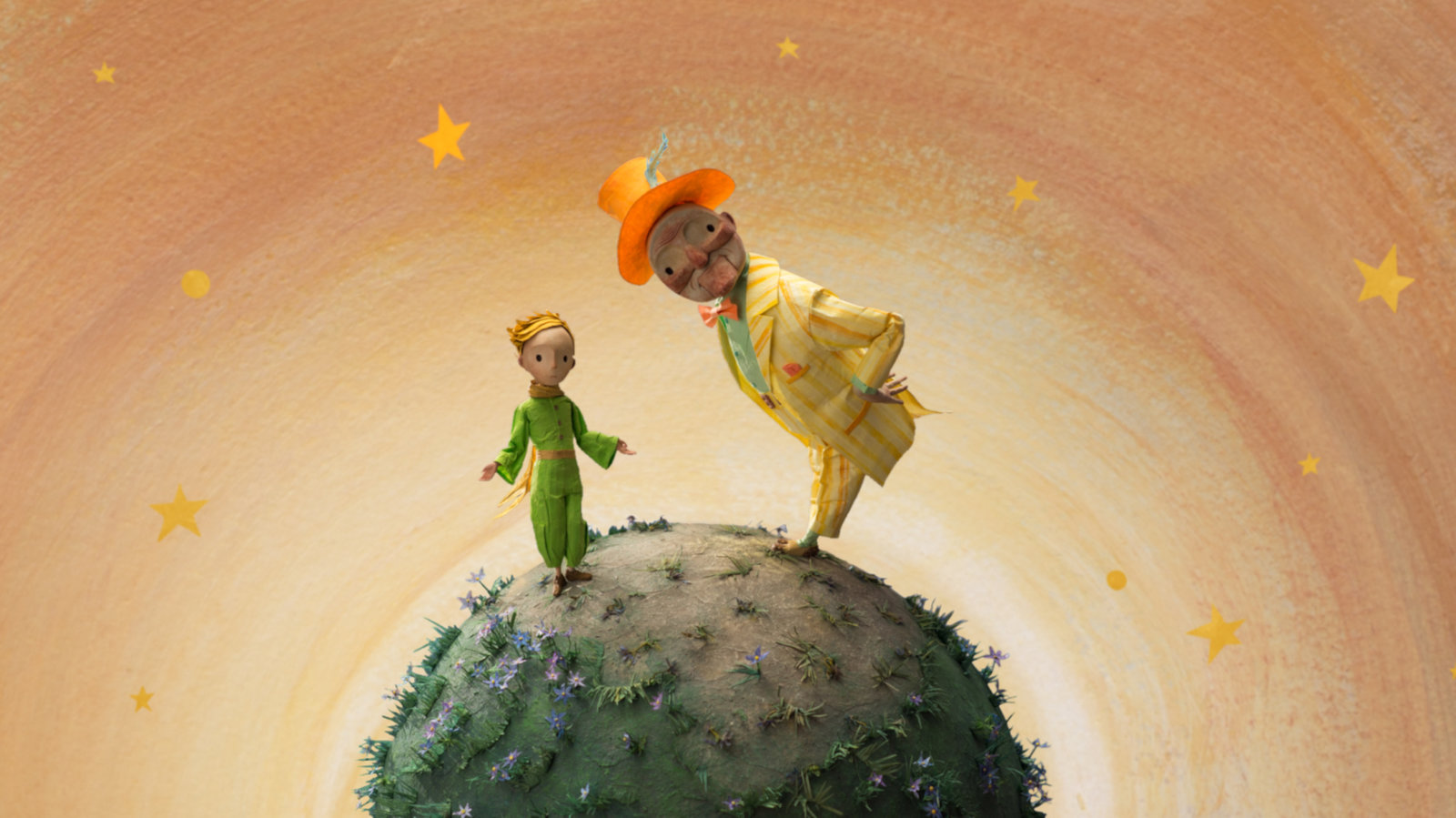
One of the biggest points that The Little Prince makes is that adults can be a little… ridiculous.
In the story, grown-ups care way more about numbers, titles, and money than the things that actually define us as people. They don’t ask meaningful or personal questions; instead, they focus on how much people earn or how old they are.
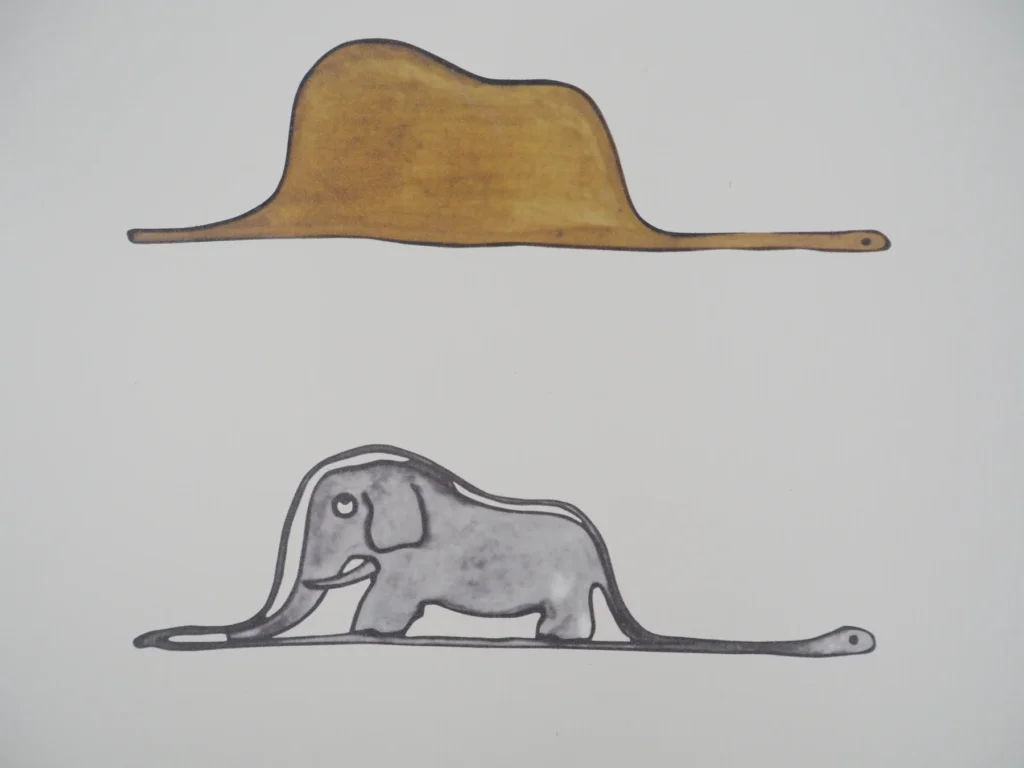
“Grown-ups are very fond of numbers. When you tell them about a new friend, they never ask you the kind of questions that should be asked, such as: ‘What kind of voice does he have?’ ‘What are his favourite games?’ ‘Does he collect butterflies?’ Instead, they ask: ‘How old is he? How much money does his father earn?’ They really do imagine this is the best way to discover what sort of person he is!”
By doing this, the book is constantly reminding us of the contrast between the practical, rigid mindset of adults and the curiosity and whimsy of children. The point is driven home even further by interactions like the drawing of the “hat,” which actually was a boa constrictor eating an elephant (obviously!).
The message isn’t that adults are foolish or boring, but that many of them (and now, us) have traded wonder for efficiency… and we never even thought about it.
The Most Important Things Are Invisible
It might sound silly, but one of the most important messages in The Little Prince can be summed up in one line:
“What is essential is invisible to the eye.”
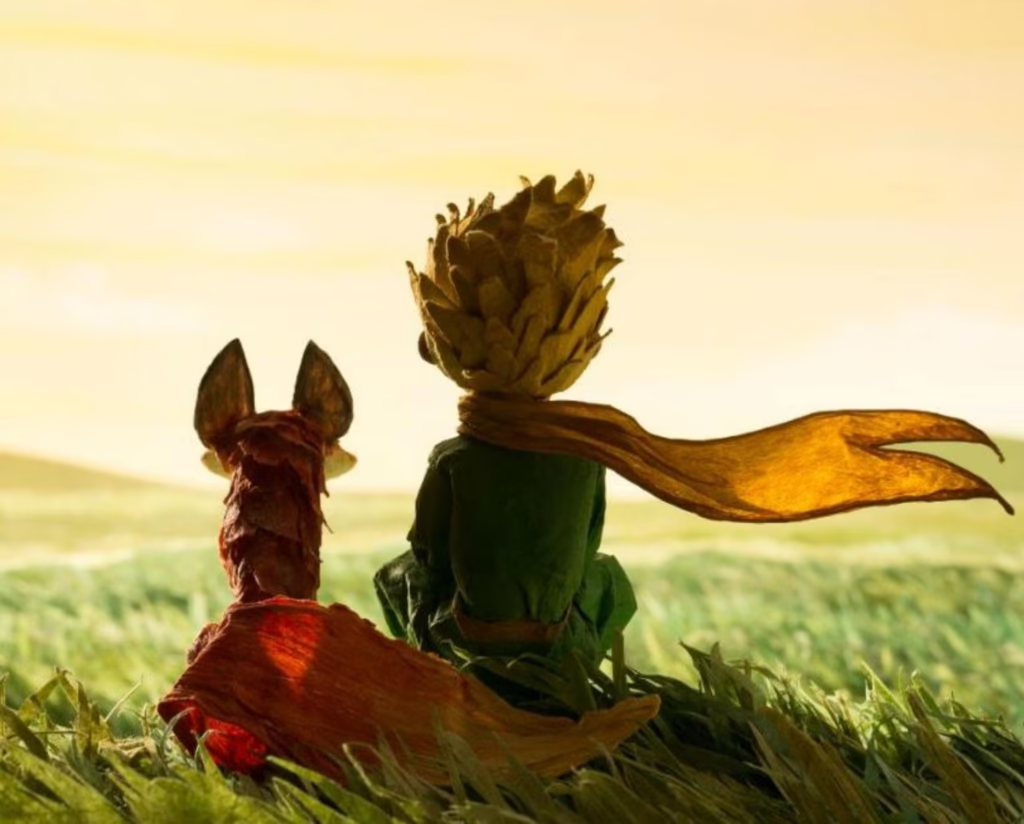
This lesson comes from the fox, who teaches the Little Prince, our titular character, that true value lies in what cannot be measured or seen. By which, he means in things like love, friendship, and loyalty.
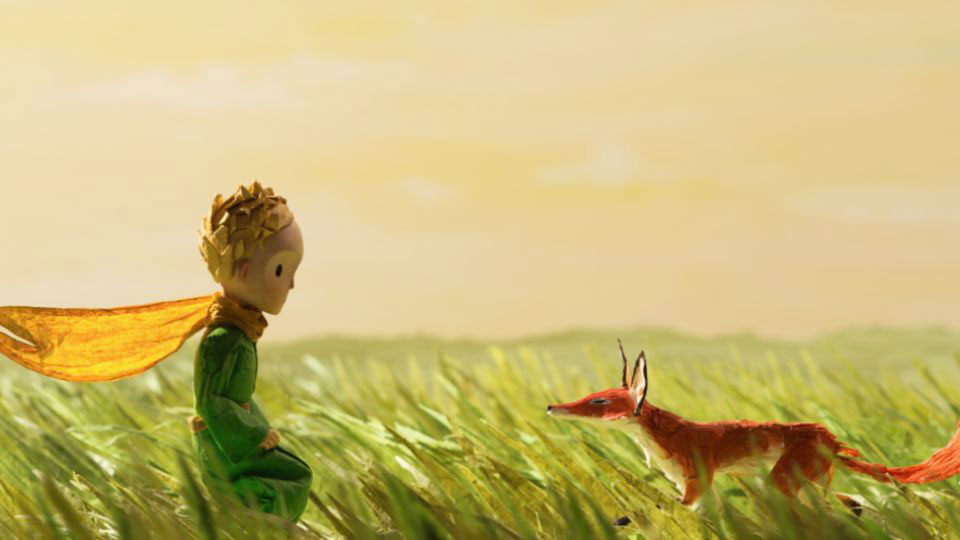
As a child, this almost feels like a throwaway line. We don’t really understand value yet. But as adults, living in a world obsessed with visible achievements like followers, salaries, titles, and awards, taking the time to acknowledge what truly matters becomes essential.
Okay, sure, you can’t put love and friendship on a resume. But they’ll outlast any job position you ever take.
Looking After the Planet Starts Small
It might be a quieter message, and maybe that’s why it stays more with adult re-readers than it does with the younger audience, but The Little Prince also highlights the importance of looking after the planet. But it doesn’t do so in an all-encompassing ‘everything is on you!!’ kind of way; instead, it focuses on starting with the small things in front of us.
On his tiny asteroid, the prince has a daily routine. He pulls out the seedlings before they grow too large and tear his planet apart. He explains that these boabab seedlings start out small and harmless, but if left to grow, they can grow so massive that their roots can destroy an entire planet.
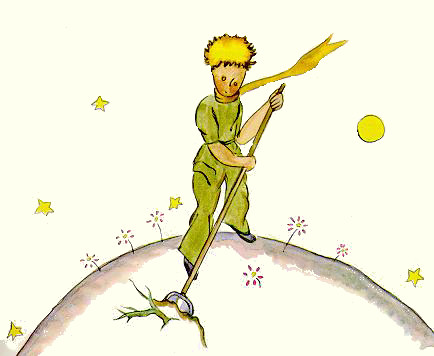
It’s a pretty clear message: small problems don’t stay small if we neglect them.
Seen through a modern lens, the lesson feels almost eerily relevant. Environmental problems often begin as minor, manageable issues. Pollution, deforestation, climate change… These didn’t suddenly appear overnight. They grew slowly because people assumed someone else would deal with them later.
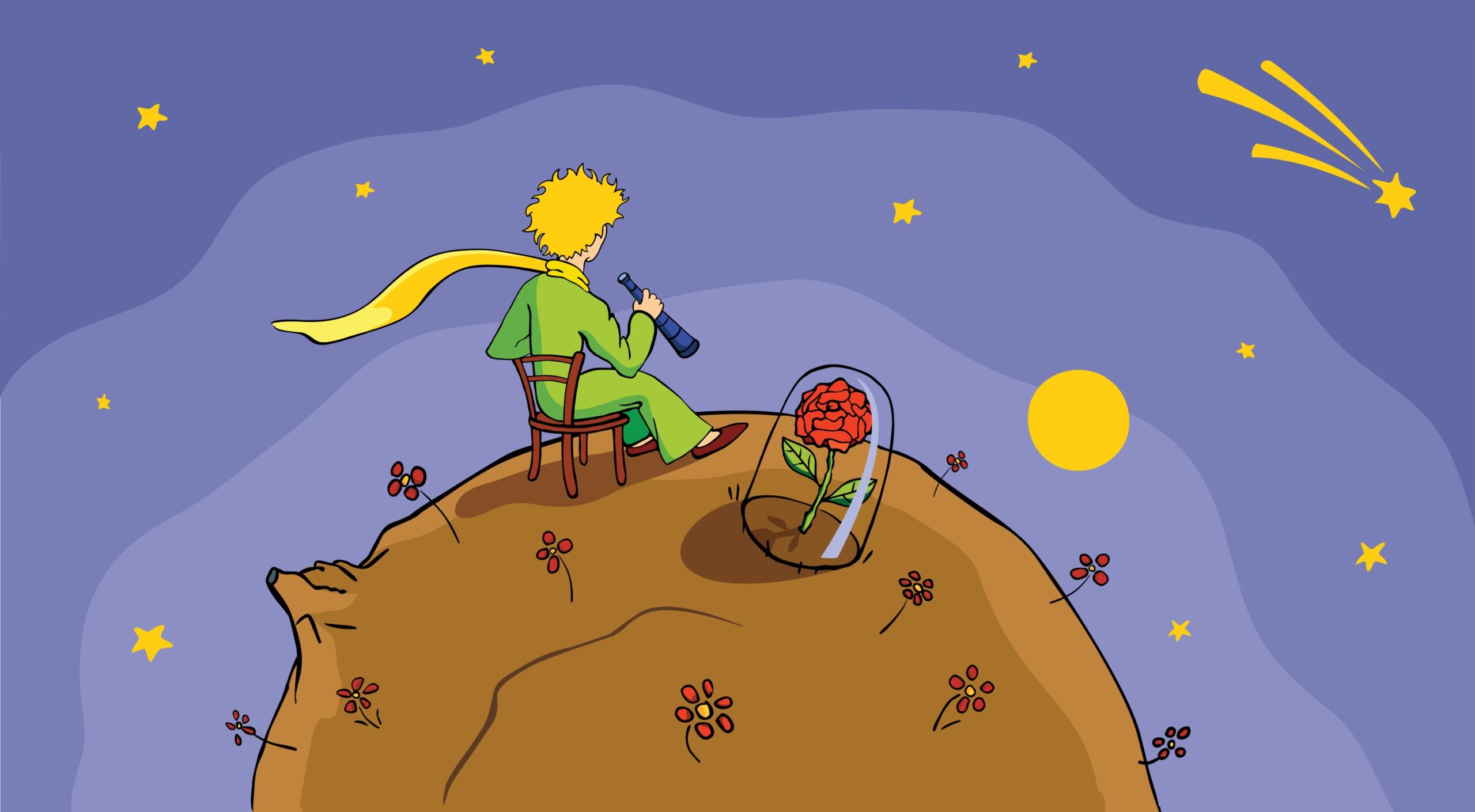
The prince understands something many adults forget: caring for your home is a daily habit, not a once-in-a-while effort. The solution, The Little Prince suggests, is simple but powerful: if everyone takes responsibility for their small patch of the world, whether that’s a garden, a city, or a community, the bigger problems become much easier to manage.
Sometimes saving a planet starts with something as ordinary as pulling weeds.
Why This Tiny Book Still Matters
It’s amazing that a tiny book written almost a hundred years ago with barely over a hundred pages continues to resonate with not only children, but with adults, all over the world, all these years later.
If you ask me, the secret behind The Little Prince’s ability to keep teaching us, even now, is in its simplicity. It doesn’t try to overwhelm anyone; it wraps deep truths and lessons for generations to come in a story simple enough for a child to read and enjoy.
But behind the simple story are seeds of profundity that adults can hold onto, keep close, and hopefully learn from.
Sure, the book is about a Little Prince from an asteroid.
But it’s also about us. It’s about what it means to make friends, to love, to wonder, to grow up, and to be human.
In a world that is rapidly changing, where things fall apart as easily as they come together, these messages, these morals are crucial to keeping ourselves afloat. So it wouldn’t be a surprise to me if The Little Prince is still there, teaching us new things in ten or twenty years from now, too.

Millie Ramm
Millie has been writing since she was a child, and has spent more time with her nose in books than anywhere else. She has been ghostwriting novels and editing for the past few years, and when not working she is curled up with her cats, looking for her next read.