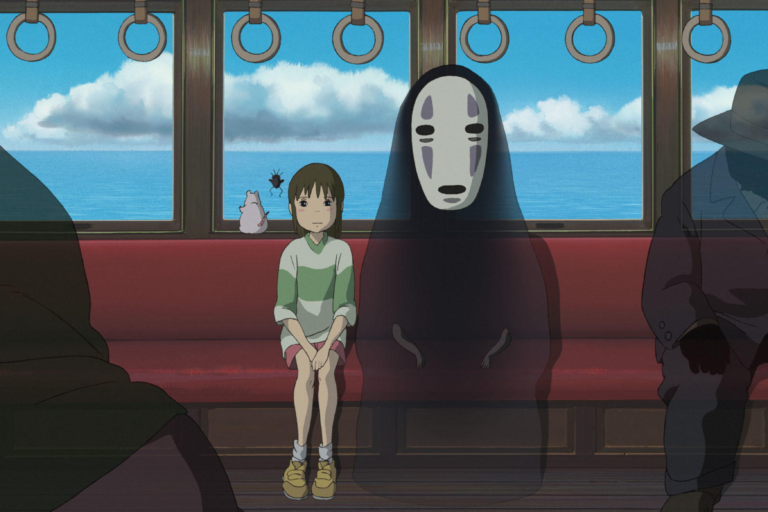

Every other shop is built for speed. The bookshop is built to keep you. On serendipity, third places, and why lingering is quietly making a comeback.
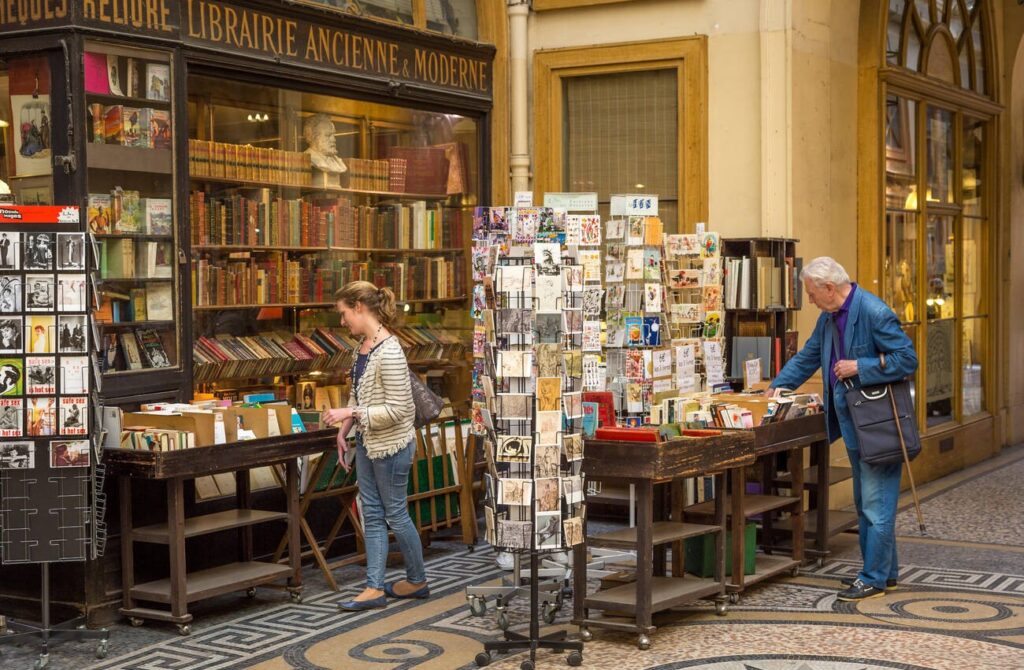
I have a test for a city I have never visited before. I do not look up the best restaurant or the tallest tower. I find the bookshop, and I go, and I give it an afternoon. Not an errand. An afternoon. I have learned more about Lisbon, Buenos Aires and my own home of Melbourne from their bookshops than from any landmark, because a bookshop is the one shop on the street that was never designed to hurry you along.
Think about what almost every other retail space is engineered to do. The supermarket moves you efficiently from entrance to checkout. The fast-fashion store refreshes its stock so often that lingering feels pointless. Even the coffee chain, for all its armchairs, would quietly prefer you took your cup and left. Nearly everywhere we spend money is built around velocity: get in, transact, get out, make room for the next person.
The bookshop is the beautiful exception. It is, if you look closely, a machine built to slow you down.
Why We Lose Track of Time Among the Shelves
You have felt it, even if you have never named it. You step in to buy one specific thing, and you surface an hour later, blinking, holding three books you did not know existed when you walked in. Time behaved strangely. This is not an accident, and it is not a weakness. Psychologists call this kind of absorbed, timeless attention “flow,” and a good bookshop is one of the last public spaces designed to induce it.
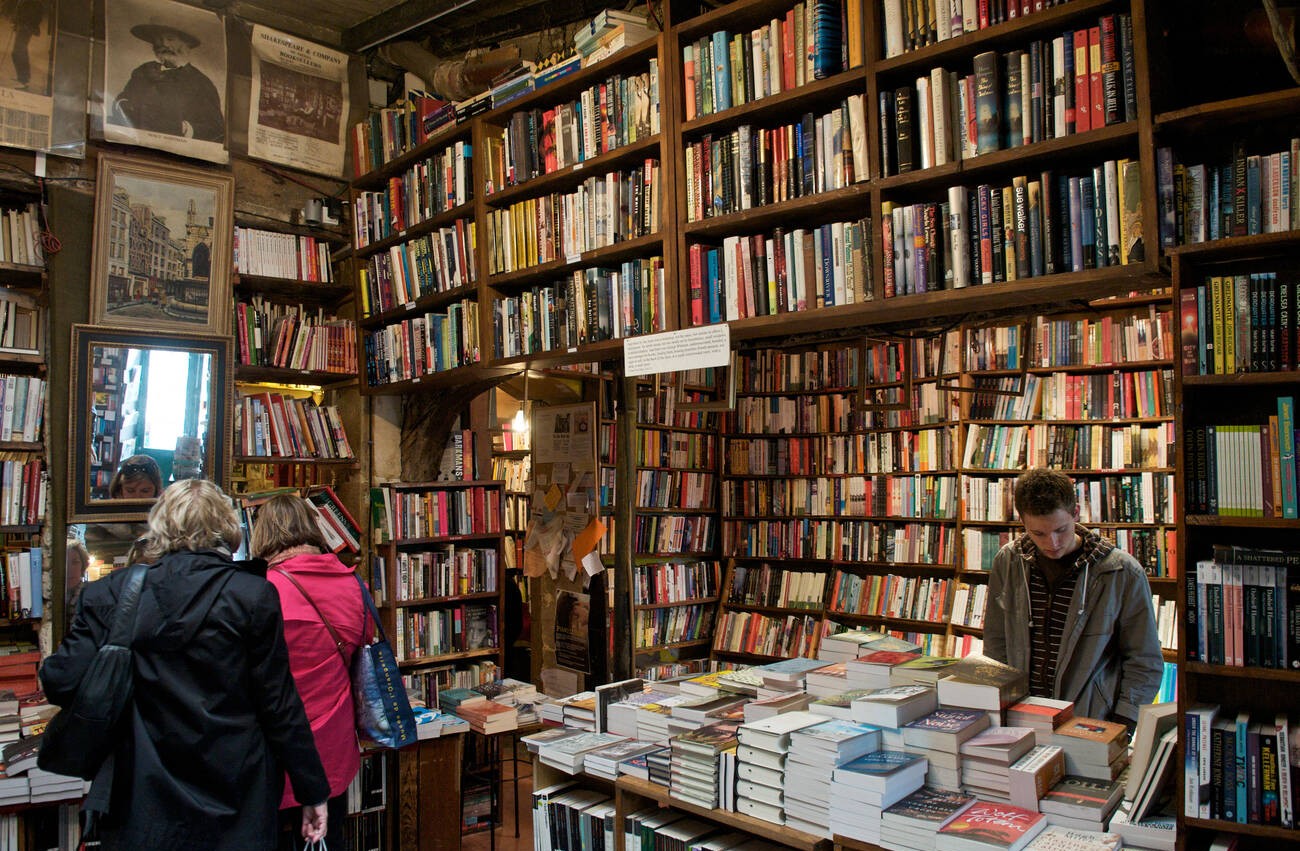
The mechanism is something booksellers understand instinctively: serendipity. An algorithm shows you more of what you already clicked. A bookshop shelf shows you the book beside the book you came for, the one you would never have searched for because you did not know to want it.
Researchers who study reading habits keep returning to this idea that physically pulling a title from a shelf and turning its pages is a richer act of discovery than toggling browser tabs. The shop is arranged, deliberately, to let you stumble.
There is an old bookseller’s wisdom here. The founder of Paris’s Shakespeare and Company, George Whitman, refused for years to alphabetise his stock, preferring to shelve books so as to make what he called “interesting marriages.” Chaos, in a bookshop, is a design choice. It is what makes an afternoon disappear.
The Bookshop as a “Third Place”
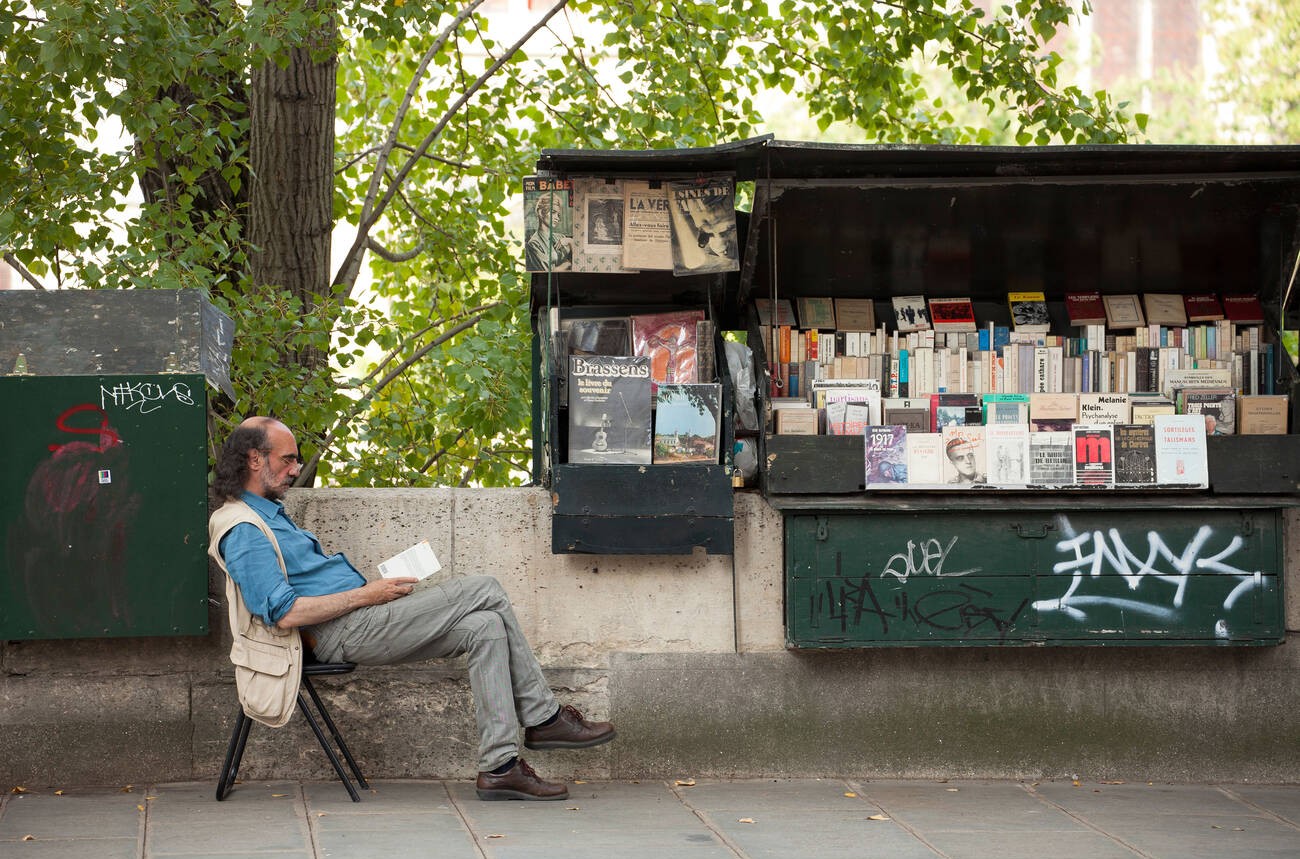
In 1989, the sociologist Ray Oldenburg gave us a phrase we did not know we needed: the “third place.” The first place is home. The second is work. The third place is everywhere else we gather without obligation, the cafés and parks and, in the reissued subtitle of his book, the bookstores that anchor a community and let strangers become familiar faces.
What makes a third place, in Oldenburg’s account, is that you can arrive without an appointment, stay as long as you like, and spend nothing. You belong there before you have bought anything. This is precisely the bookshop’s quiet radicalism. Its entire architecture, the chairs, the reading nooks, the café tucked into the back, says the same thing: you may stay.
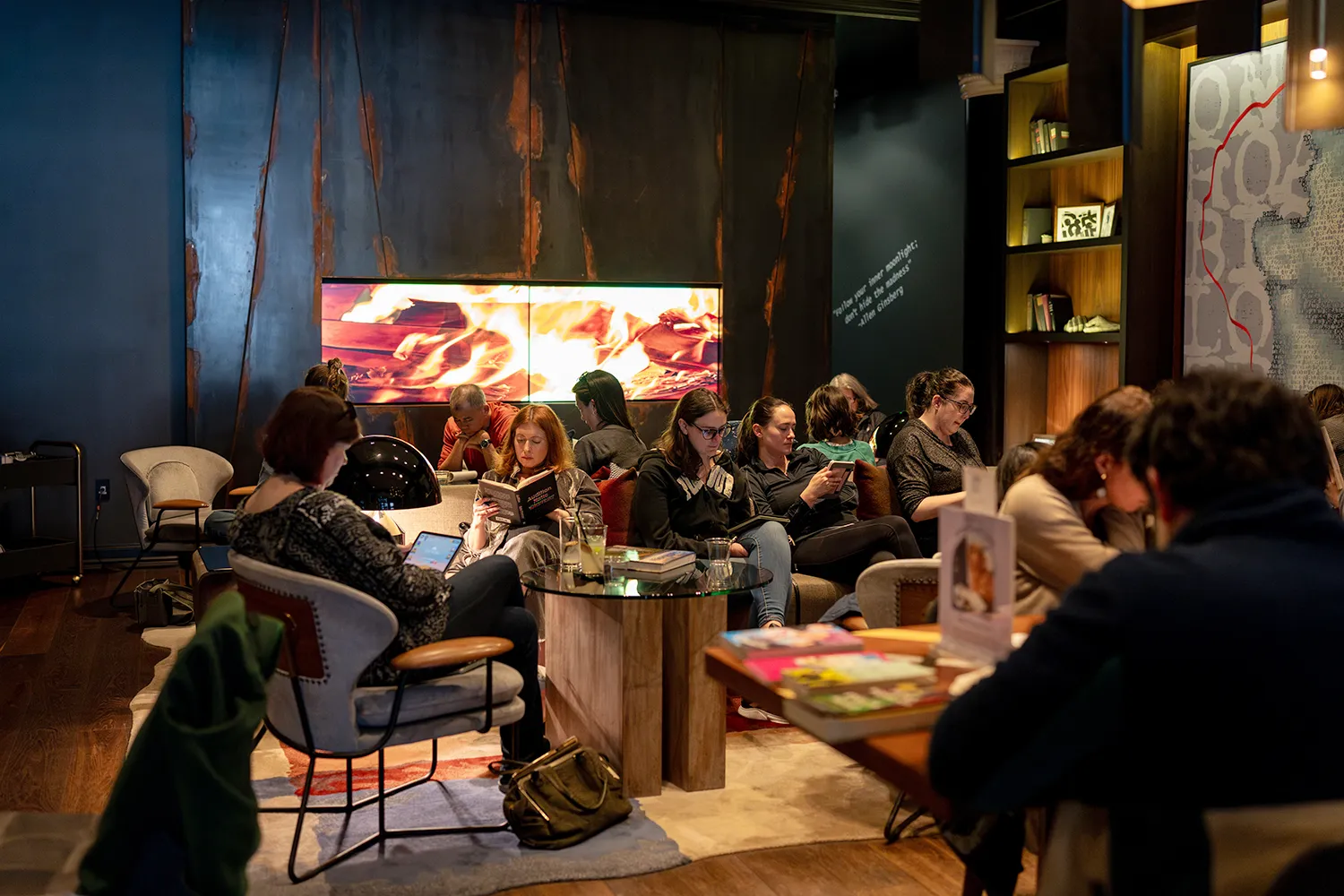
We need these places more than ever. Oldenburg’s collaborator Karen Christensen, in a 2026 sequel to his book, argues that third places are part of the answer to our modern epidemics of loneliness and polarisation. A room where you can sit quietly beside a stranger, both of you reading, is a small daily rehearsal for a gentler kind of citizenship.
The Proof That Stillness Sells
If all this sounds nostalgic, the numbers tell a more optimistic story. The bookshop is not dying; it is quietly booming. According to the American Booksellers Association, the number of independent bookstores in the United States grew by around 70 percent between 2020 and 2025, with 422 new shops opening in 2025 alone. After decades of predicted extinction at the hands of Amazon, the physical bookshop is writing a comeback story.
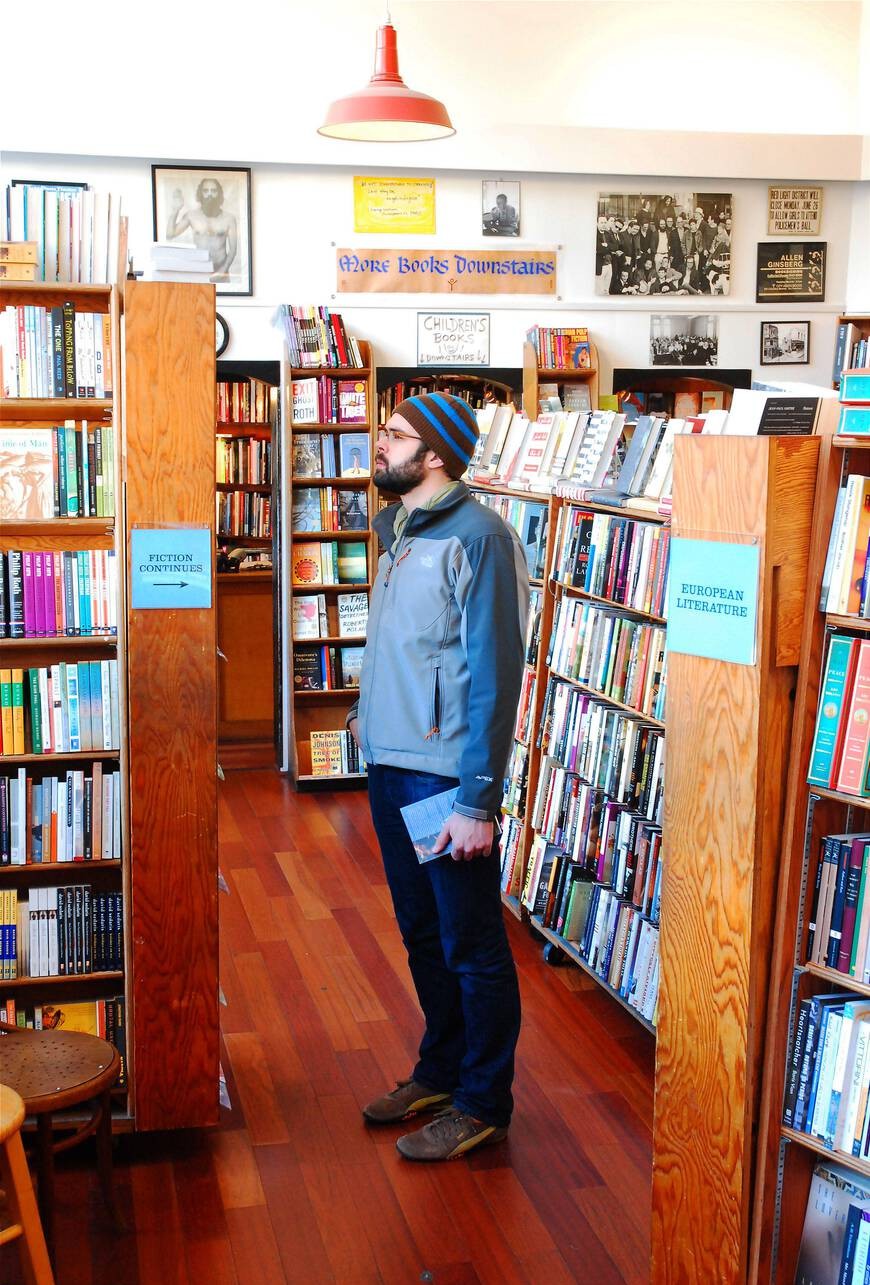
More telling still is how people use them. Analysts at Placer.ai found that the share of bookstore visits lasting 45 minutes or longer has been climbing year on year. In an age optimised for the swipe and the one-click purchase, we are choosing, in growing numbers, to go somewhere and stay. The slow machine, it turns out, is exactly what a hurried world is hungry for.
Cathedrals Built for Lingering
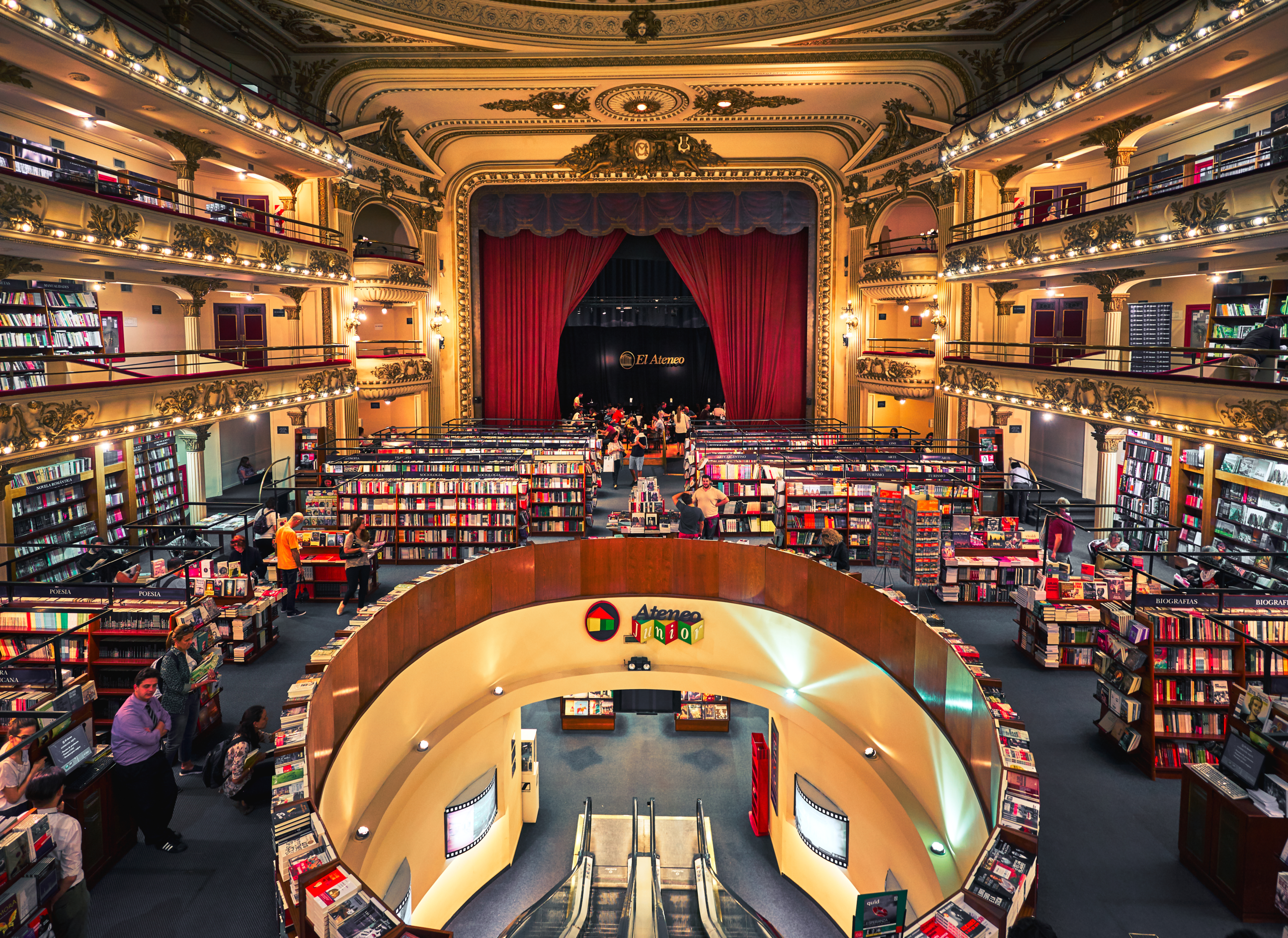
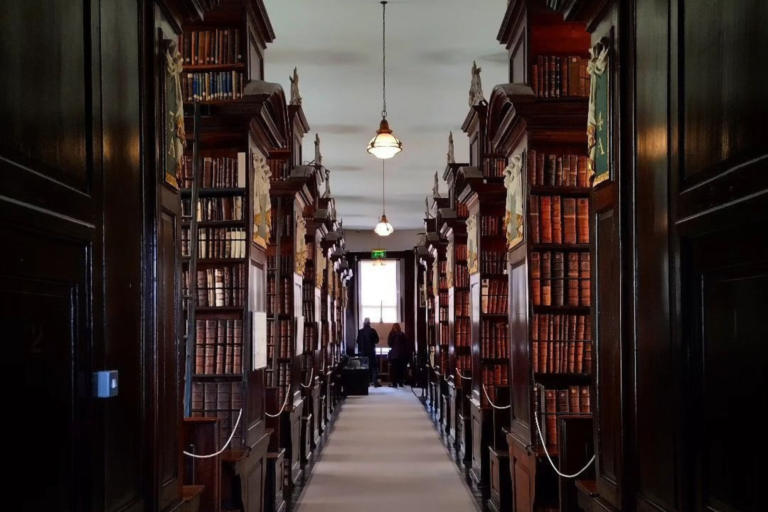
The world’s most beloved bookshops understand that staying is the whole point, and they build for it. In Buenos Aires, El Ateneo Grand Splendid fills a century-old theatre; readers now sit in the former opera boxes and sip coffee on what was once the stage, beneath a frescoed ceiling. National Geographic once called it the most beautiful bookshop in the world, and Buenos Aires, fittingly, has among the most bookshops per person of any city on earth.
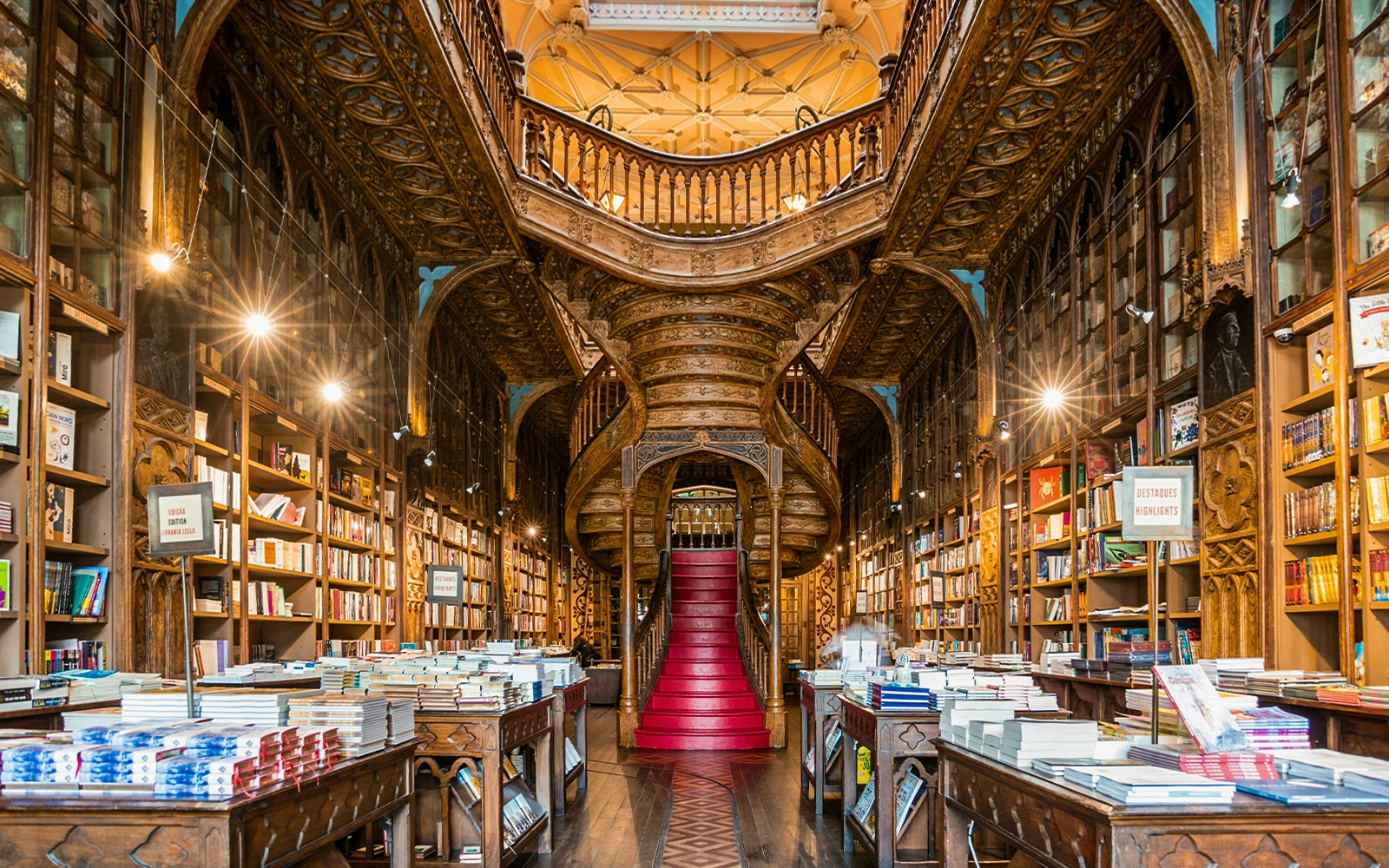
In Porto, the neo-Gothic Livraria Lello draws visitors from across the globe to its crimson staircase. In a thirteenth-century church in Maastricht, Boekhandel Dominicanen shelves its books beneath stone-vaulted ceilings. And on the Left Bank in Paris, Shakespeare and Company has, since 1951, tucked beds between its shelves and invited wandering writers to sleep among the books in exchange for reading one a day.
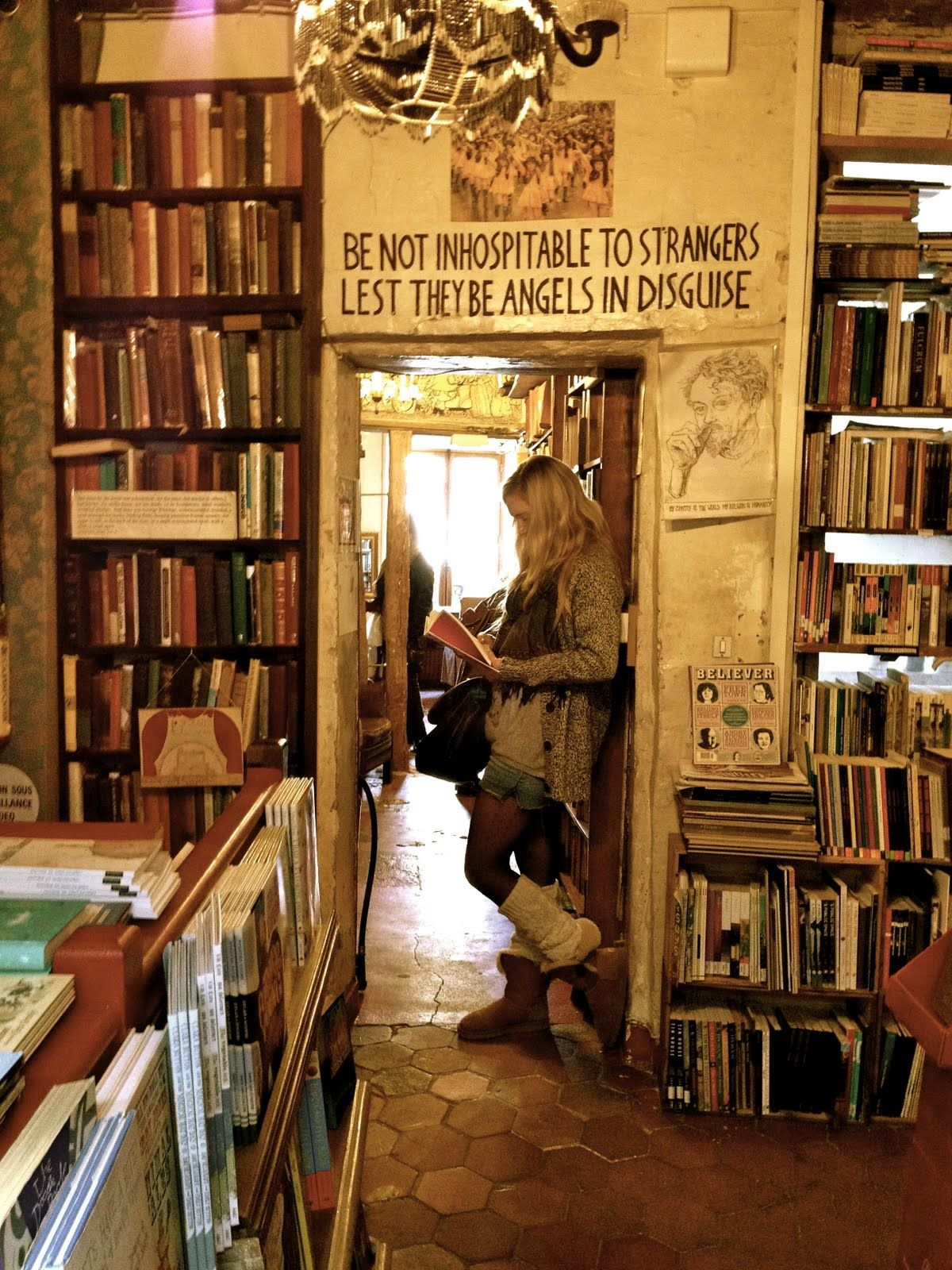
More than thirty thousand people have taken up the offer. Whitman called it “a socialist utopia masquerading as a bookstore,” and lived by a motto still painted on its walls: be not inhospitable to strangers, lest they be angels in disguise.
You do not have to fly to Paris to feel it. The instinct that built these cathedrals is the same one at work in the small shop on your own high street, the one with the mismatched armchair and the cat asleep in the window.
An Invitation to Stay
We live inside machines built for speed. Our phones are designed to fragment our attention; our feeds are tuned to keep us moving, never resting. To walk into a bookshop and lose an afternoon is a small act of resistance, a way of remembering that not everything valuable can be delivered in two days or consumed at double speed.
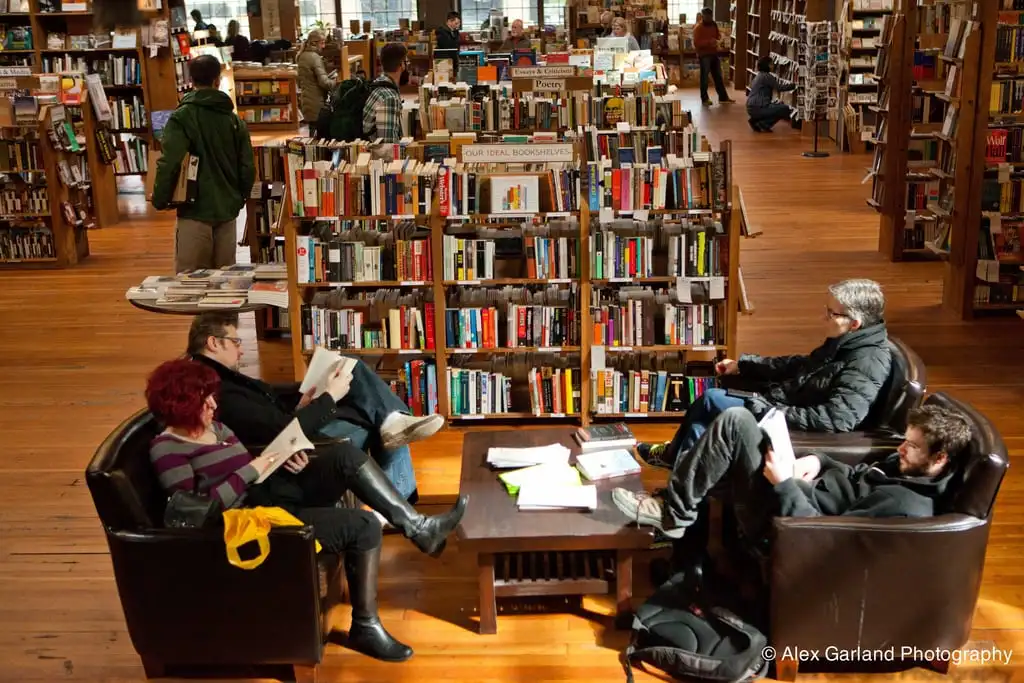
So here is a gentle suggestion for the week ahead. Find your nearest bookshop, the independent one if you can, and give it more time than the errand requires. Let yourself get pleasantly lost. Buy the book beside the book. Talk to the person behind the counter, who almost certainly has a recommendation you would never have found alone.
The slow machine is still running, in every city on earth, waiting patiently to remind you what it feels like to stay. What might you find if you let it keep you a while?


Vincent Phan
Vincent is the founder and Editor-in-Chief of 1000 Libraries Magazine. He is a Paris-born ex-corporate turned bookseller and philosopher, on a global mission to spread the joy of physical books in our age of digital technology.