
The app knows the shortest route home, not the best one. On Odysseus, Stanford’s walking study, and a summer invitation to take the long way round.
There are two ways home from almost anywhere. There is the way the app recommends, twelve minutes, main road, nothing to report. And there is the other way: along the water or through the back streets, past the bakery and the good dogs and the houses you like to look at, arriving eight minutes later and somehow lighter than when you left.
Every app on your phone will point you down the first way. This essay is a defence of the second, offered at the one time of year when the argument makes itself. It is summer in the north. The evenings are long and briefly generous, the light stretches past dinner, and the heat will be gone sooner than we think. If there was ever a season built for the long way round, we are standing in it.
The Cult of Efficiency
We live inside machines that optimise. The mapping app finds the shortest route; the airline finds the fastest connection; the feed finds the quickest dopamine. Efficiency is the water we swim in, so pervasive we forget it is a choice, and it rests on one unexamined assumption: that the time between places is waste, a cost to be minimised, dead air between the things that count.
The researcher Daniele Quercia calls this the “cult of efficiency,” and he is a recovering member. Cycling to work in Boston, obedient to his mapping app, he one day took an accidental detour and discovered a route that was quieter, greener and more beautiful than his usual traffic-choked commute, at a cost of roughly one minute. The discovery redirected his career. With colleagues, he built “happy maps”: a mapping algorithm that crowdsourced which streets people found beautiful and quiet, then recommended not the shortest path but the loveliest one.
In their tests, the happy routes cost only a few extra minutes, and participants found them far more enjoyable than the fast ones. Think about what that means. The distance between an ordinary commute and a genuinely pleasant one was about six minutes. We have been optimising away the best part of the journey, and saving almost nothing.
The Oldest Story Is a Detour
Literature has been trying to tell us this from the beginning. The founding travel story of Western culture is not about a man who arrived efficiently. Odysseus takes ten years to get home from Troy, and the Odyssey is not an apology for the delay. It is the delay. Strip out the detours, the islands, the monsters, the hospitality of strangers, and there is no poem left; there is a commute.
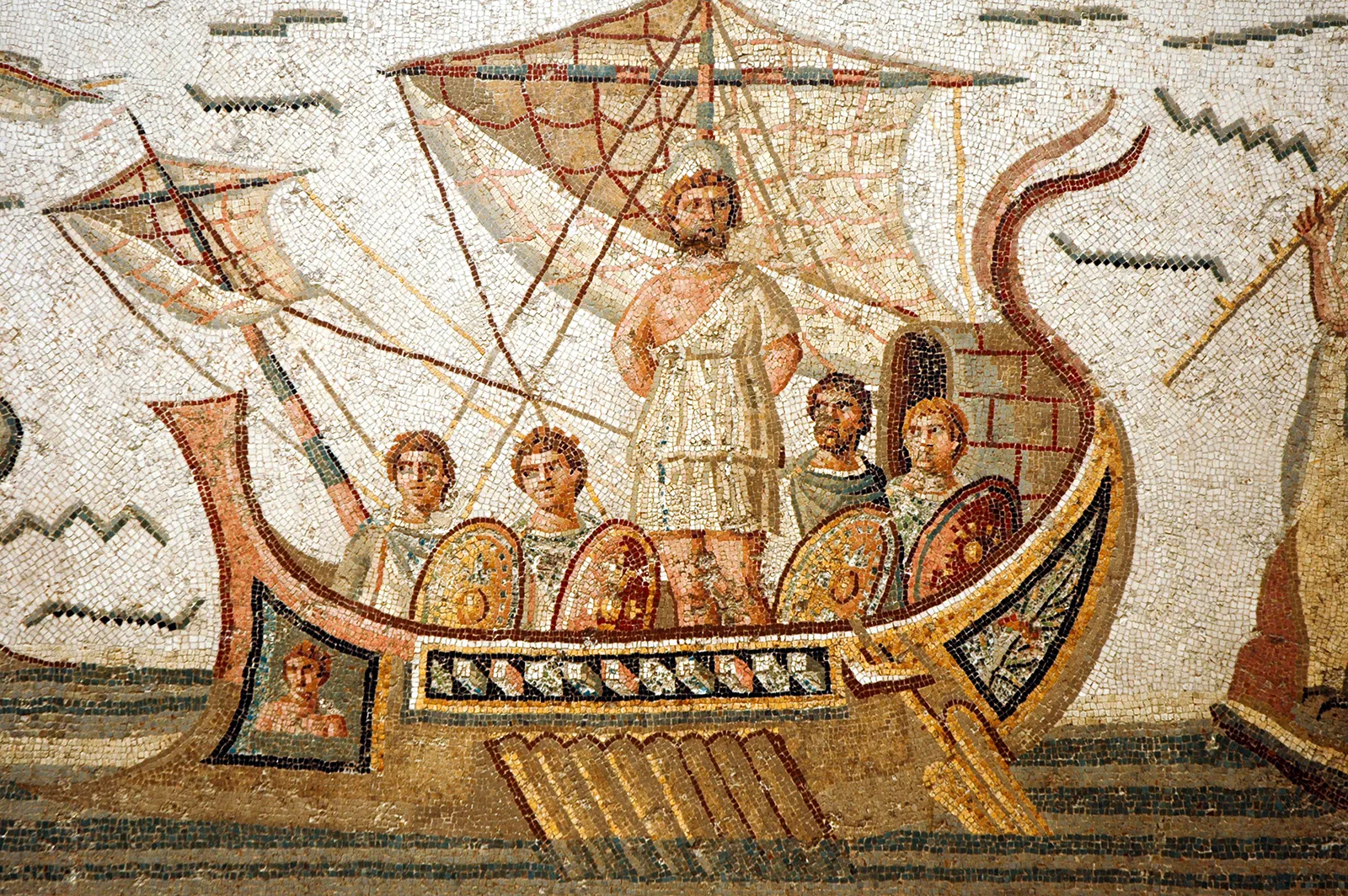
Twenty-eight centuries later, the Greek poet C.P. Cavafy distilled the point into “Ithaka,” written in 1911 and beloved enough to be read at Jacqueline Kennedy Onassis’s funeral. Addressing every traveller as a kind of Odysseus, Cavafy turns the priorities of navigation upside down: hope that the journey is long, he urges. Pray for detours. The island you are sailing toward has one job, which is to give you a reason to sail; do not expect riches when you land, because the voyage itself was the treasure, and by the time you arrive you will understand that. The poem is a mapping app in reverse. It optimises for the maximum meaningful route.
Your Legs Already Know
Science, as it often does, has arrived late and confirmed the poets. There is an old Latin phrase, solvitur ambulando, “it is solved by walking,” and tradition credits the idea to the philosopher Diogenes, who is said to have answered an elaborate argument that motion was impossible by standing up and walking across the room. In 2014, researchers at Stanford measured what walking does to a mind: across four experiments, people’s creative output rose by an average of 60 percent while walking compared to sitting.

The endearing detail is that it worked even on a treadmill facing a blank wall. It is not the scenery that unlocks the thinking. It is the unhurried motion itself, the mind slipping its leash while the body handles the navigation. Every extra minute of the long way home, in other words, is not lost time. It is where your best ideas have been waiting for you.
The Cultures That Never Forgot
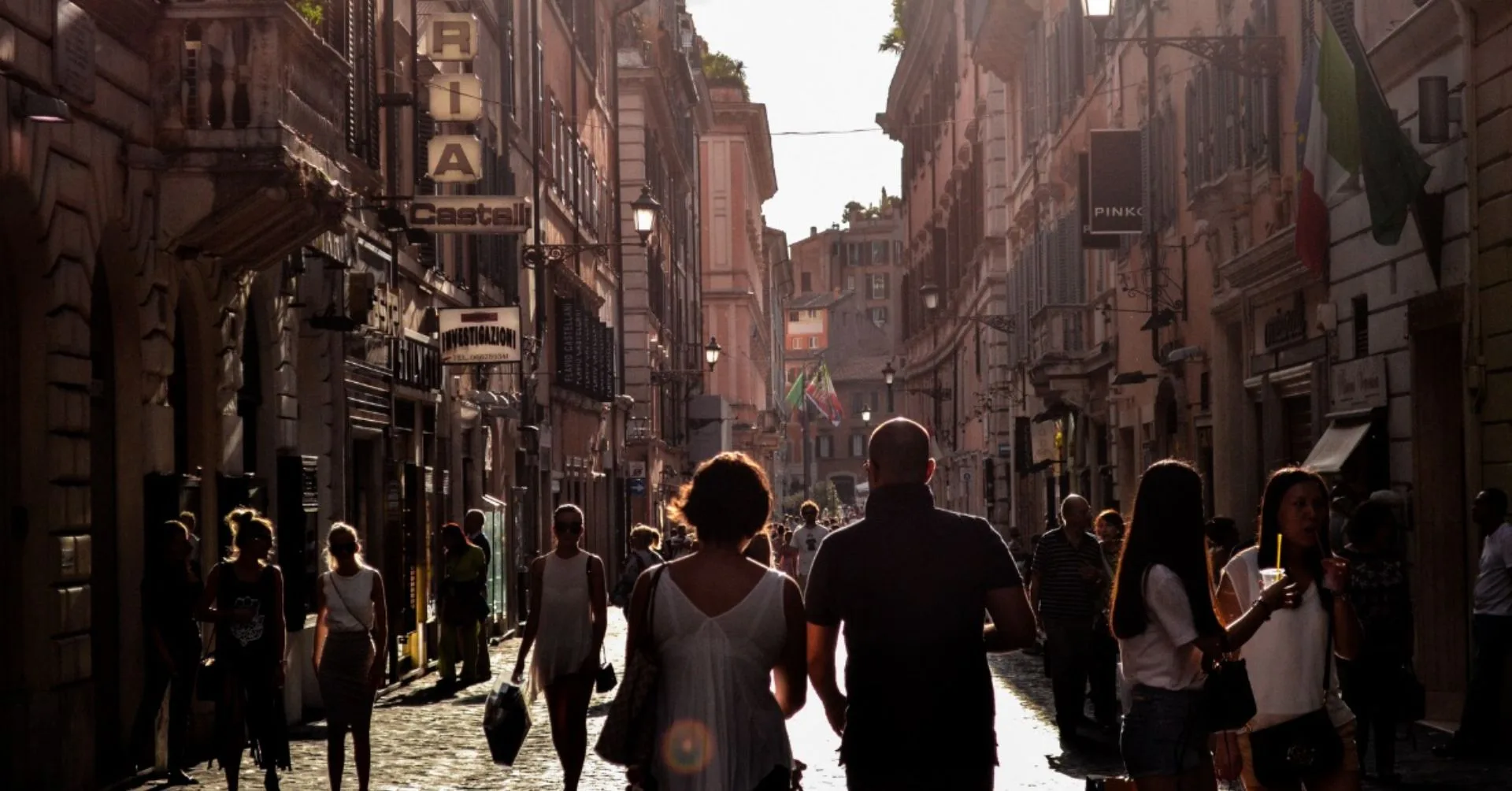
Some places never joined the cult in the first place. In Italy, on any warm evening, entire towns pour into the streets for the passeggiata: the slow, dressed-up, entirely destinationless evening stroll, up the main street and back again, greeting neighbours, being seen, buying nothing, hurrying nowhere. It is walking with every trace of efficiency removed, which is to say walking distilled to its social and human essence. No one on a passeggiata has ever asked how long it takes, because it is not going anywhere. That is the entire design. An activity with no destination cannot be optimised, and so it cannot be ruined.
The Route Is All We Choose
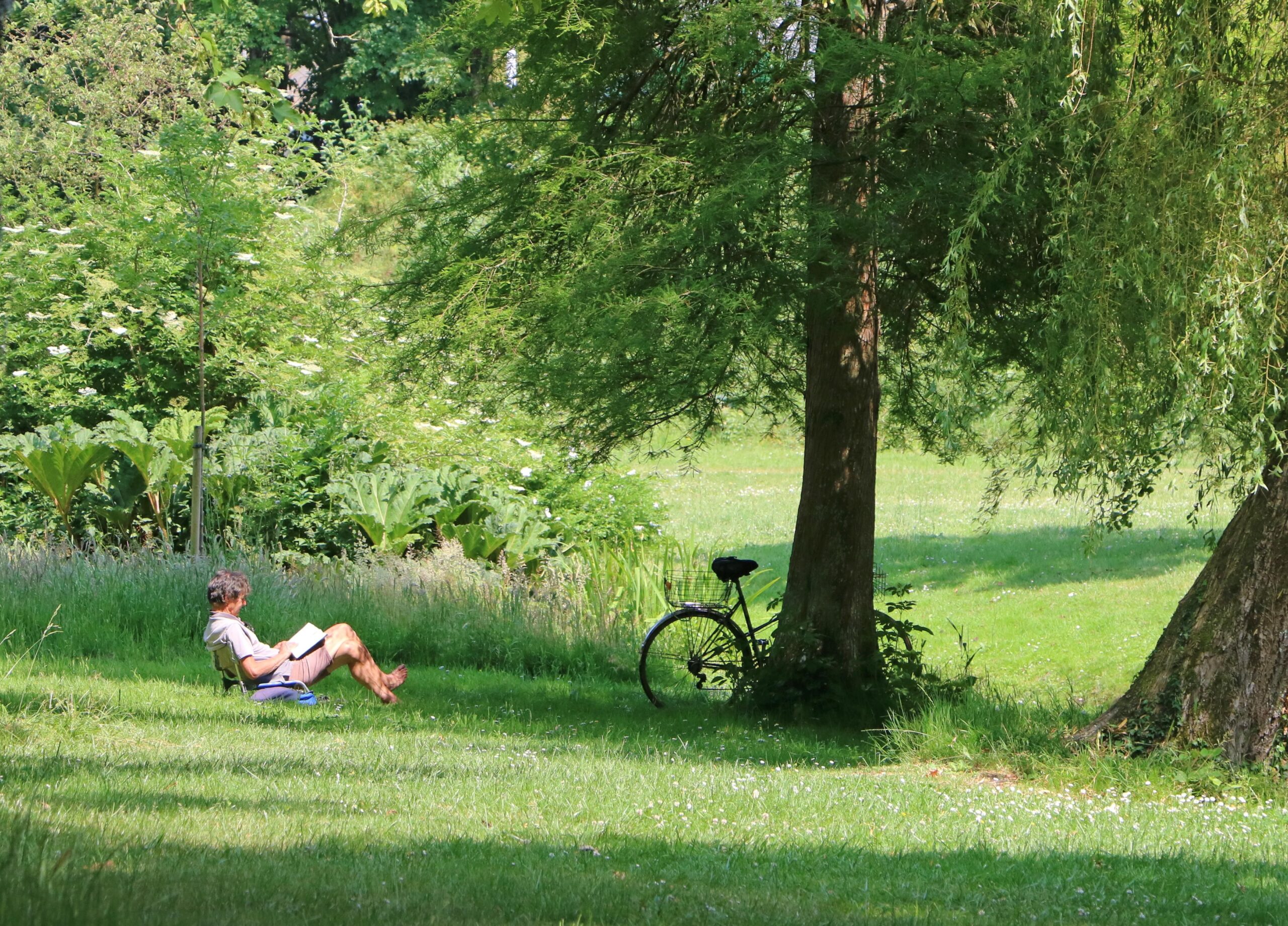
Here is the quiet truth underneath all of this. Efficiency is a beautiful servant for the things that genuinely are dead time, the tax forms and the traffic jams. But applied to a life, it makes a category error, because a life is not a commute with a destination worth rushing toward. Every life ends at the same place. The destination was never the variable. The route is the only thing we get to choose, and choosing it well, choosing the water, the bakery, the long way, the ten years among the islands, is not a failure of optimisation. It is the whole assignment.
So here is the invitation, valid while the light lasts. This evening, when the day releases you, do not take the twelve-minute way. Take the other one. Walk it slowly enough to be useless. Let the app recalculate in despair. Summer is the season that pays you to linger, and it is already, quietly, packing up.
The fastest route will still be there in November.
What might you pass tonight, if you went the long way?


Vincent Phan
Vincent is the founder and Editor-in-Chief of 1000 Libraries Magazine. He is a Paris-born ex-corporate turned bookseller and philosopher, on a global mission to spread the joy of physical books in our age of digital technology.