
A philosopher’s reading of Spirited Away: the kanji Yubaba steals, the Shinto soul in names, Winnicott’s true and false self, and courage one kindness at a time.
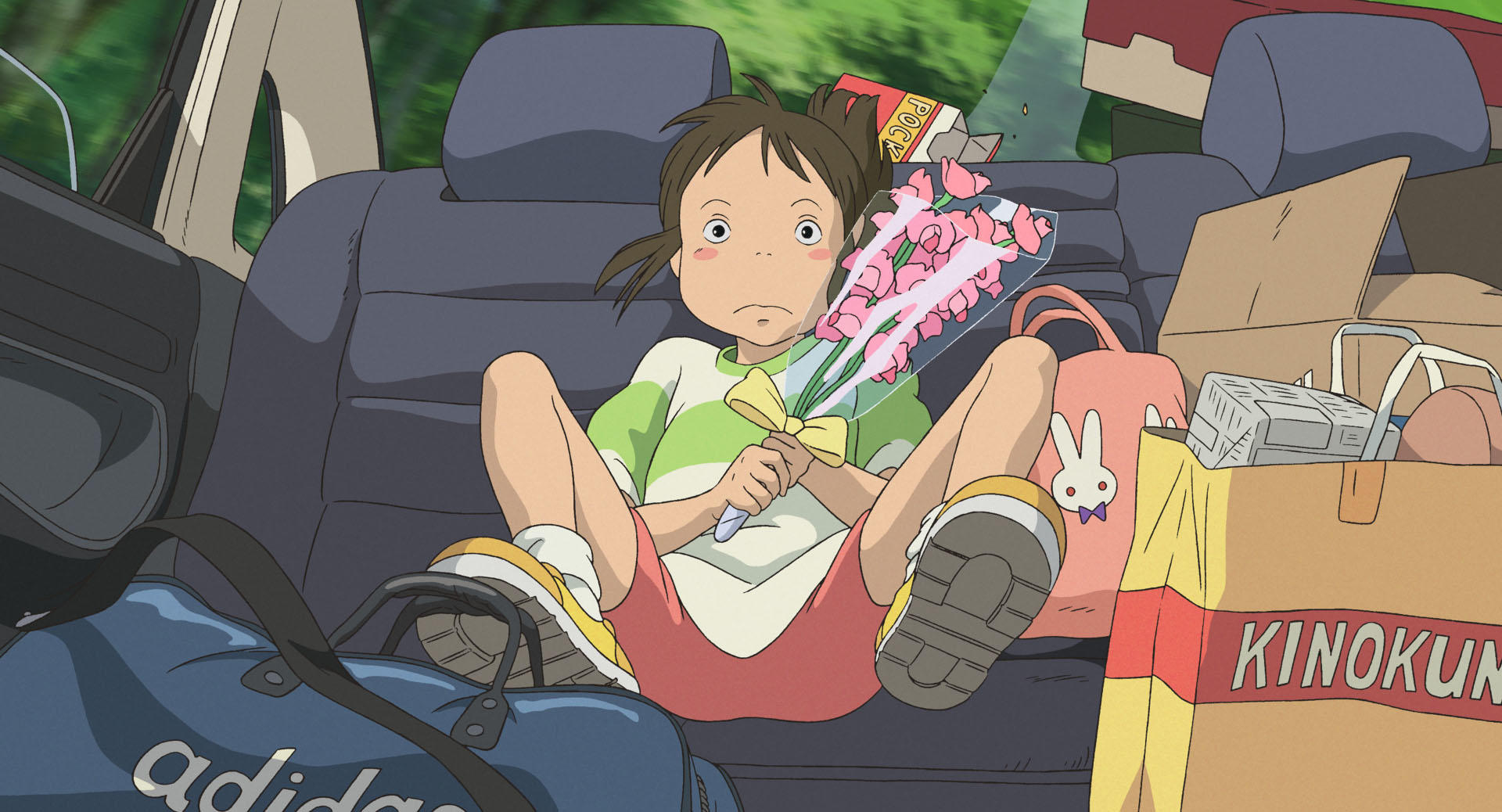
The film opens in the back seat of a car. A sullen girl clutches a bouquet from the friends she has just left behind, on the way to a new town and a new school, and her father takes a wrong turn. What follows is one of the most beloved films ever made, and its Japanese title tells you more than the English one does. Sen to Chihiro no Kamikakushi means, roughly, “the spiriting away of Sen and Chihiro,” and both of those names belong to the same girl.
The last word is the key. Kamikakushi, hidden by the gods, is the old Japanese explanation for a child who vanishes: drawn across a boundary into the country of the kami, from which some children return and some do not.
Miyazaki made the film for a real child: the ten-year-old daughter of his friend and associate producer Seiji Okuda, who visited his mountain cabin each summer. She left her manga lying around; he read it, and he was struck by how little the stories written for girls her age asked of them. The films and comics on offer, he felt, were
“nothing but a certain kind of cheap romance.” — Hayao Miyazaki, quoted in Charles Solomon, The Art of Spirited Away
He had made films for small children and for teenagers, and never one for a girl of ten, someone old enough to be frightened by the adult world and too young to have any say in it. Spirited Away was his attempt to take that girl seriously. Released in July 2001, it became the highest-grossing film in Japanese history for nearly two decades, won the Golden Bear in Berlin and the Academy Award for Best Animated Feature, and remains, a quarter of a century later, the story more people reach for than any other when they want to explain what it feels like to grow up.
It feels, the film says, like being asked to forget your name.
A Thousand Fathoms
Watch what happens in Yubaba’s office, because the scene is doing something precise that the English subtitles can only gesture at.
Chihiro’s name, written in kanji, is 千尋. The first character means a thousand; the second is a fathom, the old unit for measuring the depth of water. Chihiro means a thousand fathoms: immeasurable depth, a name that already belongs to rivers. When she signs Yubaba’s contract, the witch reaches into the paper and lifts the characters off it with her hand, keeping the second and leaving the girl the first. On its own, 千 is read as Sen, and it means only a thousand. The depth is gone; the number remains. Yubaba has reduced a person to a quantity, which is what a bathhouse does to its workers, and what the adult world will shortly try to do to every child watching.
The names around her confirm the joke. Yubaba, 湯婆婆, means the old woman of the hot water. Her twin Zeniba, 銭婆, means the old woman of money. Between them, they own the two things the bathhouse runs on.
Underneath all this sits a very old Japanese idea. In Shinto thought, words and names carry a spiritual charge of their own, a belief the tradition calls kotodama, the soul in words, and a name in that world is a tether: it holds a person to their history, their river, their home. That is why Haku’s warning to Chihiro is the central line of the film. If you forget your name completely, he tells her, you can never find the way back. He knows, because it has already happened to him.
The Bathhouse, Where Identity Is Bought, Used, and Erased
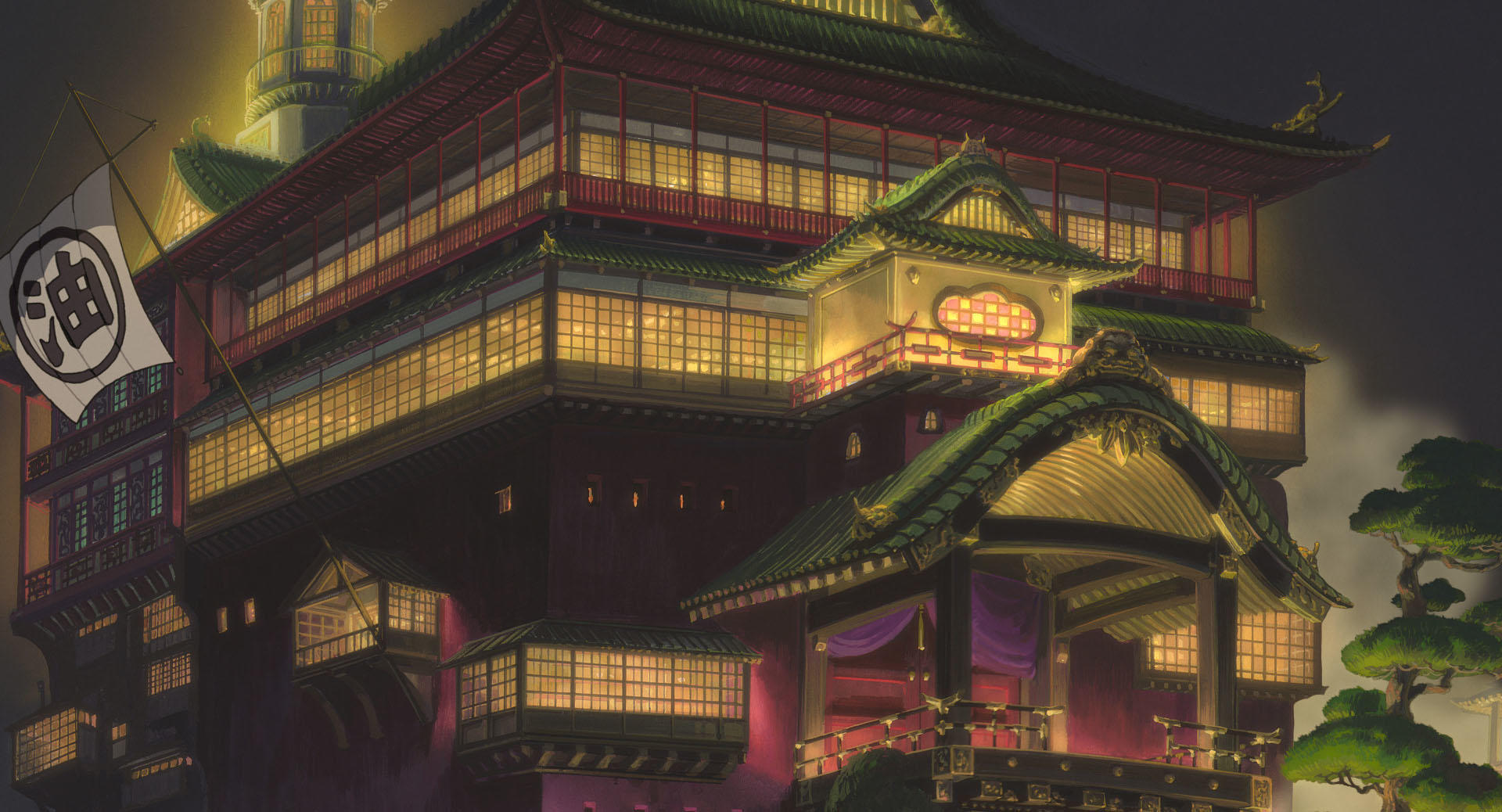
The bathhouse frightens children in a way that has little to do with monsters, and it is worth being exact about why. It is a place of work. Everyone in it is valued for their function, addressed by a job title or a substitute name, and ranked by what they bring in. The contract is signed under pressure. The new arrival is mocked for being slow, for smelling human, for taking up space. Nobody is cruel exactly; the cruelty is in the arrangement, which treats a self as something that can be hired, renamed, worn out, and replaced.
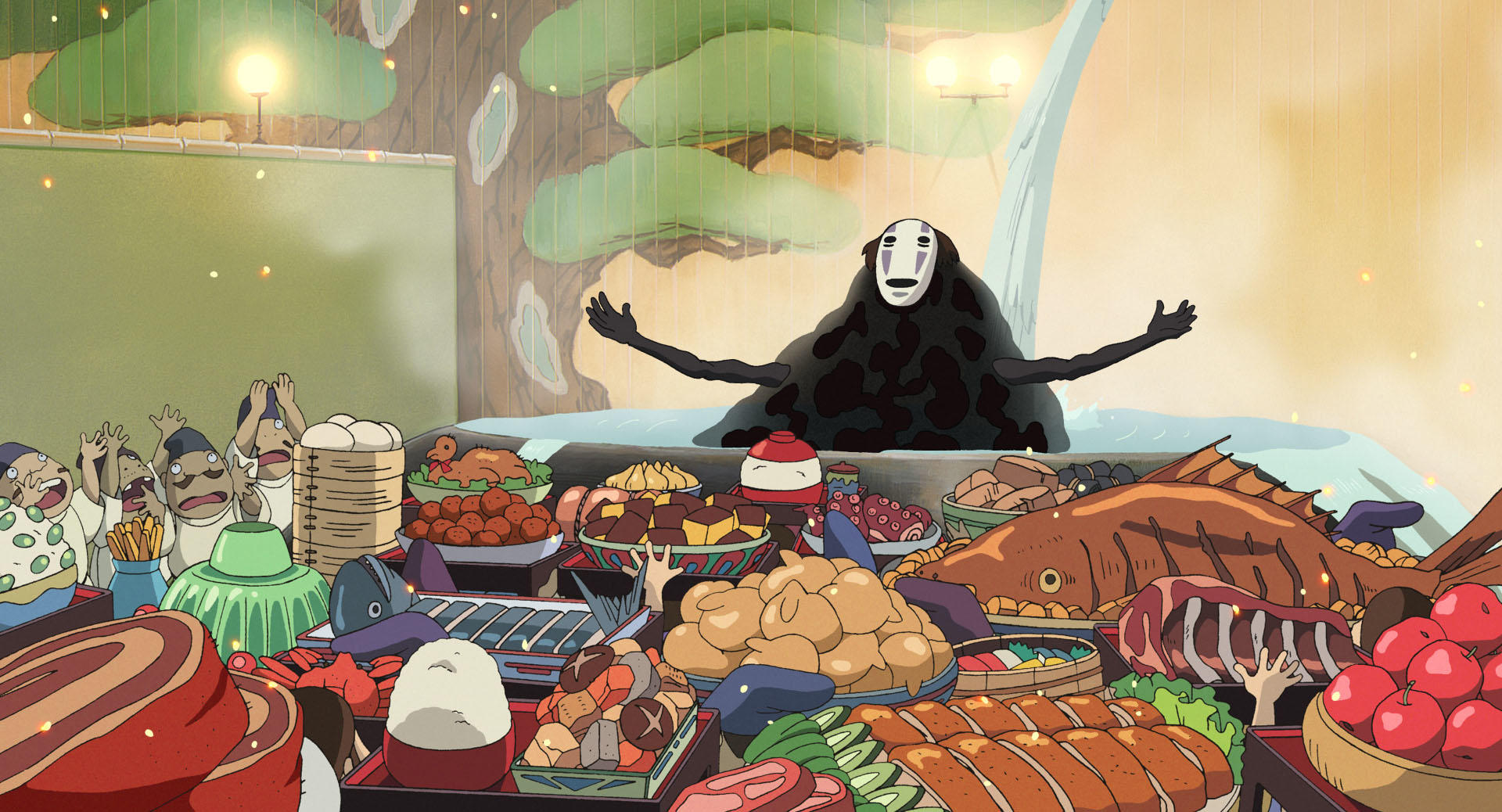
Miyazaki builds the point into the bathhouse’s most famous guest. No-Face arrives silent and masked, offers gold, and discovers that gold buys him a crowd of servants and none of the thing he wanted, which was to be seen. He swallows the workers who fawn on him and grows more monstrous with each one. The gold turns out to be dirt. Studio Ghibli’s producer Toshio Suzuki later said that No-Face represents Miyazaki himself, a man with a desperate wish to reach other people’s hearts and no idea how to do it. The bathhouse cannot help him, because it only knows how to sell. The one person who can help him is the girl who declines his gold.
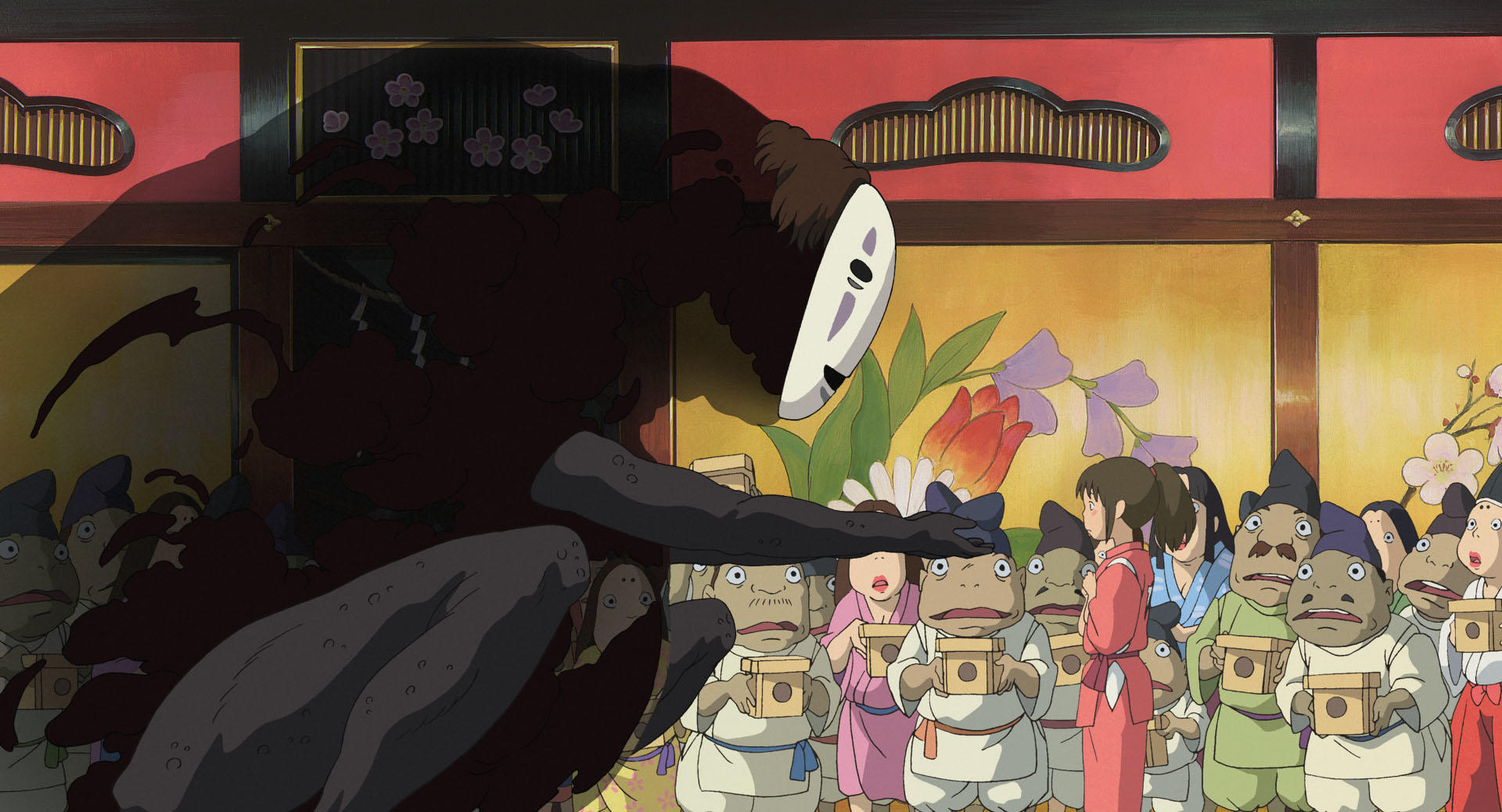
A darker reading of the bathhouse circulates online, usually attached to a quotation about the sex industry that has never been traced to any source in Miyazaki’s actual interviews. The film’s own evidence points somewhere broader and, for a ten-year-old, more useful: this is what any economy looks like from the inside when you arrive in it as a child, and the question it asks you is whether you will trade your name for a place in it.
Sen and Chihiro: The True Self and the False Self
Here the film and twentieth-century psychology arrive at the same place from opposite directions.
In 1960, the English psychoanalyst Donald Winnicott wrote a paper on what he called the true self and the false self. The true self, in his account, is the spontaneous, alive, authentic core of a person, the part that feels real. The false self is the compliant face we develop to deal with a world that demands adaptation, and Winnicott was careful to say that it is not a disorder in itself.
In health, he wrote, the false self is the adjustment we all make in order to live in society, and its proper job is to act as the caretaker of the true self, keeping it safe until it is safe to come out. Trouble begins only when the caretaker takes over the house.
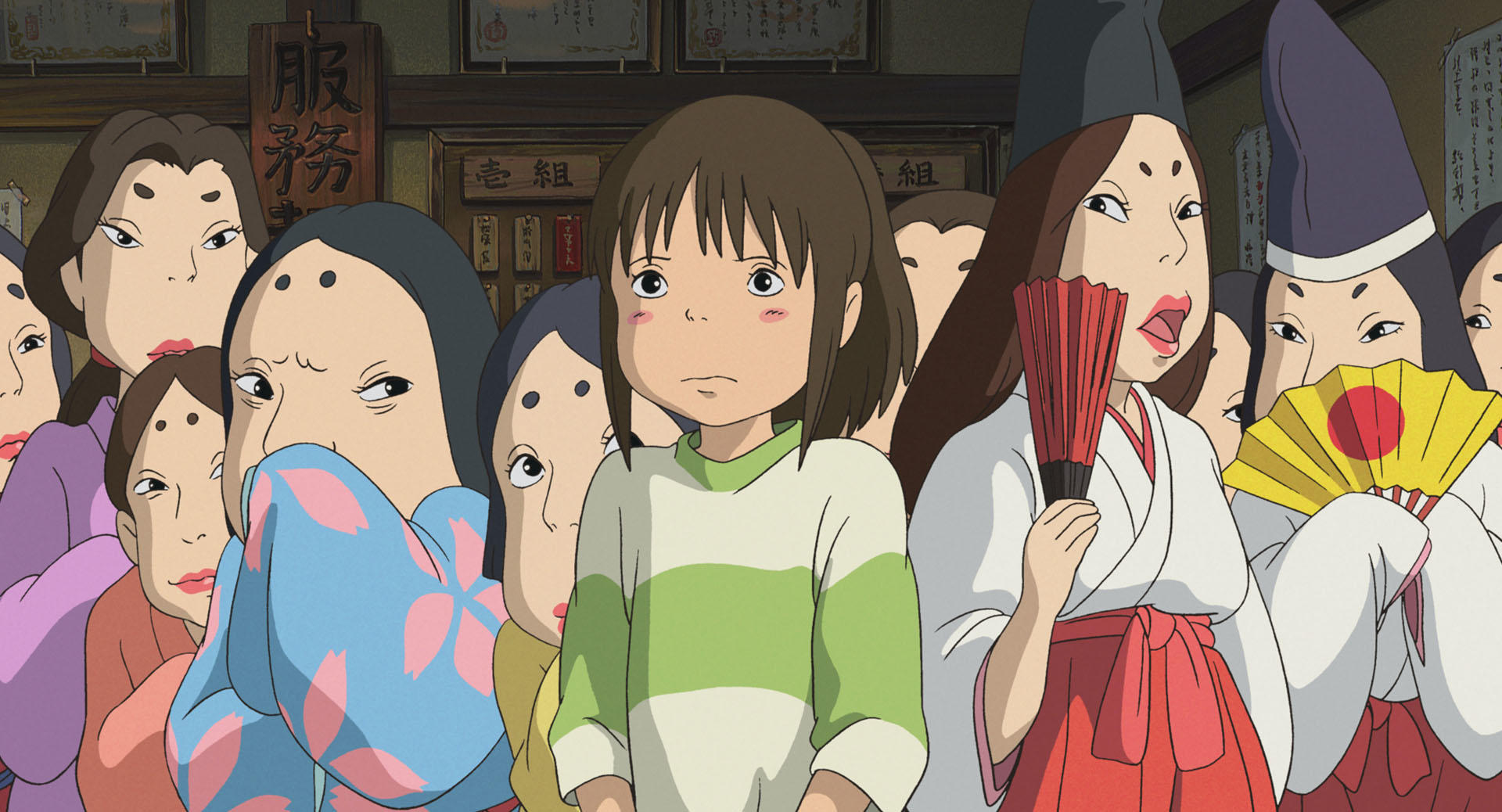
Spirited Away is that paper as a fairy tale. Sen is the false self: the name the bathhouse gave her, the worker who bows and scrubs and answers when called. Chihiro is the true self, and the whole drama of the film is whether Sen can do her job as caretaker without letting Chihiro be erased. What saves her is a piece of paper. The farewell card her old friends gave her, tucked into her clothes, still has her real name written on it, and when she finds it, she has already begun to forget. She reads it aloud, and the name comes back.
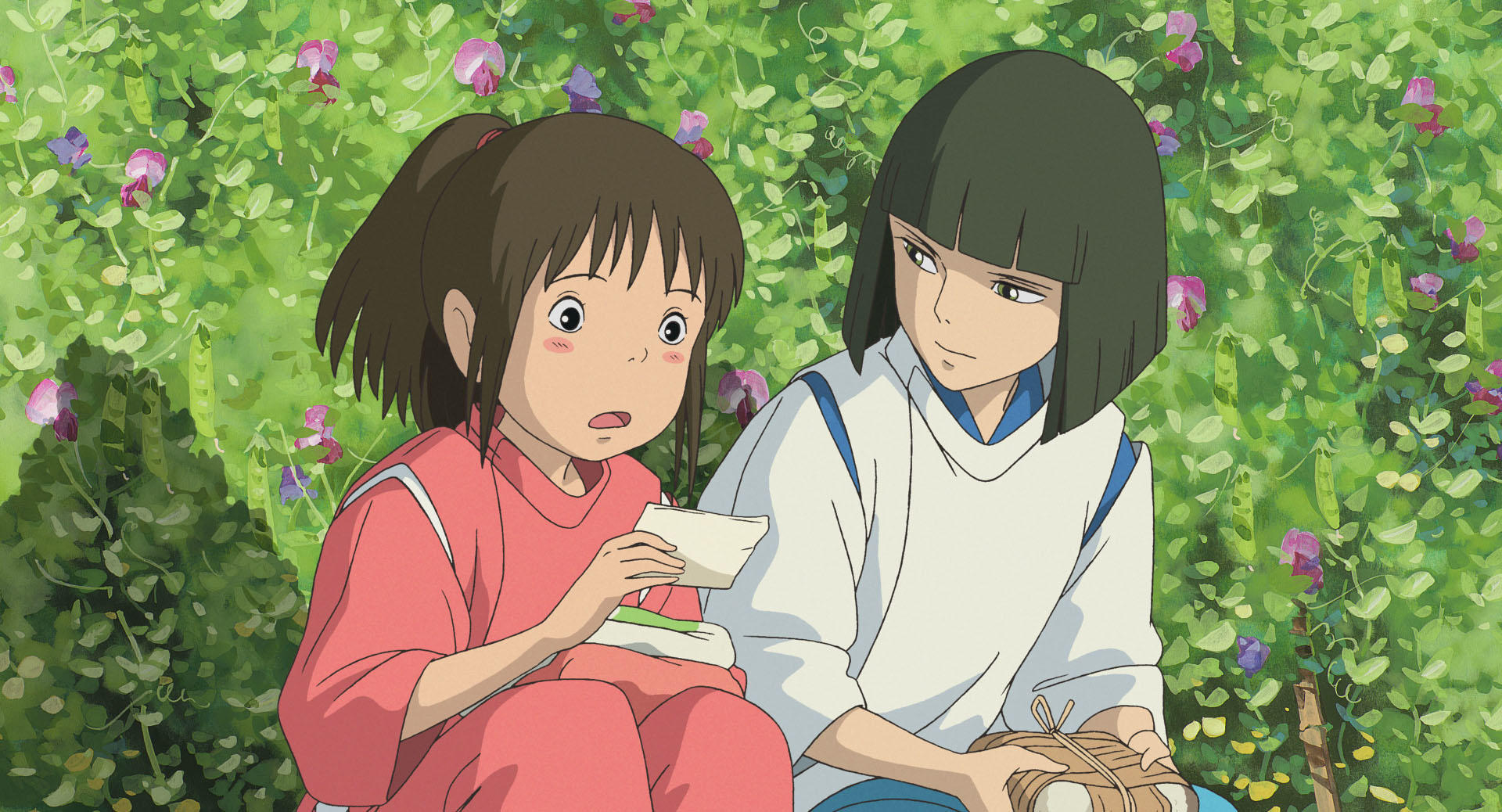
Winnicott would have recognised the mechanism instantly. A self stays alive through other people who remember it for us, and through the small objects that carry their remembering.
This is the fear the film understands better than almost any other: that growing up will demand a Sen, and that the Sen will be so good at her job that no one, including you, remembers there was ever a Chihiro underneath.
The River With a Bicycle in It
Then the film shows what it means to remember.
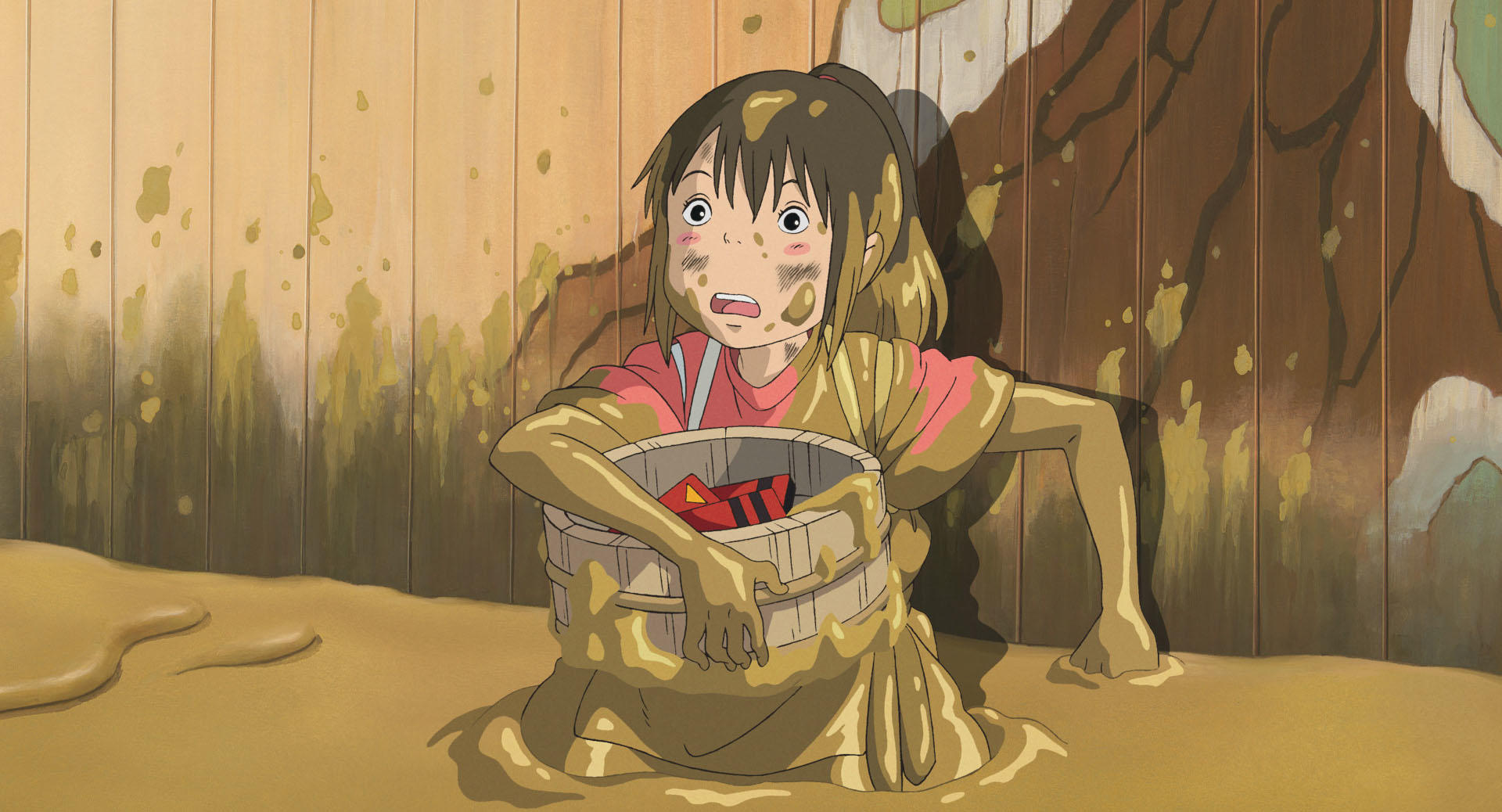
The bathhouse’s worst customer is the stink spirit, a walking mound of sludge that clears the building with its smell. Sen is sent to bathe it, finds a thorn in its side, and pulls. Out comes a bicycle, then a refrigerator, then a river’s worth of human rubbish, and the creature underneath turns out to be an ancient river god, purified, laughing, gone. Miyazaki has said where the scene came from:
“I cleaned a river once.” — Hayao Miyazaki, in the making-of documentary for Spirited Away
There really was a bicycle, he explained, stuck in the mud near his home; ten volunteers wrapped a rope around the handlebars and hauled it out, and afterwards the fish came back. He added the scene because of the fish.
The stink spirit sets up the film’s most beautiful idea, which arrives near the end. Haku, the boy-dragon who has been Chihiro’s protector, has forgotten his own name; Yubaba took it long ago. Flying home on his back, Chihiro remembers a day in early childhood when she fell into a river and was carried safely to the bank, and she remembers the river’s name: Kohaku. Haku is the spirit of that river, which was filled in years ago to build apartment blocks. He lost his name when the river lost its bed. And it is the girl, remembering, who gives it back to him.
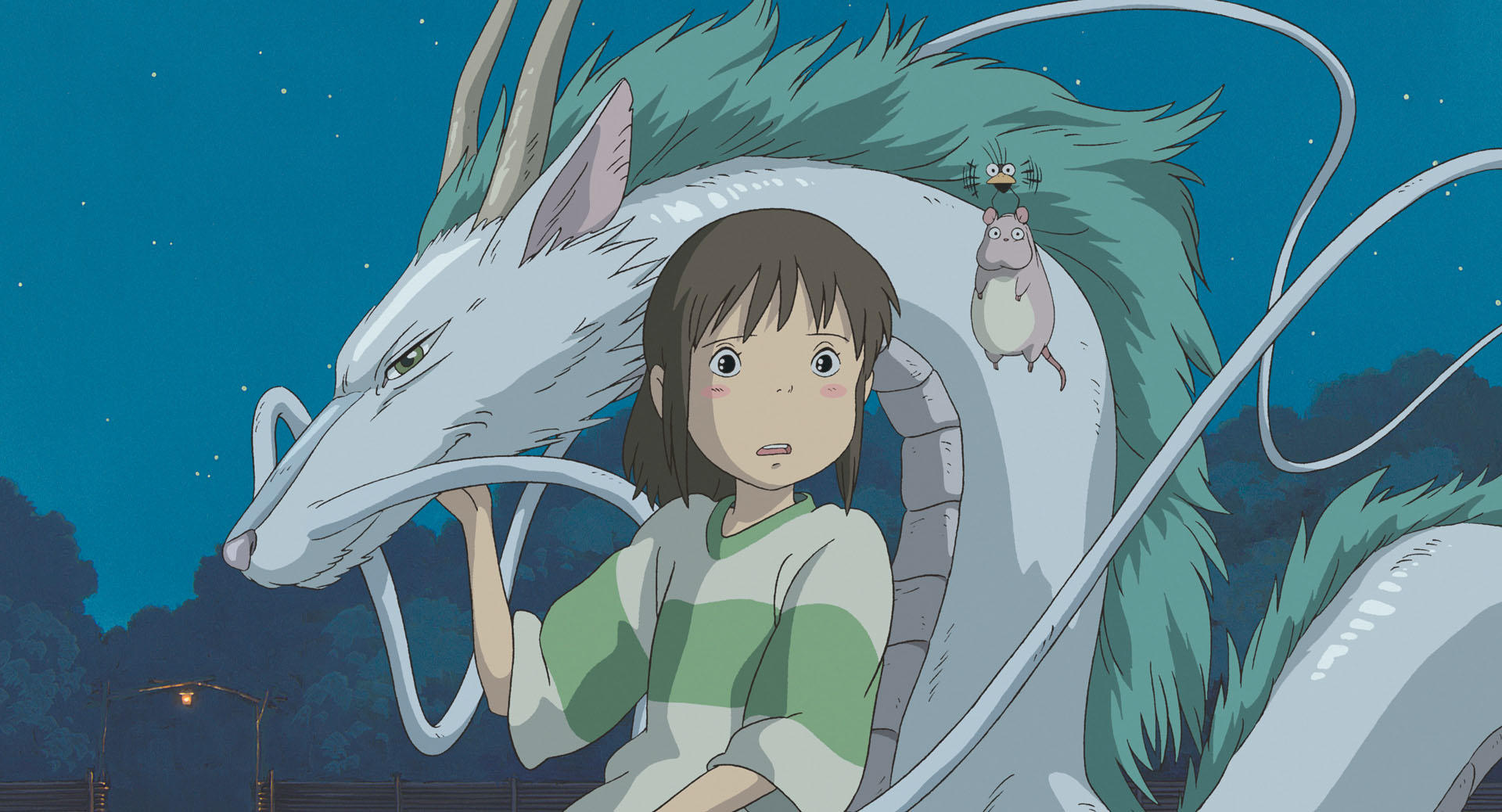
Rivers are buried, and gods forget themselves, the film says, and both are restored by the same act: someone who was there, refusing to let the memory go. Identity in Spirited Away is held in trust, by rivers, by friends, by cards with your name on them, and by the people you were kind to once, who turn out to be keeping the record.
Courage, One Small Kindness at a Time
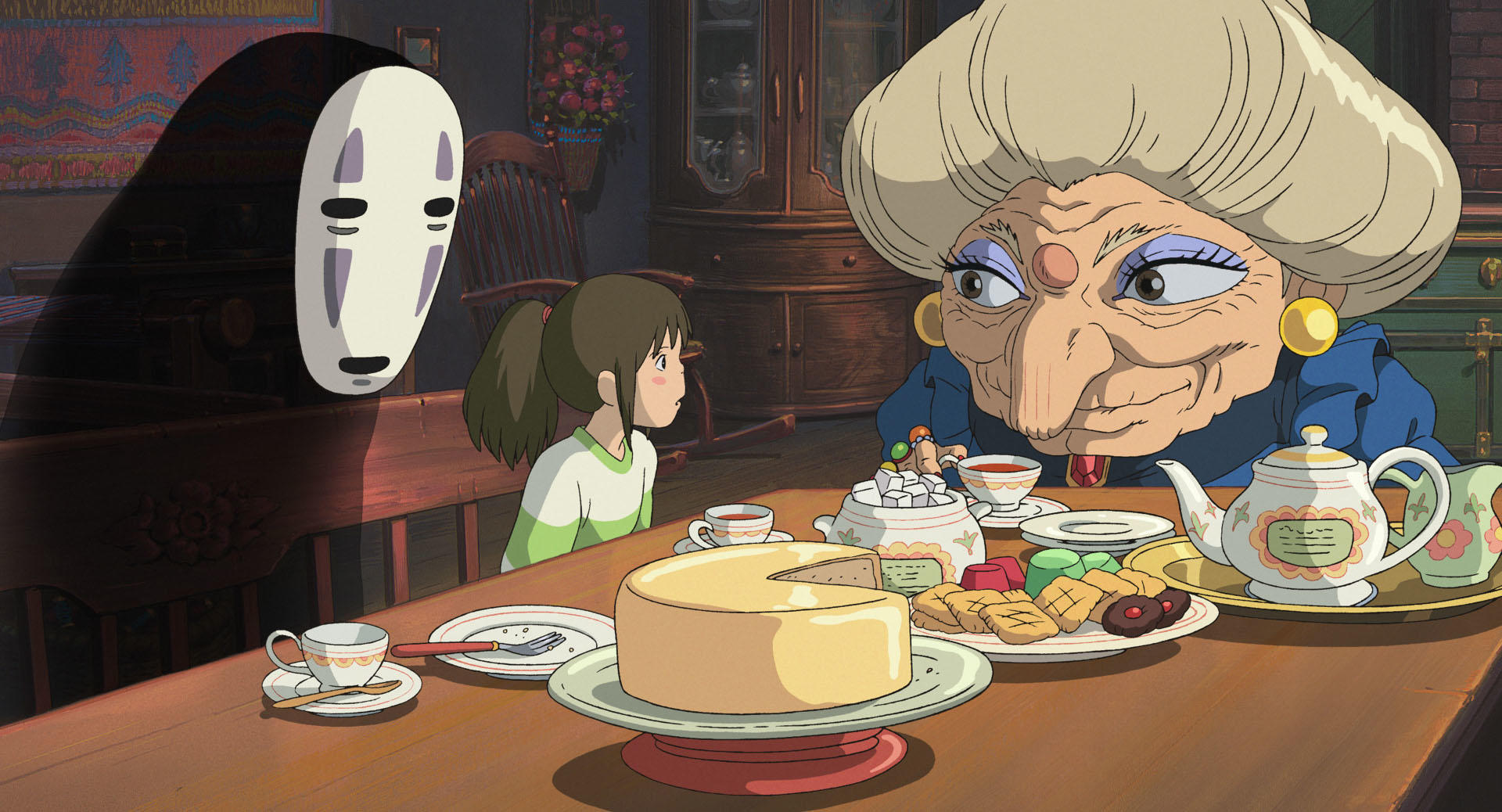
What makes the film so tender is the scale of its heroism. Chihiro never fights anyone. She wins no argument with Yubaba. Her courage, from the first scene to the last, is a sequence of small, frightened, decent acts: holding still while a boiler-room spider examines her, opening a door to a lonely spirit in the rain, sharing a healing dumpling she was saving, sitting quietly on a train beside a monster who is trying to learn how to be a person. Each act is tiny. Each one changes something.
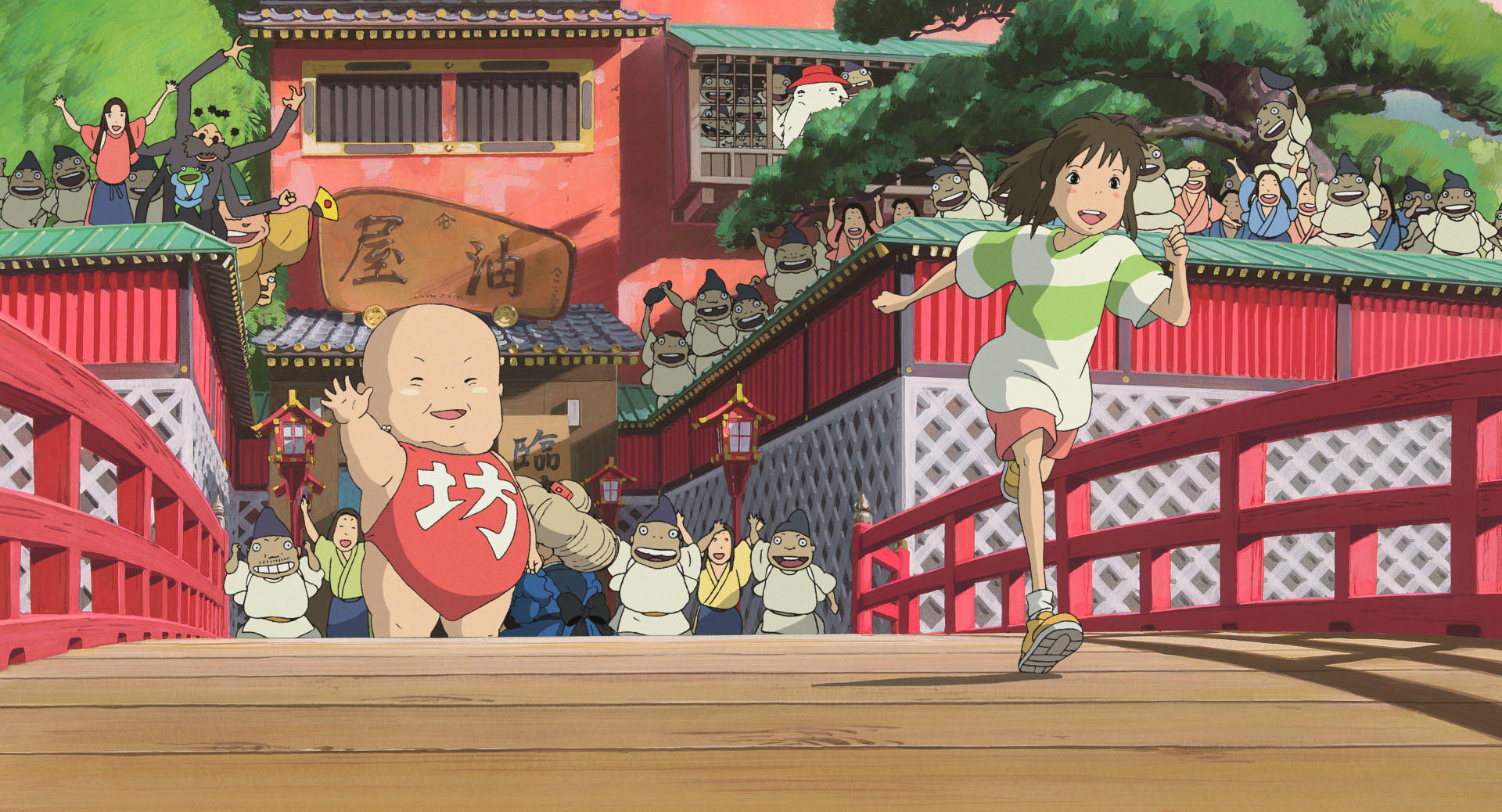
This is deliberate. Miyazaki wanted a heroine who was an ordinary girl, sulky and slow and afraid, with no special powers and no destiny, because that is who was watching. The film’s theory of courage follows from the choice. Bravery, for a ten-year-old, means the next small thing done properly while you are still scared, and Spirited Away is patient enough to show that the small things accumulate into a self. By the time Chihiro walks back through the tunnel, she has become brave in the only way anyone ever does, which is one kindness at a time, most of them unwitnessed.
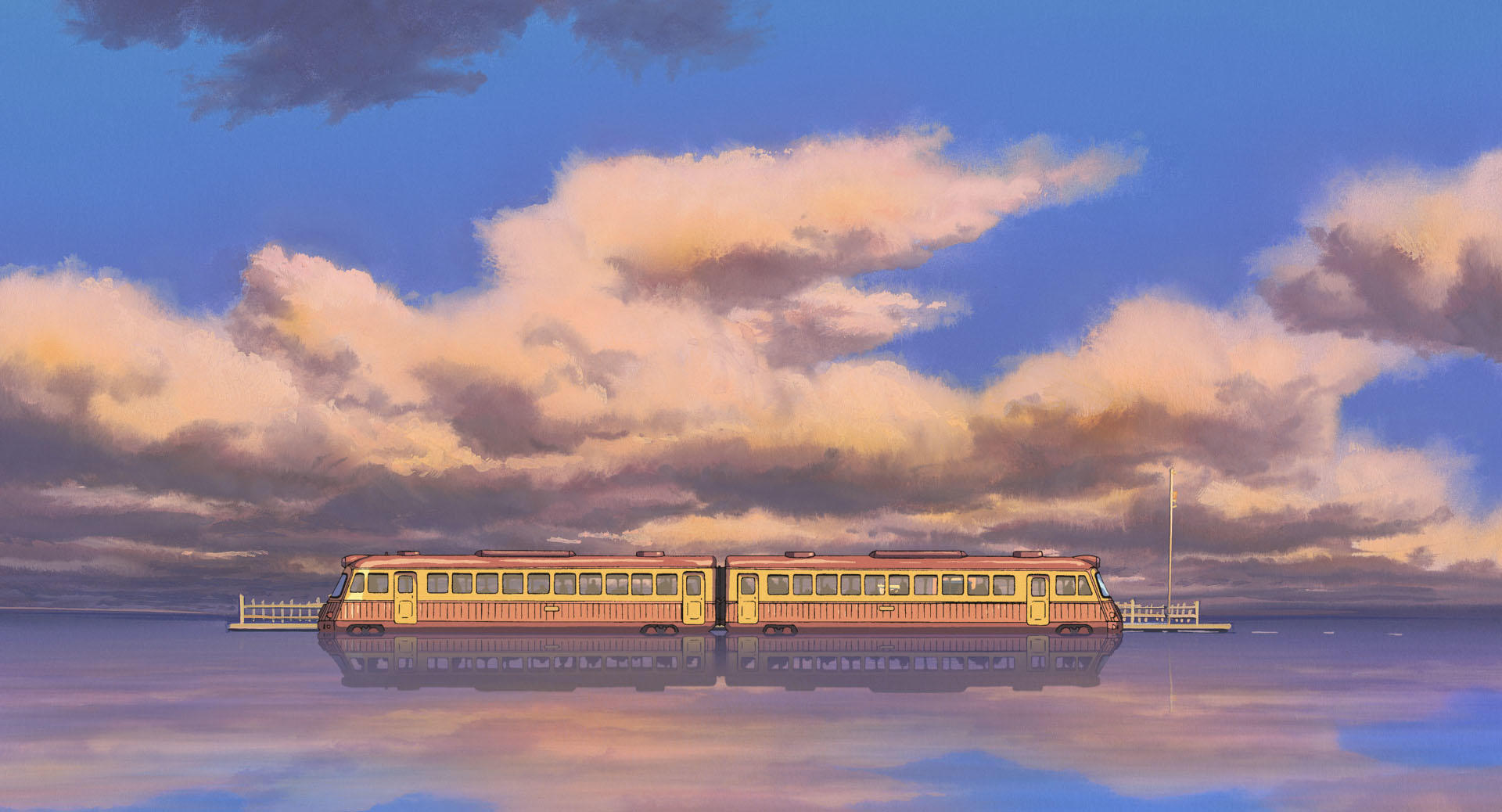
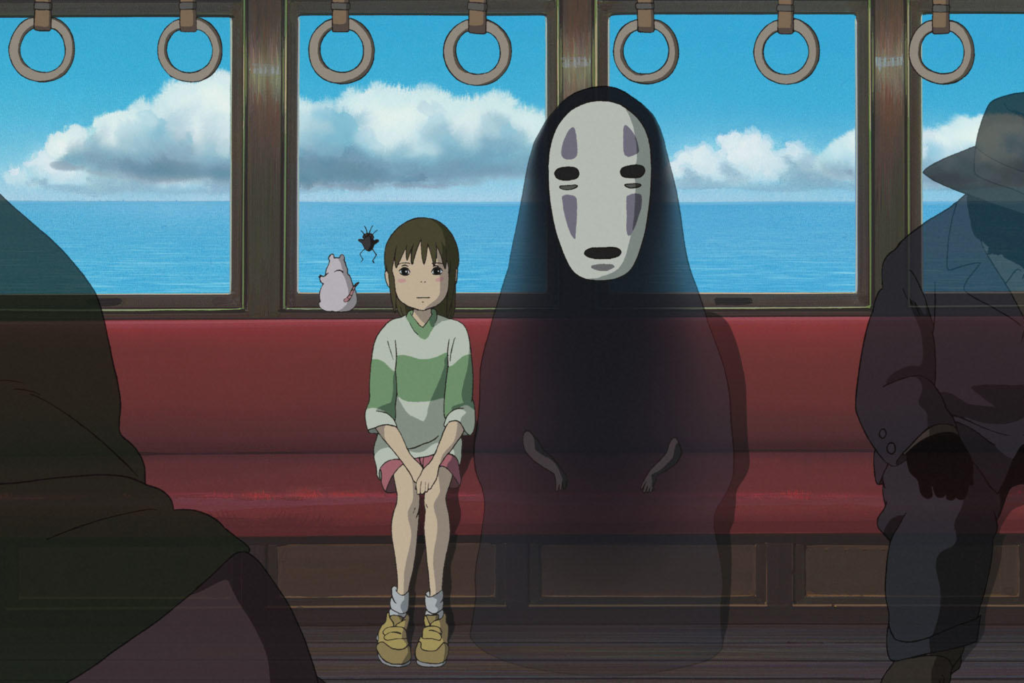
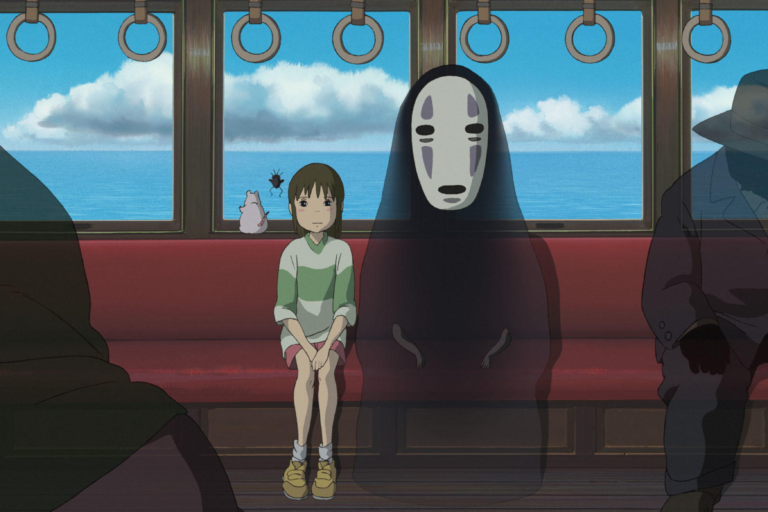
The train sequence is the film’s quiet proof. Nothing happens on it. Chihiro sits, No-Face sits beside her, the sea passes outside the window, and Joe Hisaishi’s score does the rest. It is the calmest scene in the film, and the one people remember longest, because it shows what the bathhouse could never sell: two beings keeping each other company with nothing to trade.
Growing Up Without Being Taken Away
The ending refuses the usual comforts. Chihiro does not get to stay. Haku, who loves her, cannot follow. She walks back through the tunnel holding her mother’s hand, told not to look back, and her parents remember nothing; to them it was an afternoon. The only evidence that any of it happened is a hair tie, glinting purple in the sun, braided for her by the friends she made on the other side.
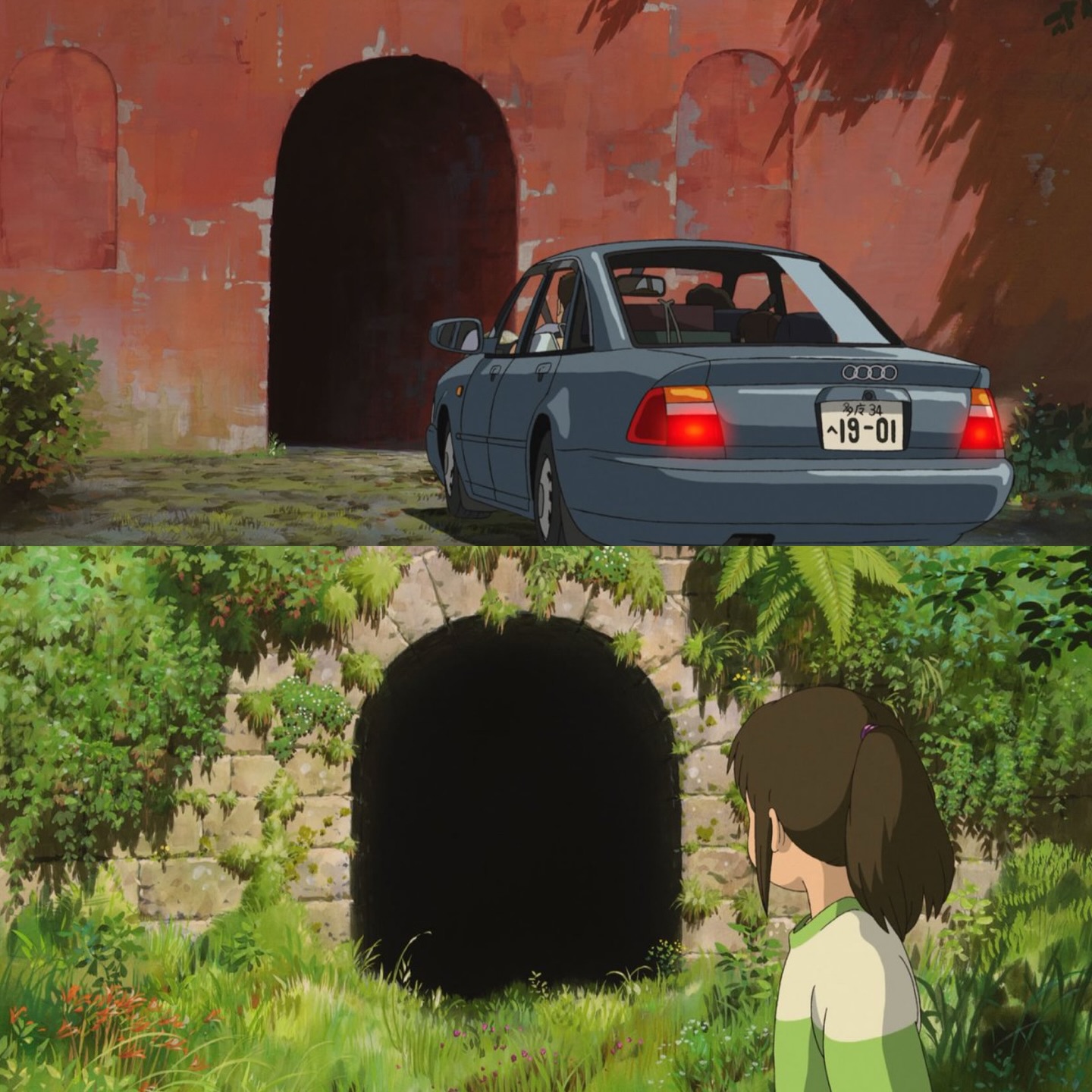
That hair tie is the whole consolation of the film. Chihiro has changed. She walked in as a frightened child and walks out as someone who has cleaned a river god, faced a witch, saved a dragon, and kept her own name against the pressure of an entire economy. And she is still Chihiro. The Japanese title keeps both names side by side on purpose. Sen goes home too, as the part of Chihiro that learned to work, to endure, to be useful. Growing up, the film proposes, will give you a second name. The task is to make sure the first one survives it.
Every child who watches the film is about to enter a bathhouse of one kind or another, a school, a job, a city, a marketplace that will offer them a place in exchange for a smaller self. Miyazaki made the film so that the ten-year-old at his cabin would walk in already knowing the rule. Take the work. Learn the name they give you. Keep the card with your real one written on it, and let the people who love you hold the memory when you cannot.
The gods hide children, the old word says, and some of them come back. The ones who do are the ones who remembered what they were called.
What is written on your card, and who is keeping it safe for you?


Vincent Phan
Vincent is the founder and Editor-in-Chief of 1000 Libraries Magazine. He is a Paris-born ex-corporate turned bookseller and philosopher, on a global mission to spread the joy of physical books in our age of digital technology.