From streaming romances to silent book clubs, reading has returned to the center of public life. Here is how it happened, and why it matters.
On a summer evening in Manhattan, readers gathered at Hudson Yards for an outdoor screening of the first episode of Lucky, followed by a live conversation with author Marissa Stapley about bringing her story from page to screen. Gatherings like this one, communal, unhurried, and pleasingly old-fashioned, have become a 2026 signature. Streaming platforms, fashion houses, social media creators, and booksellers have all helped carry the book back to the center of cultural life. Readers themselves, eager to share what they love, have done most of the carrying.
Book-to-Screen Adaptations Are Sending Readers Back to the Page

Studios have learned that a beloved novel arrives with its audience already gathered. Netflix’s adaptation of Emily Henry’s People We Meet on Vacation debuted on January 9 and quickly became the No. 1 movie in the U.S. The enthusiasm flowed straight back to the page. Spotify logged a 515% jump in global listens of the novel, and sales across all formats rose 97% in the two weeks after the film’s release.
The fourth season of Bridgerton, based on Julia Quinn’s best-selling series, premiered on January 29, and in the UK, Bridgerton novel sales tripled alongside it. Netflix has already released adaptations from 14 different countries this year, including Norwegian crime noir, Turkish dramas and Korean romance.

The year’s most remarkable crossover belongs to Rachel Reid’s hockey romance Heated Rivalry. The book’s readership spiked 2,282% in December after the show went viral, making it the most-read book of early 2026 on Everand and Fable, and the series has been renewed for a second season.

Prime Video has taken the logic further with an initiative called Obsession Is In Session. This marks its commitment to young adult audiences, built around adaptations of novels such as The Love Hypothesis and Off Campus, the latter adapted from Elle Kennedy’s college hockey romance The Deal.
The Book As Accessory

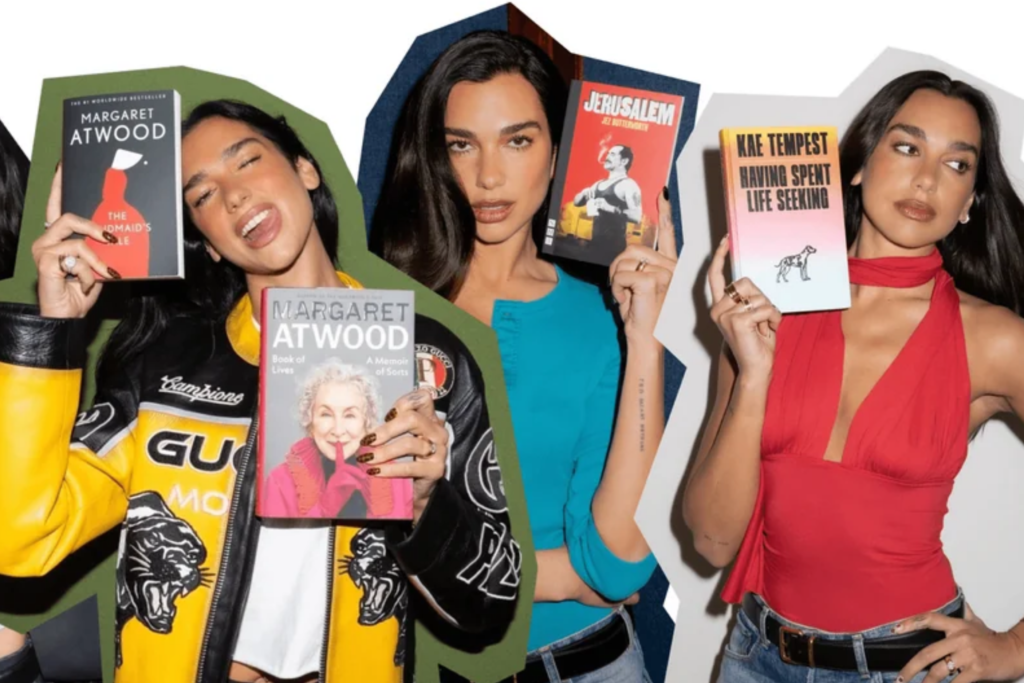
Fashion, ever attentive, took note. Vogue declared literary chic one of 2026’s defining trends, and the Miu Miu Literary Club returned to Milan Design Week with an edition themed around the “Politics of Desire,” celebrating the work of Annie Ernaux and Ama Ata Aidoo. Vogue launched its own book club in January and announced Wuthering Heights as its first pick. Dua Lipa’s Service95 Book Club features conversations with authors like Margaret Atwood and Emma Cline, while Kaia Gerber’s Library Science reaches a younger, fashion-adjacent audience.
The season’s most bookish moment was at Paris Fashion Week, when Valentino presented its Spring/Summer 2027 collection, titled “Antibiblioteca,” inside the historic Bibliothèque Sainte-Geneviève. Invitations came with a green library card asking guests to bring books, which were then donated to local libraries. Cynthia Erivo arrived with James Baldwin’s Giovanni’s Room. Creative director Alessandro Michele drew on the “anti-library”, the unread books we own whose value lies in the possibilities they hold, and connected those unread books with unworn clothes.
Some observers have wondered whether the book is actually being read or simply posed with for Instagram. The skepticism is understandable, and the long history of reading offers a hopeful answer. Habits often begin as gestures. A novel carried for the beauty of its cover can be opened on a long train ride, finished on a rainy afternoon, and pressed into a friend’s hands.
BookTok’s Long Reach
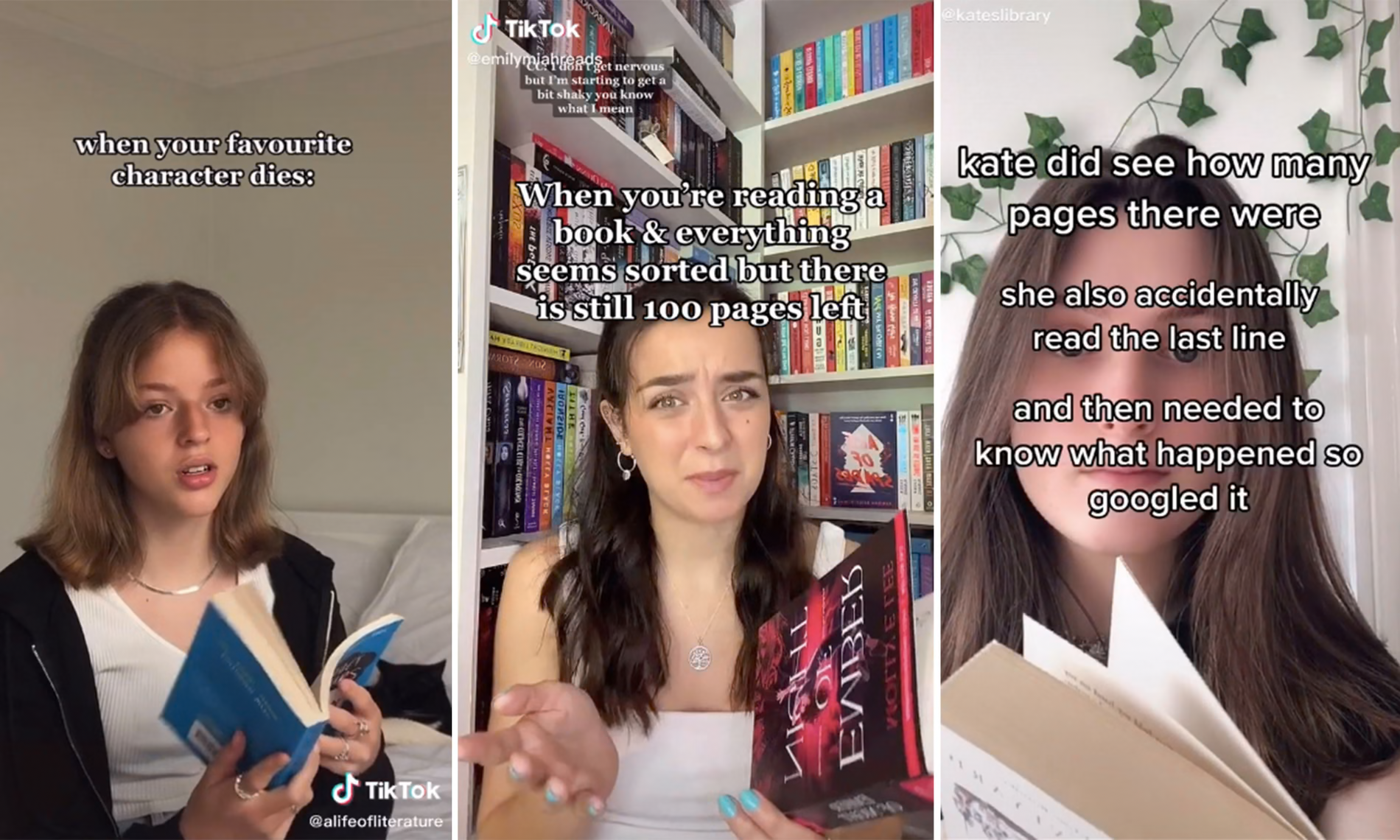
Videos on social media remain the most powerful engine of discovery for younger readers. TikTok reported in March 2026 that the BookTok community recommended more than 50 million books across Europe in 2025, generating around €800 million. Short-form book videos have also revived interest in backlist titles, including Taylor Jenkins Reid’s The Seven Husbands of Evelyn Hugo. Romantasy still rules the feed, and many creators believe its foothold on the app will continue.
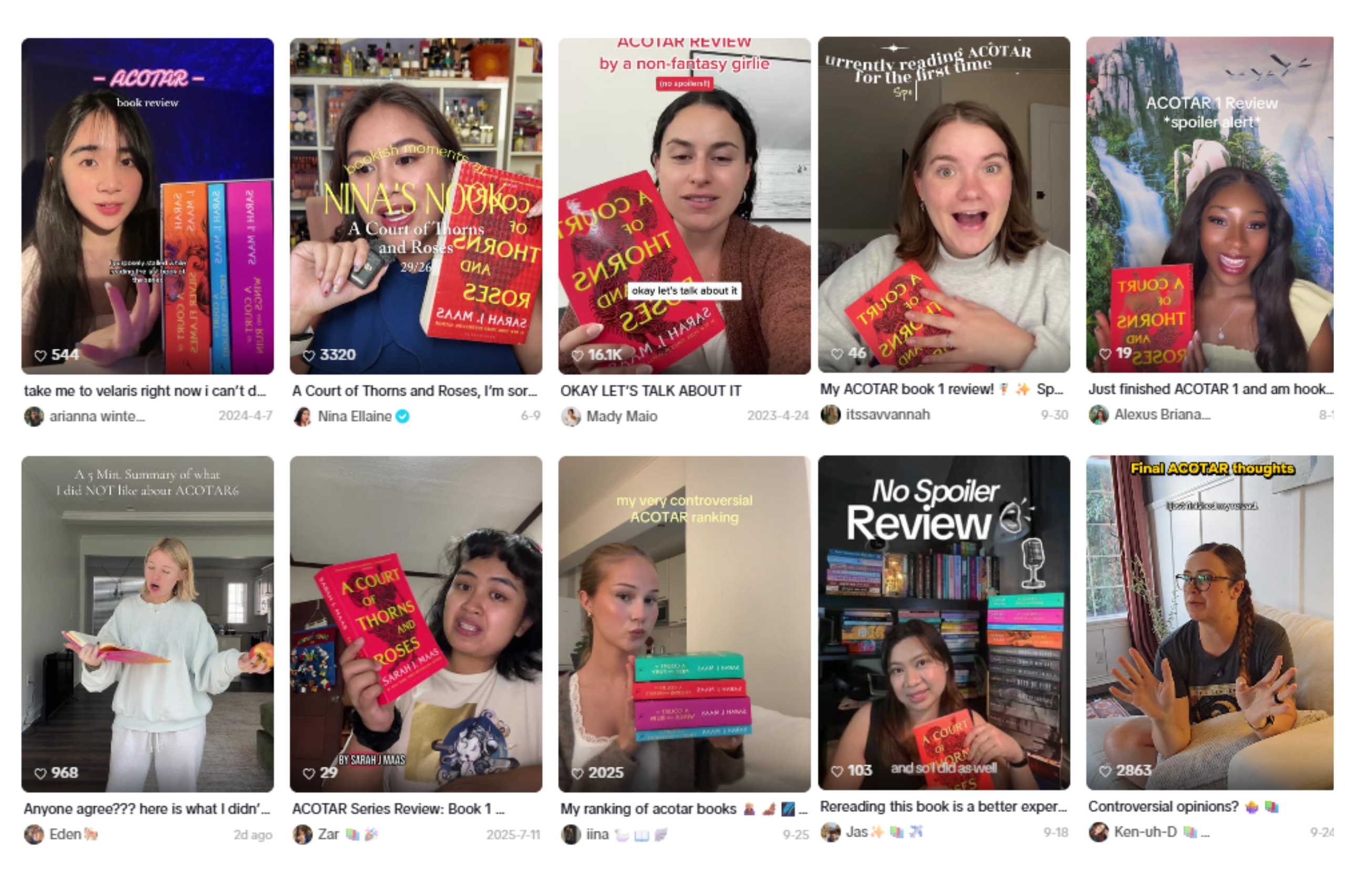
Commentators have also raised the idea of a reading monoculture, in which specific titles drive the collective cultural conversation. The most heartening finding comes from the 2026 State of Reading Report: personal recommendations continue to drive book discovery more than algorithms and social media. The oldest network in literature, one reader telling another, remains the strongest.
The Book Club Boom
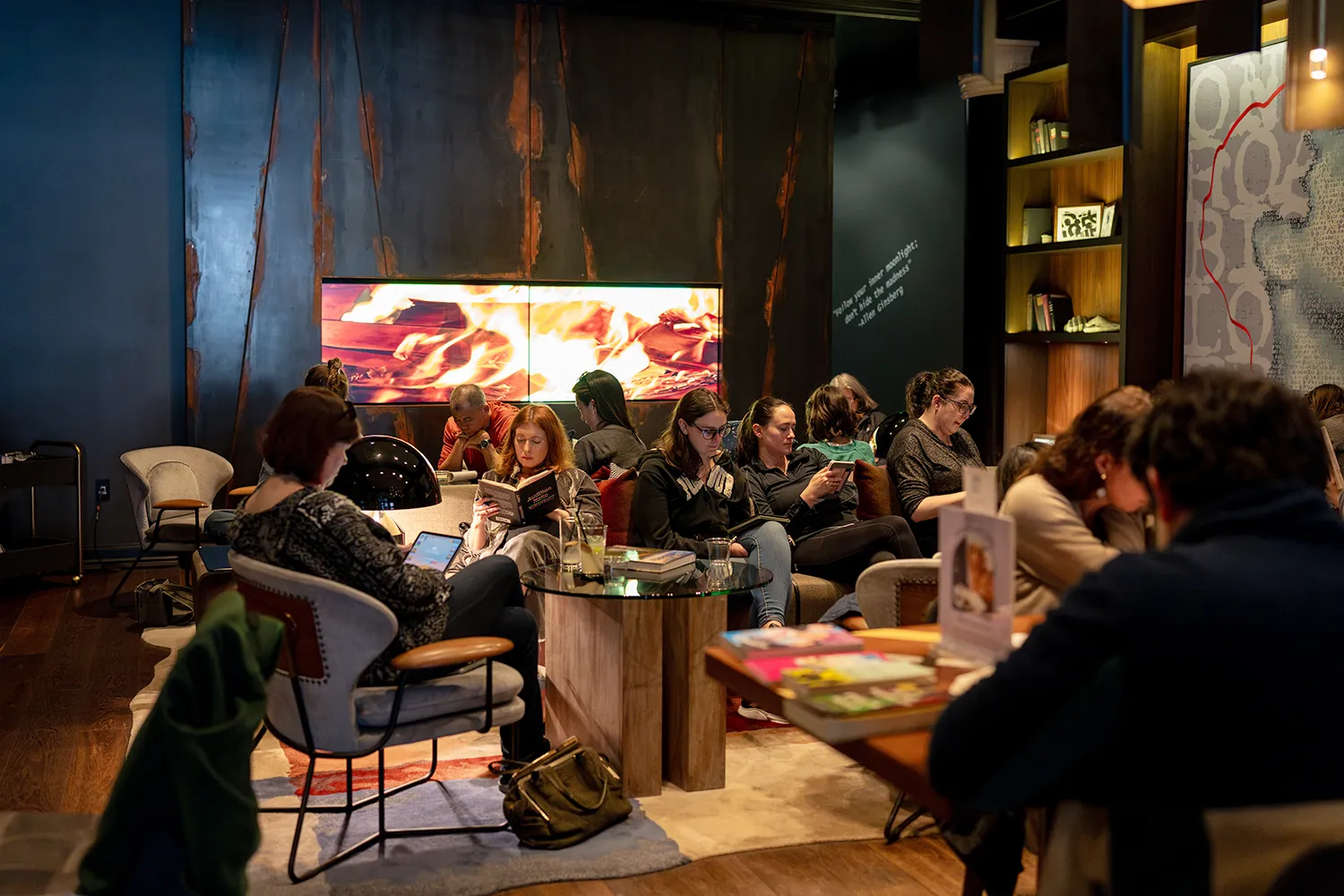
Book clubs are thriving again. For many readers, they have become the new social scene. According to NBC News, book club events on Eventbrite grew 31% in 2024 compared with 2023, and listings for silent book clubs, where attendees read independently in silence before mingling, more than doubled. Laura Gluhanich and Guinevere de la Mare founded the Silent Book Club movement in San Francisco in 2012; it has grown from two friends reading at a bar into more than 2,000 chapters in 62 countries.
Thirty-seven percent of surveyed readers participate in at least one club, and in-person clubs are the most popular format. Even streamers have joined in. Prime Video’s Obsessed Fest, held on June 27 at Nya Studios in Los Angeles, included a book club lounge featuring author conversations and signings, and fans were encouraged to bring their own books.

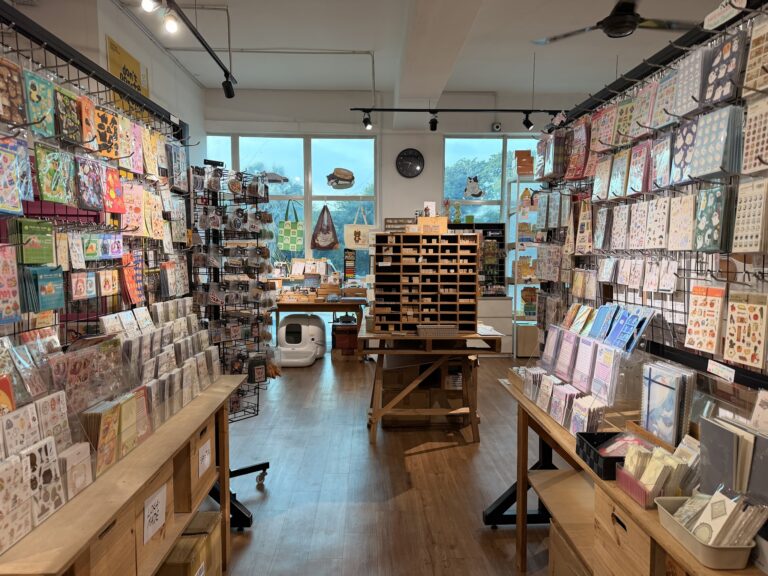
Many of these clubs meet in independent bookshops, which are multiplying to welcome them. In 2025, 605 new independent bookstores opened in the United States, and American Booksellers Association membership grew 19%, reaching the highest level since the late 1990s. One Missouri owner described her shop as roughly half books and half community, a balance any book club member will recognize.
The Rise of the Readaway

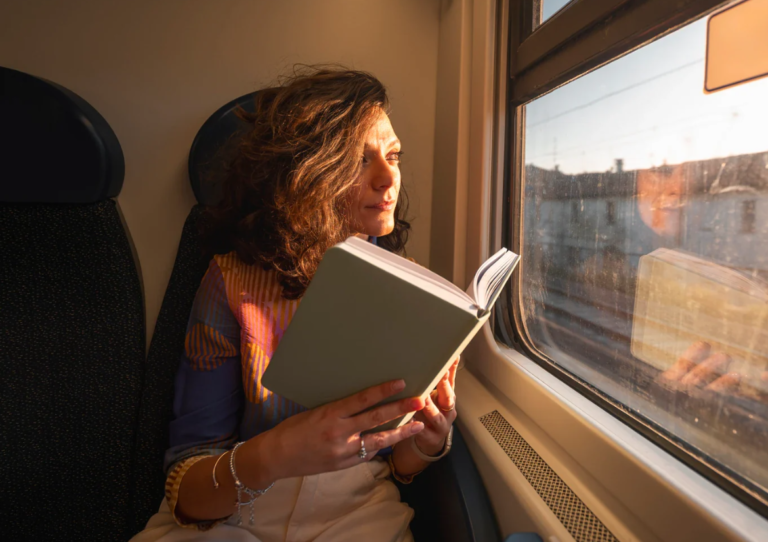
Slow travelers have found their own way into the movement. According to Vrbo’s Unpack ‘26 travel trends report, 91% of travelers seek getaways centered on reading, relaxation, and time with loved ones. This has given rise to “readaways”, literary-themed vacations designed for unwinding with a good book. The trend has quickly become the ultimate book lover’s escape. Pinterest searches for book club retreat ideas rose 265%. Skyscanner found that 55% of travelers had booked a trip or would consider one inspired by a book.

For people who want company on the journey, reading retreats have become the most social form of the readaway. A readaway rewards the patient traveler: read a novel set in Lisbon on a tiled balcony in Lisbon, or spend a week in a rented cottage with no plan beyond the next chapter.
The Global Boom in Translated Fiction
The reading revival is global, and some of its liveliest chapters are being written in Asia. China’s online-literature user base reached approximately 575 million in 2024, and Chinese online literature reached 352 million overseas users from over 200 countries in 2025. In South Korea, fiction sales rose 19.3% year-on-year in the first half of 2026, a strength Kyobo Book Center linked to the “text hip” trend. Penguin Random House’s Southeast Asia chief described these as exciting times for the trade, with literary festivals from India to Malaysia becoming major cultural events.
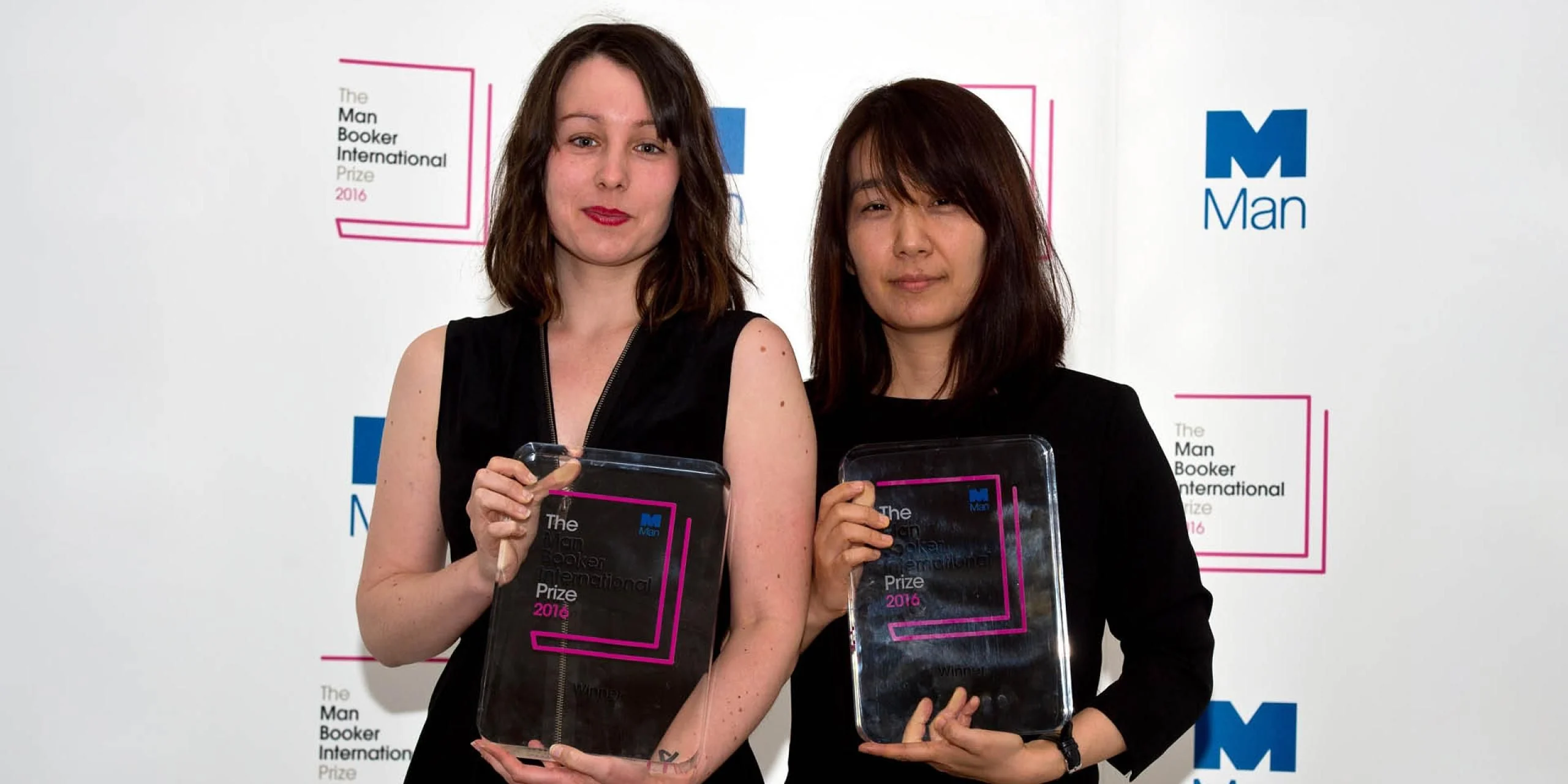
Translation is the bridge that turns local passions into shared ones. Han Kang’s The Vegetarian, her first novel translated into English, won the 2016 Man Booker International Prize, and in October 2024 she won the Nobel Prize in Literature. Its British translator, Deborah Smith, learned Korean after noticing how few of its books were available in English, a reminder that every translated novel begins with one curious reader.
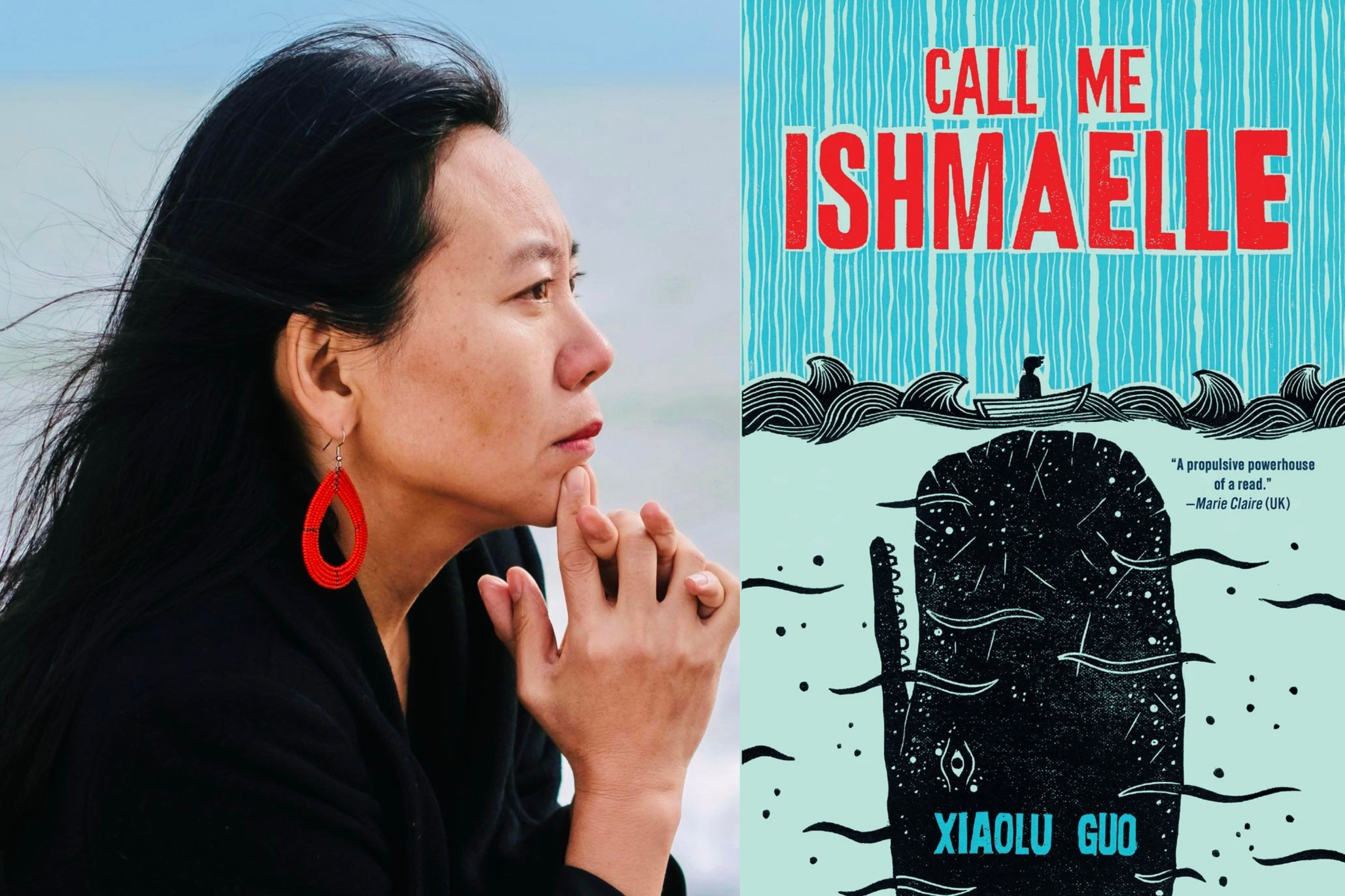
Retellings are widening the canon, too, including Xiaolu Guo’s Call Me Ishmaelle, a feminist retelling of Moby-Dick. Each translated novel works like a small passport, inviting readers to spend a few hundred pages inside another culture’s rhythms of speech, food, grief and humor.
The Slow Reading Movement
Yet the renewed interest comes with a sobering reality. A study in iScience analyzing over 236,000 Americans found that the share of people who read for pleasure on an average day fell from 28% in 2004 to 16% in 2023. Researchers also noted that among those who do read, time spent reading has increased slightly, suggesting a devoted core is growing.

That devotion has a recognizable texture. Against a backdrop of digital burnout, slow reading has become the most-discussed topic among Everand and Fable readers, who are setting smaller goals, reading away from notifications, and framing reading as a form of wellness. Fifty-four percent of surveyed readers cited stress relief as their reason for reading more this year. Publishers are responding with deluxe editions featuring sprayed edges, ribbon bookmarks, and other embellishments, books made to be kept and handed down.
There is a quiet pride in all of it. Carrying a book in 2026 signals a preference for depth, patience, and the company of people who lived in other centuries and other countries. The old souls were right all along about the pleasure of a long afternoon and a good chapter, and now the wider culture is pulling up a chair. Find your local bookshop, join a club, plan a readaway, pick up a translated novel, and let the page slow you down.

Adam Ryan
Adam is a distinguished content writer, bookworm, and full-time adventurer with a constant craving for coffee. When he's not working, he loves exploring remote corners of the world, immersing himself in different cultures, and writing about his experiences.