
Ever felt something you couldn’t name? These five Japanese words describe emotions English has no words for.
When the spring arrives, coming with the abundance of bright flowers and baby animals, we know that this state will soon end, even if it has just begun. We know that soon those bright flowers will wilt, the air will become cold and dry, the animals will escape and wait out the harsh winter. We know that even though it has arrived, it will leave; that what will come must go.
Impermanence and the Arrival of Spring
In Paris, April is known as the month of the cherry blossoms. Their blooming is brief, but beautiful. The ancient streets are lined with large trees, their branches like the arms of dancers, overcome with pink and green, the sign of spring and life and youth.
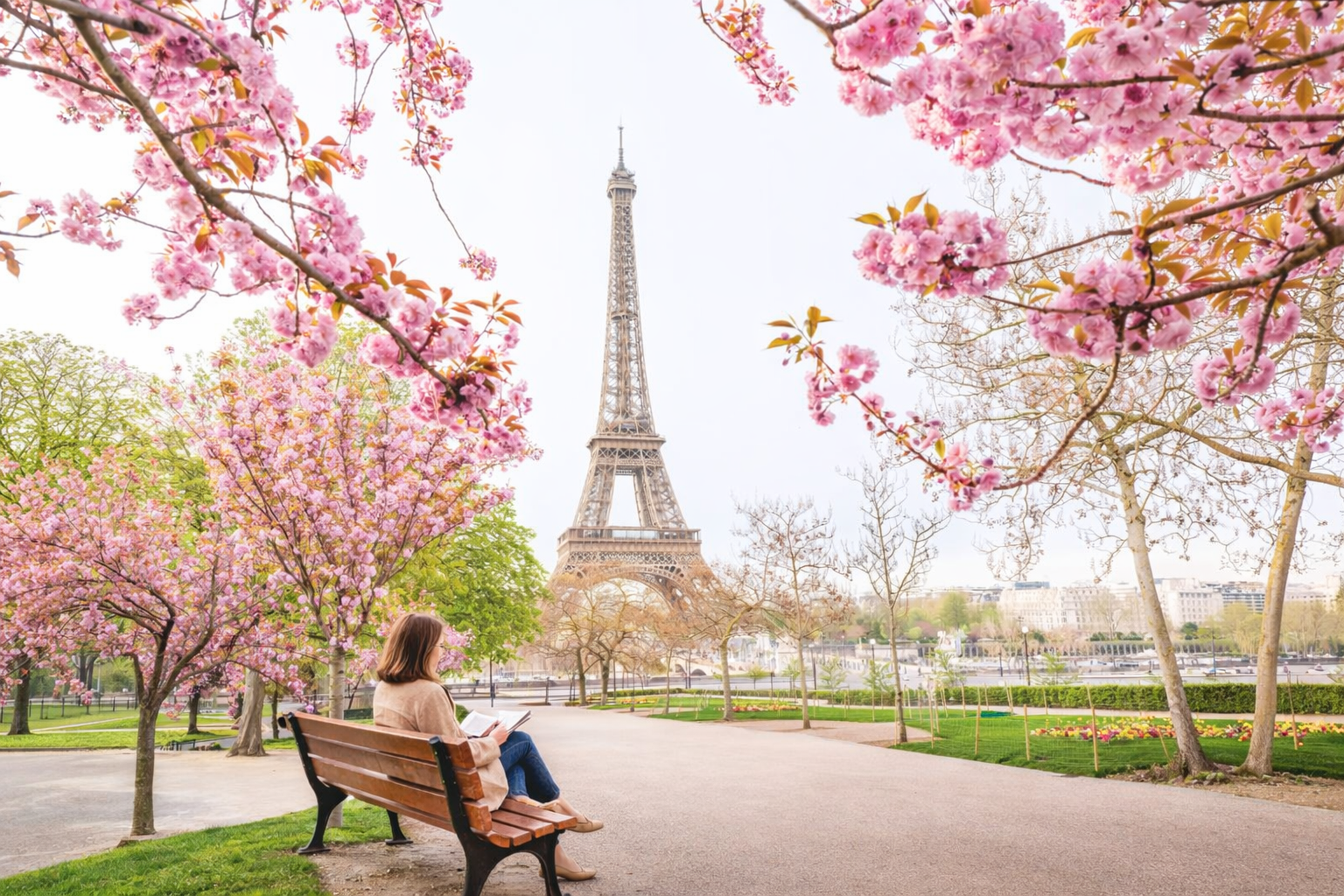
The Parisians, despite appreciating such splendour, know that this state will pass, and they will have to wait once more, making the brief show of the cherry blossoms that much more beautiful.
Hakanai: The Beauty of Fleeting Moments
We could search endlessly for a word to describe this feeling in English, but we would come up empty. In Japanese, however, the word hakanai embodies this feeling, this recognition of the beauty of impermanence and fragile, fleeting glory. The delicacy of such an emotion is captured in a word for which we have no translation.
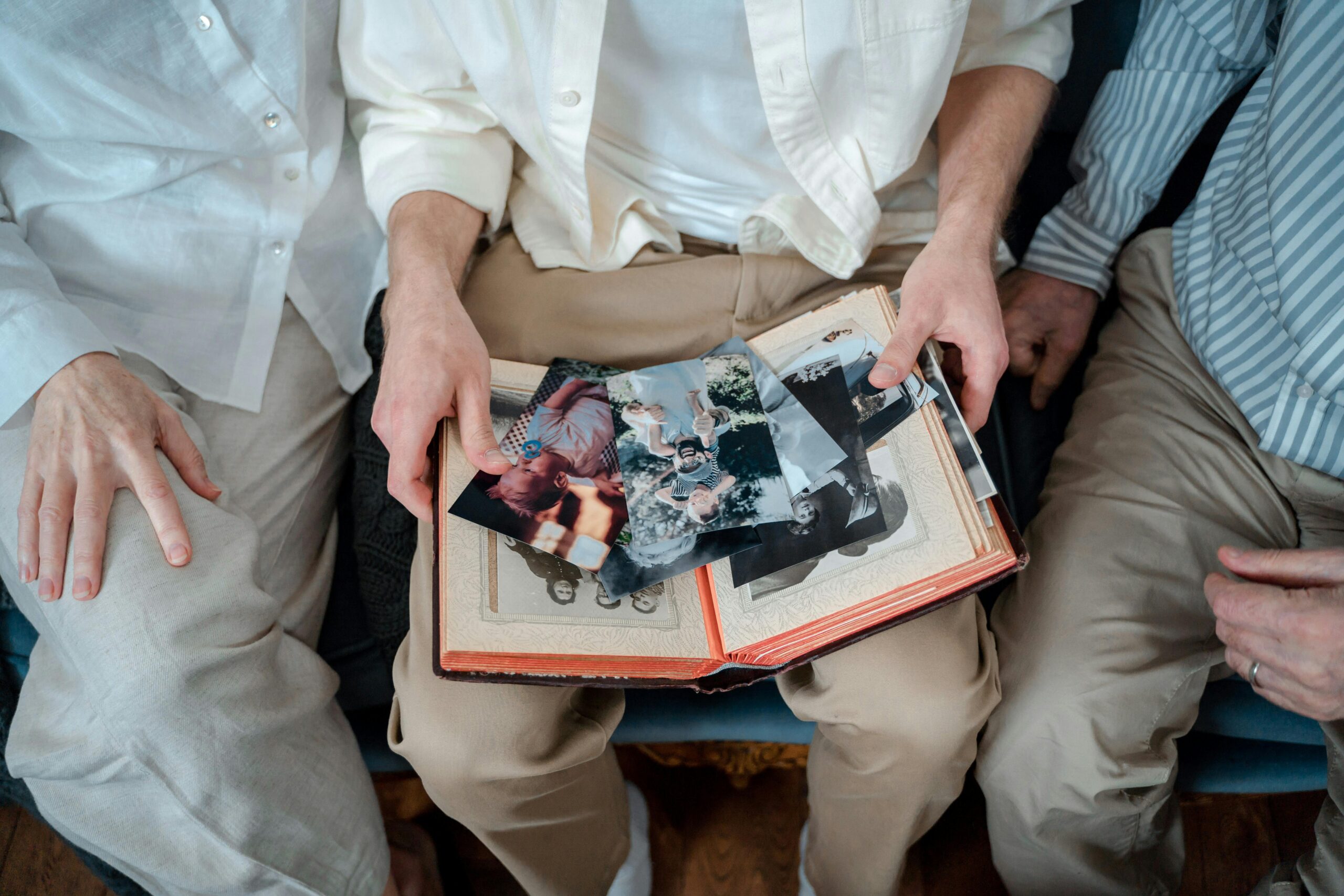
Words like this, words specific to a certain language, investigate how discourse is an integral part of culture, one that cannot be separated. We find phrases and words to personify the shared feelings of a community, and evidently, the Japanese experience emotions so powerful that they had to find the words to speak them.
Mono no Aware and the Sadness of Transience

Mono no aware captures another facet of hakanai, one stained with the blues, that embodies the sadness of impermanence. Literally, it translates to ‘the pathos of things’ or the ‘beauty of transience.’ Mourning the dying sunlight despite it being the middle of the day. Missing someone even though they are still in your arms. Moments that gain importance because we know soon, they will fade simply to memory.
Time, Love, and Loss in The Little Prince
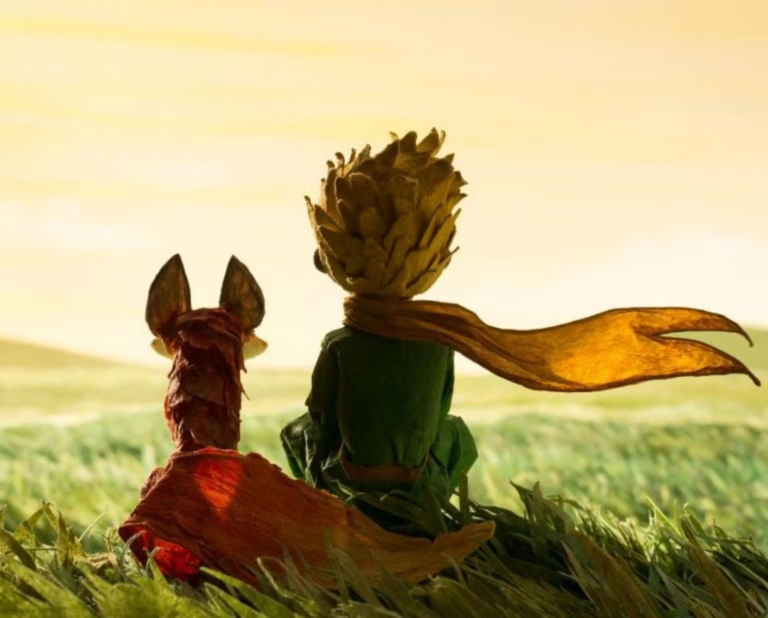
In Antoine de Saint-Exupéry’s beautiful children’s book, The Little Prince (Le petit prince in French), the wise fox famously tells the Little Prince, ‘C’est le temps que tu as perdu pour ta rose qui fait ta rose si importante’, or, ‘It is the time that you have wasted for your rose that makes your rose so important.’ The fox is quite right. Time is the greatest luxury, and the time we spend in a life, one so fleeting, is our greatest profession of love.
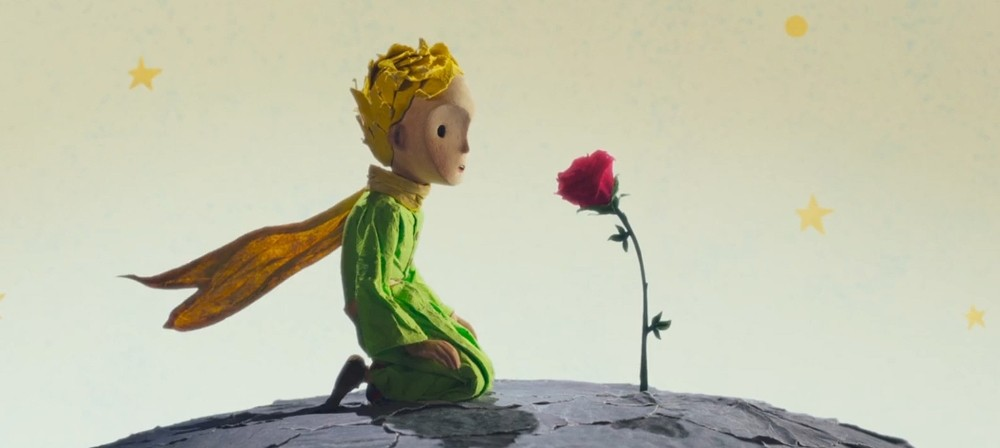
Even knowing that the time will pass, that the rose will wilt, that memory will weaken, does not take away from the beauty that is or was. If things were not fleeting, would they hold the same importance?
Komorebi: Light, Obstruction, and Unexpected Beauty
Komorebi, another Japanese word, literally describes the way sunlight leaks through trees, shattering dappled light onto the ground below. Komorebi is the beauty of obstruction, the experiences that only come from the existence of something in between.

Emotionally, komorebi can explain how an unexpected change can lead to something different, a path a little beaten and hidden, but one that leads to a secret, light-filled emerald meadow.
Ma: The Meaning of Absence and Stillness
Minimalism is at the core of many Japanese philosophies, the necessity of absence, of pause. Whilst action is important, we need stillness to deepen meaning. A poet reading aloud could show you the power in delivery, and specifically, how absence is needed to create reflection, to emphasise and bring out the significance.
Like an artist who must know when to put down their paintbrush, stand back and understand that less is often more. Ma, in Japanese, refers to negative space. Philosophically, Ma shifts our perception from one that associates absence with emptiness to one that associates absence with finding deeper meaning.

Pauses allow our minds to slow down and stretch; they often make room for creativity and invite rare moments of reflection in our everyday lives.
Wabi-Sabi and the Acceptance of Imperfection
Wabi-Sabi, although still a not-so-translatable Japanese word, has seen a wave of attention in recent years. With an online world obsessed with perfection, wabi-sabi calls for imperfection and embraces the tarnishing and deterioration that comes with time.
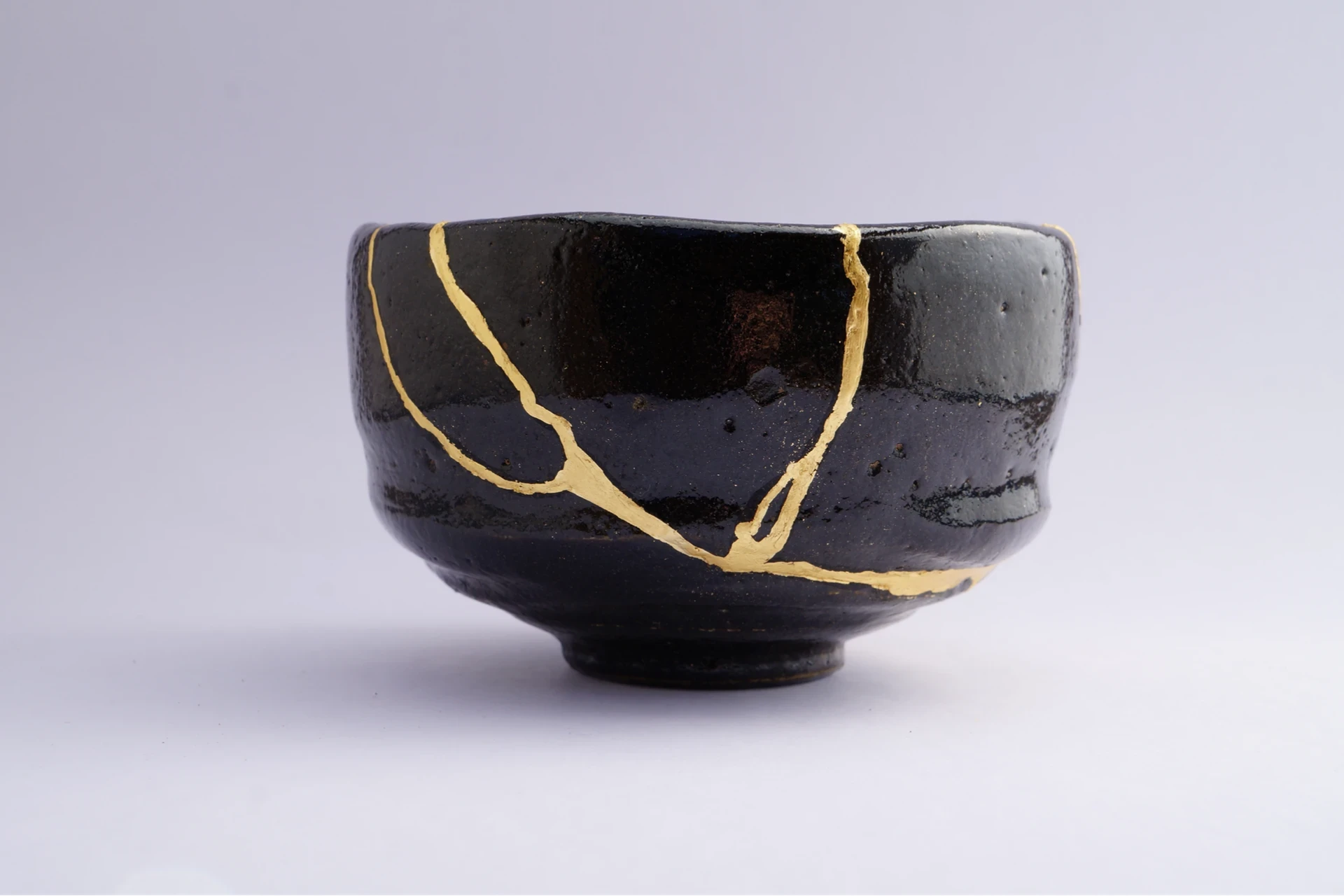
Author Beth Kempton’s book Wabi Sabi: Japanese Wisdom for a Perfectly Imperfect Life was an immediate best-seller, with readers learning to accept and celebrate the ephemerality of life. This humanistic philosophy mirrors the aging and imperfect human being and embraces the processes of time with grace and softness.
The un-translatables (but not the un-feel-ables)
Each language holds dear the untranslatable words, the ones that reflect the most vulnerable and precious feelings within their cultures. Yet even though these words have no direct translation, we only need our hearts to understand what they mean. We may not have the words, but we have the choice to speak such emotions with our actions, our thoughts, and our feelings.

We can simply sit by our windows, quietly watching the raindrops slide down the old and beaten windowpane, knowing that the spring flowers will soon fall, and that there is beauty in knowing they will.

Vincent Phan
Vincent is the founder and Editor-in-Chief of 1000 Libraries Magazine. He is a Paris-born ex-corporate turned bookseller and philosopher, on a global mission to spread the joy of physical books in our age of digital technology.