
As we age, the little things mean more. Explore how slowing down reveals life’s quiet joys and lasting peace.
When we are younger, the smallest things catch our attention. We are enamoured by little dogs on walks, bright colours, and lullabies. Then we grow up a little, we see things other children have and want them for ourselves, discarding our old toys in search of something better. Adulthood is full of comparison – who has the best car, the newest smartphone, the hottest new vacation spot – and it can all get quite frankly, exhausting.
Success is often viewed in terms of money and loud luxury, and if you do not possess this kind of “high-end” lifestyle, it is a personal failure. With this mindset, nothing is ever good enough. Every pleasure becomes a status symbol, chasing material things as life passes before us.
How Age and Hardship Transform Our Values
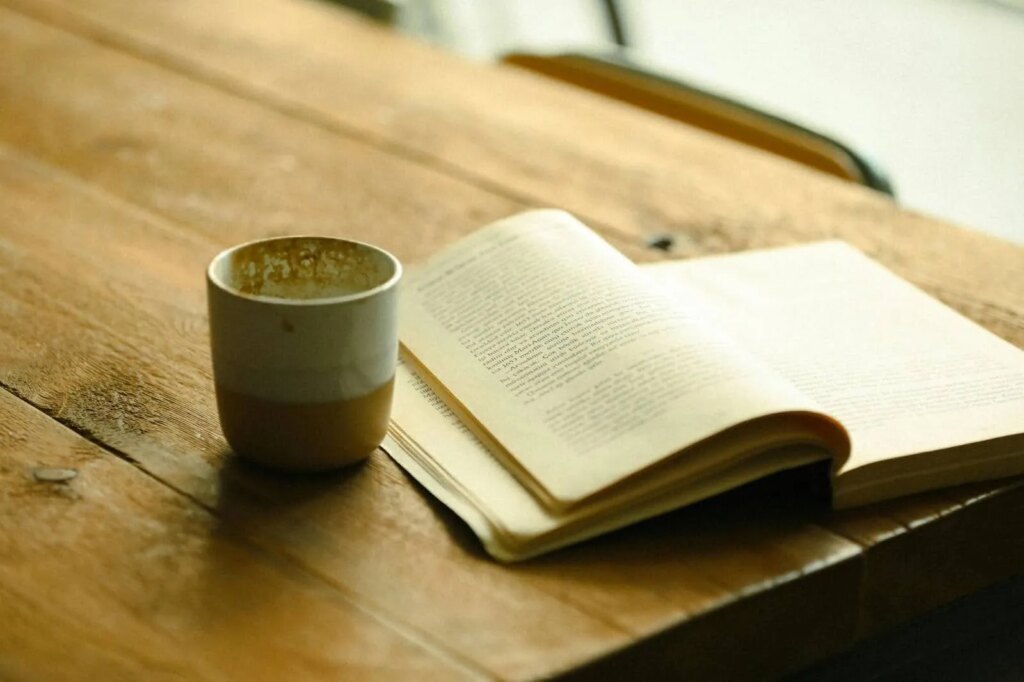
In older age, after some years of perhaps hardship or loss, our appreciation may begin to change. We notice how much the warm weather affects us, how lovely it is when we run into a neighbour, and the power of a really good book. Suddenly, the present we want most of all is presence itself. From our loved ones and their loved ones. Simplicity, it seems, was really the most pleasurable thing after all.
The Age of Comparison: Technology and Envy
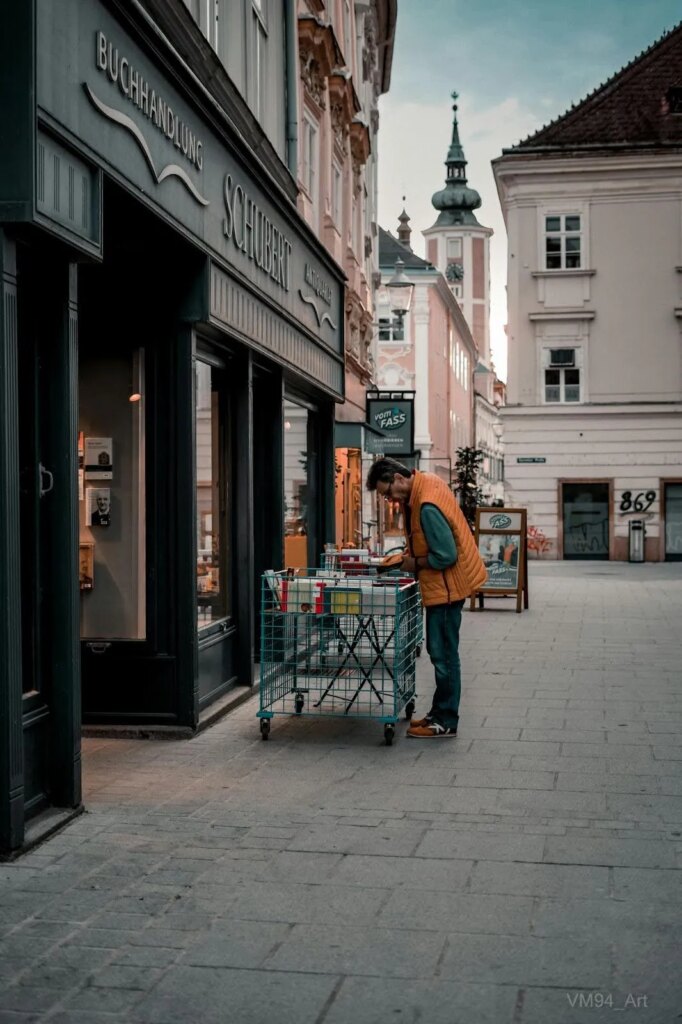
We are currently in an age of technology, and therefore, an age of comparison. No longer are the days of comparing your life to only that of your neighbours; now we can see millions of other people just by the swipe or brush of our screens. A trip down to the countryside hardly seems romantic compared to a spontaneous vacation to Paris, and the smallest and most genuine of pleasures are spoiled by the constant feeling that a better life awaits.
Why Bigger Doesn’t Mean Better
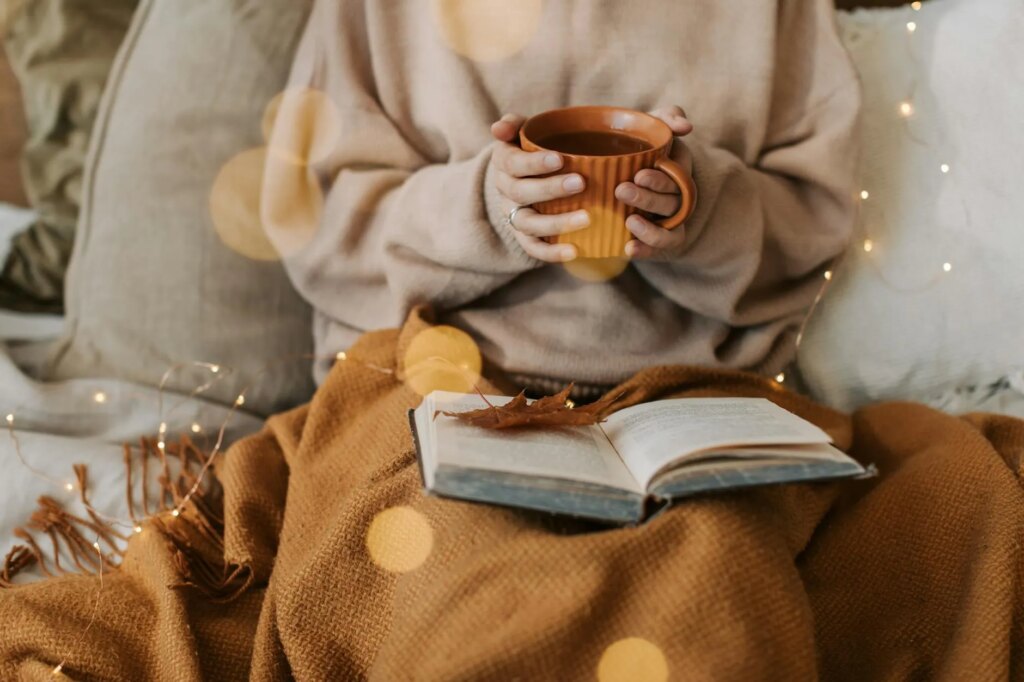
Bigger does not equal better. Take reading, for example. Studies have suggested that reading for pleasure is not only superb for our cognitive skills but also makes us feel genuine and sustained moments of happiness and satisfaction. This link is so well-documented that some psychologists actually prescribe reading, or bibliotherapy, to their patients to promote better mental well-being.
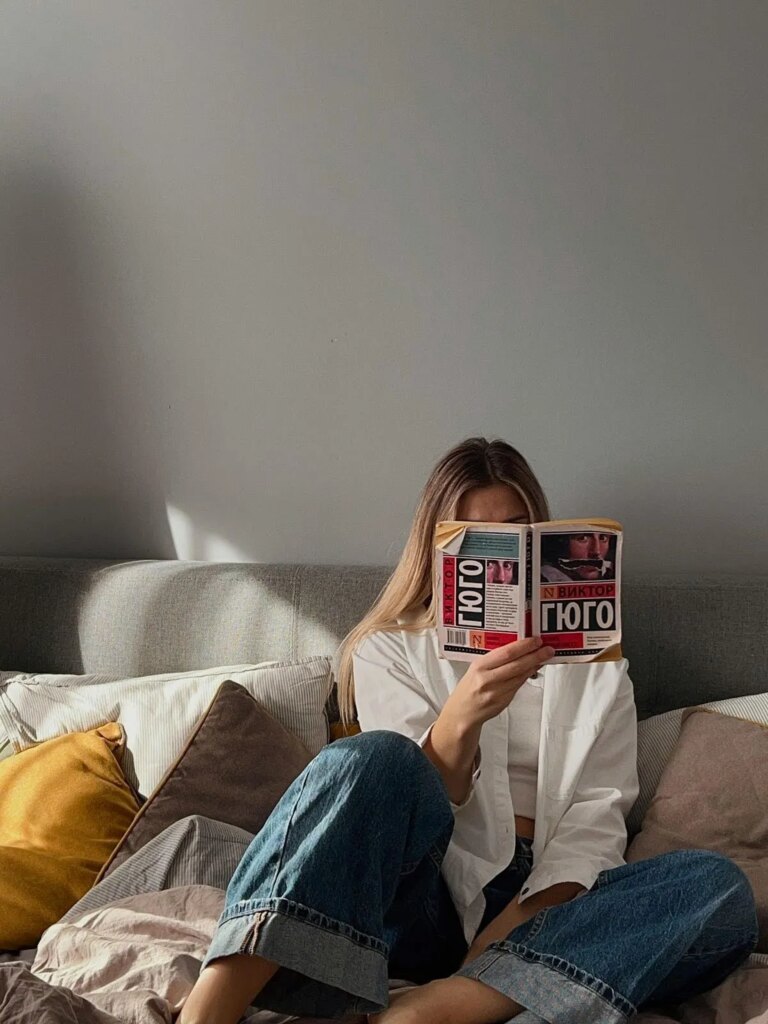
For many, reading is too simple; it is not as impressive as a week on a yacht or the newest designer purse, but it has stayed around so long for a reason. Books are methods of time travel; readers can explore and immerse themselves in worlds we could never even dream of.
We can escape our lives for a few moments while hanging onto every last word we read, feeling the pleasure of both being entertained and mentally stimulated. Unlike many other quick forms of pleasure, reading is far simpler. It does not drain our mental resources by overloading our brains, but it does make us work harder and concentrate more deeply.
The Quiet Power of Reading
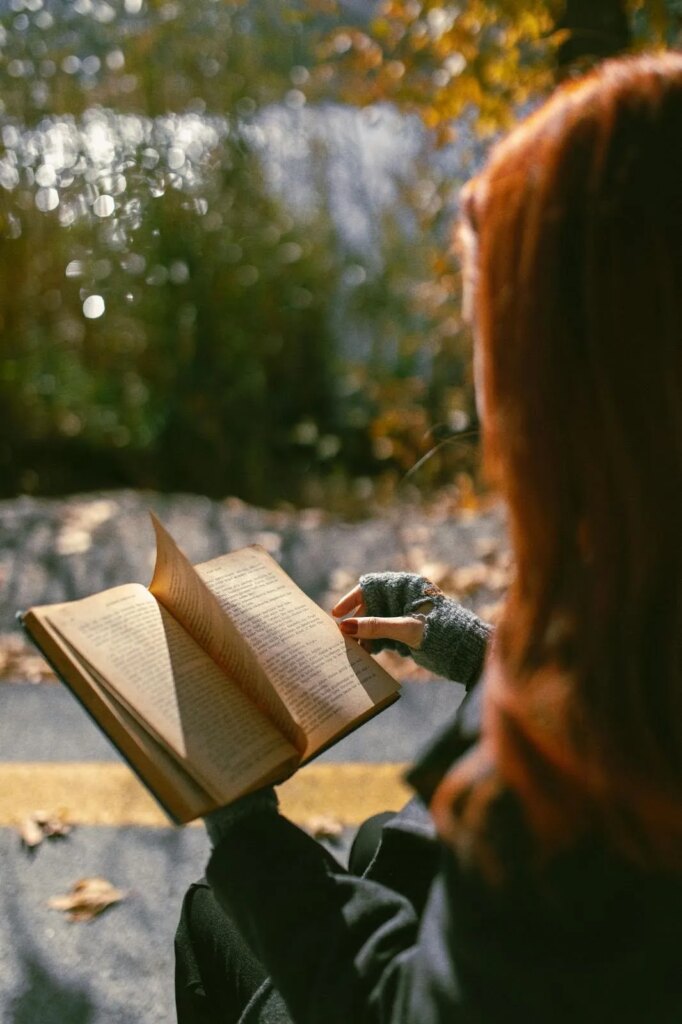
There is no one set protagonist you must follow; the beauty of reading is that there is a book that will reflect everyone. There is a work that will reach out to you at every stage of your life, and give you the pleasure of escapism, and also the pleasure of being understood. Turning paper and sitting in the same place may seem uninteresting, but it is an act that is well known to be enjoyable. It is simple, and in simplicity comes beauty.
Redefining Pleasure and Success
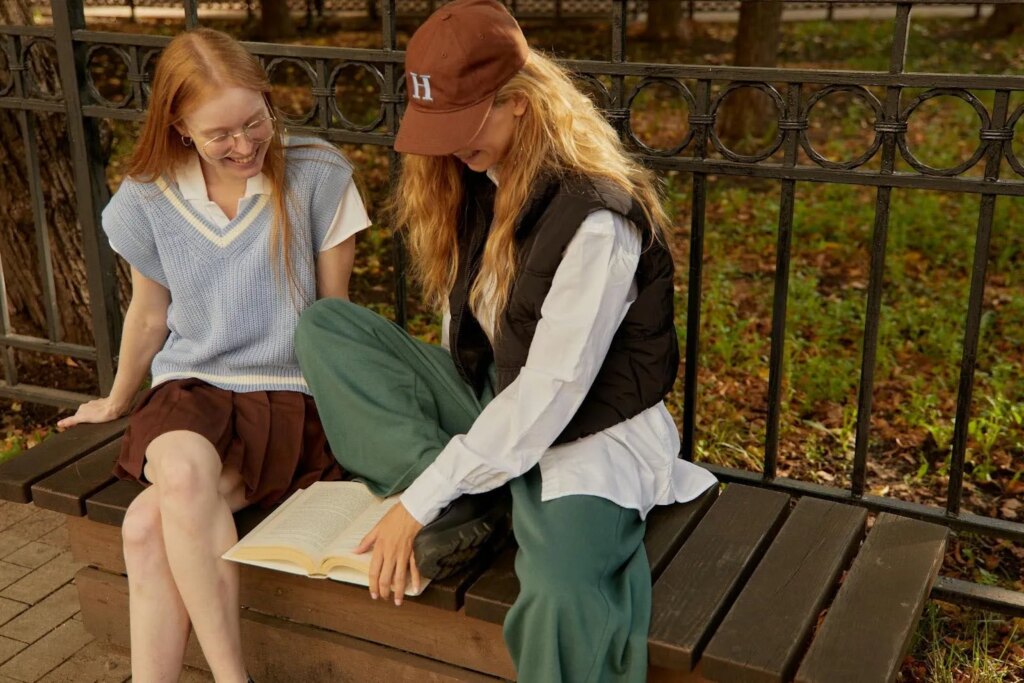
At the end of the day, there are only a few things that really, truly matter to us, and they cannot be bought by diamond rings. To find yourself surrounded or visited by friends and family, standing as the simple reminder that you are loved and seen. Is there anything more important than this kind of pleasure and love? Further, do we love these material themes only because others approve of these items, or because we really like them?
Learning to See Small Pleasures Again
Life is too short to only appreciate the small things when we reach old age. We spend so much of our lives commenting on the shortcomings that we forget to appreciate the good that we do have. Yet hope is not lost: our brains are sponges, and even when they fall into bad habits, they can be retrained. To notice the smaller, we need to look closely.
Kind of like a Caillebotte painting that only becomes brilliant when you take a few steps away, sometimes we need to sit with something, or someone, before the colours come to life. Rewards now are so instant, but reading a book takes time; it is a long pleasure that builds right until the end, when you reach those final few lines.
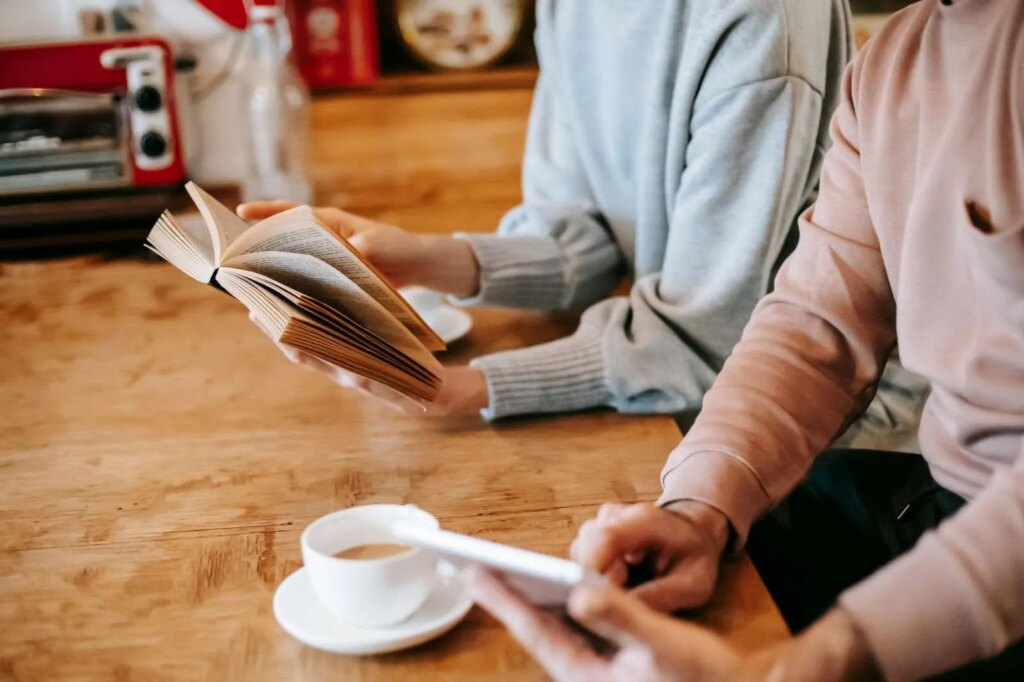
Like completing a big project or thesis, reading a book provides one with a feeling of accomplishment as well as success. It is not just a moment, but hours of concentration and understanding, and to humans, that is a very important aspect of pleasure. Although it is mostly in our older age that we truly appreciate the simplicity of pleasure and happiness, there is nothing saying we cannot welcome it now.
American author Sandra Cisneros once said, ‘The older I get, the more I’m conscious of ways very small things can make a change in the world.’ How could the small pleasures of life change your own?

Vincent Phan
Vincent is the founder and Editor-in-Chief of 1000 Libraries Magazine. He is a Paris-born ex-corporate turned bookseller and philosopher, on a global mission to spread the joy of physical books in our age of digital technology.