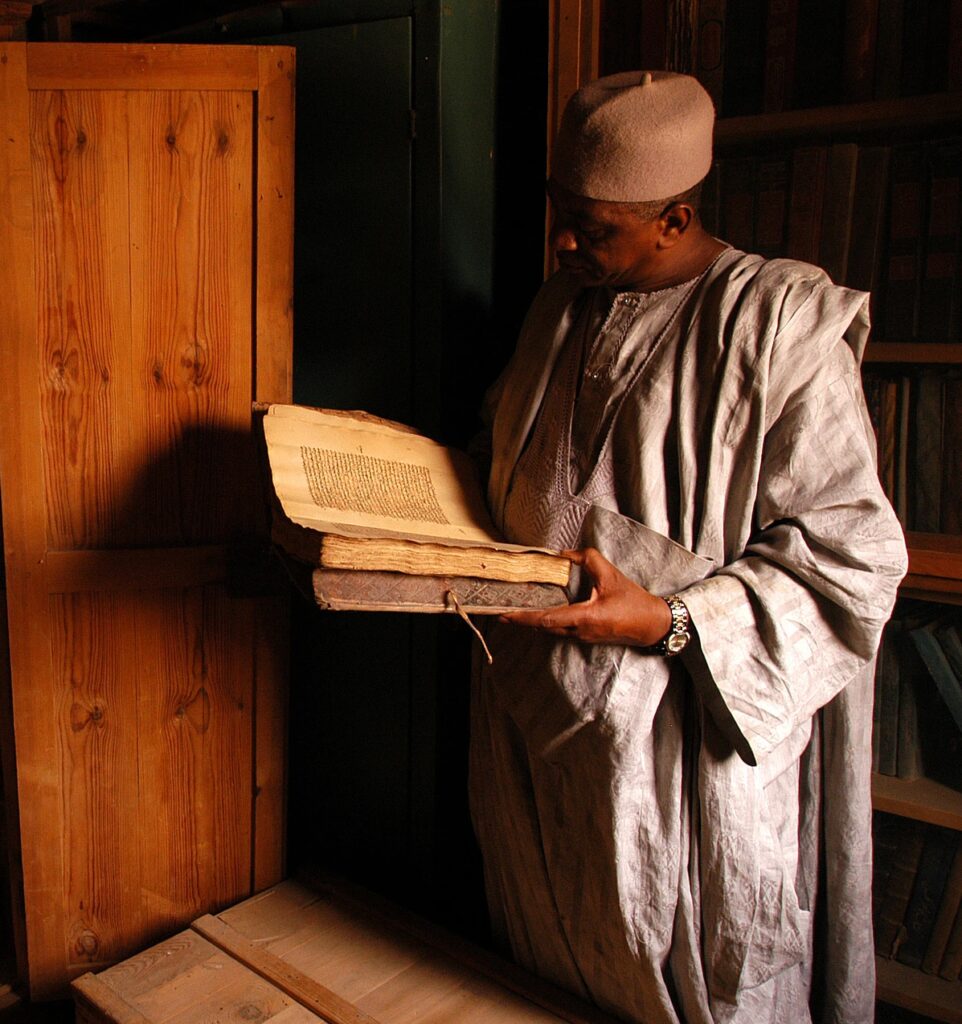

Hundreds of thousands of ancient manuscripts. One city. One brave librarian who refused to let history burn.
When people picture heroes, librarians don’t usually make the list, but maybe they should. In 2012, as extremists closed in on the ancient city of Timbuktu, one librarian made a quiet, dangerous decision: the city’s priceless books would not be lost on his watch. What followed was a real-life story of courage, secrecy, and determination, as centuries-old manuscripts were smuggled out under the noses of armed militants.
Timbuktu: A Legendary City of Scholarship
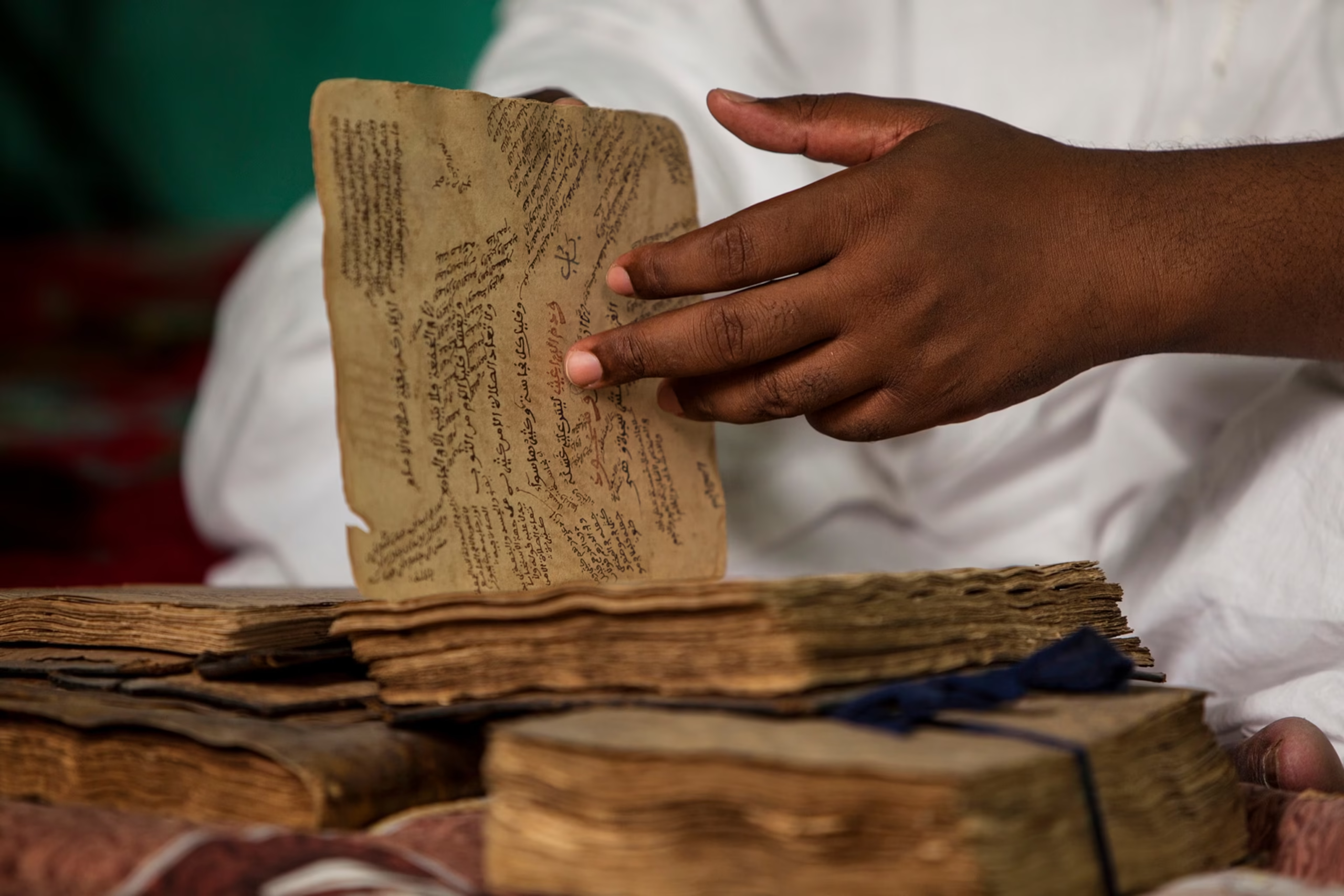
What most people don’t know is that for centuries, Timbuktu was also one of the greatest centers of learning in the world, home to an astonishing collection of ancient manuscripts on everything from astronomy and medicine to law, poetry, and theology.

And the reason so many of those priceless texts still exist today despite being threatened with destruction by extremists is because of one extraordinary man: Abdel Kader Haidara, the librarian and manuscript-guardian whose courage and ingenuity helped save hundreds of thousands of books that might otherwise have been lost forever.
Timbuktu’s rich history as a hub of Islamic scholarship dates back to medieval times, when traders, scholars, and students from across Africa and the Middle East flocked to study in its libraries and madrasas. Over centuries, families in the city collected tens of thousands, maybe hundreds of thousands, of handwritten texts covering topics you wouldn’t expect in the desert: mathematics, philosophy, law, medicine, poetry, and more.
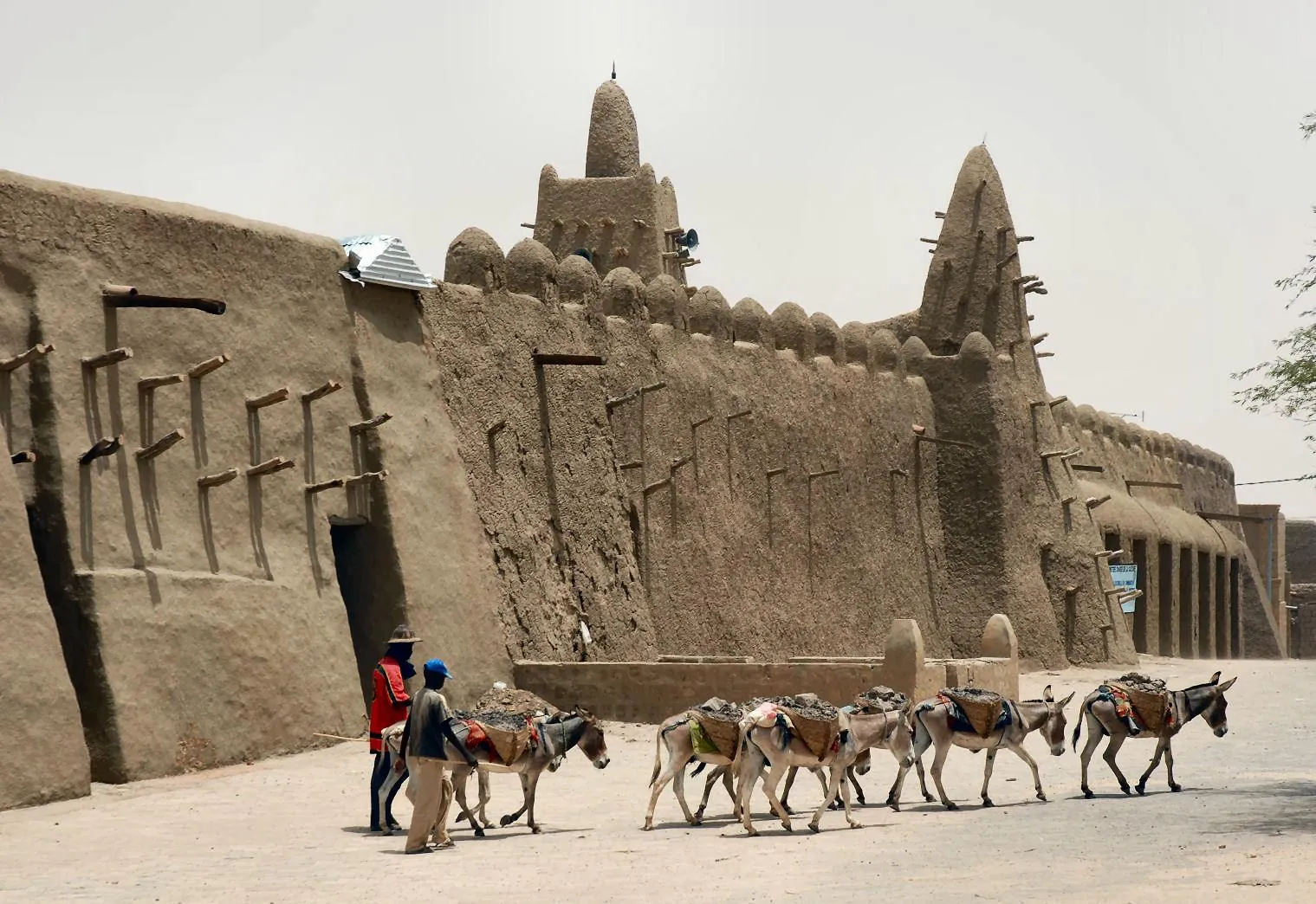
These manuscripts were precious records of Africa’s intellectual and cultural heritage, so significant, in fact, that many scholars compare their importance to other globally treasured archives. But unlike many great repositories elsewhere, Timbuktu’s manuscripts weren’t all stored in a grand museum. Instead, they belonged to families, private libraries, and community institutions, passed down through generations.
Enter the Librarian: Abdel Kader Haidara
Imagine being the person responsible for protecting hundreds of thousands of priceless artifacts while armed extremists take over your city. That was the reality facing Abdel Kader Haidara, a tall, thoughtful man born and raised in Timbuktu whose life was shaped by its written history.
As the owner of the largest private manuscript collection in town and founder of the heritage organization SAVAMA (Sauvegarde et valorisation des manuscrits pour la défense de la culture islamique), Haidara was essentially the chief caretaker of one of Africa’s richest cultural legacies.
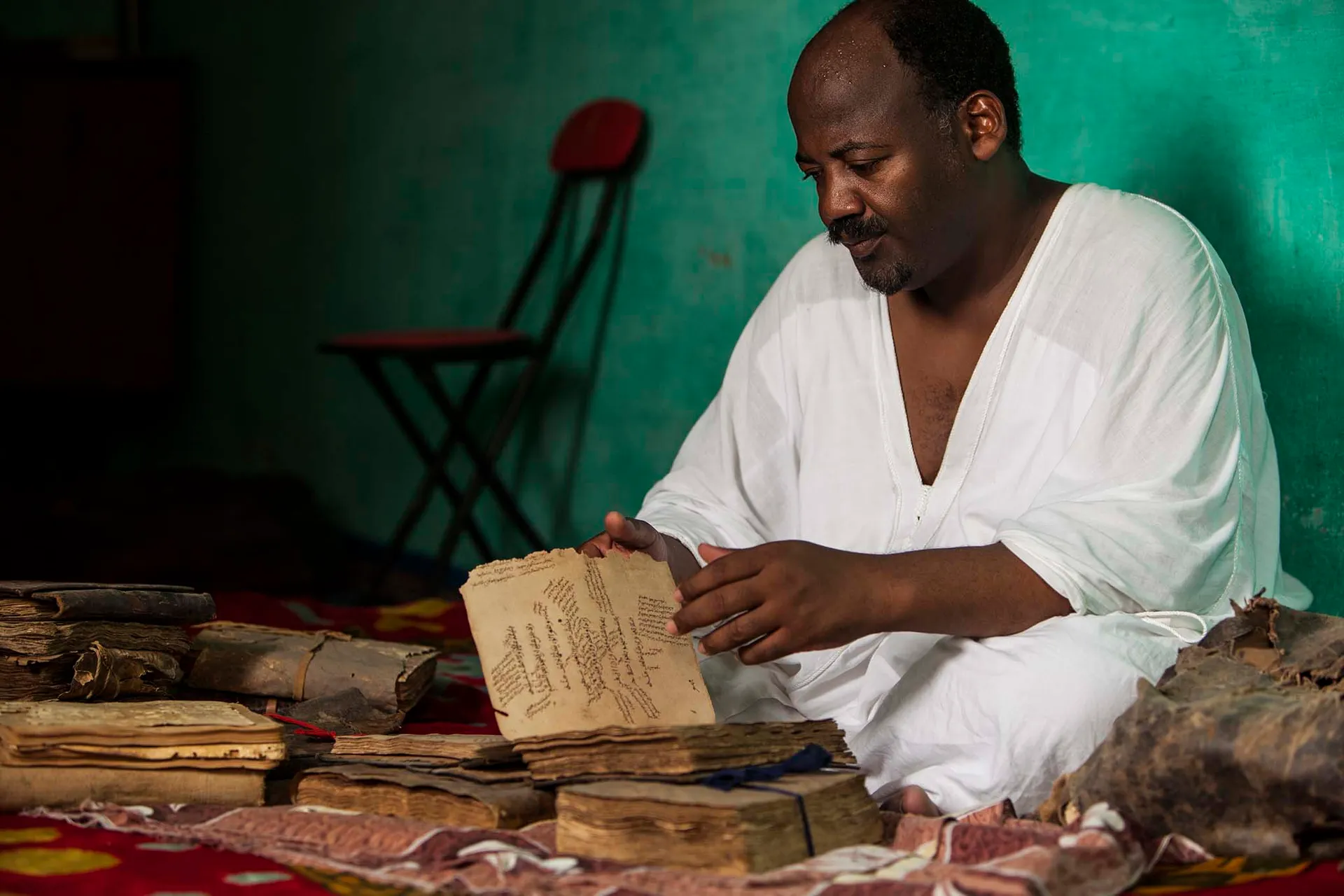
When jihadist fighters marched into Timbuktu, Haidara didn’t flee immediately like many others. Instead, he stayed, quietly organizing a plan that seemed almost fantastical: evacuate the manuscripts before they could be destroyed.
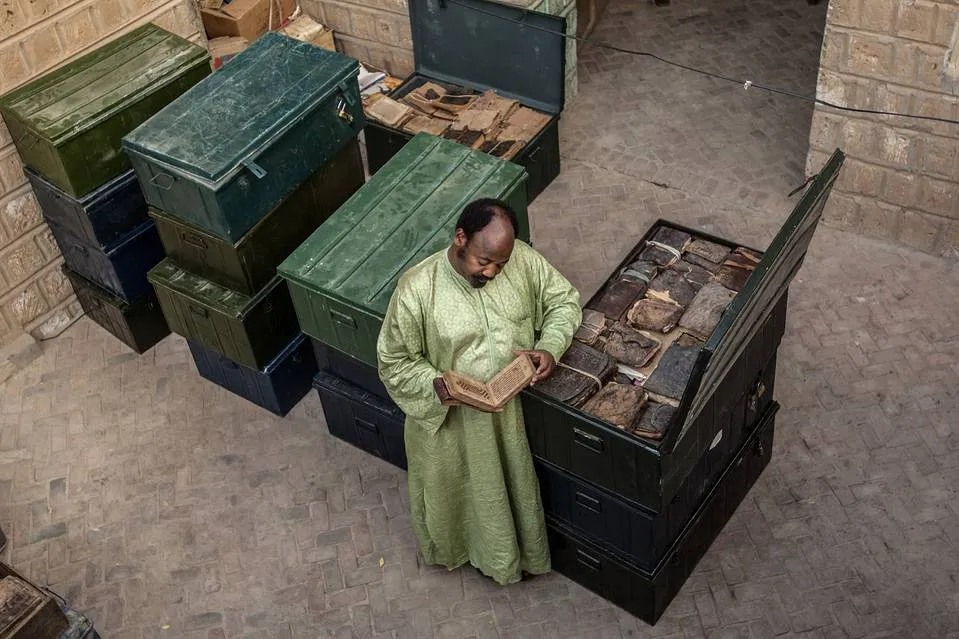
He began by moving the manuscripts from public libraries into the homes of families who had traditionally preserved texts. It was slow, secretive work, done under the cover of daybreak and dusk. The manuscripts were packed into metal trunks and hidden throughout the city, a risky strategy that relied on stealth and trust.
Smuggling the Manuscripts Out of Town
With the manuscripts tucked away safely in private houses, Haidara and his allies realized they needed to move them out of Timbuktu entirely and fast. The extremists had already burned some texts and made it clear that Sharia law would not tolerate treasures like these.
What followed was a true logistical feat, almost unbelievable in its daring.
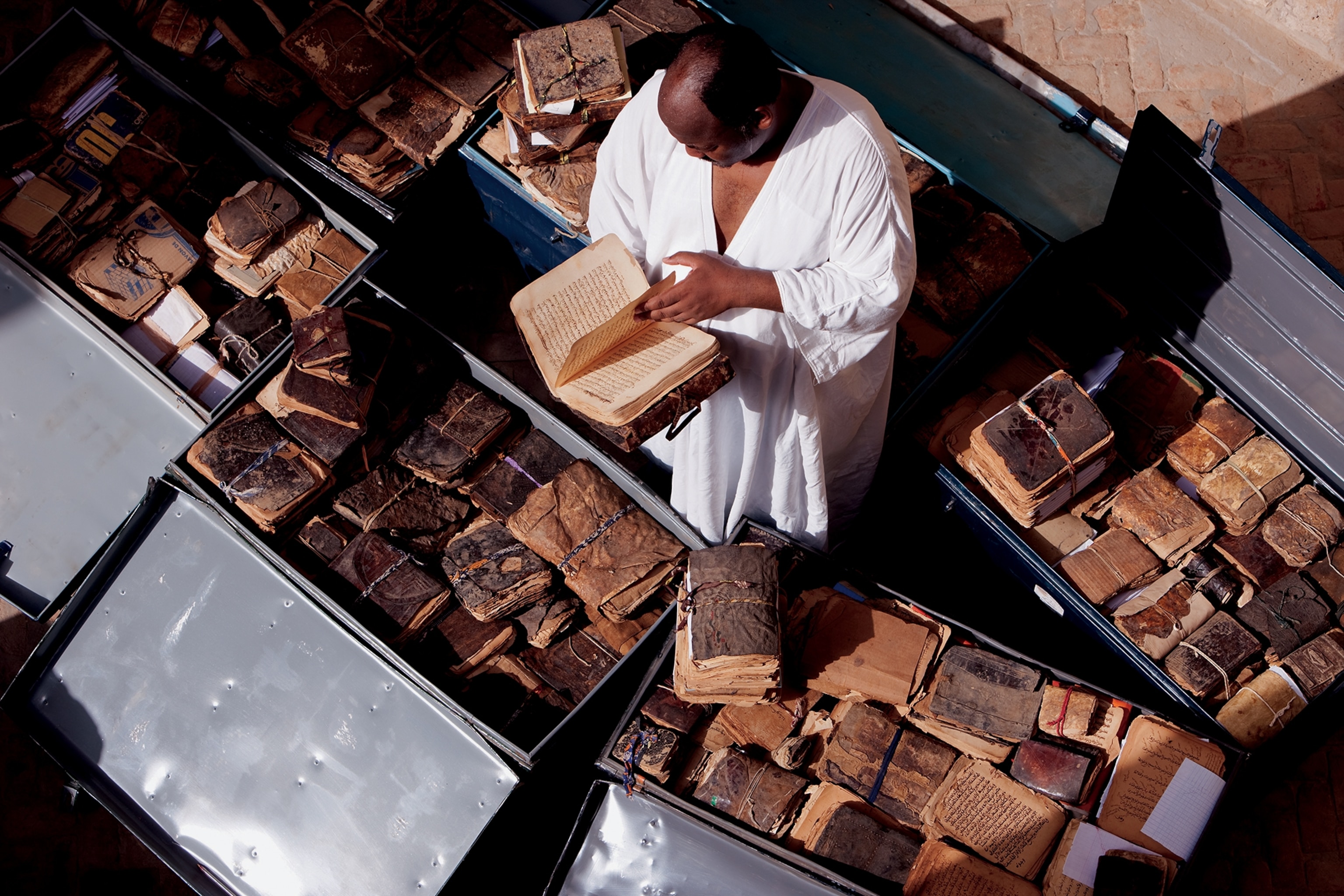
Teams of couriers, including Haidara’s own nephew and volunteers from families with manuscript collections, began smuggling boxes of manuscripts out of the city, often by nightlight, concealed under blankets or in metal trunks. These weren’t slick covert ops: manuscripts traveled by donkey cart, on pushcarts, hidden under car seats, and even on canoes down the Niger River. Every checkpoint manned by militants was a threat; every journey could spell disaster.
The plan had three major phases:
- Move the manuscripts into safehouses within Timbuktu. This allowed them to avoid immediate threats from fighters scanning the libraries.
- Smuggle the manuscripts past checkpoints and across long distances to Bamako, Mali’s capital. This meant navigating desert roads, rivers, and the constant danger of encounter with militants.
- Once the north became a full war zone, traditional road travel became nearly impossible, so the rescue operation shifted to water transport down the Niger River, a slower, more circuitous but safer route to freedom.
Despite all odds, this team of librarians and volunteers pulled it off. By the end of the mission, estimates suggest more than 350,000 ancient manuscripts, nearly the entire archive, had made it safely to Bamako, far from the grasp of jihadists. Only a few thousand were lost to burning or looting.
Heroism in the Shadows
What makes Haidara’s story so remarkable isn’t just the scale of the operation; it’s the calm courage with which he and his allies conducted it. These were books, after all, not weapons, not treasure in the everyday sense, but ideas. They risked their lives to protect knowledge because they understood what it meant to humanity, to history, to the heritage of West Africa and the world.
As Haidara himself once implied, losing those manuscripts would have meant erasing centuries of intellectual life, a loss not just for Mali, but for all of us.
That’s why his work has inspired books like The Bad-Ass Librarians of Timbuktu and led to him featuring in books like Protectors of the Written Word. There are even documentaries that tell this incredible story of bravery, stealth, and deep love for knowledge. While Haidara wasn’t wearing a cape, in many ways, he was a protector of culture, a defender of history, and an unlikely hero you probably didn’t learn about in school.
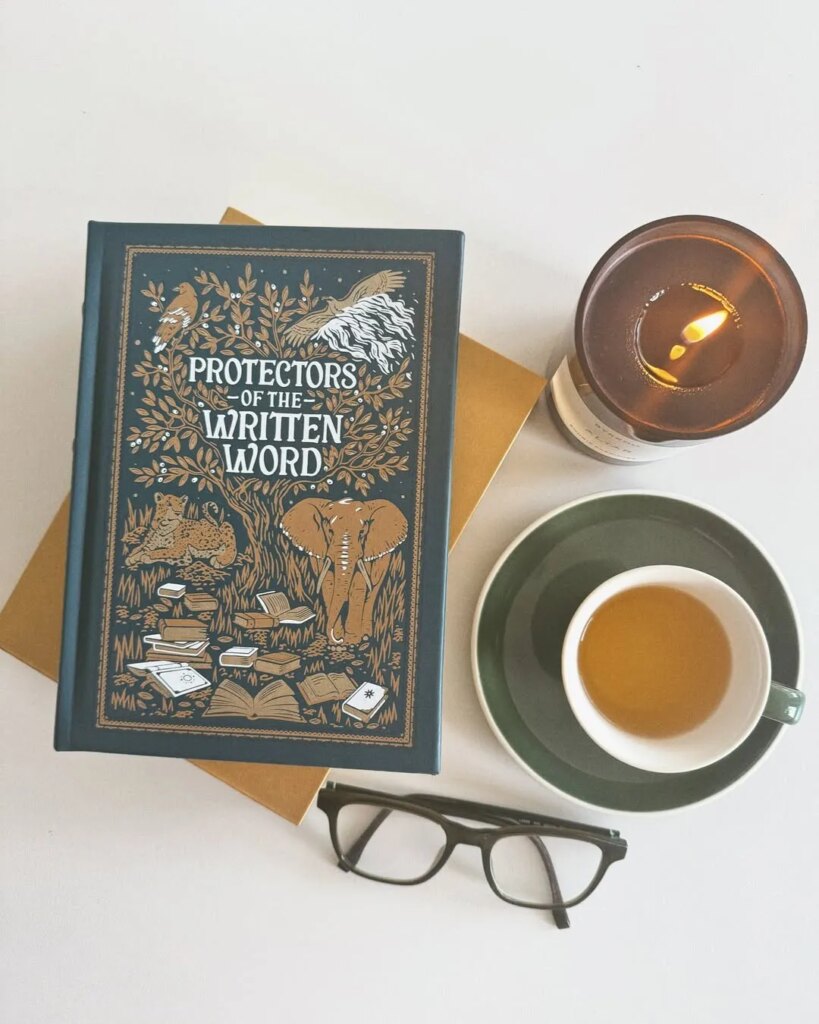
His story is featured in Protectors of the Written Word alongside 24 others who have devoted their lives to sharing the joy of reading.
The book brings together inspiring journeys from around the world, written as a heartfelt love letter to everyone who believes in the power of books. You can order your copy here.

Millie Ramm
Millie has been writing since she was a child, and has spent more time with her nose in books than anywhere else. She has been ghostwriting novels and editing for the past few years, and when not working she is curled up with her cats, looking for her next read.