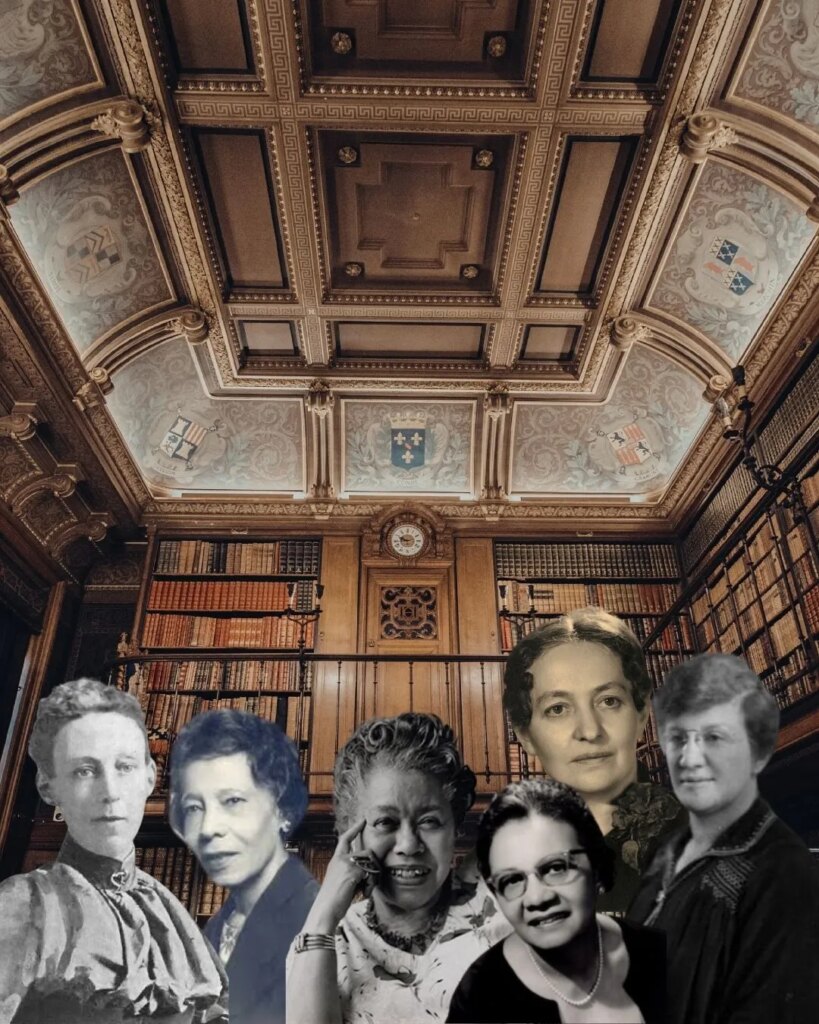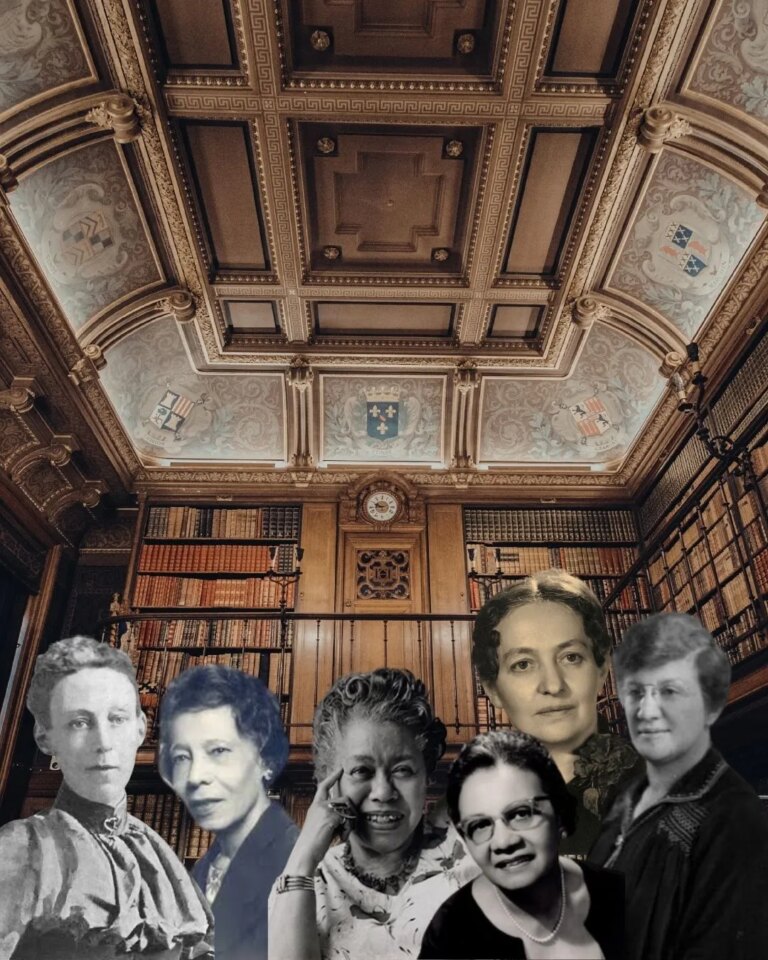

Libraries didn’t change the world by accident. They were shaped by bold women who believed knowledge belongs to everyone.
When people think of world changers, librarians don’t always spring to mind, which is honestly wild when you consider how much power lies in information, access, and storytelling. Libraries are where ideas circulate, identities are affirmed, and communities grow. And behind many of the world’s most influential libraries? Women with vision, nerve, and a deep belief that everyone deserves knowledge.
So, in honour of International Women’s Day this March 8th, let’s shine the spotlight on librarian women who didn’t just manage collections, they transformed culture, challenged injustice, and changed how we read, learn, and belong.
Charlemae Hill Rollins
Charlamae Hill Rollins understood something radical for her time: children deserve to see themselves in books. Working as a librarian in Chicago from the 1920s onwards, Rollins was deeply committed to building children’s collections that reflected African American lives accurately and positively.
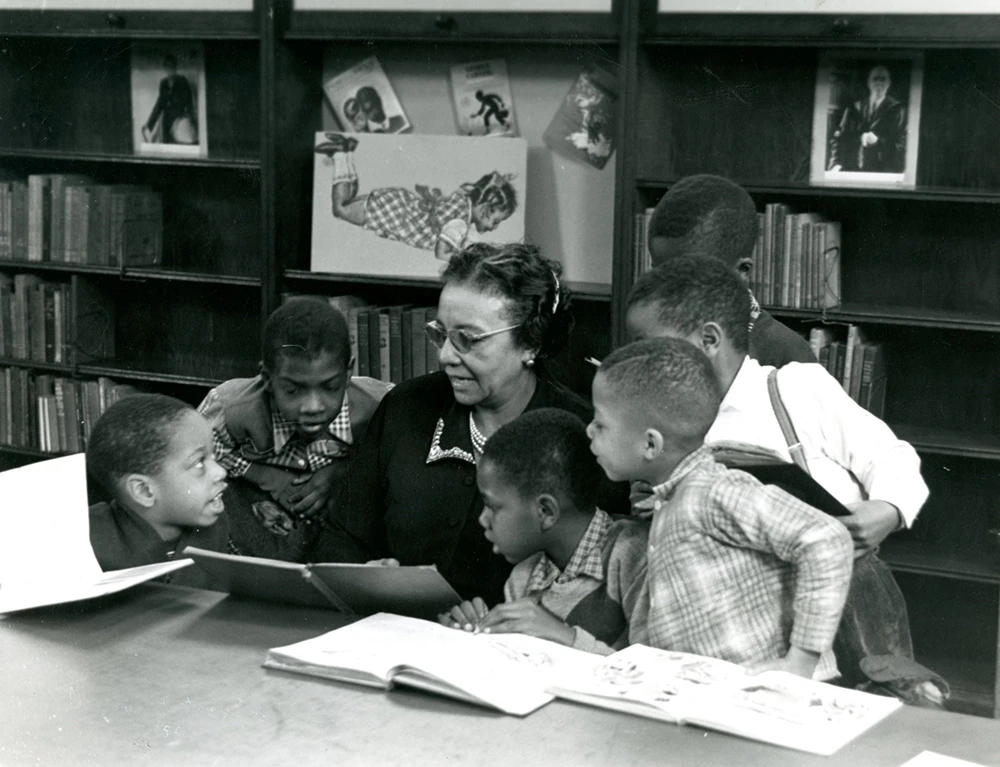
She didn’t roll over and accept racist or stereotypical titles; instead, she challenged them. Rollins actively removed harmful books from shelves and replaced them with stories that celebrated Black culture, history, and everyday experiences. She also worked with parents, educators, and community groups, helping adults understand the power of literature in shaping self-worth and identity.
Long before “diverse books” became a publishing buzzword, Rollins was doing the work thoughtfully, courageously, and with children at the center of it all.
Mary Cutler Fairchild
If libraries feel professional, organized, and trusted today, Mary Cutler Fairchild is part of the reason why. A major figure in library education in the early 20th century, Fairchild helped standardize library training and promoted librarianship as a serious, skilled profession.
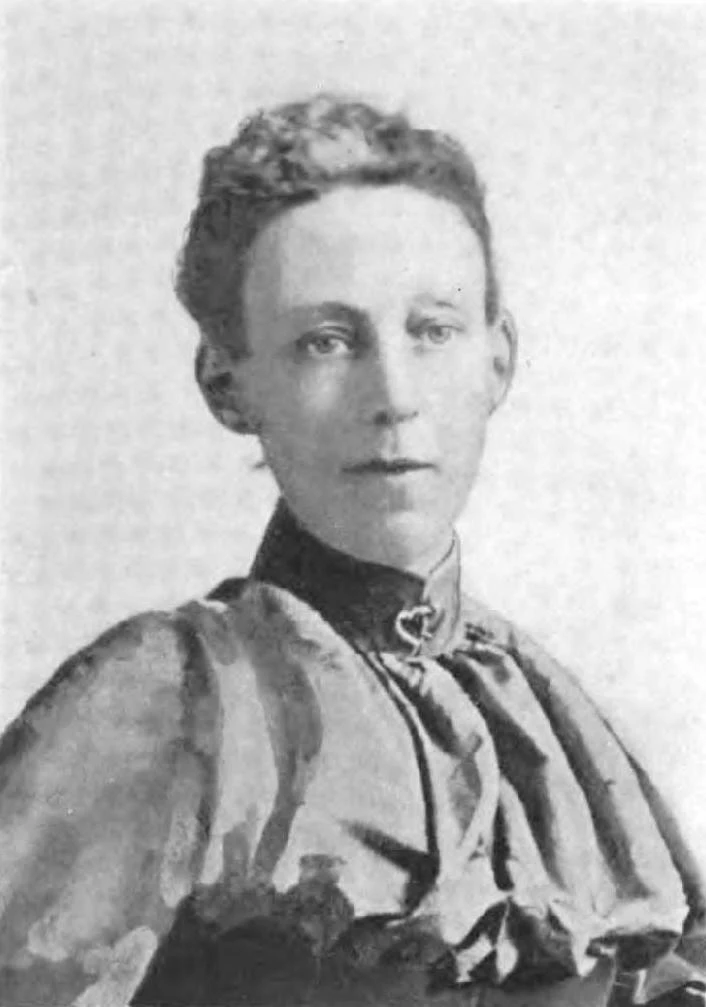
She played a key role in advancing the use of the Dewey Decimal System and worked at influential institutions like Columbia University and the New York State Library School in Albany.
Her impact wasn’t flashy, but it was foundational. By training generations of librarians, Fairchild shaped how libraries functioned across the United States.
Sometimes changing the world looks like building strong systems and making sure they last.
Suzanne Briet
Suzanne Briet didn’t just think outside the box; she questioned whether the box should exist at all. A French librarian and theorist, Briet revolutionized how we understand information itself.
In her landmark 1951 work What Is Documentation?, she argued that documents weren’t limited to books or papers. According to Briet, anything that records or conveys information, even an animal in a zoo, could be considered a document if it’s used for knowledge. Mind-blowing stuff, especially at the time.
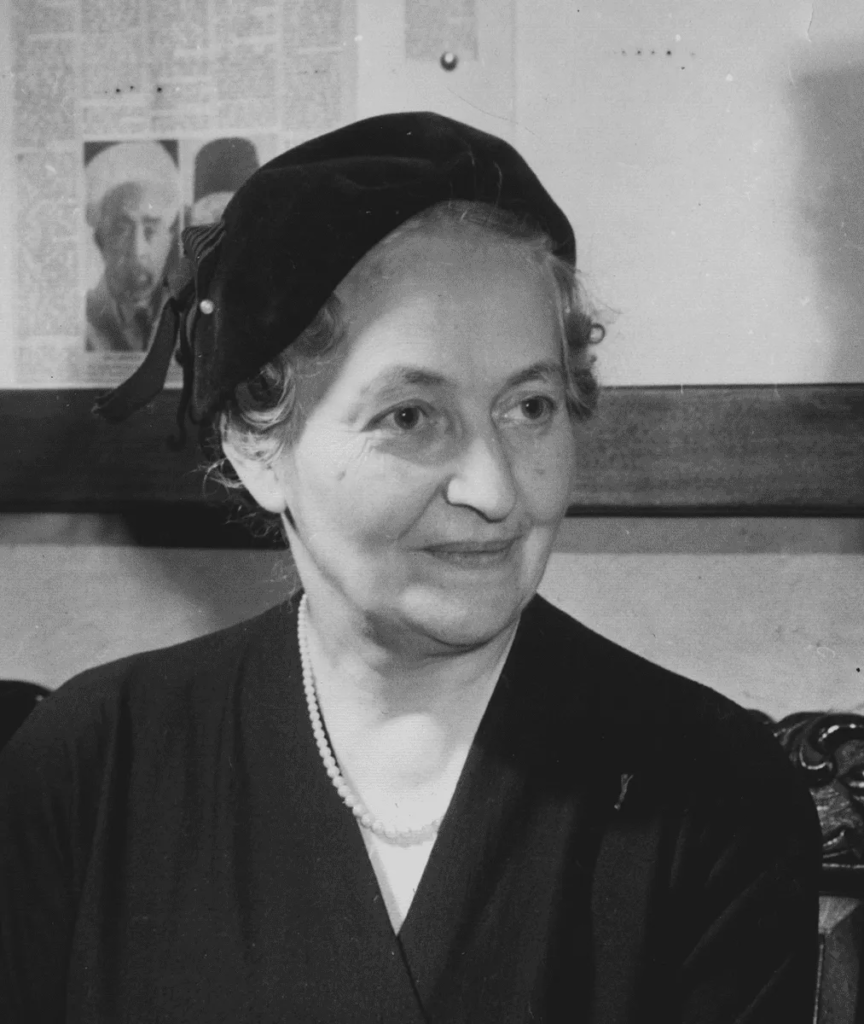
Her ideas laid the groundwork for modern information science and digital librarianship. So if you’ve ever searched an online archive, database, or digital collection, you’ve felt the ripple effects of Suzanne Briet’s thinking.
Jennie Maas Flexner
Jennie Maas Flexner believed that reading should be joyful, full stop. As the New York Public Library’s first readers’ advisory chief, she championed the idea that people should be encouraged to read what they love, not what they’re told they should read.
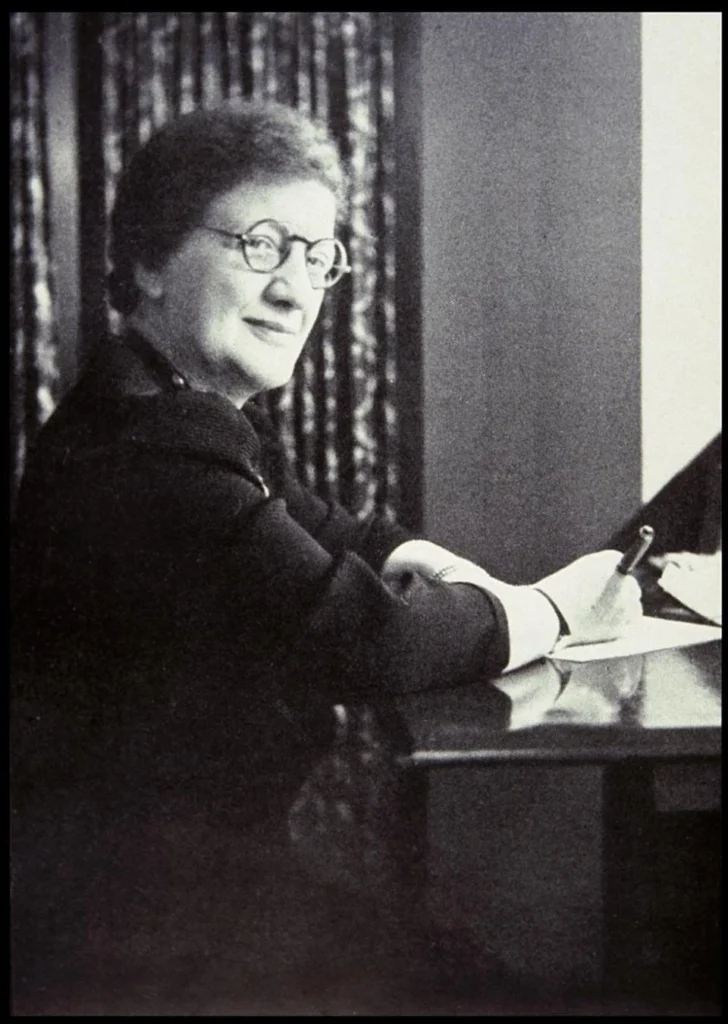
That might sound obvious now, but it was revolutionary in an era when libraries often acted as gatekeepers of “proper” taste and the “canon.” Flexner trusted readers and valued pleasure, curiosity, and personal connection. Her philosophy helped democratize reading and made libraries feel more welcoming and less intimidating.
Basically, if you’ve ever had a librarian recommend a book just because it’s fun, thank Jennie.
Augusta Braxton Baker
Augusta Braxton Baker was a giant in children’s librarianship. Joining the NYPL in 1937, she became a powerful advocate for accurate and respectful portrayals of Black children and families in literature.
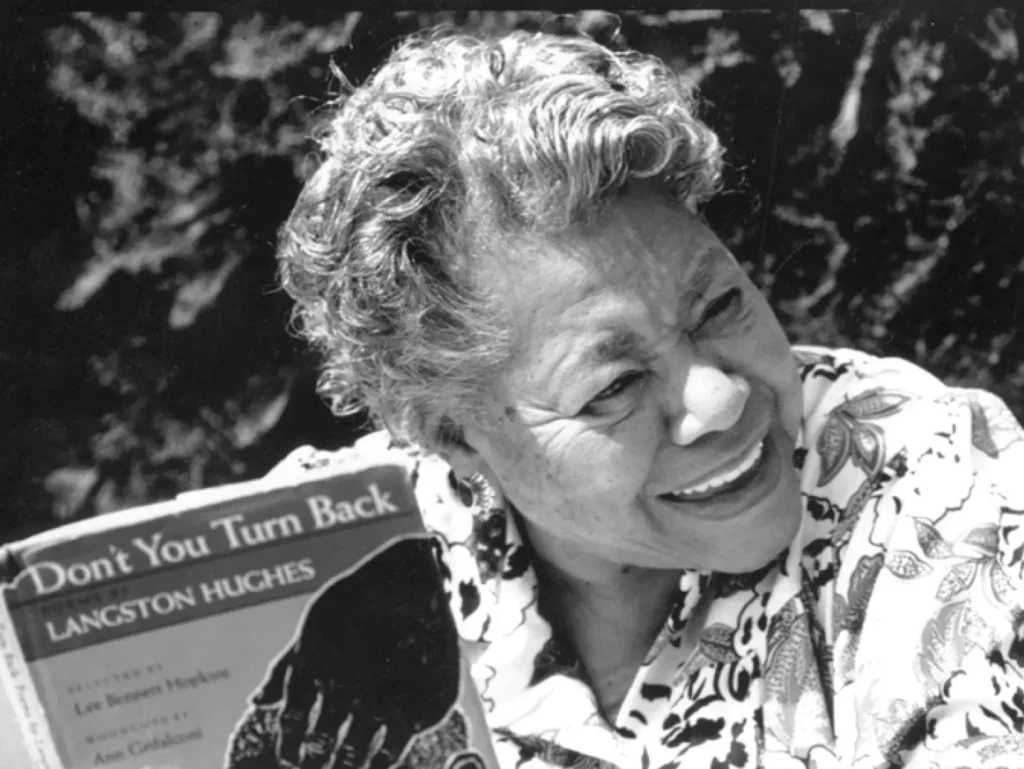
She worked tirelessly to improve the quality of children’s books, advising publishers, mentoring writers, and shaping collections that pushed back against stereotypes. In 1953, she broke barriers by becoming the first African American librarian to hold an administrative position at NYPL.
Baker didn’t just believe representation mattered; she made it happen, one carefully chosen book at a time.
Pura Belpré
Pura Belpré brought storytelling to life. As NYPL’s first Puerto Rican librarian, she introduced bilingual story hours, celebrated Latin American folklore, and made Spanish-language books visible and valued in public libraries.
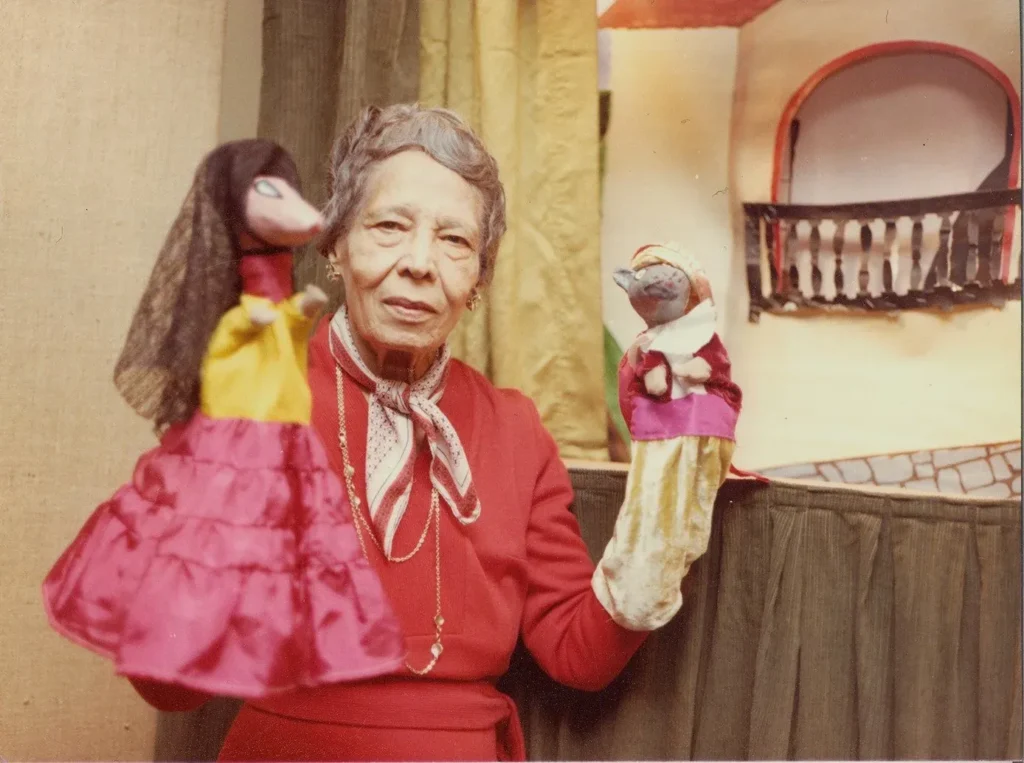
She didn’t just translate stories, she performed them, weaving music, oral tradition, and cultural celebration into library spaces. For many immigrant families, Belpré transformed the library from an intimidating institution into a welcoming home away from home.
Her legacy lives on today in the Pura Belpré Award, which honours outstanding Latino/Latina children’s literature.

Millie Ramm
Millie has been writing since she was a child, and has spent more time with her nose in books than anywhere else. She has been ghostwriting novels and editing for the past few years, and when not working she is curled up with her cats, looking for her next read.