
Ever felt nostalgia for something you never had? Learn how the Welsh word hiraeth gives that feeling a name.
In the 2004 Spanish film, The Motorcycle Diaries, there is a scene where Ernesto Guevara de la Serna is walking through the ruins of Machu Picchu in awe. Here, in between ruins and the lush greenery, he asks himself: ‘How is it possible to feel nostalgia for a world I never knew?’
Nostalgia for the Unlived: Longing Beyond Memory
A wish can be a beautiful yet devastating thing. It can both propel us forward and freeze us in the past. We may wish that our partner had understood us better, we may yearn for the type of love we read about in old books, and we can either mourn the way things are or move to create a different reality.
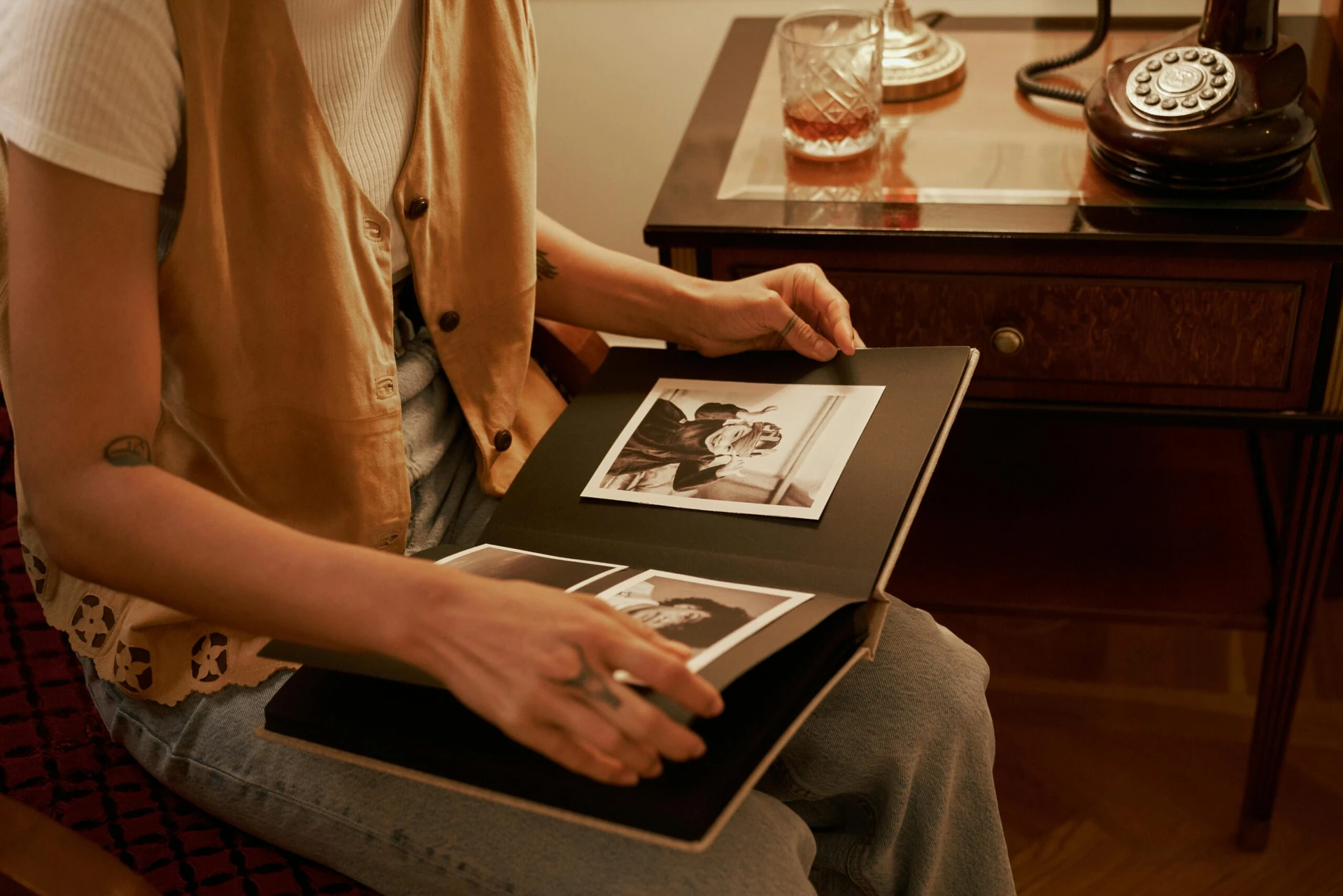
Sometimes we yearn for things that never were, things that could have been, or versions of the world that live only in our memory. We do not have a word for this in English; the closest thing we have is perhaps nostalgia, but even this does not quite capture it. Therefore, we must search in other languages and use other dictionaries.
The Origins of Hiraeth and the Treachery of the Blue Books
In 1847, Wales underwent a public inquiry about the state of Welsh education. This event would soon become infamously known as The Treachery of the Blue Books, as all the government books used for inquiry were bound in blue. The ‘investigation’ concluded that the Welsh were lazy and immoral people, and this was apparently due to their use of their mother tongue.
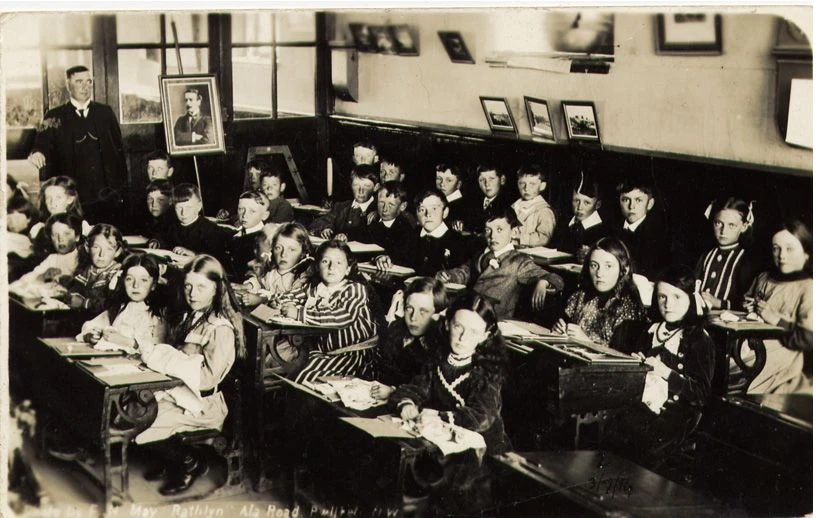
It was therefore concluded, briefly and awfully, that the Welsh should forget their own ancient Celtic language and adopt English if they wanted to improve and have better prospects. With the endeavoured erasure of an ancient language came an increased community sense of longing and sadness, a kind of sharp and uncomfortable nostalgia, a hiraeth.
What Does Hiraeth Mean? Language, Loss, and Collective Grief
The Welsh word hiraeth is formed with the word Hir, meaning ‘long’, and ‘aeth’, meaning having a sense of grief or anguish. Hiraeth puts a word to a feeling that echoes deep in our bones, a realisation that a world we want is gone forever. Some call it a protest, a shared understanding that the life we are living is unjust, that heritage has been taken.

Such an emotion is dually a mode of survival; it can push an individual or group to fight to preserve the ancient cultures and traditions and ensure that what once was is not lost forever.
Why Art Seeks Feelings Like Hiraeth
The art world chases feelings akin to hiraeth, creators and consumers alike. As readers, we seek to become educated, to learn something fully and deeply, and use literature to expand and question our knowledge. An author writes to preserve something inside of them and create a work that transfers knowledge from one reader to the next.
In modern times, reading has been associated with introversion, with cosiness and softness, but writing has historically played an imperative role in creating change.
Literature as Protest: From Steinbeck to Welsh Cultural Resistance
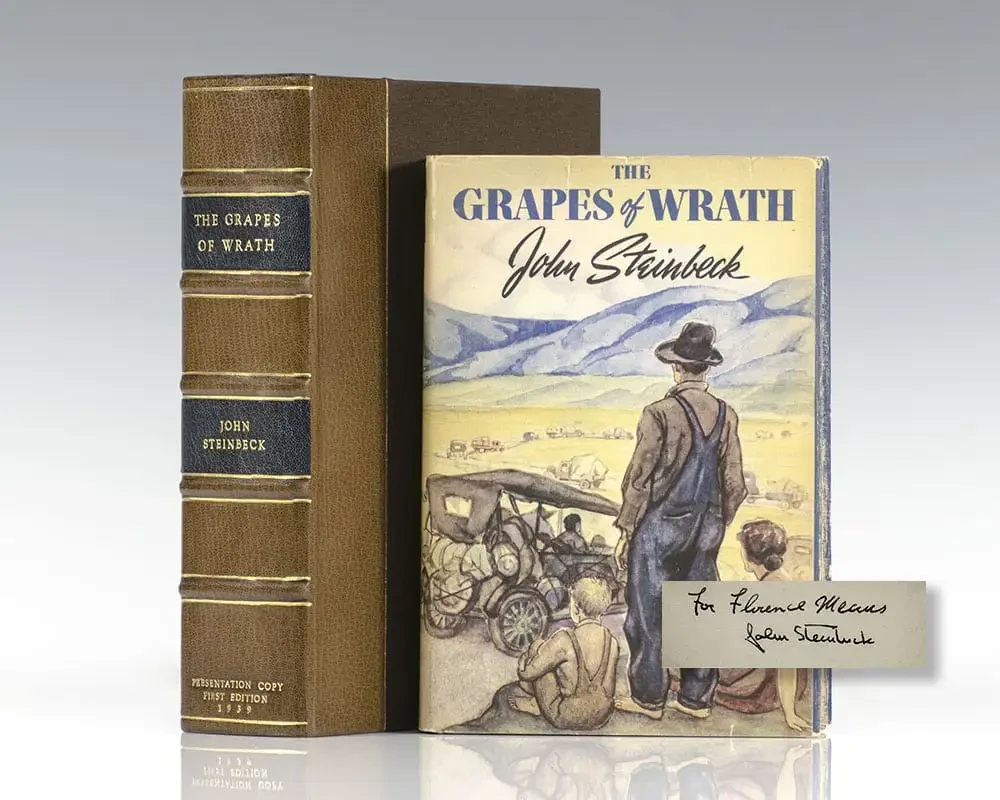
John Steinbeck’s The Grapes of Wrath depicted the harsh and vulnerable realities of migrant workers in America during The Great Depression. The reaction was one of anger. People finally had a piece of work that gave voice to their deep, brewing feelings; a voice that spoke their sense of injustice and powerlessness.
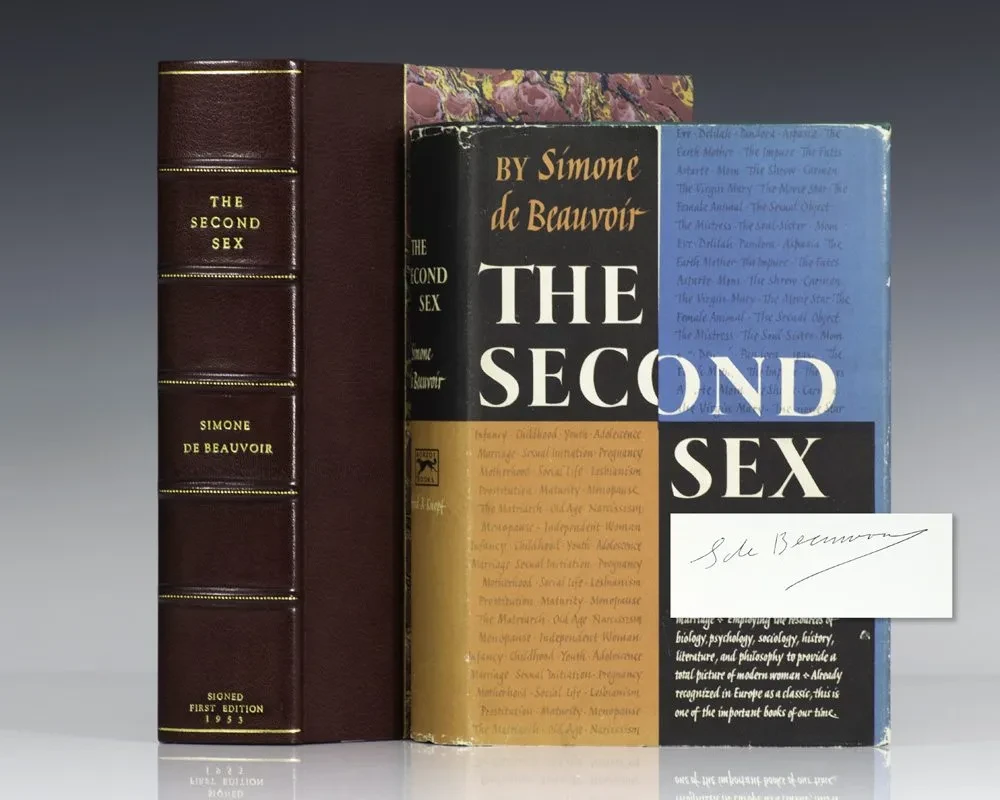
Steinbeck’s novel brought these issues into the mainstream and was titled to shine light onto the shadowy depths of the unseen. Simone de Beauvoir did something similar for women’s rights with The Second Sex, as have many authors across a range of varied but nevertheless important subjects.
Hiraeth as Memory, Pain, and Cultural Survival
The anger that was brewing amongst the Welsh people during the public education inquiry was undeniable, but R. J. Derfel’s play, Brad y Llyfrau Gleision or The Treachery of the Blue Books, finally gave the population a title for all they felt. There was finally a piece of art that embodied how they had been feeling and explained the unfairness and cruelty of the situation.
Art, be it a play, a painting, or a novel, embodies the moods and thoughts of the time in which it was created. People create words that capture specific feelings, and hiraeth is no different. It was needed, just as art is, to give words to feelings and thoughts, to be revolutionary.
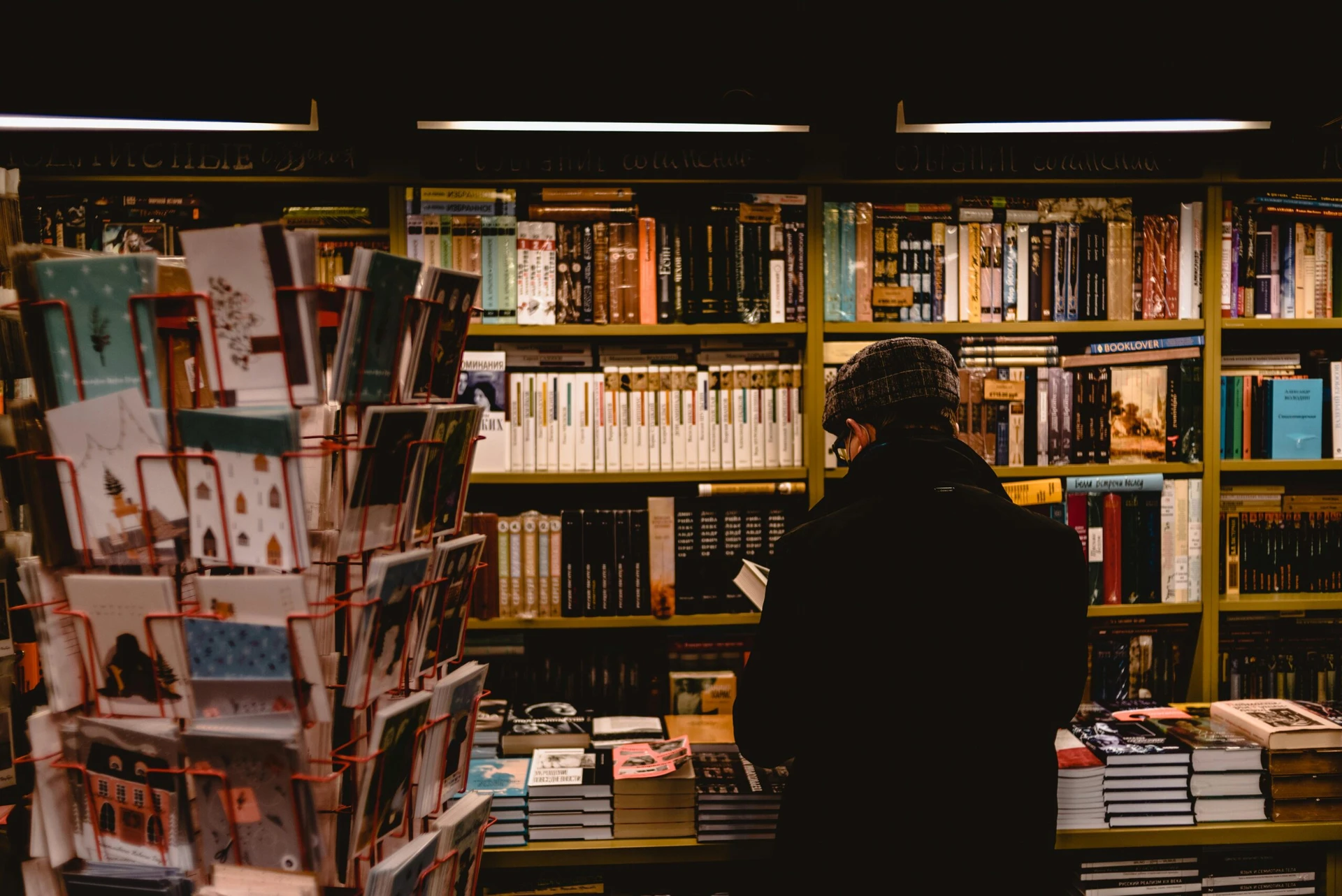
Many worlds have been built on promises by governments or leaders, leaving citizens yearning for the lives they were guaranteed, lives that never became realities. Yet memories, even if they are memories of places never been, can propel us forward, can fill us with the fire to fight to retain our culture, our language, and our art.
Our hiraeth may feel painful sometimes, but pain deepens our memory and prevents us from forgetting the past, and thus aids us in moving toward the future.

Vincent Phan
Vincent is the founder and Editor-in-Chief of 1000 Libraries Magazine. He is a Paris-born ex-corporate turned bookseller and philosopher, on a global mission to spread the joy of physical books in our age of digital technology.