
Why do hand-drawn Disney films still hold our hearts? The answer lies in wabi-sabi—and Pixar’s hand-painted film Gatto embraces it fully.
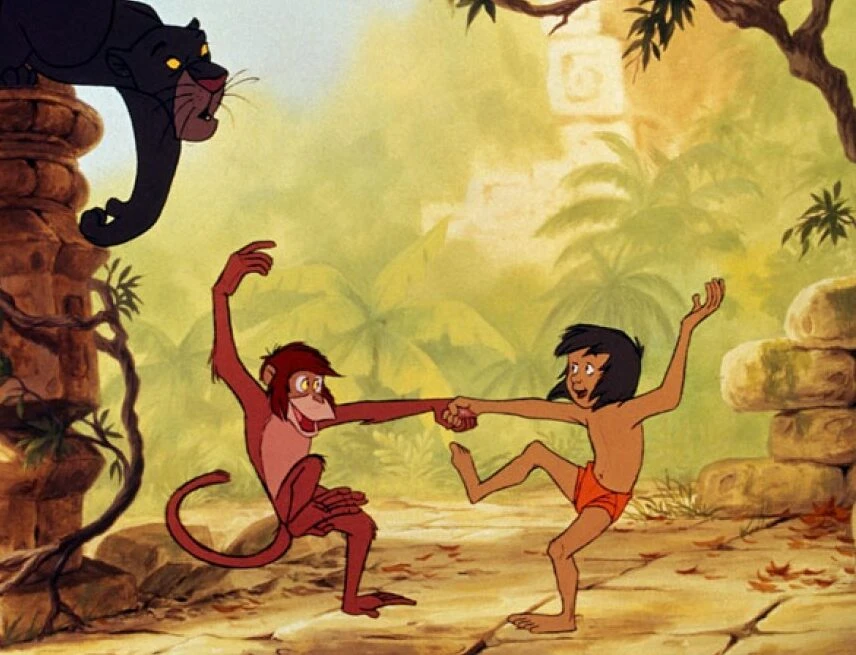
When you were little, there might have been a certain film that had nestled close to your heart, one where the characters’ eyes shone, that you watched over and over, and still remains stitched in your memory. For many of us, those films were made by Disney. The Disney Princesses, the movement of sparkling pink and blue dresses, the Lady and the Tramp sharing spaghetti over a single, half-melted candle. Even the films that weren’t based around love were romantic in their own way.
CGI, Remakes, and the Evolution of Animated Film
Like anything, the film world developed. CGI became the new giant that dominated animated films like Moana, Frozen, and Zootopia. Then we saw the remakes of our old favourites, The Little Mermaid, Beauty and the Beast, and Cinderella, to name just a few. We might have never believed what animation could transform into had we not lived it.
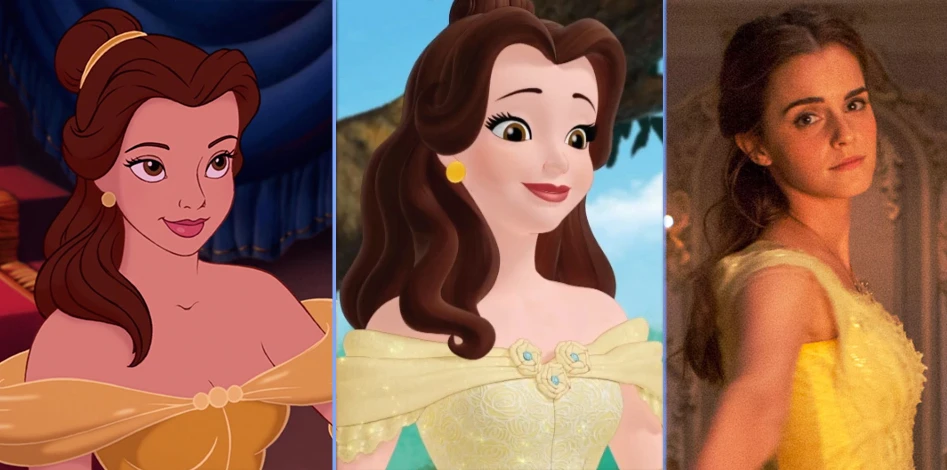
We may not have believed that one day, we would sit in a movie theatre, surrounded by the smell of butter and salt, and watch fire and ice and magic swirl lifelike onto the screen. Yet, there is still that little voice whispering that you may still long for the nostalgia of the hand-drawn animations. The imperfection and jovial humanness that comes from a pencil to paper, an artist’s imagination, and care for each element of a scene.
Princess Tiana lit up by the golden glow of fireflies, Bambi padding through the snow with big, innocent eyes, and Cinderella’s ragged dress transformed to a cerulean-blue gown fit only for a princess. Even mere words can evoke the memory of the magic we experienced, as children or adults or somewhere in-between, magic made by artists and masters of their craft.
Pixar’s Gatto and the Revival of Hand-Painted Animation
Rumour has it – Disney might be looking to return to their humbler animation beginnings. ‘Humble’ is said lightly, since hand-drawn animation is an incredibly time-consuming craft and requires a lot of effort and human power. It seems, however, judging by the lasting power of these films within our memory, that the effort may pay off.
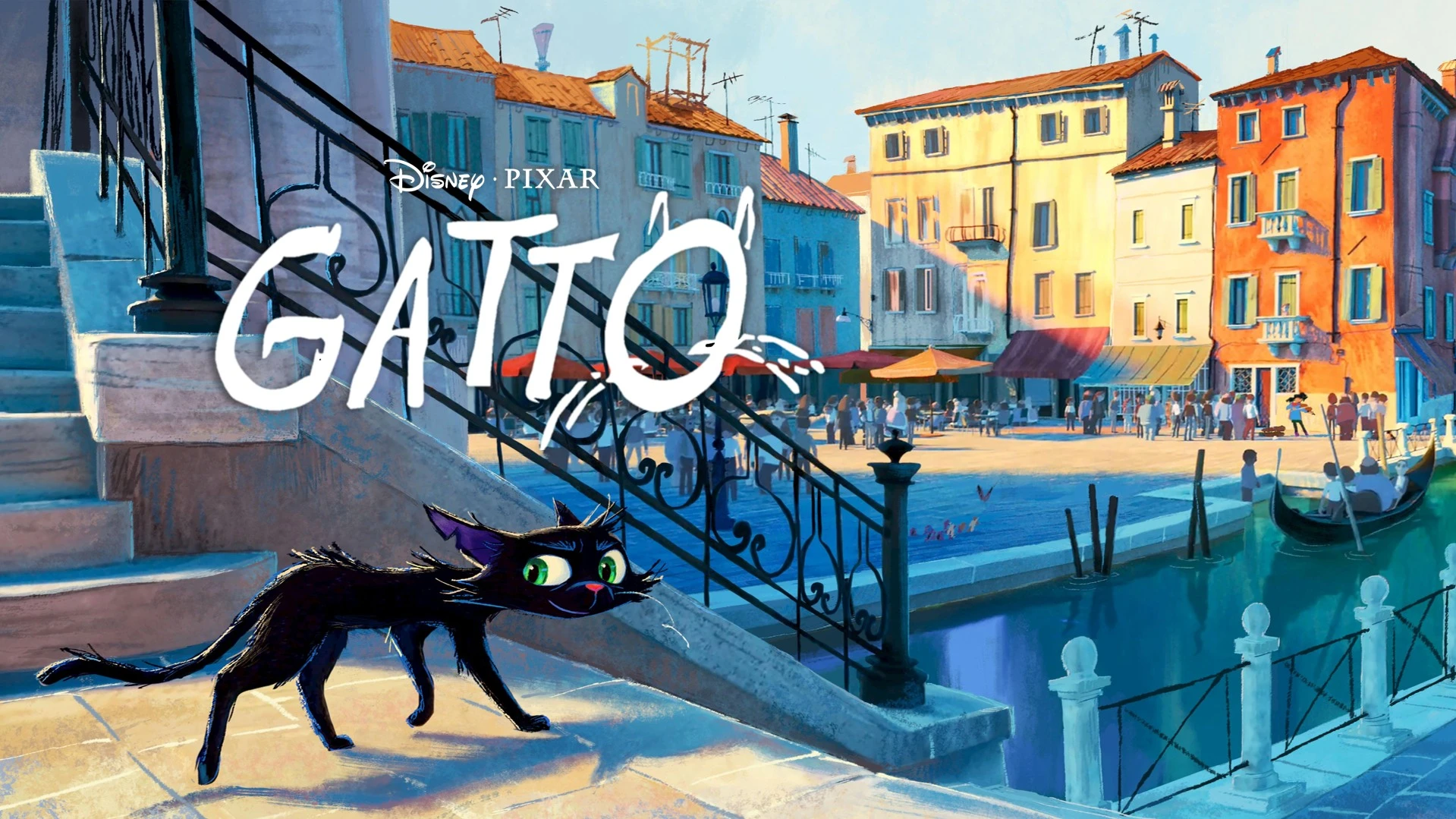
Pixar’s recent announcement of their first entirely hand-painted film, Gatto, has set off a flurry of excitement. The story, set to be released in summer 2027, follows a lonely black cat wandering the streets of Venice, navigating a journey of self-identity and fighting the superstition of unlucky black cats. The first photo of the film has been released, a blend of the old and new, an innovative take on hand-made art.
What Loving Vincent Taught Us About Human Artistry
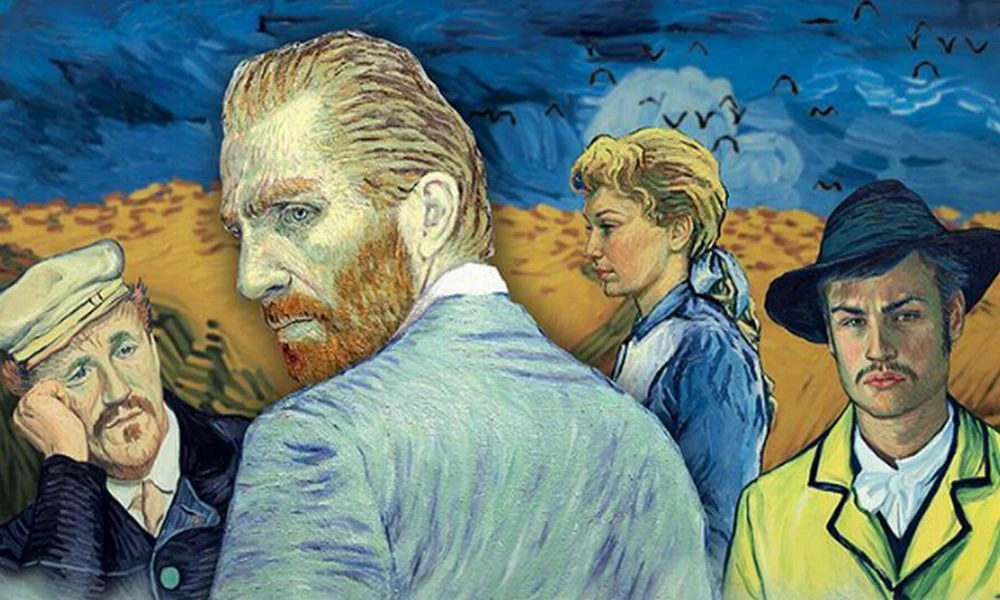
The only other fully painted film was Loving Vincent, a 2017 picture on beloved artist Vincent van Gogh, that used the skill and talent of over 100 artists in each and every frame. Loving Vincent took six years to make, with around 65,000 painted portraits used to animate the life of the ingenious Van Gogh.
Shokunin, Wabi-Sabi, and the Beauty of Imperfection
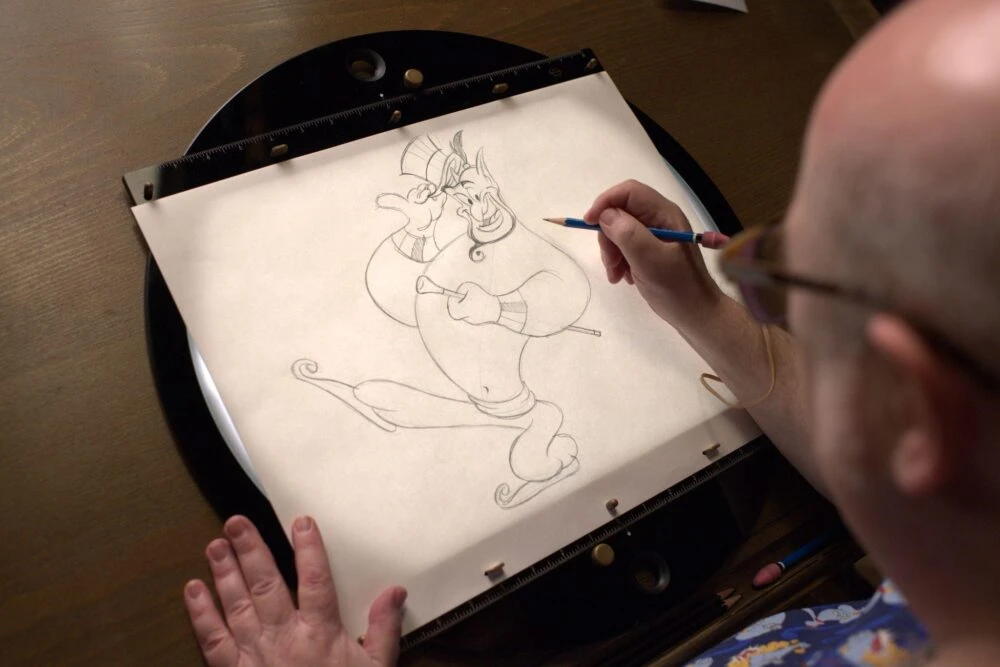
The Japanese word shokunin is translated, roughly, into English as “artisan.” Translation, however, only goes so far. Shokunin are people who have often dedicated a lifetime to their craft, perhaps longer, sometimes even passed down from the family line for over one hundred years. They are people dedicated to creation, devotion, and the perfection of their craft, no matter the time or effort this may take. Hand-drawn and hand-painted animators share similar care. In our world full of movement and rapidity, spending hours, years even, drawing every frame by hand may seem absurd. But is, in fact, a quiet and important revolution.
Humans were never meant to move so fast; we are imperfect beings, and our art should reflect that. Vincent Van Gogh’s art was strange; it often mirrored his mental state, but it was vivid and raw and unabashedly himself. Our eyes are caught by things we don’t expect, and in a world of artificial intelligence and perfected images and texts, we crave a human fingerprint marking the art we consume.
Why Audiences Crave Human-Made Art in the Age of AI
It is the reason why wabi-sabi saw such a surge in popularity, why people took to reading about it and adopting the philosophy into their own lives. This Japanese art, which accepts and embraces signs of wear or blemish, challenges modern pressure for perfection and youth.
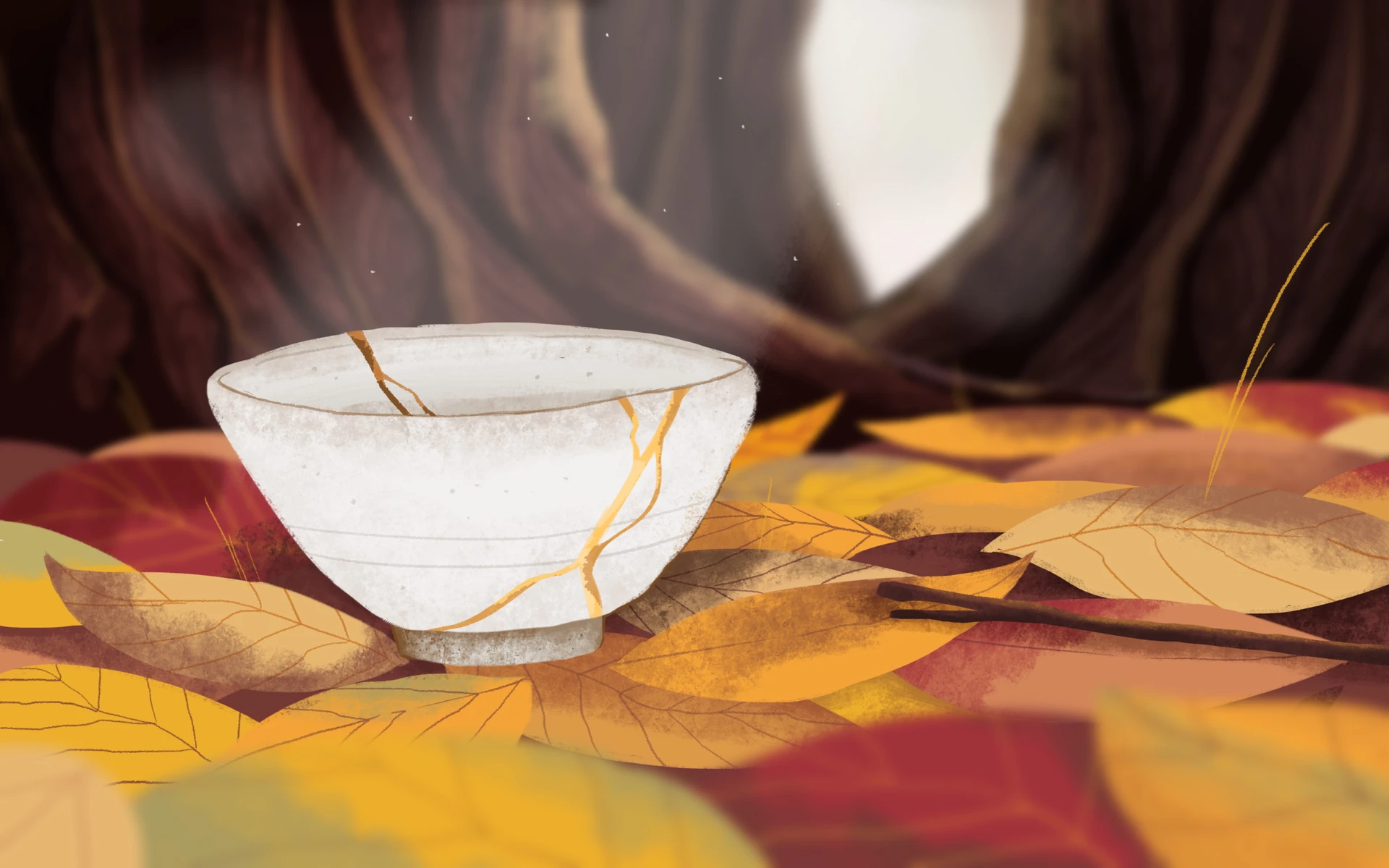
Wabi-sabi is free for interpretation and exists in anything and everything if we just choose to look for it. A floral arrangement with a wilting flower, a teacup with a tiny chip, or even the human beauty of a hand-drawn animation could all embody this gentle philosophy.
Whilst Disney has merely teased, and not confirmed, a hand-drawn or hand-painted future, watchers should be quietly optimistic. If art were meant to be perfect tableaux, neither Picasso nor Modigliani nor Dali would have ever received accolades.
People are drawn to expression, art that cannot help but identify itself on the canvas, cannot help but have a unique perspective and personal touch. The world yearns for a future of the hand-drawn, and with some luck, we might just get it.

Vincent Phan
Vincent is the founder and Editor-in-Chief of 1000 Libraries Magazine. He is a Paris-born ex-corporate turned bookseller and philosopher, on a global mission to spread the joy of physical books in our age of digital technology.