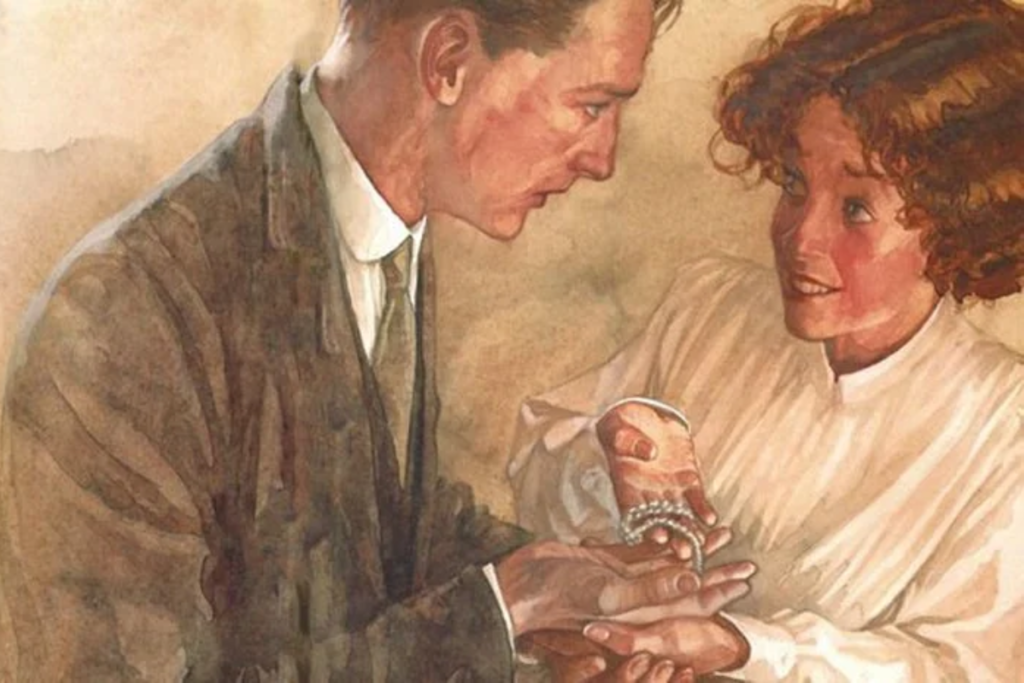

The Gift of the Magi is O. Henry’s classic short story. Learn more about the author, the story, and the background of this timeless Christmas tale.
One winter evening on Irving Place in Manhattan, an old tavern’s windows glow amber against the brick. Inside, under a pressed-tin ceiling, a wooden booth holds a small brass plaque and decades of retold legend. More than a century ago, a writer who signed himself O. Henry is said to have sat there and set down a story that begins with one of the most famous sentences in American fiction: “One dollar and eighty-seven cents.”
That story, The Gift of the Magi, has been read aloud at Christmas for more than a hundred years. Its history runs through a North Carolina childhood, the Texas frontier, a prison pharmacy, and a crowded New York neighborhood that its author loved.
One Dollar and Eighty-Seven Cents
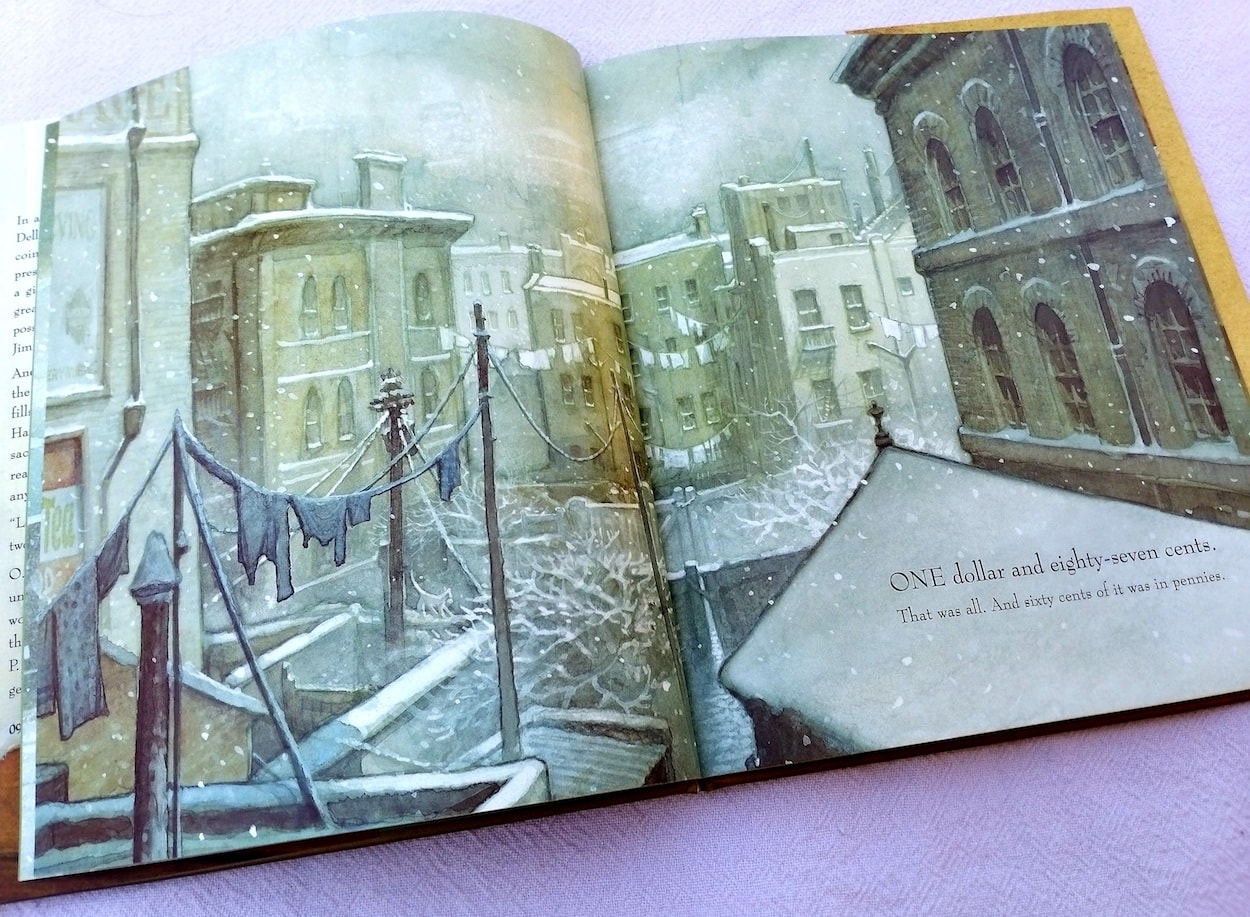
For such a beloved story, the plot is short. On Christmas Eve, Della Young counts her savings three times: one dollar and eighty-seven cents, saved by haggling with the grocer, the vegetable man and the butcher. She has spent many happy hours planning a fine and rare gift for her husband Jim. They live in a modest furnished flat at $8 per week.
The couple owns two treasures: Jim’s gold watch, handed down from his father and grandfather, and Della’s hair. She sells her brown cascade of hair to a dealer named Madame Sofronie for twenty dollars, and for twenty-one dollars she buys a platinum fob chain worthy of the watch.
Readers who know the ending will remember what Jim brings home. That evening, Jim gives her jeweled combs for her hair, bought with money from selling his treasured watch. Each has given up the thing they cherished most for the other. The story closes with the narrator comparing these sacrificial gifts of love with those of the biblical Magi. O. Henry calls the young couple foolish and then, in the same breath, the wisest of all who give gifts. That generous turn at the end is the reason the story has lasted.
The Long Road to Irving Place
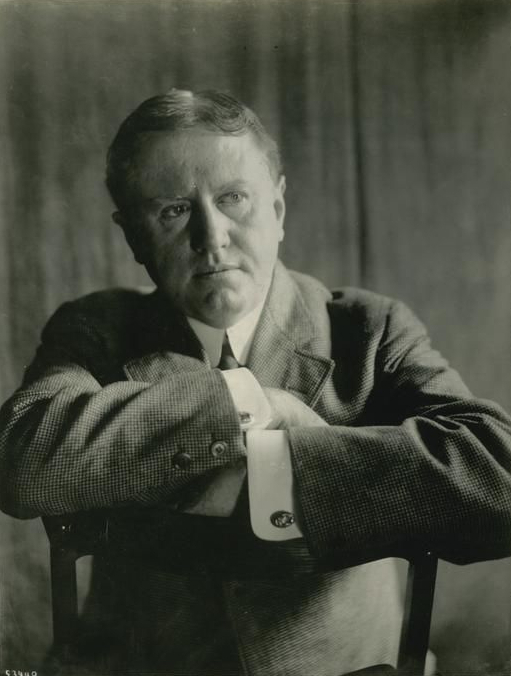
The man behind the pen name O. Henry had known hardship long before he wrote about it. William Sidney Porter was born on September 11, 1862, in Greensboro, North Carolina, during the American Civil War, and changed how he spelled his middle name to Sydney in 1898. His mother died of tuberculosis when he was three, and his grandmother, a self-trained doctor and local figure in Greensboro, raised the Porter children. He grew into a shy, freckled boy who loved The Arabian Nights and other books.
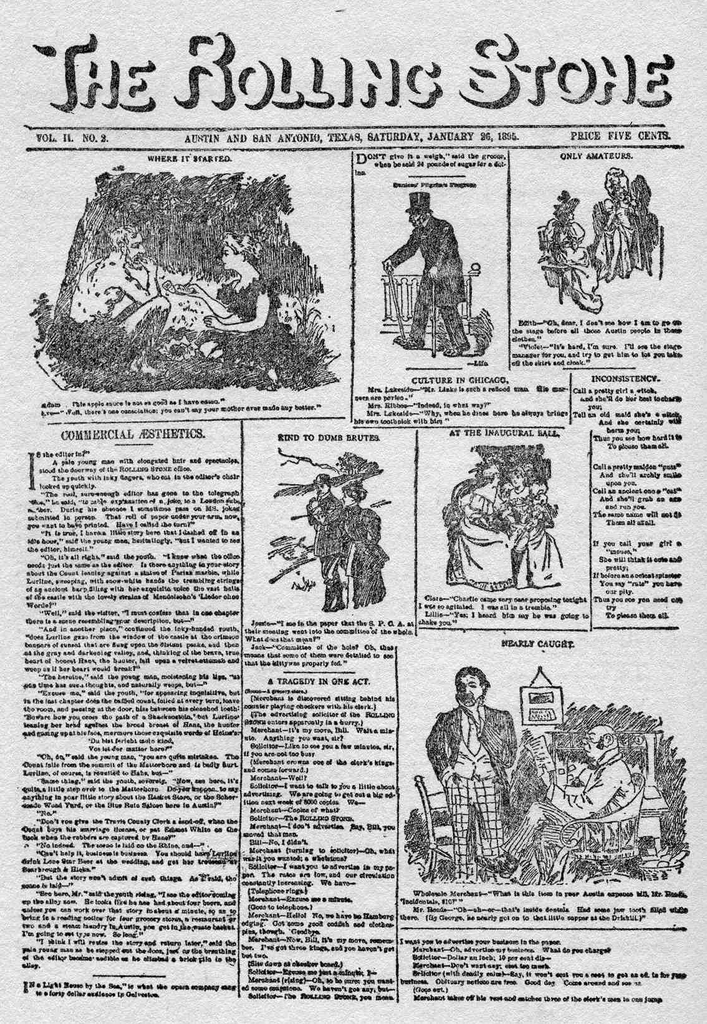
He worked in an uncle’s drugstore before moving to Texas at nineteen, where his jobs eventually included paying and receiving teller at the First National Bank of Austin. Around the time of his marriage to Athol Estes in 1887, he began writing sketches, and in 1894 he started a humorous weekly called The Rolling Stone.
Then came the bank audit. The day before his embezzlement trial in July 1896, he fled to New Orleans and then to Honduras, which had no extradition treaty with the United States. When he learned that his wife was dying, he returned to Austin in February 1897 and surrendered to the court. Athol died of tuberculosis on July 25, 1897. Historians still cannot say for certain whether Porter embezzled or was simply a careless bookkeeper.
In March 1898, he began a five-year sentence at the Ohio Penitentiary, where he worked as a night druggist and published 14 stories under various pseudonyms. His sentence was shortened to three years and three months for good behavior. Fittingly for our season, the name that made him famous first appeared over the story “Whistling Dick’s Christmas Stocking” in December 1899, in McClure’s Magazine.
A Story a Week for the Sunday World
In 1902 Porter moved to New York City to be near his publishers, and his most prolific period began. He fell for the city, which he called his “Bagdad on the Subway.” From December 1903 to January 1906, he wrote a story a week for the New York Sunday World, a pace that taught him to find stories in clerks, shopgirls, and the furnished rooms of ordinary neighbors.
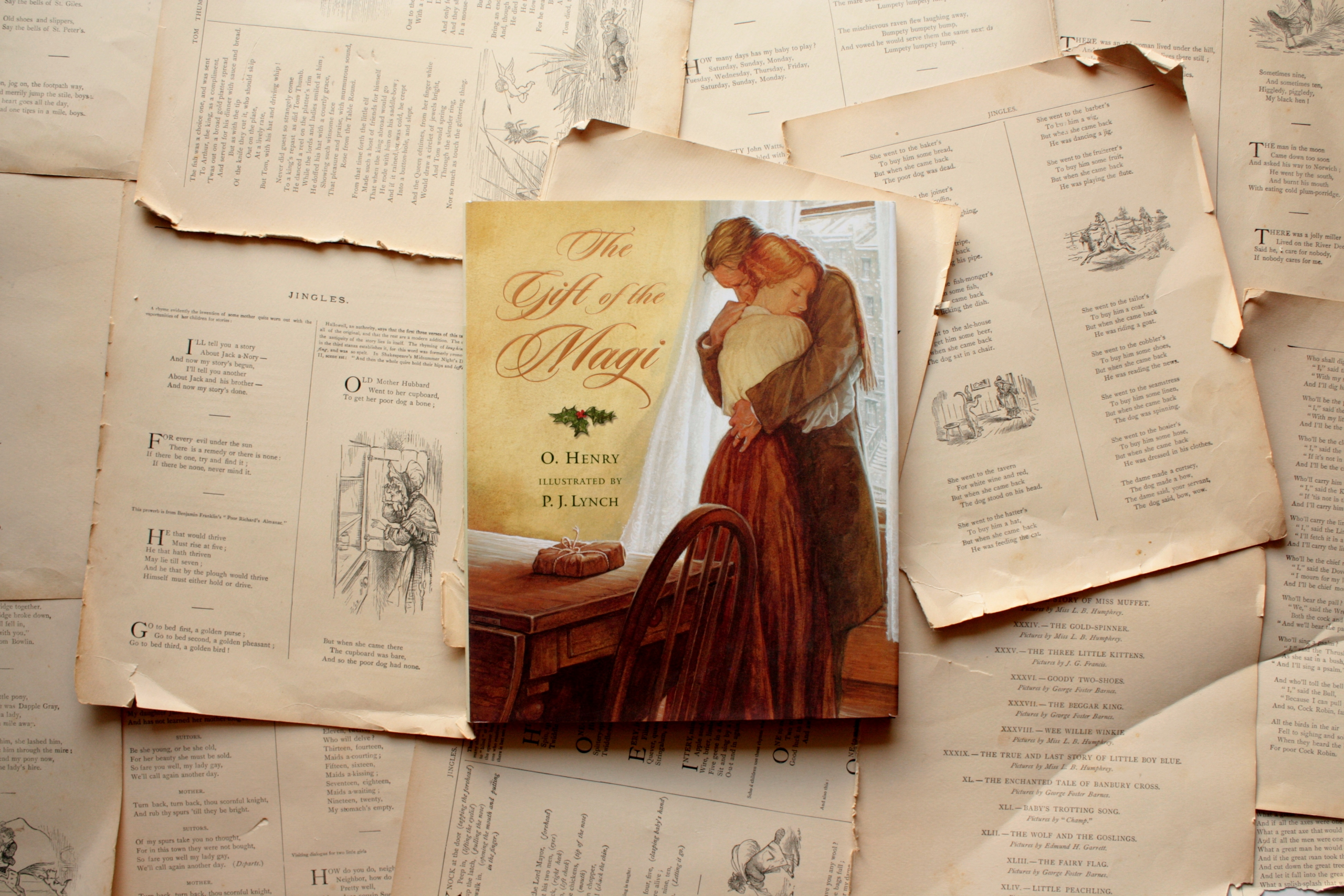
The story first appeared in The New York Sunday World as “Gifts of the Magi” on December 10, 1905, and was later included in book form in The Four Million in April 1906. The collection’s title made a democratic point. In its preface, O. Henry set aside the idea of New York’s elite “Four Hundred” and preferred the census taker’s larger estimate, so every New Yorker counted in his stories. Porter was 43 when the story first appeared in print.
The Booth at Healy’s
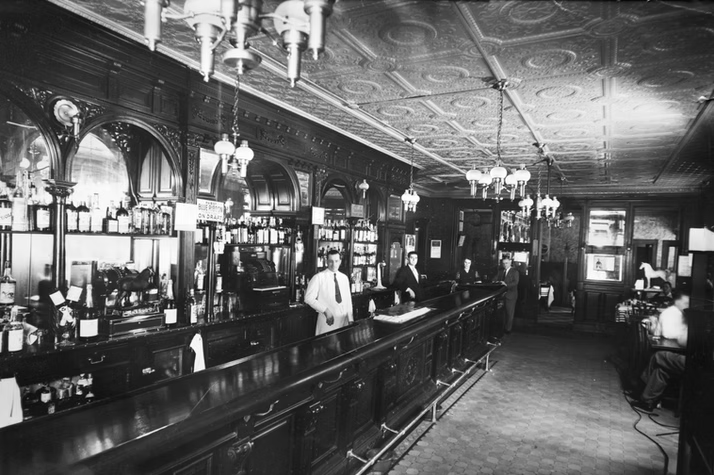
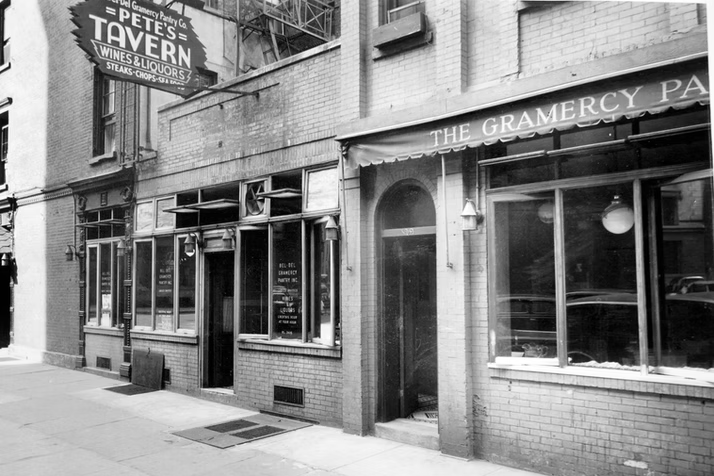
The tavern in the opening scene still stands. Pete’s Tavern sits at 129 East 18th Street, on the corner of Irving Place, and has operated under different names since becoming a tavern in 1864. In O. Henry’s day, it was called Healy’s. He lived down the street at 55 Irving Place from 1903 to 1907, and Healy’s appears in his short story The Lost Blend as “Kenealy’s.”
The bar version of The Gift of the Magi belongs to the realm of cherished legend, and the details shift with each teller. The tavern itself says he wrote the story in its second booth in 1903. Other accounts place him at the first booth by the side doors, writing in 1905. One version says he finished the whole story in a few hours in a single night.
Hard Years and a Lasting Light
O. Henry’s last years were difficult. Ill health, a desperate financial struggle, and alcoholism marked his final years, and a second marriage in 1907 was unhappy. His wife Sarah left him in 1909, and he died on June 5, 1910, of cirrhosis of the liver, complications of diabetes, and an enlarged heart. He was buried in Riverside Cemetery in Asheville, North Carolina.
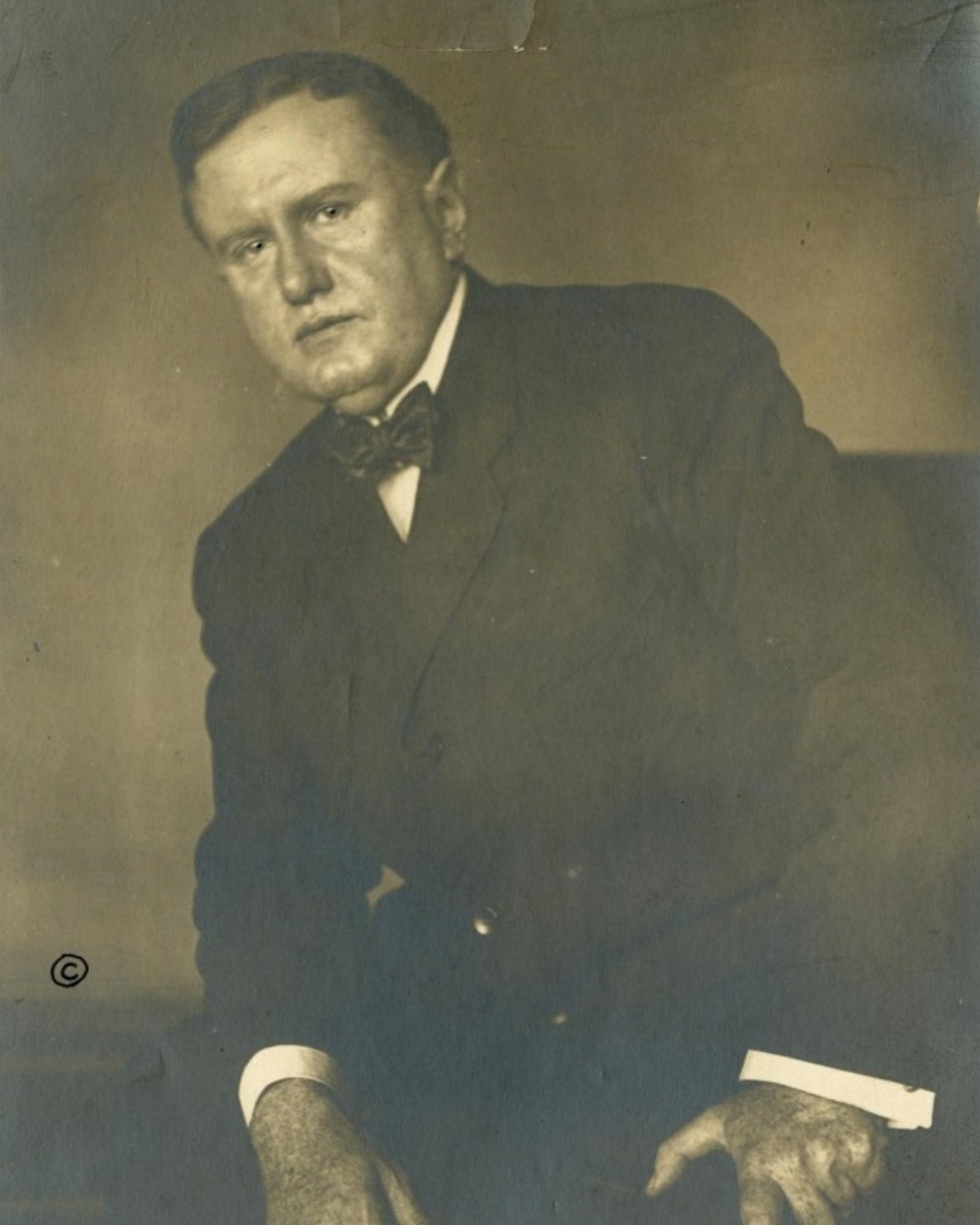
Despite everything he endured, the tenderness in his stories never faded, and the people who loved them made sure he would be remembered. On April 18, 1918, the Society of Arts and Sciences of New York City held a dinner to honor his memory. The following year, the O. Henry Award was presented for the first time. Today, a guest editor chooses twenty stories each year, and the O. Henry Prize Stories collection is one of the two best-known annual anthologies of short fiction. Each year, new writers see their work gathered under his name, a fitting tribute to a man who believed every life in the city held a story worth telling.
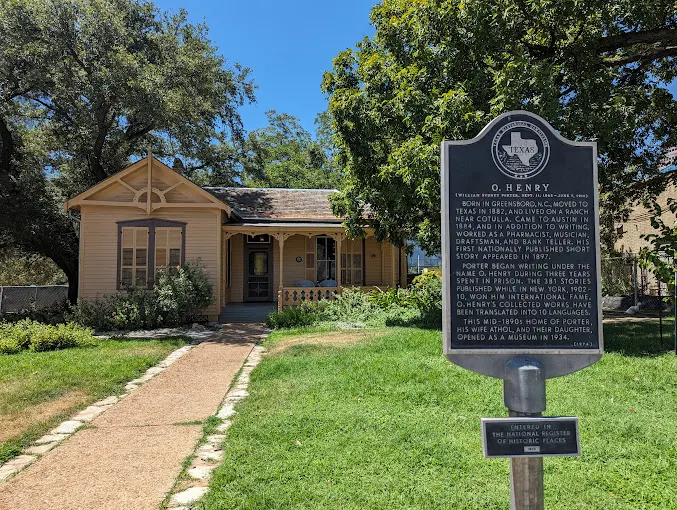
In Austin, the little house where Porter once lived is now the home of the O. Henry Museum, where an annual pun-off keeps his love of wordplay alive with laughter.
A Christmas Story for Every Generation
O. Henry is remembered for the beauty of his prose and for the light he cast on the world during a few short decades at the turn of the twentieth century. His own life held more than its share of sorrow, and through it all he kept his eye on the goodness of the people around him: the shopgirls and clerks, the dreamers in rented rooms, the young couples counting pennies before Christmas. That vision lives on in The Gift of the Magi, which remains one of literature’s most tender portraits of the human capacity for love and sacrifice.
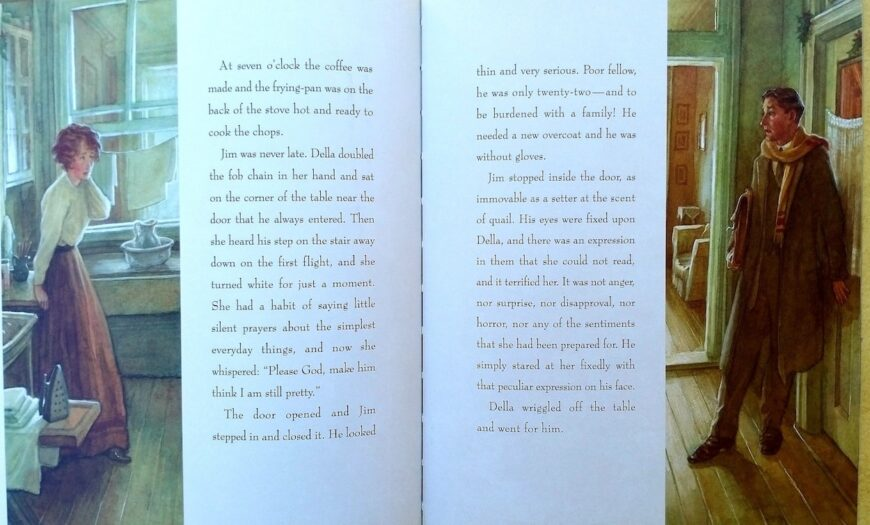
Somewhere tonight, in a small apartment in a big city, someone is quietly planning a gift they can barely afford for a person they love beyond measure. O. Henry knew people like that by heart. More than a century later, Della and Jim still remind us that the most precious gifts are the ones given with everything we have.

Whether you’re browsing a New York bookstore during the Christmas season or enjoying a quiet moment at home at any time of year, re-reading The Gift of the Magi is a wonderful experience, and one that won’t be forgotten in a hurry.

Adam Ryan
Adam is a distinguished content writer, bookworm, and full-time adventurer with a constant craving for coffee. When he's not working, he loves exploring remote corners of the world, immersing himself in different cultures, and writing about his experiences.