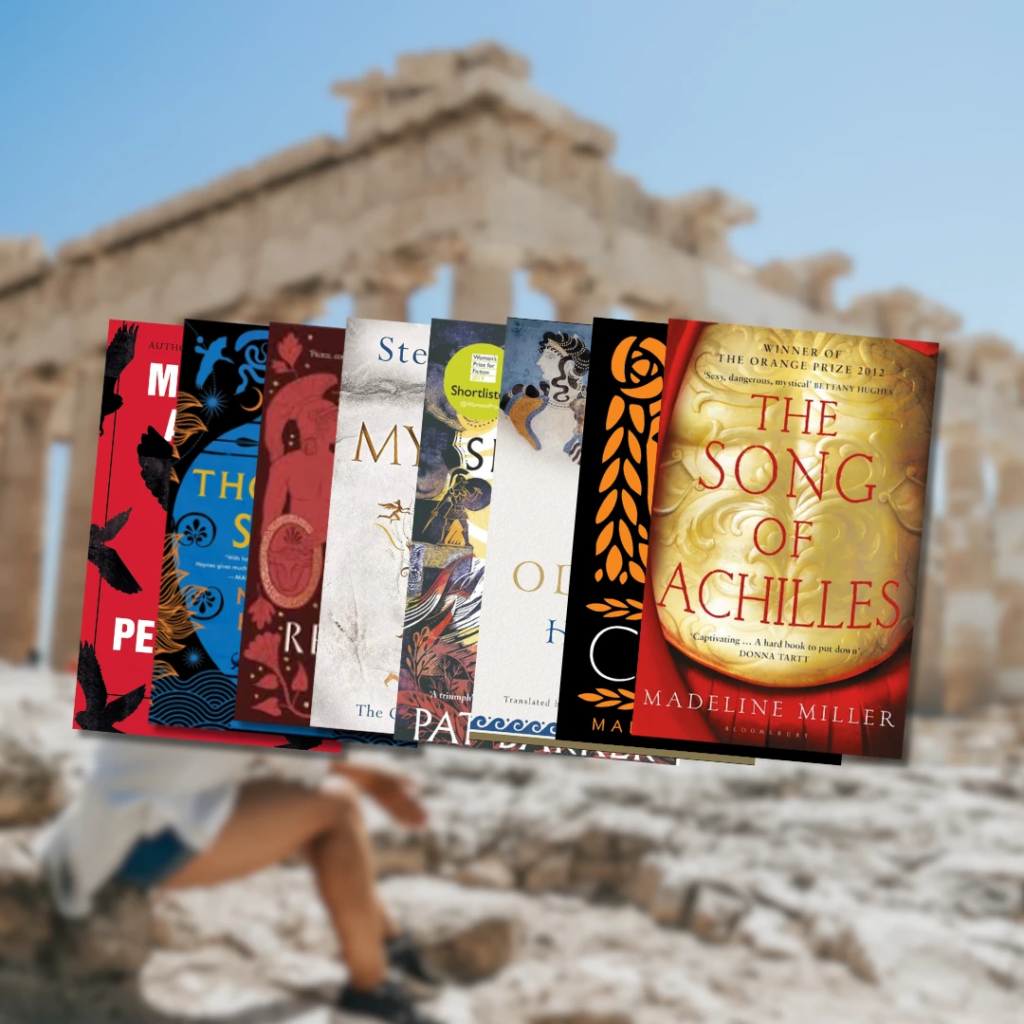

Time-travel to Ancient Greece through 8 unforgettable books, from epic heroes to fierce goddesses and mythic magic come alive!
Have you ever wished you could hop in a time machine and stroll through the marble columns of the Parthenon, chat with philosophers in the Athenian Agora, or watch the original Olympic Games (preferably without the whole competing naked thing)? Well, short of building a DeLorean that bends the laws of physics, the next best option is cracking open a good book.
Ancient Greece has always had this magnetic pull; its gods, heroes, and thinkers have shaped the way we see the world, from democracy to drama. But if you’ve ever felt like ancient history books are all dusty dates and footnotes, don’t worry. Here are 8 brilliant books that drop you right in the heart of the ancient world.
The Song of Achilles by Madeline Miller
If you haven’t read this yet, where hiding—inside the Trojan Horse? This book is an absolute gem. Madeline Miller takes one of the oldest stories in Western literature, The Iliad, and turns it into a heart-wrenching, beautifully written love story between Achilles and Patroclus.
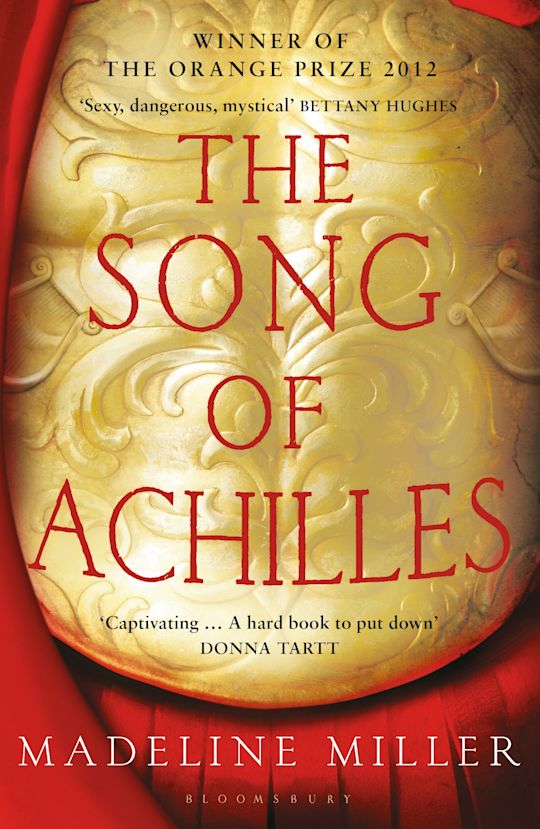
What’s magical about it isn’t just the gorgeous prose, but how human it all feels. The gods may pop in and out, but this isn’t a story about divine drama. It’s about loyalty, destiny, and heartbreak. Miller’s writing makes you feel the heat of the Greek sun, the clang of bronze on bronze, and the ache of inevitable tragedy. If you want to feel like you’ve lived through the Trojan War, this is your ticket.
Circe by Madeline Miller
Yes, Madeline Miller’s back again, and honestly, she deserves it. Circe is like a feminist retelling of the Greek myths we all half-remember from school, told from the point of view of the witch who turned Odysseus’s men into pigs. But this isn’t the wicked sorceress you think you know. Circe is powerful, lonely, and wildly relatable (especially if you’ve ever felt underestimated).
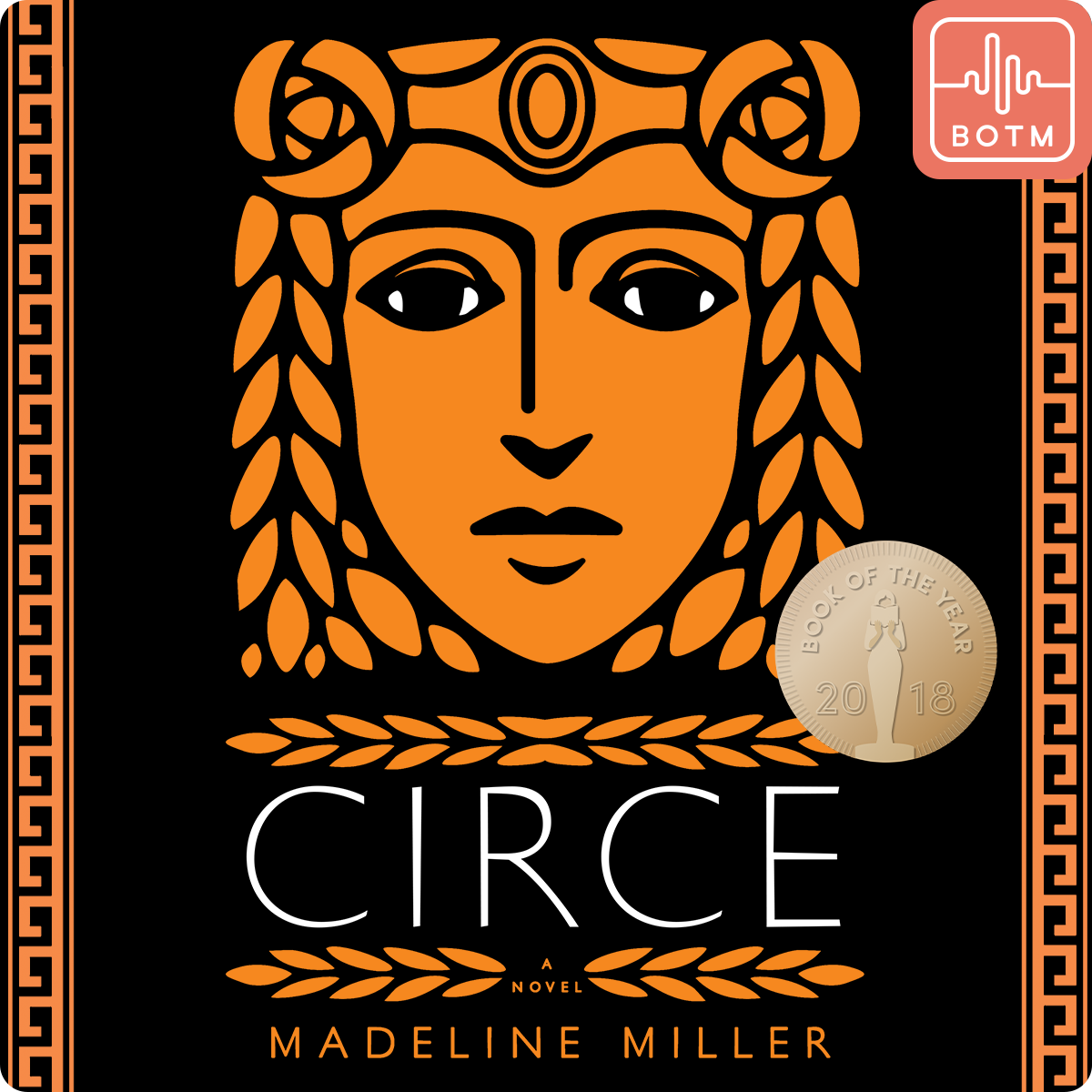
What’s fun is how Miller rewrites mythology with a modern sensibility. She gives Circe’s story emotional depth, wit, and voice. The world she builds, full of shimmering seas, glittering palaces, and divine temper tantrums, feels so vivid, you might forget you’re still sitting on your couch.
The Odyssey by Homer (translated by Emily Wilson)
If you want true time travel, why not read one of the oldest adventure stories ever written? The Odyssey is the ultimate road trip (well, sea voyage) story, following Odysseus as he faces cyclopes, sirens, and cranky gods on his way home to Ithaca.

But the key here is which translation you read. Emily Wilson’s version is a total game-changer. It’s fresh, readable, and surprisingly witty. Plus, she’s the first woman to translate The Odyssey into English, and that perspective shines through. Suddenly, the ancient epic feels modern, fast-paced, and emotionally sharp.
The Silence of the Girls by Pat Barker
Think of this as The Iliad (yes, again), but told through the women’s eyes. Briseis, the slave girl captured by Achilles after he sacks her city, becomes the narrator of this haunting, powerful novel. It’s raw and honest, showing what life might have been like for the women swept up in the glory and horror of war.

Barker doesn’t romanticize ancient Greece; she cracks open the shiny armor and shows you what’s underneath. This book reveals the cost of heroism, the quiet suffering, and the resilience. If you’ve ever wondered what the Trojan War looked like beyond the battlefield, this book gives you that missing perspective.
Mythos by Stephen Fry
Let’s switch gears a bit. Stephen Fry, yes, that Stephen Fry, takes the sprawling, complicated world of Greek mythology and turns it into something wonderfully approachable and hilarious. Mythos is like having your cleverest friend sit you down and tell you all the wildest Greek stories, complete with witty asides and Fry’s signature charm.

You’ll meet everyone from Zeus (the original drama king) to Hermes (the cheeky messenger), all while laughing out loud at how absurd and human these divine tales can be. Fry somehow manages to make centuries-old myths feel like juicy gossip. Perfect for anyone who loves mythology but doesn’t want to wade through academic jargon and references.
The King Must Die by Mary Renault
If you’re craving a more classic historical fiction vibe, Mary Renault’s The King Must Die is pure magic. It follows Theseus, that guy who slayed the Minotaur, but reimagines him not as a mythical hero, but as a real, flesh-and-blood person navigating a fascinating Bronze Age world.
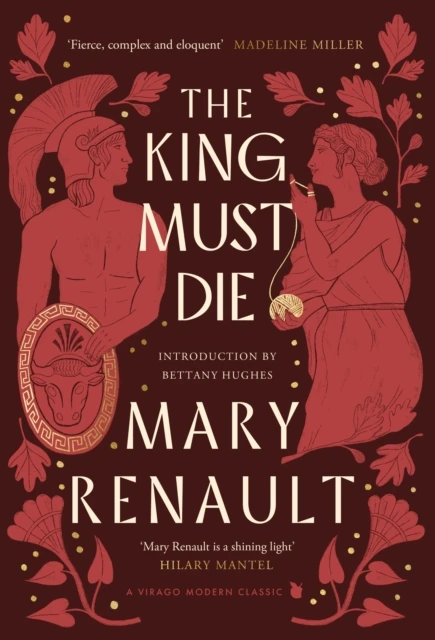
Renault’s research is meticulous, but her storytelling is anything but dry. You’ll get politics, passion, ritual, and adventure, all steeped in the culture and beliefs of ancient Greece. The best part? She manages to make you feel like you’re reading something both timeless and totally fresh.
A Thousand Ships by Natalie Haynes
If you’ve ever finished The Iliad or The Odyssey and thought, “Okay, but what about all the women left behind?” this is the book for you. Natalie Haynes takes the sprawling chaos of the Trojan War and retells it from dozens of female perspectives: queens, goddesses, slaves, and survivors alike.
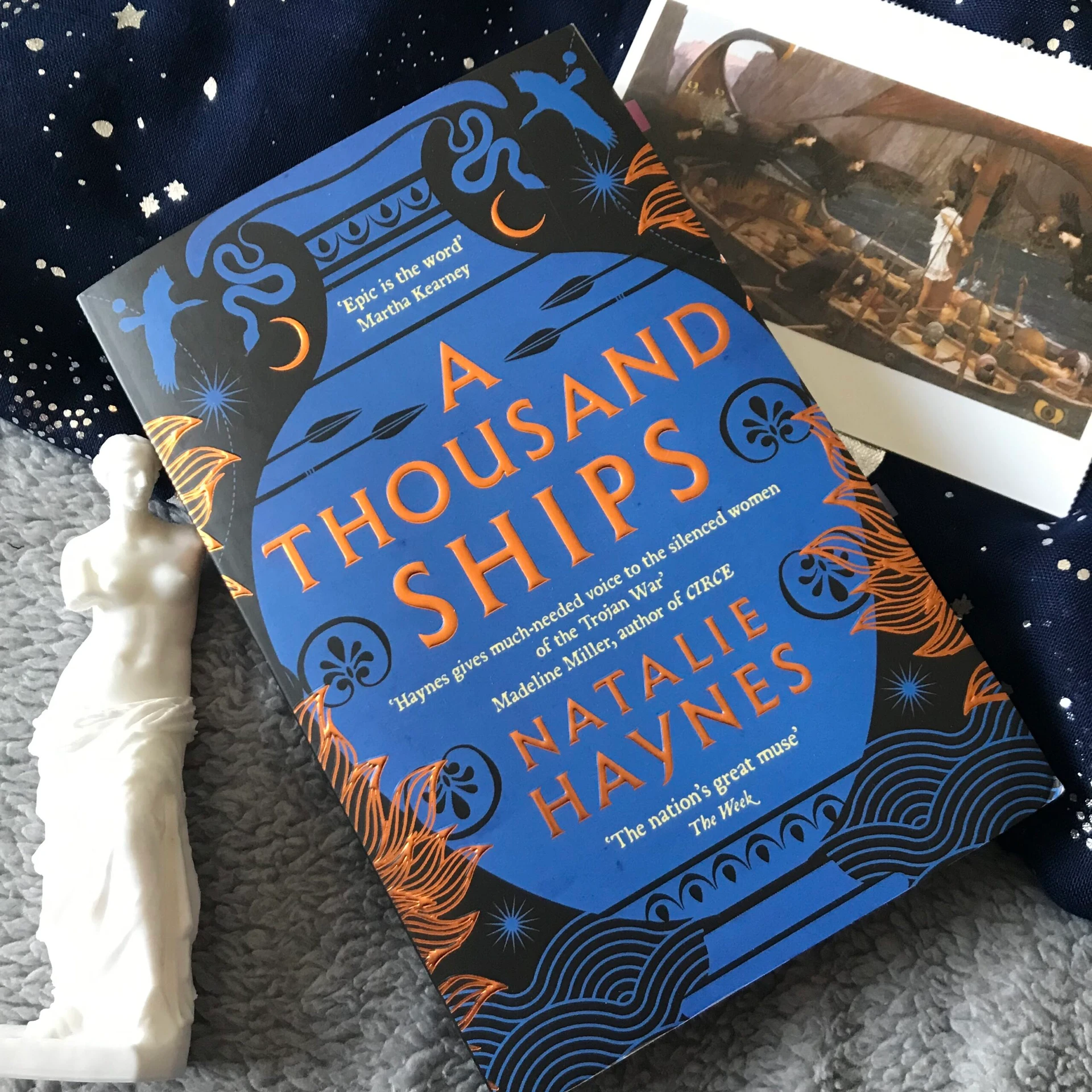
From Helen, whose beauty sparked a thousand ships, to Penelope, patiently (and sarcastically) waiting for her wandering husband, to the nameless women who suffered the consequences of men’s wars, Haynes gives every one of them a voice. And it’s so good. Her writing is funny, sharp, and full of humanity.
The Penelopiad by Margaret Atwood
Finally, we circle back to one of Greek myth’s most overlooked figures: Penelope, the endlessly patient wife of Odysseus. Atwood (of The Handmaid’s Tale fame) takes her story and flips it on its head, letting Penelope and the twelve hanged maids speak for themselves.

It’s sharp, funny, and a little bit dark, as you’d expect from Atwood. Through her eyes, the heroic myths suddenly look… well, a bit less heroic. You’ll never see The Odyssey the same way again, and you might even start to side-eye Odysseus just a little.

Millie Ramm
Millie has been writing since she was a child, and has spent more time with her nose in books than anywhere else. She has been ghostwriting novels and editing for the past few years, and when not working she is curled up with her cats, looking for her next read.