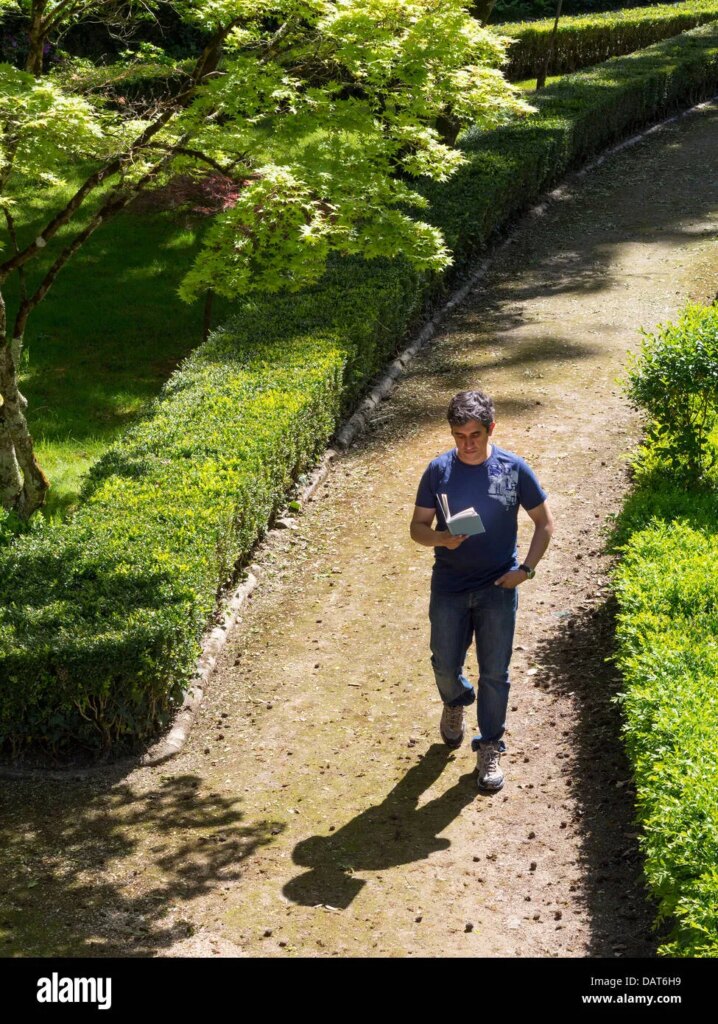

Discover the art of the flâneur and how aimless wandering can spark creativity, awareness, and a deeper connection to city life.
If we were to go back in time, almost one hundred years, to find ourselves situated on a busy London street on a cool day in winter, we might just catch a passing glimpse of Virginia Woolf. Woolf, you see, had left her house in search of a lead pencil, but somehow found herself pulled by the warm lights of the city, the constant movement, the seduction of secondhand bookstores, and echoes of passing conversation.
It was after this walk that she wrote her celebrated essay, ‘Street Haunting.’ It was on this walk that she felt herself become a ghost of London town, haunting each street she passed through, imagining what flickers accompany each person. What else can a writer do but observe?
What Is a Flâneur? The Beauty of Wandering Without Purpose
The Flâneur, or Flâneuse, in the case of Ms Woolf, are those who walk not for a purpose, but simply for the sake of wandering. Now, you may believe Virginia Woolf cannot possibly be a flâneur because she, in fact, was not aimlessly wandering but had left in search of a lead pencil.
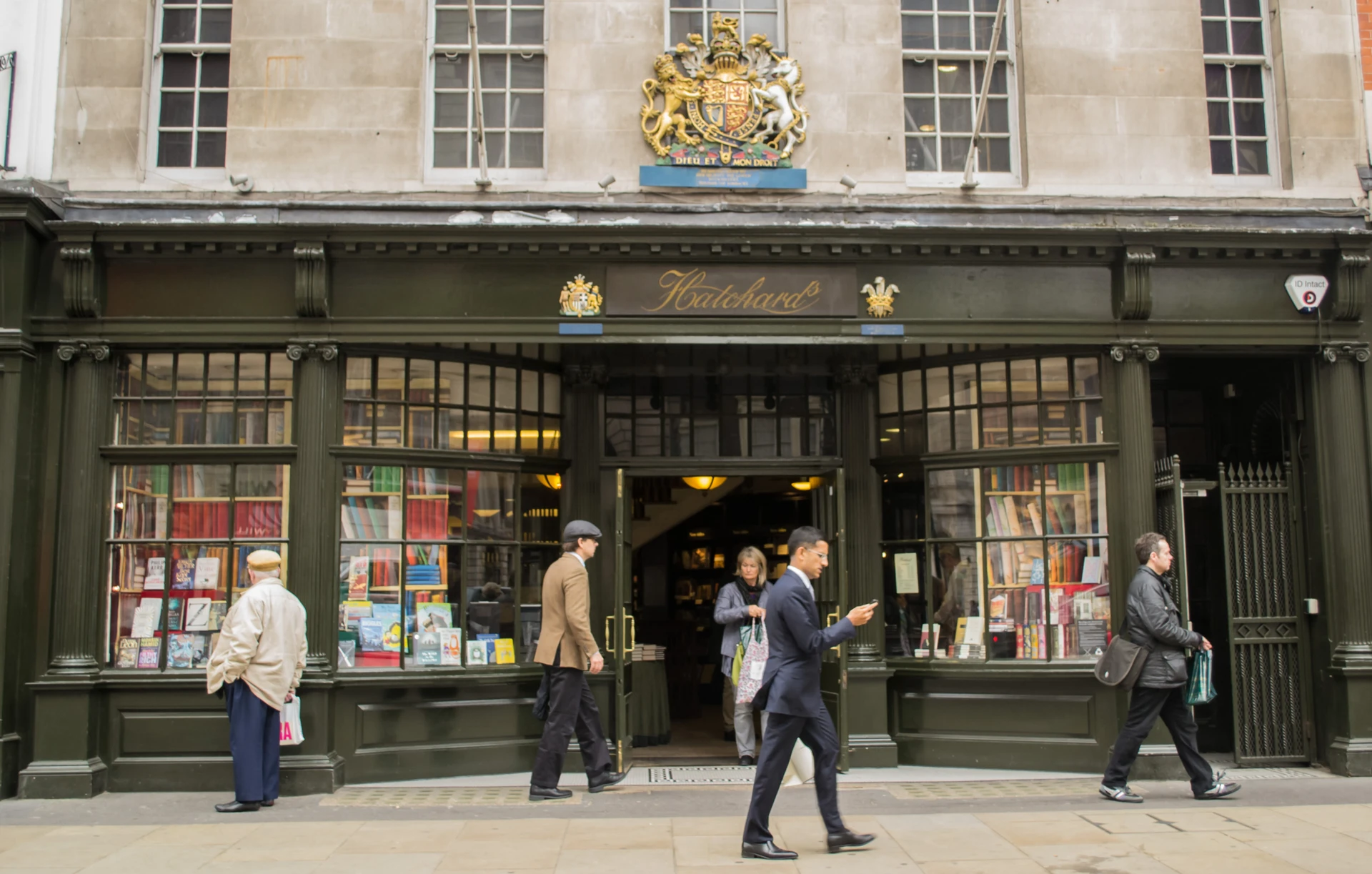
Woolf tricks us delightfully, here, subtly asking her readers why we decided it was only socially acceptable to wander when we were in search of something. A trip to the grocery store, to post some letters, or do our laundry, for example. There is always a guise, and perhaps we need to put this under some scrutiny, for we never allow ourselves enjoyment without purpose.
At some point, she even writes, ‘but what was it? Ah, we remember, it was a pencil. Let us go then and buy this pencil.’ The lead pencil is simply the reasoning, the excuse; Woolf knows she is only leaving for the joy of wandering, for the joy of observing. Therefore, without a doubt, Virginia Woolf is showing us the marvellous art of the flâneur.
The History of the Flâneur: Charles Baudelaire
Many words reject translation. Flâneur is one of them. Originating in the 19th century from the French word for ‘strolling,’ flâneur has become both an identity and an art form across many European cities. It was Charles Baudelaire who breathed light into this concept in his 1863 essay, ‘The Painter of Modern Life,’ but in reality, Baudelaire was simply writing what he observed.
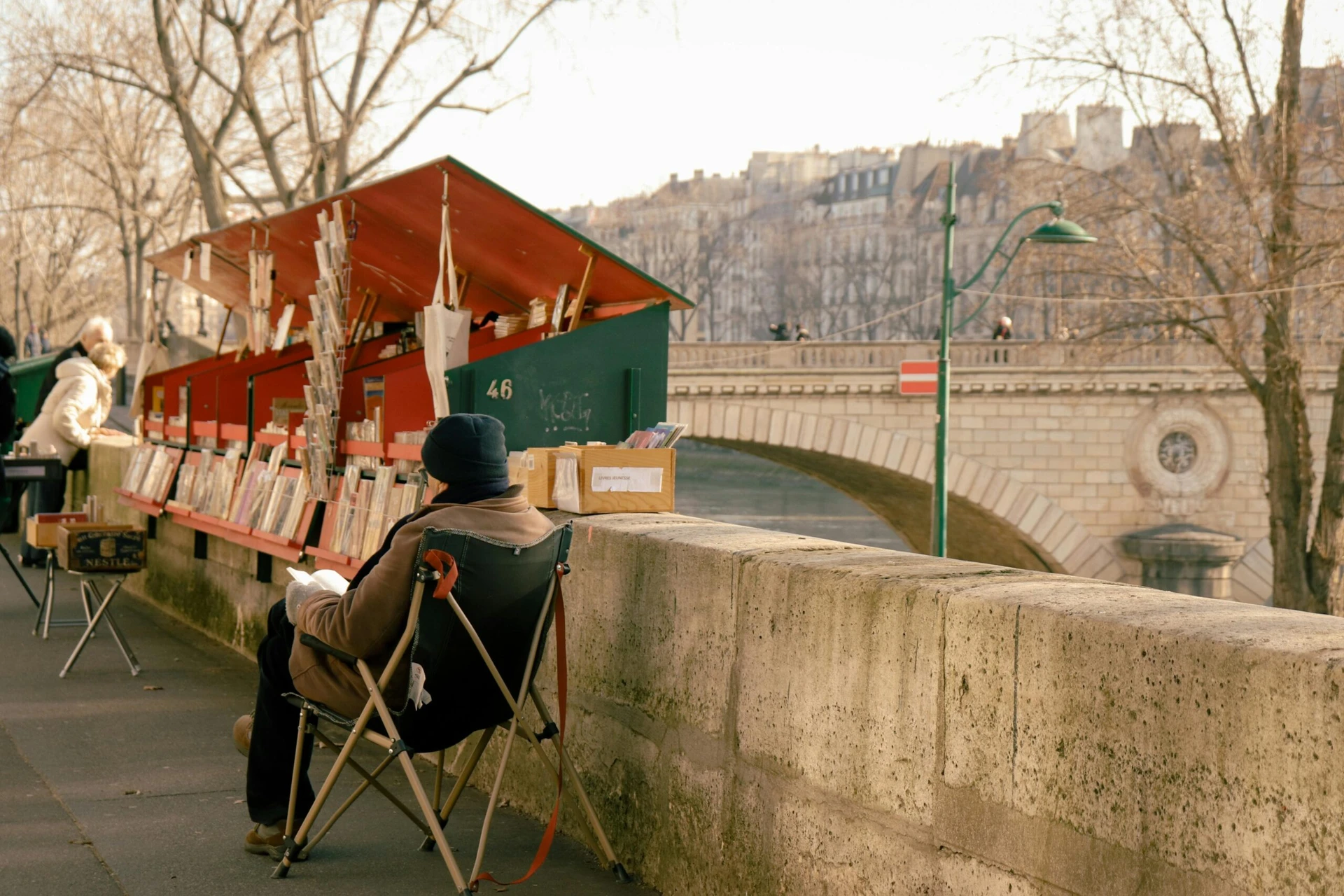
Paris is a city that never sleeps. On every cobbled street corner, in the dusty stairwells of each Haussmann-style building, lies a story waiting to be noted. Flâneurs are considered a little like wildlife photographers or documentarians because they are detached from the world they perceive. They are witnesses with keen eyes, who can feel at home on any rue, with any amount or composition of people. Everyone knows that the world reveals itself to those who dare to wander, for those who dare to linger on those little details that most people pass by.
Yūgen: The Japanese Philosophy of Subtle Beauty
The Japanese have a word for such quiet, profound, and arguably mysterious beauty –Yūgen. This philosophy, or way of perceiving, is deeply rooted in an awareness of the depth and vastness of the universe. When we wander, when we become the flâneurs and flâneuses of Paris or London or Sydney, we in turn experience our own fragments of Yūgen.

The Universe whispers constantly, when a petal falls from the tree, when a dog runs down the street, when two eyes catch on the opposite side of the traffic lights. Most of us, in the business of our everyday, can miss these little moments, these reminders of the ephemeral and unfathomable nature of existence.
Why Modern Travel Needs More Wandering
The best traveller is the one who spends the time to befriend a city, stumbling upon the quiet cafés and underground jazz bars. The best traveller is the one who wanders. ChatGPT might be trying to make our travel itineraries, but I think we should instead look at the flâneur’s way of life. I am not preaching we all leave our jobs and become full-time wanderers, only that we balance our own lives with a sense of Yūgen and take time to notice the small details.

Some of the most beautiful works of literature, poems, films, and paintings were born out of similar attitudes to life. The Impressionist movement flourished because it captured a single moment of light – the way the sunset settled like dust on the river, the colours of dawn seeping onto milky skin – and kept it forever on a simple canvas.
The Creative Power of Aimless Walking
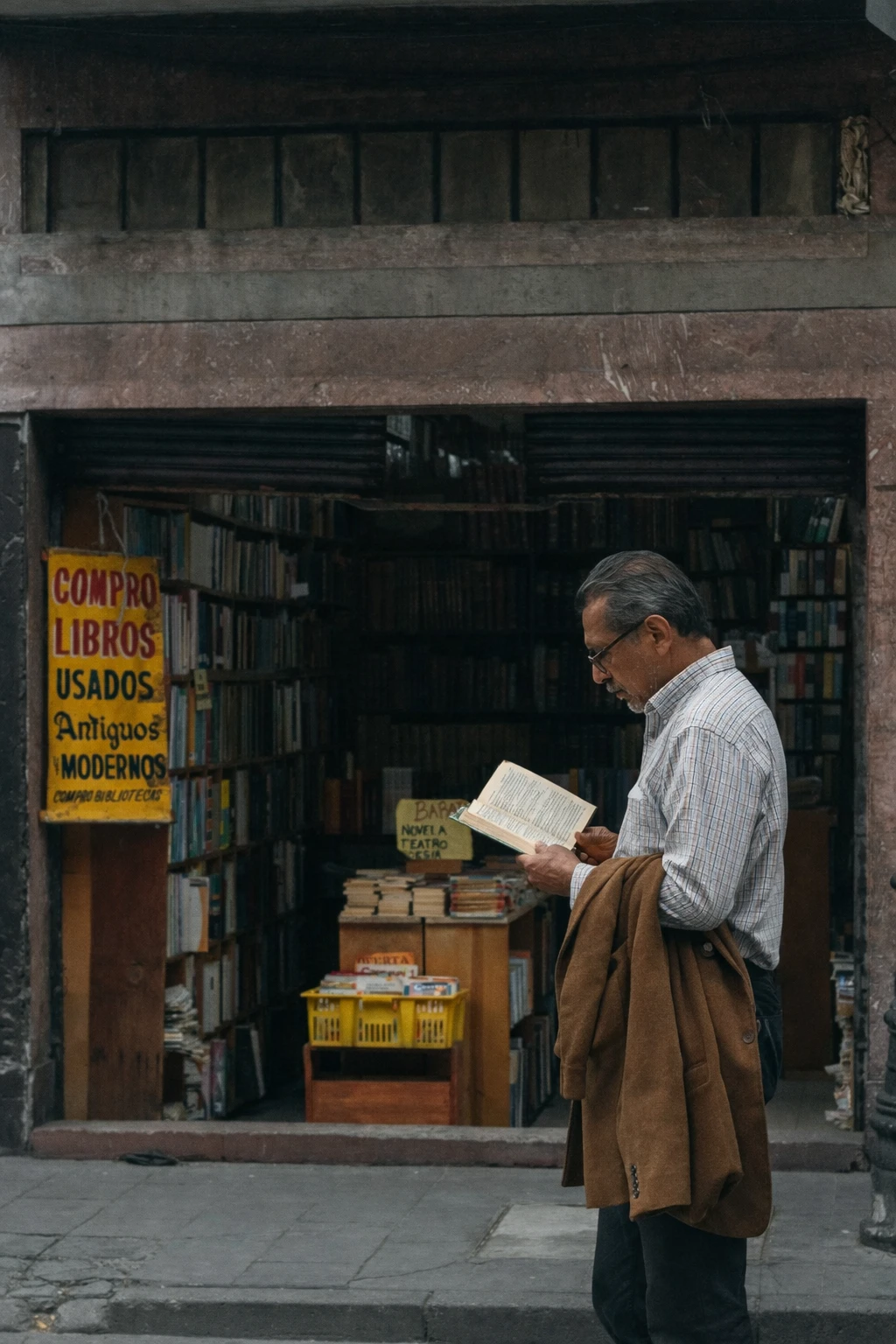
Sometimes the aim comes afterwards, sometimes we have to start with the wandering. We are constant beings of change, of movement, and transition. How can we know where we will end up if we never dare to change our route? Woolf used the excuse of needing a lead pencil, and thus left the house and arrived back with the inspiration to write Street Haunting: A London Adventure. Sometimes the aim comes afterwards, sometimes we have to start with the wandering. So, I ask, what will come first – the wonder, or the wander?

Vincent Phan
Vincent is the founder and Editor-in-Chief of 1000 Libraries Magazine. He is a Paris-born ex-corporate turned bookseller and philosopher, on a global mission to spread the joy of physical books in our age of digital technology.