
Japanese bookstores are getting creative, leasing shelves to readers who curate their own recommendations, turning bookshops into lively community spaces.
Imagine walking into a cozy little bookstore in Tokyo’s famed Jimbocho district, the neighbourhood where book lovers dream of getting lost among spines and paperbacks for hours. But instead of the usual rows filled with best-selling titles chosen by editors and big publishing houses, you see something different: quirky collections, heartfelt picks, and shelves curated by regular folks.
Welcome to Japan’s newest literary twist: bookstores that lease shelves to individuals who want to recommend the books they love.
So What Is Shelf Leasing?
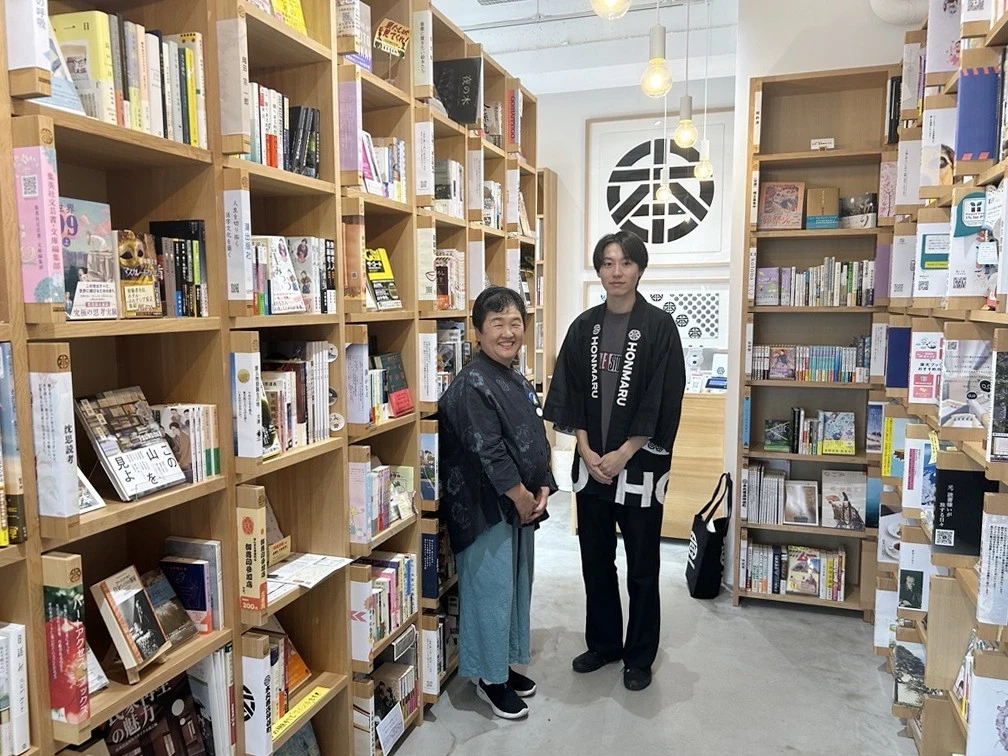
Instead of the bookstore’s staff picking every title, these shops rent out actual physical shelf space to anyone who wants to curate a small section. Think of it as renting a tiny stage for your favourite reads, whether that’s sweeping fantasy series, niche history books, or rare poetry collections. You’re basically turning your shelf into a micro-bookstore within a bookstore.
Shelves might be leased by:
- passionate individual readers
- local indie publishers
- small businesses
- or even themed groups with a particular niche interest
Each shelf owner pays a modest monthly fee, typically just a few thousand yen, and some shops even take a small percentage of sales. But beyond the numbers, what makes this concept intriguing is the community spirit it builds.
Why It’s Catching On
1. Brick-and-mortar bookstores are shrinking.
Over recent years, traditional bookstores have struggled to compete with online giants where everything is just a click away. A notable decline in physical shops has left many communities without a local place to browse books, especially outside big cities.
2. Readers still crave real, serendipitous discovery.
Sure, online recommendations are convenient, but nothing beats wandering down an aisle and stumbling upon a book you didn’t even know existed. That serendipity, the joy of discovery, is exactly what these leased-shelf stores tap into. It’s like finding a secret door to a world of books you’d never see on algorithm-driven lists.
One Example: Honmaru Bookstore
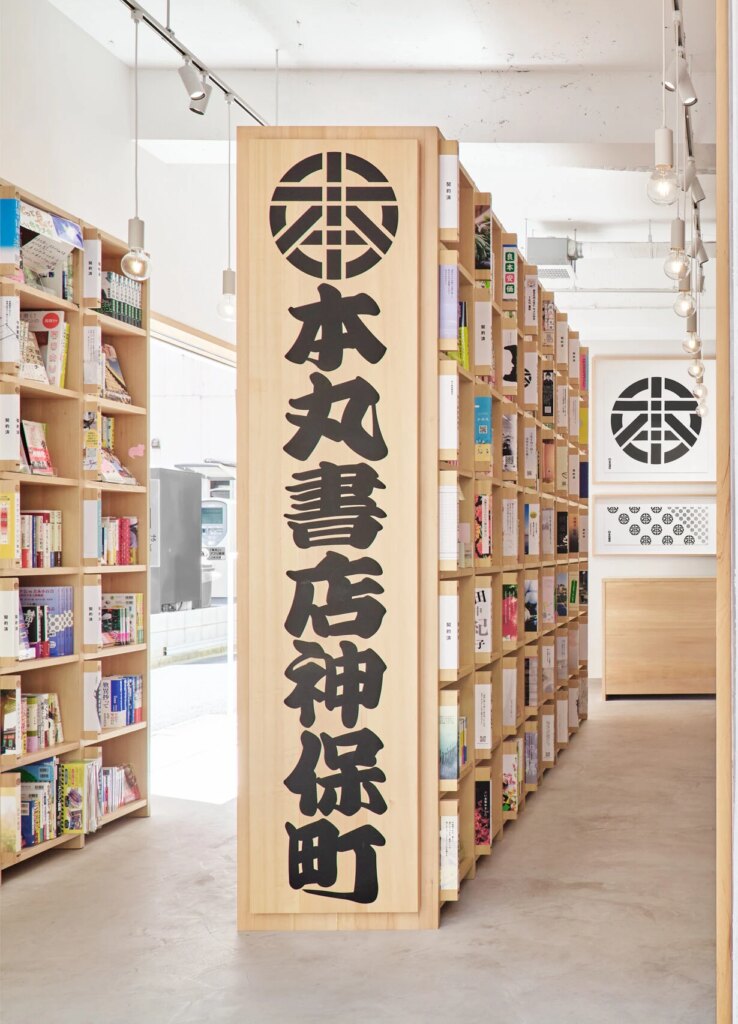
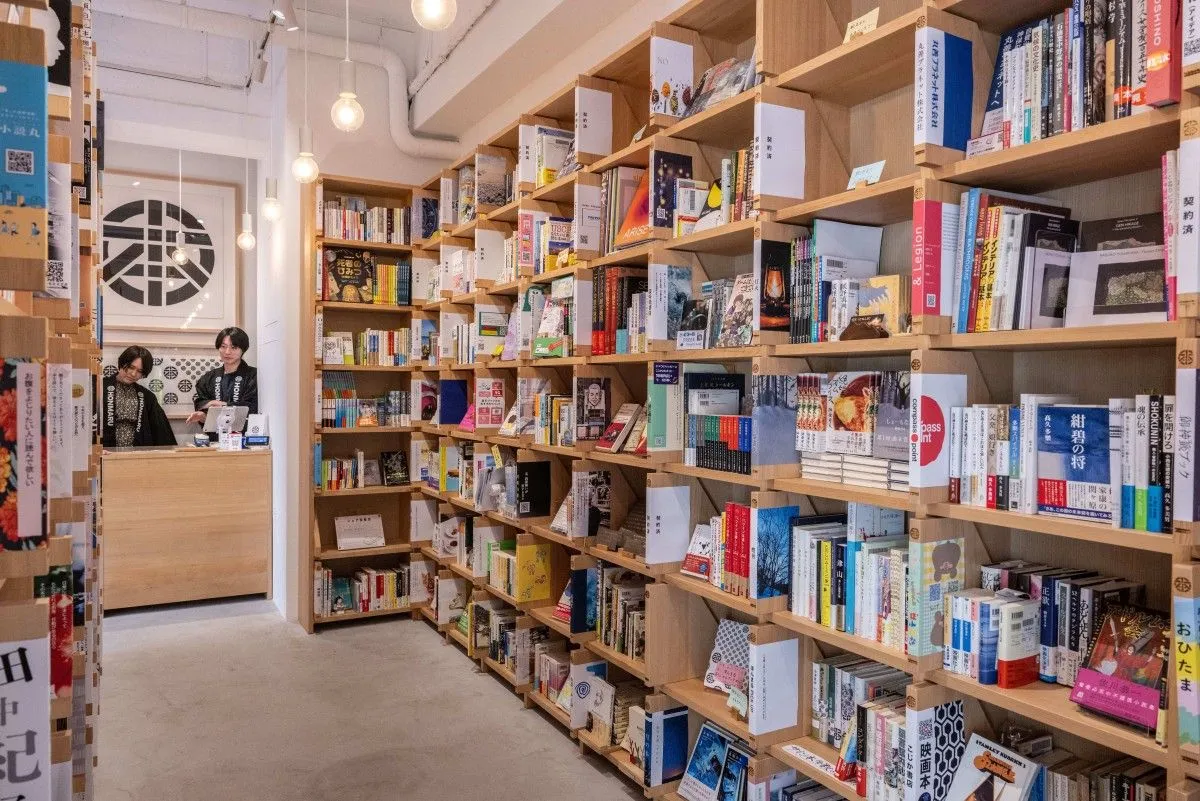
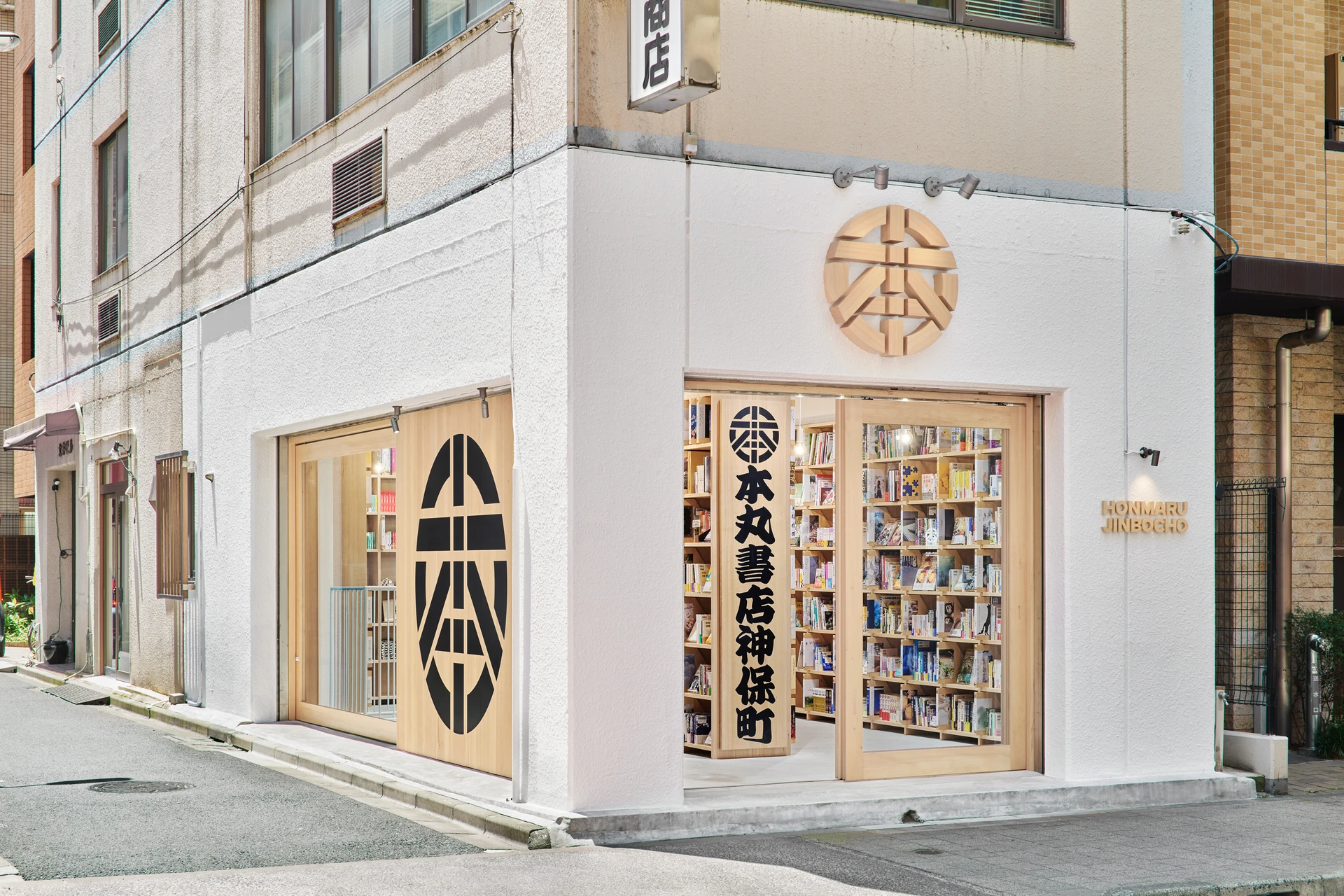
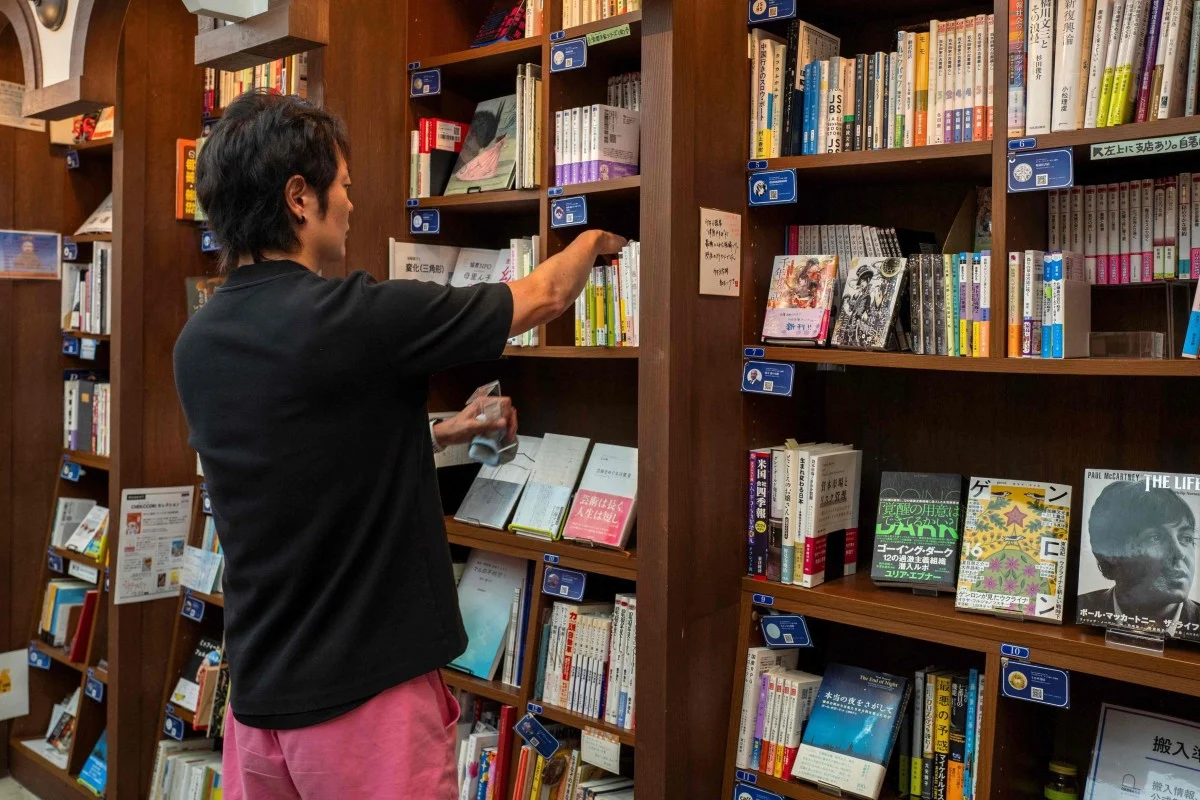
One standout example is a bookstore called Honmaru, located in Tokyo’s famed book district of Kanda-Jimbocho. The shop’s name itself evokes the heart of a Japanese castle, and its vibe is just as rich and layered. There are hundreds of tiny shelves, each with its own personality. Some are neat and thematic; others are wild and wonderfully eclectic.
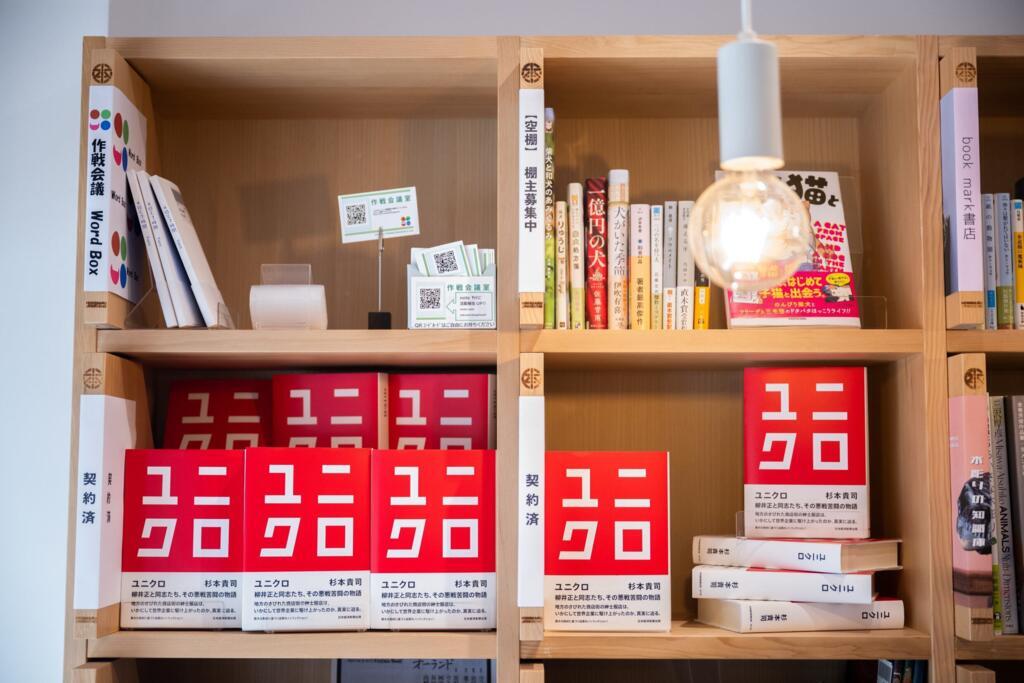
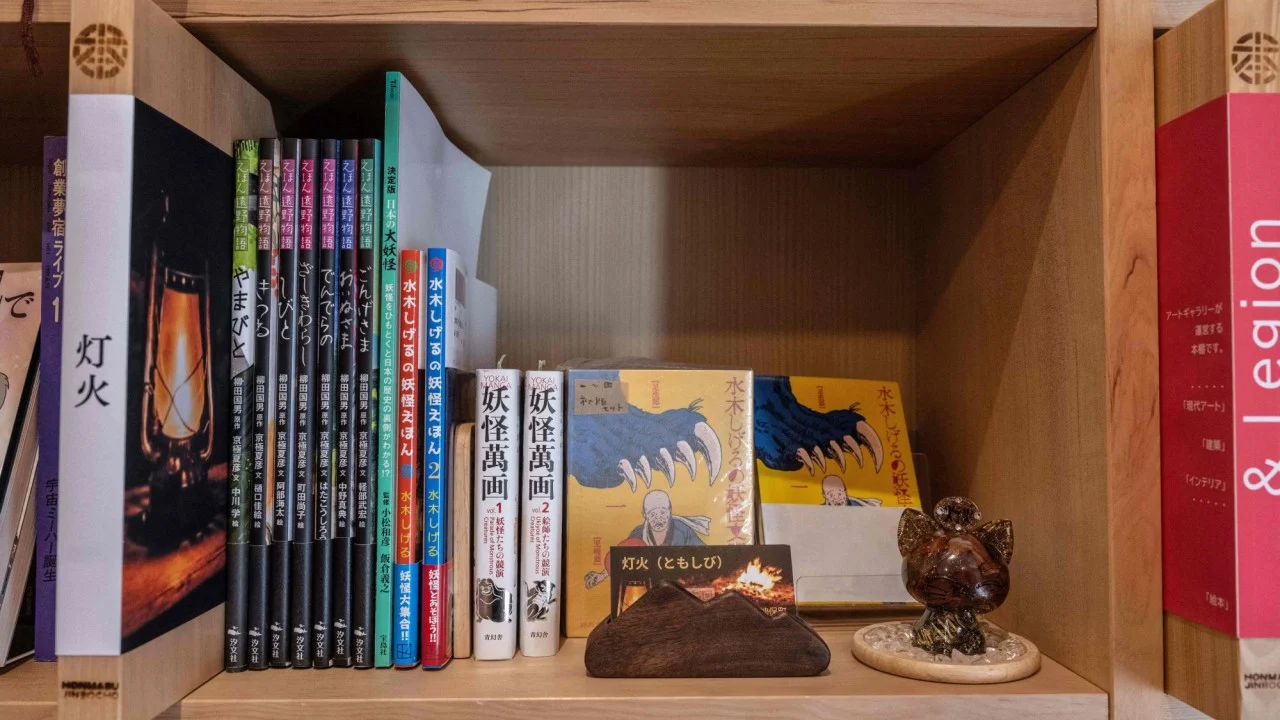
What’s fascinating is that every shelf is basically a person’s voice in physical form. One owner might showcase his favorite business books and manga side by side; another might dedicate space to tales about saunas and food culture. A shelf becomes a little biography, a window into someone’s passions.
Recommending Books, Starting Conversations
This shelf-leasing trend has also reshaped how people interact in bookstores. Instead of a quiet “browse-and-leave,” visitors often linger, flipping through titles, chatting with the shelf owners, and sharing recommendations. A bookstore visit becomes a social experience, like eavesdropping (in the best way) on what different people love and why.
In some shops, weekends feel almost like literary gatherings. You’ll see young people in their 20s talking about poetry, parents browsing graphic novels with their kids, and hobbyists comparing notes on obscure niche books. It’s lively, it’s personal, and it’s very different from wandering through a mega bookstore where everything is standardized.
Bookstores as Community Hubs
This shift also reflects a deeper idea: bookstores today aren’t just shops. They can be community spaces where culture is shared, connections are made, and local voices matter. By giving everyday readers a chance to curate shelves, these stores become a patchwork quilt of interests: each square telling a story.
This helps fill a gap left by the closure of many conventional bookstores across Japan. Instead of disappearing entirely, these physical spaces are being reinvented as shared cultural hubs. You’ll find this not just in Tokyo, but in many cities and towns where book lovers are eager to keep the joy of browsing alive.
More Than Just a Business Move
At its heart, leasing out shelves is a statement. A statement that books still matter, and that physical spaces have a role in nurturing imagination, curiosity, and community. This model gives readers a chance to be both consumer and curator, blurring the lines between browsing and recommending.
It also combats something many book lovers are starting to get fed up with: the homogenization of book recommendations online. Sure, algorithm-based systems suggest things you might like based on past clicks… but they rarely surprise you in the delightful, unpredictable ways that wandering through a physical bookstore can. These leased shelves bring back that element of surprise.

Millie Ramm
Millie has been writing since she was a child, and has spent more time with her nose in books than anywhere else. She has been ghostwriting novels and editing for the past few years, and when not working she is curled up with her cats, looking for her next read.