
Access to books and digital tools transforms education, one village library at a time, empowering young minds across Tanzania.
This extraordinary tale begins with Richard Mshomba, PhD. 85, a professor of economics at La Salle University. He grew up in a small village called Sinon, near Arusha, Tanzania, a place where educational opportunities were limited.
Fortunately, thanks to a scholarship, Mshomba moved to the U.S. to attend La Salle, a move that opened up a whole new world of possibilities. But instead of letting that opportunity simply benefit him, he and his wife, whom he met during graduate school, began thinking bigger: how could they give something back to the community he came from?
Supporting Students Since 1991
Richard’s scholarship became the turning point of his life. Thanks to it, he earned his degree, built a career as an economics professor, and settled into life in Philadelphia. But he never forgot where he came from. In fact, the contrast between the resources he gained access to and what he grew up without stayed with him.
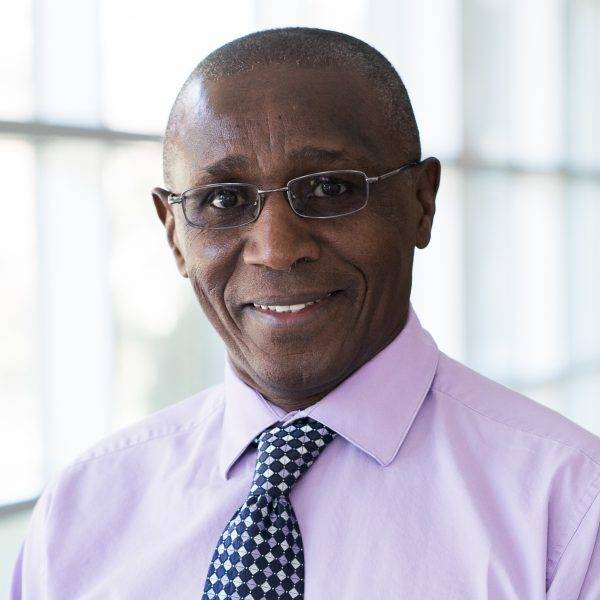
So he and his wife began doing something simple but deeply impactful: they helped students back home. The couple started financially supporting underprivileged students from their home area, helping between seven and ten pupils a year complete their schooling.
But they sensed that this kind of support, while valuable, would only touch a small number of individuals. What about broader, long-term community change? That question lingered.
The Big Idea: A Community Library for All
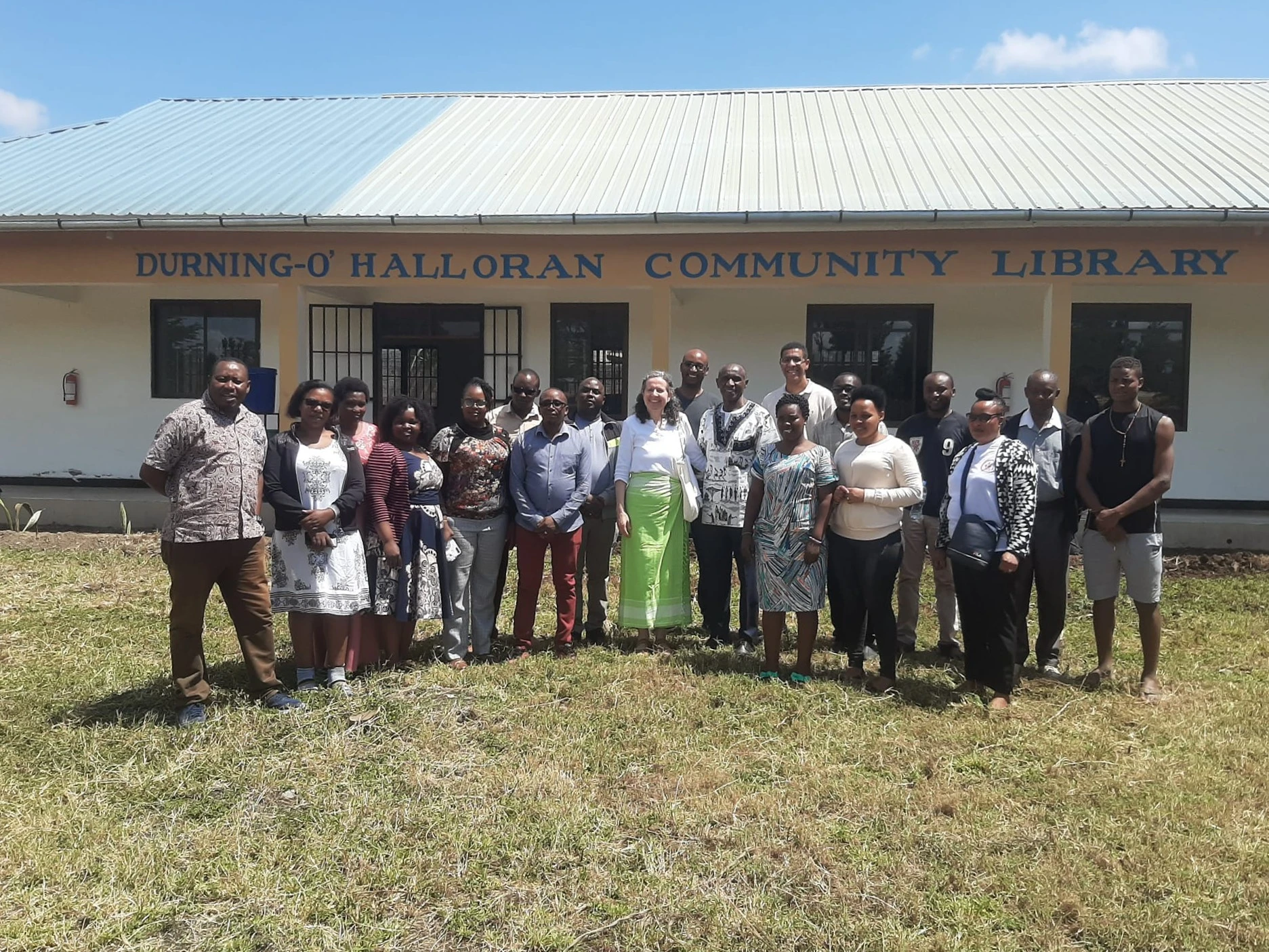
In 2016, their vision grew into something much larger: the creation of a completely free community library in Sinon village. Working with dedicated volunteers on the ground and forming a registered non-governmental organization, Madecha Education Association, they launched a library meant to serve not just a handful of learners, but the whole community.
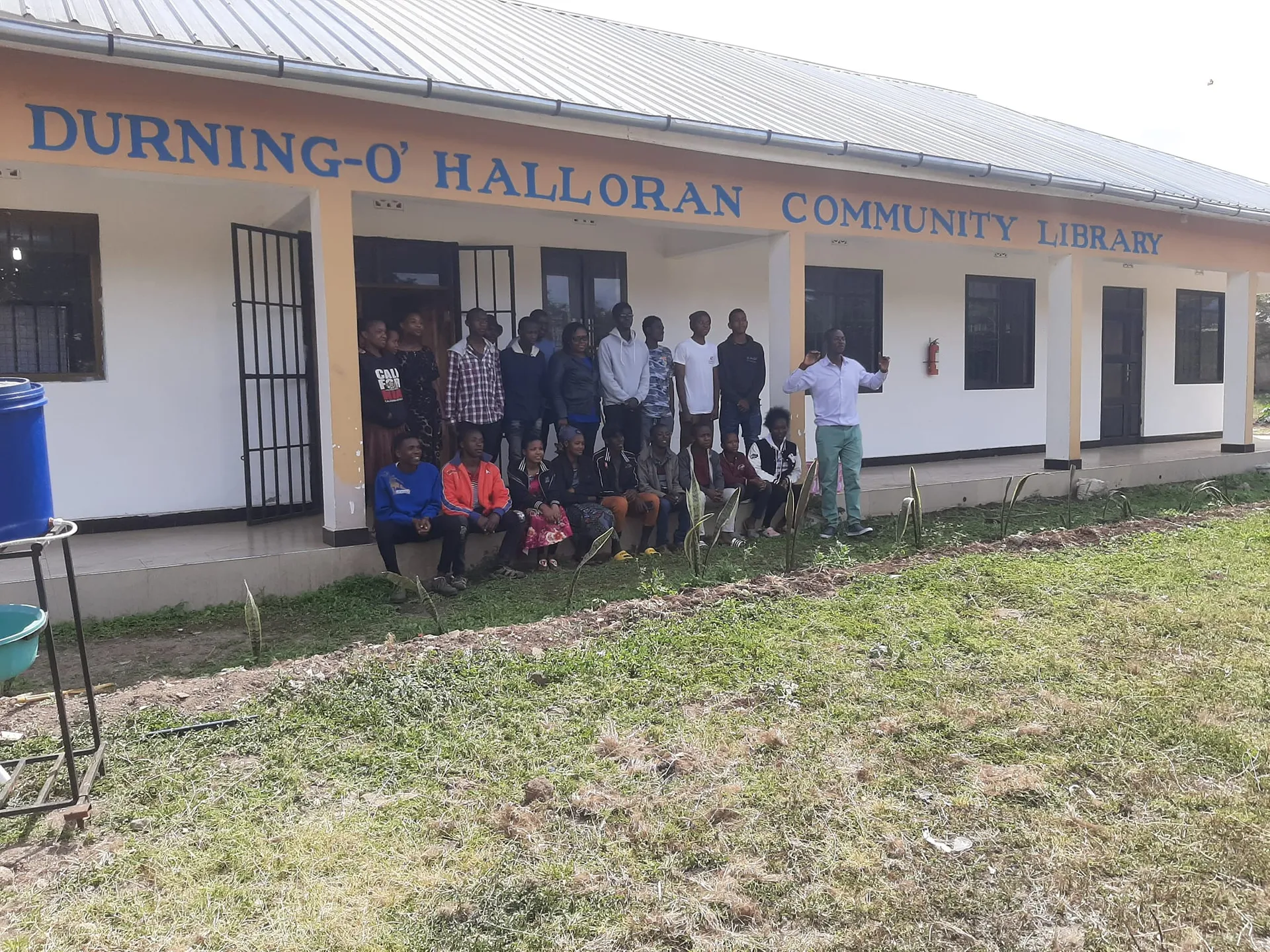
Named the Durning-O’Halloran Community Library, a tribute to Richard’s welcoming American host family and his wife’s parents, who helped support the project, the library began with textbooks and children’s books. It was designed to support students from primary school right up through college, aiming to bridge gaps in educational resources and access.
The library serves students attending more than 15 different schools. That’s a considerable slice of the surrounding community, a vast improvement from the 10 students a year the couple were helping beforehand.
More Than Just Books: A Hub of Opportunity
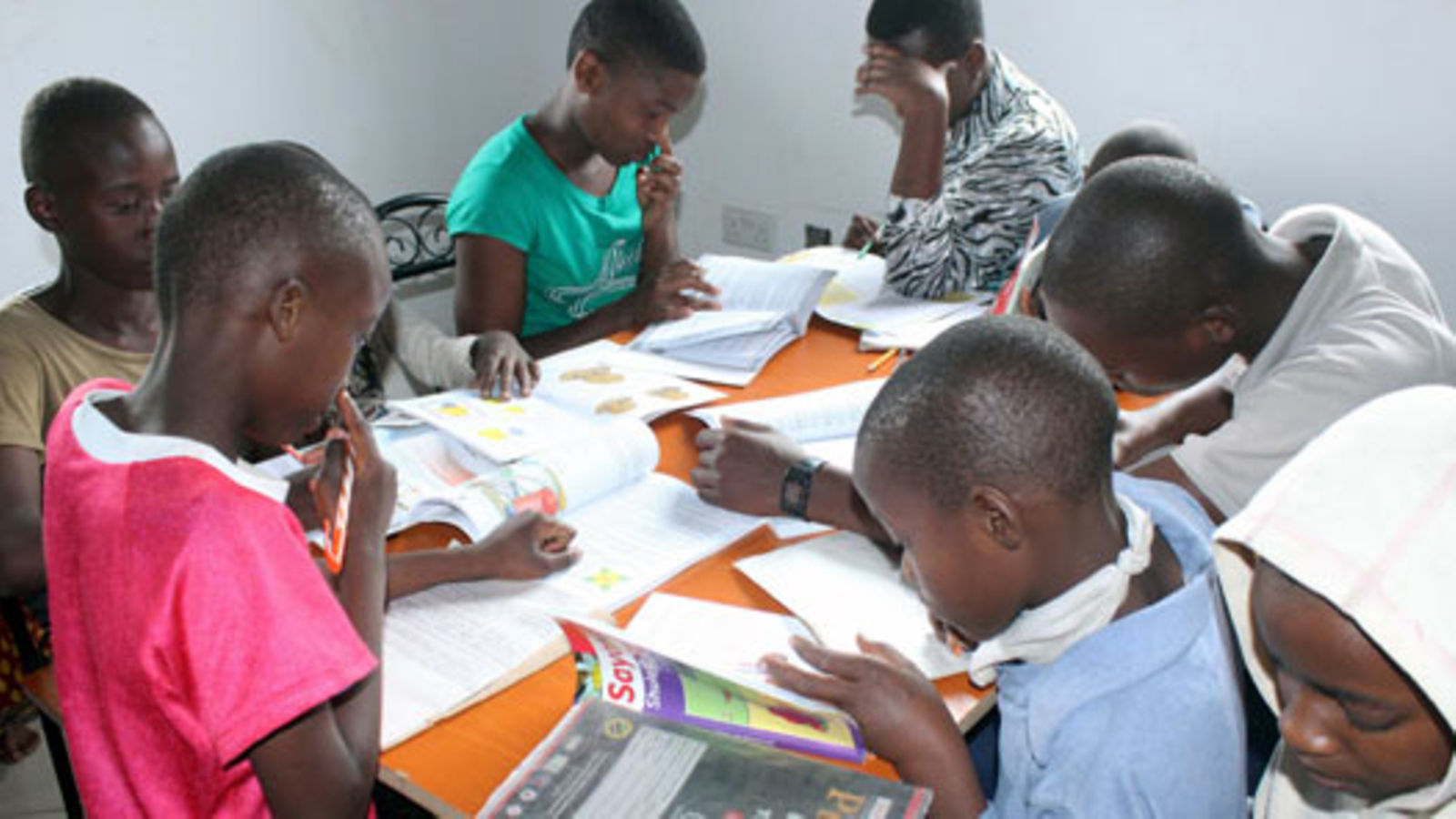
What makes this library truly transformative isn’t just its bookshelves. It provides laptops, internet access, old national exam papers, and a quiet, safe place for studying. For many local students, that’s a lifeline, because in Tanzania, passing national exams is required to progress through the levels of schooling.

That means the library has become more than a reading room. It truly is a gateway to opportunity, leveling the playing field for students who might otherwise struggle to find resources or a productive study environment.
Literacy and Education in Tanzania
Education and literacy in Tanzania have improved significantly in recent years, but challenges remain. According to the most recent national data, about 83 % of Tanzanians aged 15 and over are literate, up from lower rates a decade ago. Numeracy is also widespread, with roughly 78% of people aged five and above showing numeracy skills.

Primary school attendance is also relatively high: around 79 to 83% of children aged seven to thirteen are enrolled in school. But despite these gains, only a small fraction of the population completes higher levels of education: completion of university education remains low, at around 5 to 6%.
These statistics show progress, which is great. More people than ever are able to read, write, and attend school. And yet, as few as ever are going on to higher education, and the numbers in the rural areas of the country are lagging behind the urban centers, suggesting that there’s still very much a need for programmes like the Mshombas.
Community Spirit in Action: Helping Build and Expand
The library didn’t come together through the efforts of the Mshombas alone. At various stages, friends, relatives, volunteers, and fellow students pitched in. For instance, when the library building was being constructed, the once active student organization Enactus at La Salle helped raise funds to bring the project to completion.
In fact, in 2019, thanks to additional fundraising, notably by one student, Matthew Hladczuk, then at La Salle College High School, the library doubled in size.
Looking Ahead: Hopes, Dreams, and Big Plans
While the library already does incredible work, the Mshombas, along with all their partners, are dreaming even bigger. Their long-term goal? To build a facility for vocational training, offering skills and career paths beyond academic study.
And even beyond that: the group has ideas for expanding the library’s resources, increasing its book collection, and supporting income-generating projects to sustain the library in the long haul. It’s all part of a deeper motivation: the knowledge that education isn’t just a privilege, it’s a foundation for building community and creating opportunity.
Why Libraries Matter: Benefits for Local Communities
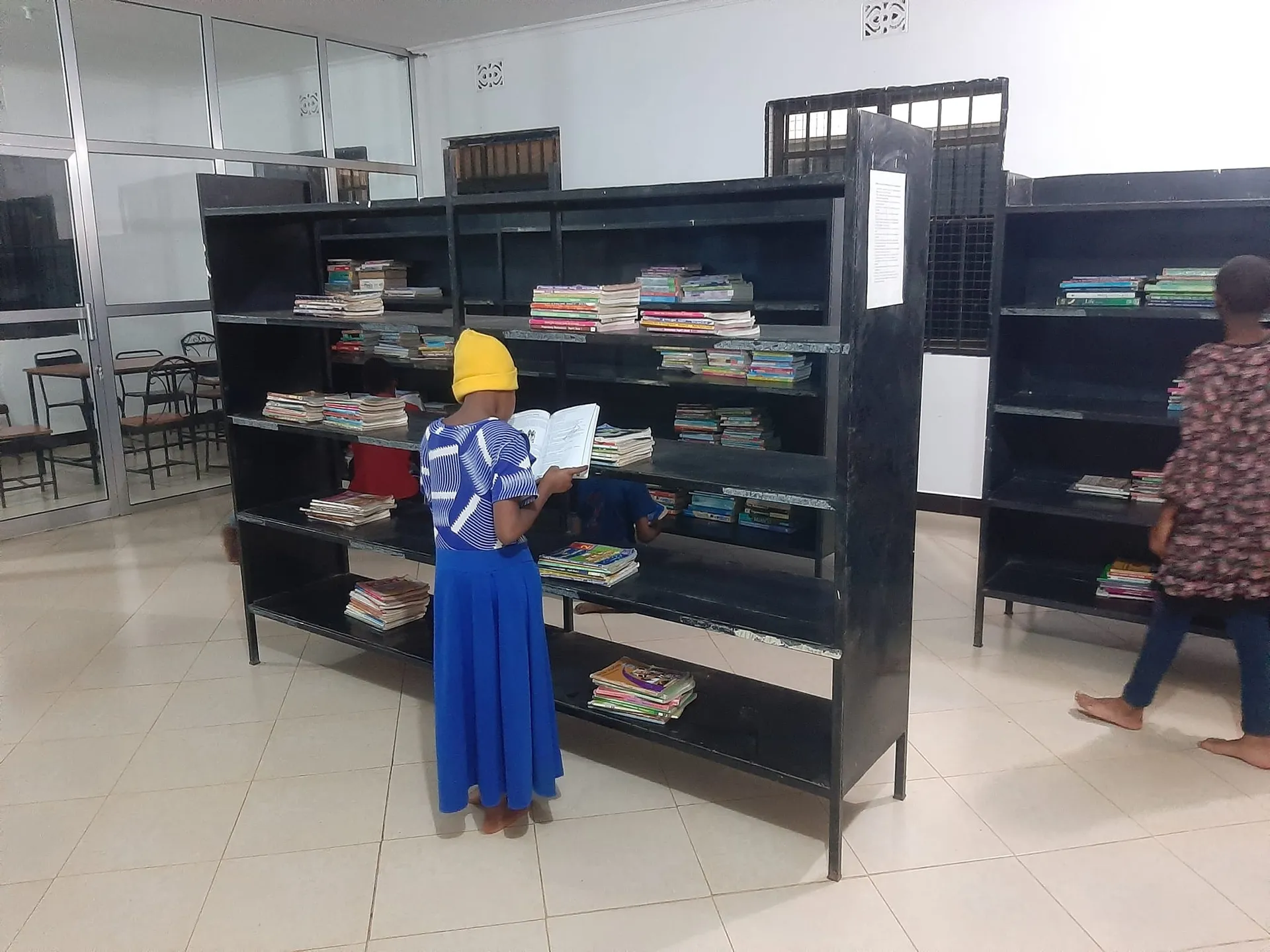
This tale shows us exactly what many of us book lovers already know. Libraries are more than book storage: they provide free access to educational resources such as books, past exam papers, and reference materials that many students at home might never afford otherwise.
They also offer study spaces, internet access, and digital tools, which are especially critical in places where home access is limited. This supports not only young students preparing for exams but also adults seeking to improve their skills or explore new learning. Beyond education, libraries serve as community hubs. They’re safe, inclusive gathering points where people from different backgrounds can meet, share knowledge, and engage with culture. In doing so, libraries foster social connection, encourage lifelong learning, and help people access information, job-search tools, and self-improvement resources.

Millie Ramm
Millie has been writing since she was a child, and has spent more time with her nose in books than anywhere else. She has been ghostwriting novels and editing for the past few years, and when not working she is curled up with her cats, looking for her next read.