
From food parcels to paperbacks: a charity is turning food banks into places of hope, imagination, and connection.
If you’d told someone a few years ago that one of the most heartwarming things happening across the UK would be free books being handed out alongside food parcels, you might have gotten a puzzled look. And yet, here we are: in 2026, when the simple joy of reading is being woven into some of the most important community services around. Books are being donated and shared in places where you might not even think they’re needed… and it makes so much sense.
What’s Going On?
At its core, this is about looking at the bigger picture. It’s about remembering, or rather considering, that people who are having to rely on food banks are likely to be struggling in more areas than just filling their kitchen cupboards. Yes, a food bank feeds people, but what about all the other shortcomings in these folks’ lives?
Like reading. Like education, creativity, and inspiration. That’s where books come in.
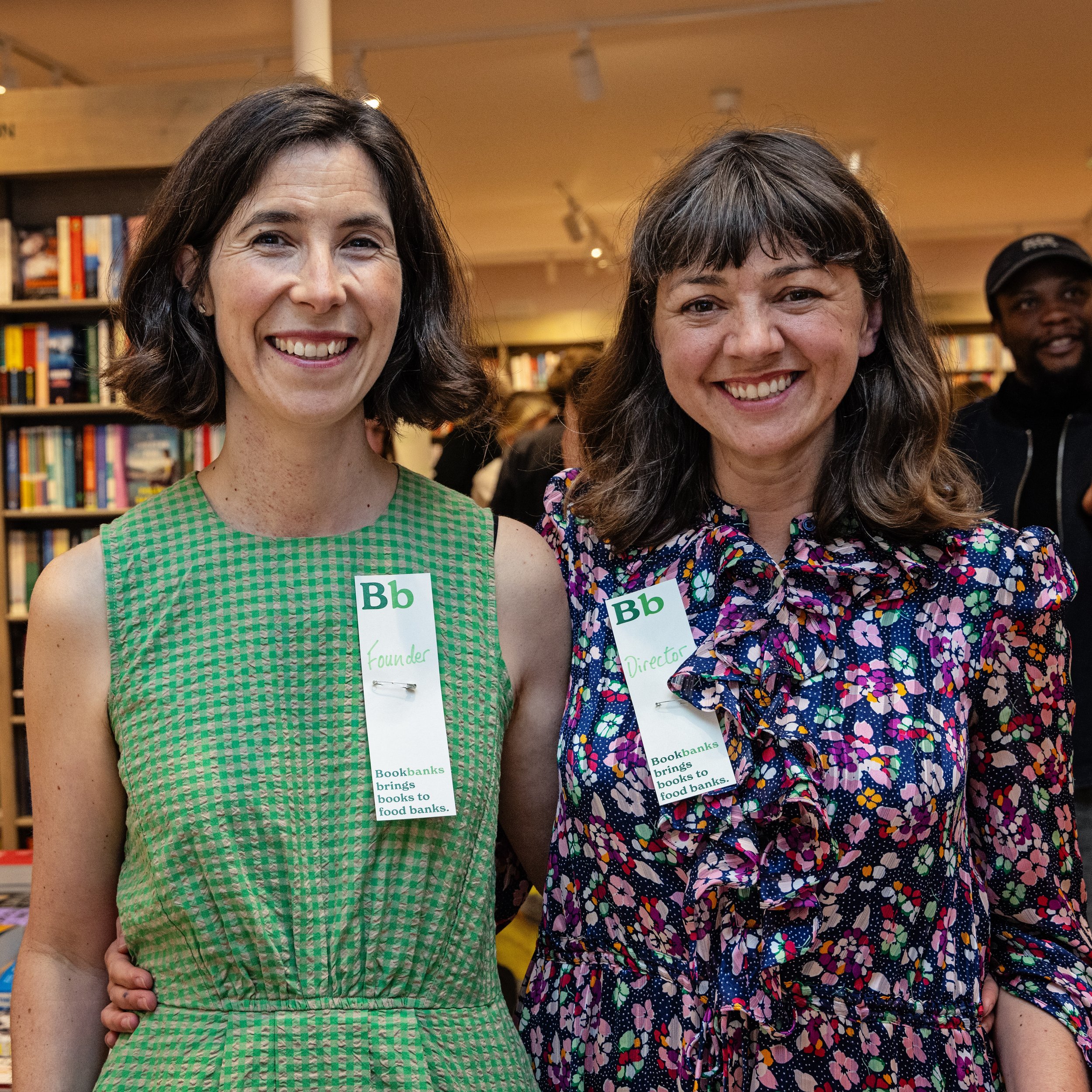
A charity called Bookbanks was born out of exactly this realization. It was started by Emily Rhodes, a writer and critic who, while volunteering at a food bank in Newington Green, north-east London, had a thought: Why shouldn’t people picking up essentials also have access to something nourishing for their minds? And so she began giving away her own books alongside food. It didn’t stay small for long.
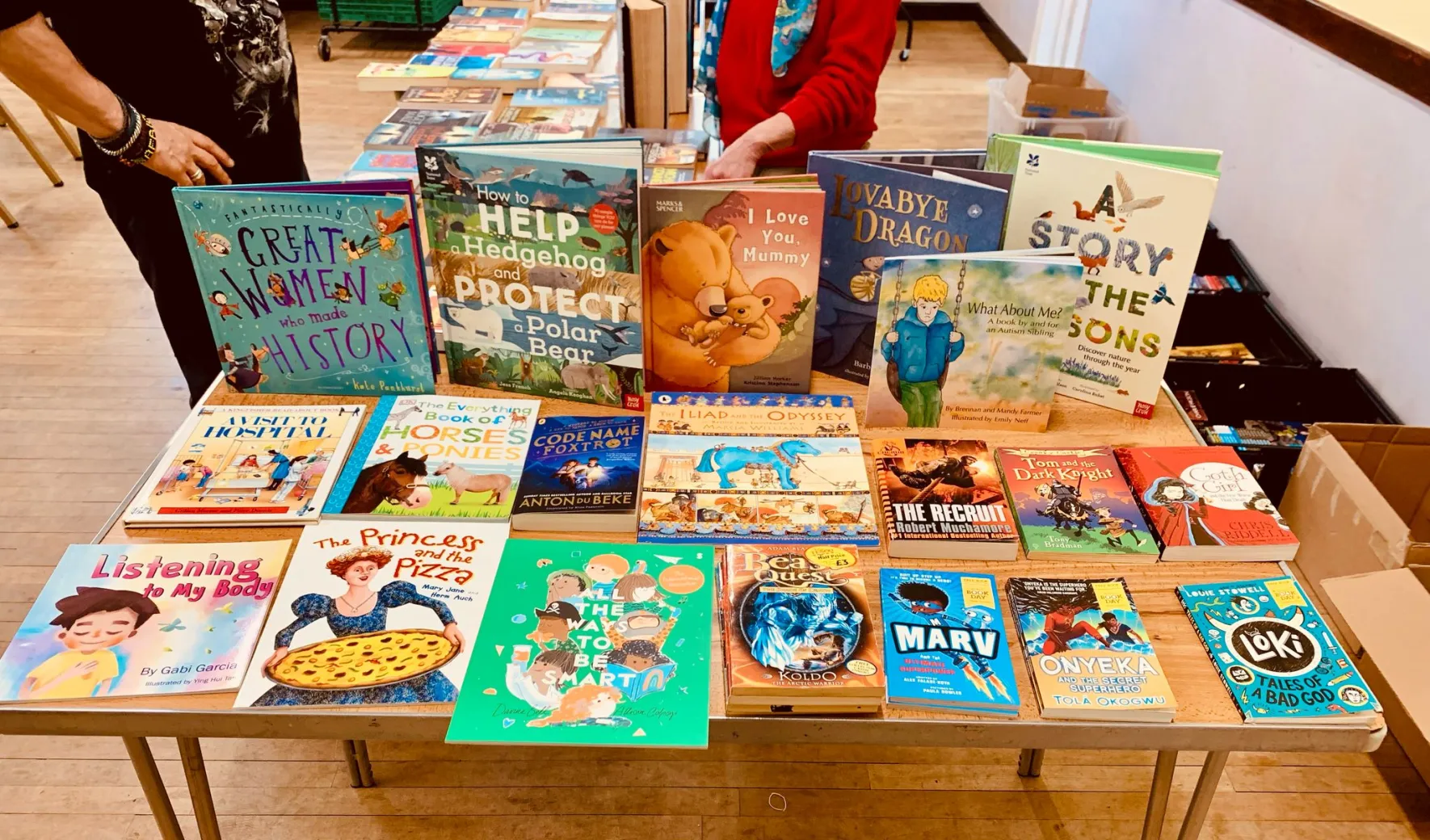
With support from bookshops, libraries, publishers, and individual donors, Bookbanks quickly grew into a proper charity that partners with food banks across the UK to bring free, high-quality books to people who might not otherwise have access to them.
Why Books at Food Banks?
At first, you might think: “Food banks give out food. That’s their job. Why books?” But that’s exactly where the magic is. Bookbanks knows what we sometimes need reminding: books aren’t luxuries; they’re tools for connection, learning, and hope.
Last year’s data showed that more than one in 12 children in the UK does not have a single book at home. That’s heartbreaking. And that’s just children and ownership. It doesn’t even touch on how many adults struggle to access reading material.
Reading for pleasure has been shown to be one of the strongest predictors of future success in life. It’s linked to improved mental well-being, better academic outcomes for kids, and a higher quality of life overall. And yet, too many people live in “reading deserts” where books are scarce or treated as an unaffordable extra.
So Bookbanks is stepping in. It’s taking books to the frontlines, to the people who can’t afford a trip to the local bookstore, or who don’t have time for a trip to the library as a family. It’s spreading joy in the form of inspiration, creativity, and learning.
What Actually Happens at a Bookbank?
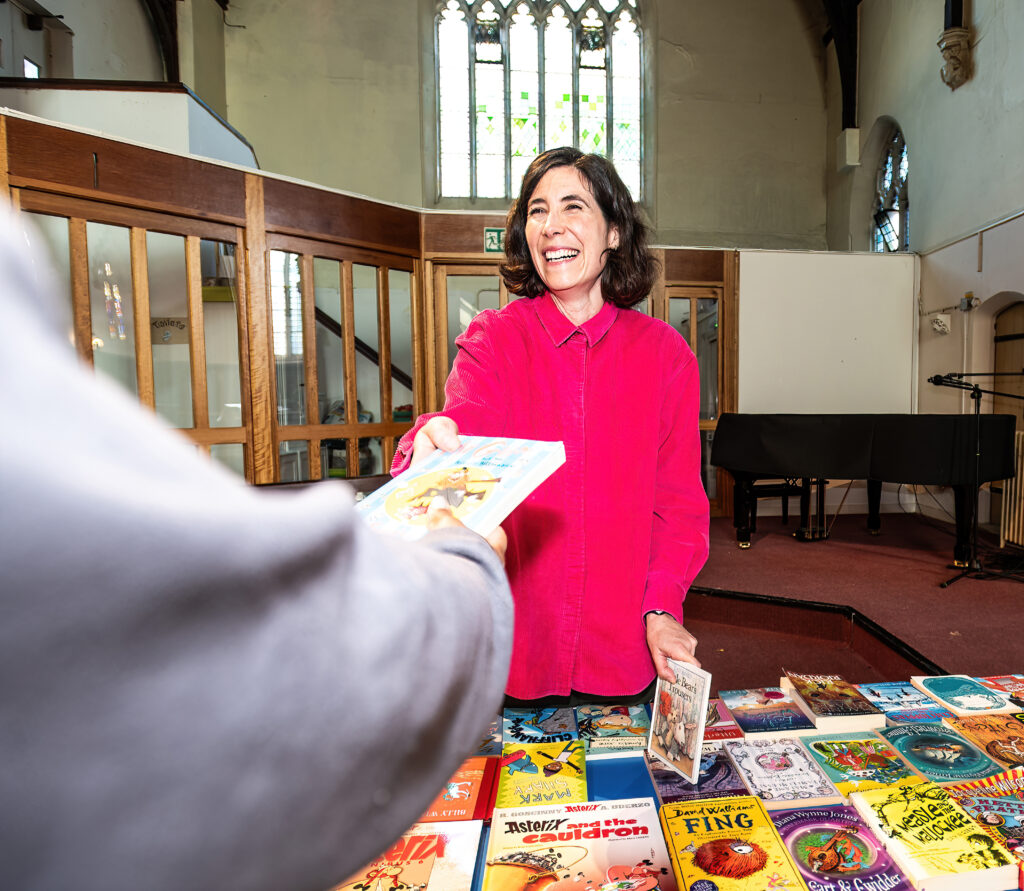
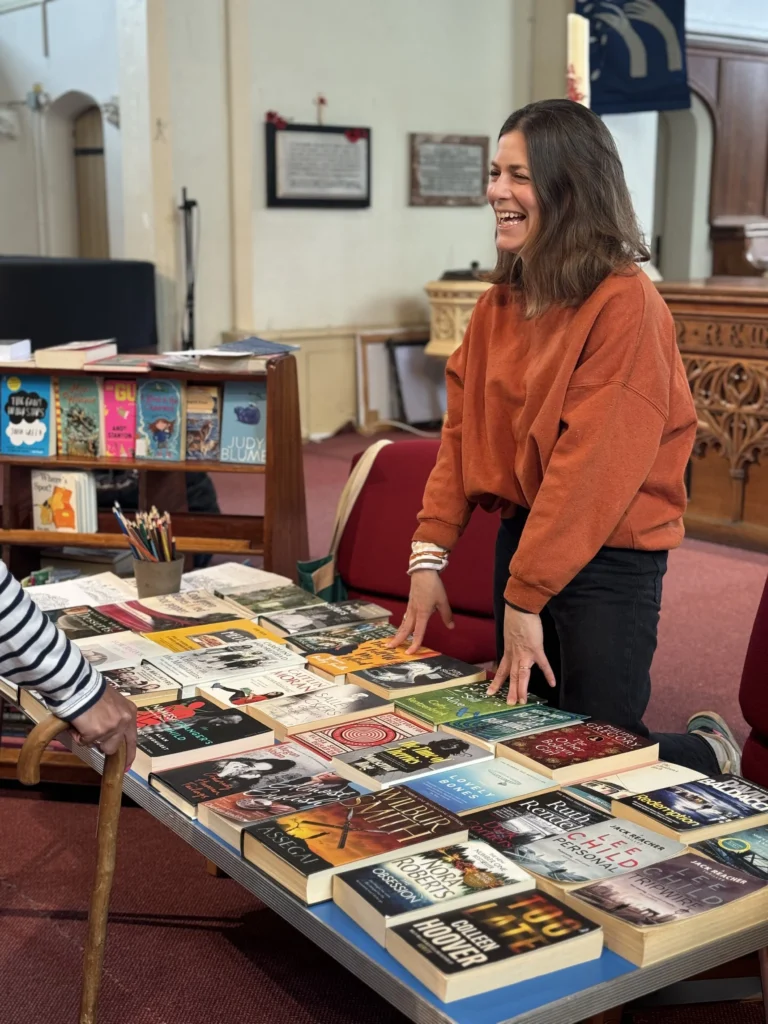
If you imagine a cart of dusty books in the corner of a charity hall, let me stop you right there. That’s not this. Picture instead something more like a book stall, cheerful and inviting, with books laid out like treasures: picture books, novels, poetry, cookbooks, children’s books: the whole range.

The books are free to browse, take home, and keep forever. There are no library cards. No returns. No judgment. This is about ownership, which is something that’s deeply meaningful, especially for children.
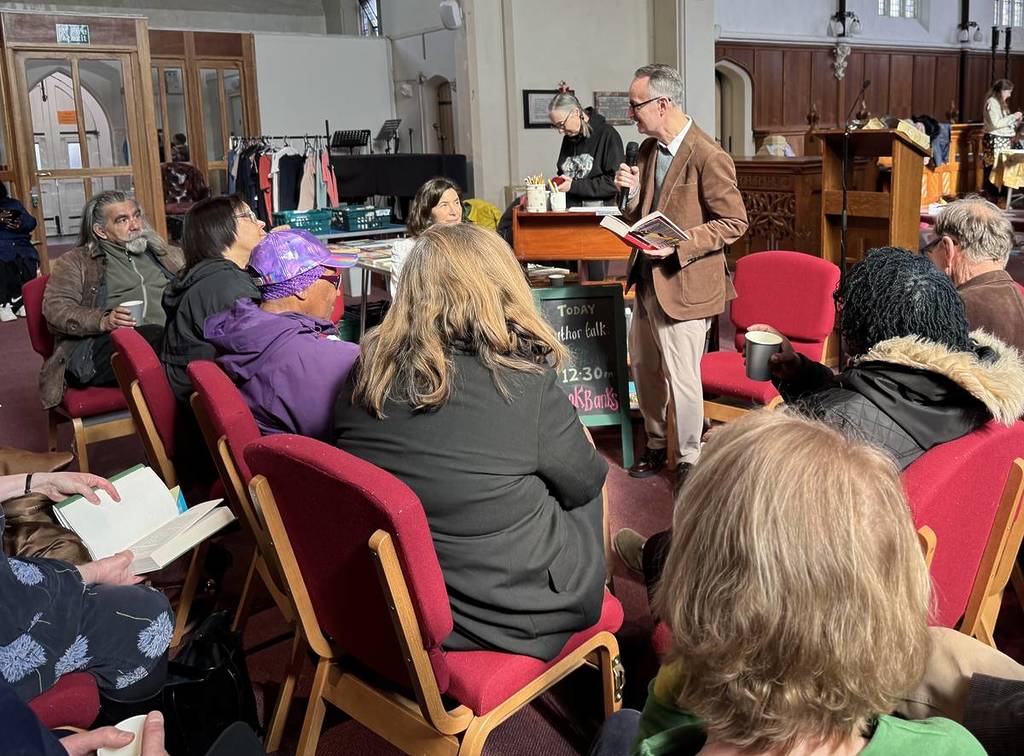
The stalls are run by volunteers who come from the book world, we’re talking librarians, booksellers, writers, publishers… people who don’t just know books, but know how to chat about them in a way that’s warm and personal. They help food bank visitors find books they’ll love, whether that’s a first picture book for a toddler or a novel for someone rediscovering reading after years away.
More Than a Handout
There’s something quietly revolutionary about this. It’s not just charity; it’s community building. Food banks have historically been seen as emergency services — a safety net when things have gone wrong. But by introducing books, Bookbanks helps reshape that narrative. Rather than just survival, there’s culture, conversation, and curiosity.
Books act as social glue, linking people together not through need alone but through shared stories and ideas. It’s especially important when as many people are struggling day to day as they currently are.
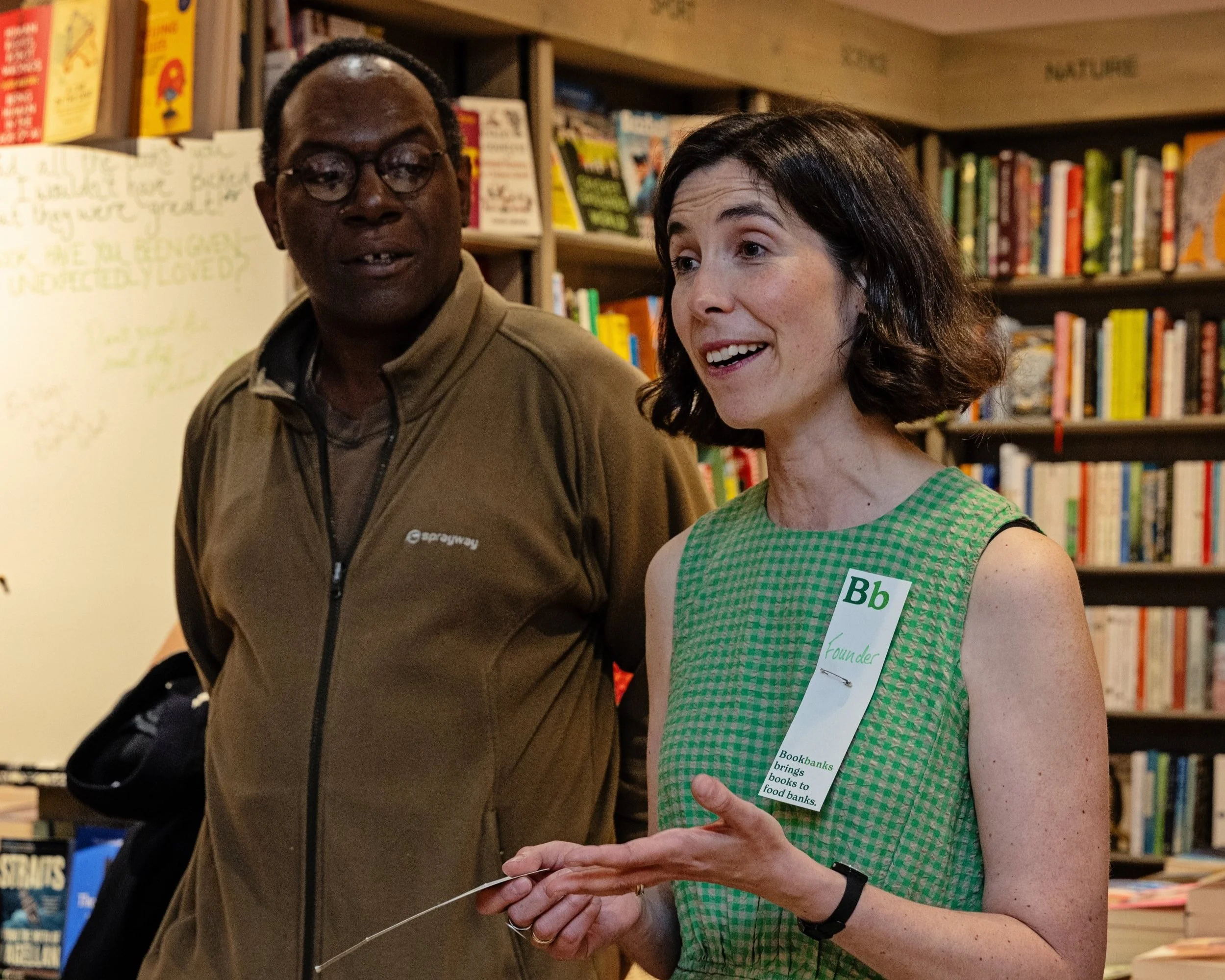
In a practical sense, this addresses what some call literary poverty, that is, the lack of access to books and reading opportunities across certain communities in the UK. Bookbanks literally brings books into the places where people already are, often filling gaps where libraries are inaccessible because of location, opening times, or lack of fixed addresses.
Spreading Across the UK
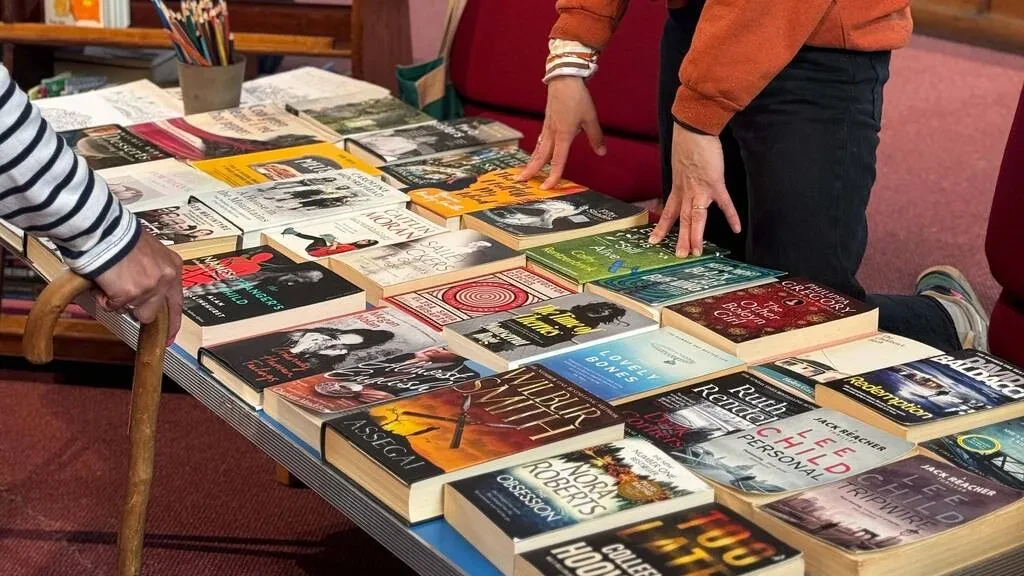
This isn’t just a London idea anymore. Bookbanks has spread to Norfolk, and now there are spots opening in Manchester and other parts of the UK. They’re handing out over a thousand books every month, and local groups are throwing in their own flavour: author visits, storytelling sessions, and community read-alouds.
Campaigns like Get Britain Reading are helping amplify the effort, encouraging donations and volunteer support from all corners of society. Partnerships with organizations like Bookshop.org mean that when you buy certain books, it also helps fund more book donations.

Millie Ramm
Millie has been writing since she was a child, and has spent more time with her nose in books than anywhere else. She has been ghostwriting novels and editing for the past few years, and when not working she is curled up with her cats, looking for her next read.