
Always rushing? Explore the art of balance through Swedish lagom and the Italian joy of doing nothing.
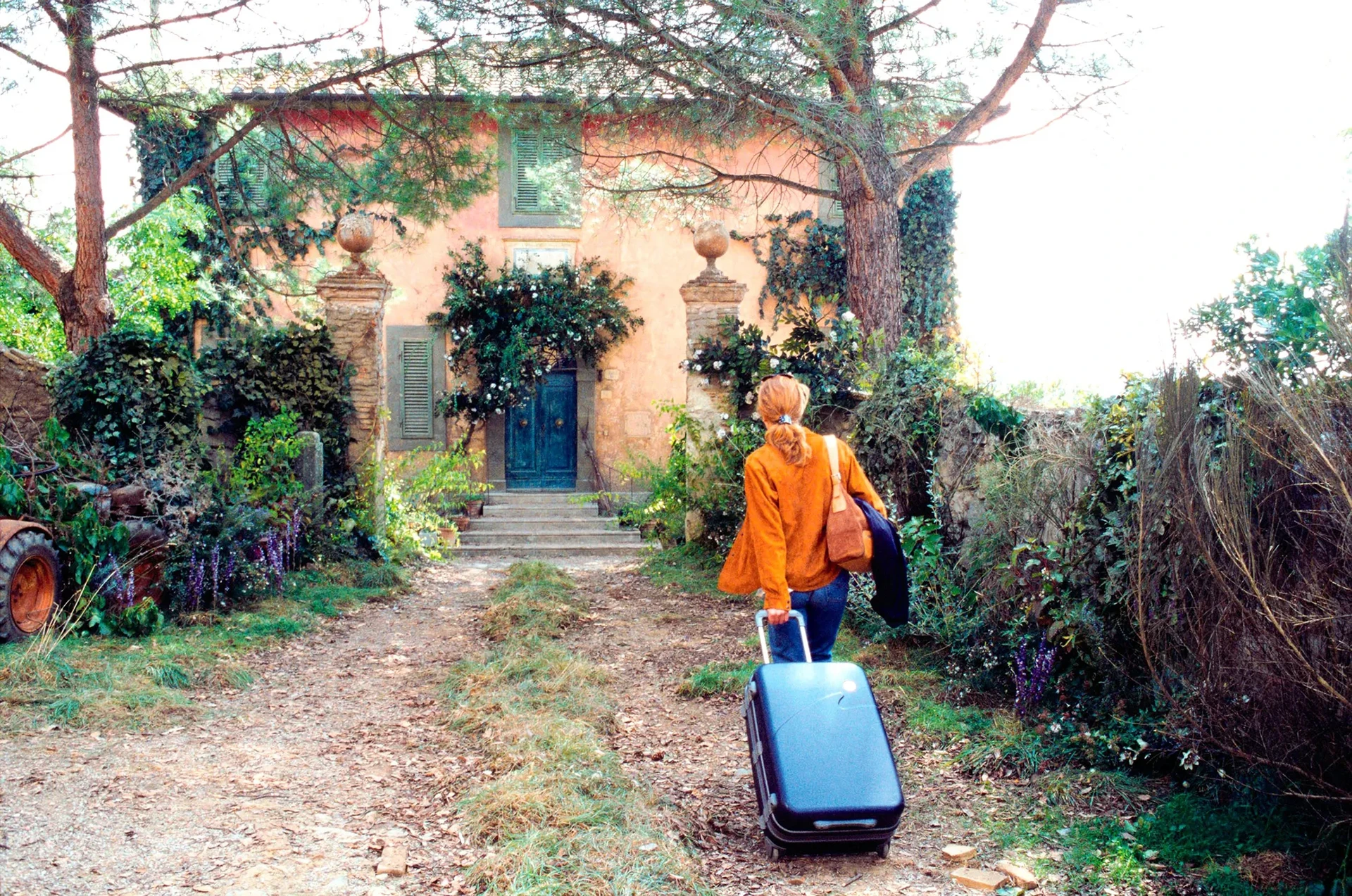
Frances Mayes did what many of us dream of doing: she packed up her life and moved to the Italian countryside to start her life afresh. Still stinging from the fresh wounds of a divorce, but emboldened with the warmth of a new love, Frances and her new lover, Ed, move to a run-down, abandoned villa named Bramasole in a rural town in Tuscany.
There, they dedicate their time and holidays to building their dream home, fixing the broken stone walls, all the while trying to retain Bramasole’s history and culture. A large journey faces them. Their lives shift from the haste of their old worlds to the unexpected challenge of learning the art of slow living.
Slow Living Is a Mindset, Not a Move
Life, as we know, rarely mirrors Frances Mayes’ memoir, Life Under the Tuscan Sun. The slow life isn’t about packing up all of your belongings and moving to some quaint town in the French or Italian countryside, but it is a shift of mindset. Yet first, we must ask ourselves – is it even possible to live slowly in a world that demands speed?
Lagom: Learning the Art of Enough
If you’ve ever read the tale of Goldilocks and the Three Bears, you know the significance of getting something ‘just right’. This idea is so significant that the Swedish even have a word for it. Lagom, in English, is best translated as ‘Just about right’, and embodies the Swedish philosophy of balance, harmony, and the quest for mindfulness. Lagom rejects the cultural normalisation of excess and overconsumption, arguing that one can have too much of a good thing.
Unlike some other philosophies, lagom acts more as a gentle guide in decision-making. It is a protection against the gluttony of a food, an action, or even a moment. Following this philosophy may lead us to spend an evening with a friend rather than a night, eating a slice of cake rather than the whole thing, and savouring a taste of goodness but not more.
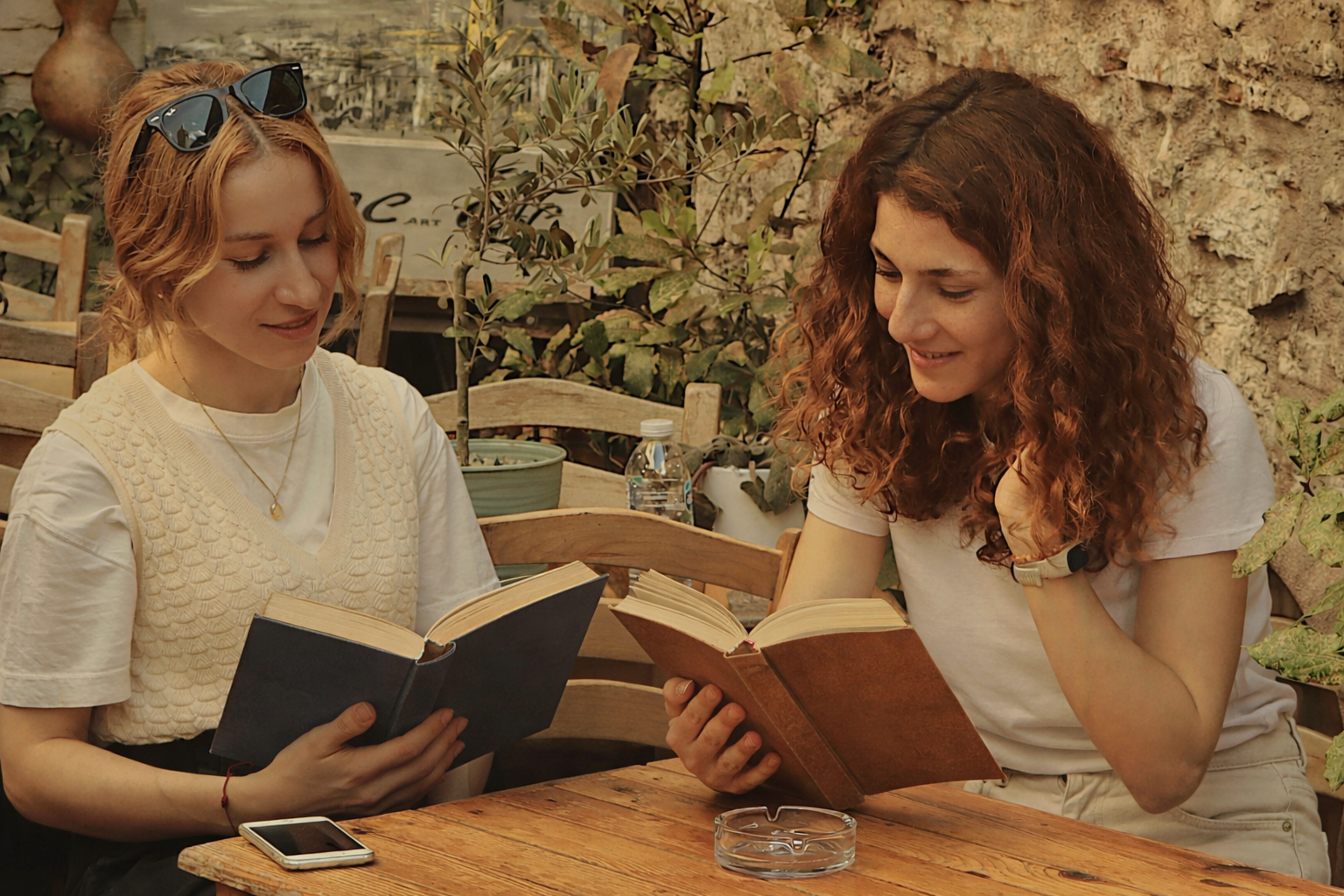
More than that, lagom is motivated by the prosperity of the community, and thinking of actions as individuals as part of a whole. Sometimes taking just enough means leaving enough for everyone else.
Our lives are a continuous balancing act, an intertwinement of moments and choices. Of course, we will encounter defining moments within our own lives. A school graduation, falling in love, starting a career, or even building a family are all important milestones, yet our lives are comprised of much more than singular events. Our time spent alive, most of the time, is encompassed by the smaller things. Yes, we can work towards our personal goals, but we cannot forget to also appreciate and balance the present.
A Gentle Rebellion Against the Scroll
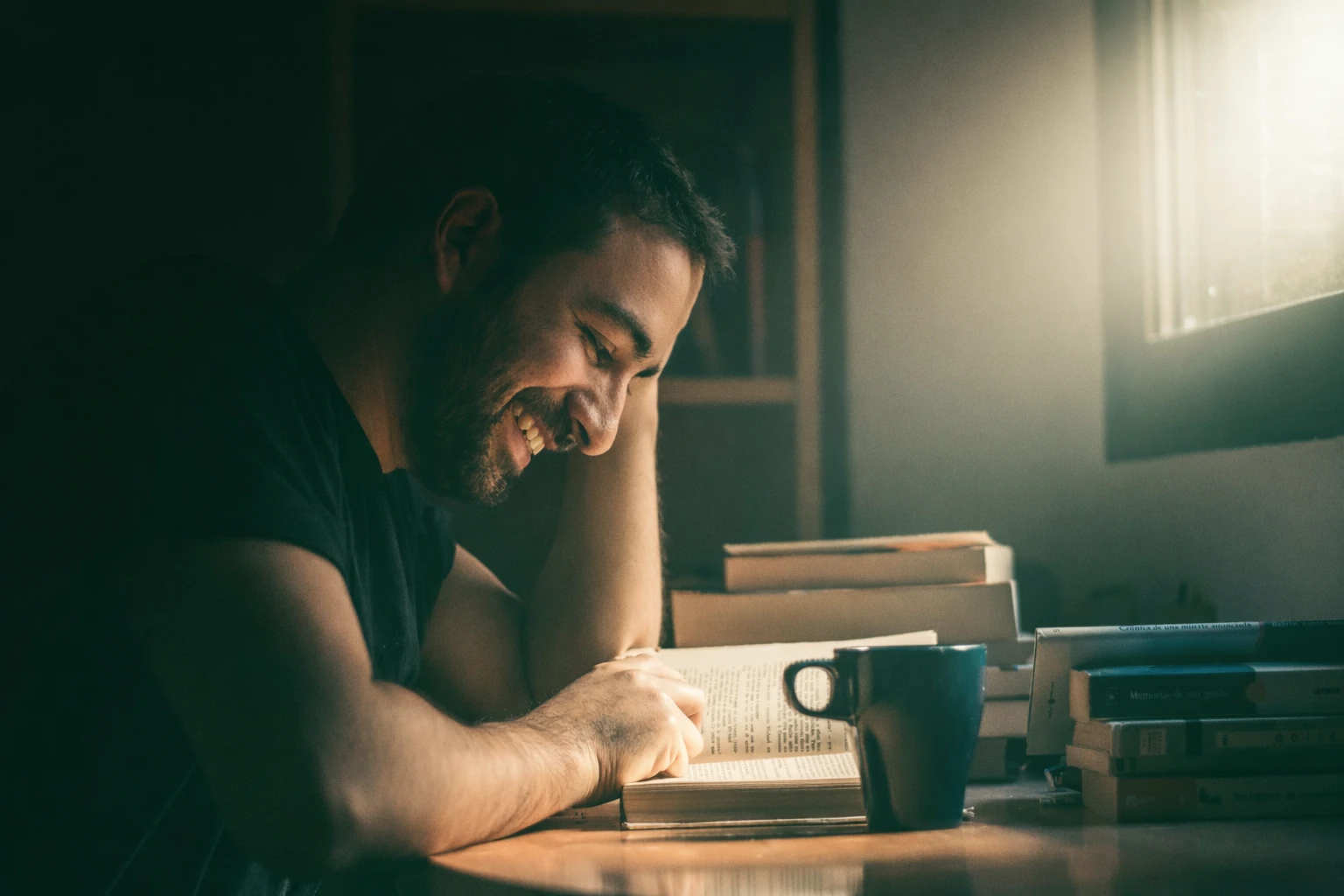
Slower living is the art of being conscious. It is a myriad of different habits and feelings present not only in our worlds but within ourselves. Many of us start our day with a screen. The first thing we do, before even brushing our teeth, is roll over to check our notifications. Endless content.
Not only are our personal or professional notifications, but a portal to seemingly infinite information, news stories, social media, and everything else in between. Slow living is a gentle rebellion. A change of habits and a choice to start your day how you want to start it.
La Dolce Far Niente
When Frances Mayes decided to renovate that old Italian villa, she was at the mercy of some not-so-motivated Italian workmen. If Frances ever tried to hurry them up, she might have heard them cry out, ‘La dolce far niente!’, which in Italian means, ‘the sweetness of doing nothing!’ For the Italians, dolce far niente is not an excuse to not work, but rather a certain art of living.
The belief that we should always be doing something, learning something, working towards something, is hardwired into our social systems, but humans are designed for something less rigid.
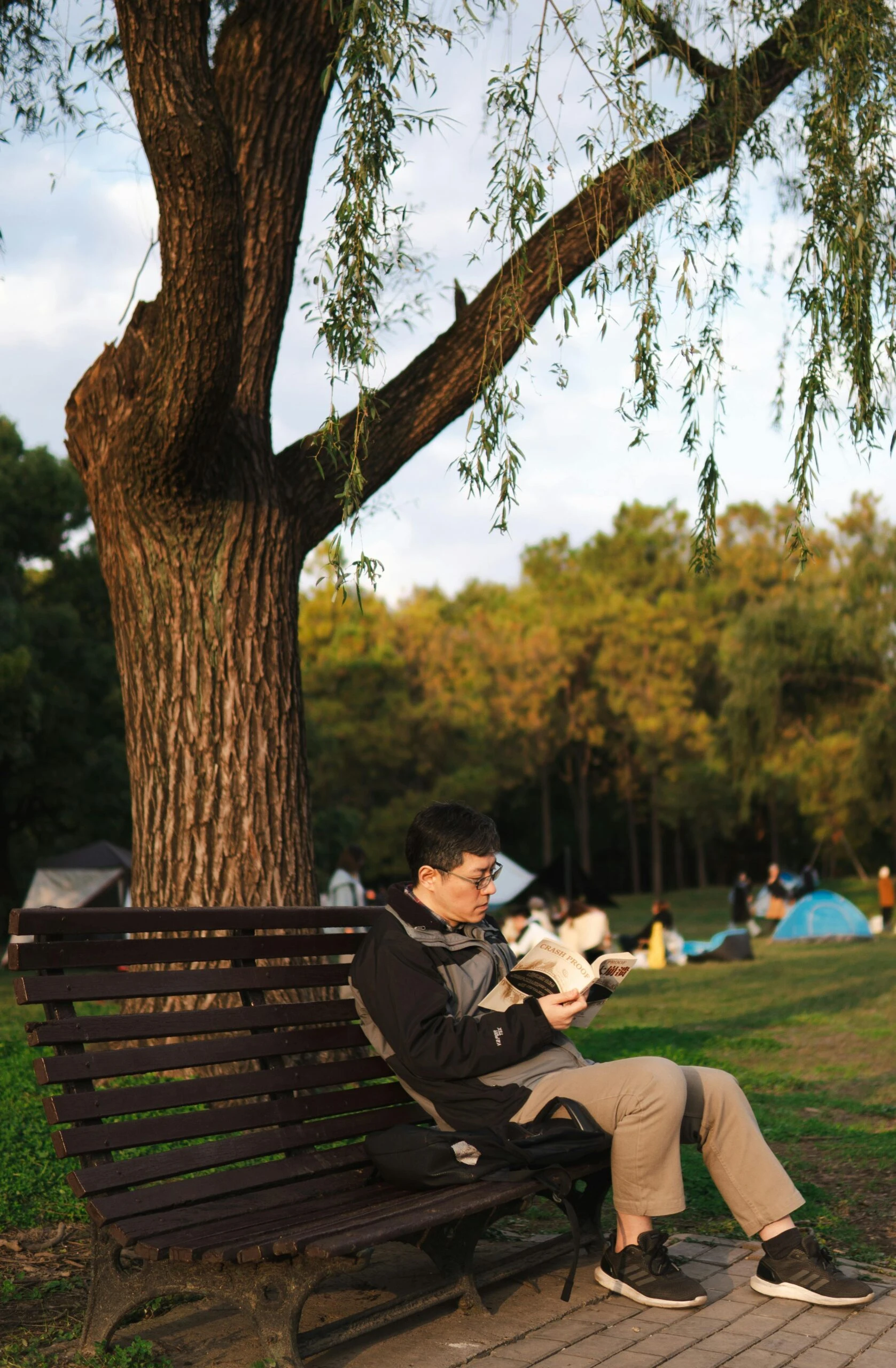
We need balance. Yes, we may need to use our phones for work and relationships, but perhaps we could swap the mindless scrolling for a gentle stroll around the neighbourhood.
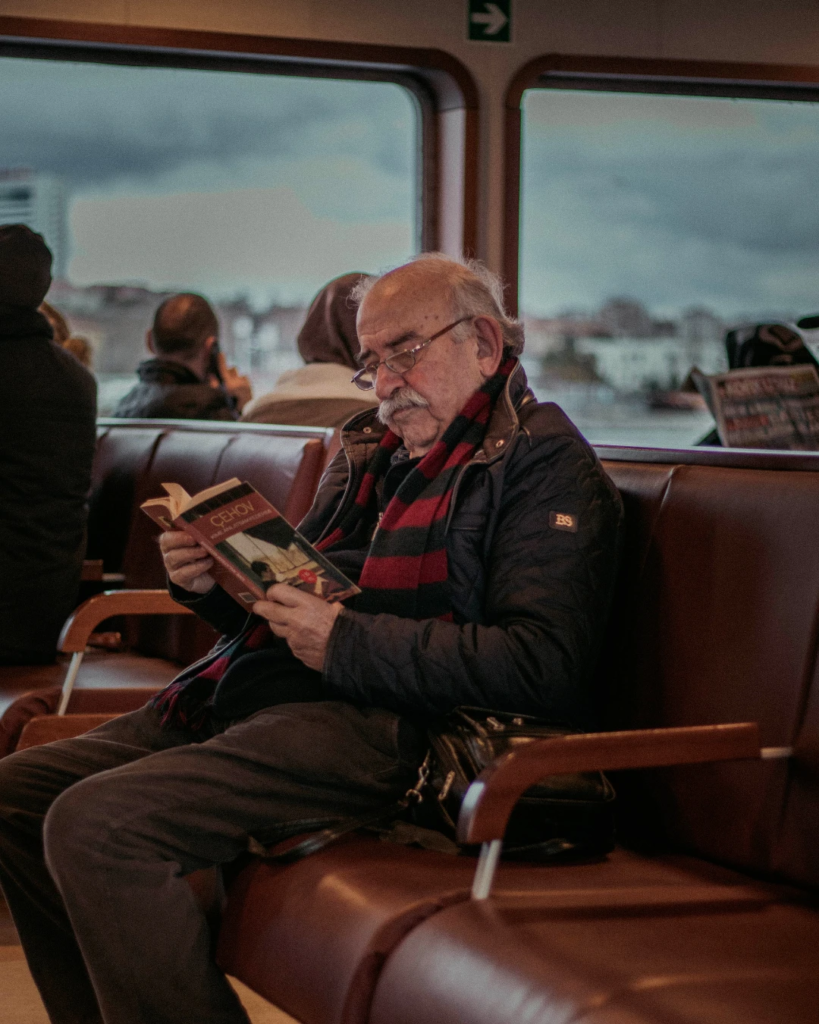
Spending our commutes reading a chapter of a book instead of engaging in TikToks or Instagram reels, and noticing the way our brain changes when allowed to breathe and slow down.
Living Slowly, Living Fully
I have seen, even within myself, the way my mindset shifts when I give my brain a break. When I feel overwhelmed, I fight the temptation to scroll, and instead have learnt to put the phone down and take a walk. Outside, I watch the way the light bleeds out like pastels from the sky, I smile fondly at the neighbourhood cats hiding underneath cars or watching me curiously from the window, I focus on the way my breaths get deeper and slower.
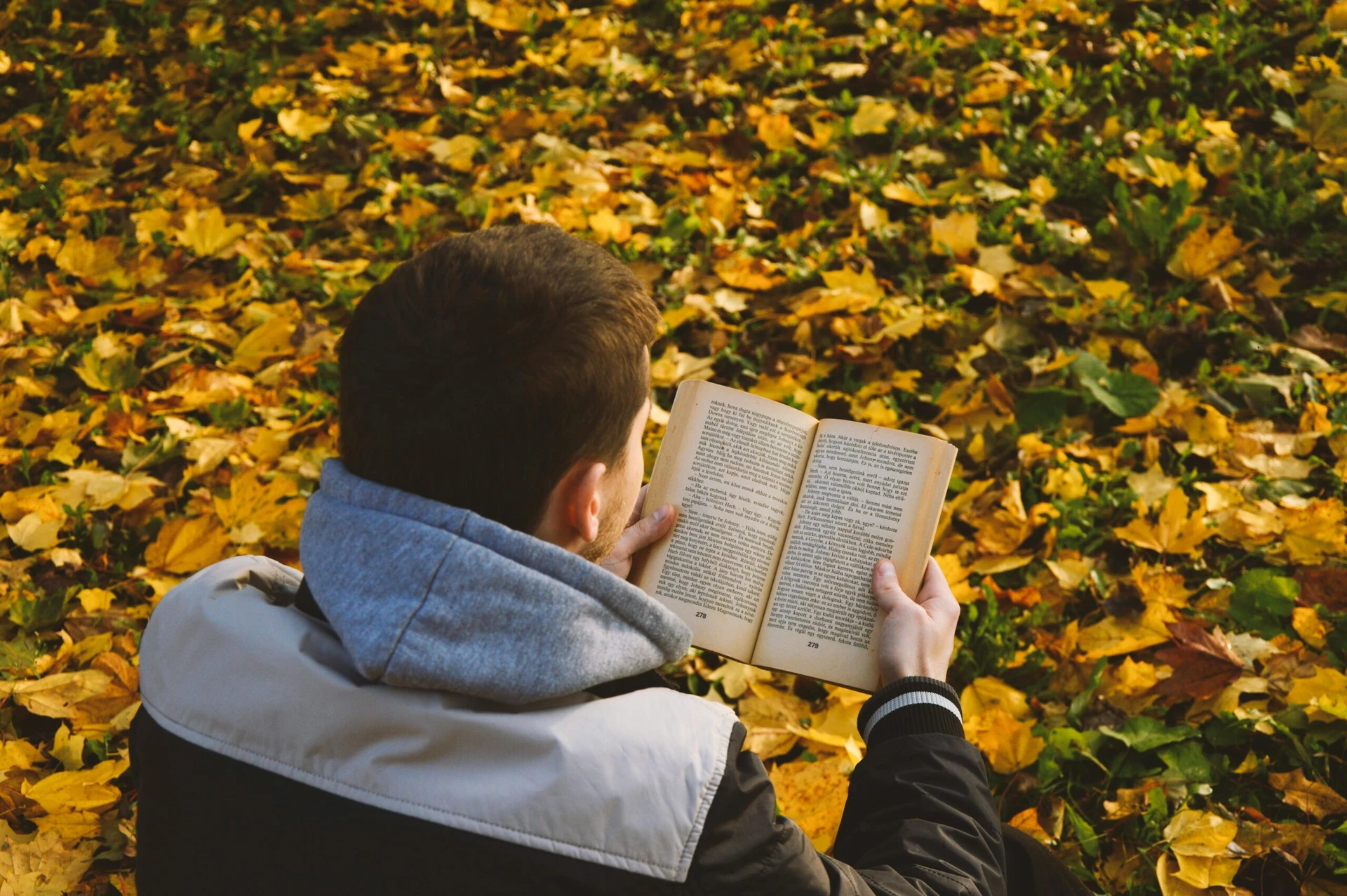
For me, balance is about shifting little, everyday habits, giving myself distance from the screen, and finding beauty in the everyday. Humans love to live fully and intensely; we love to notice the little things, take a new, scenic route home, follow our curiosity, and see where it leads us.
Living slowly is not living lazily; it is living intentionally; it is being aware of the ephemerality of life; it is turning away from the pressure to always chase the future and instead deciding to taste the sweet but fleeting savour of the present.

Vincent Phan
Vincent is the founder and Editor-in-Chief of 1000 Libraries Magazine. He is a Paris-born ex-corporate turned bookseller and philosopher, on a global mission to spread the joy of physical books in our age of digital technology.