
What makes a writer truly great? Discover why observation is every writer’s most powerful creative tool.
Like a painter, a writer observes something in their mind or the world around them and translates it onto canvas. Fiction is never fictive; there is always an element of truth because stories are crafted through careful, real-world observation. Any good writer has been complimented on their imagination, and whilst they deserve the credit, they also understand that so much of it is from paying careful attention to the world around them.
Learning from Nabokov and Sontag
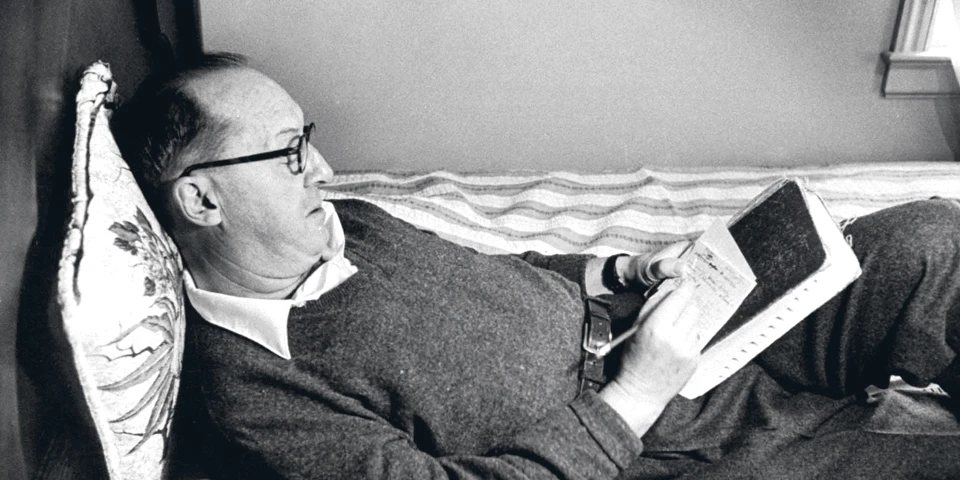
Whatever you think about Vladimir Nabokov and his infamous masterpiece, Lolita, you cannot deny that he was a talented and observant writer. In his 1946 lecture, ‘Good Readers and Good Writers’, Nabokov advised listeners and hopeful writers to “pluck fiction from the world around you.”
Fiction is a collection of observations. Characters are not created anew but are moulded from various aspects of other people; it just means you have to know where to look.
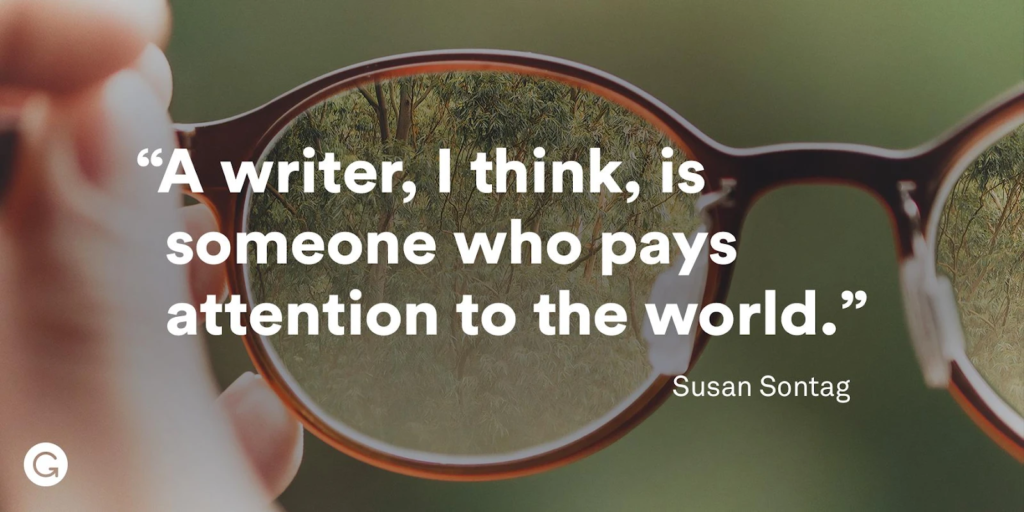
In a speech, Susan Sontag said, “A writer, I think, is someone who pays attention to the world.” Sontag understands, because she lives it herself, that the writer is the observer. The writer notices the little details of a day, the peculiarities of a person, and their habits.
They write about the man who arrives at the run-down café each morning for his cigarette and espresso, the older lady who matches every outfit with her husband, and the wide eyes of a child staring at the sweets section. Little everyday moments, turned into something familiar and unexpected to the reader.
Readers as Observers Too
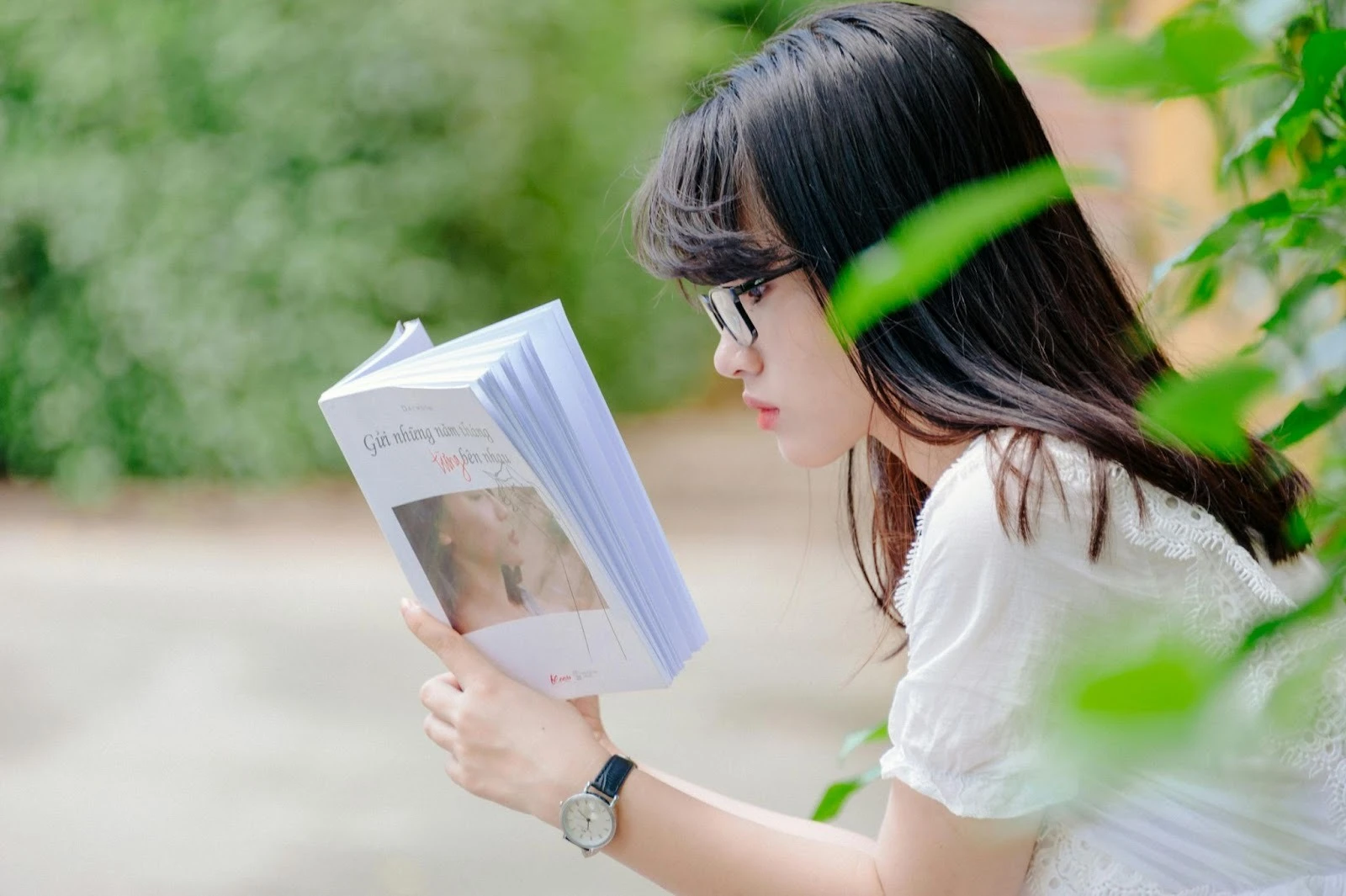
You do not have to be a writer to observe; in fact, readers are some of the most careful spectators. They are the ones scouring over the pages, dutifully noticing patterns between the lines, uncovering hidden themes and commentaries. The world is fast; it drains our attention spans and dopamine, and tires out our overloaded brains. Reading, even just a few minutes a day, slows us down. We are forced to make little observations, we are forced to consider and think deeply, and reflect.
Observation as a Human Survival Tool
Historically, observation was not just the affliction of writers but a tool relevant to survival. Humans may be clever, but we are also vulnerable. We are not as big as other animals, we do not have sharp claws or venom, so we need to be observant of danger. Of course, we still do this; we still notice when we should avoid certain dimly lit streets or throw away food that looks like it has been out a little too long.
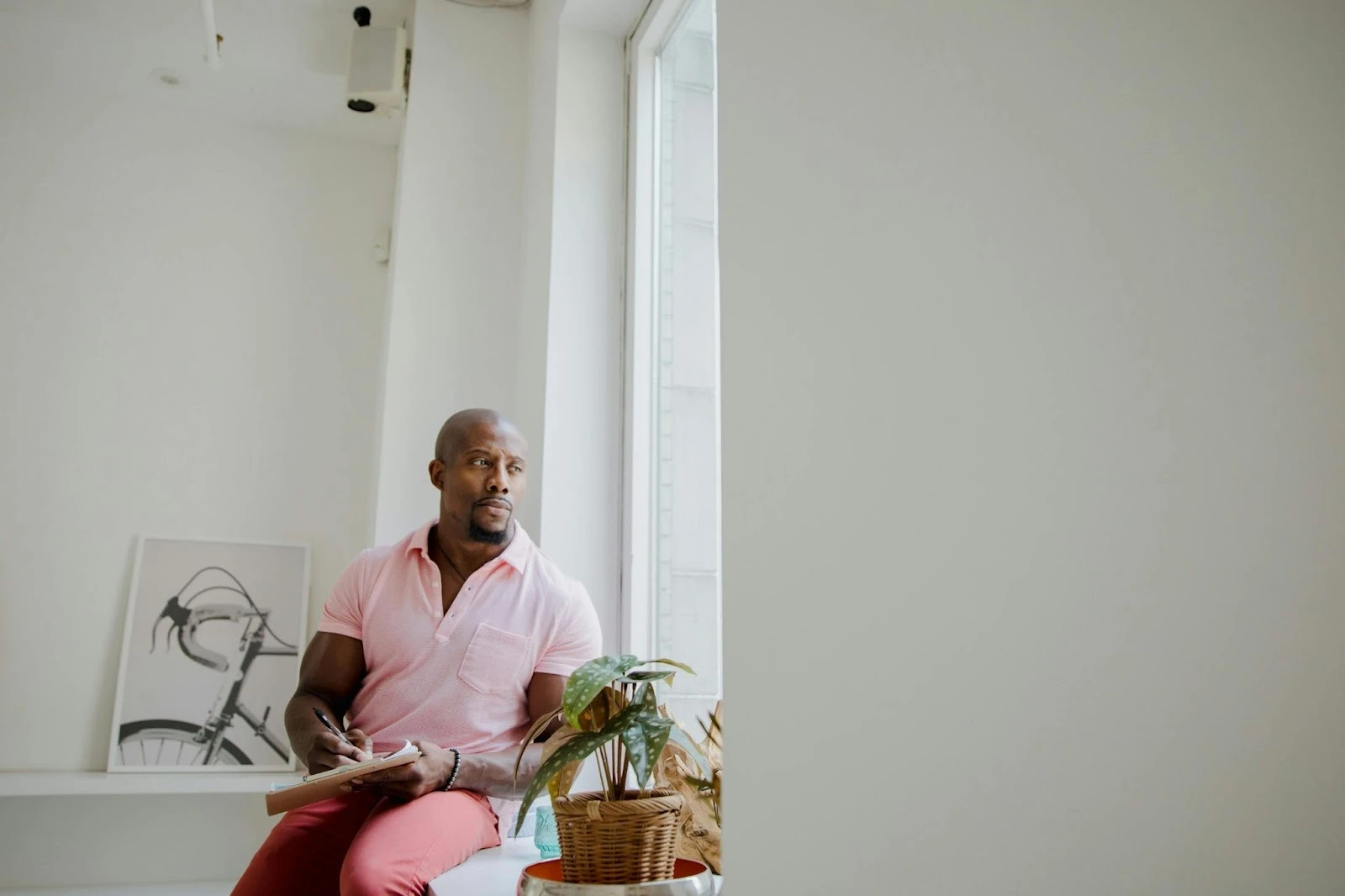
Our observations guide us, but we live in a time when we have grown numb to much of the world around us, so the majority of it passes us by. It is only by observing that we introduce ourselves to change, to new opportunities, and also to danger. It cannot only be the writers who value paying attention, but it is also an inherently human mode of survival.
Reading as a Form of Mindful Observation
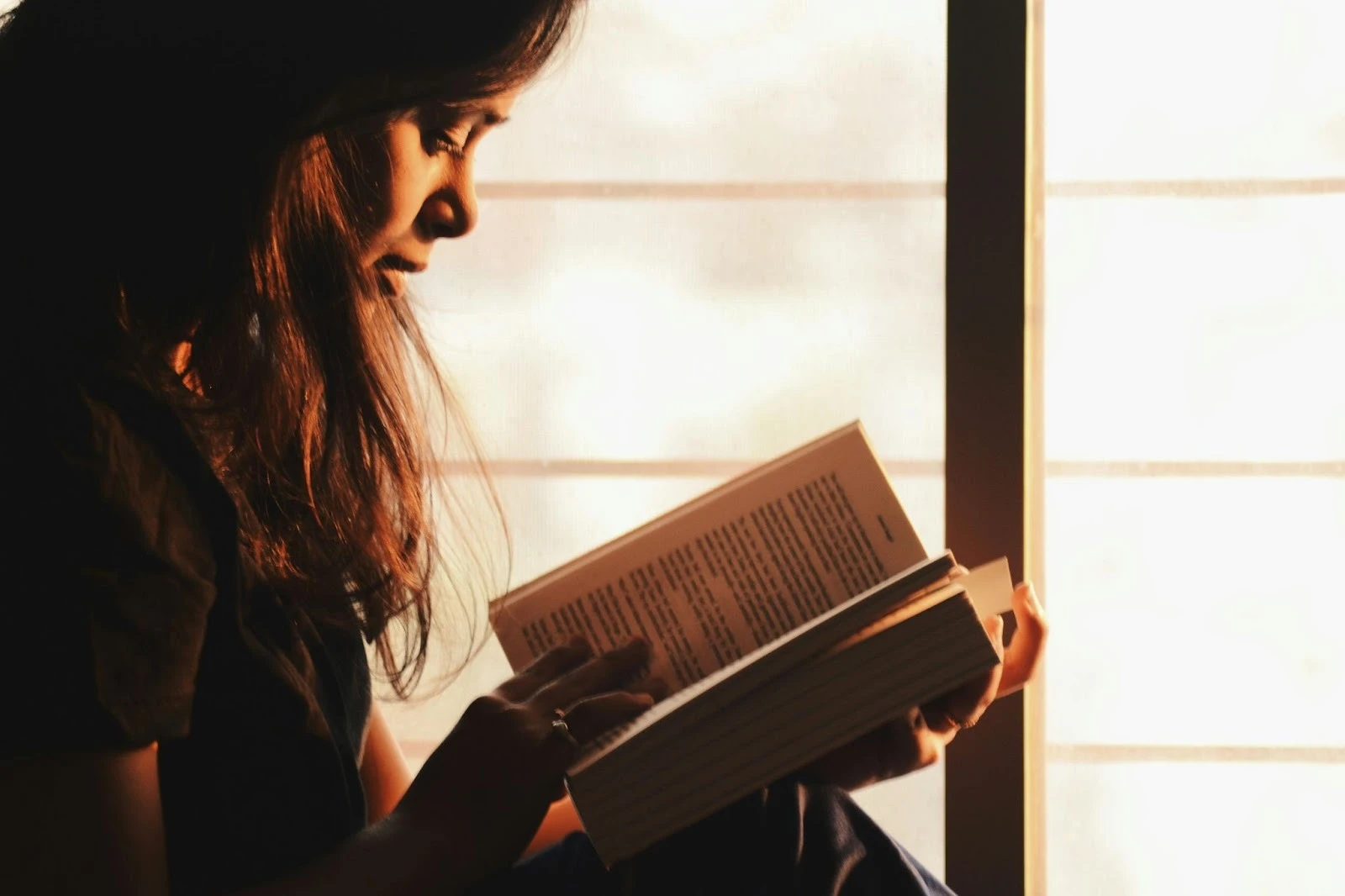
Reading trains such skills. We have all had those moments where our minds wander and suddenly, we have read a chapter and cannot remember a single thing that has passed. Then we have to reread the pages again and actively focus our minds on what is in front of us. Like everything, observation takes effort, but reading could be a way forward.
Writing Habits That Sharpen Awareness
Even if you do not wish to become the next Margaret Atwood or Vladimir Nabokov, you can still adopt writerly practices that help you to draw attention to the world around you. American short story writer, Lydia Davis, advocates for journalling, stating, “Take notes regularly. This will sharpen both your powers of observation and your expressive ability.”
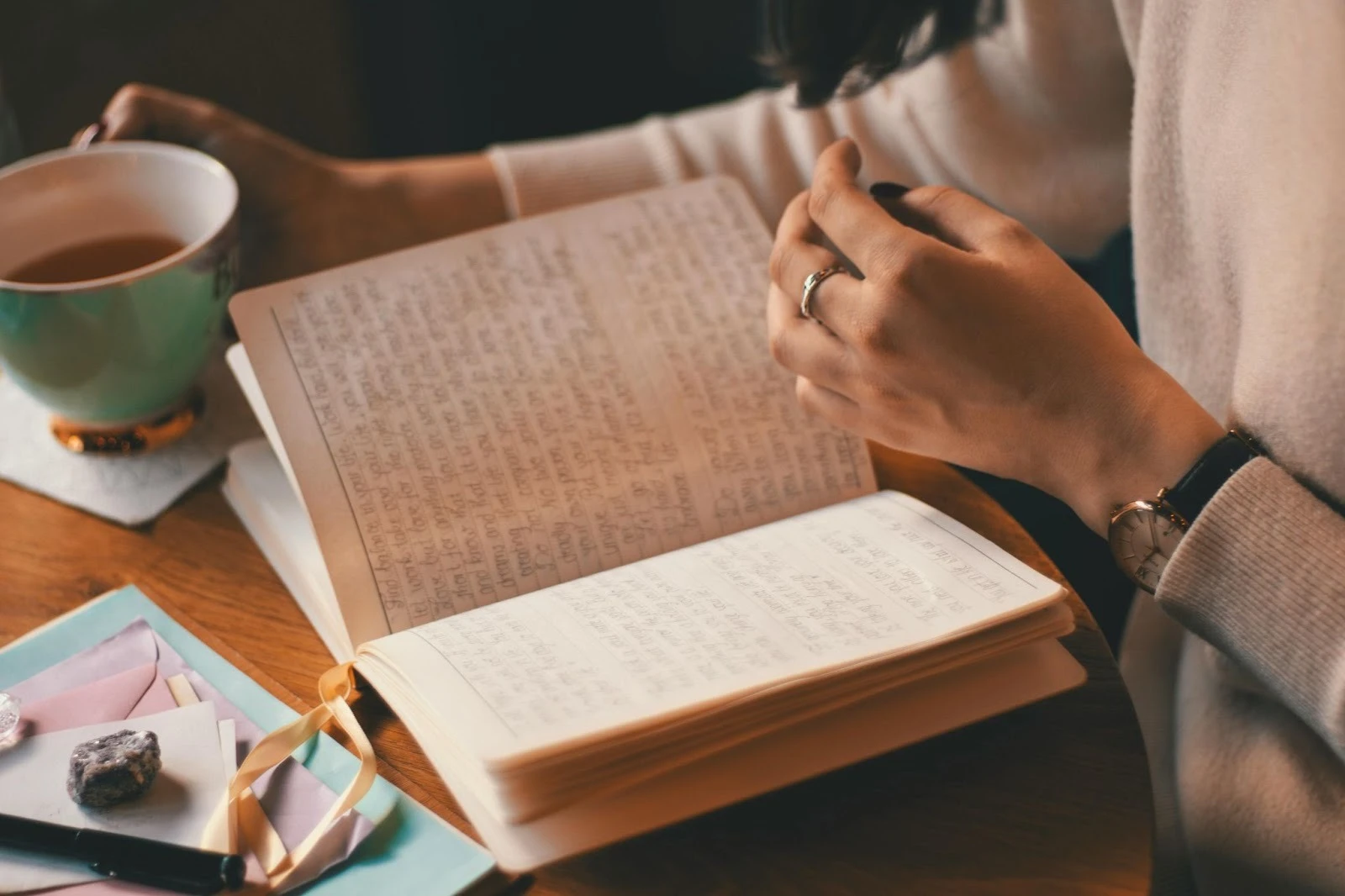
Of course, Davis was advising writers specifically, but the outcome is the same. Forming a habit of noting down things you encounter can train your brain to recognise more and more and more. Soon, it becomes second nature to seemingly ordinary things that can add an extra dimension to your world. The more we read, the more we connect. Our brains like a challenge; they like to be questioned.
After all, the ‘big’ moments, the weddings and pregnancies and engagements, are important, but they take up such a small portion of our lives. If we don’t observe all of it, the background noise, the characters we meet for a brief moment, perhaps the majority of our time here will slip by unnoticed. Perhaps the quiet observations are the main stories, after all.

Vincent Phan
Vincent is the founder and Editor-in-Chief of 1000 Libraries Magazine. He is a Paris-born ex-corporate turned bookseller and philosopher, on a global mission to spread the joy of physical books in our age of digital technology.