
One simple question led to over 750,000 braille books. Discover how a mom accidentally changed literacy for blind children.
Some of the best ideas don’t start with business plans, funding proposals, or five-year visions. They start with a single problem, a lot of empathy, and someone thinking, Well… maybe I can help. That’s exactly how Seedlings Braille Books for Children came into existence, and how one woman accidentally built a nonprofit that has changed thousands of young lives.
This isn’t a story about chasing ambition. It’s a story about stumbling into purpose.
It Started With a Question, Not a Grand Plan
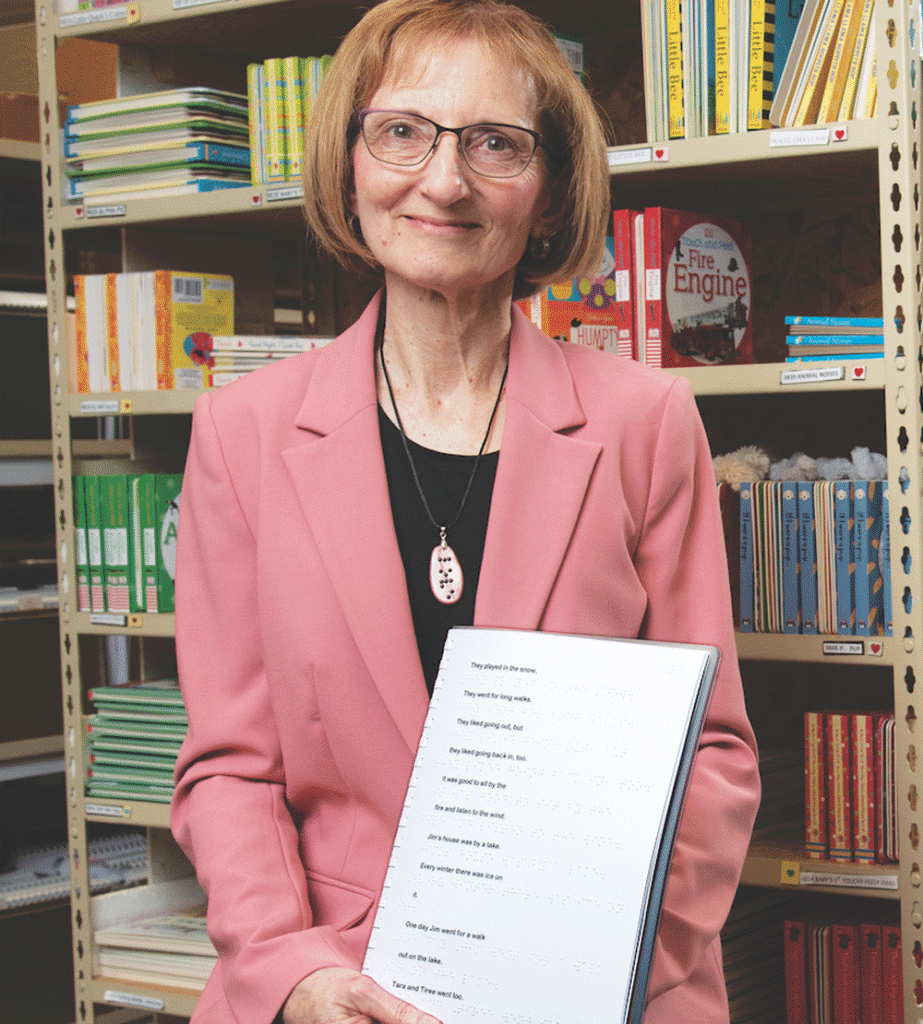
Back in the late 1970s, Debra Bonde (often called Debra Erickson Bonde) was a stay-at-home mom in Michigan. One day, she learned about how scarce braille books were for blind children, and that the few that existed were shockingly expensive, sometimes costing hundreds of dollars for a single title.
The question that she asked herself upon finding this out was simple and powerful: Why should blind children have fewer books?

Debra wasn’t a braille expert. She wasn’t connected to publishing. She didn’t have nonprofit experience. What she did have was curiosity, compassion, and the sense that this gap shouldn’t exist.
Instead of assuming someone else would fix it, she tried to fix it herself. Starting with learning Braille. So, in 1979, she became a Certified Braille Transcriber.
Learning Braille at the Kitchen Table
As Debra learned how to transcribe books, she experimented. She figured out how books could be transcribed. She problem-solved and kept going, even when things were clunky.
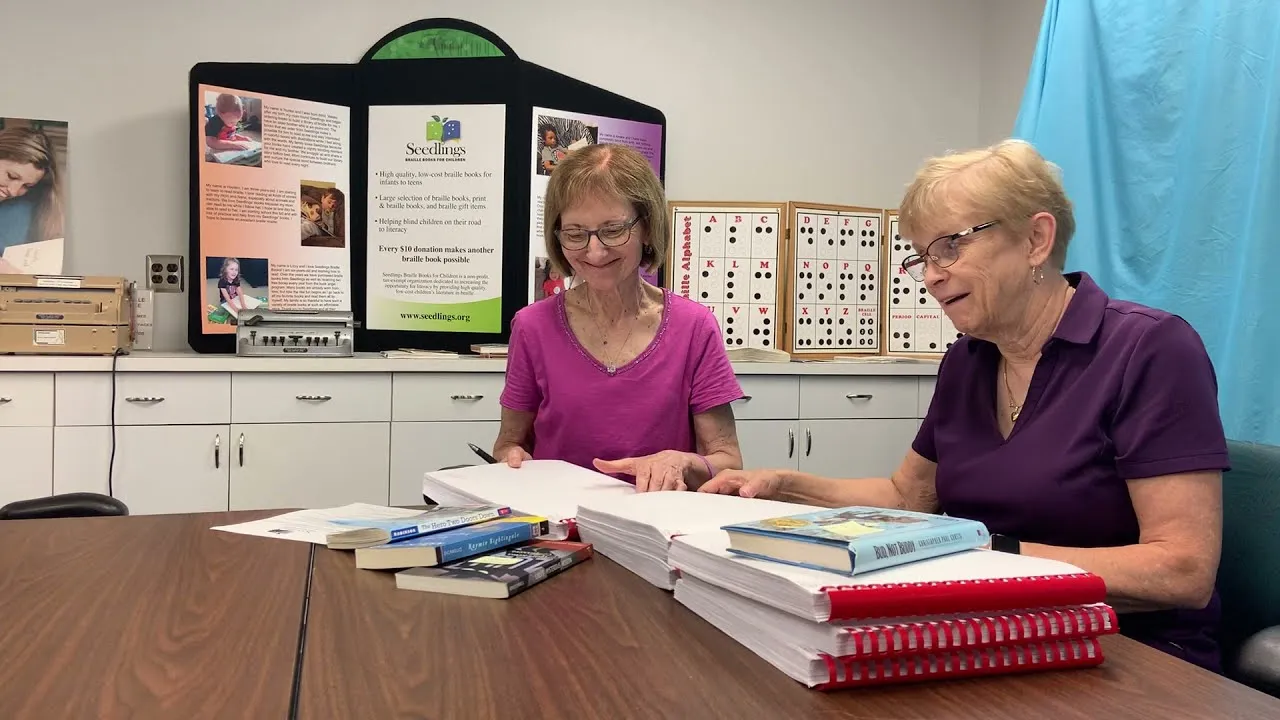
At first, she produced just a handful of Braille children’s books using a Braille printer her father had made. There was no grand rollout, just careful work, done thoughtfully, with blind children in mind.

Word spread. Parents started asking for books. Educators took notice. Suddenly, what began as a small personal project turned into something much bigger.
Without intending to, Debra had created a solution people desperately needed.
Why Braille Books Matter So Much
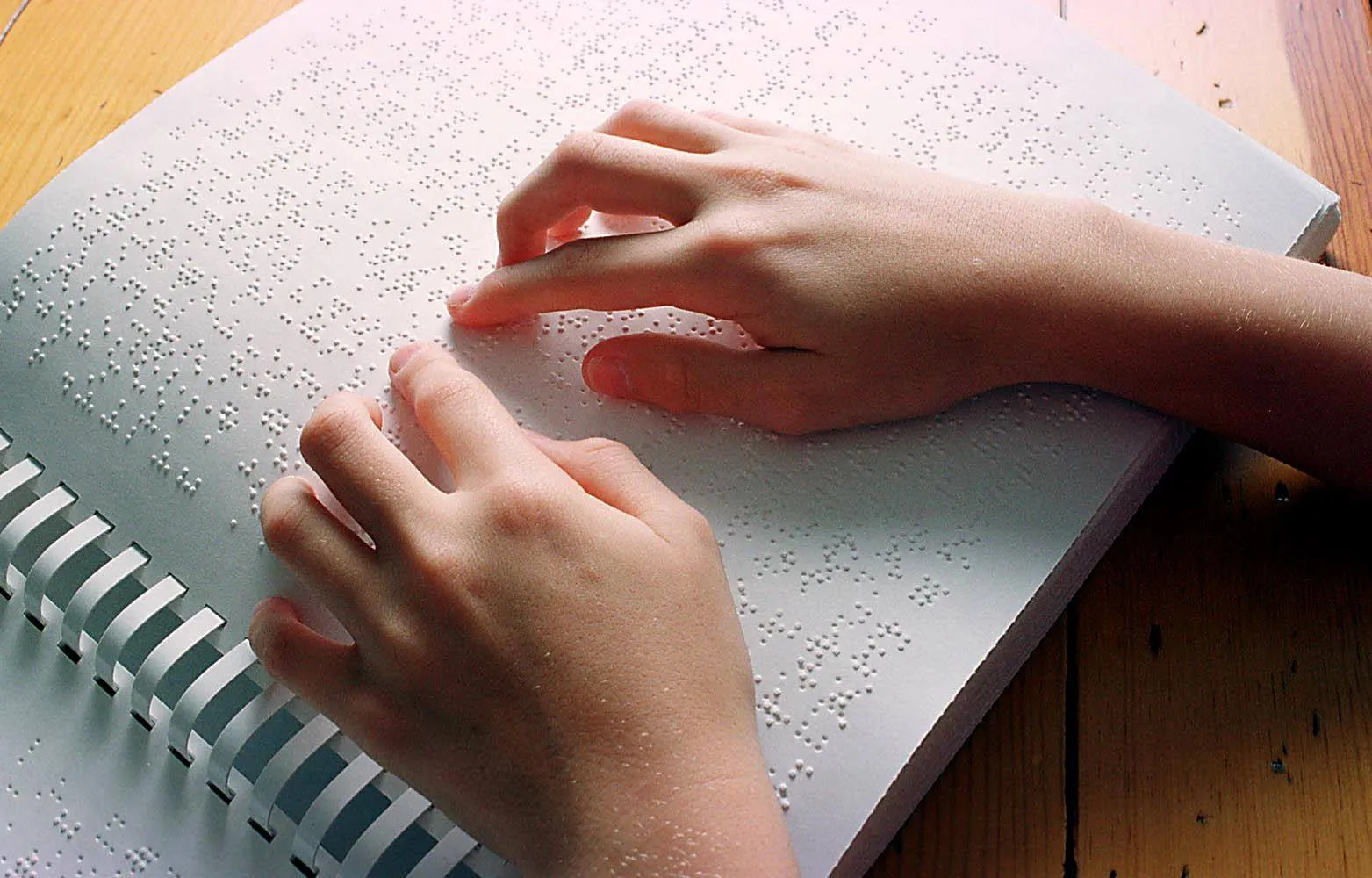
It’s easy to underestimate the importance of braille in an age of audiobooks and screen readers. But for blind children, Braille isn’t just about accessing stories; it’s about literacy.
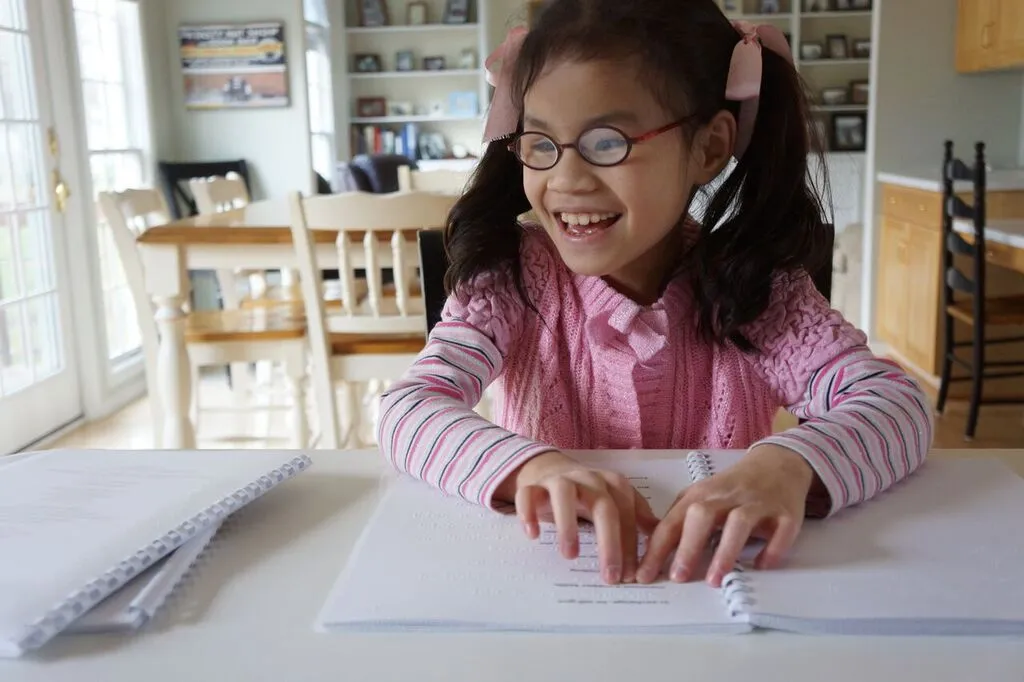
Braille allows kids to learn spelling and grammar, to familiarize themselves with and begin to understand punctuation and sentence structure. It gives them the chance to build independence as readers and develop strong academic foundations.
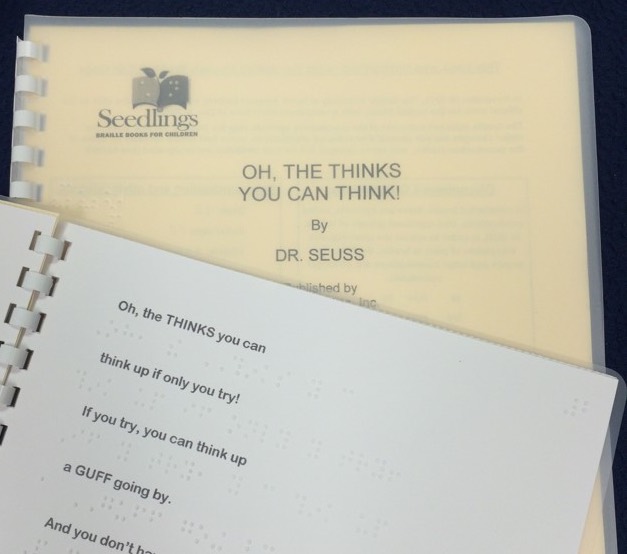
Listening to a story is wonderful. Reading one with your own hands is empowering.
Before Seedlings, Braille books for children were often treated as specialty items, rare, expensive, and difficult to obtain. Debra’s work challenged that mindset entirely.
Seedlings: Making Braille Affordable and Abundant
Seedlings Braille Books for Children officially became a nonprofit in 1984. Its mission was refreshingly clear: to provide high-quality braille books to blind children at the lowest possible cost.
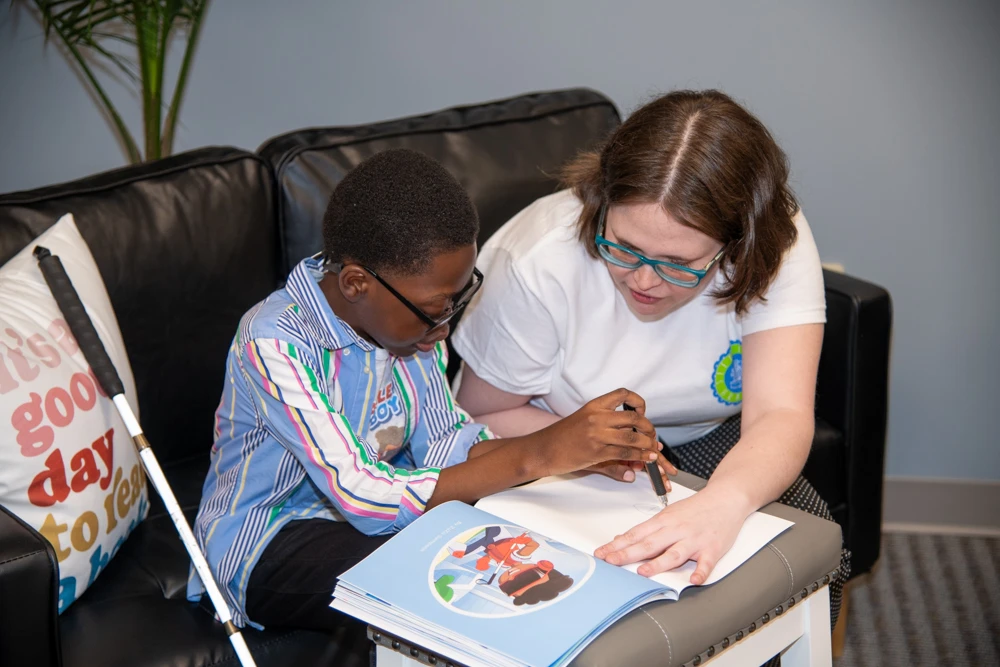
That commitment to affordability never wavered. Seedlings focused on producing books efficiently so that they could keep prices as low as possible, and even offered free books to families who couldn’t afford them.
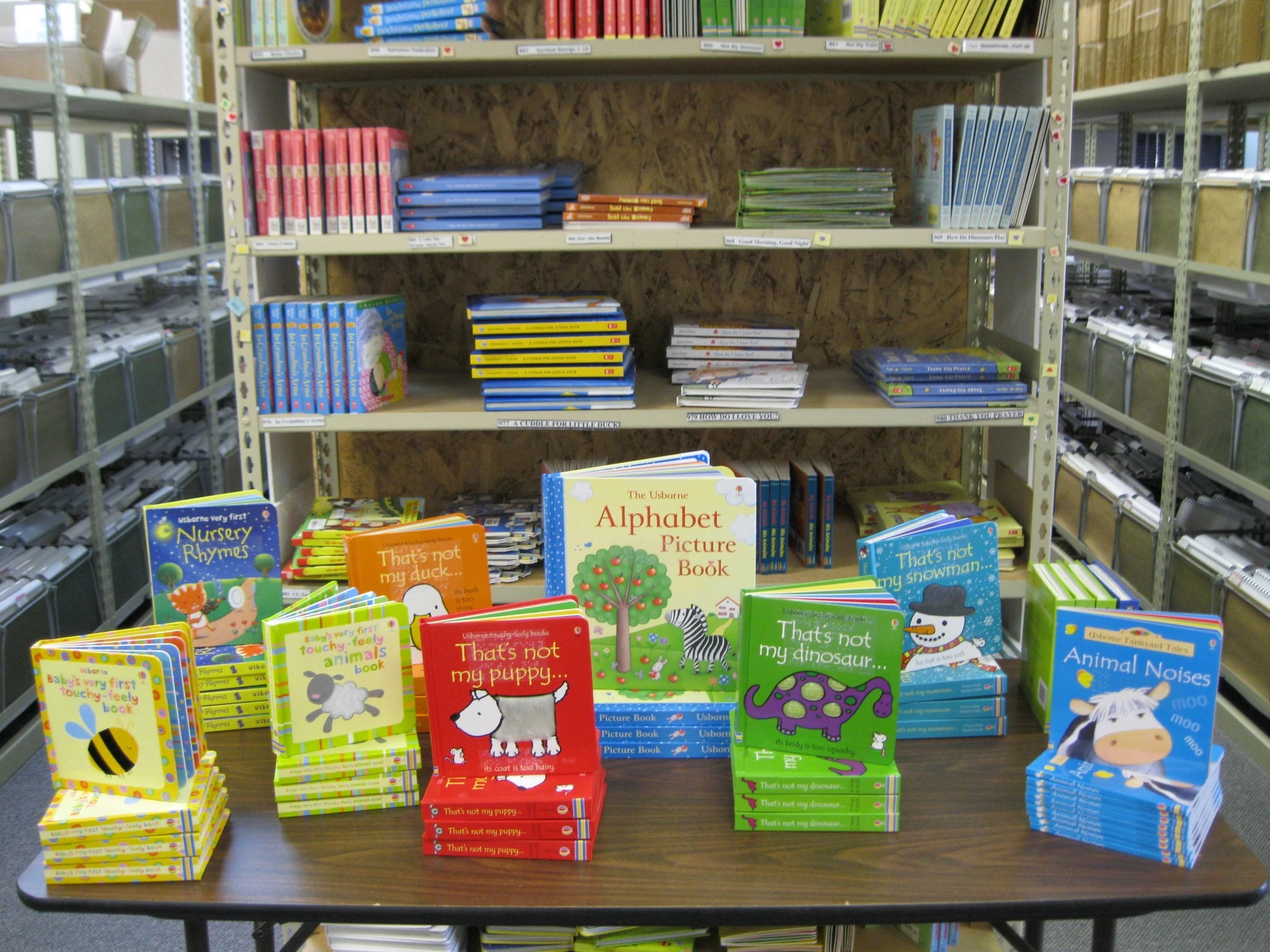
Over time, the organization built a catalogue of thousands of titles, including:
- Picture books
- Early readers
- Chapter books
- Popular children’s classics
Blind kids could finally grow up with bookshelves that looked like everyone else’s: full, varied, and loved.
A Nonprofit Built on Persistence, Not Flash
What’s striking about Seedlings isn’t flashy branding or viral marketing. It’s persistence. Year after year, the organization quietly did the work: transcribing, embossing, distributing, listening to families, and adapting to needs.
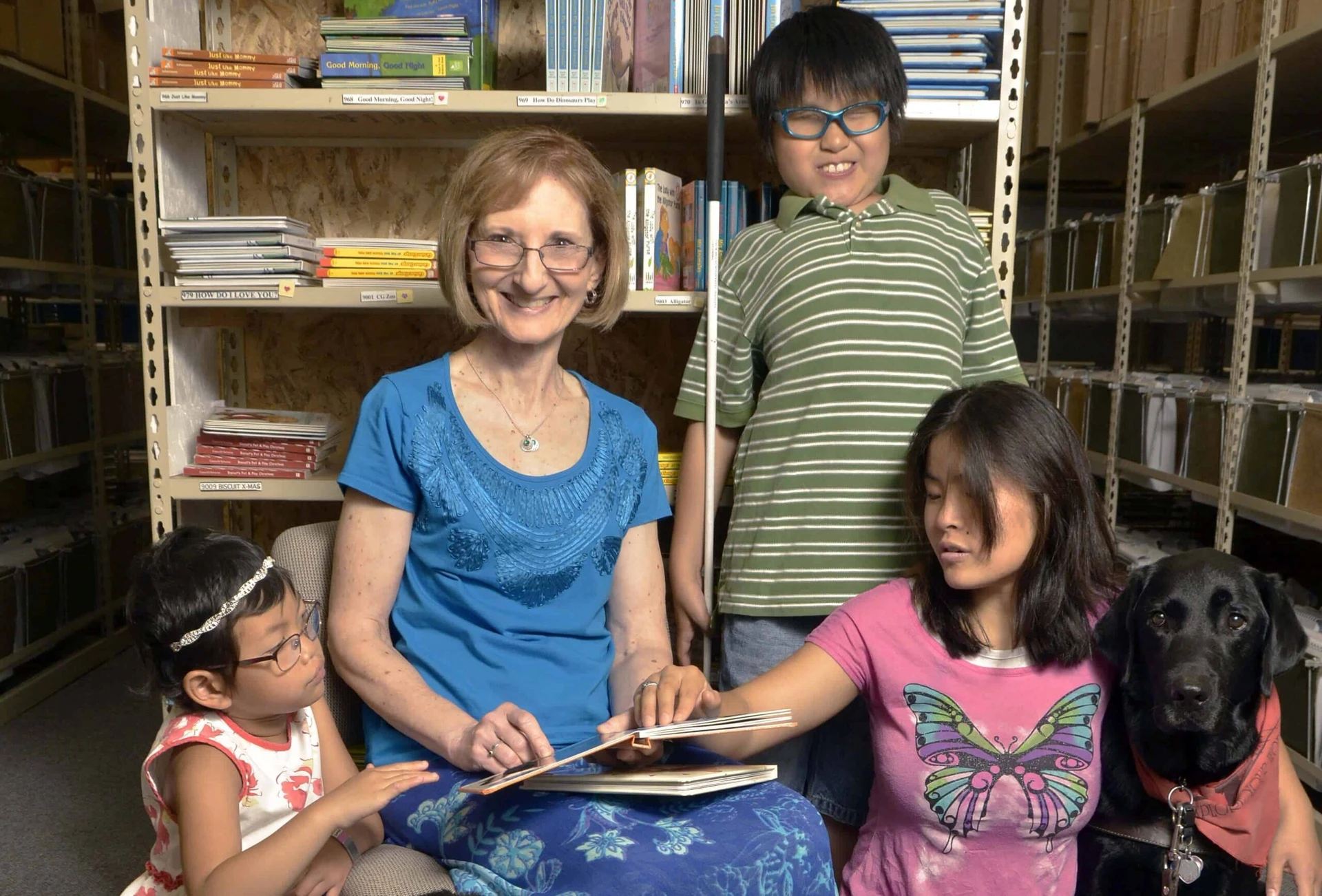
Debra remained deeply involved for decades, ensuring the organization stayed true to its purpose. Even as technology evolved, Seedlings never treated braille as outdated or optional. Instead, it treated literacy as a right.
That steady, practical approach is part of why the nonprofit has lasted and thrived for more than 40 years.
The Accidental Advocate Effect
Debra Bonde never set out to become a literacy advocate, disability advocate, or nonprofit founder. And that’s part of what makes her story resonate so deeply.
She didn’t wait to feel qualified. She didn’t assume the problem was too big. She didn’t stop when it got complicated.
Instead, she followed a need and kept going.
Her story reminds us that advocacy doesn’t always begin with expertise; it often begins with listening. The skills can be learned. The systems can be built. What matters most is caring enough to start.
A Legacy Written in Dots
Seedlings Braille Books for Children stands as a testament to what happens when empathy meets action. Since its conception, it has gone from success to success. In 2015, the organization received the prestigious Bolotin Award from the National Federation of the Blind. In 2016, they were producing 30,000 books a year. By 2018, the group had made 500,000 books overall. Fast forward to 2024, and Seedlings have now made over 750,000 books since starting.
That means thousands of children have learned to read, explore stories, and build confidence because one woman decided expensive, inaccessible books weren’t acceptable.
Debra’s legacy isn’t just in the number of books produced. It’s in the independence fostered, the curiosity sparked, and the sense of belonging created for blind children everywhere.
Not bad for something that started accidentally.

Millie Ramm
Millie has been writing since she was a child, and has spent more time with her nose in books than anywhere else. She has been ghostwriting novels and editing for the past few years, and when not working she is curled up with her cats, looking for her next read.