
Becoming a better reader isn’t about speed or status; it’s about curiosity, attention, and giving yourself permission to read your own way.
Let’s be honest: most of us want to be better readers. We like the idea of being the kind of person who always has a book on the go, remembers what they read, and can casually reference brilliant passages in conversation. But real life gets in the way. Phones buzz, attention wanders, and suddenly you’ve been rereading the same paragraph for the fifth time.
The good news? Becoming a better reader doesn’t mean reading harder, faster, or more “seriously.” It’s mostly about reading smarter and more enjoyably.
Stop Treating It Like a Test
One of the biggest mistakes people make is approaching books as something to “get through” or “understand correctly.” Reading isn’t an exam. You don’t need to remember every plot detail or symbolic meaning for it to count.

Good readers give themselves permission to:
- Miss things
- Misunderstanding on the first pass
- Circle back later
Sometimes the best reading happens when you relax your grip and let the book wash over you. Meaning often settles in quietly, long after you’ve closed the cover.
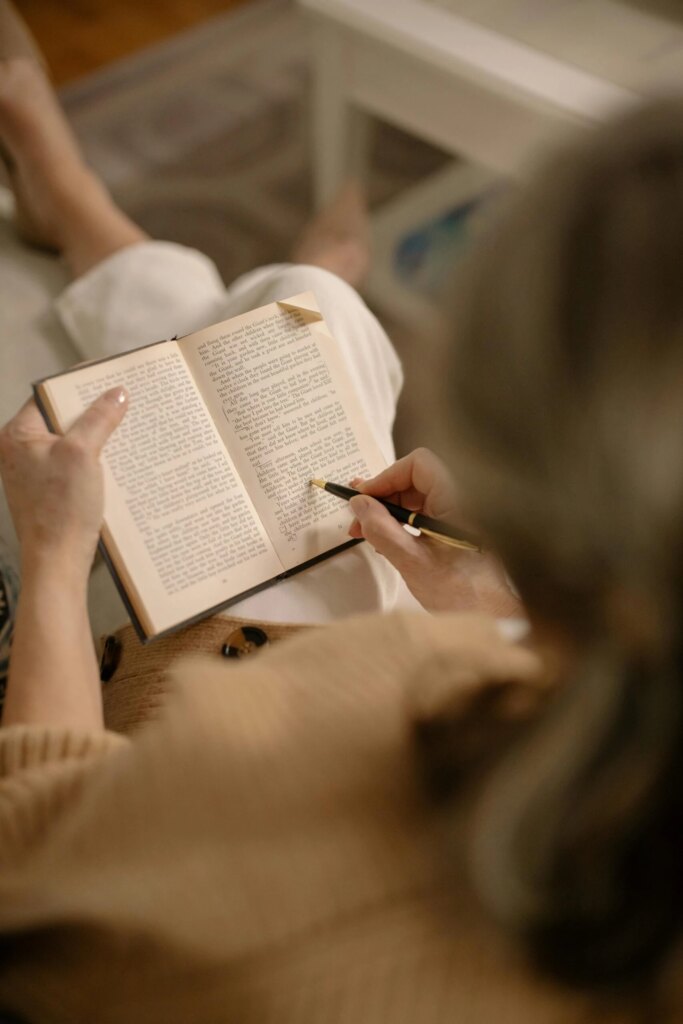
Read With A Pencil (or notes app)
This doesn’t mean underlining every sentence like a frantic student. It means engaging actively. Jotting down a thought, marking a sentence that made you pause, or noting a question instantly deepens your attention.

Active reading:
- Slows you down in a good way
- Improves comprehension
- Helps you remember what mattered to you
Even a single scribble, a “love this” or “confusing but interesting,” makes reading more conversational and less passive.
Rereading Is Not Cheating
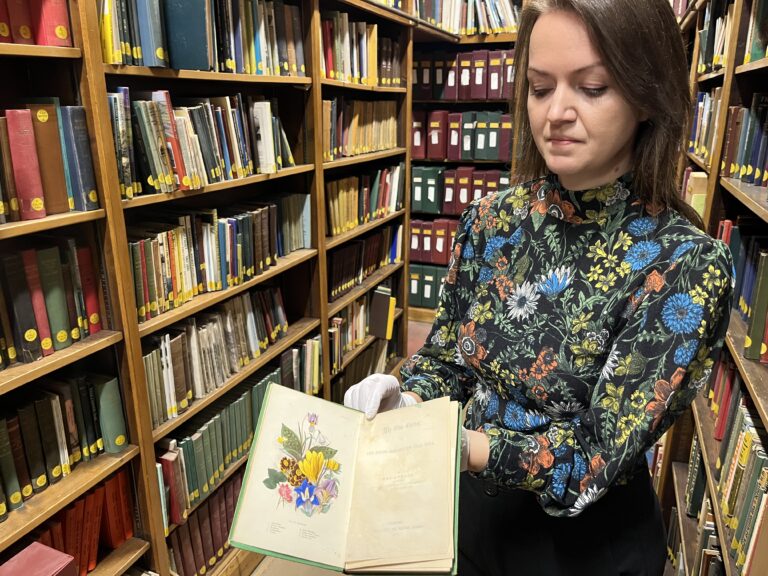
Some of the most confident readers reread constantly. Why? Because books change when you change. That novel you skimmed in your twenties might hit completely differently a decade later. It might even feel different moments after reading it the first time.

Rereading:
- Reveals layers you missed
- Strengthens understanding
- Builds literary confidence
If a passage feels dense or beautiful, linger. Go back. Read it again. That’s not failure, it’s engagement.
Reading Widely Is Reading Well

If you only read books you think you should read, burnout is inevitable. Being a better reader doesn’t mean sticking exclusively to classics or prize winners.
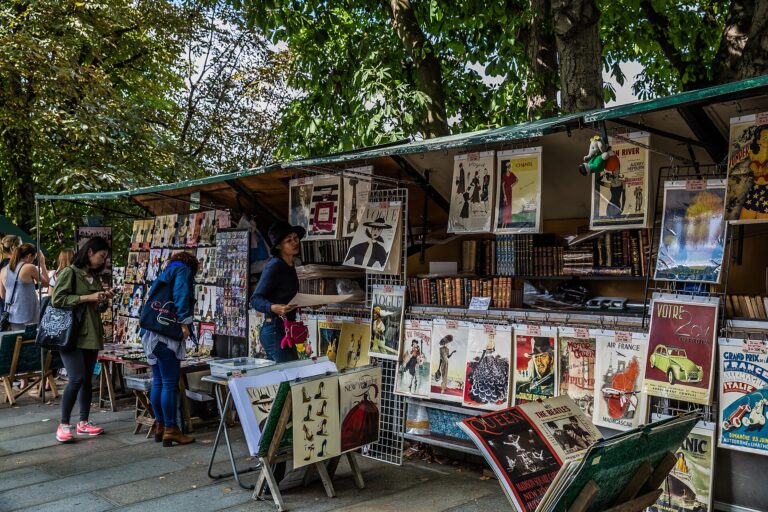
Try mixing fiction and nonfiction, flicking between long books and short essays, and making sure to include the odd bit of poetry, memoir, genre fiction, and journalism.
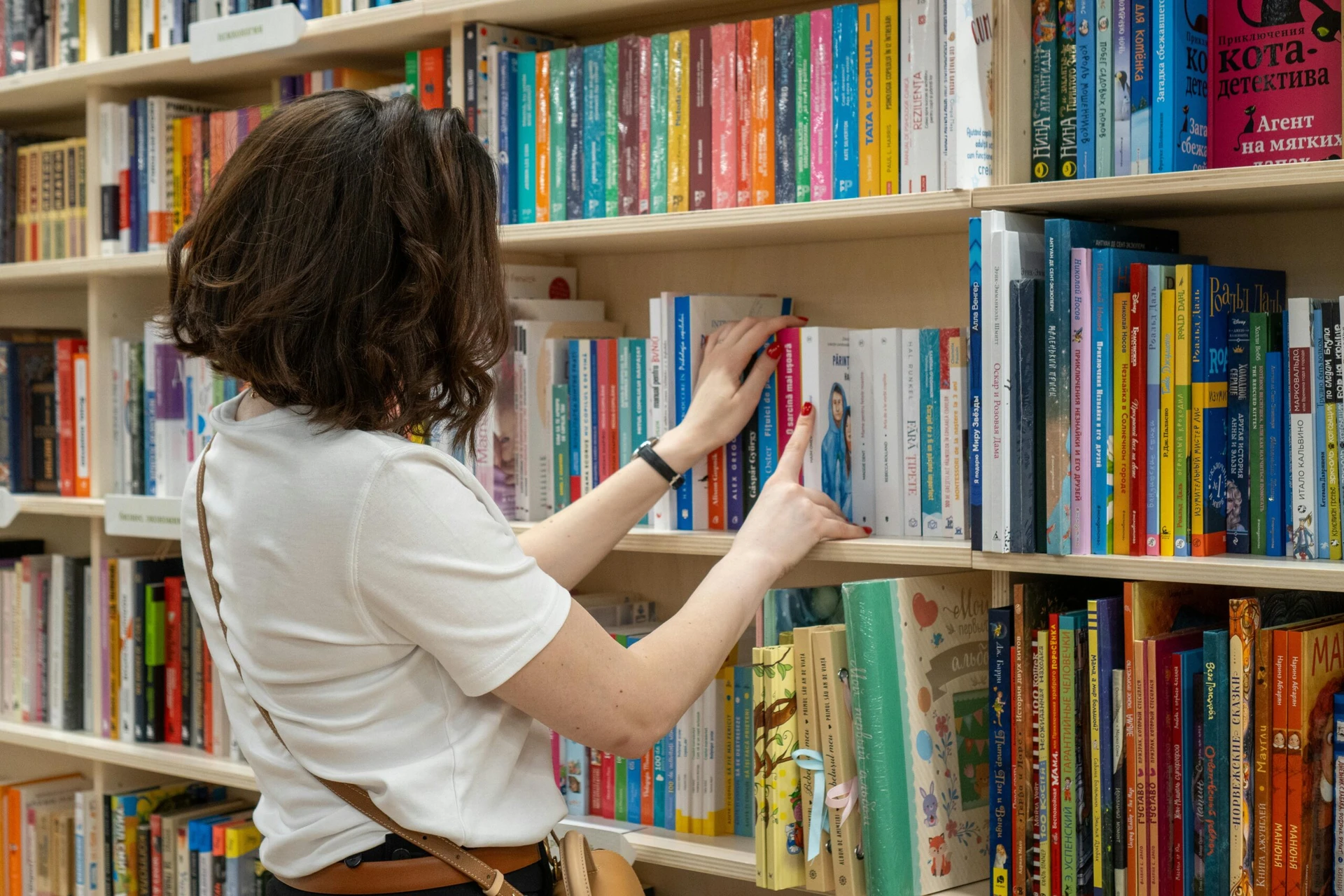
Reading widely sharpens your instincts. You start noticing patterns, voices, and styles. Plus, variety keeps reading fun, which is kind of the whole point.
Get Comfortable DNFing
This might be the most liberating strategy of all. Not every book deserves your time, and not every book is right for you right now.
If a book feels like a chore, or doesn’t hold your attention after a fair try, or even makes you dread picking it up, it’s okay to stop. Good readers know when to move on. Abandoning a book creates space for one you’ll actually love.
Read Around Your Life

The best reading habit is the one you’ll actually keep. That might mean reading ten minutes before bed or always carrying a book. If fiction isn’t hitting the spot, switching formats (print, ebook, audio) can make a huge difference to your enjoyment.
Consistency beats ambition. A little reading most days will do more for your skills and your enjoyment than occasional reading marathons.
Try to Remember Why You’re Reading
At its core, reading isn’t about productivity or self-improvement. It’s about curiosity, pleasure, empathy, and escape. It’s about spending time inside someone else’s mind, or discovering parts of your own.

Better readers aren’t the ones who read the most or the “best” books. They’re the ones who stay curious, flexible, and open. They read with attention, but also with kindness toward themselves.
So read slowly. Read messily. Read what you love. And if you forget half of it later, that’s okay. Something will always stay with you.
Let Your Taste Evolve
A sneaky trap many readers fall into is clinging to an old reading identity. Maybe you were once “the classics person,” the nonstop fantasy reader, or the serious nonfiction type, and now those books don’t hit the same way. That’s normal.
Good readers allow their tastes to shift.
You might suddenly prefer shorter books instead of doorstoppers. Or maybe you’re leaning into character-driven stories over plot, or essays instead of novels. It might even be that you find yourself picking up comfort reads over challenging ones.

This isn’t backsliding, it’s growth. Your reading life should reflect who you are now, not who you used to be or who you think you’re supposed to be. When you let your taste evolve, reading stays fresh instead of feeling like an obligation.
Pay attention to what you’re naturally reaching for. Trust that instinct. The more honestly you follow your curiosity, the richer and more sustainable your reading life becomes.
Millie Ramm
Millie has been writing since she was a child, and has spent more time with her nose in books than anywhere else. She has been ghostwriting novels and editing for the past few years, and when not working she is curled up with her cats, looking for her next read.