
Do physical books really engage the brain more than screens? Explore the research behind how we read and why print still matters.
The word ‘luxury’ may stir up ideas of French aristocracy, sipping from champagne towers and exclaiming, ‘let them eat cake!’ In a simpler (and more historically accurate) sense, luxury makes us think of extravagance, and potentially of excess. Some may call luxury and wealth the root of all evil, whilst others, like philosopher Ayn Rand, may say that money is the one true good. However, in this article, we ask: What even is luxury?
Why Wealth and Possessions Don’t Equal Happiness
To answer this question, you may ask yourself: Are you wealthy? Do you have an adequate amount of savings, the newest designer handbag, and a house by the sea? Sure, these possessions have the essence of luxury, but are they truly what elevate our lives to a level above the rest?
Simply, not really. This isn’t to say any materialist is wicked, only that the things that make us truly happy are rarely covered in gold-leaf or jewels. The reality is that humans are social creatures. We may brood and desire time alone, but in order to grow, develop, and even live, we require the company of others.
Henry David Thoreau and the Philosophy of Simple Living
Henry David Thoreau, an American writer and naturalist, called for a simple life. He argued that happiness could and should be achieved through a ‘less is more’ type philosophy. To test this theory, he set out to Walden Pond in 1845, where he was said to have lived in relative isolation for two years. In reality, Thoreau was not at all isolated, but just became more selective about the visitors he spent time with. His goal was not to strip himself of any interaction, but to live simply and want less.
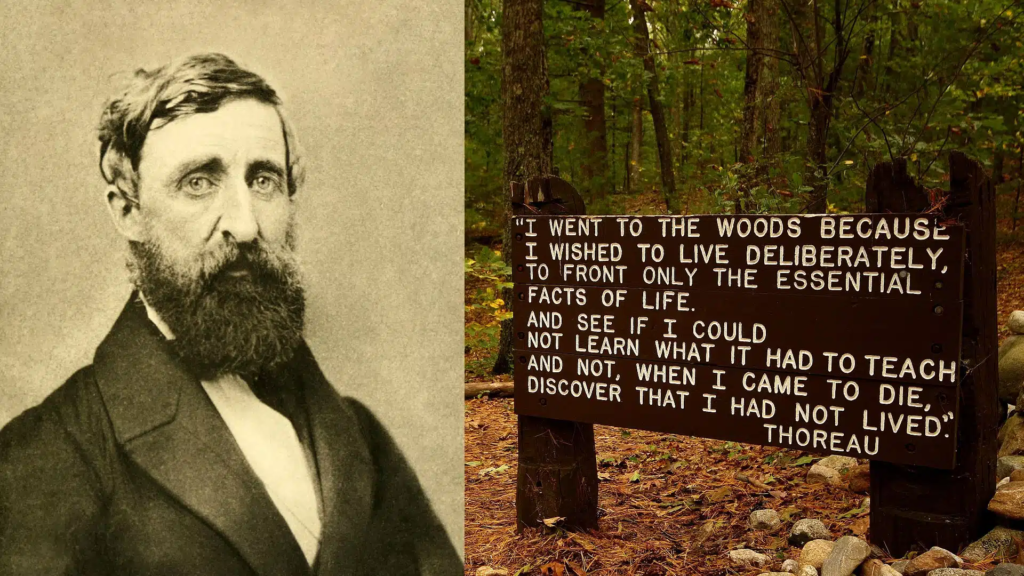
By an aristocratic definition of luxury, Thoreau lived like a pauper, but what did he really lack? He had food, good company, an abundance of nature, and the time to write. He was thankful for simplicities that, for him, felt, in some way, luxurious.
The Quiet Comforts That Make Life Feel Rich
We shouldn’t all have to pack up our things and move out to tiny cabins in the wilderness to experience this way of life. Like many philosophies, we can instead apply such a framework to our current lives. What makes us truly happy? Not what gives us the image of happiness or success, but what truly makes our lives worth living. For example, there is true luxury in receiving love and giving it in return.

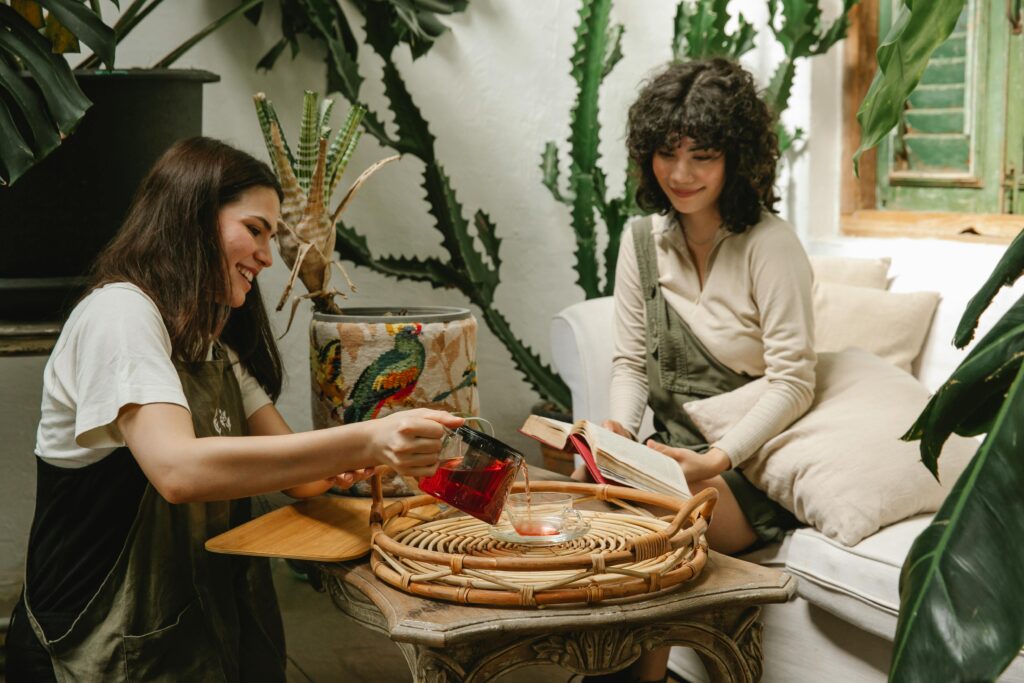
Although in theory, everyone should be loved deeply and authentically, it is not always the reality. Love is shown in many little actions: your partner making you a cup of tea exactly how you like it, your friend buying you a book they saw in a second-hand bookstore because they thought of you, or the barista who has your order ready for you without you needing to ask. Love is being seen. It is noticing the reflections of yourself in the actions of others; a reminder that you exist, and that people are happy you do.
Money, Stability, and the Limits of Material Wealth
Money is not useless. We do not exist in a tiny agrarian society where we can trade goods and services with our neighbours; we need to earn enough to be comfortable. American philosopher Jacob Needleman also echoed this thought in saying, ‘Those who criticise the wealthy don’t realize that money is needed to do good things.’
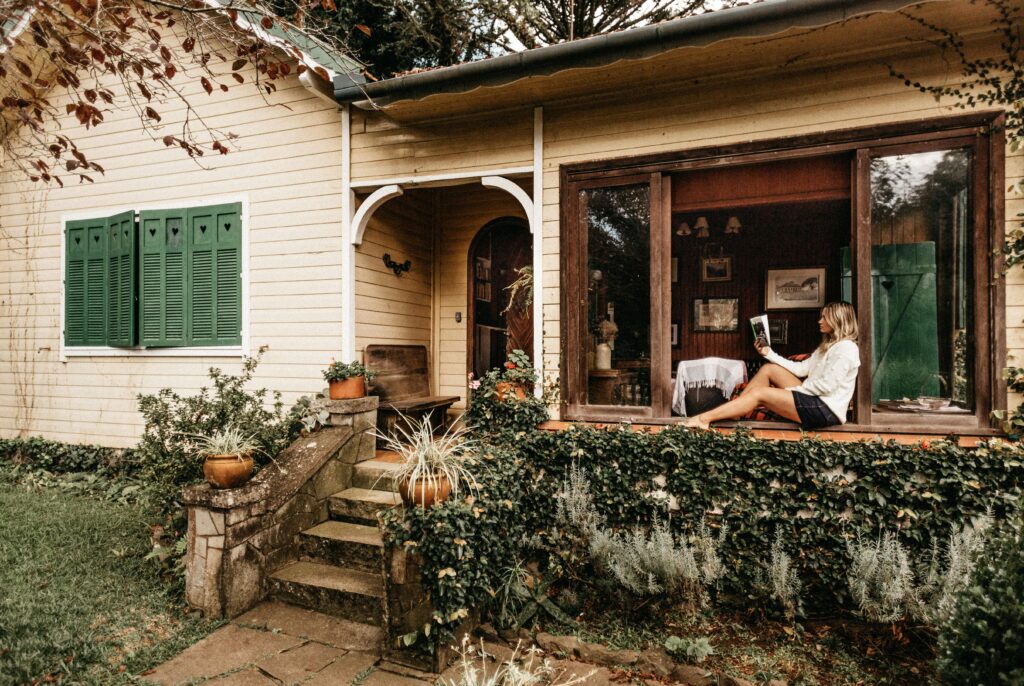
Material wealth does not bring happiness; it cannot force a genuine relationship, but it can bring you stability. However, the true luxuries of life are hidden somewhere else, if only we know where to look. Time passes, and while we cannot stop it, we can savour it. We are often sold the dream that life is about accruing money, and while this is undoubtedly important, it is not what makes us ‘wealthy’.
Lessons on Greed from Tolstoy and Walden Pond

Leo Tolstoy’s short story How Much Land Does a Man Need? echoes similar ideas. In the tale, a peasant man begins amassing more and more land, yet his greed and wants are never satisfied. Without spoiling the ending, Tolstoy argues that humans do not need an excess of wealth and land for happiness. It is often a matter of perspective. A prince may believe he needs the biggest castle to be satisfied, even though he would have lived perfectly well in Thoreau’s cabin at Walden Pond.
How to Recognise Luxury in Everyday Life
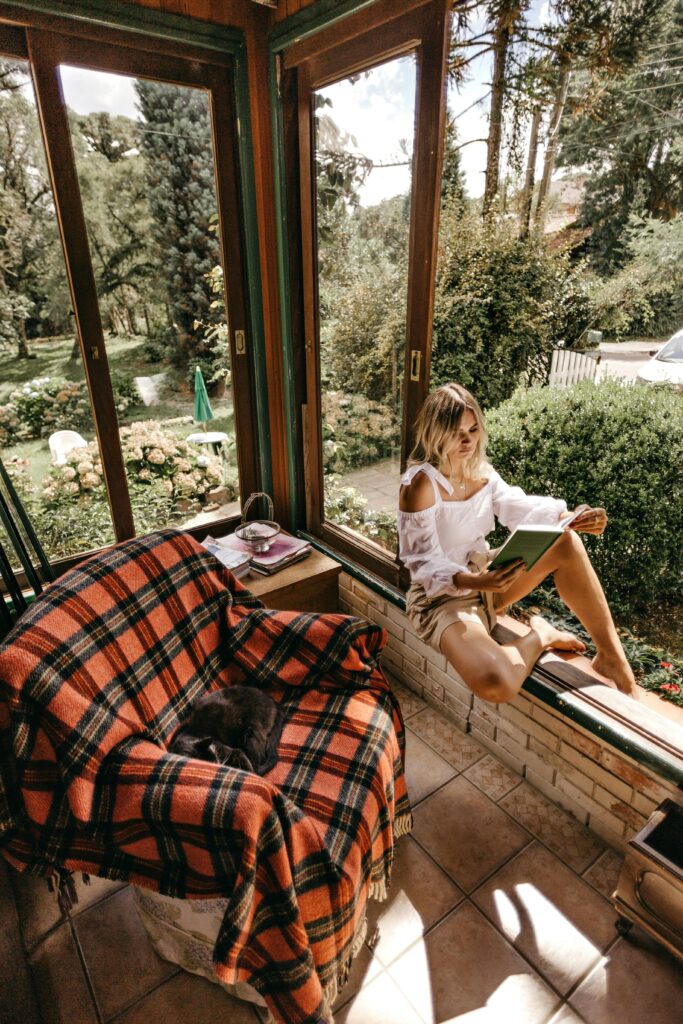
Many of these simple luxuries aren’t particularly glamorous. They could be sleepy mornings spent with somebody you adore, a glass of wine at a run-down bistro where everybody knows your name, or even reading a book that makes you believe in love once again. These moments are fleeting and must be valued if we want to experience true wealth.
Time is the one currency we cannot buy, and that we spend often unwillingly, so we must honour it by using it well. You could even say that our lives are, in fact, filled with luxury, just in the fact that we are living at all.

Vincent Minatozaki
Vincent is the founder and Editor-in-Chief of 1000 Libraries Magazine. He is a Paris-born ex-corporate turned bookseller and philosopher, on a global mission to spread the joy of physical books in our age of digital technology.