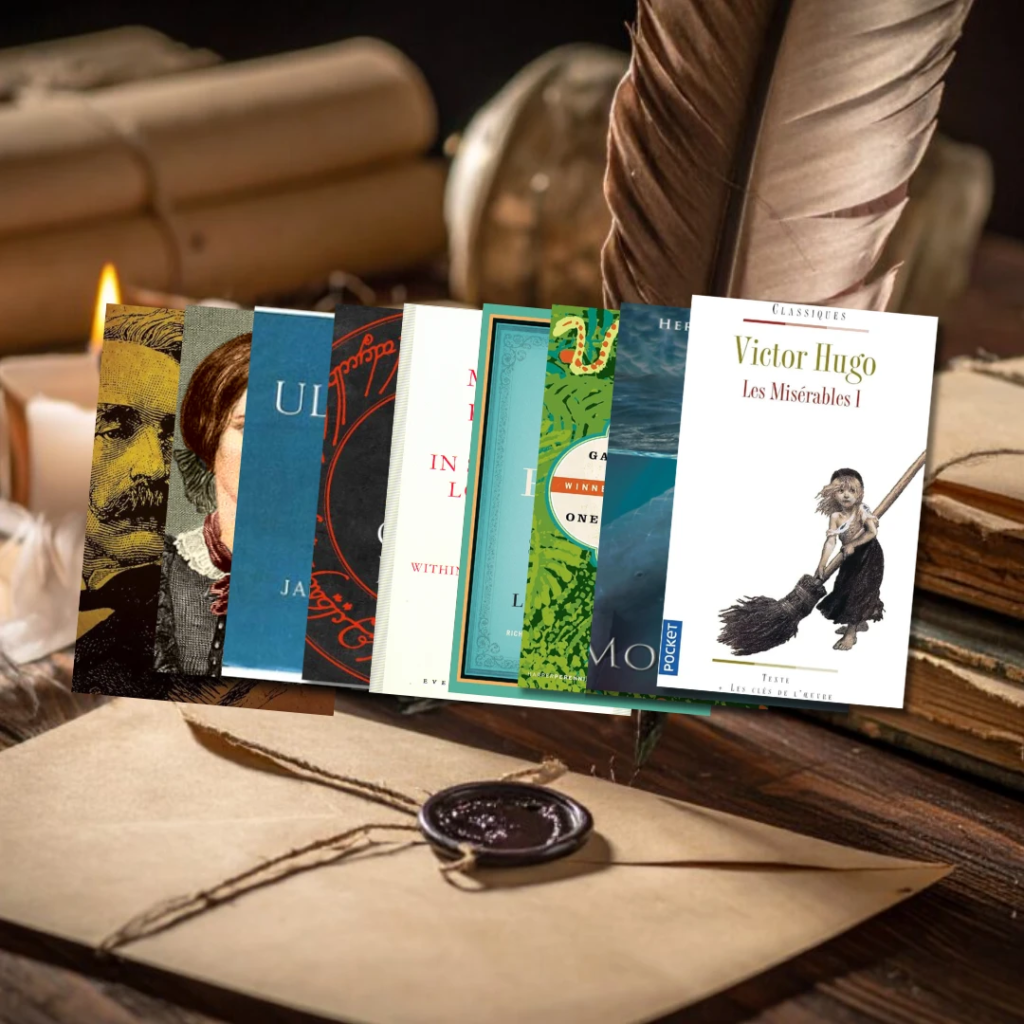

A classic isn’t written on a schedule. It arrives when a writer has lived enough, suffered enough, or thought long enough to speak.
If you’ve ever stared at a blank page and thought, “If I just had more time, this would be great,” you’re in good company. Some of the most famous books ever written took years, sometimes decades, to come into being. Others appeared in what looks like a creative lightning strike. So, how long does it actually take to write a classic?
The unsatisfying but honest answer is: however long it takes for a writer to put their whole life into it.
The Long Burn: When a Book Waits for Its Moment
Victor Hugo’s Les Misérables took 17 years from idea to publication, and yes, you can feel every one of them in its pages. Hugo first conceived the novel in the 1840s and outlined it obsessively. Then he abandoned it. Life intervened. Politics intervened. Exile intervened.
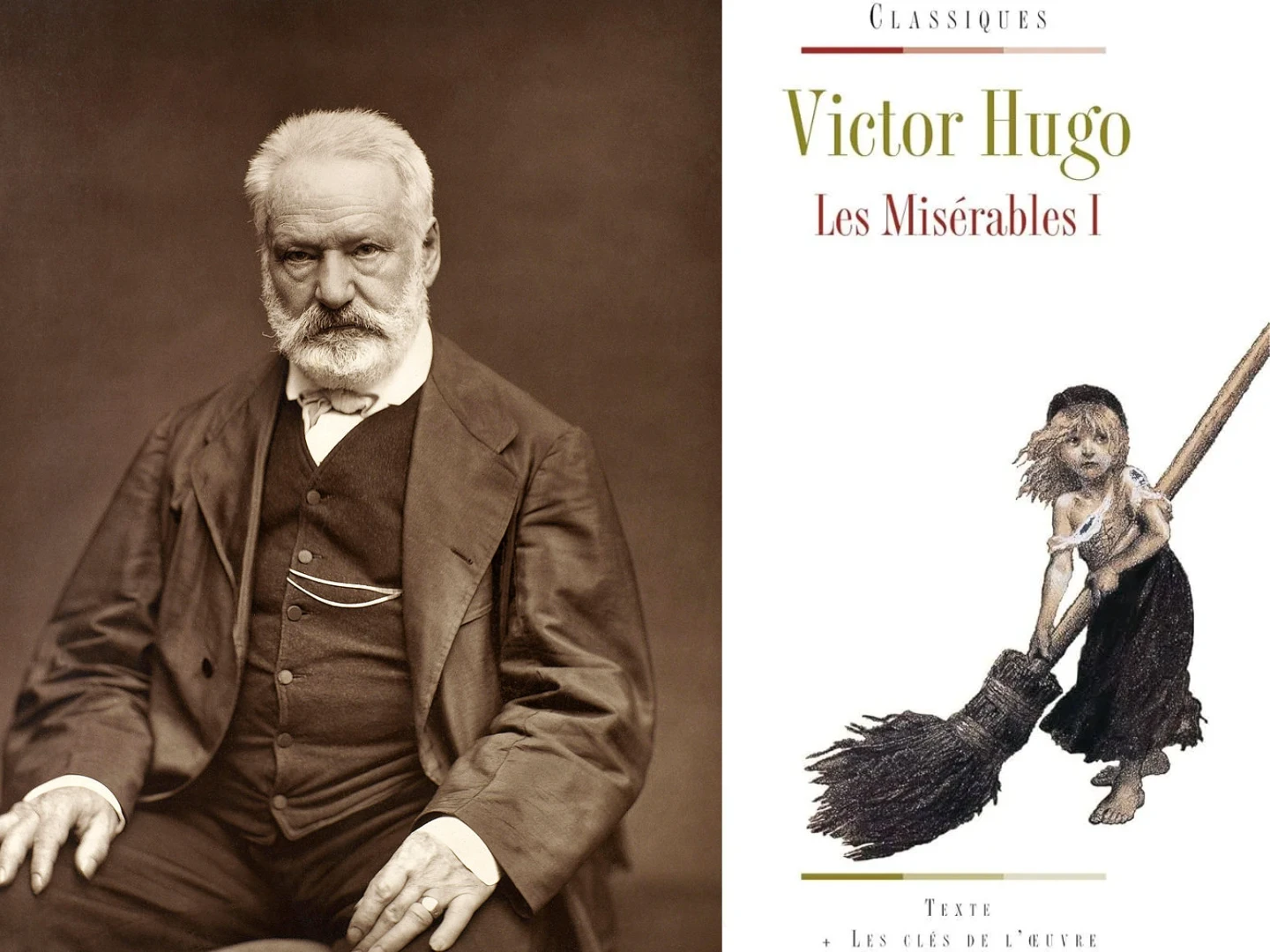
When Napoleon III forced Hugo out of France, the book came back to him with a new urgency. He no longer wanted to write a novel. He wanted to write the novel about poverty, injustice, and moral responsibility. Something France could not look away from. Something that couldn’t be ignored.
That’s why Les Misérables reads the way it does. Every subplot, each and every digression, and philosophical aside carries the weight of a man who is desperately trying to rewrite society through fiction.
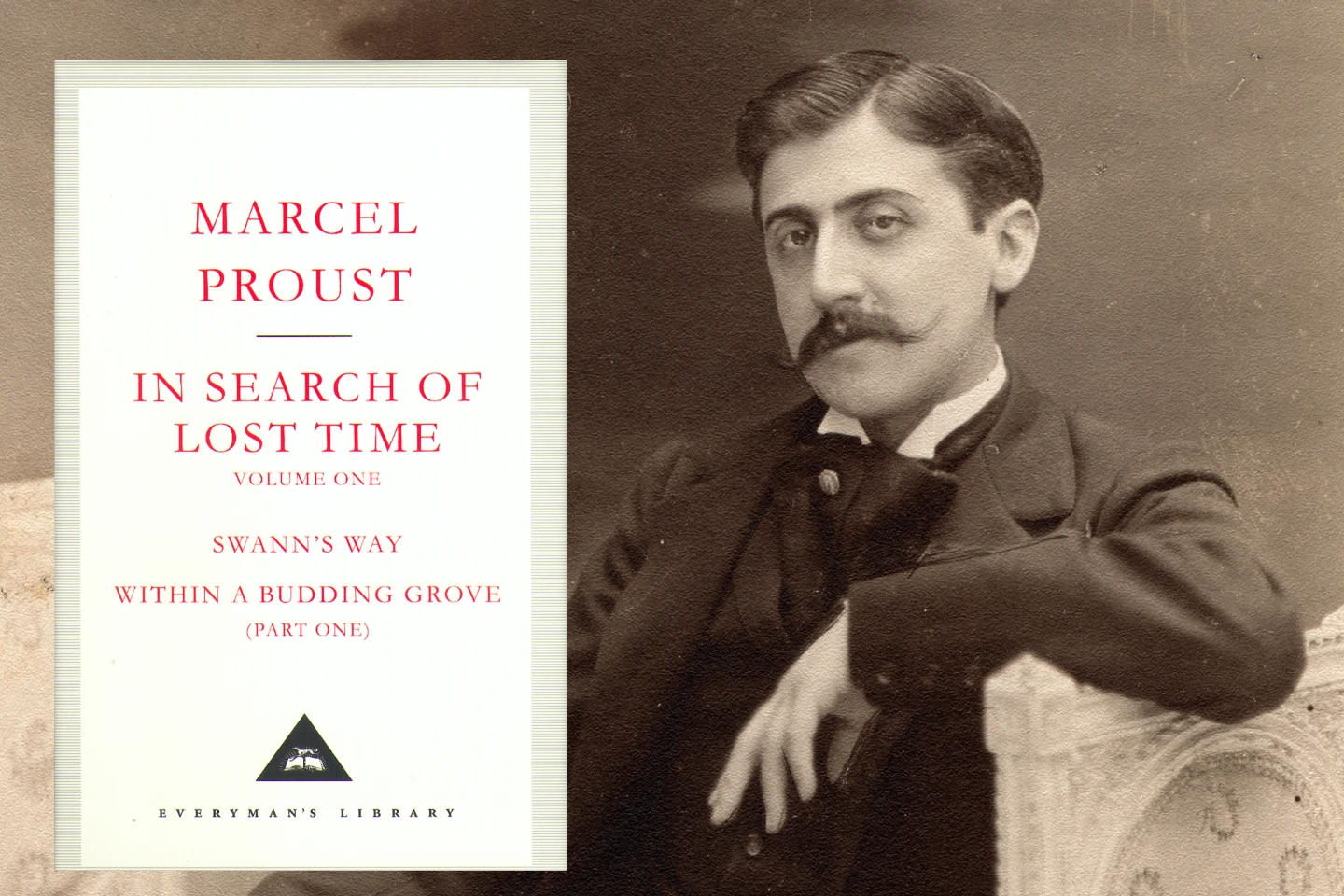
Similarly monumental is Marcel Proust’s In Search of Lost Time, written over 13 years. Proust worked late at night, in bed, surrounded by notebooks, drafts, and revisions.
The book just kept growing and growing. Just when it seemed finished, he added more. Thousands of pages more. Proust was revising his work until the very end of his life. The result is a novel that feels alive, that feels like it somehow… grew. It’s constantly expanding, because it was never allowed to settle.
The Battlefield Years: When Writing Becomes Survival
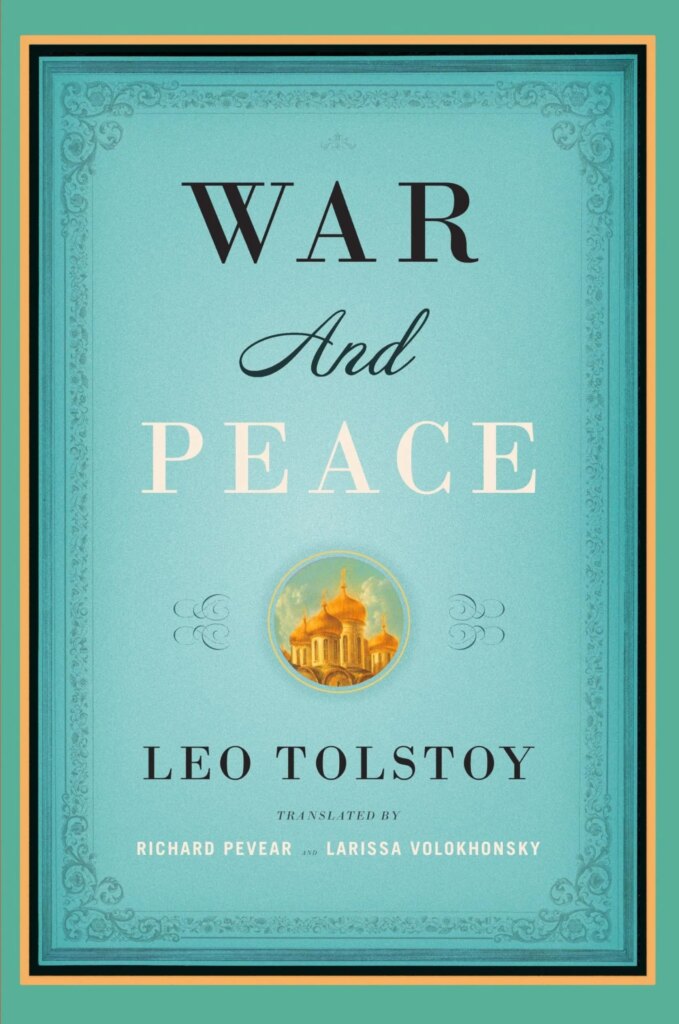
Leo Tolstoy described writing War and Peace as a battlefield he could not escape, and it took him five to six years of full-time writing and rewriting to survive it. He rewrote the novel from scratch more than once, shifting characters, philosophies, and even the book’s purpose as he went.
That’s why War and Peace contains just so much. Families, armies, moral crises, and historical essays all collide because Tolstoy was trying to capture all of life at once. The scope reflects the struggle. He wasn’t refining a single idea; he was wrestling existence itself onto the page.
James Joyce fought a different kind of war with Ulysses, which took seven years to complete. Joyce wrote through poverty, exile, near blindness, and relentless perfectionism. Each chapter has its own structure, style, and linguistic experiment.
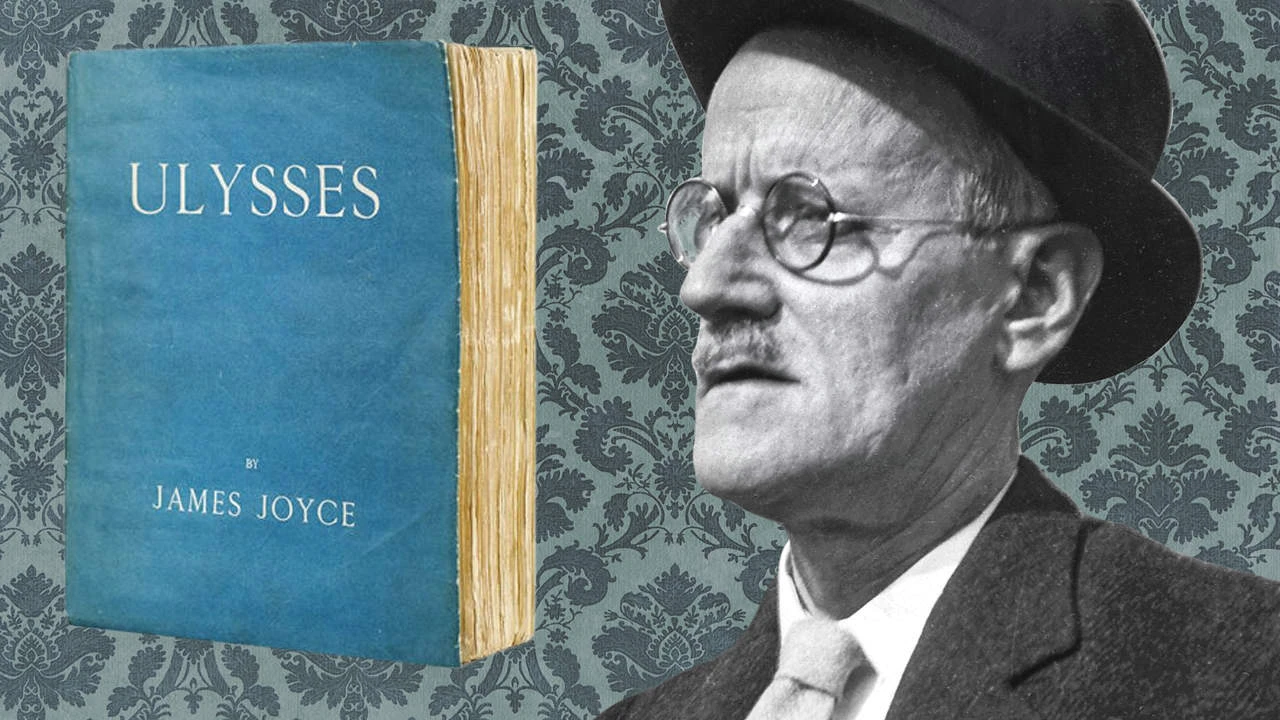
Those seven years weren’t spent drafting in the traditional sense; they were spent inventing. Ask any literature student, and they’ll tell you that Ulysses was groundbreaking. Joyce was creating a new way of writing as he went, which is why Ulysses feels like a labyrinth built entirely by hand. You’re not just reading a story; you’re walking through a narrative that is actively pushing language to its limits.
Worlds Before Words
Then there’s J. R. R. Tolkien, whose timeline almost feels unfair. The Lord of the Rings took 12 years to write, but that number hides the real timeline: Tolkien spent 30 years worldbuilding before most readers ever met Frodo.
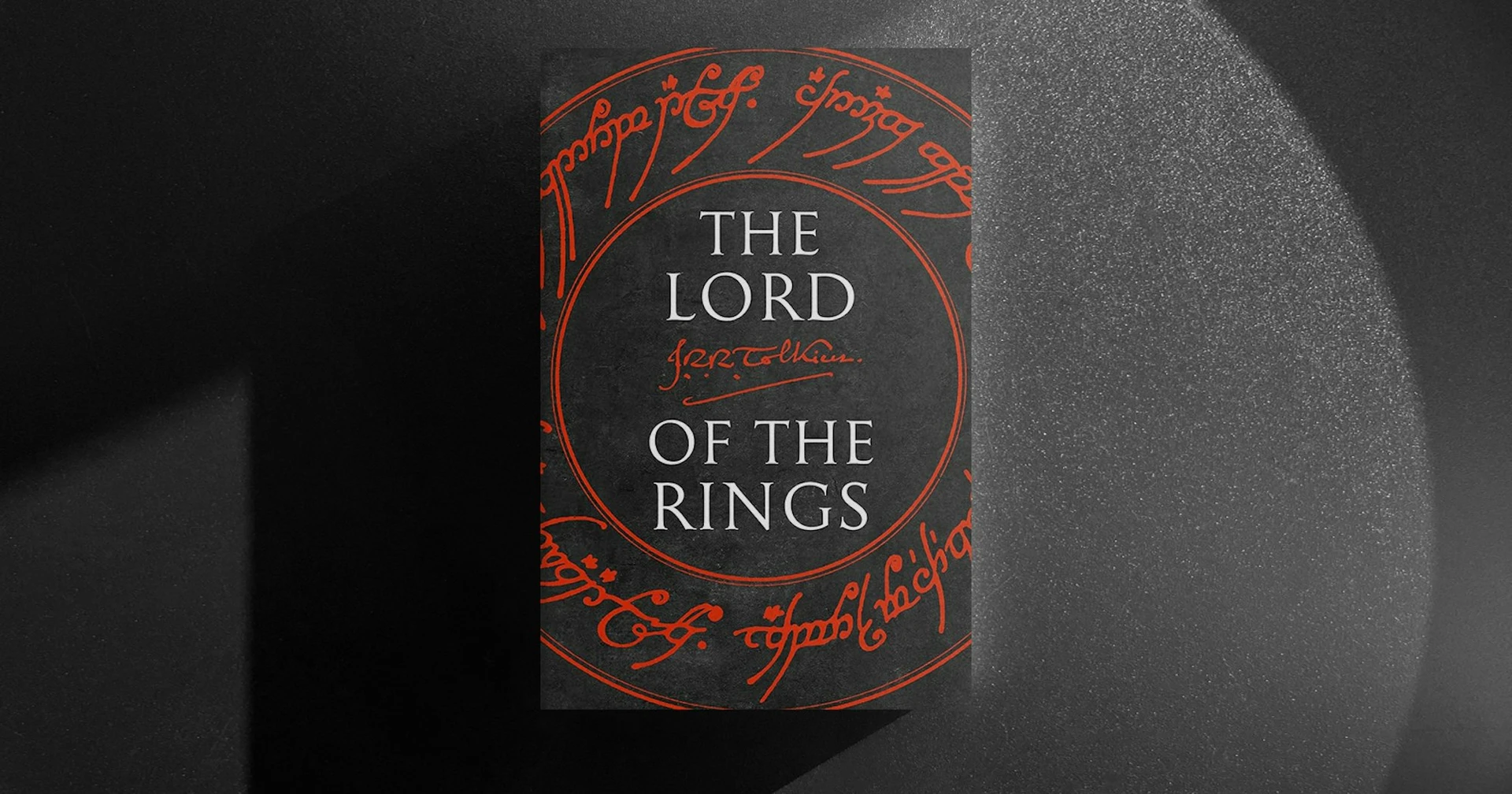
He began writing in 1937 and finished in 1949. Every line is a part of an intricately woven, expertly crafted world. Each part of the story has embedded languages, maps, histories, and entire genealogies. With all this lore, it’s no surprise that Tolkien rewrote endlessly, terrified that the mythology would collapse under its own weight.
Fast Books That Carry Lifetimes
Now here’s where things get interesting. Sure, some books took years. Decades, even.
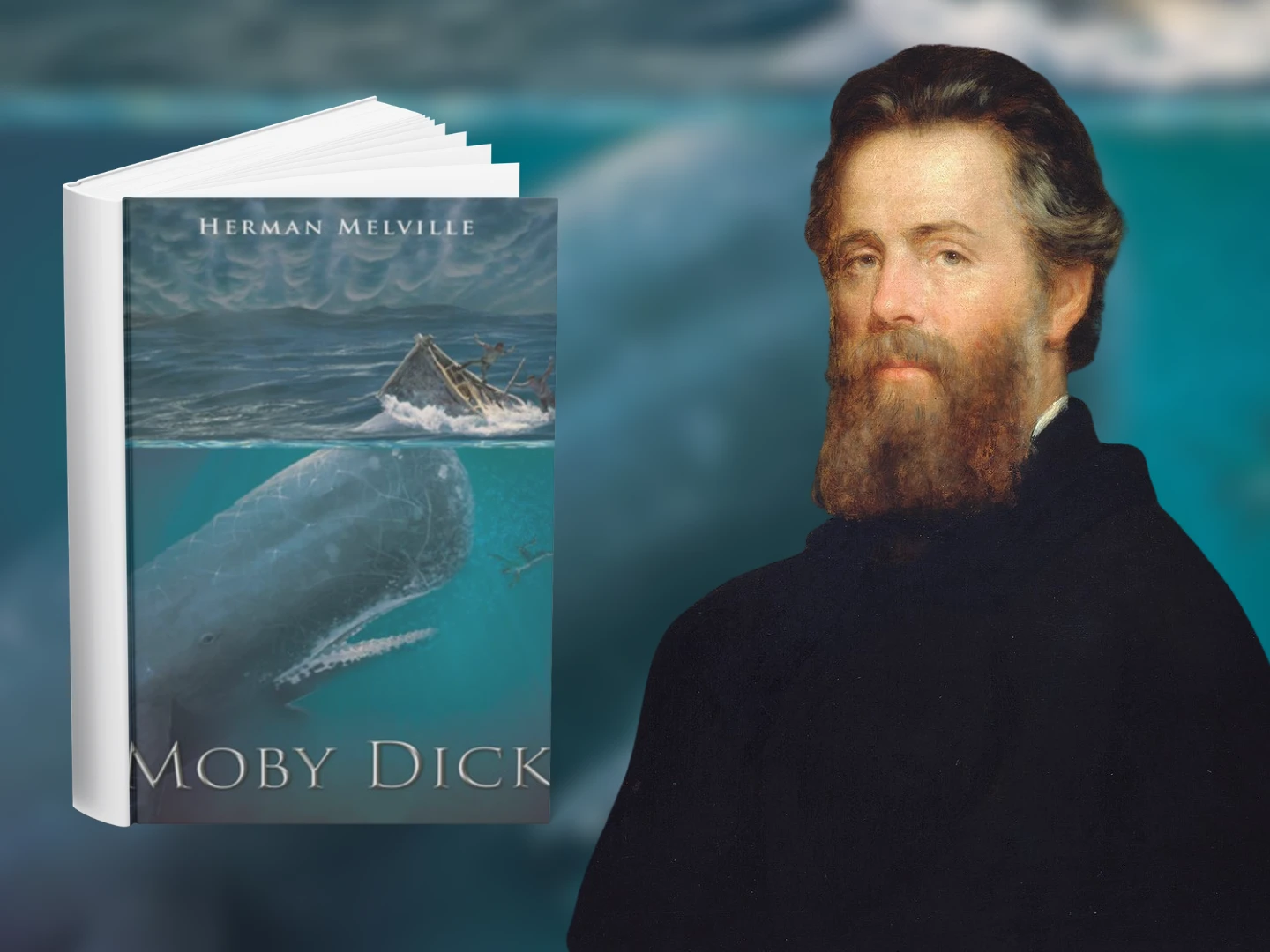
Others, though… Herman Melville wrote Moby-Dick in just 18 months, which sounds impossibly fast for a book of its depth and complexity. But that speed is deceptive. Melville wrote quickly because he had lived the material. He was a sailor. The sea wasn’t research, it was memory. It had been his home.
Midway through writing, after meeting Nathaniel Hawthorne, Melville did stop. In fact, he rewrote the book entirely, transforming it from a sea adventure into a philosophical epic. And yet he still did it with urgency. He was pouring a lifetime of experience onto the page before it slipped away.
Fyodor Dostoevsky’s The Brothers Karamazov was written in ever so slightly longer, taking almost two years. He wrote it during the final years of his life, piling into it decades of belief, trauma, faith, doubt, and political conflict.
The compressed timeline feels exactly right because Dostoevsky knew he might not survive long enough to finish. Every page pulses with the intensity of a man racing to beat fate itself, desperate to deliver his story to the world before he leaves us forever.
Creative Eruptions: When Everything Arrives at Once
Some classics don’t simmer; they don’t grow quietly. They explode.
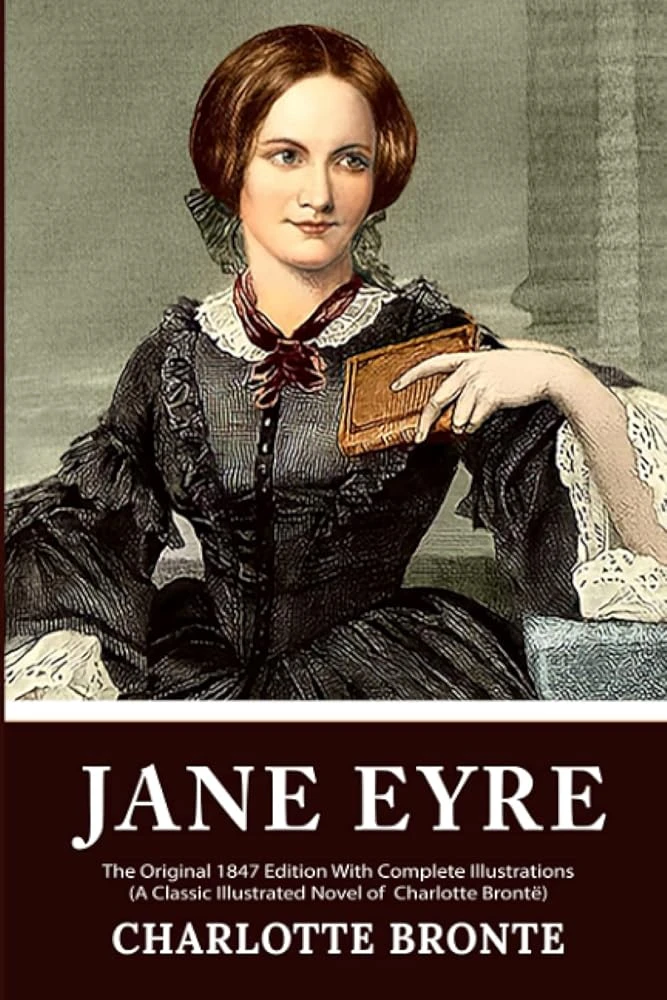
Charlotte Brontë wrote Jane Eyre in just seven months, astonishing her publisher. But those months were the release of years of private writing, suppressed ambition, and emotional pressure. The novel reads fast because it was written fast. And yet it’s perfect.
This is proof that mastery doesn’t always creep in slowly. Sometimes it arrives fully formed, like a dam finally breaking.
Gabriel García Márquez’s One Hundred Years of Solitude followed a similar pattern. While the novel itself took only 18 months to write, Márquez had struggled for years and years beforehand, unable to find the right voice.
Then, one day on a highway in Mexico, the tone arrived all at once. He turned the car around, locked himself in a room, wrote every day, and even resorted to selling household items to survive. His writing wasn’t calm productivity; it was 18 months of release after years of frustration and false starts.
So… How Long Does It Really Take?
Looking at these timelines, one thing becomes clear: classics aren’t measured in months or years. They’re measured in experience. In life.
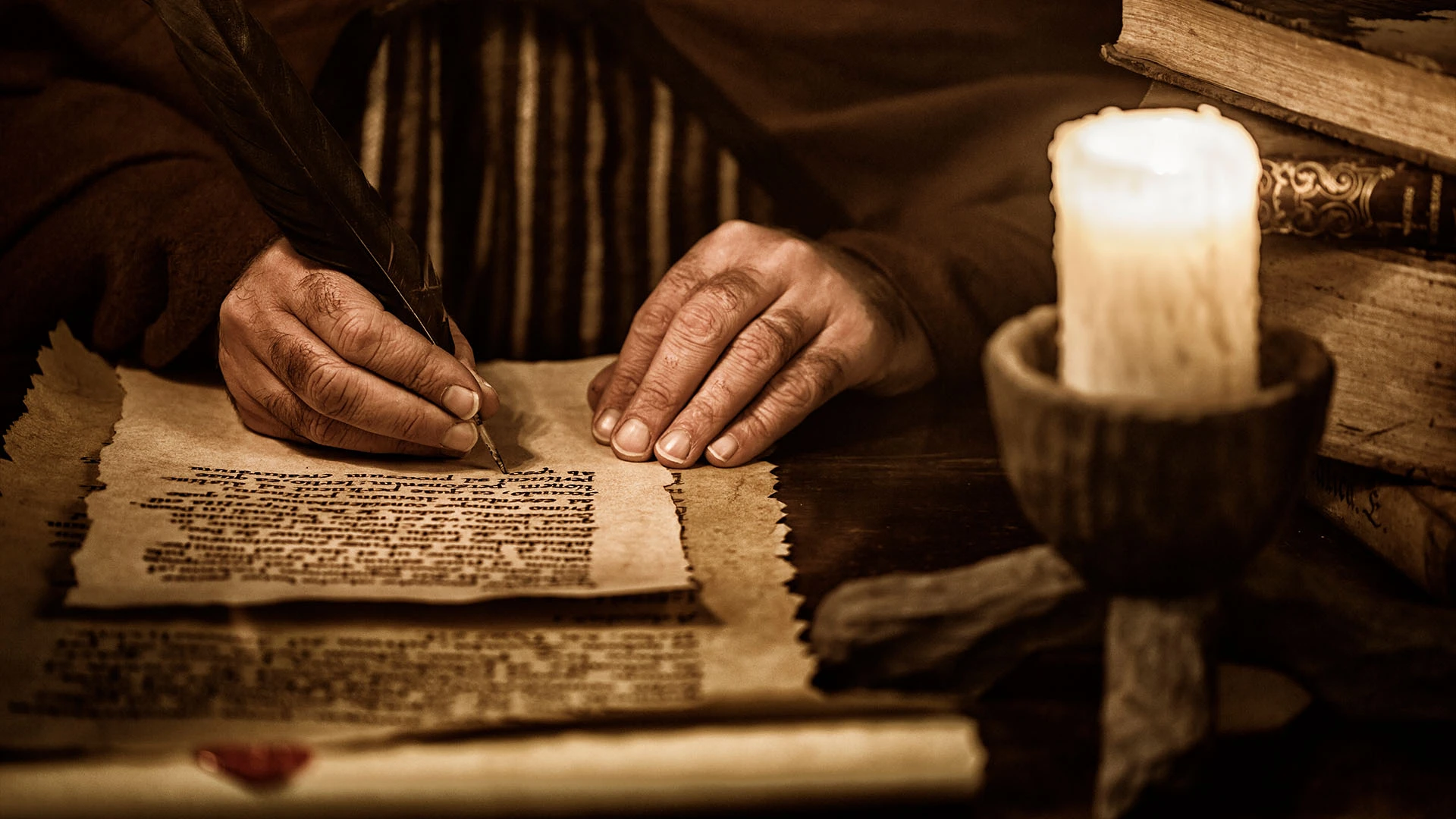
Some writers need time for ideas to mature. Others need pressure. Some need exile, obsession, illness, love, poverty, or the looming awareness of death. A classic is rarely written from scratch. It’s written from everything that came before.
The real answer to “How long does it take to write a classic?” is this:
It takes as long as it takes for a writer to have something they can no longer not say.

Millie Ramm
Millie has been writing since she was a child, and has spent more time with her nose in books than anywhere else. She has been ghostwriting novels and editing for the past few years, and when not working she is curled up with her cats, looking for her next read.