
Discover natsukashii, the Japanese philosophy of warm nostalgia, and why the smallest memories still feel the most powerful.
Often, movies meant for children resonate deeply with adult watchers. Take Ratatouille, a film about a rat with a passion for cooking, who finds himself in the heart of Paris. The seeming villain of this film, a dark, sad film critic called Anton Ego, is pleased by almost nothing. He is tall, slender, and devoid of smiles or joy.
Until, that is, he comes to the restaurant where rat Remy is working. Instead of sitting down to taste the usual plates of excess and luxury – Coq au Vin or Foie Gras – Monsieur Ego gets served a simple provincial dish of ratatouille. At first, he looks down at it, surprised to be given something so…unassuming.
Yet, as he places that first bite on his tongue, everything changes. His eyes open wide, and viewers are transported back to his sepia-tinged memories. Anton Ego, not the man nor the myth, but the little boy, sad and lonely, sitting down at his dining room table. His mother comes into the room, serving him his favourite dish of ratatouille, and suddenly the world seems alright again.
From that moment, his mindset changes. Ego may have accolades, riches, and prestige, but it was really that simple memory that made him the happiest. He just needed the reminder that joy does not come with an excess of money or validation, but little things made with love.
Nostalgia & Natsukashii
The Japanese have a word that describes this rather untranslatable feeling: Natsukashii. If you were to interpret it directly, it would be understood in English simply as ‘nostalgia’, but as we know, translations often offer only the simplest definition. In reality, it is a moment – a taste, a smell, a touch – that brings you back to a moment of your past.
In the case of Anton Ego, it was the first bite of ratatouille that sank him firmly into a feeling of natsukashii. Often, moments like this are the ones that serve as a reminder of the beauty of little things. A reminder that our lives used to consist of less but perhaps felt fuller, that it is not material wealth that is the key to joy, but simplicity.
Nostalgia is bittersweet. Longing is a feeling that travels deep within our bones, making us ache in remembrance. Yet natsukashii is not seen negatively in Japanese culture. It is a philosophy that brings people together.
Kind of like the films or series that defined generations. No matter where we are now, we were there before, together. We can live at any age for any age. It is interesting to note, however, that our longing is usually for simpler things.
The Age of Overstimulation
Simple is sometimes fired as an insult, but perhaps we need to understand that simple doesn’t mean poorer. Instead of a million films at our fingertips, we once had to wait a week for one episode, or months for a new film to come out on DVD. We had to practise patience, but when the moment arrived, with the film or the episode or the book, it felt somehow more meaningful.
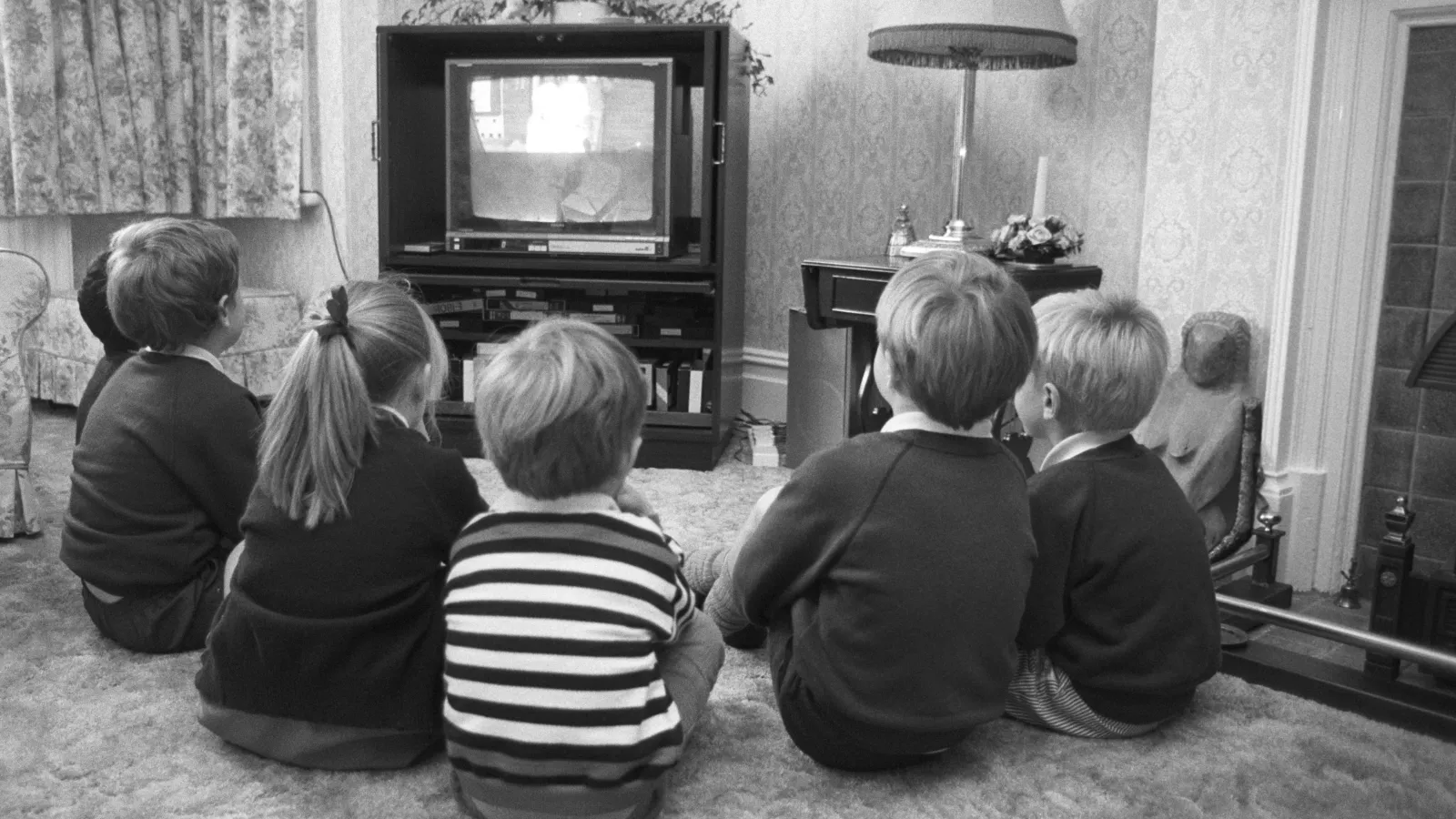
Psychologically, our brains like stimulation, but in our lives now, we are in stimulation overdrive; everything is all at once. We have the best technology, the best special effects, music, games, and apps, all at the touch of a finger. Notifications are constantly available, an endless choice of what we want to consume. Yet, somehow, it doesn’t feel luxurious. Somehow, it felt more like a privilege when we had limited choice. Having so much does not make us happier – it just makes us feel scattered.
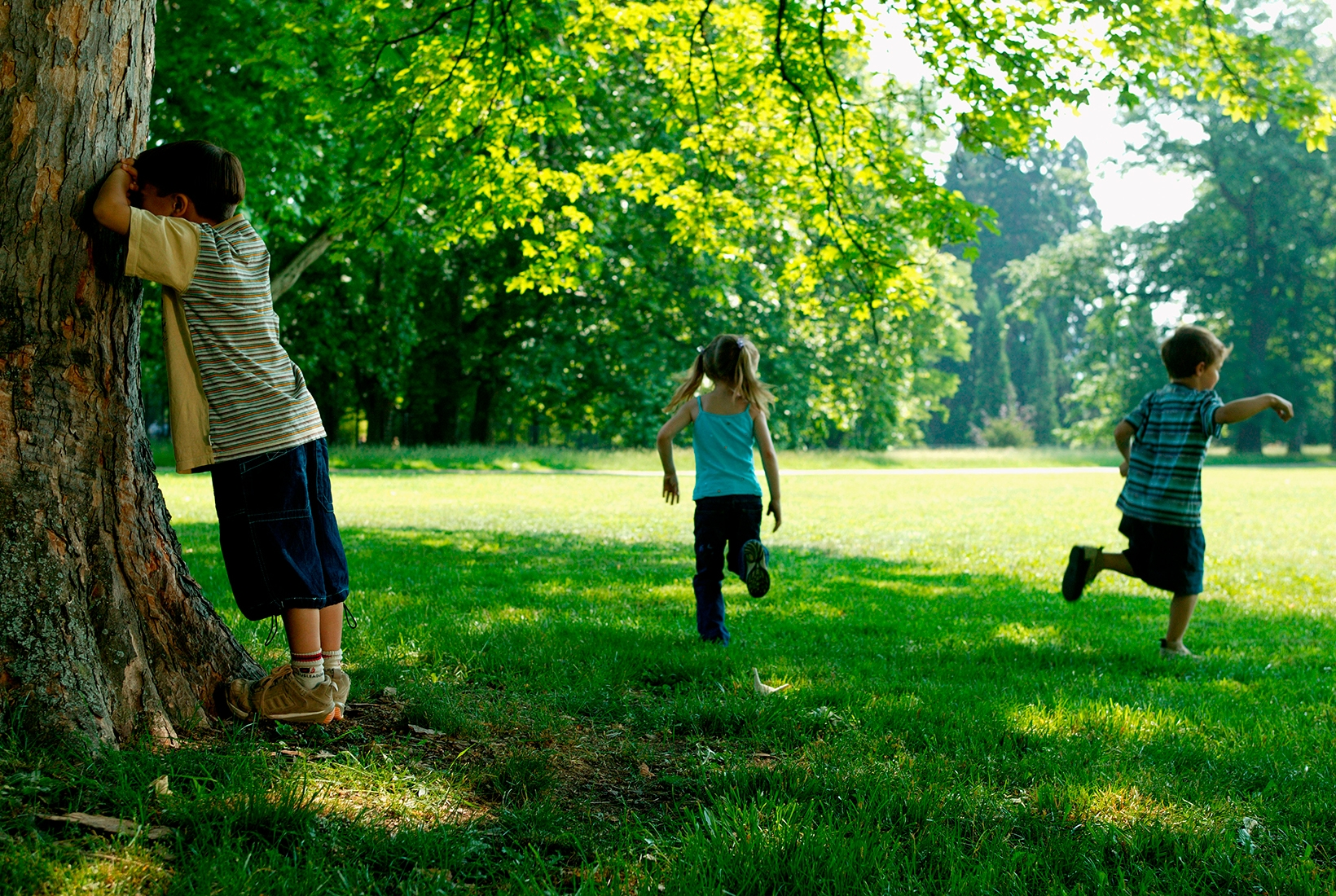
That is not to say all is lost. Those warm days of our childhood stretching out forever in the depths of our memories, glowing like the last of that summer sun, serve as a reminder of what could be. Sure, we have more responsibilities now, but that does not mean we are unable to seek out simplicity. Memories are beautiful, but they aren’t always that accurate. We romanticise the past, but it does not mean we cannot live in the present.
Small Rituals, Real Presence
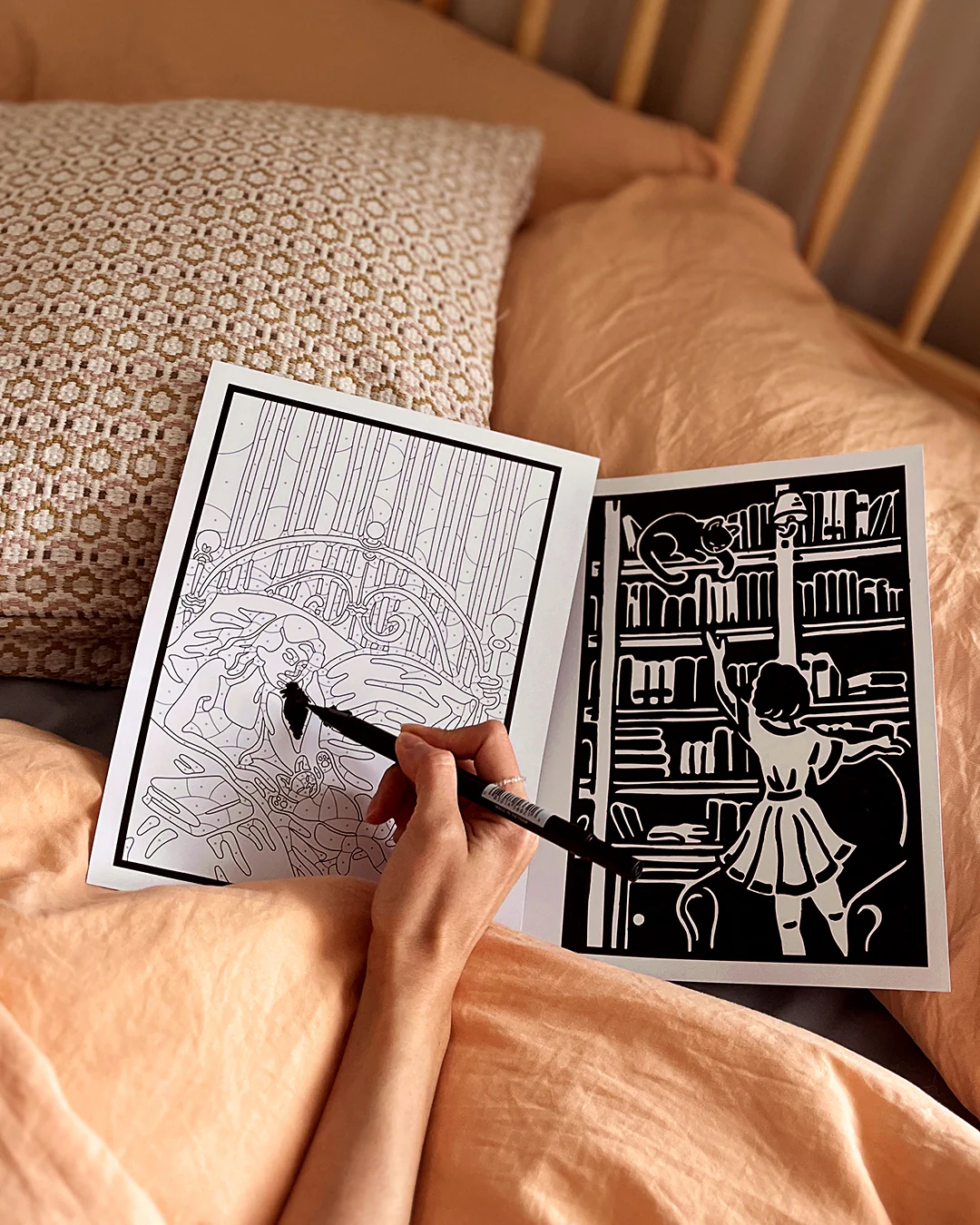
I, too, was caught in a cycle of decision-fatigue, overwhelmed at having everything at my fingertips. Feeling present comes with effort; it is no longer as easy as it was. Now, when I get home in the evening, I try to keep it simple. Open my colouring book, letting my brain reset a little after all the information of the day, or I read a few pages just before I sleep.
Most of all, I leave my smartphone in another room. Being accessible is a privilege, and receiving notifications will always tempt us to slip back into a wave of overstimulation. I have to remember we have a right to disconnection, and we owe it to ourselves to seek simplicity in our everyday lives.
Living Without Looking Back
Sometimes, even in children’s films, we find little moments of profundity. In the film, renowned chef Gusteau says, ‘If you focus on what you left behind, you will never see what lies ahead!’
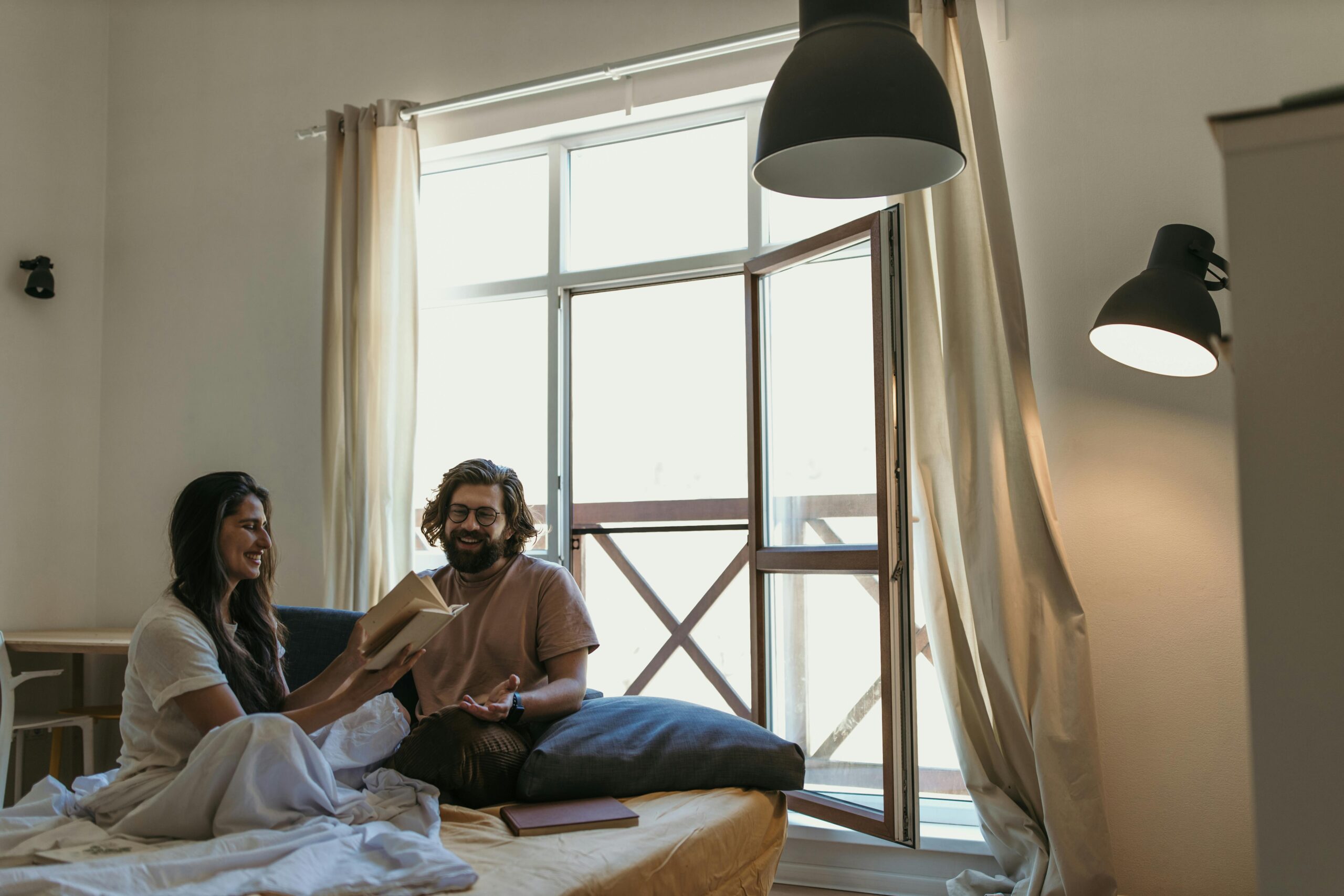
While we love to dwell on simpler times past, staying present in our own lives reminds us not to take for granted the time as it passes. If we’re so busy longing for something else, we might let the present slip through our fingers, only realising its worth in the rearview mirror.

Vincent Phan
Vincent is the founder and Editor-in-Chief of 1000 Libraries Magazine. He is a Paris-born ex-corporate turned bookseller and philosopher, on a global mission to spread the joy of physical books in our age of digital technology.