
Punctuation isn’t just commas and full stops; meet the interrobang, the asterism, and more symbols that add personality to your writing.
Let’s be honest: most of us are living our punctuation lives on autopilot. Full stop. Comma. Question mark. Maybe—if we’re feeling spicy—an em dash. But lurking just beyond the usual suspects is a whole secret society of punctuation marks that are far more expressive, quirky, and, frankly, underused.
Why Bother with Unusual Punctuation?
Before we dive in, here’s the thing: punctuation isn’t just about grammar and rules, it’s about tone, emotion, and clarity. Tiny symbols can completely change how something feels when it’s read.
These lesser-known marks are like seasoning. You don’t need them all the time, but when used right, they add flair, nuance, and sometimes a bit of dramatic flair your writing didn’t even know it needed.
The Acclamation Point
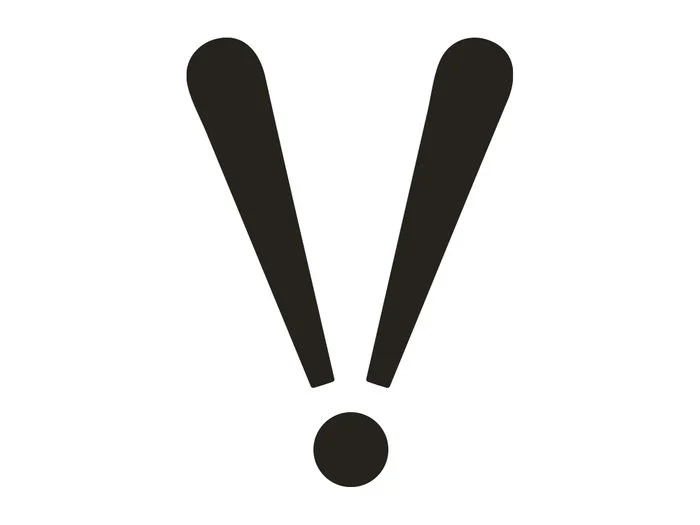
Think of the acclamation point as the friendlier cousin of the exclamation mark. It’s used to show warm enthusiasm, especially when greeting someone. Shaped like a V with a dot at the bottom (or like two exclamation marks), it’s a way to portray genuine excitement or happiness.
Imagine writing: “Welcome to my humble abode!”
Now imagine that with extra feeling. That’s the vibe. It’s less “I’m shouting!” and more “I’m genuinely thrilled you’re here.”
The Asterism
An asterism looks like three dots arranged in a triangle (⁂), and honestly, it’s adorable. Traditionally, it’s used to divide sections in a text—kind of like a decorative break between scenes or chapters.
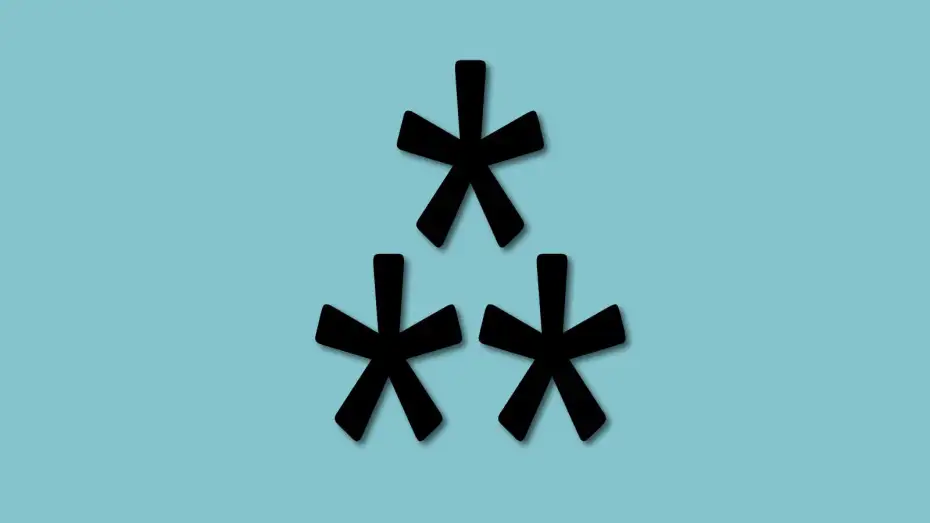
These days, we tend to use blank lines or simple *** breaks instead, but the asterism feels like something you’d find in an old, beautifully printed book. Very aesthetic.
The Dagger
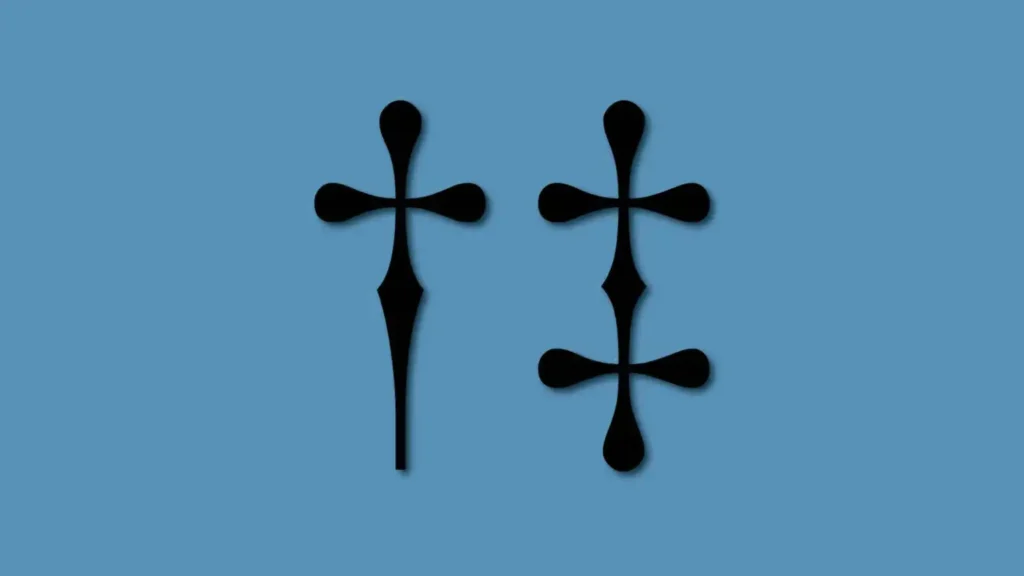
The dagger (†) and its sibling, the double dagger (‡), are less about drama and more about footnotes. Originally, editors used them to mark text that needed cutting. Now, they’re mostly used when you run out of asterisks for references. Basically, if you want your document to look slightly more scholarly (or mysterious), throw in a dagger.
The Doubt Point
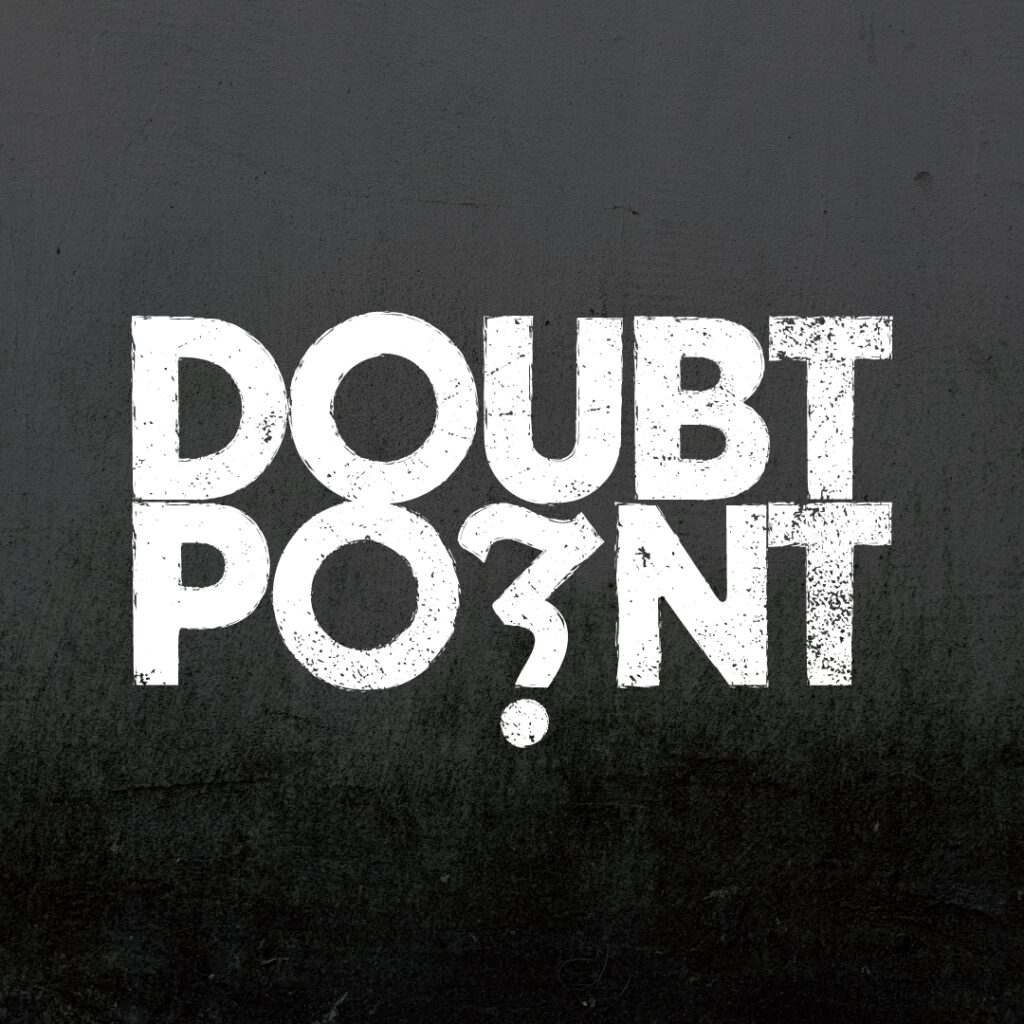
We’ve all seen someone write “Really???,” which, let’s be honest, is chaotic and a little messy. Enter the doubt point: a cleaner, more elegant way to show uncertainty or skepticism. Instead of stacking question marks like a nervous wreck, this single symbol quietly says, “I’m not convinced.”
It’s something like a question mark, but with a little… pizazz.
The Irony Point
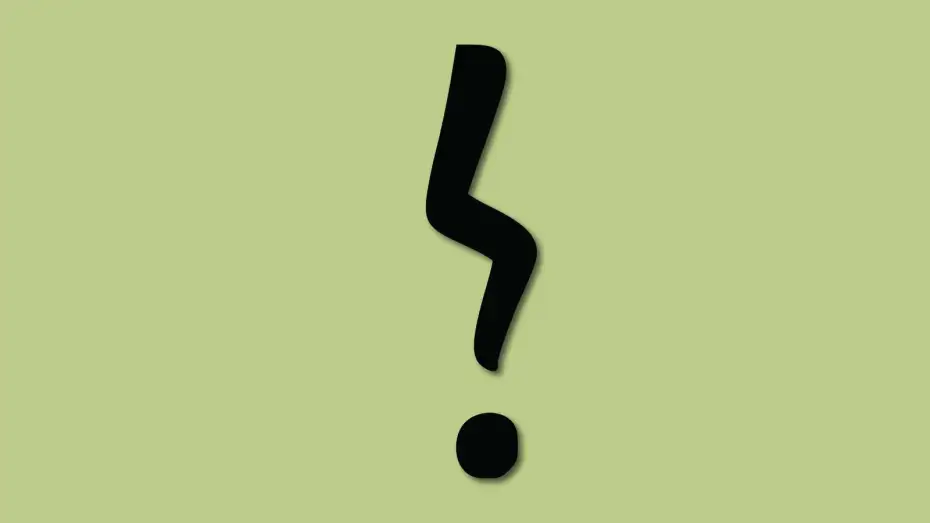
Ah, sarcasm, the eternal problem of text communication. The irony point (which looks like a backward question mark) signals that what you’re saying shouldn’t be taken at face value. Imagine all the misunderstandings this could prevent. No more awkward “I was being sarcastic” follow-ups. Just drop the symbol and move on.
The Interrobang
Now this one deserves more love.
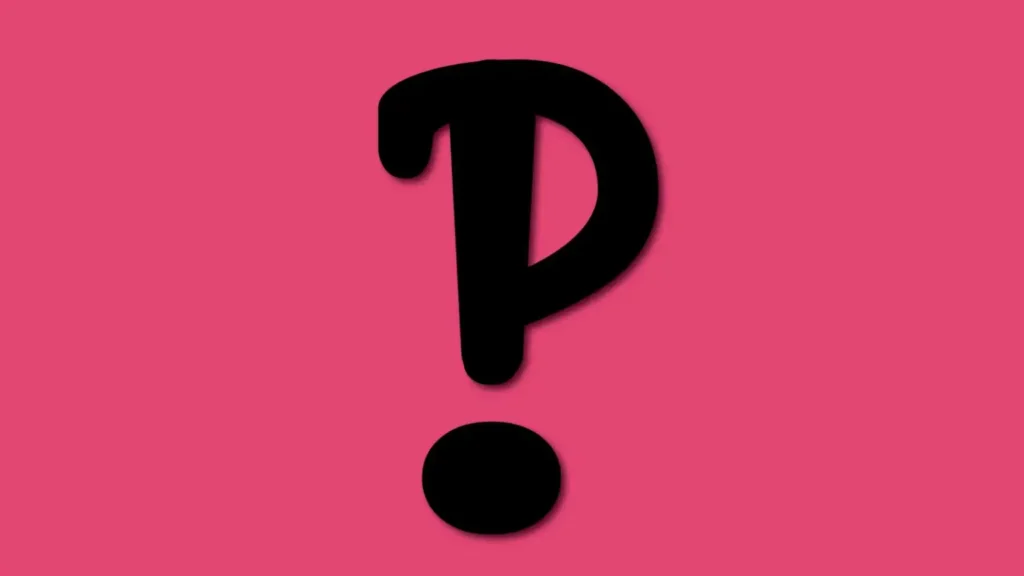
The interrobang (‽) combines a question mark and an exclamation mark into one glorious symbol. It’s perfect for moments of shocked curiosity:
“You did WHAT‽”
It expresses surprise and a question at the same time, something we already try to do with “?!” anyway.
The Love Point
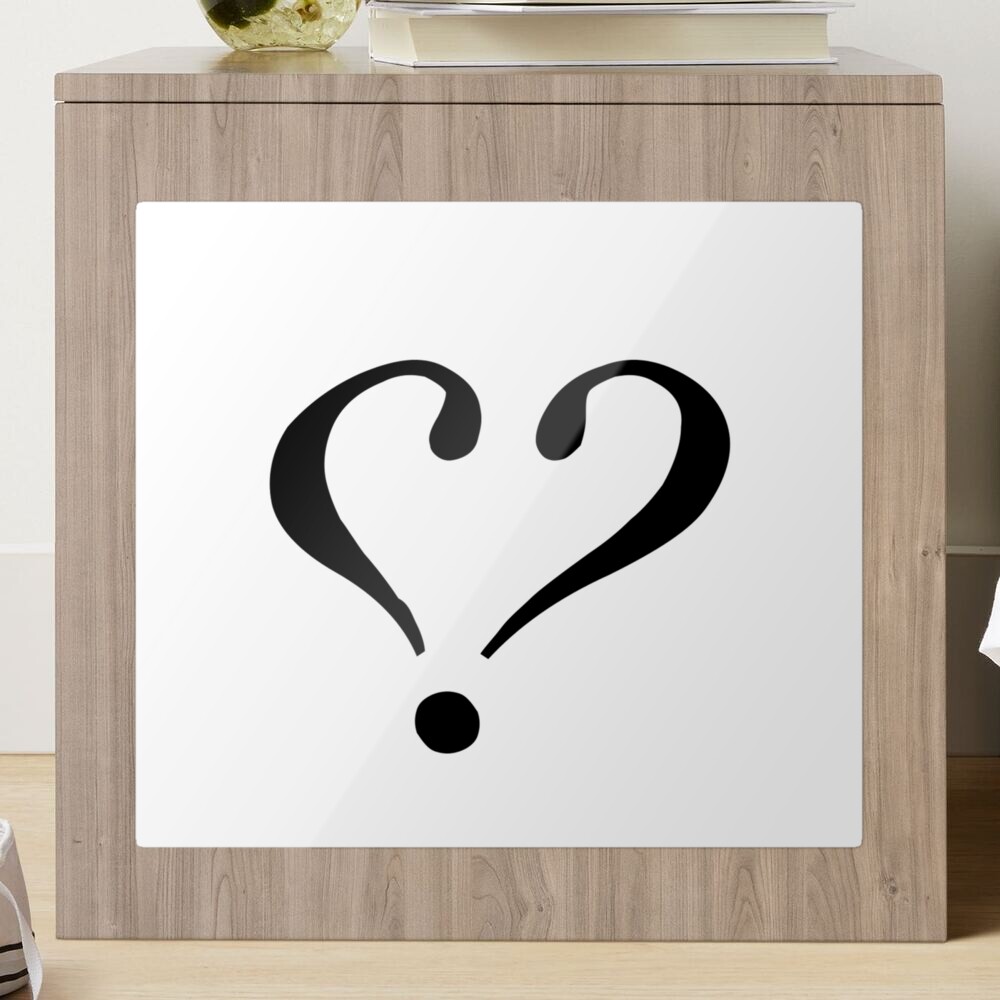
Before emojis took over, there was the love point. It’s used to express affection or emotional warmth in writing. It’s basically a punctuation-based heart. Today, it’s been largely replaced by ❤️ and 😍, but it’s fun to imagine a world where love was expressed through punctuation instead of emojis.
Authority and Certitude Points
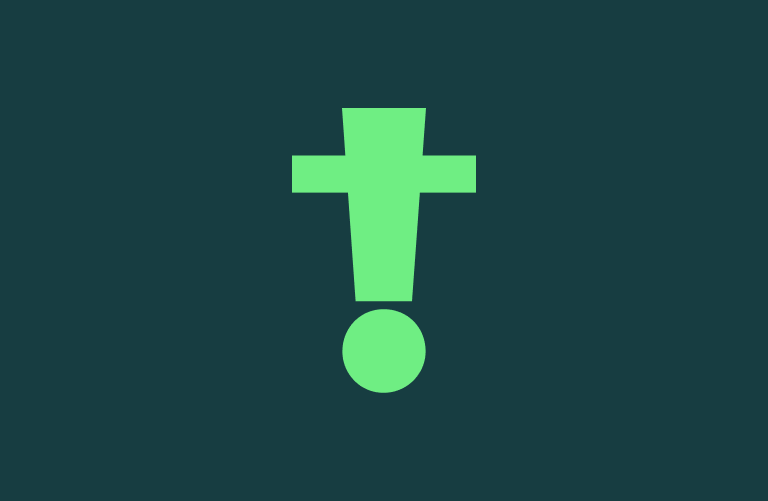
These two are easy to mix up but have slightly different vibes:
- Authority point: “I know this because I’m an expert.” This is an exclamation mark with a bracket on top, facing down.
- Certitude point: “I’m very sure about this… but don’t ask for sources.” This is an exclamation point with a line through the top of the main line.
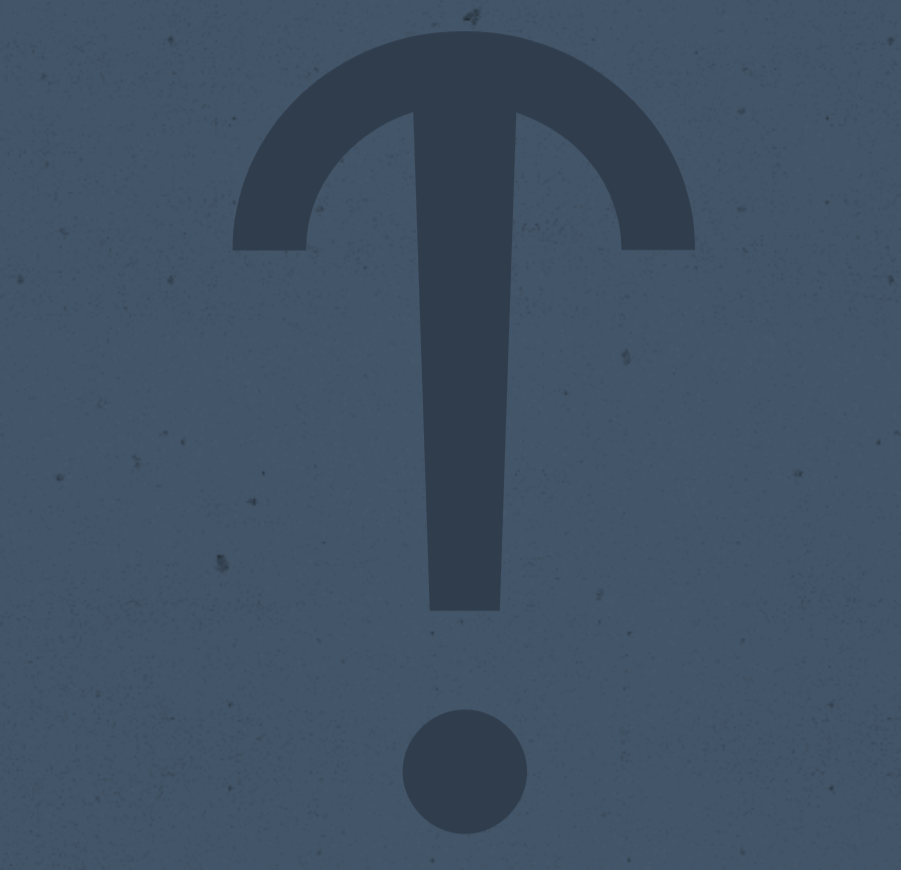
Both are about confidence, but one comes with credentials, and the other comes with vibes. Use wisely.
The Hedera
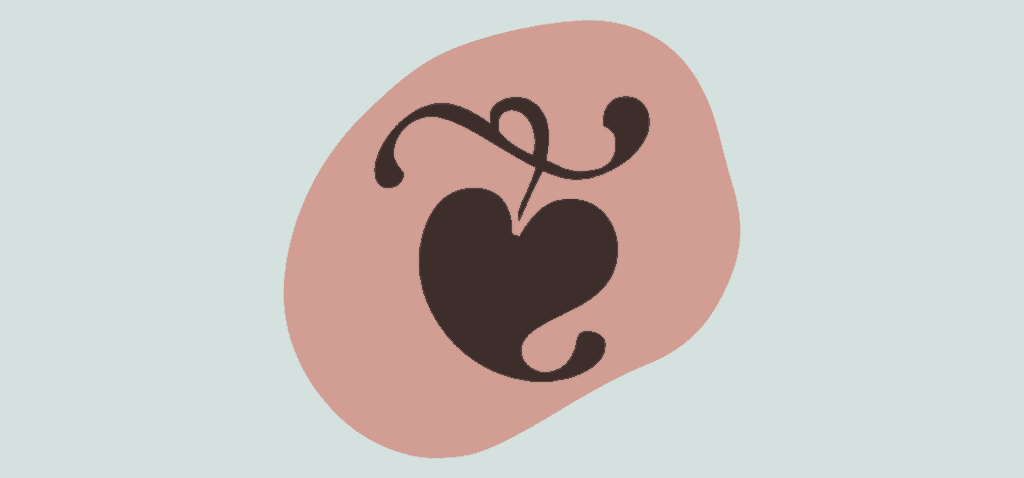
The hedera is designed to look like ivy and was once used to separate paragraphs. Sounds lovely, right? The problem is… It’s kind of a pain to draw. It’s like an ivy leaf/heart with a flowy script cross at the top. It’s… a lot.
Which explains why it didn’t exactly take over the writing world. Still, points for aesthetic ambition.
The Friendly Period
Let’s talk about the humble period. Reliable? Yes. Friendly? Not always. In digital communication, especially texting, a plain full stop can sometimes come across as cold or even passive-aggressive. Enter the friendly period, a softer, more approachable version of the traditional full stop.
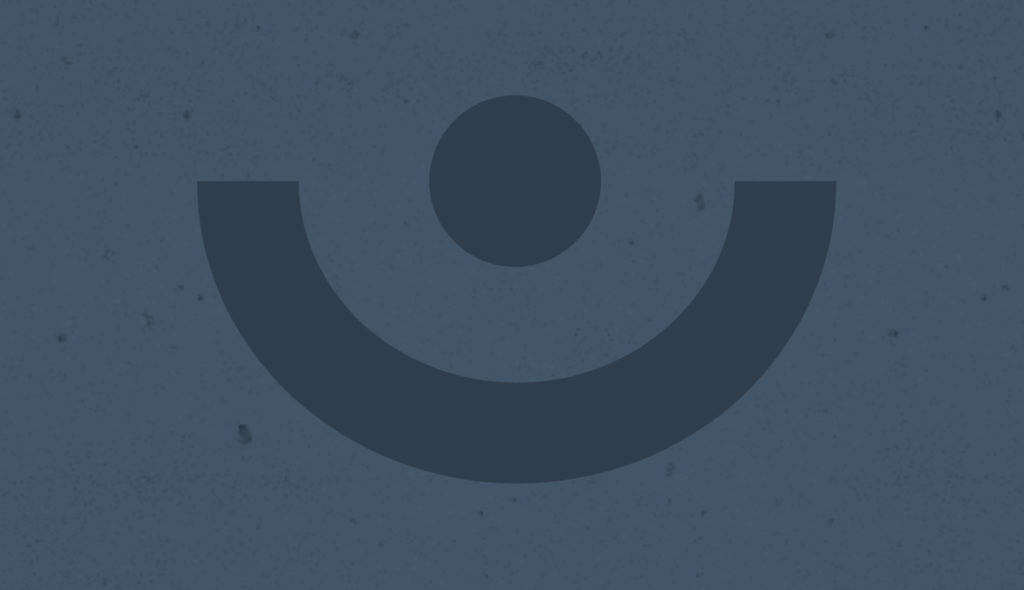
This isn’t a universally standardized symbol, but rather a concept: replacing that blunt “.” with something that feels warmer, like an emoji, ellipsis, or even just leaving the sentence open-ended. It’s just a period with a little bubble under it, but it softens it a lot.
The Exclamation Comma
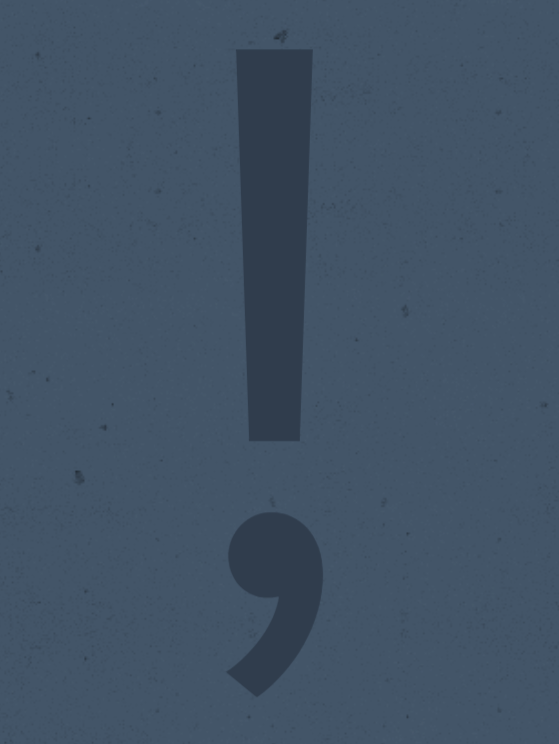
Imagine you’re mid-sentence, feeling enthusiastic, but not quite ready to end the thought. That’s where this hybrid punctuation comes in!
It looks something like this: “That’s amazing!, I can’t believe you did that.”
Is it technically standard? Not really. Is it expressive? Absolutely.
Think of it as punctuation breaking the rules in the name of enthusiasm.
So… Should You Actually Use These?
Here’s the honest answer: probably not in formal writing. Your boss might raise an eyebrow if you start dropping interrobangs into emails.
But creatively? Absolutely.
These punctuation marks remind us that language isn’t fixed; it evolves. Some symbols fall out of use, and others get replaced by emojis.
And who knows, maybe one day, one of these will make their resurgence. For now, though, they’re just fun artifacts.

Millie Ramm
Millie has been writing since she was a child, and has spent more time with her nose in books than anywhere else. She has been ghostwriting novels and editing for the past few years, and when not working she is curled up with her cats, looking for her next read.