
Remember the joy of real letters? Discover why handwritten words still matter and how one might find its way to your mailbox.
At 25, Florence Nightingale was said to have received a letter that altered her life. A letter that encouraged her to pursue her dream, against all odds, against all discouragement. It was a letter from a family friend, telling her to follow a life in nursing despite her parents’ protestations. Nightingale held something in her hands that validated her dreams, that meant so much for her that she never parted with it. As legend goes, that letter stayed close to her for around sixty years, and, when she passed, it was found among her other most treasured possessions.
Many might have thought it would be her medals, her commendations, that would have been the things she held closest to her. We often chase these tokens of success, glitter and gold, but nothing can touch us like loving words on a piece of paper. Nightingale used the letter likely as a compass, as guidance, and without it, perhaps we wouldn’t have the medicine and nursing standards that we have today.
The Lost Ritual of Writing and Receiving Letters
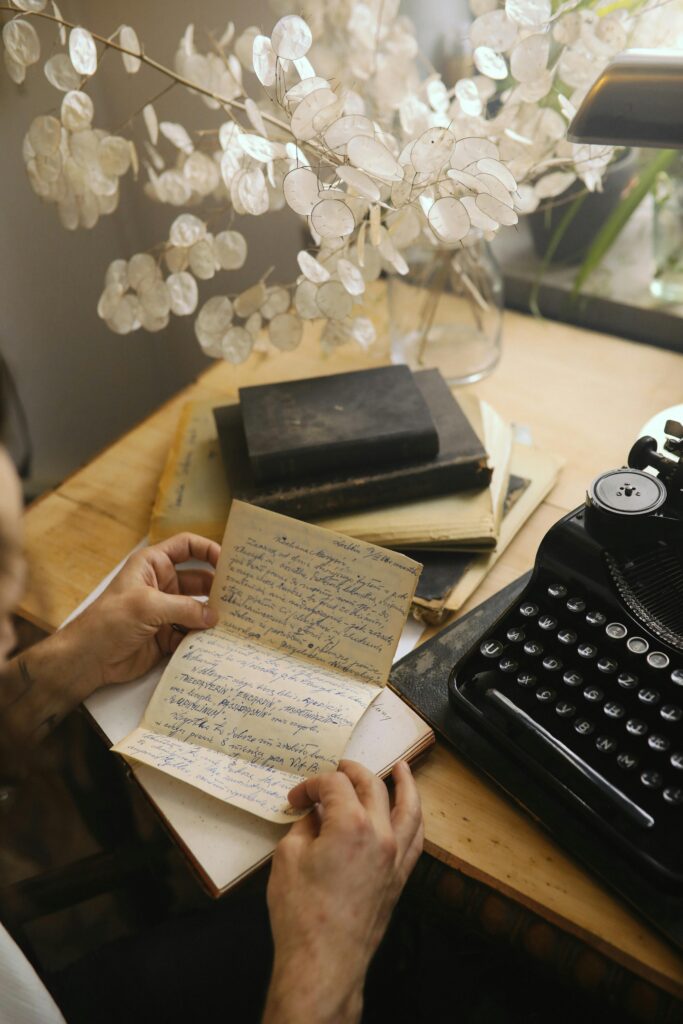
Unlike in our world of immediacy and instantaneity, a letter has staying power. It was purposeful, it took intention, and it demands keeping. A time capsule, one could say, sealed from the moment it was written, meant only for the receiver.
Tegami, in Japanese, means letter. Or, more specifically, ‘hand-paper’. Despite our online mailboxes attempting to recreate the real thing, a letter is something one only fashions by putting one’s hand to paper. Letters do not exist in a virtual ether; they are physical and decidedly analogue. Unlike instantaneous messages on social media, letters take time. Lying out the paper with your hands, choosing the words to write, and tucking it all into an envelope are all conscious actions.
How Japanese Culture Honours the Written Word
Japan is renowned both for its technological advancements and, interestingly, its tenacious respect for the analogue world. A respect for slow and conscious living. Even Japanese writing tools are elevated, garnering an international reputation for quality and endurability. For those of us who do still put pen to paper, Japanese writing tools make any written activity a pleasure, with the power to turn something ordinary into an act of intention.

‘Mono no aware’ has been a part of Japan’s culture since the Heian period, around the year 794. In English, we might roughly translate it as ‘the sorrow of objects’, or ‘the pathos of things’. This concept seeks to turn our attention to the subject of impermanence, the subject of the ephemeral nature of life, and the objects that exist within it.
Mono no aware is a bittersweet feeling, indescribable to some, that argues beauty is only enhanced by the knowledge that it is fleeting. In Paris, from the end of March to the middle of April, tourists and Parisians alike can see the flourishing of the cherry blossom trees.
For a little over a month, the streets are filled with pink petals, glorious even if only short-lived. Like so many seasonal things, this season of blooming is made all the more important because it does not last.
What Makes a Letter Feel Personal and Lasting
A letter is not the same as an instant message. There is a certain mono no aware about it, for even the letter holds a certain fleetingness. Physical paper is something that, in a way, better reflects humanity and the manner of life on earth much better than this digital age.
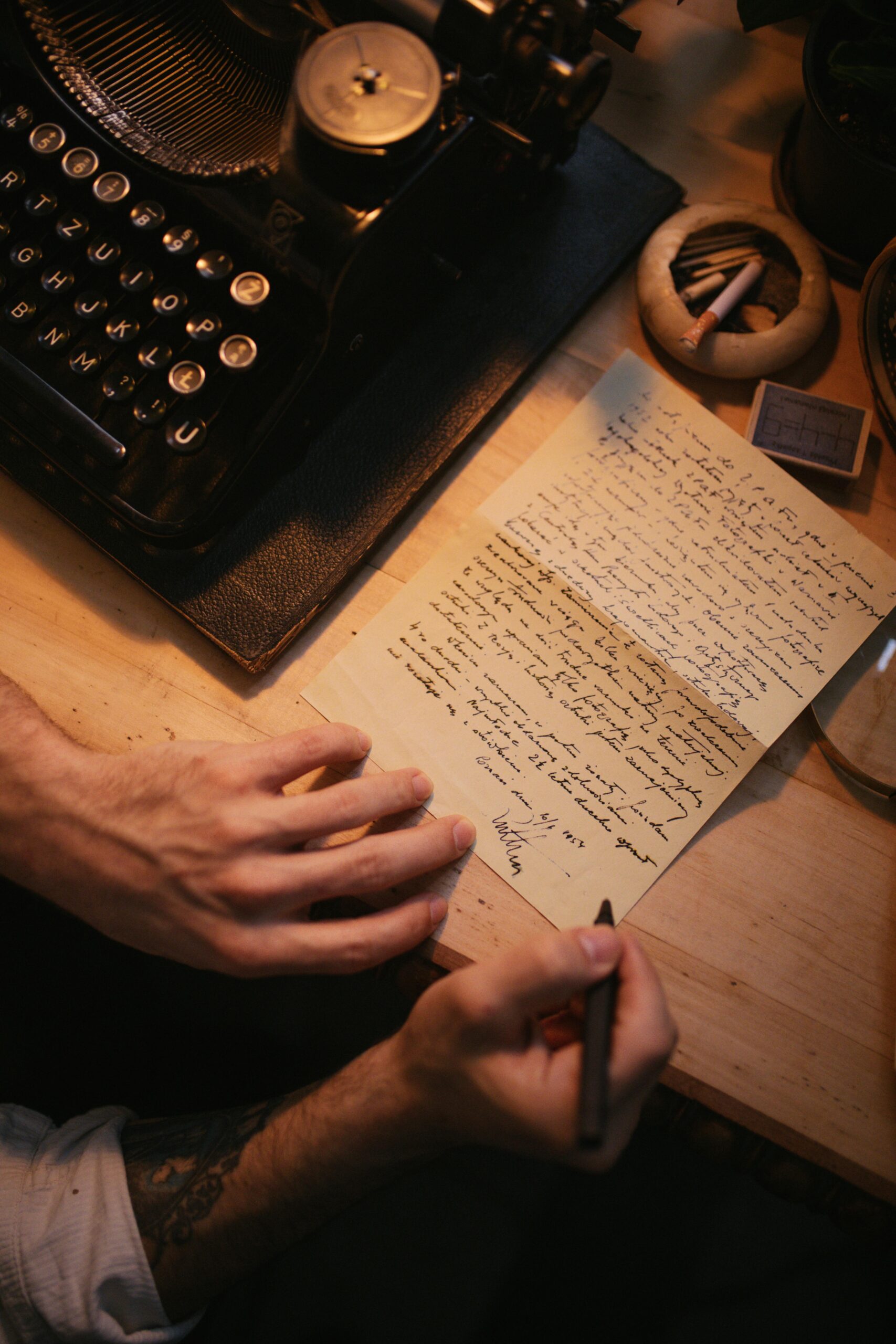
Paper can fade, ink can smudge, letters can yellow, but these stand only as testaments to having been something real and intended. Unlike our virtual ‘objects’, those in the physical realm must be cared for in order to be preserved.
A Forgotten Kind of Magic
The average human receives 121 emails each day. Most, as you can probably attest to yourself, go straight to the junk pile or are left unread. The few that we choose to read (or must) are rarely of much interest; all share a similar format, often using words that come across as impersonal or sterile.
When was the last time you printed out an email, or even saved it? I am almost sure your drawers do not secretly contain a meaningful copy of an email, mostly because we keep things that feel truly significant.
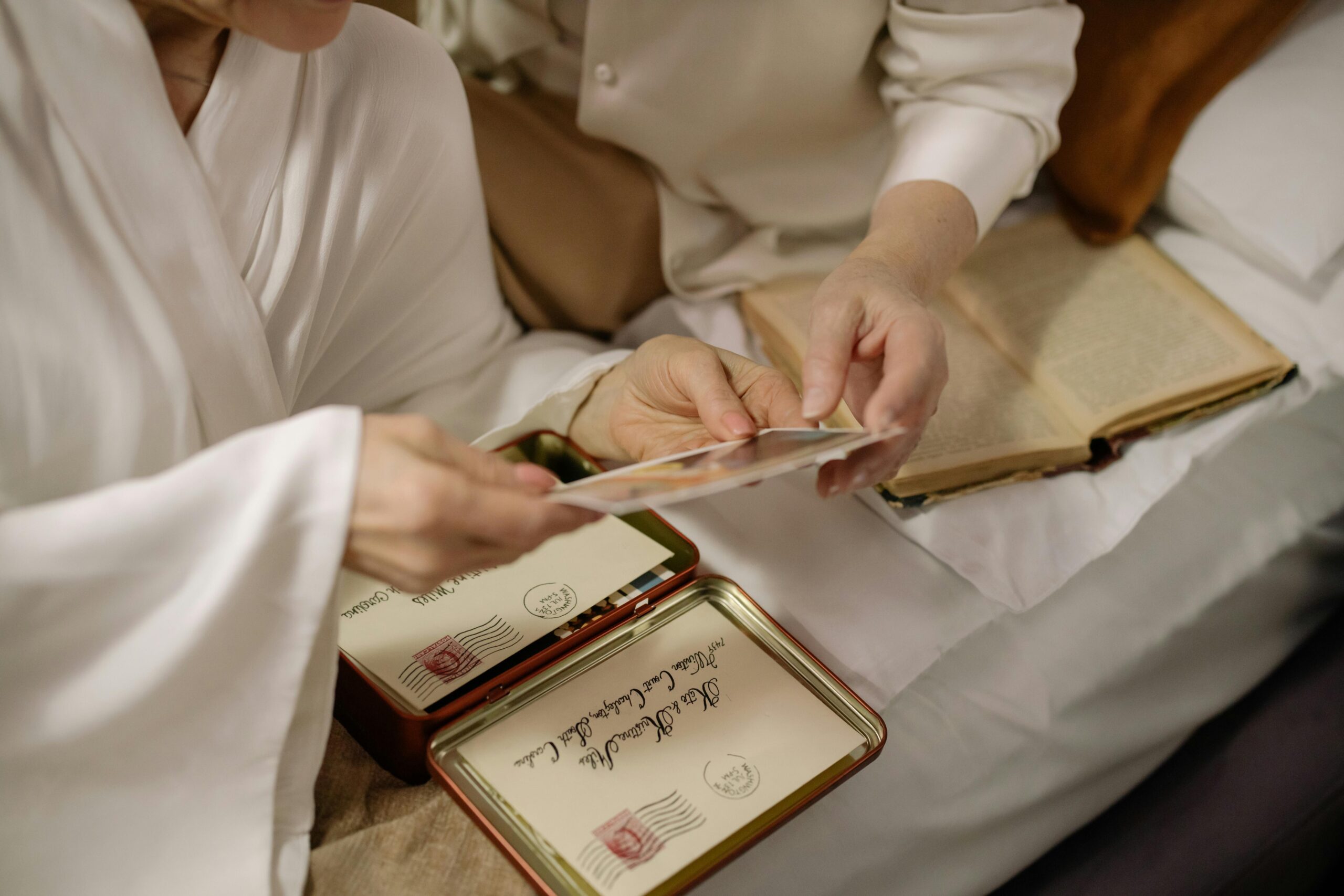
Now ask yourself – when was the last time you received a letter? A real letter, not just one that tells you how much to pay or gives you information about your insurance. Something handwritten, thoughtful, addressed to you, and not a mailing list. If you are like the majority, you’ll find it much easier to remember a significant letter than a significant email.
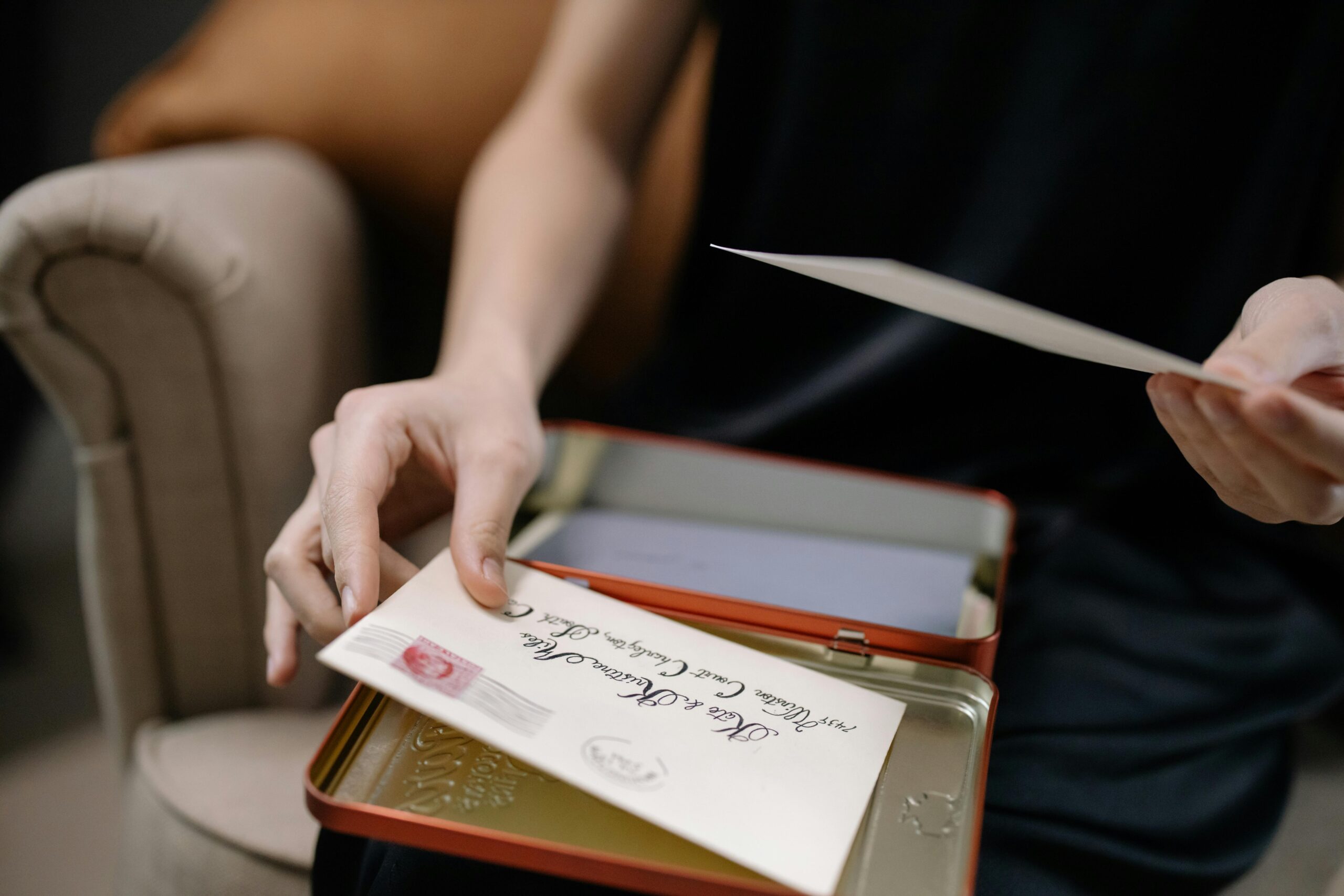
Usually, letters like these demand attention even from the moment you take them out of the mailbox. The handwritten name on the front, the stamp chosen in the corner – all details that underline an intentional choice, proof that someone was thinking of you.
A Letter That Travels the World to Reach You
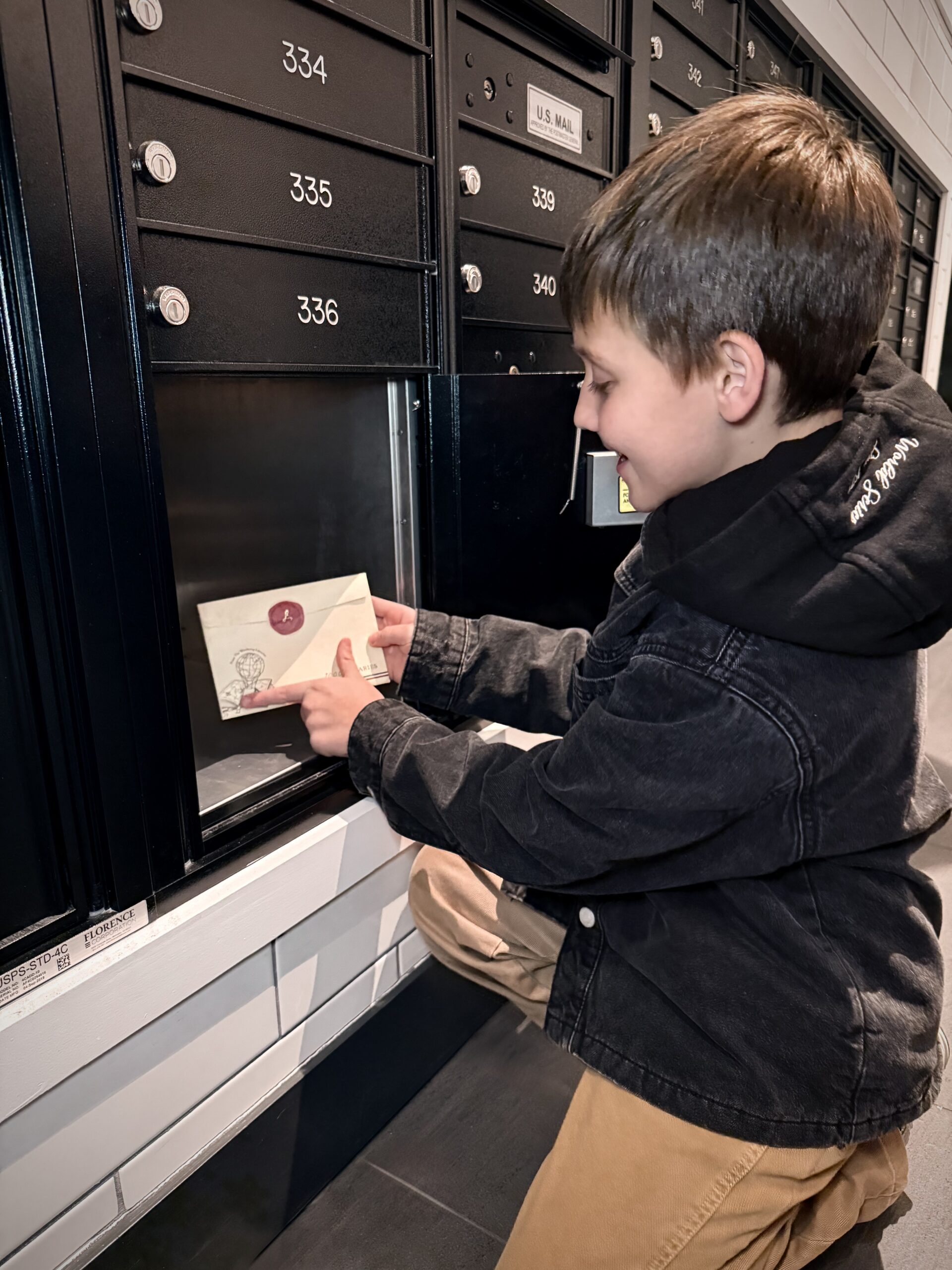
When we were younger, we may have received postcards or letters from friends abroad, birthday invitations, pages of handwritten communication from loved ones far away. The pleasure of opening letters like this can feel strange because it has almost been forgotten. Our worlds have been upended in the name of efficiency and economy. Yet what may be cheaper in cost can also be cheaper in quality and experience.
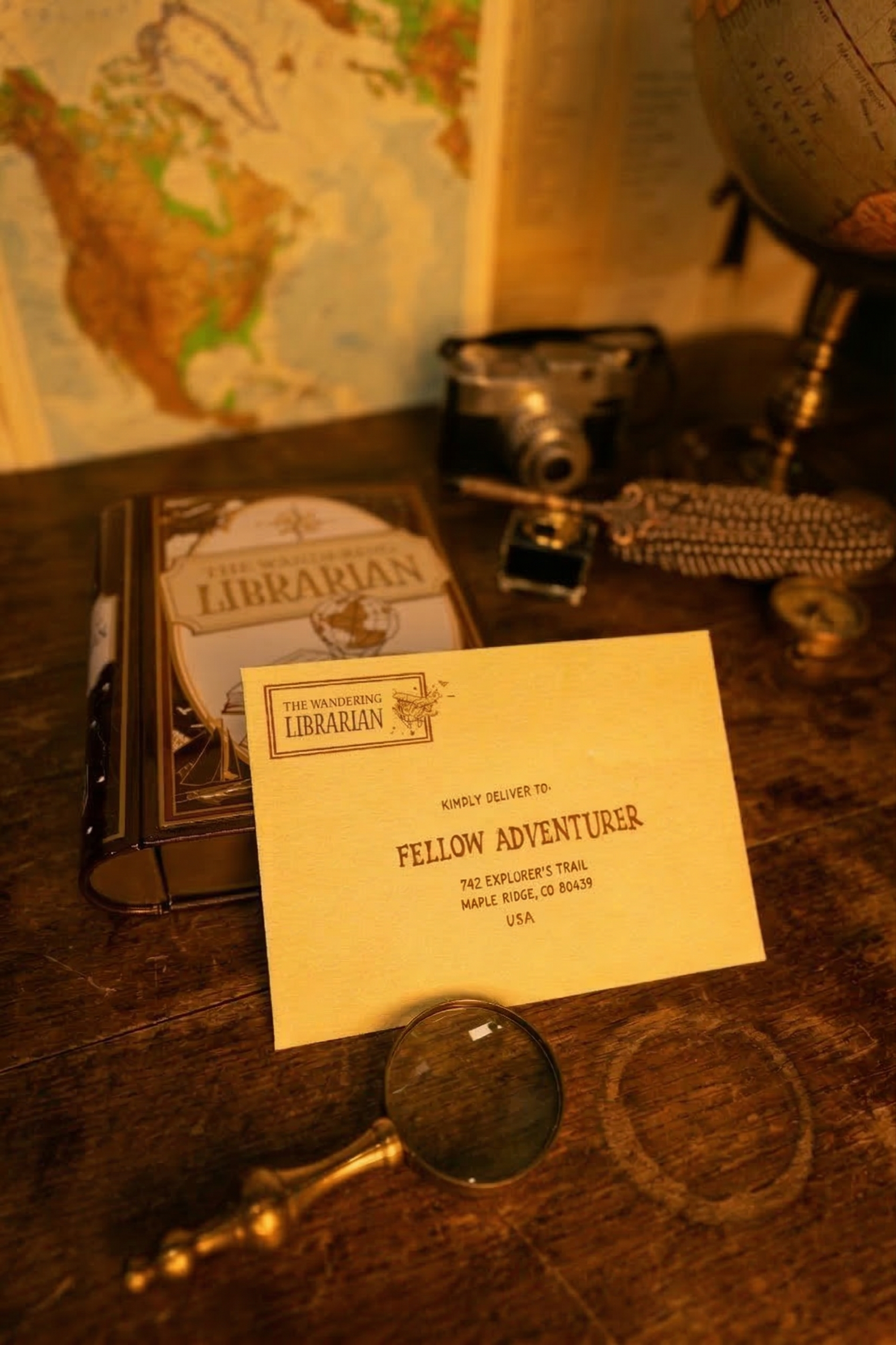
That’s why we created The Wandering Librarian – a letter arriving in your physical mailbox once a month, from Sophie, a rogue librarian travelling the globe. Sophie dedicates herself to meeting those individuals who are devoted to the beauty of the written, to the joy of reading.
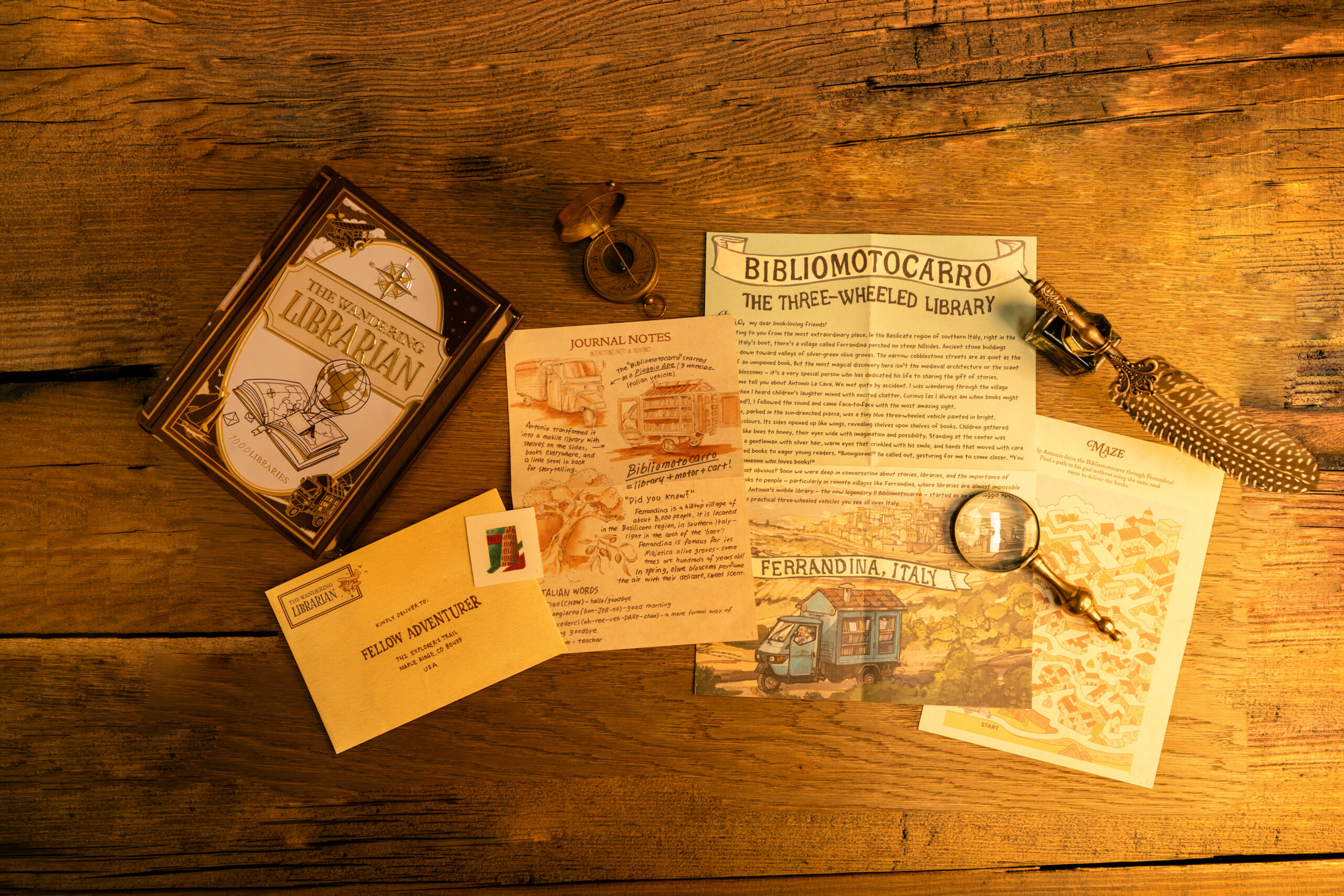
The Wandering Librarian delivers to you hand-illustrated pages filled with heartwarming, real stories; each letter introduces you to the real ‘protectors of the written word’ scattered around the globe. A retired teacher nestled in rural Italy who transformed his van into a roaming library for children. Stories about people who still believe that books, and the world of analogue matter.
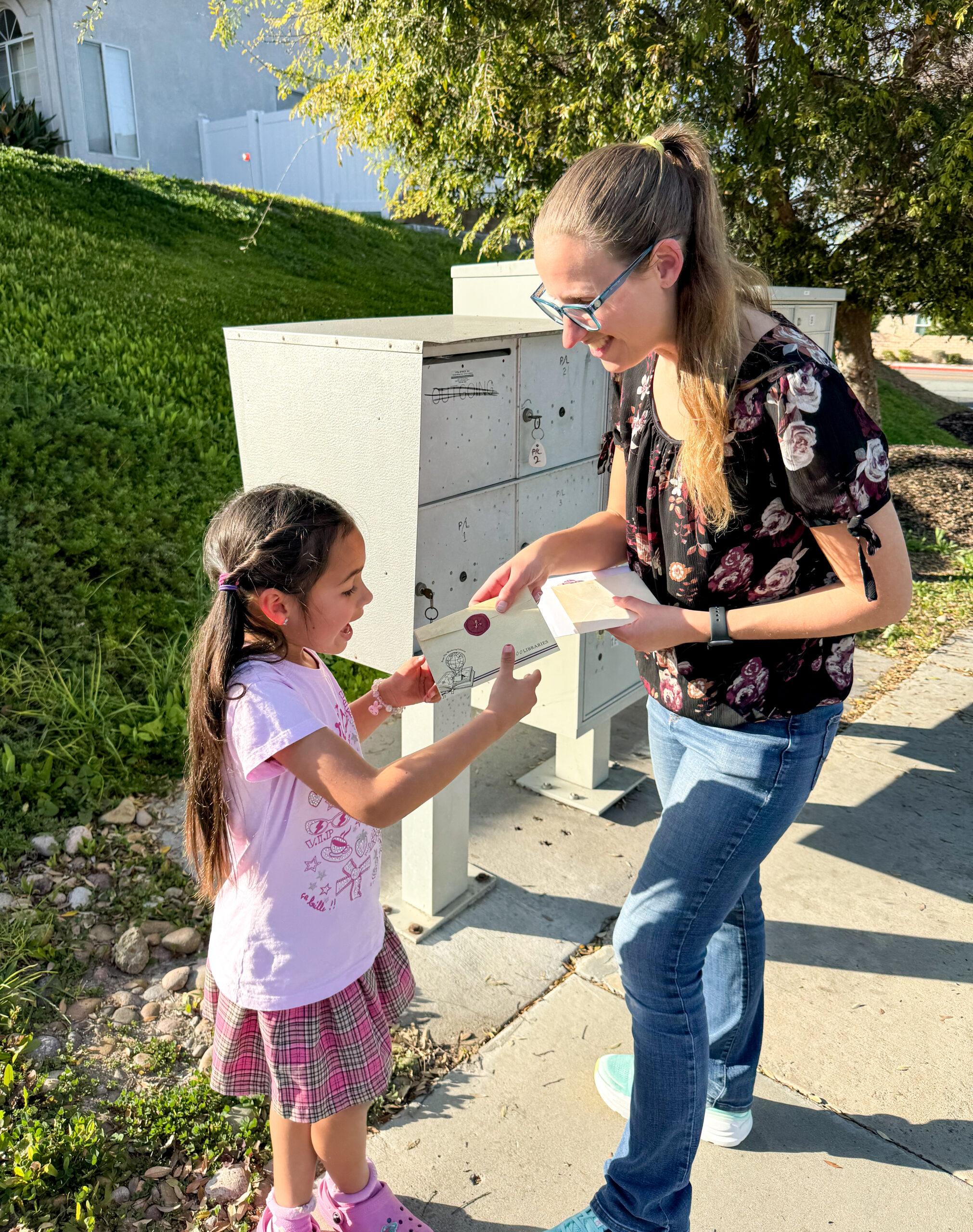
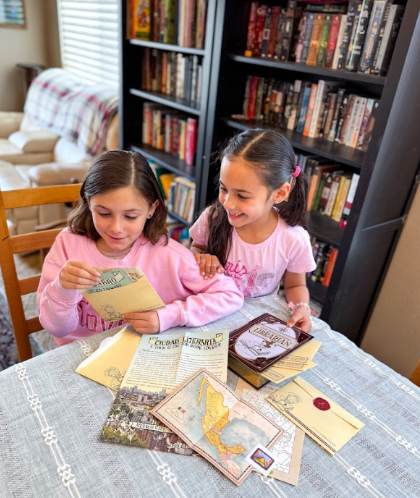
For children, The Wandering Librarian provides a certain kind of magic. A real mail, addressed especially to them, from a librarian adventuring across the world and delivering fascinating stories. For adults, these letters contain a certain kind of nostalgia, pen pals and postcards and a time when correspondence was something that took time and intention and was not reduced to a mindless chore.
We donate 50% of the profits to literacy programs worldwide. Because if we want to call ourselves and celebrate, the protectors of the written world, we should ensure that everyone can have access to it.
Slowing Down, One Letter at a Time
For me, there is a kind of ritual to it – hearing the opening of the mailbox, collecting the envelopes in my hand, carrying them inside to open them. Leaving it on the table as I brew myself a cup of tea and allow myself time to sit down and read this new chapter, lose myself in another world.
One of my favourite moments is hearing about or watching the reaction of a child receiving their letter. The subtle confusion at first (mail? For me?), followed by the joyful recognition. A somewhat stranger, a wandering librarian, wrote this letter and sent it to them. Our world treats immediacy as the norm, but patience can bring a deeper sense of delight, especially to children. Some things are truly worth waiting for.
I’ve found that I read these letters far differently from anything on a screen. I make it a ritual of sorts. Feeling the paper underneath my fingertips, admiring the hand-drawn illustrations, and truly considering the words that I am reading. My phone is usually nowhere in sight; it is a moment all my own. For just a few minutes, everything goes quiet.
In the age of instant communication, sending a letter is almost a quiet act of rebellion. It whispers you are worth my time. You are worth the wait.
After all, some messages are meant to be held, not scrolled.
Some feedback for The Wandering Librarian

‘These letters have brought the magic of reading and adventures to another level with my 6 year old and 8 year old! It has been so fun to watch them get excited about all of the Wandering Librarian’s adventures.‘ — Krista Wolfe
‘The Wandering Librarian is such a fun monthly letter! We love the book-themed adventures, and my girls especially enjoy the activities and maps. The Wandering Librarian is a beautiful way to encourage reading and appreciation of the written word.‘ — Katie Restrepo
‘My son really loved the letters. Everything is so beautifully designed, and it immediately made us think of adventures and travel. We enjoyed reading Sophie’s stories, and our favorite part was definitely the activities.‘ — Zhanna Pavlenko
‘I’m so impressed with the The Wandering Librarian subscription! Everything is so fun and unique! Such a wonderful idea for moms who want to spark a love of reading and discover new things with their kids.‘ — Malika Ibragimova
Discover The Wandering Librarian here – a monthly snail mail subscription for book lovers for all ages. Mailing now.

Vincent Phan
Vincent is the founder and Editor-in-Chief of 1000 Libraries Magazine. He is a Paris-born ex-corporate turned bookseller and philosopher, on a global mission to spread the joy of physical books in our age of digital technology.