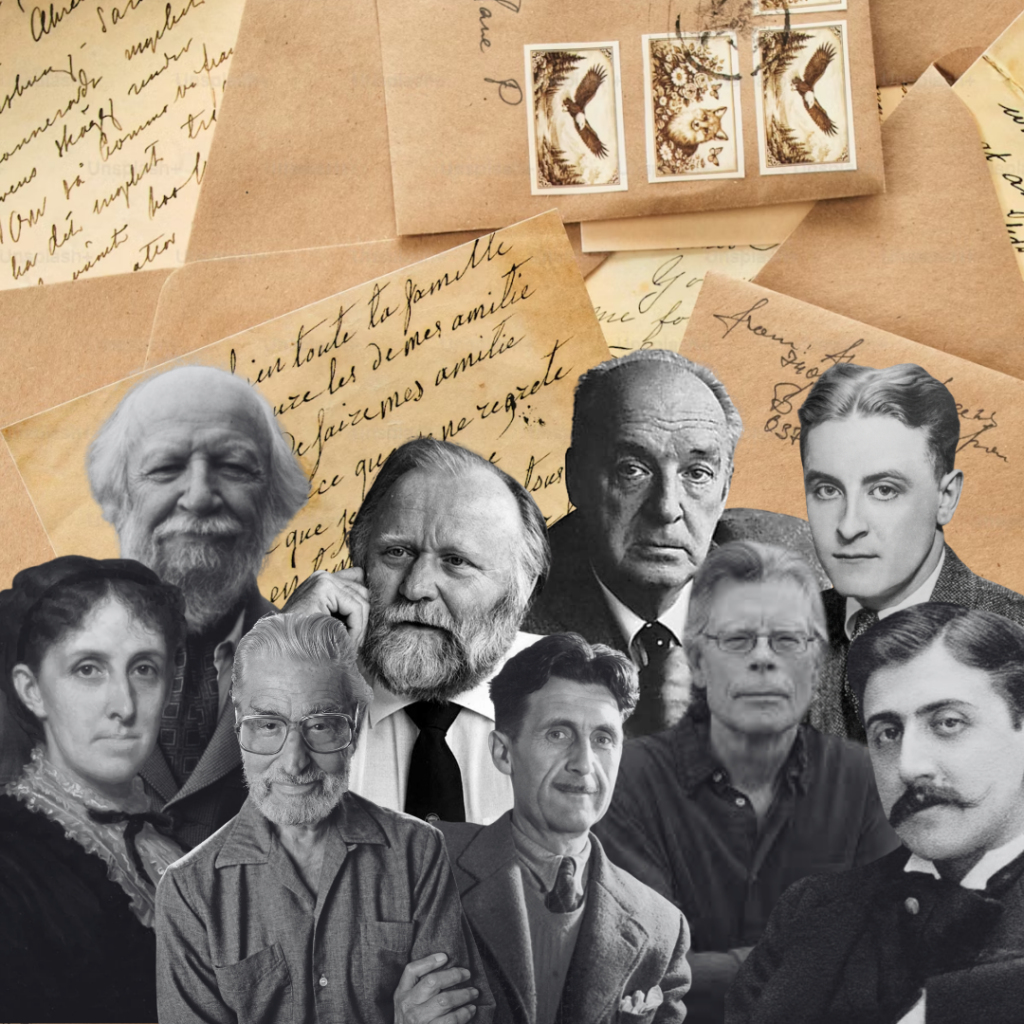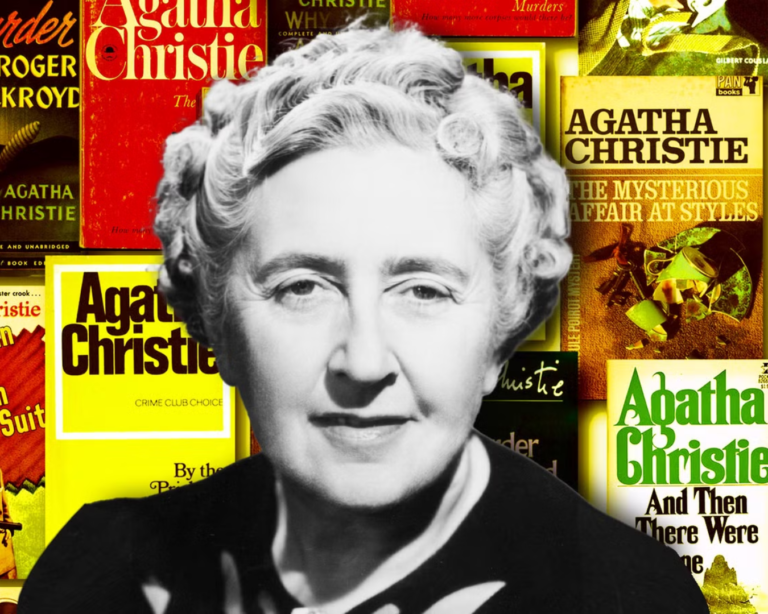

Before fame, there were rejection letters. These iconic books were almost never published… imagine a world without them.
If you’ve ever been told “no,” this one’s for you.
Publishing history is basically a graveyard of bad opinions. From editors and agents to publishers who completely missed what would later become some of the most important books ever written. The wildest part? Many of these now-legendary authors were not just rejected once, but over and over again, often with brutally dismissive feedback.
“Stick to teaching”: Louisa May Alcott
Imagine being told to give up writing entirely.
That’s exactly what happened to Louisa May Alcott early in her career. A publisher dismissed her work and advised her to “stick to teaching.” Not exactly encouraging. Luckily for us, she ignored them.

Instead, she went on to write Little Women, a novel that would become one of the most beloved and bestselling books in American literature. Generations of readers have grown up with the March sisters, proving that sometimes the best response to rejection is quiet persistence.
27 rejections… Then a Miracle: Dr. Seuss
Before he was Dr. Seuss, he was just Theodor Seuss Geisel, and a very rejected man. His first book, And to Think That I Saw It on Mulberry Street, was turned down by 27 publishers. Twenty-seven.
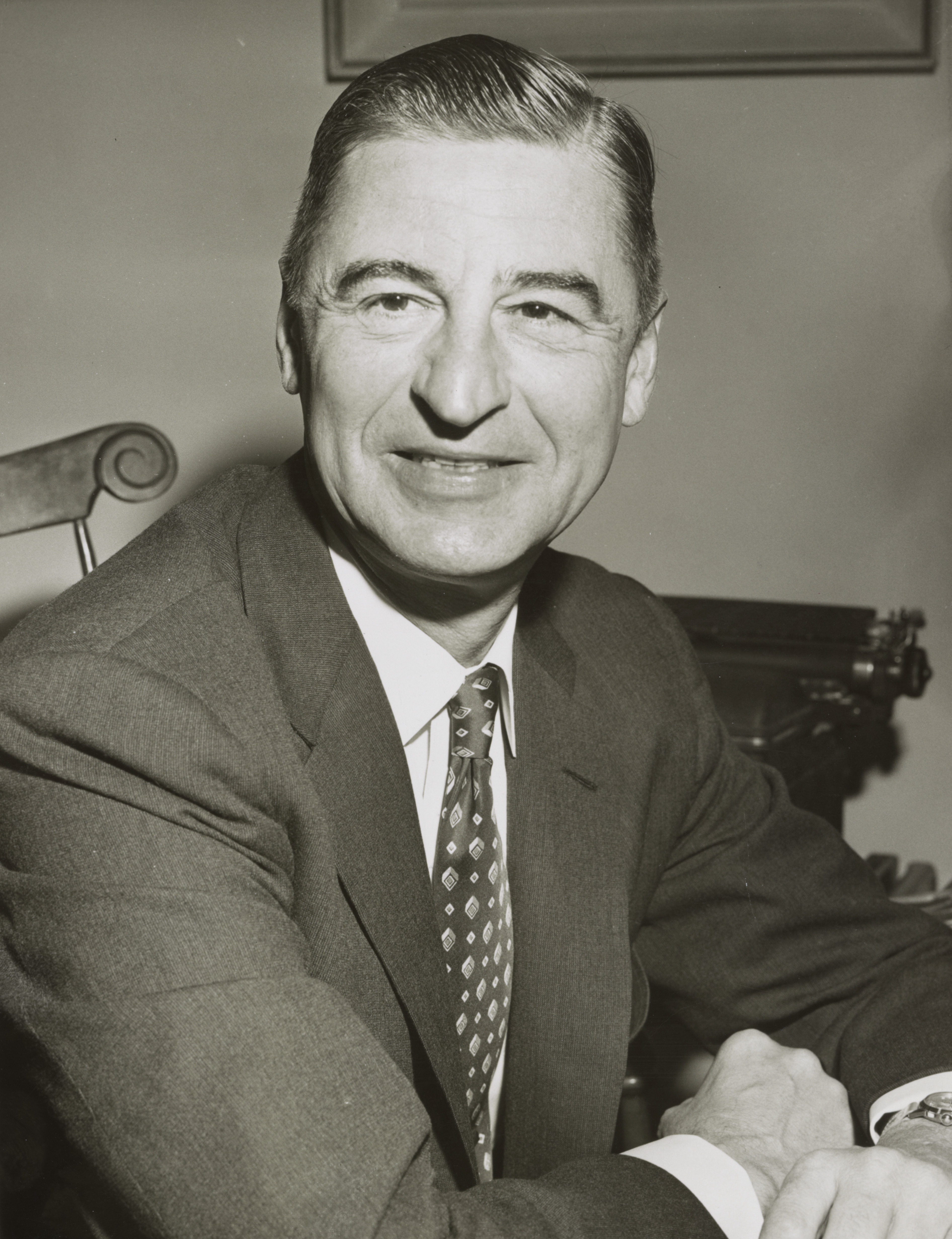
At one point, he was literally on his way home to burn the manuscript when fate intervened: he bumped into an old friend who had just landed a job as a children’s book editor. That chance meeting changed everything.
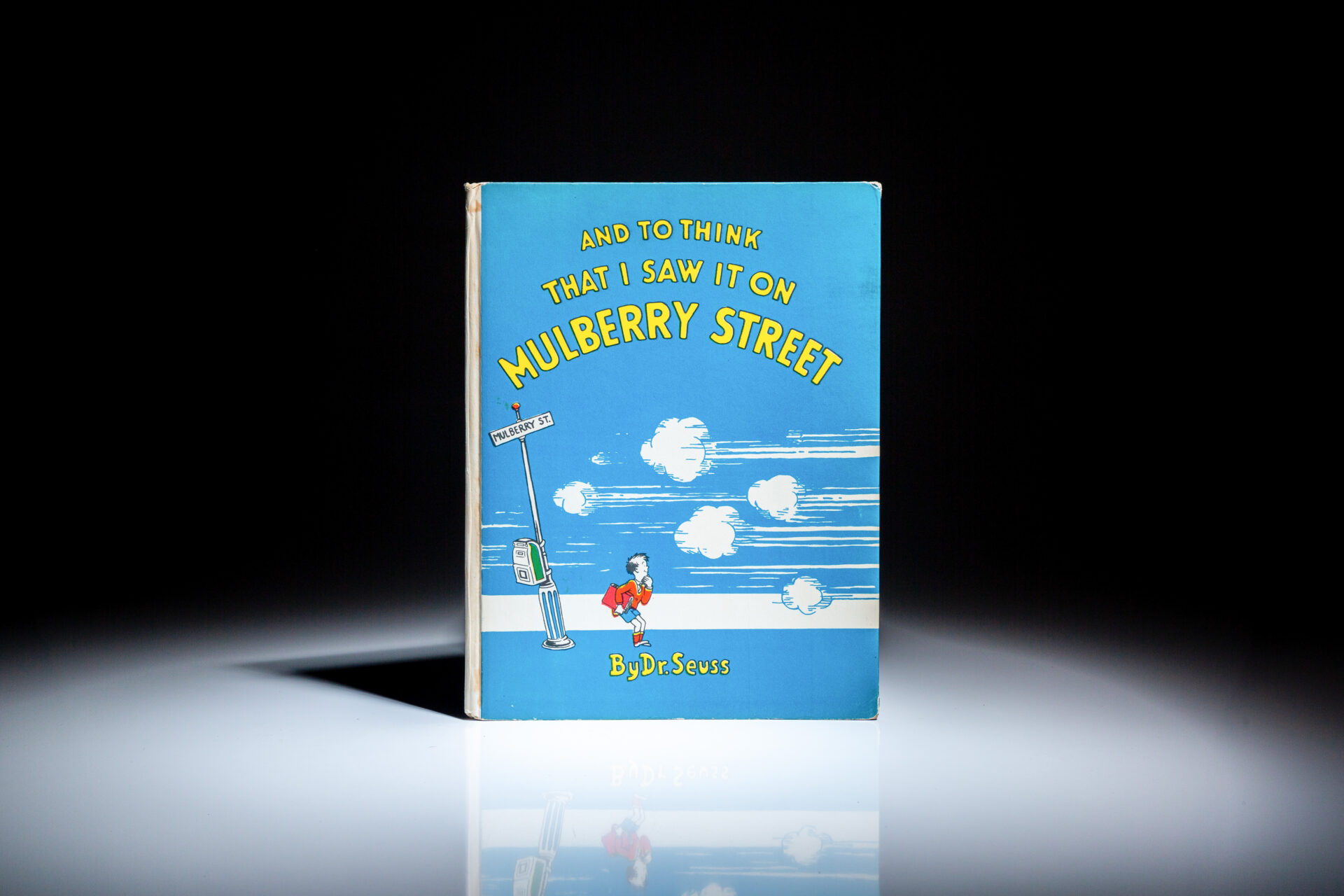
The book got published. The rest is history: over 600 million books sold, and a legacy that shaped childhood reading across the globe.
Moral of the story? Sometimes success is one conversation away.
“Rubbish and dull”: William Golding
When William Golding submitted Lord of the Flies, one publisher didn’t hold back. They called it “an absurd and uninteresting fantasy which was rubbish and dull.”
Ouch.
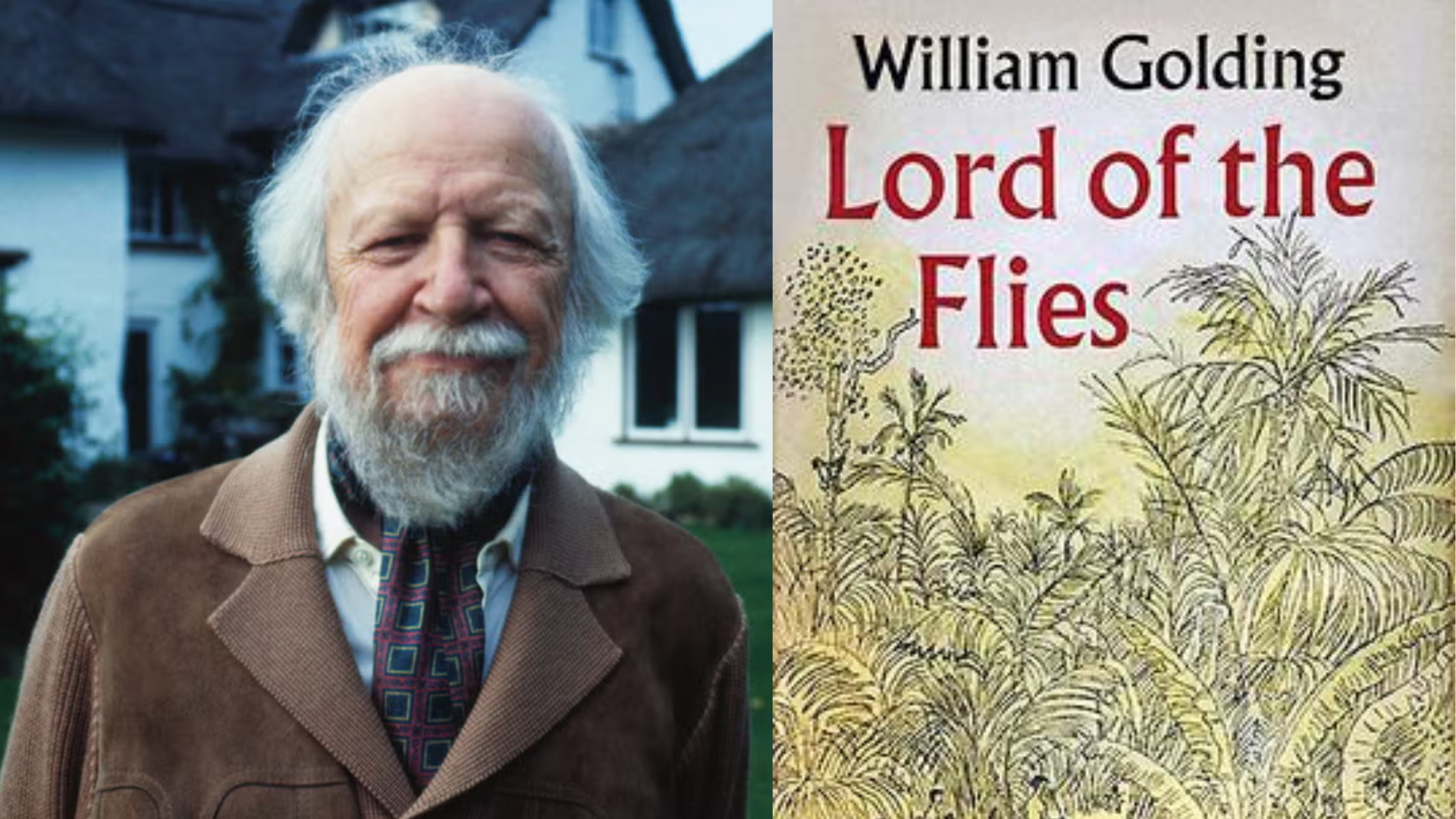
The manuscript was rejected 20 times in total before finally being accepted. Today, it’s a staple of school curricula across the English-speaking world and has sold tens of millions of copies.
Not bad for something once labeled “rubbish.”
When Even the Greats Get It Wrong: George Orwell
Even George Orwell couldn’t escape rejection.

His now-iconic political satire, Animal Farm, was turned down by multiple publishers. One claimed it was impossible to sell a story about animals in the United States. Another rejection came from none other than T. S. Eliot, who was working as a publisher at the time.
Yes, the T. S. Eliot.
Today, Animal Farm has sold over 50 million copies and is considered one of the most powerful political allegories ever written. Proof that even a literary genius can’t get in the way of another literary genius.
“Bury It for a Thousand Years”: Vladimir Nabokov
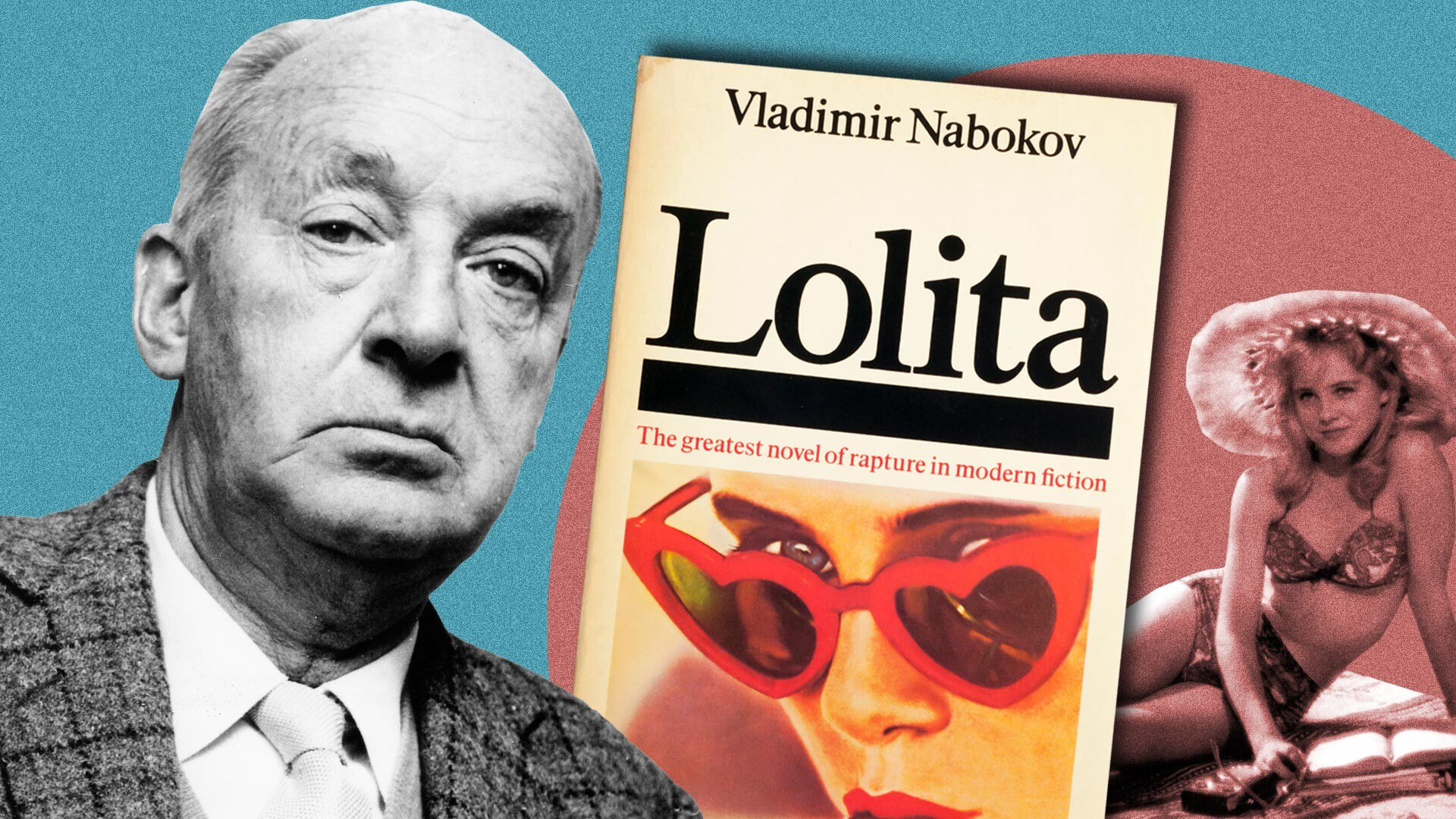
When Vladimir Nabokov submitted Lolita, the reaction was… intense. Five publishers rejected it. One suggested it should be “buried under stone for a thousand years.”
Eventually, it was published in Paris and went on to become one of the most famous novels of the 20th century. Not everyone loved it, but nobody could ignore it, and that meant it got picked up again and again.
A “Failure” in His Own Lifetime: F. Scott Fitzgerald

This one is nothing short of heartbreaking.
When F. Scott Fitzgerald published The Great Gatsby, it didn’t make much of a splash. One editor even suggested the book would be better without the titular character. Even after it was released, it sold poorly, and Fitzgerald died at 44, thinking that was it.
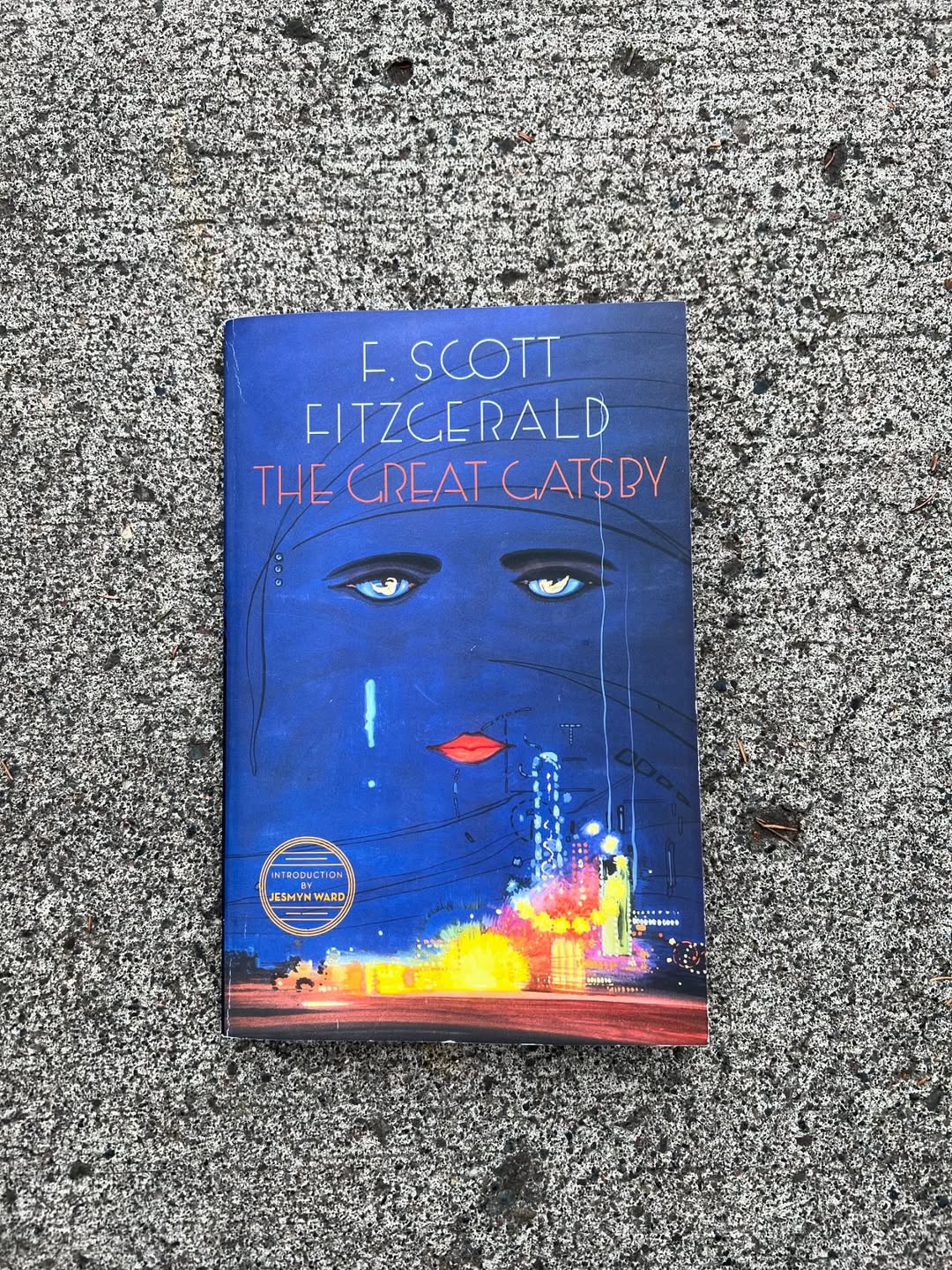
Fast forward to the present day, and Gatsby sells 500,000 copies a year. It’s even widely considered one of the greatest novels ever written. Sometimes, success just takes a little longer.
A Child Changed Everything: J. K. Rowling
J. K. Rowling’s manuscript for Harry Potter and the Philosopher’s Stone was rejected by 12 publishers. When it was finally accepted, it wasn’t because of a marketing strategy or a business decision; it was because an editor’s daughter read the first chapter and wanted more.
Even then, Rowling was advised to get a day job because children’s books wouldn’t make her money.
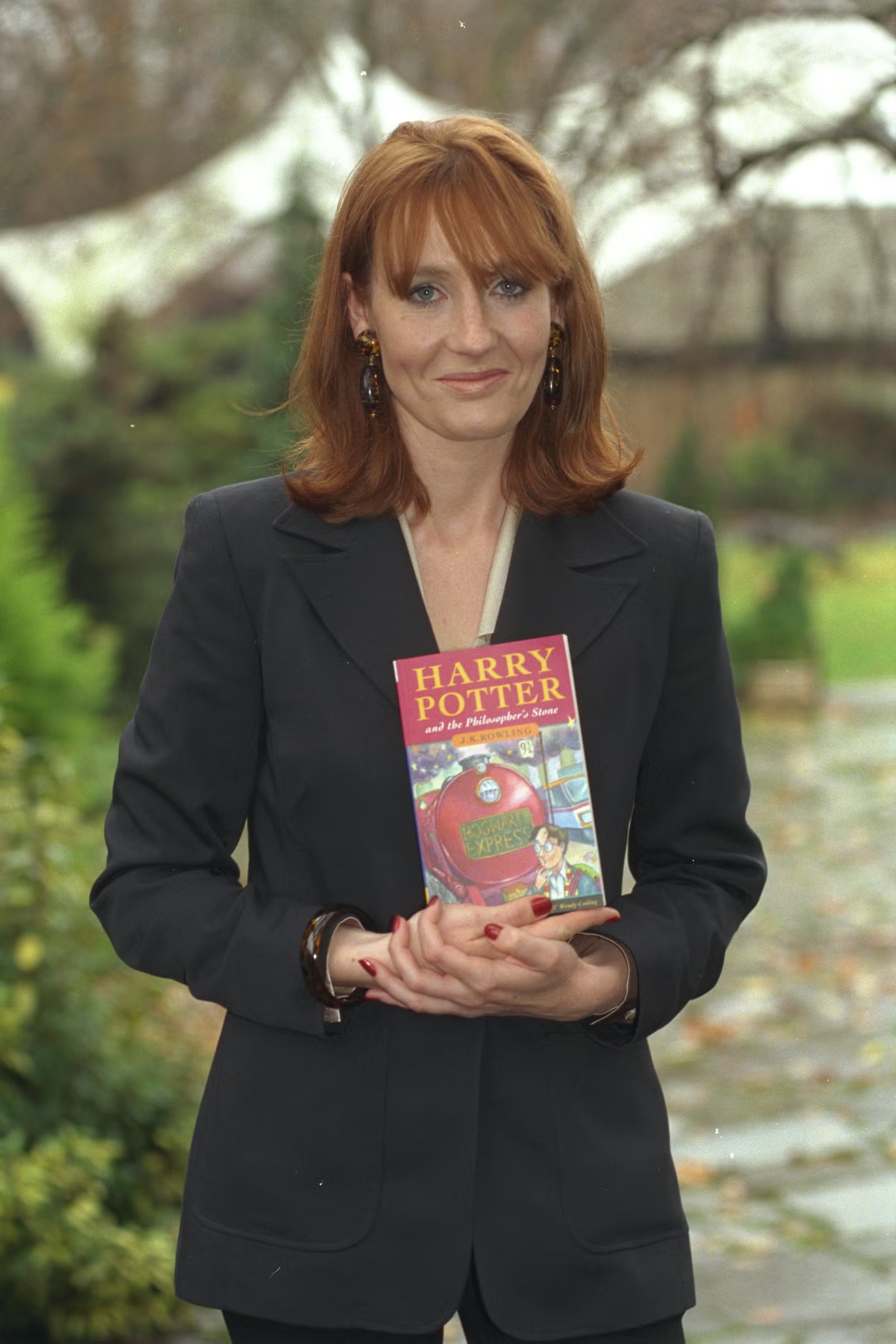
Now? Over 500 million copies sold, a global phenomenon, and one of the most influential literary franchises of all time.
Not bad for a “side project.”
“Unpublishable”: Frank Herbert
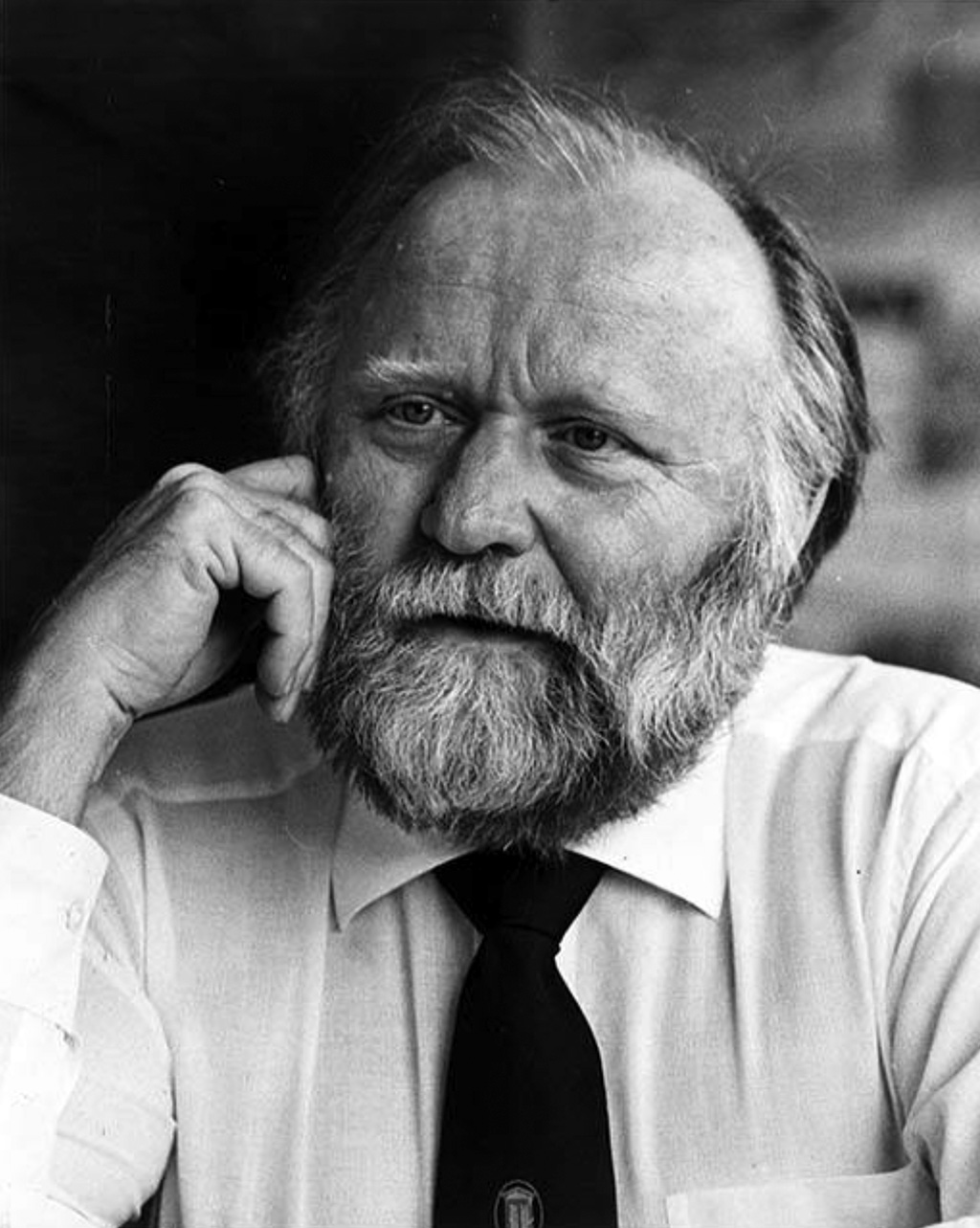
Frank Herbert’s epic Dune was rejected 23 times. Which, now that the huge films are on our screens, sounds insane, right?
One editor called it “unpublishable.”
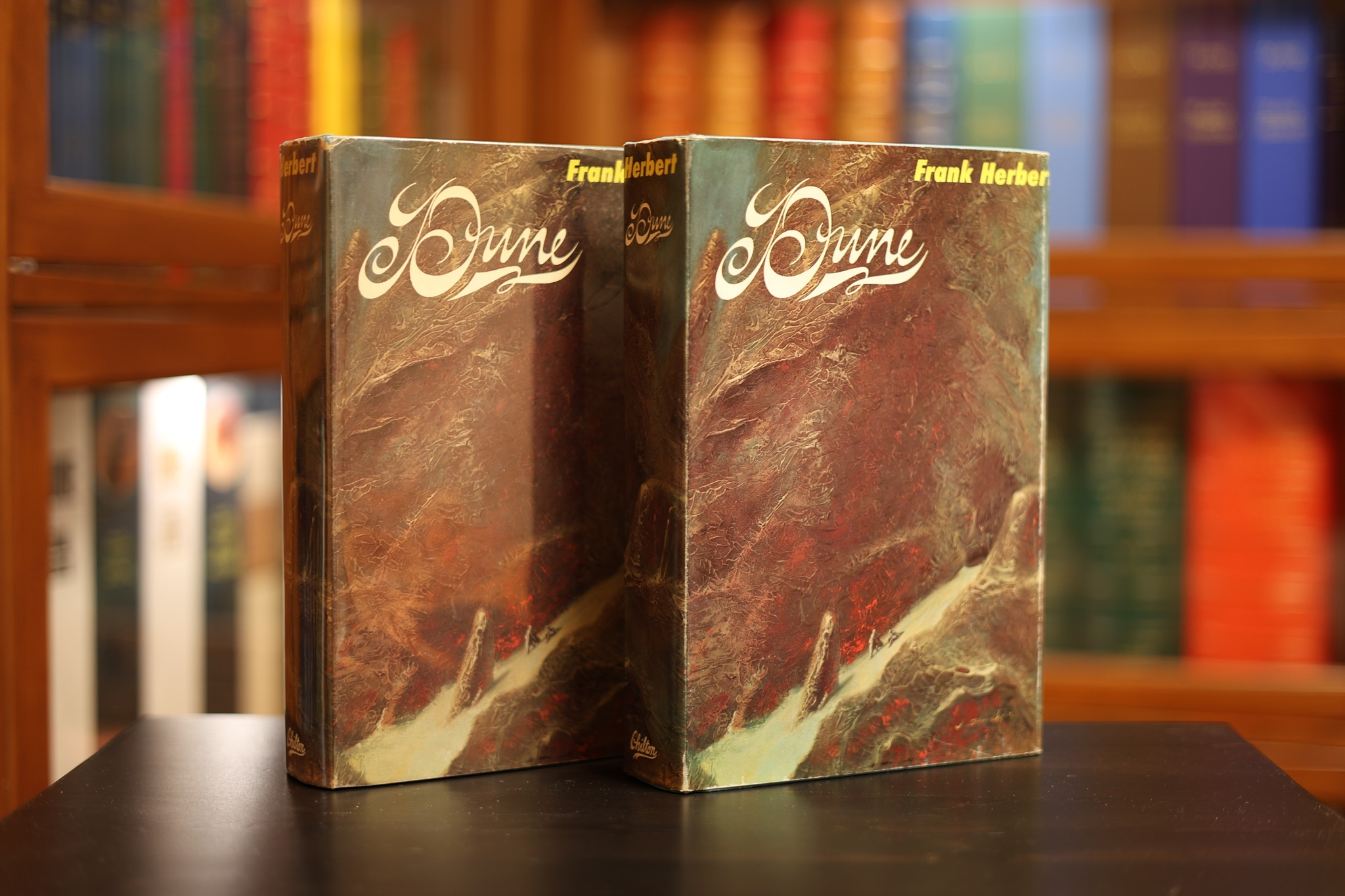
Today, Dune is widely regarded as the greatest science fiction novel ever written. It won both the Hugo and Nebula Awards and has inspired decades of adaptations, from films to video games. Turns out “unpublishable” sometimes just means “ahead of its time.”
“He Hasn’t Got Any Future”: John le Carré

When John le Carré submitted The Spy Who Came in from the Cold, one publisher passed it along with a dismissive note: “He hasn’t got any future.”
That’s almost funny in hindsight.
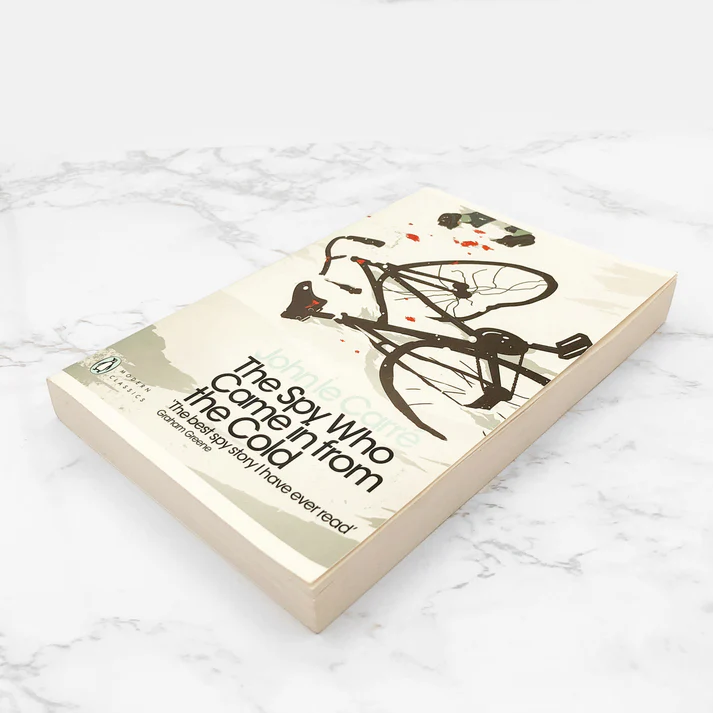
Le Carré went on to become one of the most influential spy novelists in history, with over 60 million books sold. His work redefined the genre, swapping glamour for realism and moral complexity.
No future? Quite the opposite.
Saved from the Bin: Stephen King
Before Stephen King became a household name, he was a struggling teacher living in a trailer with his family. His first novel, Carrie, was rejected 30 times. After the final rejection, he threw the manuscript in the bin.

Luckily, his wife Tabitha rescued it and encouraged him to keep going. The book was eventually accepted, and the paperback rights alone sold for $200,000.
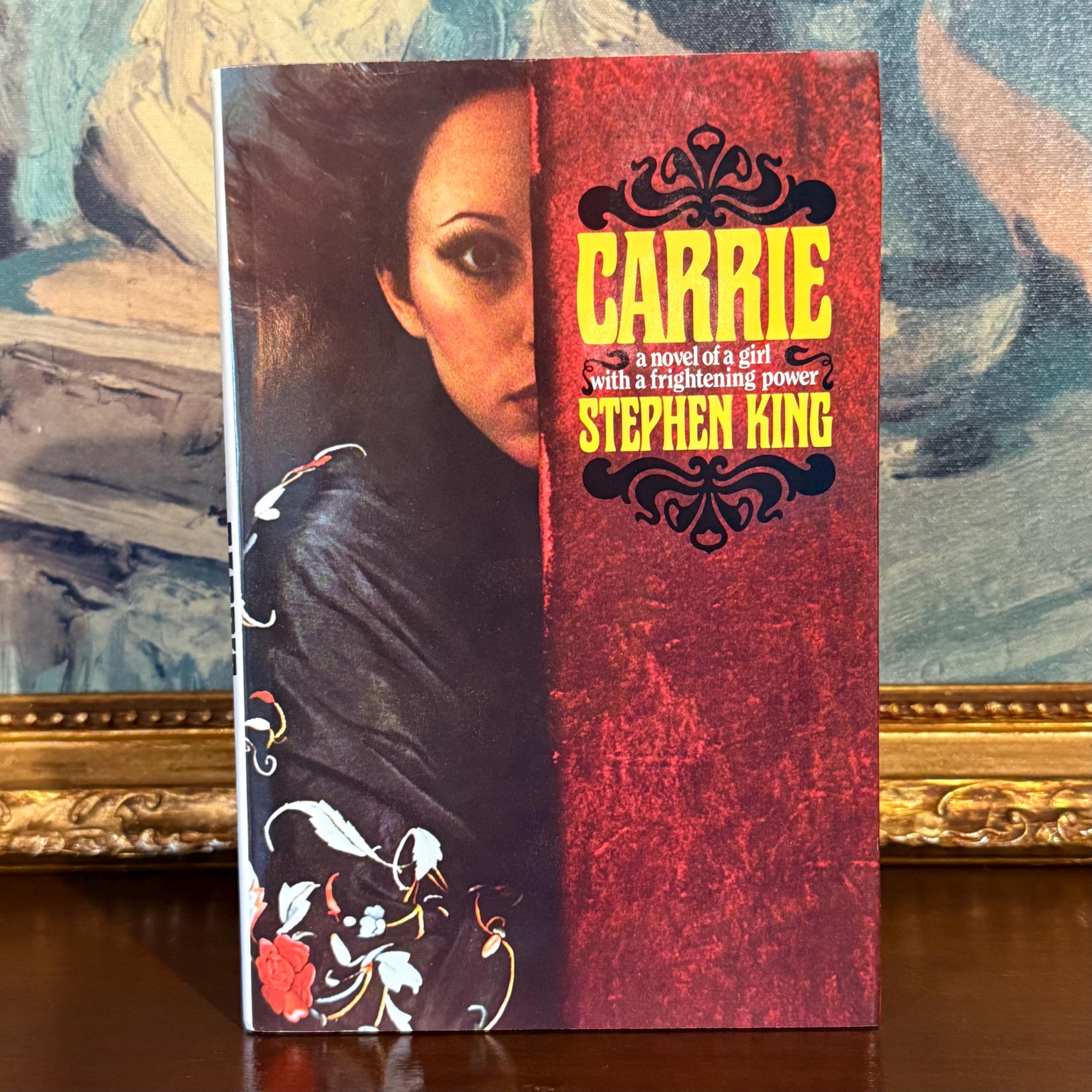
Carrie went on to sell over a million copies in its first year and launched one of the most successful writing careers ever.
Sometimes, you just need someone to believe in you.
Too Long, Too Strange: Marcel Proust
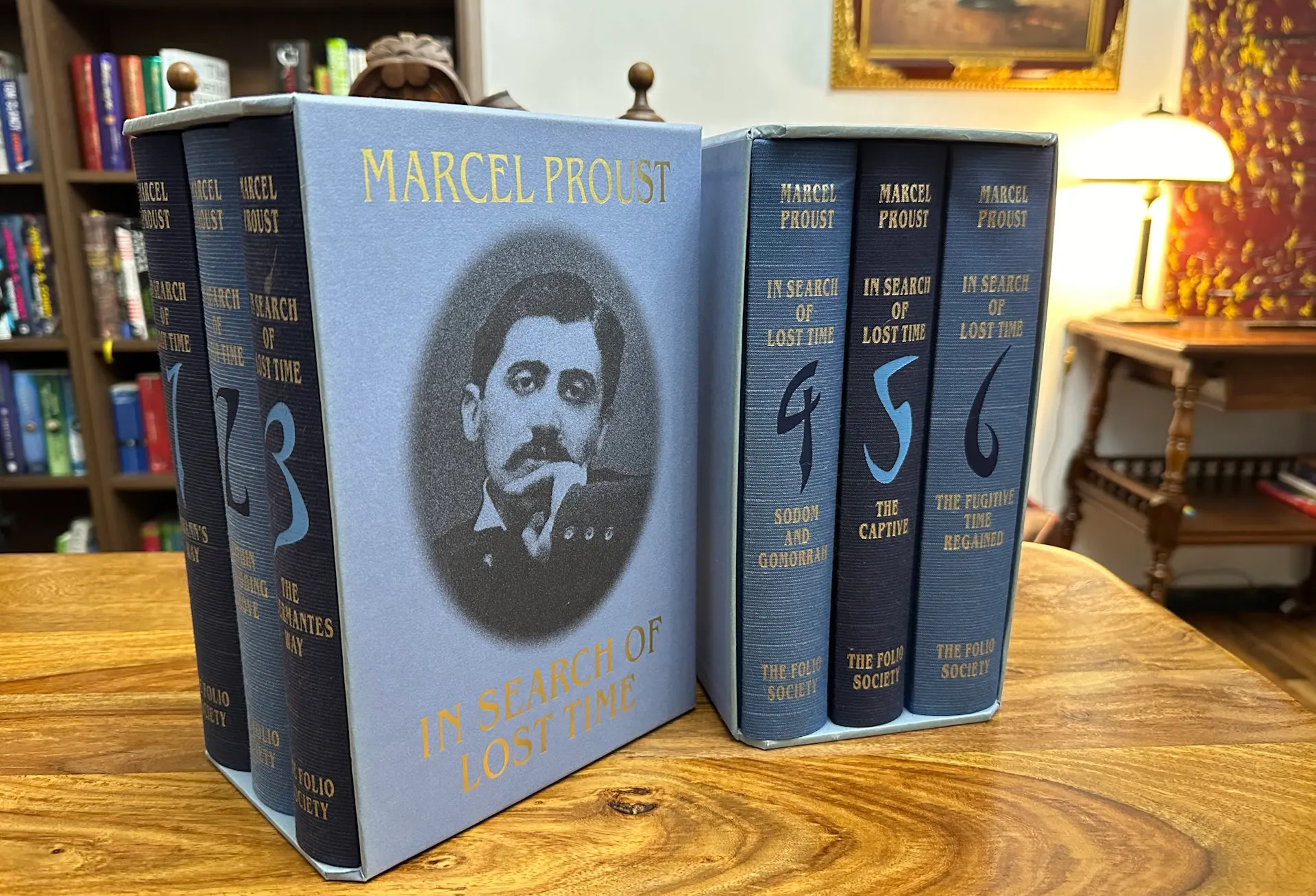
Marcel Proust’s masterpiece In Search of Lost Time was rejected so many times that he eventually paid to publish it himself, something that is much more common now. One publisher famously complained about its length, wondering why anyone would need 30 pages to describe turning over in bed.
Today, it’s considered one of the greatest literary achievements in any language. Sometimes the problem isn’t the book, it’s the reader.
“Nothing special”: Anne Frank
Even The Diary of a Young Girl faced rejection.
One publisher dismissed it, saying her diary didn’t have a “special perception” that would elevate the book beyond mere curiosity.

That “curiosity” has since been translated into over 70 languages and sold more than 30 million copies, becoming one of the most important personal accounts of the 20th century.
It’s a sobering reminder that sometimes the most powerful voices are the ones nearly overlooked.

Millie Ramm
Millie has been writing since she was a child, and has spent more time with her nose in books than anywhere else. She has been ghostwriting novels and editing for the past few years, and when not working she is curled up with her cats, looking for her next read.