
Discover why a simple trip to a gallery might be the most underrated form of self-care there is.
There is a scene in Ferris Bueller’s Day Off, where shy, unsure-of-himself Cameron is transfixed after getting dragged into an art gallery with his friends whilst skipping school. He is not captured by a person, or a conversation, but a piece of art. The work, A Sunday on La Grande Jatte, by Post-Impressionist George Seurat, is composed of little dots, formally known in the art world as the pointillist technique.
How Art Creates Emotional Connection
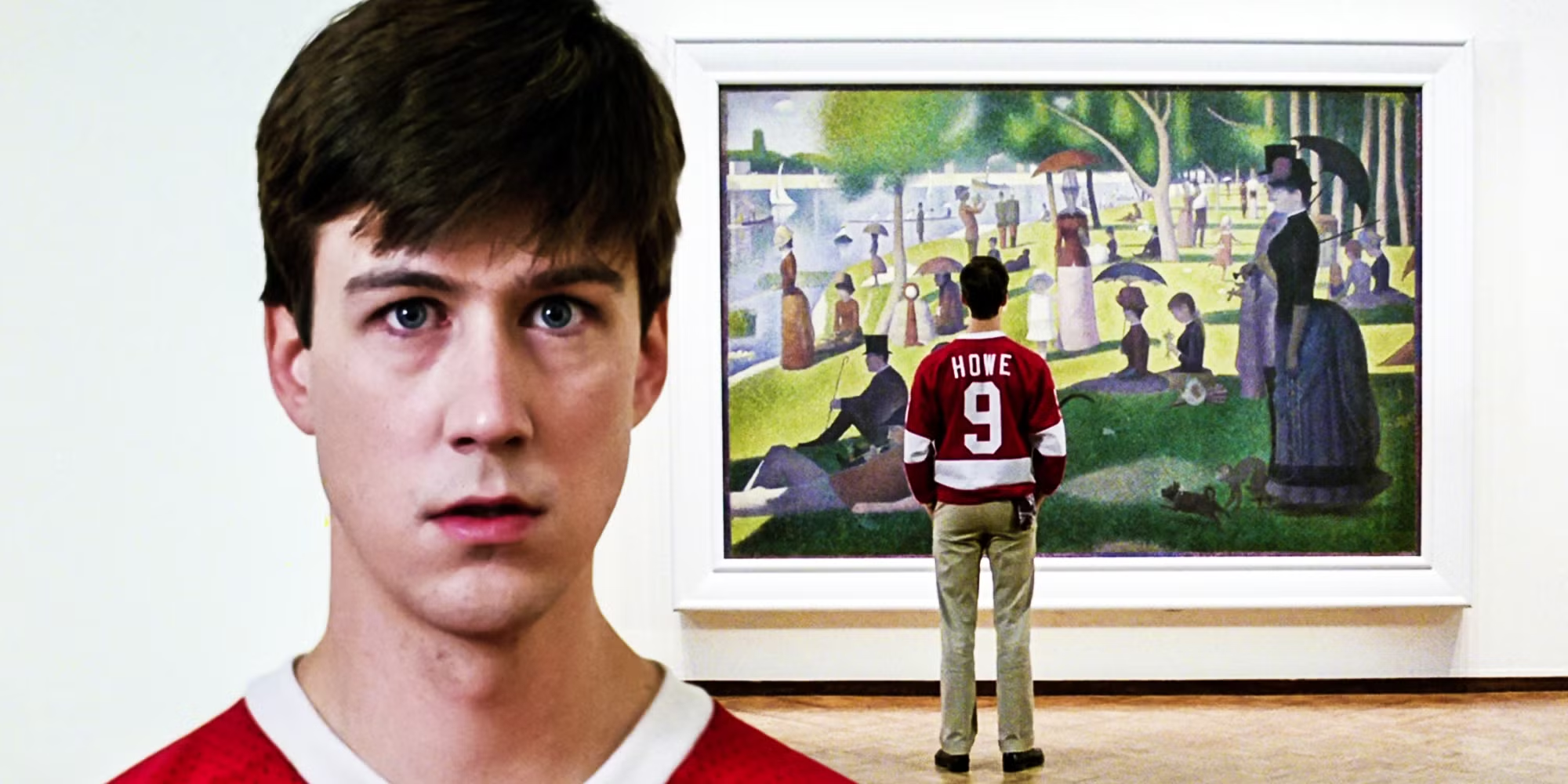
This scene, like many, has been a point of contemplation and debate. The camera cuts between Cameron and the painting, with each frame, the viewer gets closer, until all we see are Cameron’s bright blue irises and the blurring of paint. The meaning of it can never be outright confirmed, but all we do know, and all we need to know, is that he felt something of a connection to this piece of art.
Why Humans Are Drawn to Art
Many people move to cities like Paris or Rome because of access to the world of art. Cities filled with large buildings designed to display Picassos and Monets, that invite millions of people each year to walk their halls. To some, art may seem like a frivolity, but others know the true value of creation.
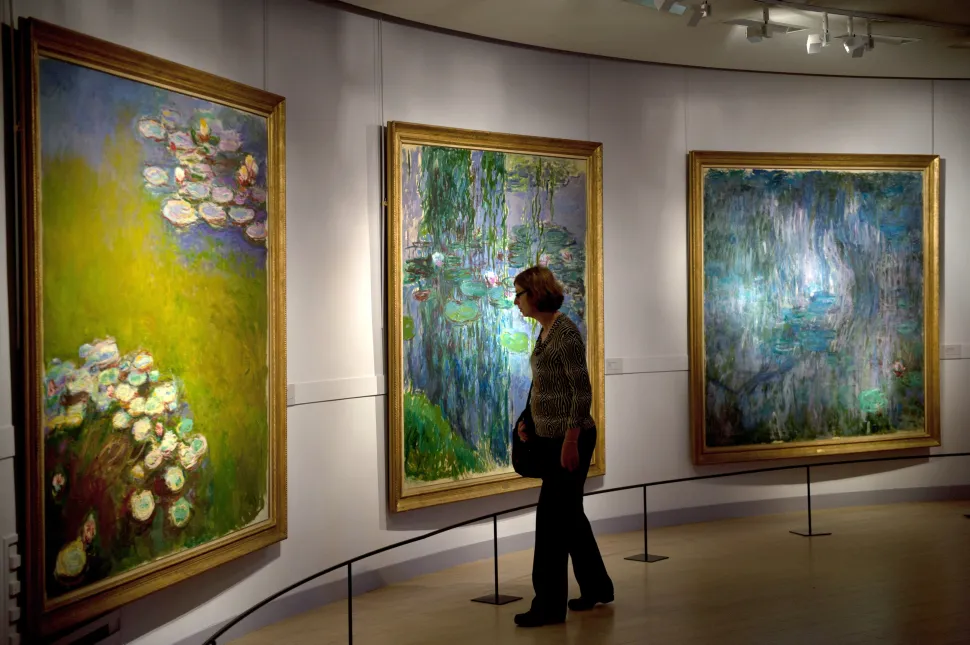
Art, whether we interpret it or not, remains an important form of expression and connection. Sometimes, words are too literal, so we must search for colour, form, and shape. Texture, intensity, size. Art has the ability to find something within us and evoke emotions that provide a deeper understanding of who we are.
The Psychological Benefits of Viewing Art
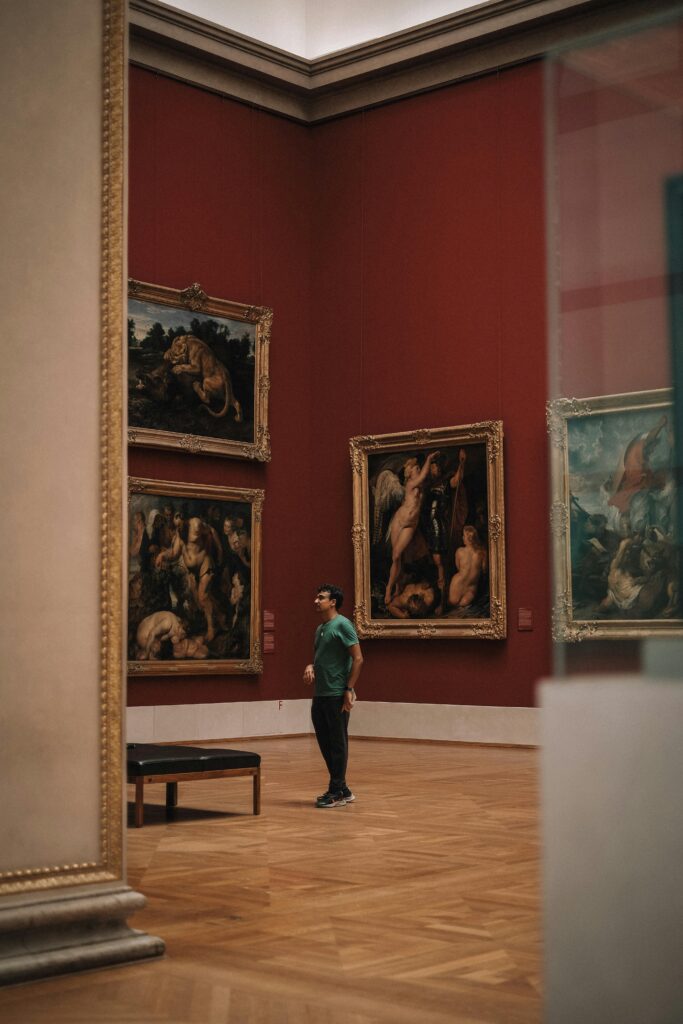
Although certain people may argue that science has no place in the world of art, it is important to understand the role that art plays in psychology. One study found that standing in front of a genuine painting, rather than a reproduction, resulted in a measurable drop of cortisol levels.
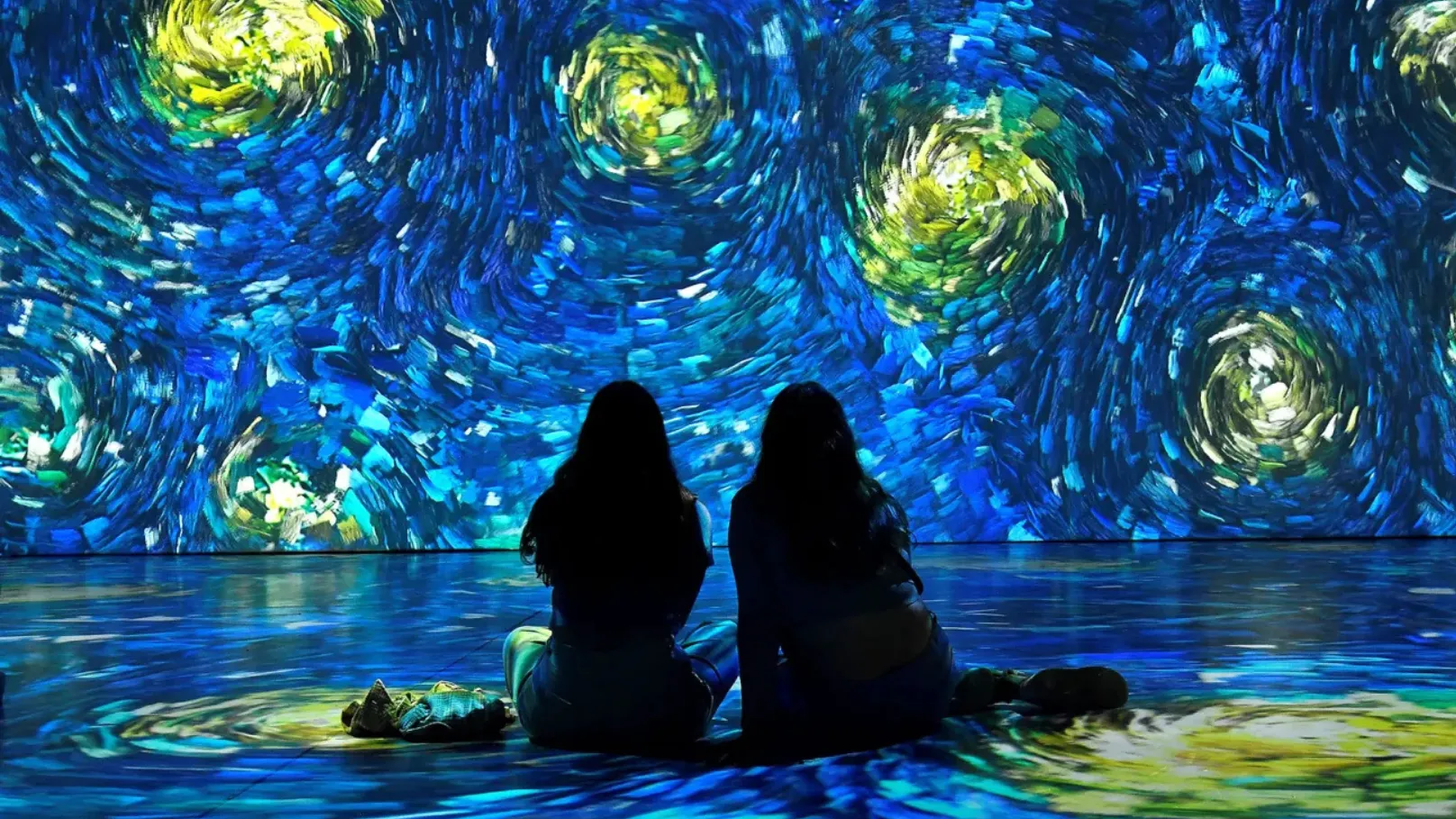
Observing these works, including those of Van Gogh and Édouard Manet, also reduced feelings of anxiety and positively engaged the participants’ nervous systems. What studies like these highlight absolutely is that access to real, genuine art is linked to a better sense of well-being. Museums and galleries also provide humans with a non-clinical space where they can improve their mental health and work to reduce their levels of stress.
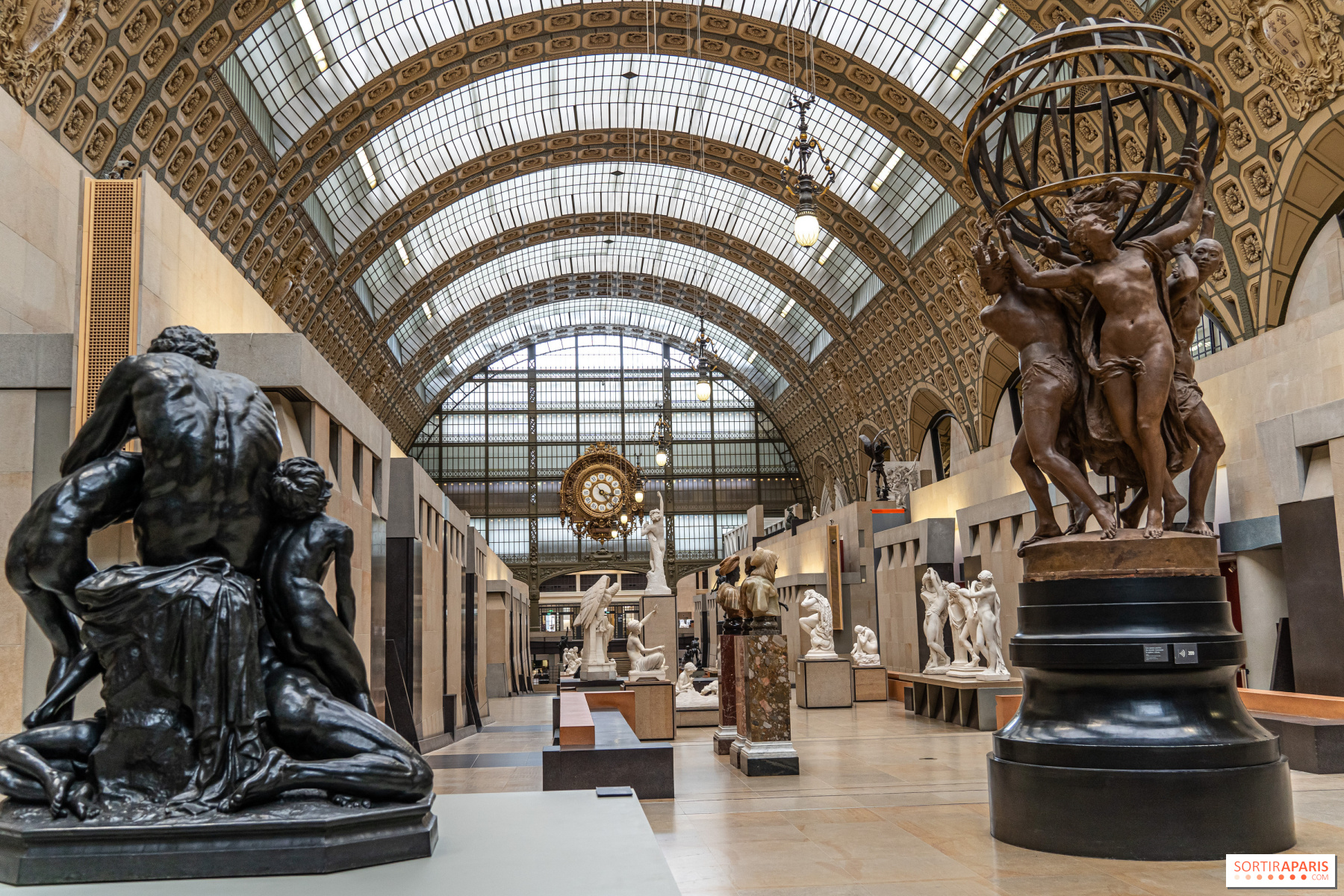
Paris is the city of light, of love, and undeniably, of art. Every first Sunday of the month, many of Paris’ art galleries become free for public exploration. This means people who might not usually go to Musée d’Orsay might find the occasion to wander inside, tempted by the lack of expense.
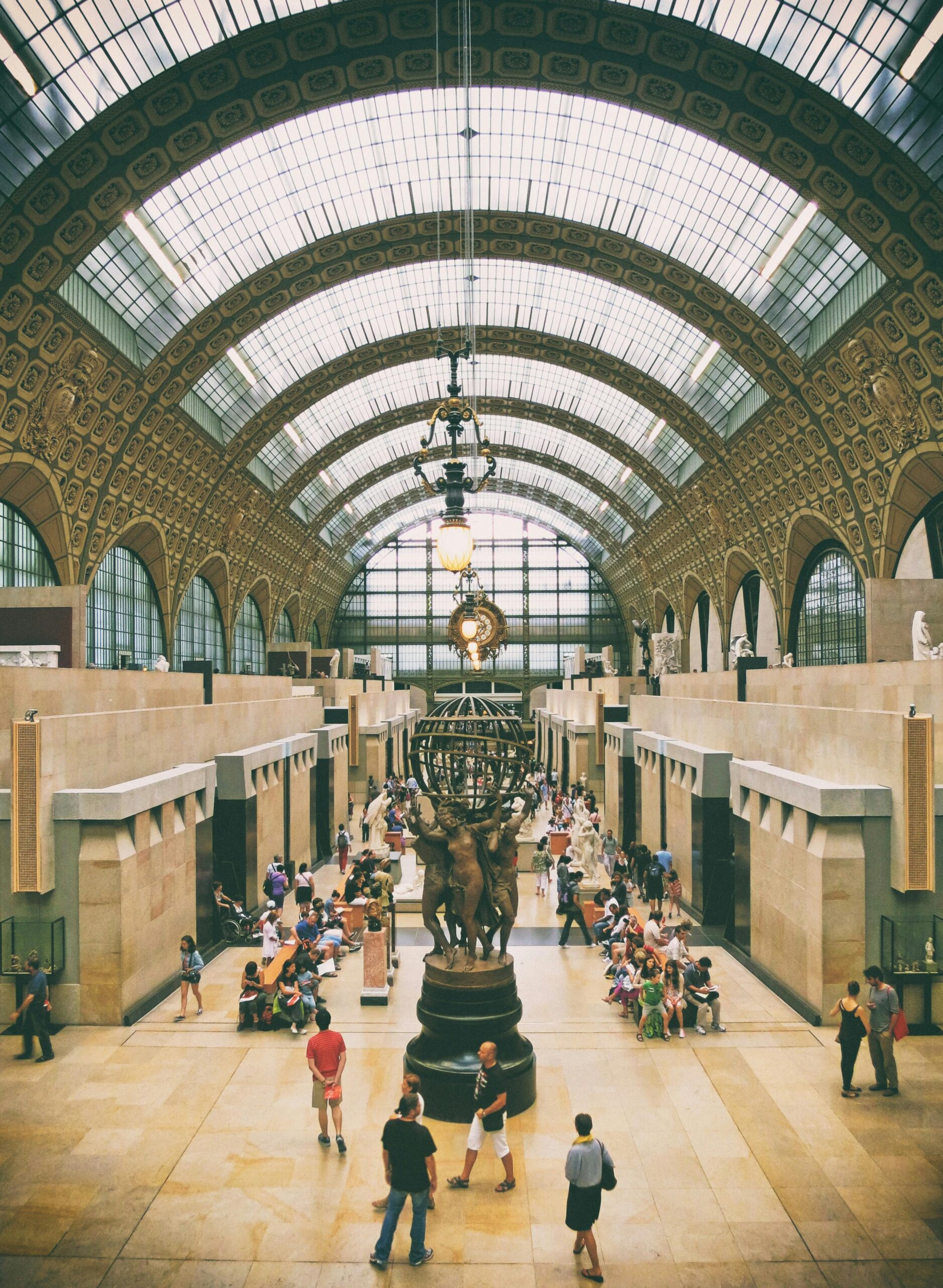
Even on other, regular days, people like students, young people, and job seekers usually can enter museums for little to no cost. Yes, Paris is an expensive city, but so much of its cultural offerings are accessible to its inhabitants. Decisions like these are not random; they represent what both the sciences and philosophy tell us – art is necessary for human survival and happiness.
How Museums Improve Mental Health
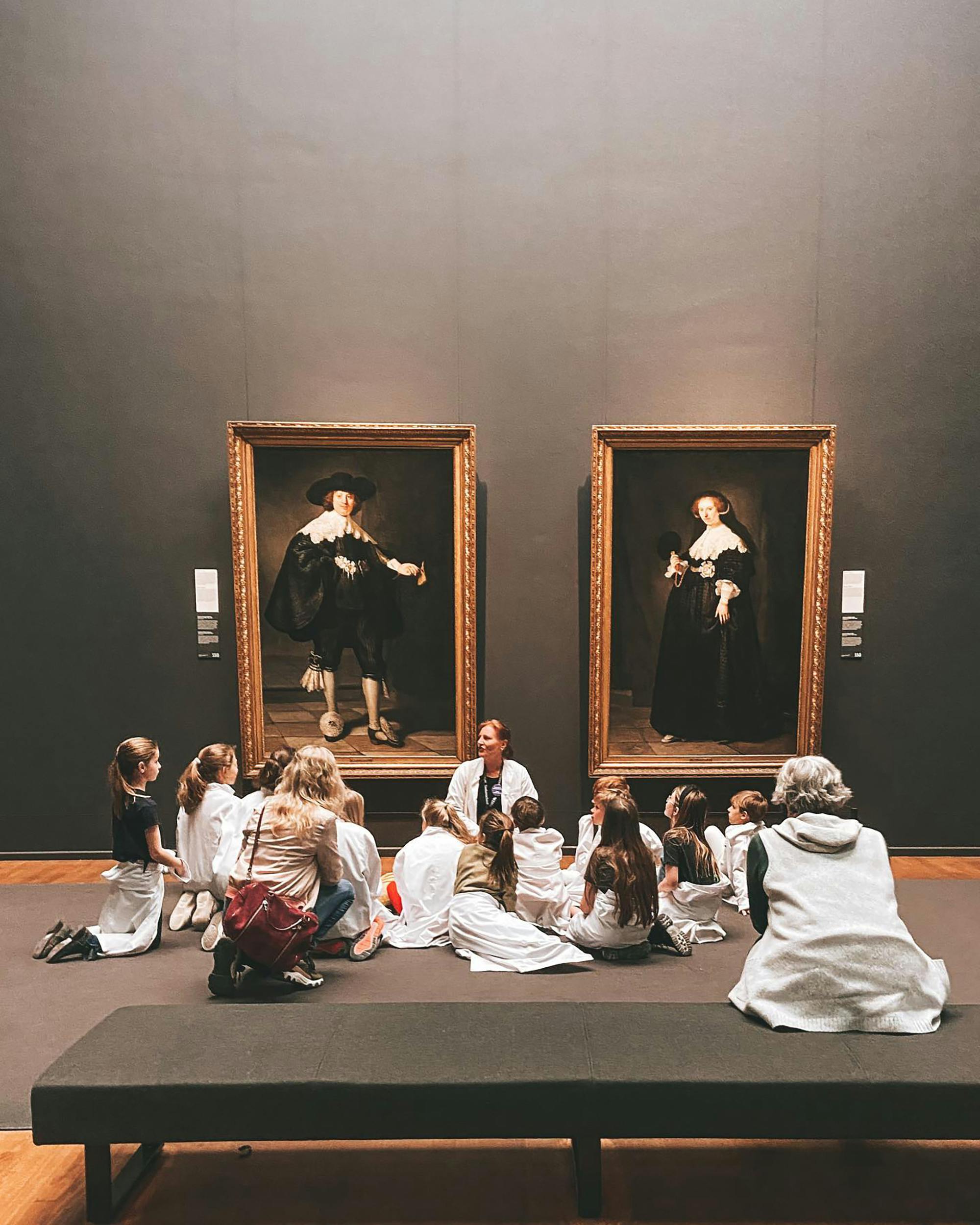
In the summer, some museums offer special rooms for children on holidays, providing colouring pencils and paper, and allowing a sense of self-expression at no cost. Art is both incredibly individual and also a connection to the community. Like Cameron in Ferris Bueller’s Day Off, we have likely all felt some kind of spark with a work of art.
Art resists definition; it is not only considered to be the works that we see displayed on the walls of renowned galleries, but it can also be a great many things. Cinema, sculptures, sketches, scrapbooks – a myriad of expression and imagination, refusing to be confined to one sole interpretation. It might have been a scene in a film, a particular moment in a piece of classical music, the turn of a pencil. There is no saying that something is good or bad or right or wrong, for if it makes us feel something, then it must indeed be considered art.
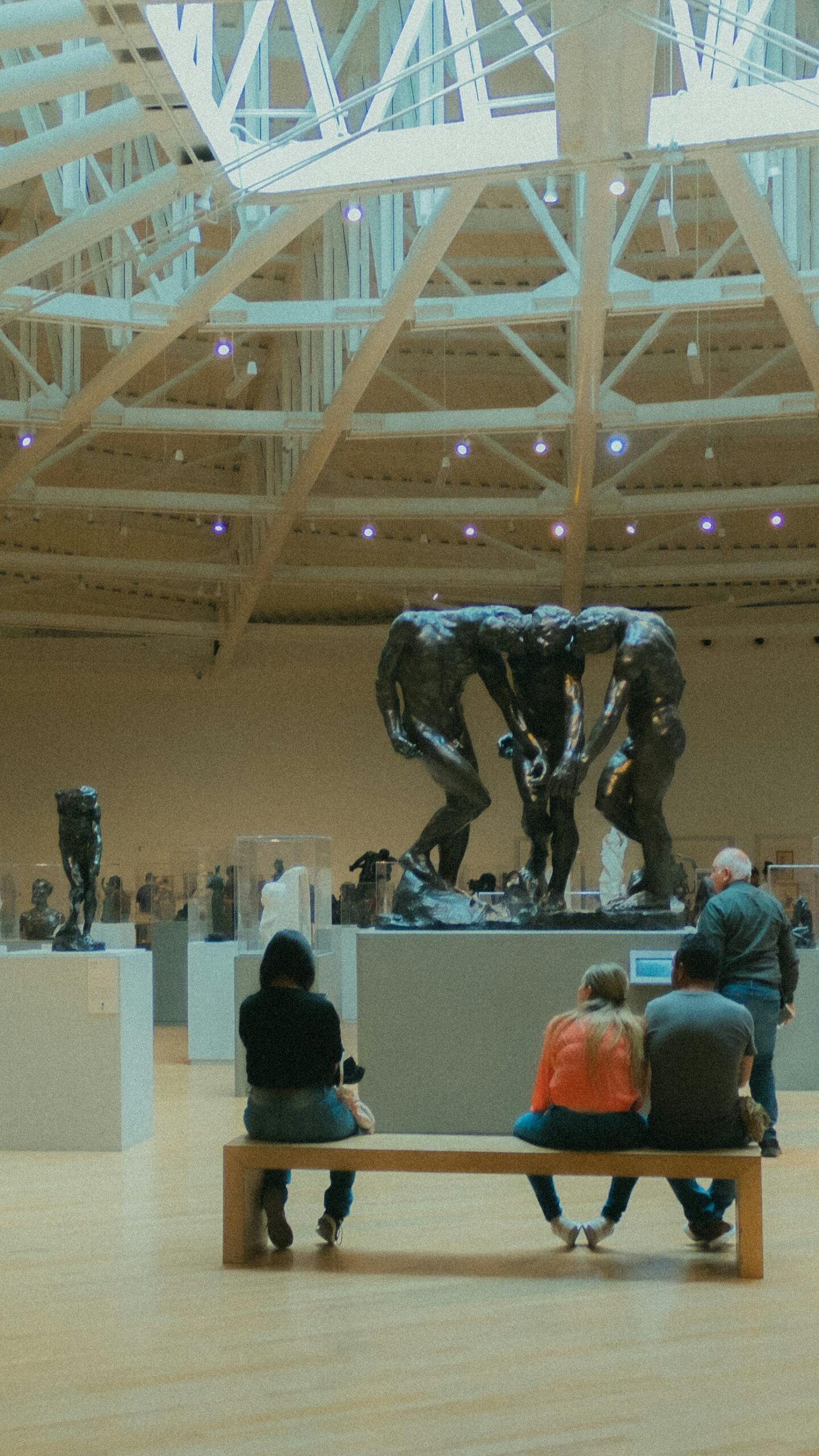
The great majority of us do not live in cities where art is always accessible, but it does always exist, even if we make it ourselves. Every community undeniably hosts an artist, and likely more than one; people who wish to express themselves in a way that regular communication cannot. The great beauty of such a form of expression is that it does not need to be explained, for what you feel is meant only for you, and not to be understood by anyone else.
Why We Still Need Human Art in the Age of AI
They say that the most creative souls are the ones who engage actively in the artistic world, who consume and consider and watch. When I have moments where I feel lost or drained of imagination, I always seem to find myself standing in front of a painting or going to see a late performance of a new show.
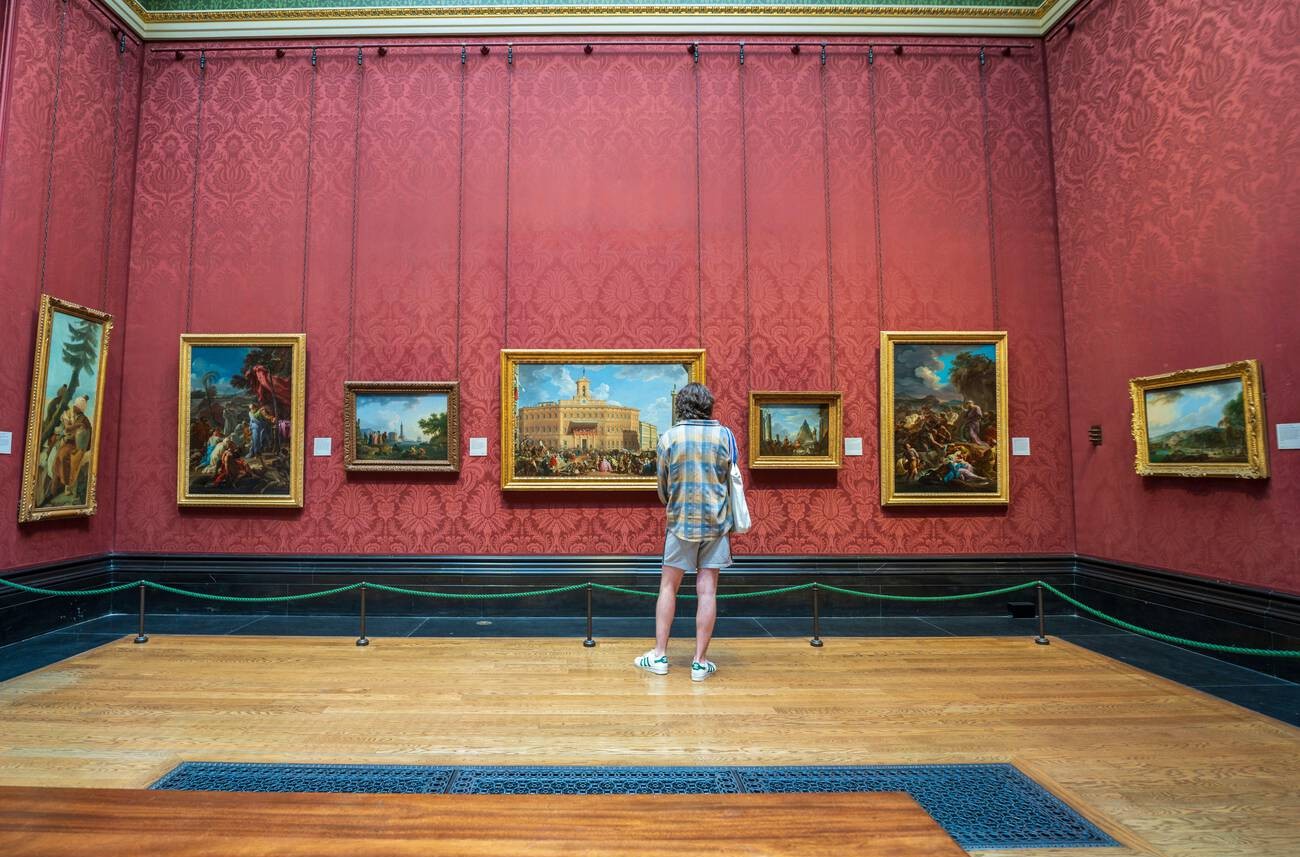
Even if it is beyond my comprehension, most of the time I feel more inspired and happier after having engaged with any form of art. It is a feeling that is undeniably personal and human.
In a world where robots and AI are producing so-called works of ‘art’, people might have the tendency to argue that the world of art is in decline. Yet, now more than ever, the people yearn for human illustration. We yearn for the proof that we are not robots after all, and that sometimes the way we feel is beyond logic and interpretation. It just is, because we just are.

Vincent Minatozaki
Vincent is the founder and Editor-in-Chief of 1000 Libraries Magazine. He is a Paris-born ex-corporate turned bookseller and philosopher, on a global mission to spread the joy of physical books in our age of digital technology.