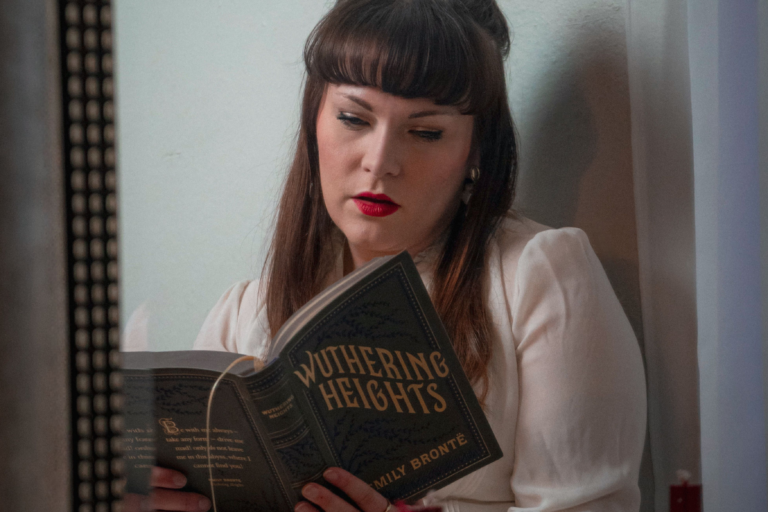
A book never changes, yet it feels different each time we return. On The Little Prince, three generations, and why rereading measures how far we’ve travelled.
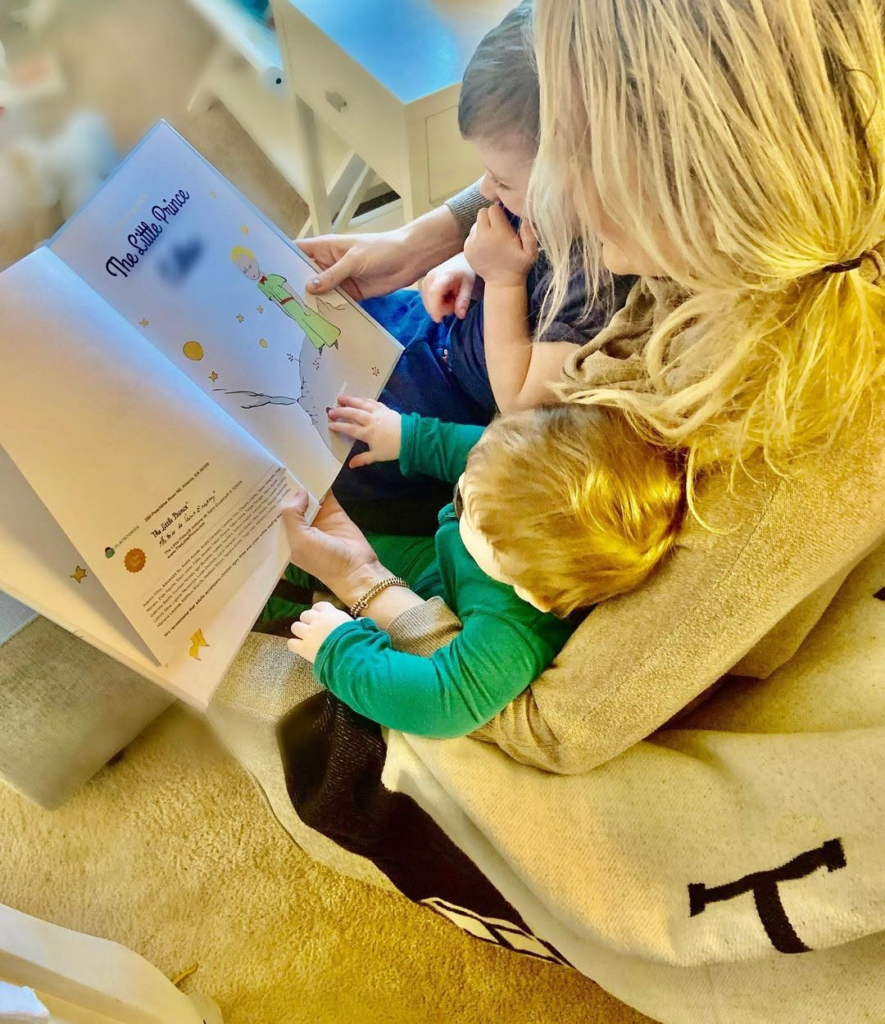
My grandfather read me The Little Prince in Paris, France, in the evenings, when I was small enough that the words ran ahead of my understanding. I quite remember not being able to follow all of it, and I did not need to. What I remember is his voice, the pictures, and the feeling of being read to, which is one of the safest feelings a person can have.
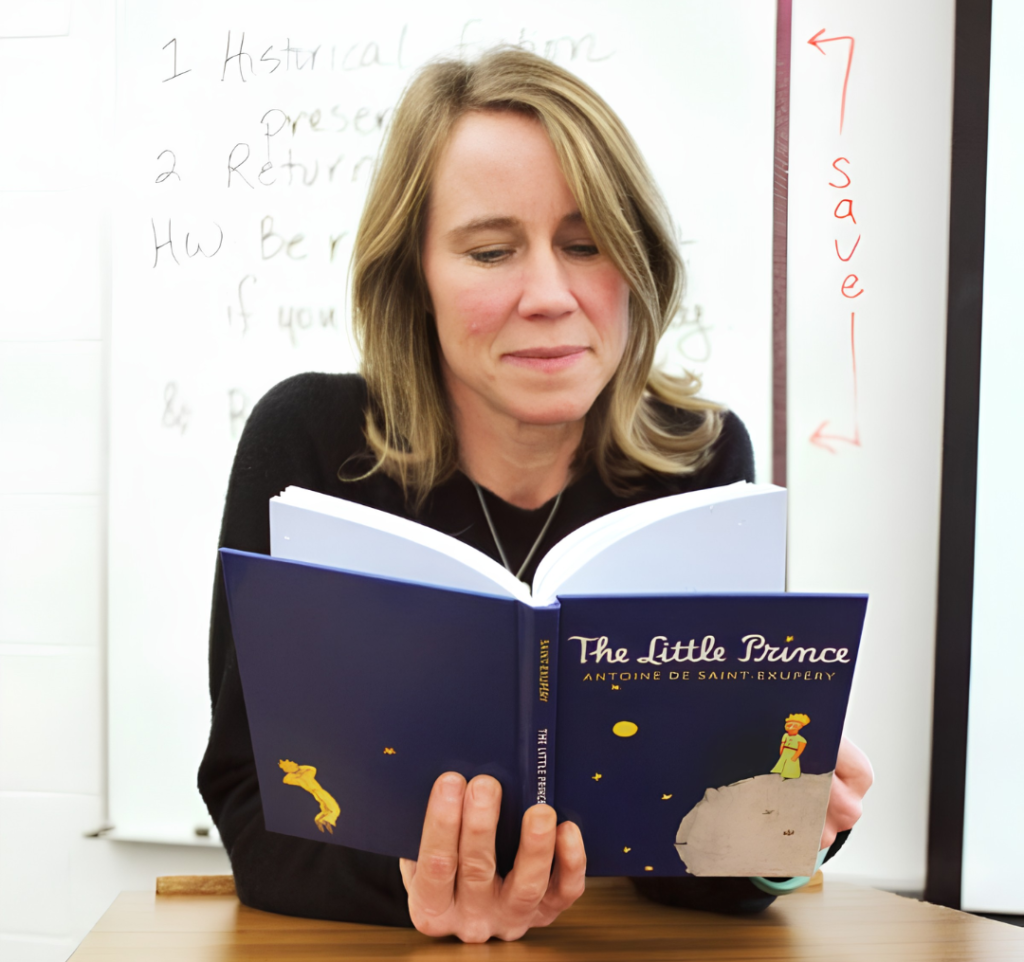
For anyone who has not met it, The Little Prince is a slim story written in 1943 by the French aviator Antoine de Saint-Exupéry. On the surface, it is a children’s book. A pilot crash-lands in the desert and meets a small boy who has travelled to Earth from his own tiny planet, and who tells him, in fragments, about the rose he loved and the strange grown-ups he met along the way.
But it has always been read as something else, a book disguised as a children’s story so that it can speak to adults about the things they have forgotten. That disguise is the whole reason it survives rereading. A child reads it as an adventure. An adult reads it as a quiet accusation.
My grandfather died when I was still a child. And my mother picked up the tradition and carried on, because it had been her book first. The same man, her father, had read it to her when she was small, in the same evenings, in the same language. Now she read it to me. When I grew older, and life began to press on me in the way it presses on all of us, she gave me one instruction.
“When it all becomes too much, read it again.” — Vatsana, my mother
So I have. Almost religiously. It has been the book on my bedside table through every version of myself: the teenager, the young man, the professional, and the person I am now, who some days forgets he was ever a child at all.
And here is the strange thing. It never feels like the same book.
The Same Words, A Different Reader
This is the quiet shock of rereading. You return to something familiar, expecting to find it where you left it, and instead, you find that it has moved. A passage that meant nothing now stops you cold. A line you underlined at seventeen now seems beside the point. Not one word has changed. So the change must be in you.
The ancient Greeks worried about this, too. Around 500 BCE, in the city of Ephesus, the philosopher Heraclitus became preoccupied with a single idea: that everything is in constant motion, that nothing holds still.
He left no complete book behind, only fragments quoted by those who came after him, and the one most people remember concerns a river.
You cannot step into the same river twice, he is said to have observed. The fresh water is always flowing through it.
The river has moved on between your two visits, and so have you. A book is the opposite of a river. It is the thing that holds still. The water that has moved on is you.
The Ship in the Harbour
There is an old philosophical puzzle that names this better than anything. The Greek biographer Plutarch recorded it near the end of the first century, in his life of the hero Theseus. The Athenians, he wrote, kept Theseus’s ship in the harbour as a memorial, and over the years, as its planks rotted, they replaced them one by one with new timber.
Eventually, not a single original plank remained. This, Plutarch noted, became a standing puzzle among the philosophers: was it still the ship of Theseus, or something else wearing its shape?
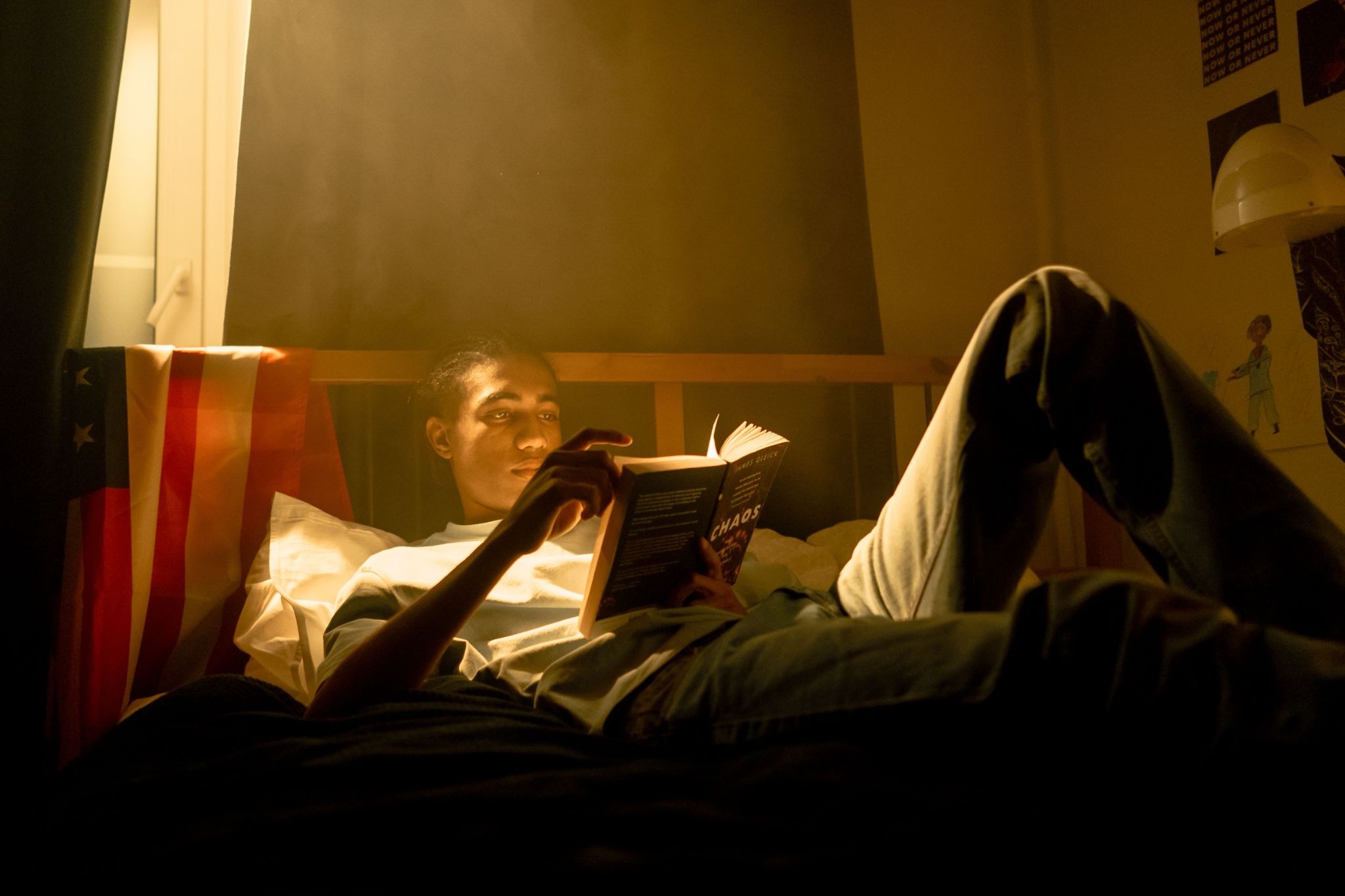
We are all that ship. Between one reading and the next, the planks get quietly replaced. New cells, new beliefs, new griefs, new people loved and lost. The boy my grandfather read to has been rebuilt, plank by plank, into a man he never met. And yet I keep the same name and call myself the same person.
The book is how I measure it. Hold a changed self up against an unchanged page, and you can finally see the size of the change. The grown-ups in the story who care only for numbers used to seem like silly invented people. Now I recognise them. Some mornings, I am afraid, I have been one of them. Along with most people around me.
What the Book Was Waiting to Say
Italo Calvino had a definition I have never forgotten.
“A classic is a book that has never finished saying what it has to say.” — Italo Calvino, Why Read the Classics? (1986)
This is the gift hiding inside the shock. When a line you have read a dozen times suddenly opens, it is not because you missed it before. It is because you were not yet the person who could hear it. Near the end of the story, the little prince befriends a fox, who teaches him a single secret before they part: that “what is essential is invisible to the eye, that you see clearly only with the heart.”
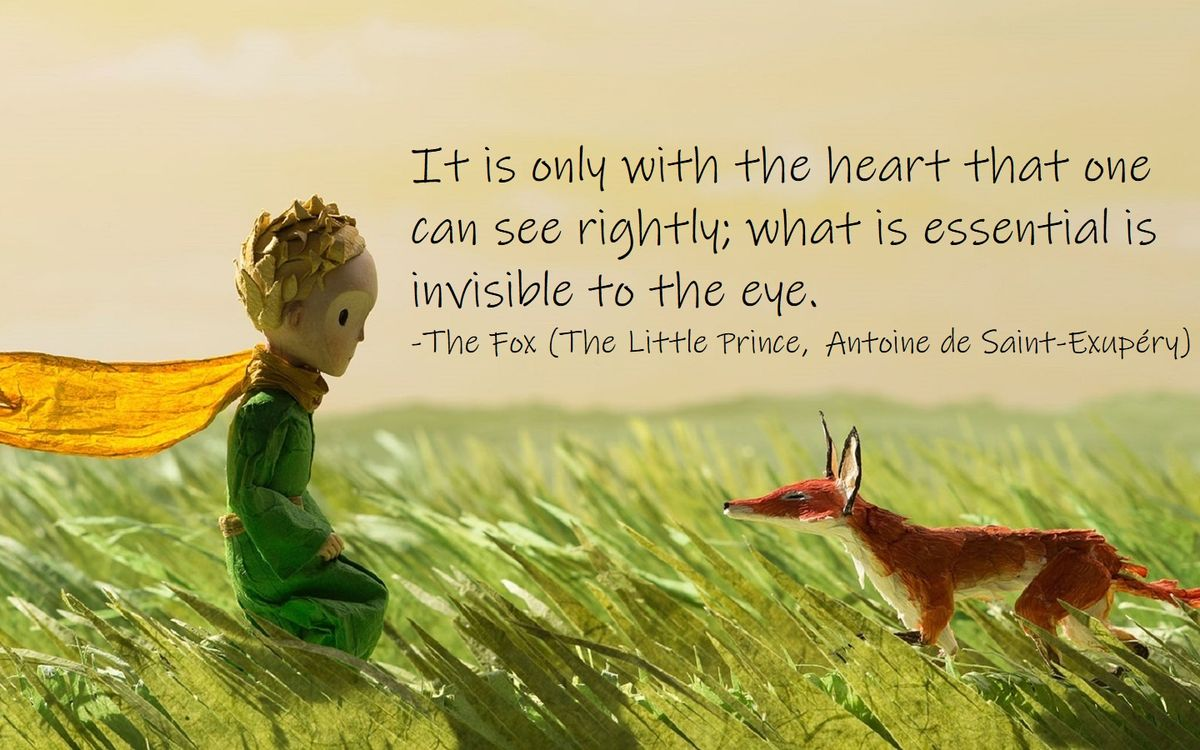
At ten, those are pretty words. At forty, after you have loved things that cost you something, and lost some of them, they are almost unbearable. The same sentence. But a completely different reader, finally ready for it.
The book was not waiting to teach me something new. It was waiting for me to grow into what it had been saying all along.
In Praise of the Second Reading
We treat rereading, sometimes, as a small failure. There are so many books we have not read, and here we are going back to one we have. But not every book asks to be returned to, and that is no insult to either kind. Some are made for a single good pass, the way a thriller is, and they do their work and let you go. The great works of literature are different.
They behave more like a song you can play a hundred times, or a film you revisit every few years, or the story you keep telling friends because it means something new each time you tell it.
C.S. Lewis put the contrast more bluntly. He had no patience for readers who shut the door on a book the moment they recognised it.
“I’ve read it already.” — the argument C.S. Lewis could not abide, An Experiment in Criticism (1961)

For that reader, a finished book is dead, Lewis says, like an old railway ticket, used once and thrown away. But the books that matter are not tickets. They are rooms we return to in order to find out who is standing in them now. He believed those who love great works return to them ten, twenty, thirty times across a life, and come home from each visit feeling as they did not feel before. Reread one year later, and the change has compounded. You are reading it through every version of yourself that has read it before.
Coming Back to the Child
Here is what I think my mother actually gave me, with her one instruction.
Children, before the planks start getting replaced, understand something we spend our adult lives forgetting. They know what matters. They have not yet been taught to care about the numbers, the titles, or the size of the house. The book gives this its gentlest line.
“All grown-ups were once children, but only a few of them remember it.” — Antoine de Saint-Exupéry, The Little Prince (1943)
The whole story is an argument with that forgetting. It’s grown-ups’ love figures and ask all the wrong questions; it’s the wisest lesson, that “we are responsible forever for what we let ourselves love,” is the kind of thing a child grasps instantly, and an adult has to be reminded of.
The Little Prince was written by an adult trying to remember, and it works on me because it does not teach me anything. It reminds me of what I already knew, back when my grandfather’s voice was the safest sound in the world. That is what rereading is, in the end. Not learning. Remembering.

So when it all becomes too much, I read it again. The man who opens it is never the man who closed it last time, and that is not a loss. That is the point. The ship takes new planks, the river takes new water, and the book stays still, so that you, changing, have something to change against.
Each return lays down another layer, the way rings form in a tree. To reread is to leaf back through your own chapters. The book holds the page; you supply the autobiography. Done often enough, across enough years, it stops being only a story you love and becomes a long, faithful witness to the person you have been becoming all along.
So perhaps the question is not what to read next, but what to read again. Somewhere on your shelf, there is a book you loved a long time ago, holding the place where an earlier version of you used to be. What would it tell you now, and what would it tell you about how far you have travelled?

Vincent Phan
Vincent is the founder and Editor-in-Chief of 1000 Libraries Magazine. He is a Paris-born ex-corporate turned bookseller and philosopher, on a global mission to spread the joy of physical books in our age of digital technology.