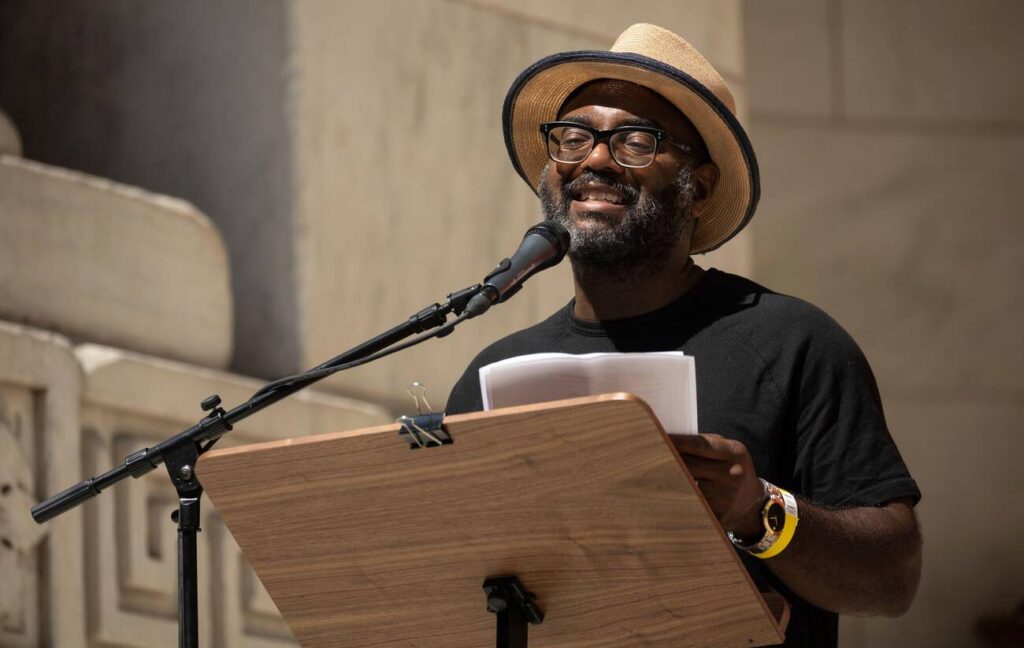

For poet Reginald Dwayne Betts, books were more than escape. They became hope, purpose, and a path beyond prison walls.
For many people, books are entertainment. A way to pass time on a rainy afternoon or escape during a long commute. But for poet and lawyer Reginald Dwayne Betts, books became something far more urgent: a much-needed escape.
Before he was an acclaimed poet, Yale Law graduate, and MacArthur “genius grant” recipient, Betts was a teenager serving time in prison after committing a carjacking at 16. Books helped him imagine a future beyond his cell. They gave him language, purpose, and eventually, freedom in the deepest sense of the word.
When Books Become A Lifeline
Prison is designed around restriction. Restricted movement. Restricted choices. Restricted identity. Day after day, people are reminded of what they cannot do.
That’s where books come in.
In interviews discussing the Freedom Reads initiative, Betts explained that literature gave him access to worlds larger than the prison system. Books allowed him to think beyond the violence, the boredom, and the fight to survive. For him, reading became a mental escape at a time when physical escape was simply impossible.
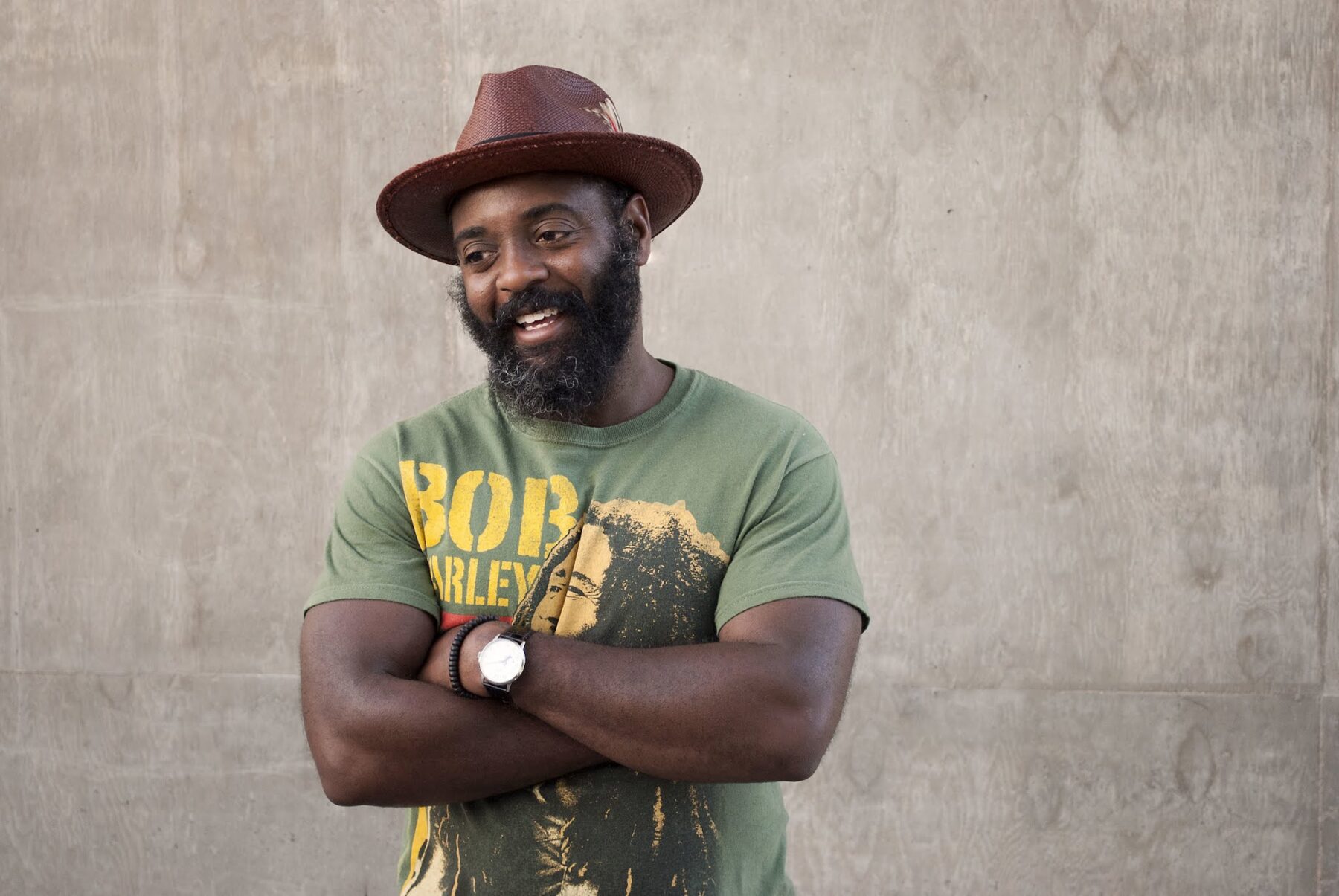
Books offered Betts more than just a distraction. They gave him a chance to think, to reflect. He discovered writers like John Edgar Wideman, whose book Brothers and Keepers deeply moved him. Betts has since described how Wideman’s writing showed him that the voices of incarcerated people, like himself, mattered. That their stories were no less worth sharing.
The Power of Literature
One of the most fascinating things about Betts’s story is how strongly he believes reading can reshape identity. He argues, and is proof that, when people in prison encounter authors who survived incarceration, pursued education, or rebuilt their lives, something clicks. Suddenly, success no longer feels abstract or impossible. It feels reachable.
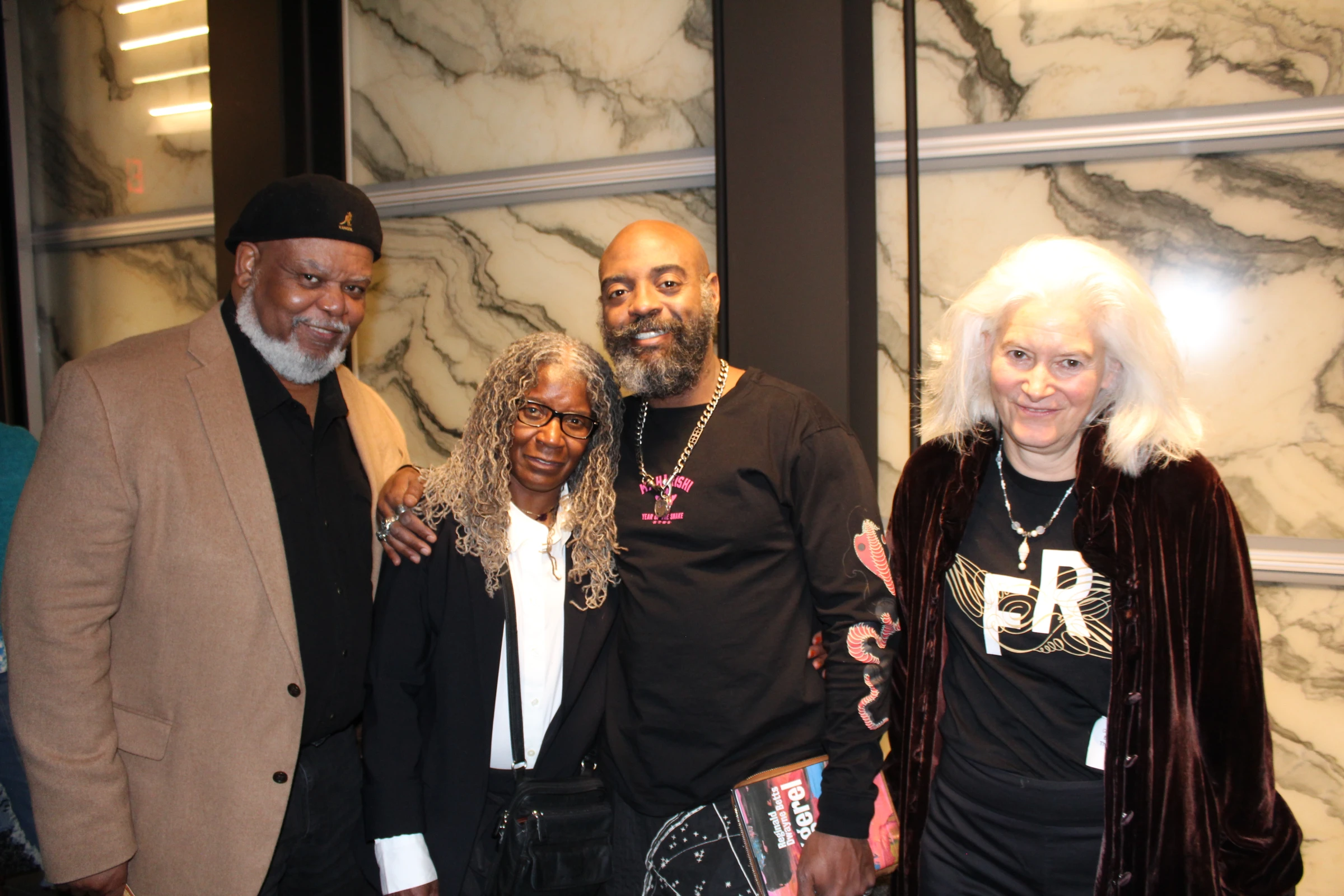
Betts often says that prison libraries should not simply exist as dusty rooms filled with random books. They should be curated spaces filled with works that challenge, inspire, and expand people’s understanding of themselves.
That philosophy became the foundation of Freedom Reads, the nonprofit Betts launched in 2019.
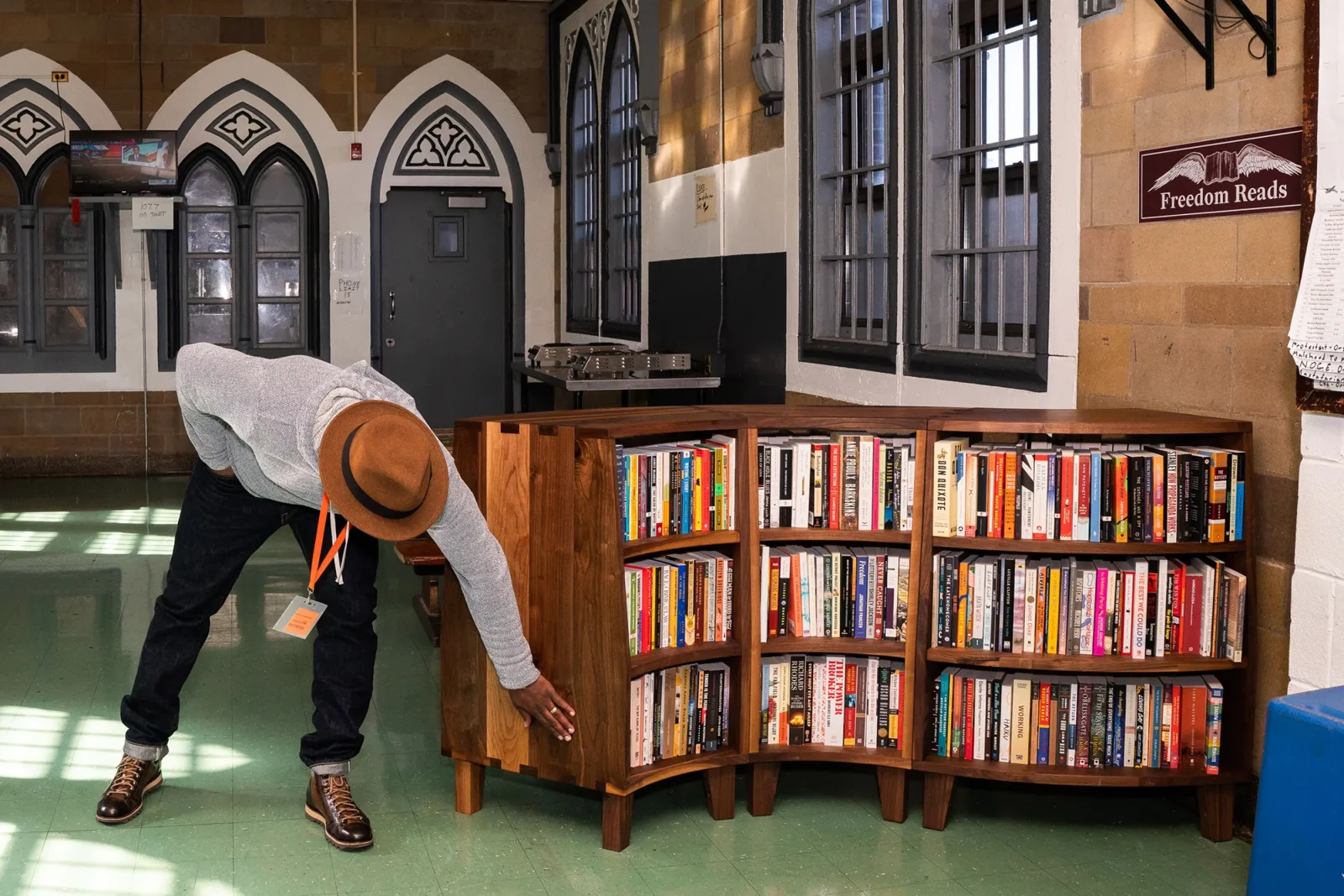
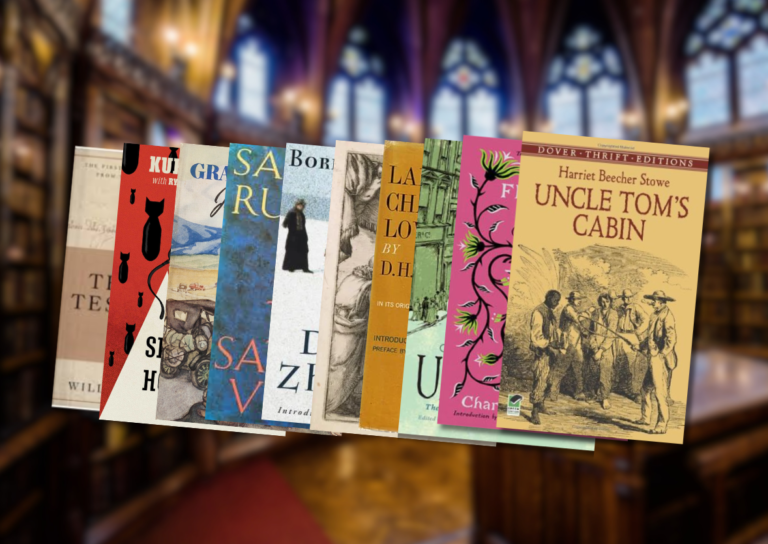
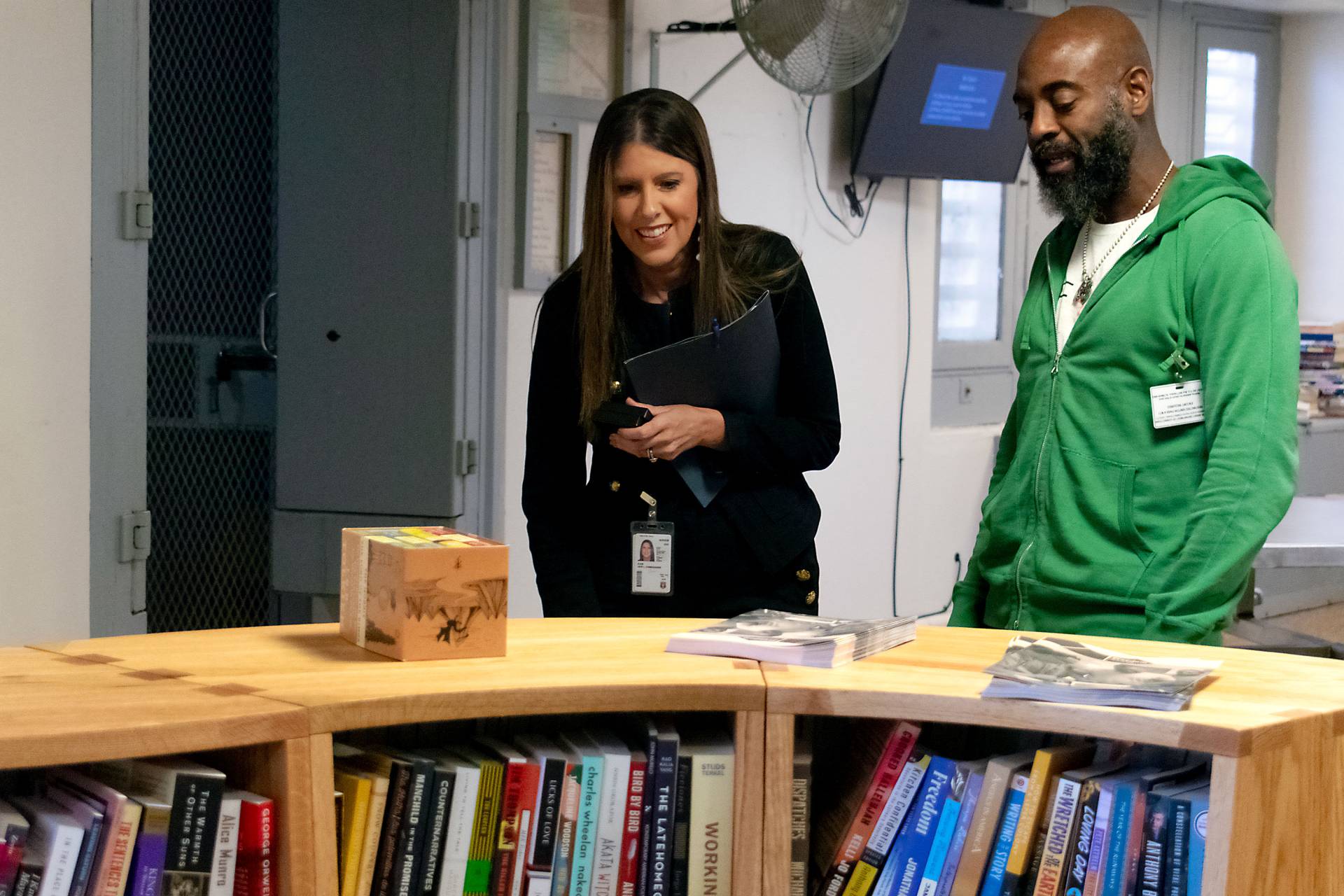
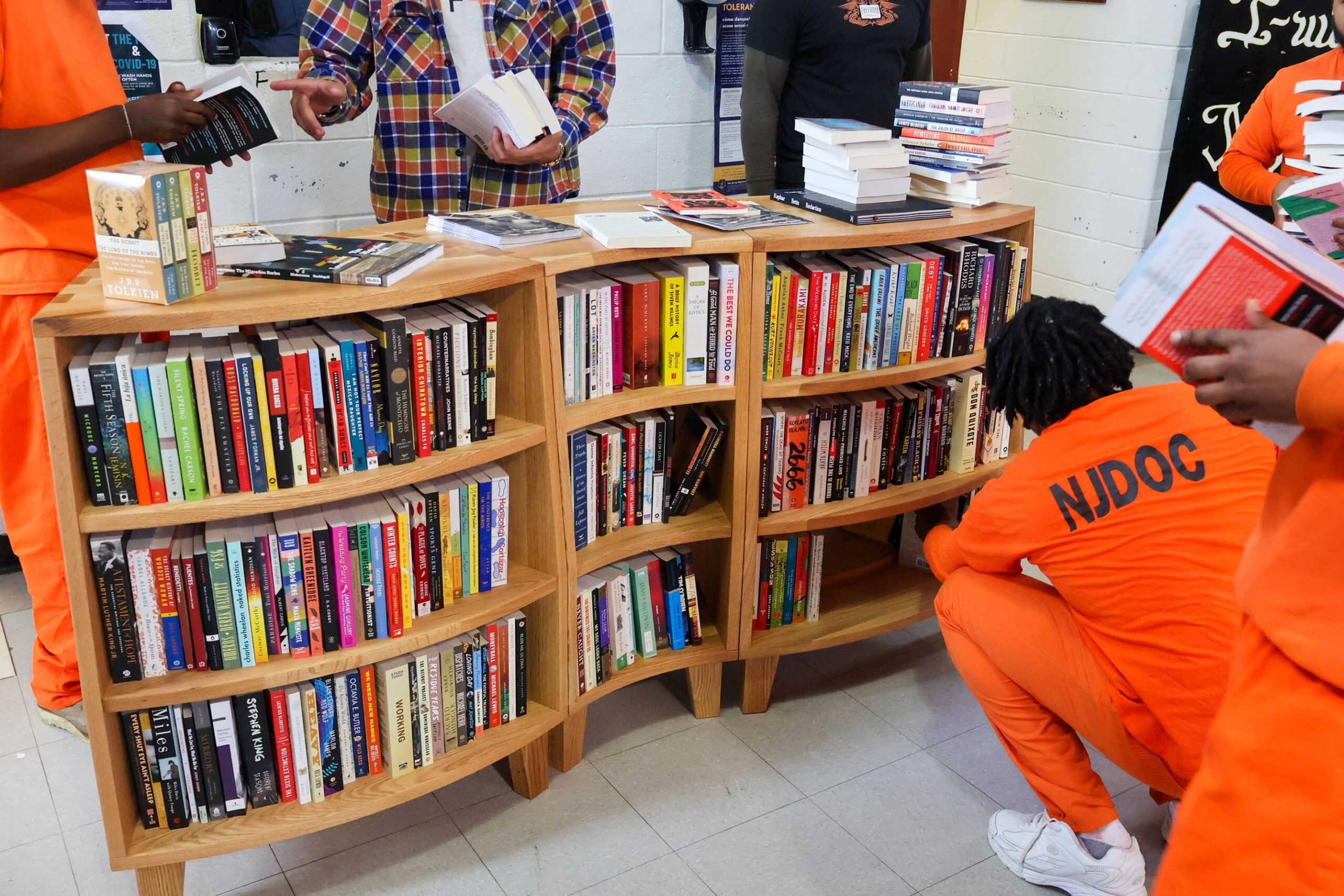
The organization installs beautifully designed “Freedom Libraries” directly inside prison housing units. Instead of forcing incarcerated people to wait for scheduled library visits, the books are placed where people actually live. The shelves include classics, poetry, history, philosophy, fiction, memoirs, and works by formerly incarcerated writers.
Building Community Through Books
One thing outsiders often misunderstand about prison is how isolating it can be. Even in crowded facilities, loneliness can become overwhelming. But books help break that isolation.
According to Betts, prison libraries often become gathering spaces where conversations naturally begin. Someone sees another person reading a novel and asks about it, just like in any other library or bookstore. Suddenly, people are debating characters, discussing ideas, or recommending books to one another.
That sense of community matters more than many people realize.
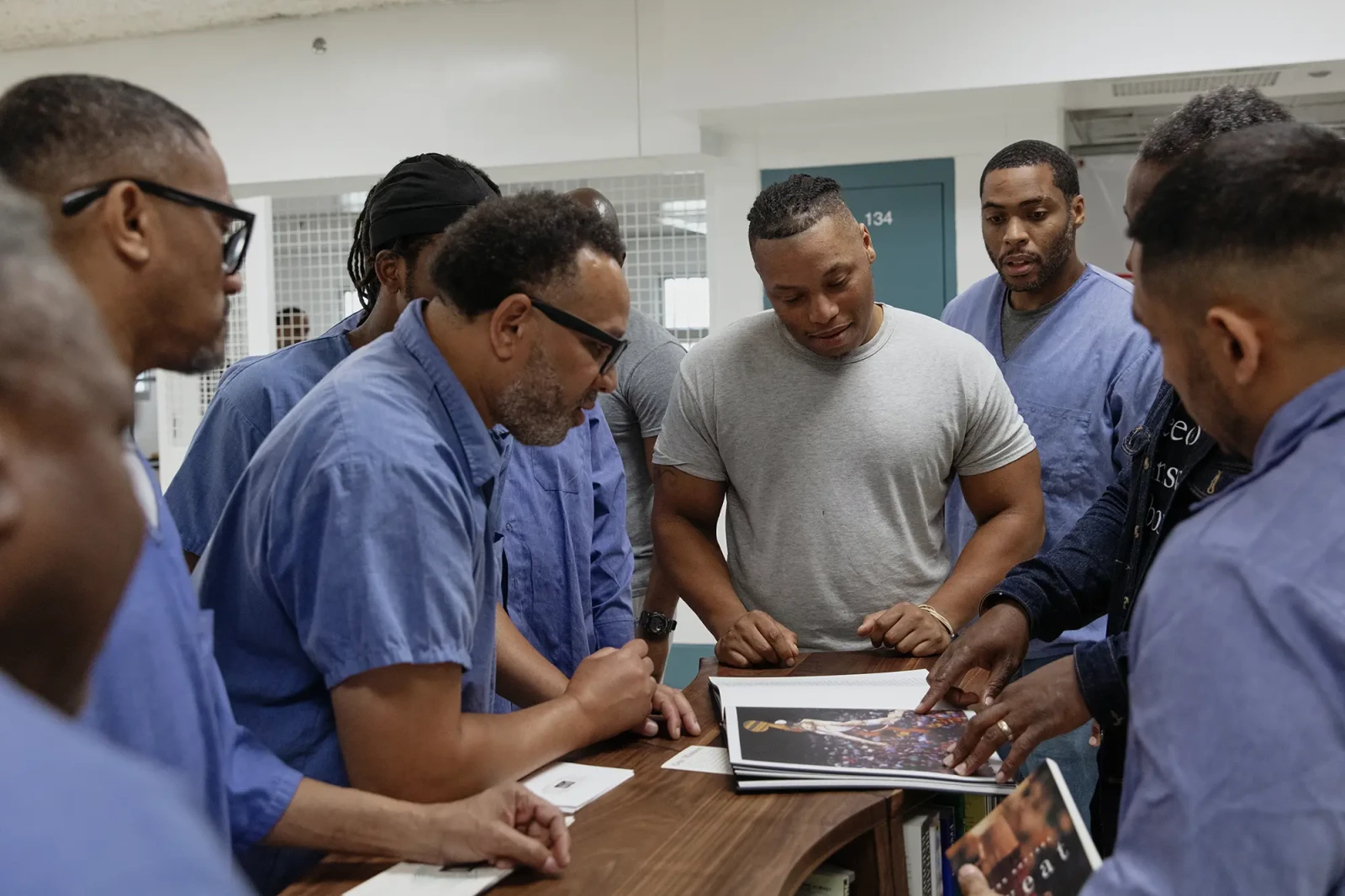
Freedom Reads describes literature as a way of restoring humanity inside systems that frequently strip it away. Incarcerated readers have spoken about books helping them reconnect with emotions, memories, and even hope. One participant said literature helped her feel “free” from the isolation that had defined her incarceration.
The Literary Prize Changing the Conversation
In 2023, Freedom Reads partnered with the National Book Foundation and the Center for Justice Innovation to launch something groundbreaking: the Inside Literary Prize. It is the first major American literary prize judged exclusively by incarcerated people.
In a literary world usually dominated by academics, critics, publishers, and cultural elites, this project handed decision-making power to people serving prison sentences. Hundreds of incarcerated readers across multiple states received shortlisted books, participated in discussions, and ultimately voted on the winner.
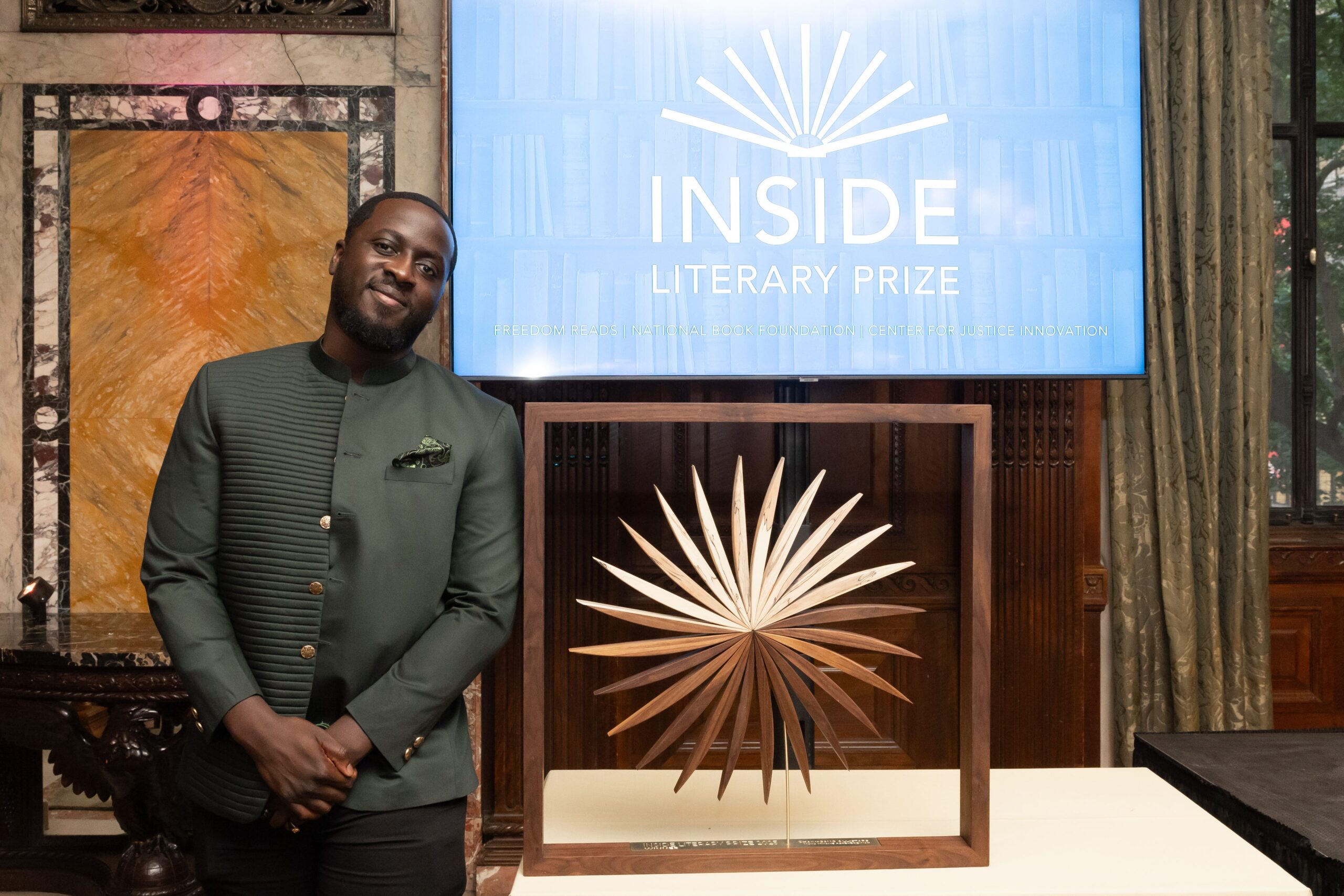
The prize does more than celebrate literature. It acknowledges incarcerated readers as serious thinkers whose opinions deserve cultural weight. Participants discuss themes, debate interpretations, and connect deeply with stories that reflect struggle, resilience, grief, and redemption.
The Inside Literary Prize is redefining who gets to participate in literary culture, and all because Betts found himself in books when he was incarcerated.
Education Behind Bars Changes Lives
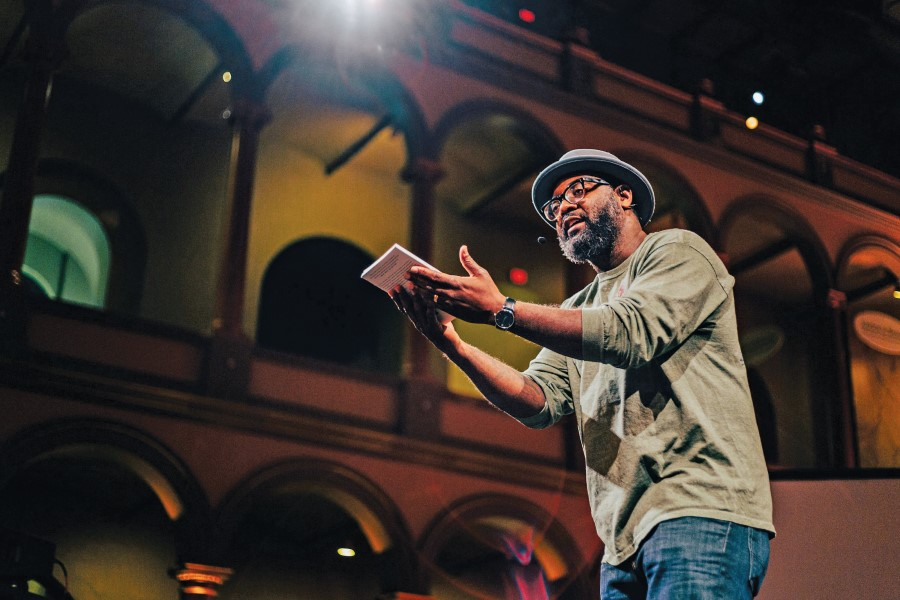
After Bett’s release from prison in 2005, he attended community college, earned degrees, published poetry collections, and eventually graduated from Yale Law School. His writing now appears in major publications, and he has become one of the country’s most influential voices on criminal justice reform.
But he frequently points out that none of this would have happened without books. That detail feels important because conversations about prison often focus only on punishment. Rarely do people talk about imagination, creativity, or intellectual growth. Yet stories like Betts’s show that education and literature can profoundly reshape someone’s future.
Research and advocacy organizations have long argued that educational access in prisons lowers recidivism and improves post-release opportunities. But beyond statistics, there is also the deeply human reality that reading allows people to process guilt, trauma, identity, and possibility. That’s why people love it. It’s an escape, it’s enjoyable, and it helps us.

Millie Ramm
Millie has been writing since she was a child, and has spent more time with her nose in books than anywhere else. She has been ghostwriting novels and editing for the past few years, and when not working she is curled up with her cats, looking for her next read.