
The 90s felt happier, and psychology can say why: fewer choices, real waiting, productive boredom, forgotten mistakes, longer time. Most of it is recoverable.
If you’re like me and you grew up in the 90s, you have felt it: the suspicion, somewhere between a memory and a mood, that the decade was happier than this one. We had fewer choices. We waited for things. Our mistakes were forgotten. Time felt longer. The feeling comes round every few months, usually late at night, and it is worth taking seriously, because a good deal of it is true.
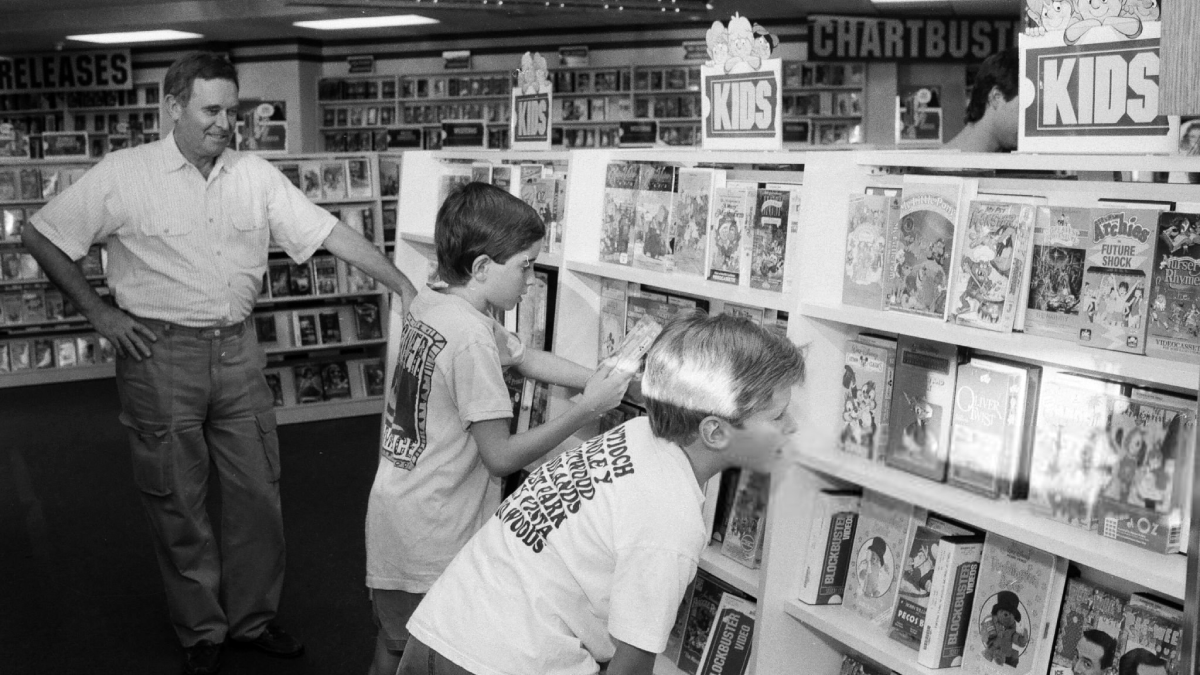
You remember the machinery of that truth even if you never think about it. The tape recorder held up to the radio, finger on the button, waiting for the song to come round. The one television in the house and the three or four channels on it. The video shop on a Friday night, and the specific pleasure of a case that said Be Kind, Rewind.
The telephone with a cord, which meant a conversation happened in a hallway with the whole family listening. The road atlas in the glovebox, and the argument about the exit. The game cartridge that would not load, and the ritual everyone knew for fixing it. The film that came out on a certain date and was simply unavailable until then. The week you waited for the next episode, and the year you waited for the next book.
All of this felt good, and the interesting question is why. The answer turns out to be more than nostalgia, because most of it can be measured, and most of it can be had again.
First, the Honest Part: We Were Children
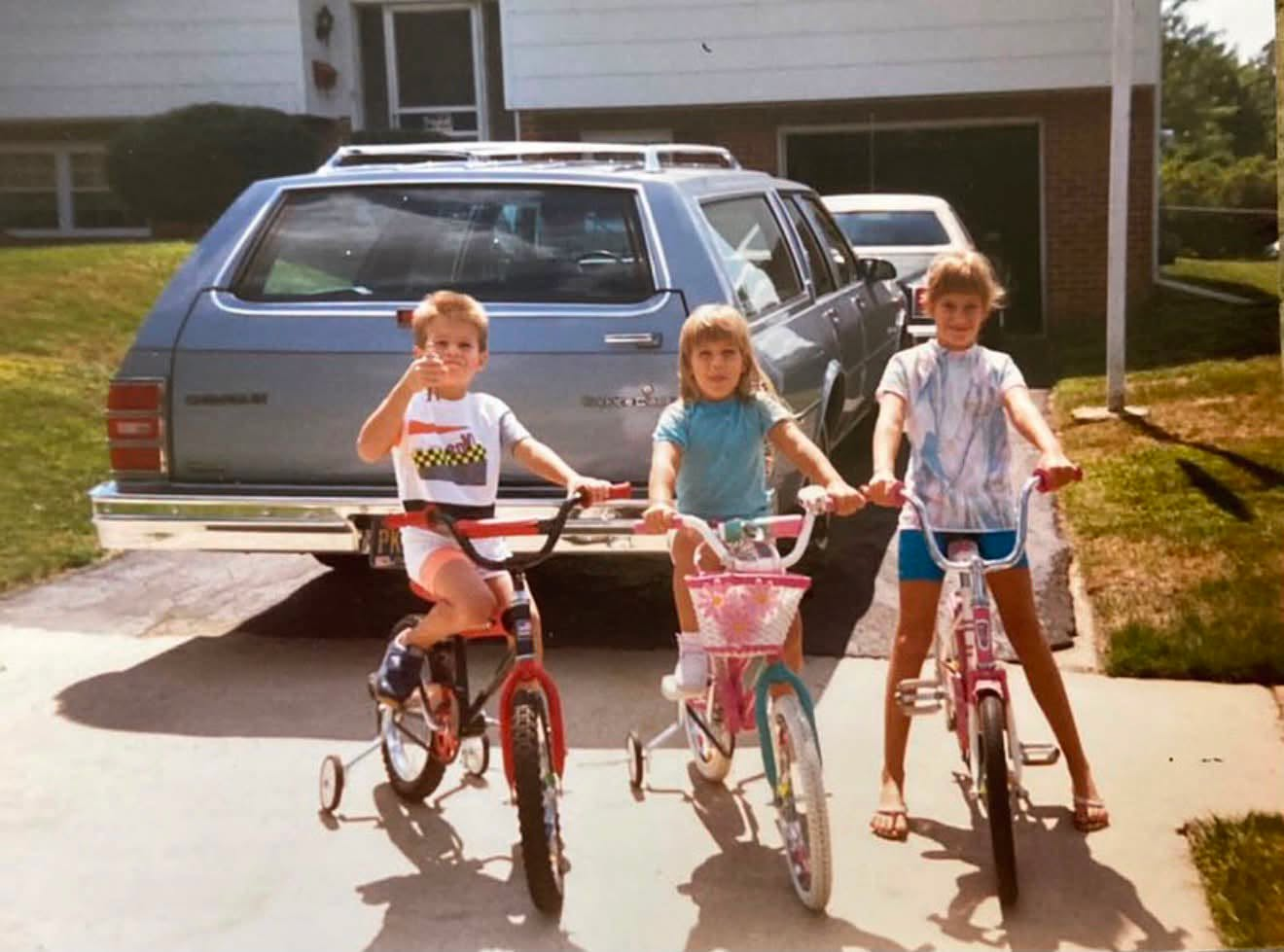
Psychologists have a name for the way a particular decade glows in memory, and it applies to every decade, for everyone. The reminiscence bump describes the finding, one of the most robust in memory research, that people over thirty recall far more from roughly the ages of ten to thirty than from any other stretch of life: more events, more songs, more scenes from films, more news. Whatever years you happened to spend there are the years your memory files in colour. For those of us born around the turn of the 90s, that decade is the bump, which means we would remember it fondly, whatever it had contained.
The broadcaster and psychologist Claudia Hammond explains what fills the bump so densely. Writing in Time Warped, she argues that
“The key to the reminiscence bump is novelty.” — Claudia Hammond, Time Warped (2012)
Childhood is a decade of firsts, and the brain lays down thick memories for firsts and thin ones for routine. A first record, a first friendship, a first summer somewhere new: each one gets a whole page. The fortieth commute gets a line.
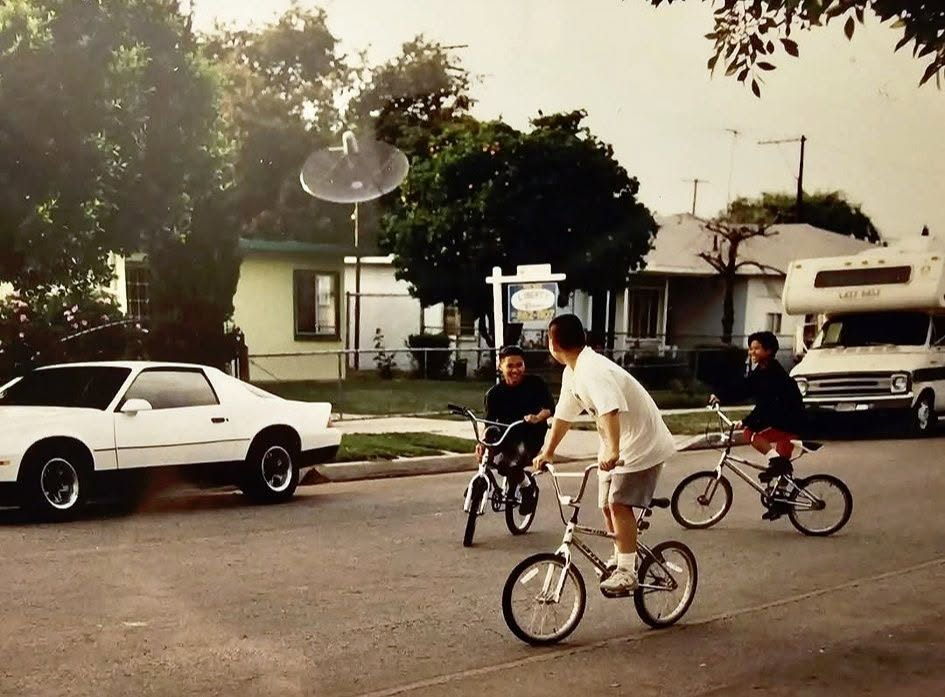
The survey data agree that the decade itself was unremarkable. The General Social Survey, which has asked Americans the same happiness question since 1972, found that roughly three in ten called themselves very happy in the mid-1990s, and roughly three in ten said the same in 2018. The number moved when the pandemic arrived, dropping to 19 percent in 2021, and has been climbing back since. On the crudest available measure, adults in the 90s were about as happy as adults twenty years later.
So part of the answer is simply that we were small, and everything was new. But hold on to that word crudest, because a three-option survey question cannot see the thing the feeling is actually about. It cannot see the texture of a Tuesday. And the texture of a Tuesday changed in ways that psychology has since documented, one feeling at a time.
Fewer Choices
In 2000, two psychologists set up a tasting table in a Californian supermarket. At some hours it held 24 jams; on others, six. The big display drew more people over. The small one sold ten times as much: 30 percent of tasters bought a jar from the six-jam table, against 3 percent from the twenty-four. Barry Schwartz built a book around the finding, The Paradox of Choice, and later research has sharpened it: the effect is strongest when the options are hard to tell apart, the stakes feel high, and the chooser lacks expertise, which is a fair description of a streaming menu at nine in the evening.
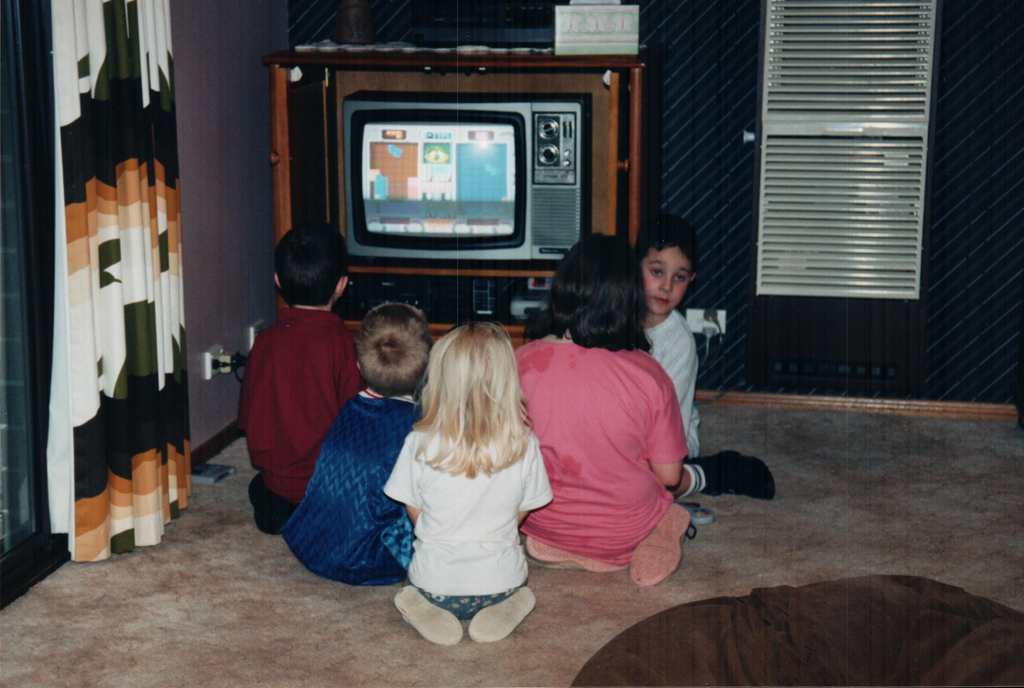
The 90s ran on the six-jam table. The video shop had one wall of new releases. The radio played what it played. There were a handful of channels, and on a Saturday morning you watched what was on them, with your whole cohort, which is why everyone your age remembers the same theme tunes. Fewer options meant less time spent choosing and less energy spent wondering whether the unchosen thing was better.
We remember this as feeling less confused. The jam table calls it conversion. Either way, the calm was structural, and it is the easiest of the six to rebuild: a shelf you have already chosen from is a six-jam table you can keep at home.
Waiting
Every 90s childhood ran on delay, and it turns out delay was doing something for us.
In 2014, researchers at Cornell published a study with the title Waiting for Merlot, which found across four experiments that anticipation is a real and measurable form of happiness, and that waiting for an experience, a concert, a trip, a meal, produces more pleasure than waiting for a possession. The effect held even for people standing in a queue: those queuing for an experience were in a better mood than those queuing for an object.
The decade also ran a daily course in what psychologists call delayed gratification, and the science here has an honest twist worth telling. In the late 1960s, Walter Mischel sat Stanford preschoolers in front of a single marshmallow and promised a second one to anyone who could wait fifteen minutes, then followed the children for years and reported that the waiters went on to better grades, better test scores, and steadier lives. The marshmallow test became one of the most famous experiments in psychology.
In 2018, a team rebuilt it with ten times as many children and found the link far smaller than the legend, and mostly explained by family background and the home the child grew up in. That result is good news for this essay. Waiting was never a magic predictor of success. Its value was always the thing the Cornell researchers measured: the pleasure of the wait itself, and a 90s childhood, with its taped songs and its Friday films, supplied that pleasure every single week.
The decade was a machine for exactly that kind of waiting. The song you taped off the radio was a song you had waited for. The film arrived on its date, the album on its Tuesday, the next episode in a week, and the wait was part of the product. The clearest example belongs to this magazine’s readers: the first Harry Potter book appeared in 1997, and an entire generation learned, sequel by sequel, to wait a year or more for the next one.
The waiting was shared, discussed, decorated with theories, and it turned each publication day into a festival. The anticipation research suggests that those years of waiting were among the happiest parts of the experience, and that a series delivered all at once would have given us less.
Boredom
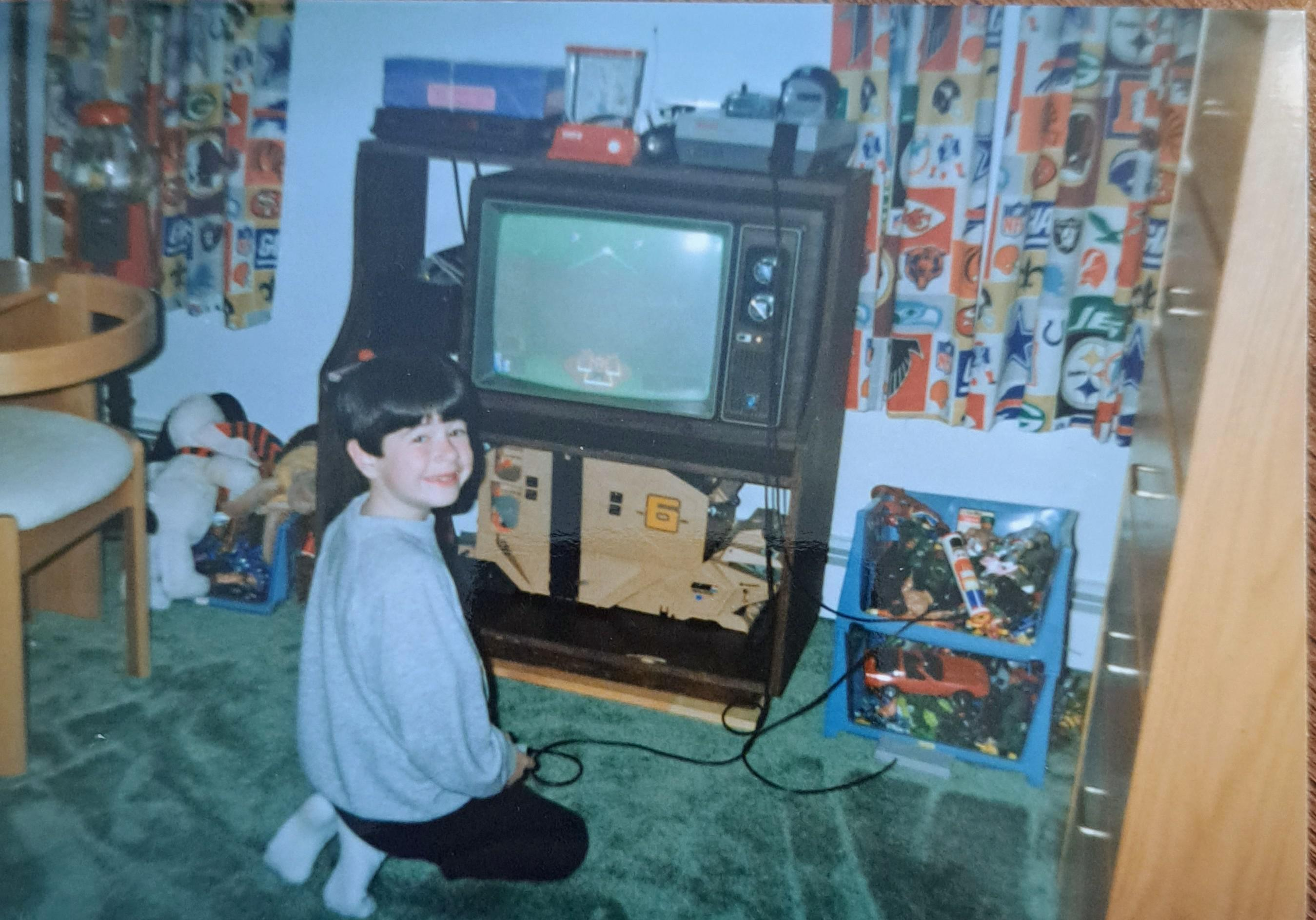
Boredom is the part of the decade we rarely name and most often miss: the car journey with nothing in it, the waiting room with three magazines, the long afternoon with the television switched off. We remember the boredom fondly, which seems perverse until you see what it was making.
In 2014, two British psychologists asked volunteers to spend fifteen minutes copying numbers out of a telephone directory, then handed them a standard creativity test: how many uses can you think of for a plastic cup? The bored group produced more ideas than the control group, and the effect was stronger after a boring reading task than after a boring writing one, because reading lets the mind wander, and wandering is where the ideas come from. The 90s child in the back seat with nothing to do was, on this evidence, in a state the laboratory would later have to induce on purpose.
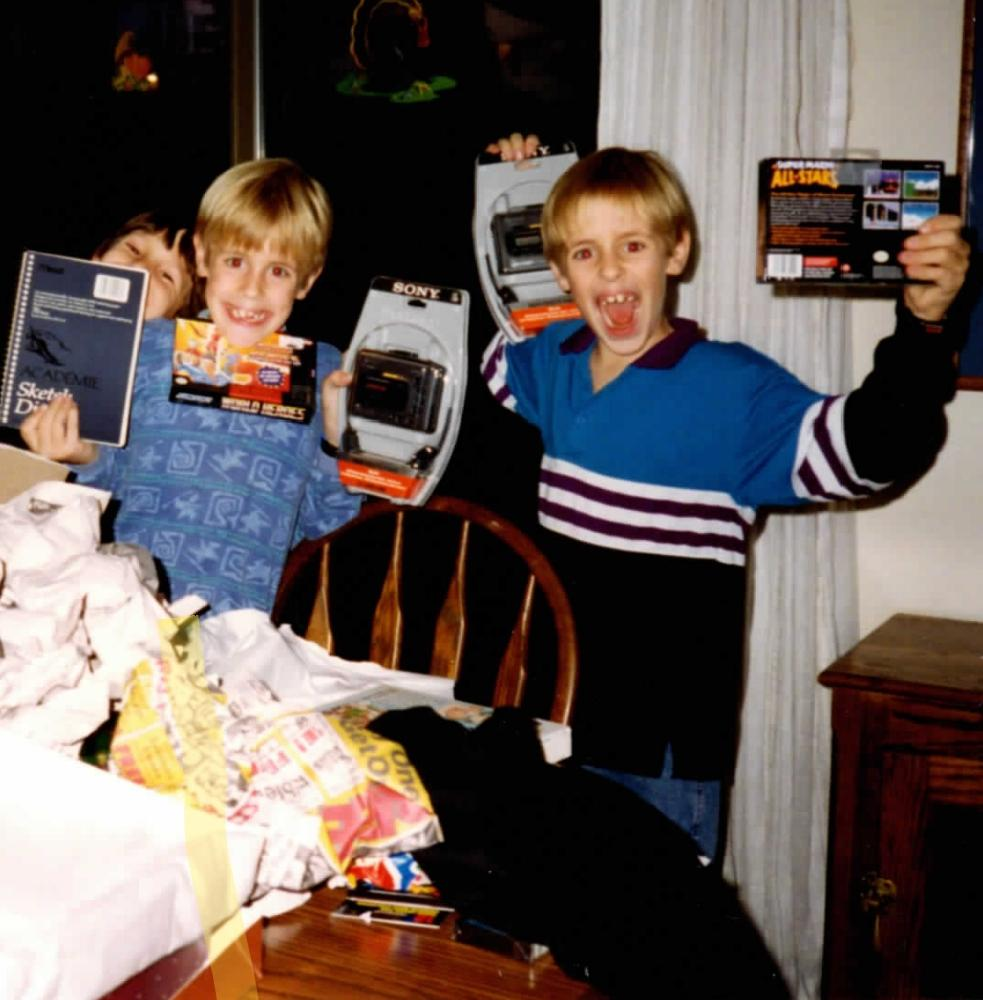
Children in that decade were bored for whole stretches of a day, and out of the boredom came the games, the imaginary worlds, the inventions with cardboard, the long conversations with a sibling in the dark. A pocket device that ends boredom within seconds ends that as well. The good news is that boredom is free and still available; it only has to be allowed.
Things Lasted, and We Fixed Them
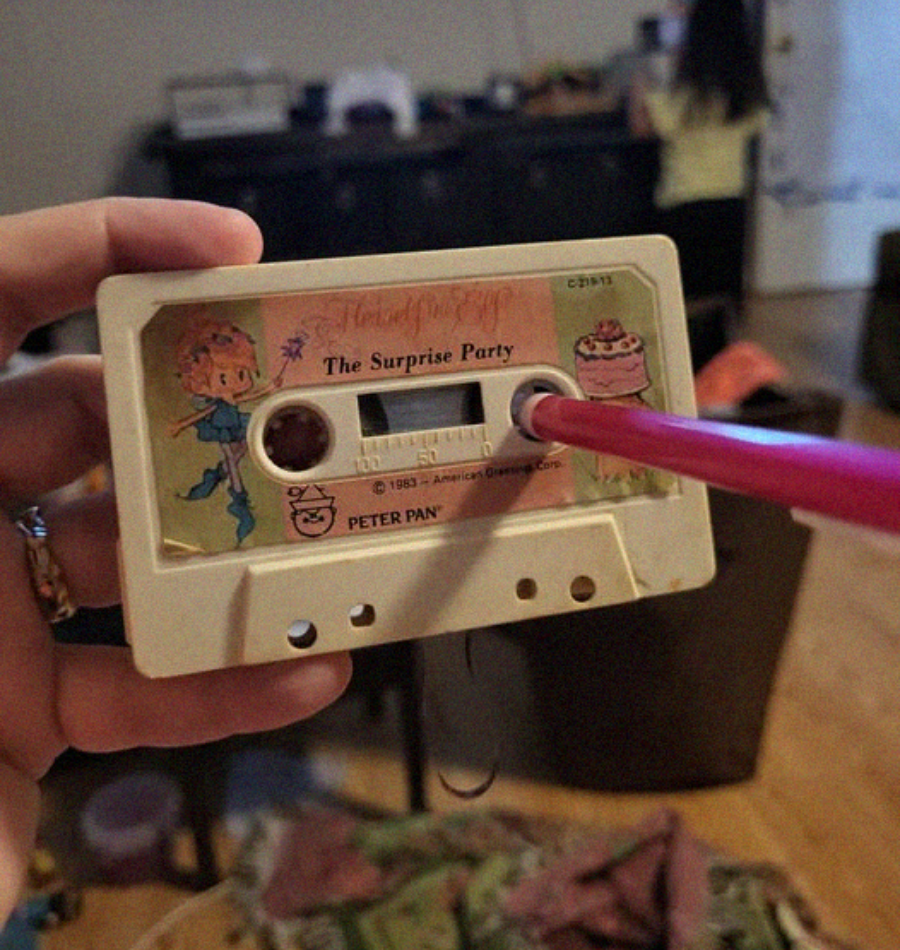
Almost everything in a 90s household was expected to last, and most of it needed looking after. Cassettes unspooled and were wound back with a pencil. The Discman skipped if you walked too fast. And when a game cartridge refused to load, every child in the world knew the cure: pull it out, put your lips to the slot, blow hard, push it back in. It worked often enough to become universal, and every older sibling swore by it.
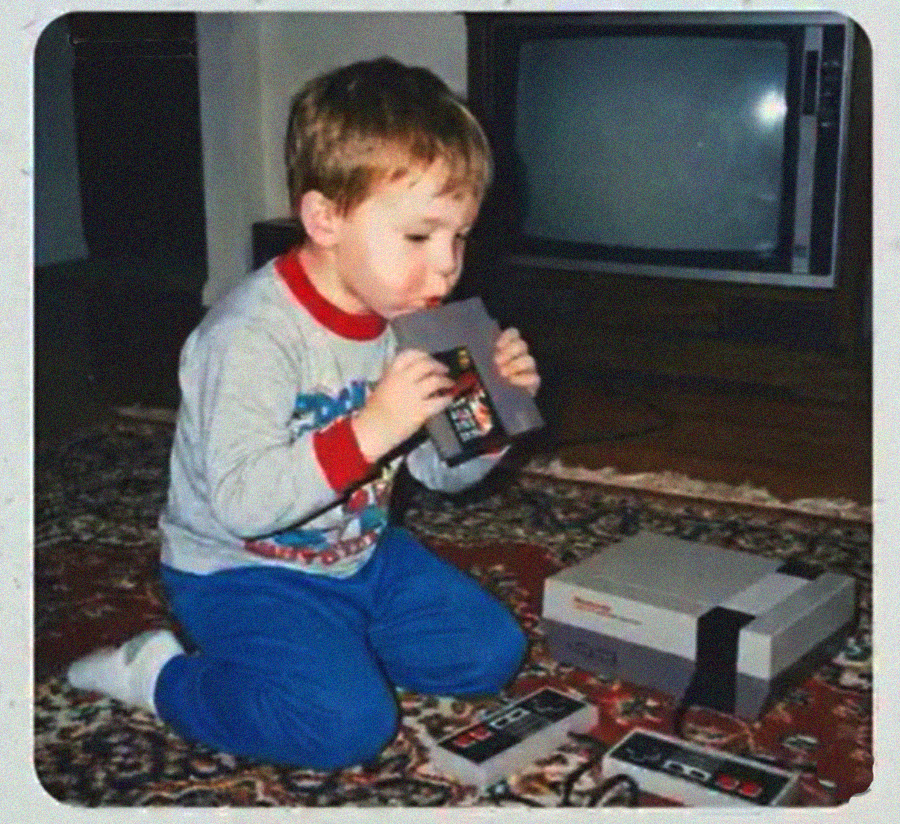
It did nothing. Engineers and Nintendo’s own troubleshooting guides have since explained the ritual: the fix was the reseating, which gave the cartridge’s seventy-two pins another chance to line up with the console’s, and the breath simply took the credit because it happened just before the game booted.
Worse, the moisture slowly corroded the contacts, which is why Nintendo printed a warning asking children to stop, and why the company still coats its cartridges in a foul-tasting chemical to keep them out of mouths. A whole generation performed a small, useless magic every week and loved the object more for it.
That is the part worth keeping. The things we owned were few; they were repaired, they were lent and borrowed and taped back together, and the effort made them ours. A device that is replaced every two years asks for no ritual, and offers none. The habit of keeping and mending is available again, and it comes with the same attachment it always did.
Work Stayed at Work
This one is straightforwardly a fact of engineering. In the 90s, the office had the computer and the home did not, and email was something that lived on a desk. The first BlackBerry appeared at the very end of the decade, a pager that received email, and the phone that put the whole office in a pocket followed a few years later. Until then, the boundary between work and home was made of physical distance, and it held without anyone having to defend it.
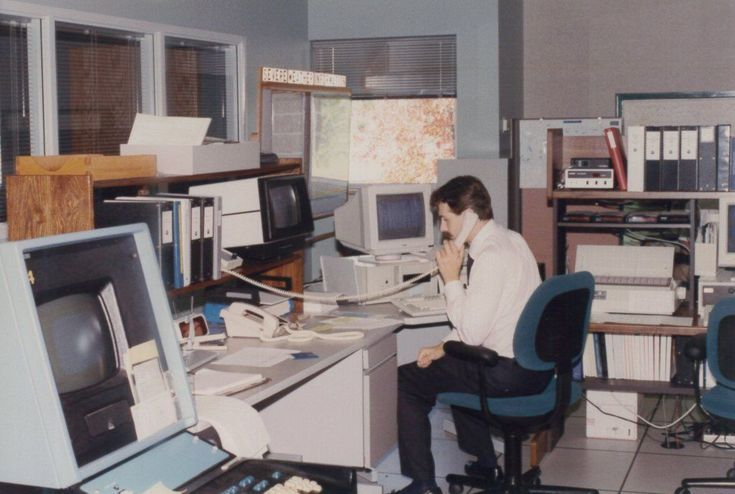
Nobody in the 90s felt virtuous for leaving work at work; the building simply closed. What we lost was an architecture, and architecture can be rebuilt with rules. Several countries have since written a right to disconnect into law, and a person can do privately what France did nationally: decide where work is allowed to follow them, and where it is not.
Mistakes Were Forgotten
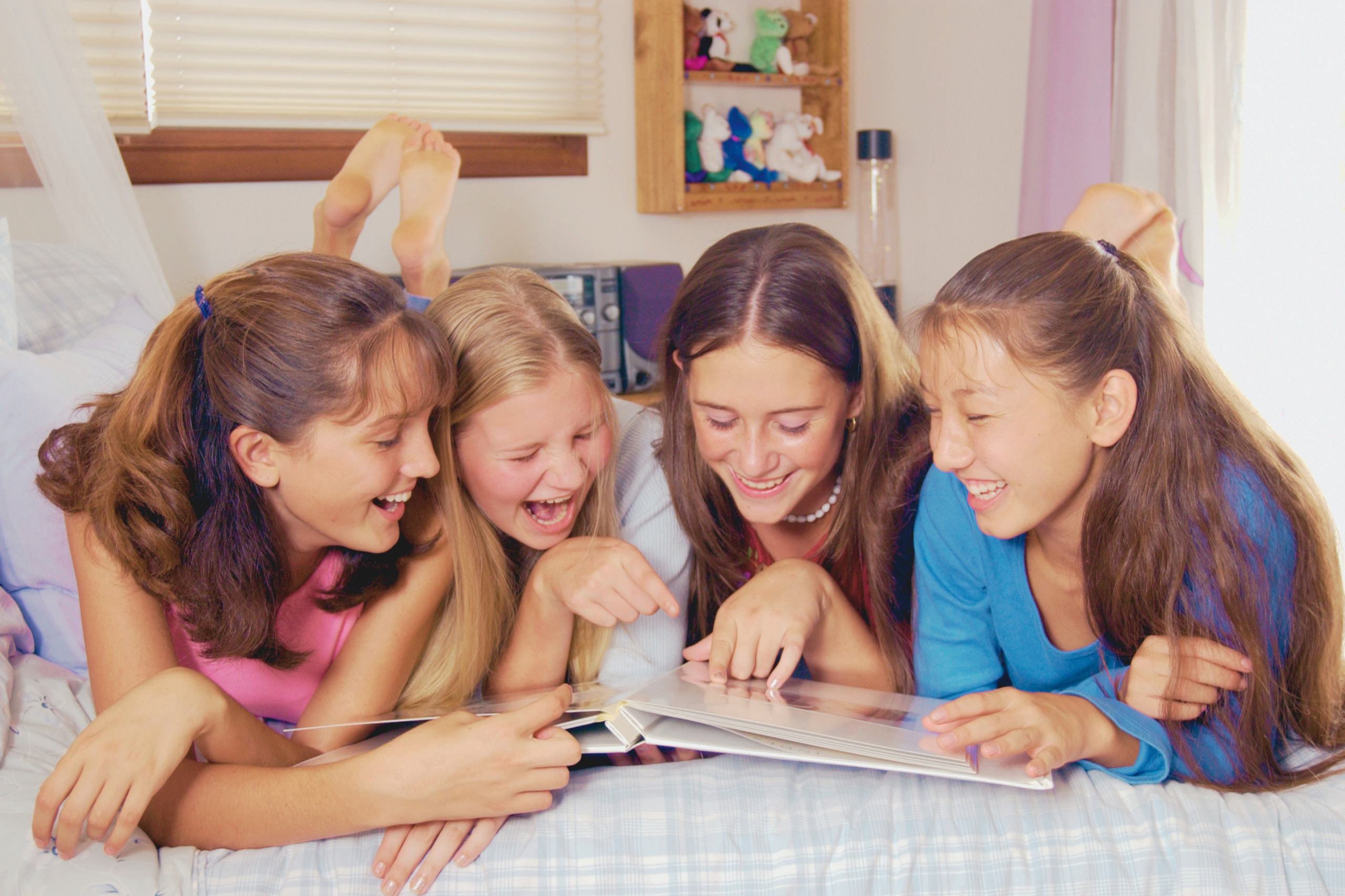
This is the deepest change of all, and a legal scholar spelt it out. In Delete: The Virtue of Forgetting in the Digital Age (2009), Viktor Mayer-Schönberger observed that for the whole of human history, forgetting was the default and remembering took effort: you had to write it down, keep the letter, tell the story again. Digital memory reversed that. Remembering became automatic and forgetting became the thing that took work.
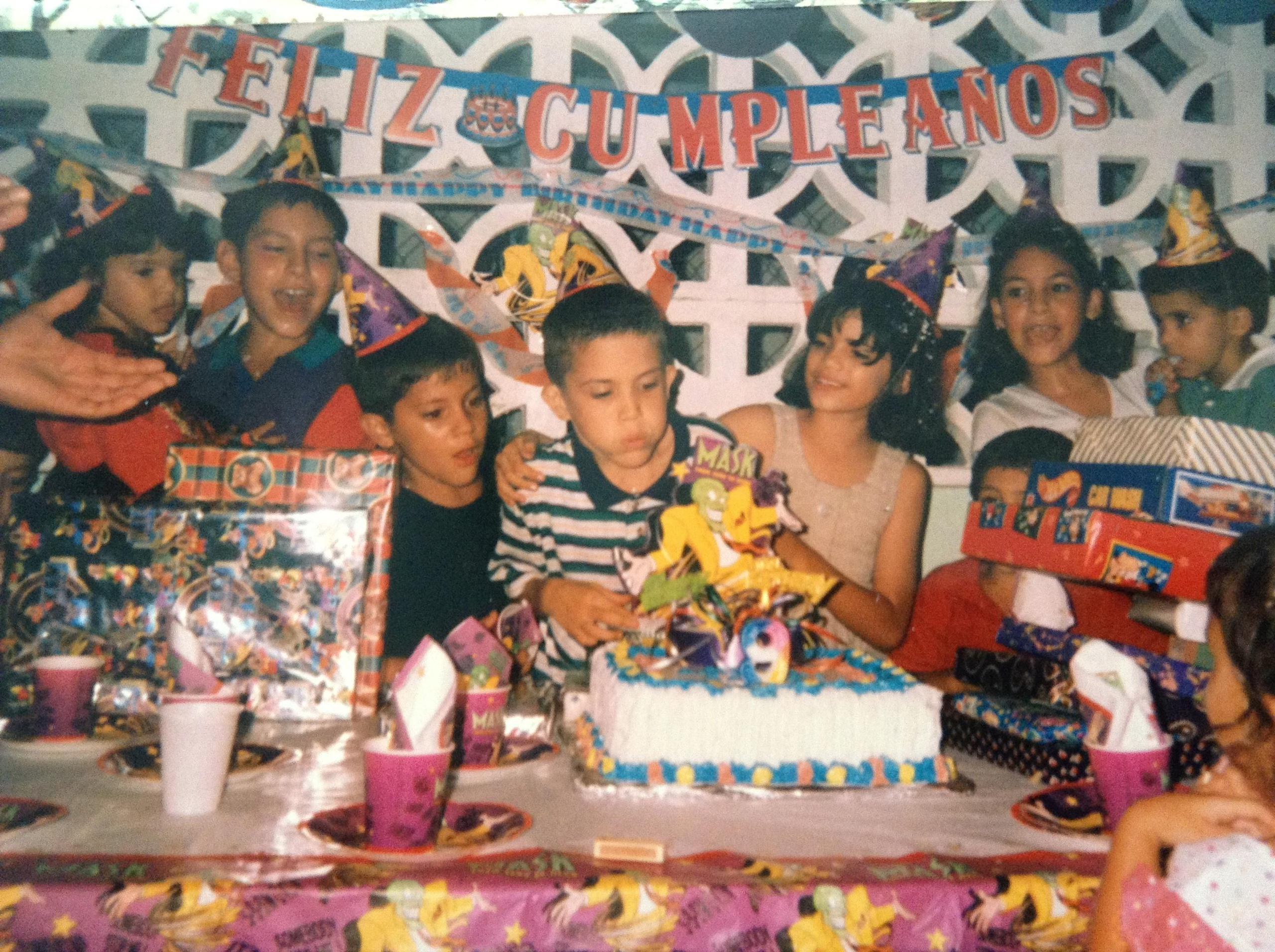
A 90s adolescence happened under the old arrangement. The bad haircut, the worse opinion, the embarrassing party, the cruel thing said at fourteen: these lived in a few memories and faded with them. Everyone got to grow up in private, and to become a different person without the earlier one being on file.
That our mistakes were forgotten describes a mercy that every generation before ours enjoyed without noticing, and which ours was the last to receive in full. Some of it can be restored by law, as Europe found when it established a right to be forgotten in 2014. More of it can be restored by manners: the decision, made by a person about the people around them, to let things fade.
The Future Felt Safer
There is a reason the decade’s optimism felt like weather, something everyone stood in together. The Berlin Wall fell in 1989, the Cold War ended, and in 1992 the political scientist Francis Fukuyama published The End of History and the Last Man, arguing that the great ideological struggles were over. Whatever one thinks of the argument now, it captured the mood: the West spent the 90s believing the big questions had been settled and the future would be more of the same, only better. The largest collective fear of the decade was the Y2K bug, a computer date error, and it passed at midnight without incident.
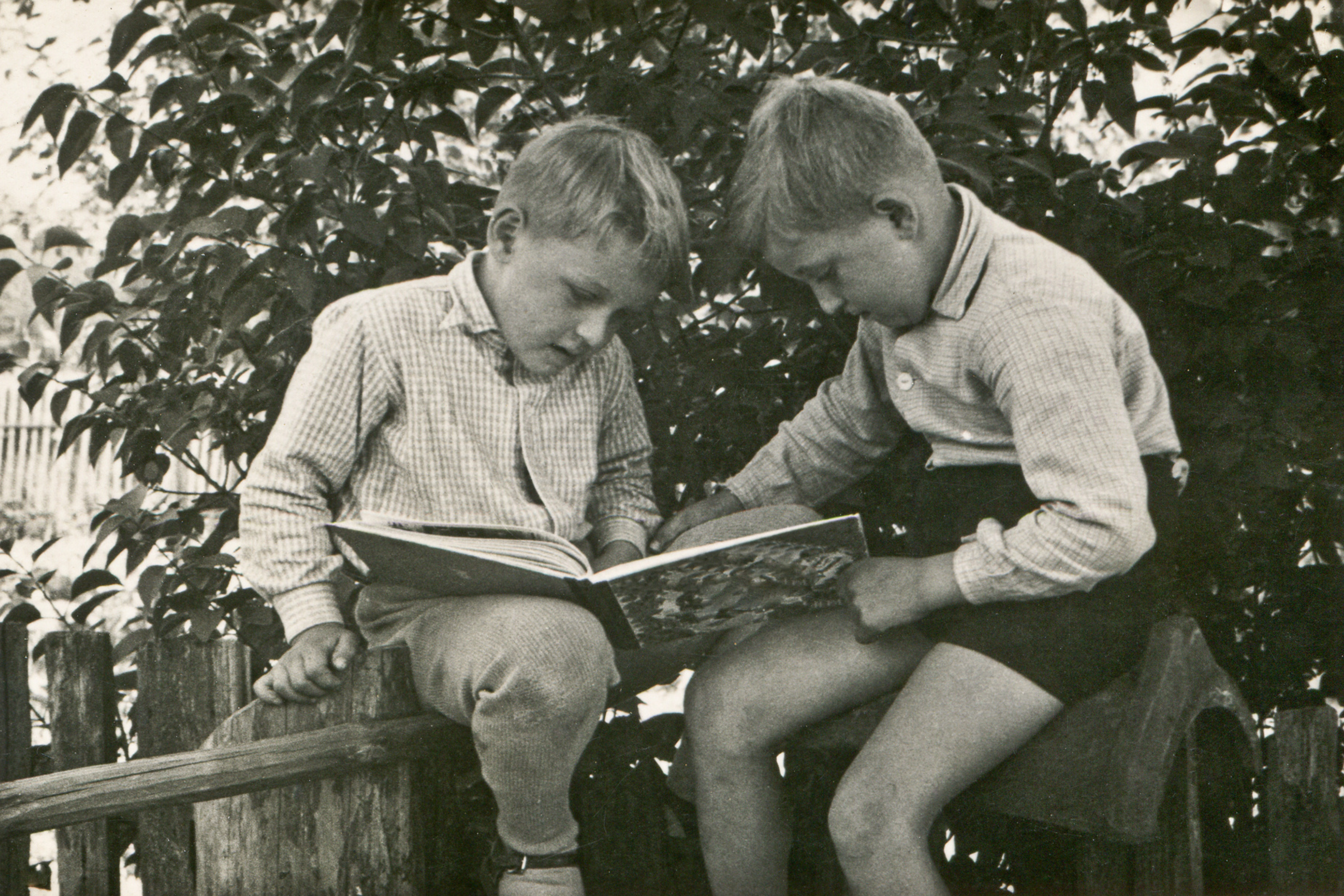
Children absorb the mood of the adults around them, and the adults of the 90s were, by the standards of the century, unusually relaxed about tomorrow. That is a harder condition to rebuild than a bookshelf. But the feeling of a safe future is partly a matter of what you let in, and the same attention that can be flooded with alarm can also be rationed.
Time Felt Longer
Finally, the feeling everyone nods at hardest. Time did feel longer, and Hammond’s research explains why with the same word she used for memory. The holiday paradox, as she calls it, is the contradictory experience of a good holiday flying past while you are in it and feeling long when you look back, because you formed so many new memories that the week takes up more room in retrospect.
Childhood is one long holiday in this sense. Everything is new, every week is dense with firsts, and so the decade stretches. Adult routine produces the opposite: fewer new memories, thinner years, the feeling that it was somehow just January.
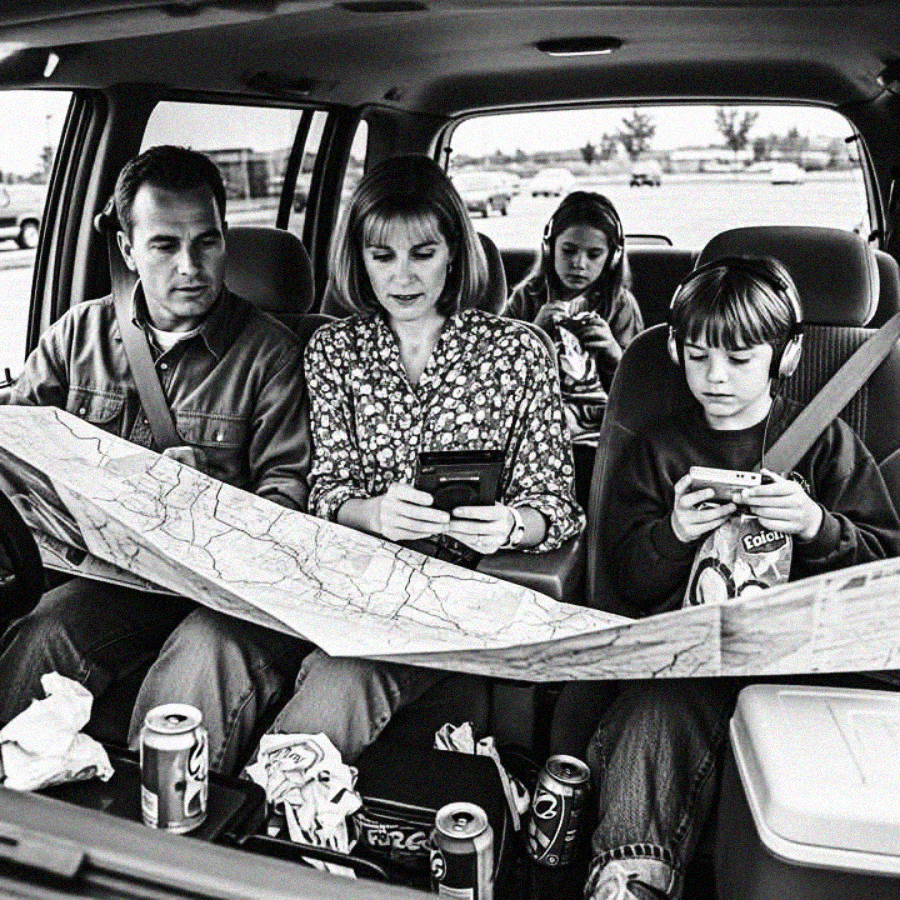
Consider the map. A 90s road trip began with a road atlas, a passenger holding it upside down, and the near certainty of getting lost at least once. Getting lost was miserable for twenty minutes and memorable for thirty years: the wrong town, the petrol station where someone gave directions, the road that turned out to be beautiful. A satnav removes the wrong turn, and with it the memory. Modern journeys are faster and far thinner in retrospect, because a trip in which nothing goes wrong leaves almost nothing behind.
The 90s felt long because we were forming memories at a rate we have never matched since. The consolation in the research is that the rate is adjustable. A new route, a new skill, a new place, a new book: each one adds a page, and a year with more pages in it is remembered as a longer year.
What We Can Carry Back
Put the six feelings side by side and notice what they have in common. Fewer choices, waiting, boredom, things that lasted, a boundary around work, mistakes allowed to fade, a sense of time: every one of them is a condition, and conditions can be recreated. The decade is gone. The settings are portable.
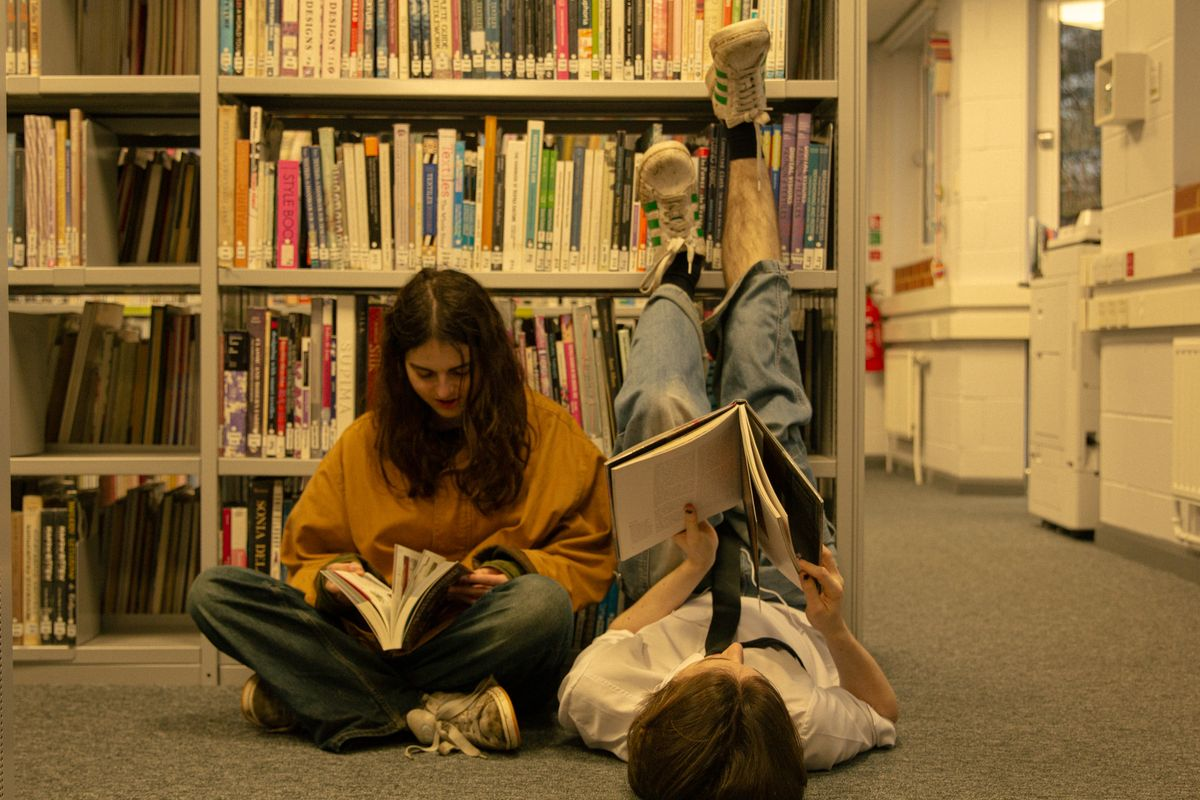
And there is one object that contains all seven at once. A book offers a single choice made in advance, so there is nothing to scroll past. It makes you wait for the next chapter and, in a series, for the next volume. It is the most productive form of boredom ever invented. It lasts for decades, survives being dropped in the bath, and can be lent to a friend and repaired with tape. It does not receive email.
It keeps no record of how long you took or how many times you gave up. And it is dense with novelty, which means an evening spent inside one takes up more room in memory than an evening spent anywhere else you could reach without leaving the house.
If you’re like me and you grew up in the 90s, you already know this, because you learned it before you had a phone. The decade taught us what an unhurried, uncrowded, unrecorded day feels like. The lesson survives in a paperback, and the paperback is still for sale.
What did you wait for in the 90s, and when did you last let yourself wait for anything?


Vincent Phan
Vincent is the founder and Editor-in-Chief of 1000 Libraries Magazine. He is a Paris-born ex-corporate turned bookseller and philosopher, on a global mission to spread the joy of physical books in our age of digital technology.