France has 3,000+ independent bookshops, protected by the 1981 loi Lang. Discover book villages, historic shops and the global bookshop revival.
In the summer of 1981, France’s new Culture Minister, Jack Lang, helped introduce a law. It focused on one idea: a new book should have the same price wherever you buy it, whether in a hypermarket, a village shop or, later, on a website, and nobody may discount it by more than five percent. The reasoning was that a book is a cultural good, and every citizen should be able to reach it on equal terms.
Forty-five years later, France has more than 3,000 independent bookshops, one of the densest networks in the world. Half of those opened in the past decade are in towns of fewer than 15,000 people. A village of 1,800 people having its own bookseller is ordinary here. Elsewhere, bookshops spent those same decades closing. This is the story of how one decision kept a habit alive, and where a traveler can go to see it still working.
A Nation of Independent Bookshops
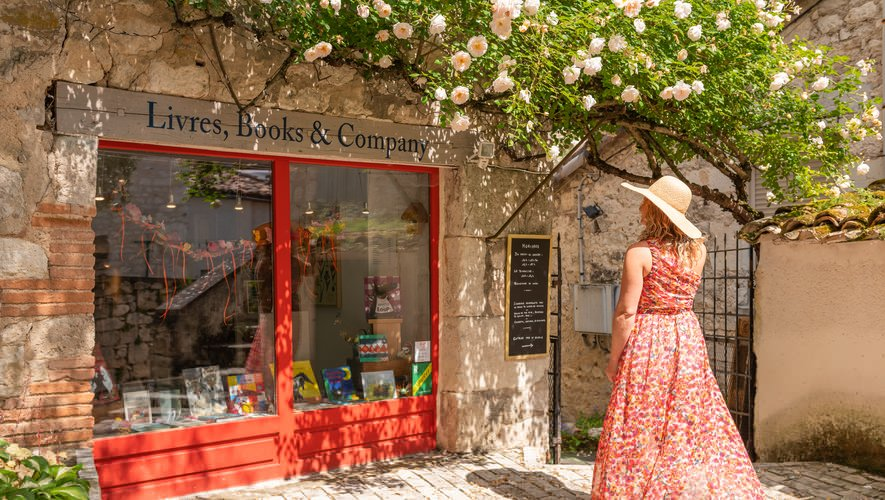
Take Montcuq, a medieval village in the Lot, in the southwest, clustered around a 12th-century keep on the old pilgrim road to Santiago de Compostela. Walkers arrive with dust on their boots and scallop shells swinging from their packs. Many make the same small detour: up to a two-story stone house where a shop called Livres, Books & Company stocks French and English titles on creaking shelves, keeps a children’s corner upstairs and opens its walled garden to musicians on summer evenings.
The writer and former bookseller Chrissie McClatchie, who lives nearby, described it to Adventure.com as the place where villagers collect their special orders and walkers look for something light to carry. Montcuq has about 1,800 residents.
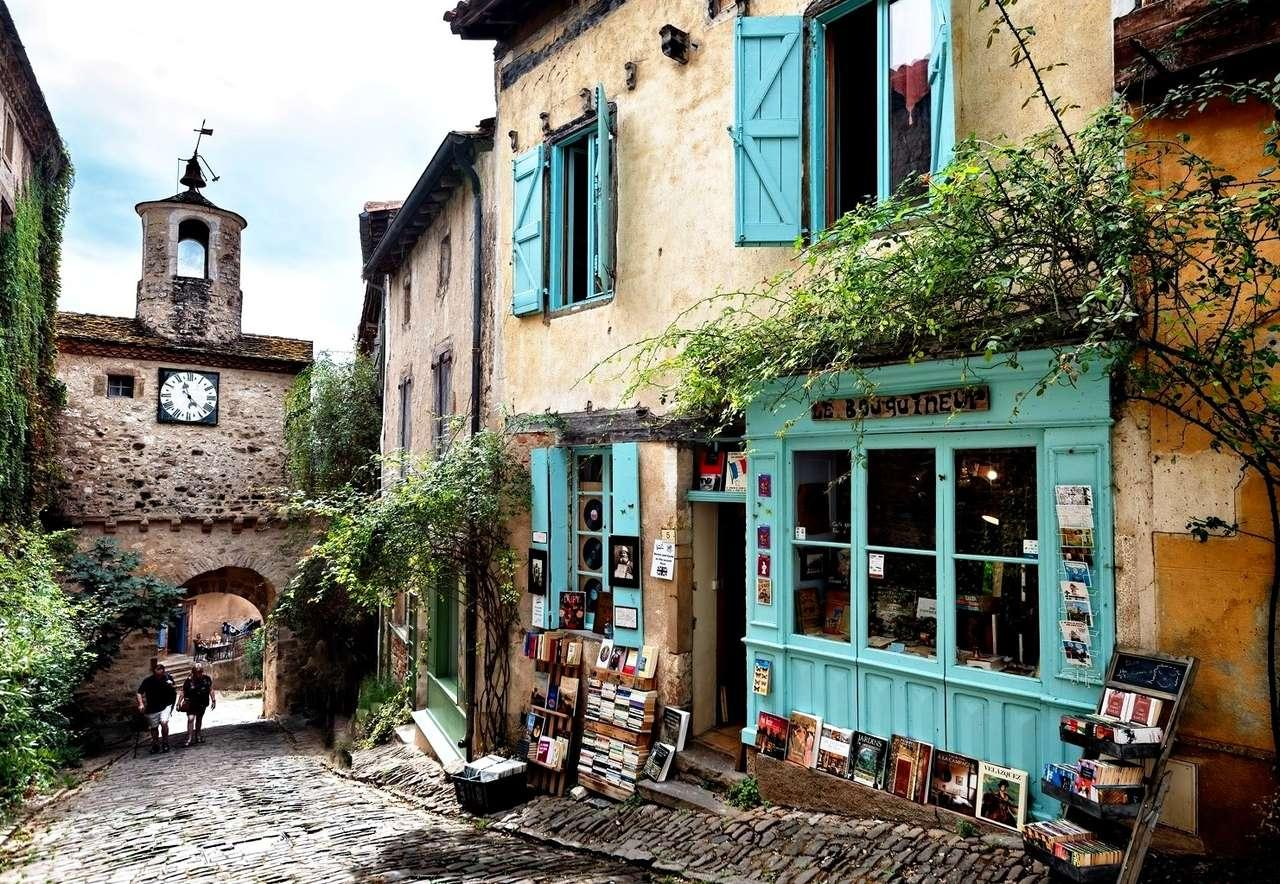
France has more than 3,000 independent bookshops, according to the Syndicat de la librairie française (SLF), the booksellers’ trade body, which calls it one of the densest bookselling networks in the world. Paris alone has about 400. By the SLF’s count, independents are the country’s leading channel for book sales, accounting for roughly 40 percent of the market, ahead of chain stores, supermarkets and online retailers.
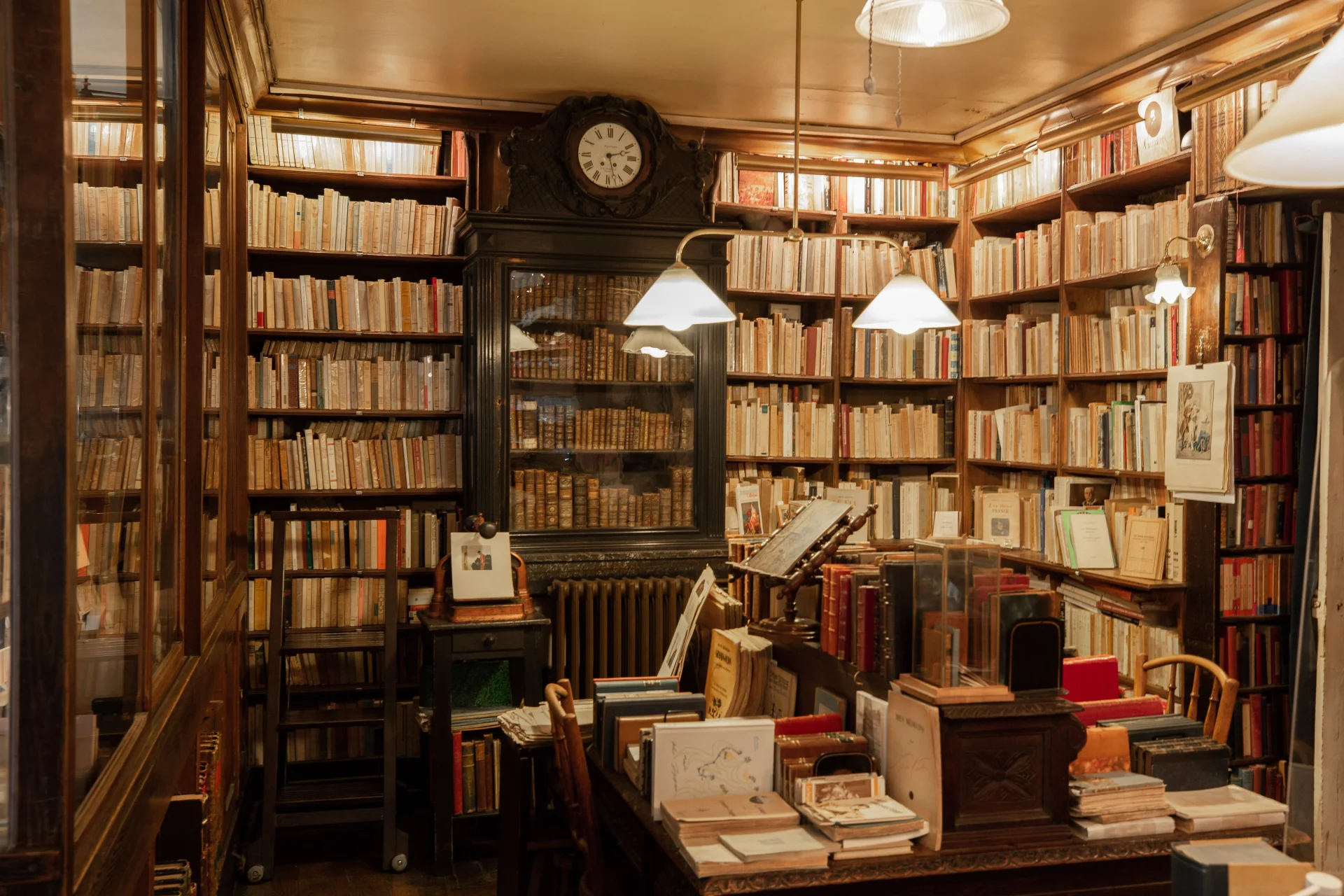
The growth has reached the countryside too. The Center national du livre (CNL), the state’s book agency, reported that half of the bookshops opened in France since 2017 are in towns of fewer than 15,000 people. A quarter are in towns of under 5,000. The CNL read this as a sign that bookshops are increasingly seen as local services, in the same category as bakeries and pharmacies.
The Numbers, and Where They Cluster
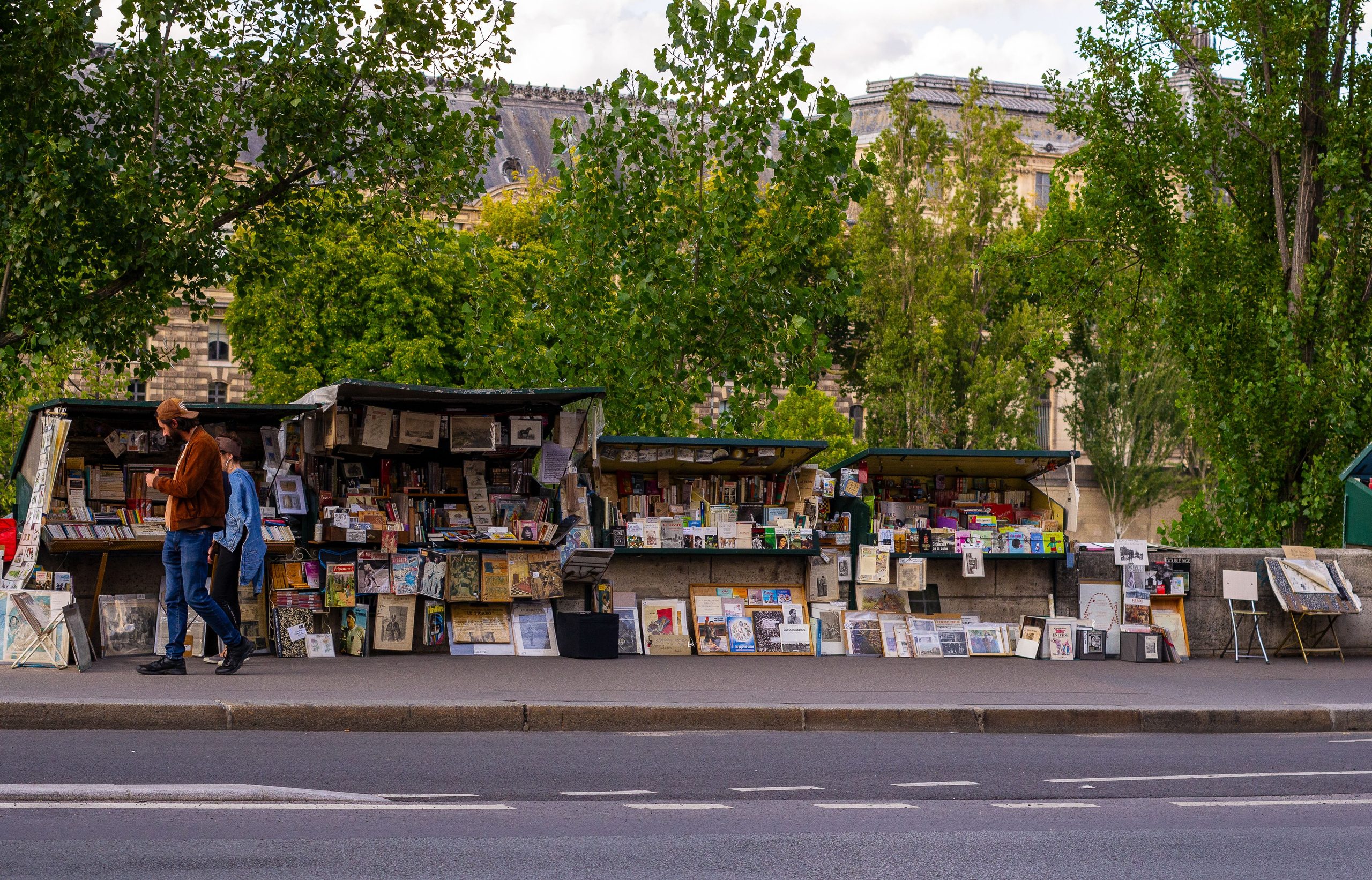
Set the French figures against an American city, and the scale becomes clear. Manhattan had 386 bookshops in 1950. By 2015, a Gothamist analysis of city records counted 106, and New York’s own booksellers’ running directory today lists around 125 independents across all five boroughs and 8.3 million people. Paris, with a quarter of that population, has about 400 independent bookshops by the city’s count and more than 700 shops selling books of every kind.
That works out to roughly 24 independents per 100,000 residents, compared with fewer than two in New York. Nationally, the gap holds: France’s 3,000 independents serve 68 million people, while the American Booksellers Association’s 3,800 or so member locations serve 340 million.
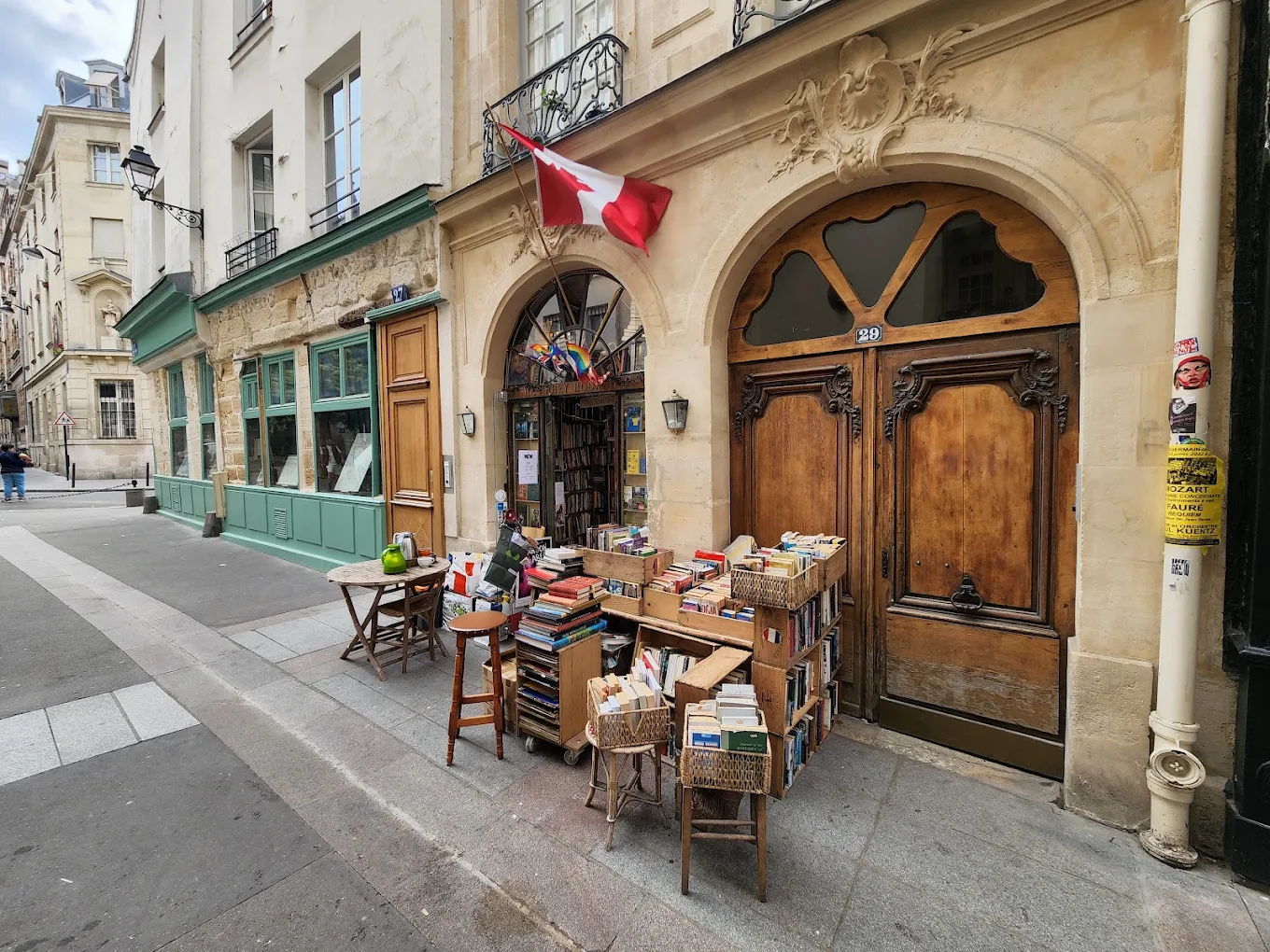
Within Paris, the shops can be found in the same few streets they have occupied for centuries. The 5th and 6th arrondissements, the Latin Quarter and Saint-Germain-des-Prés, each hold more than 100 bookshops, so that two neighborhoods with roughly 100,000 residents combined have more bookshops than the whole of New York City. Around the Sorbonne, you can walk from a philosophy bookshop to a linguistics bookshop in under five minutes.
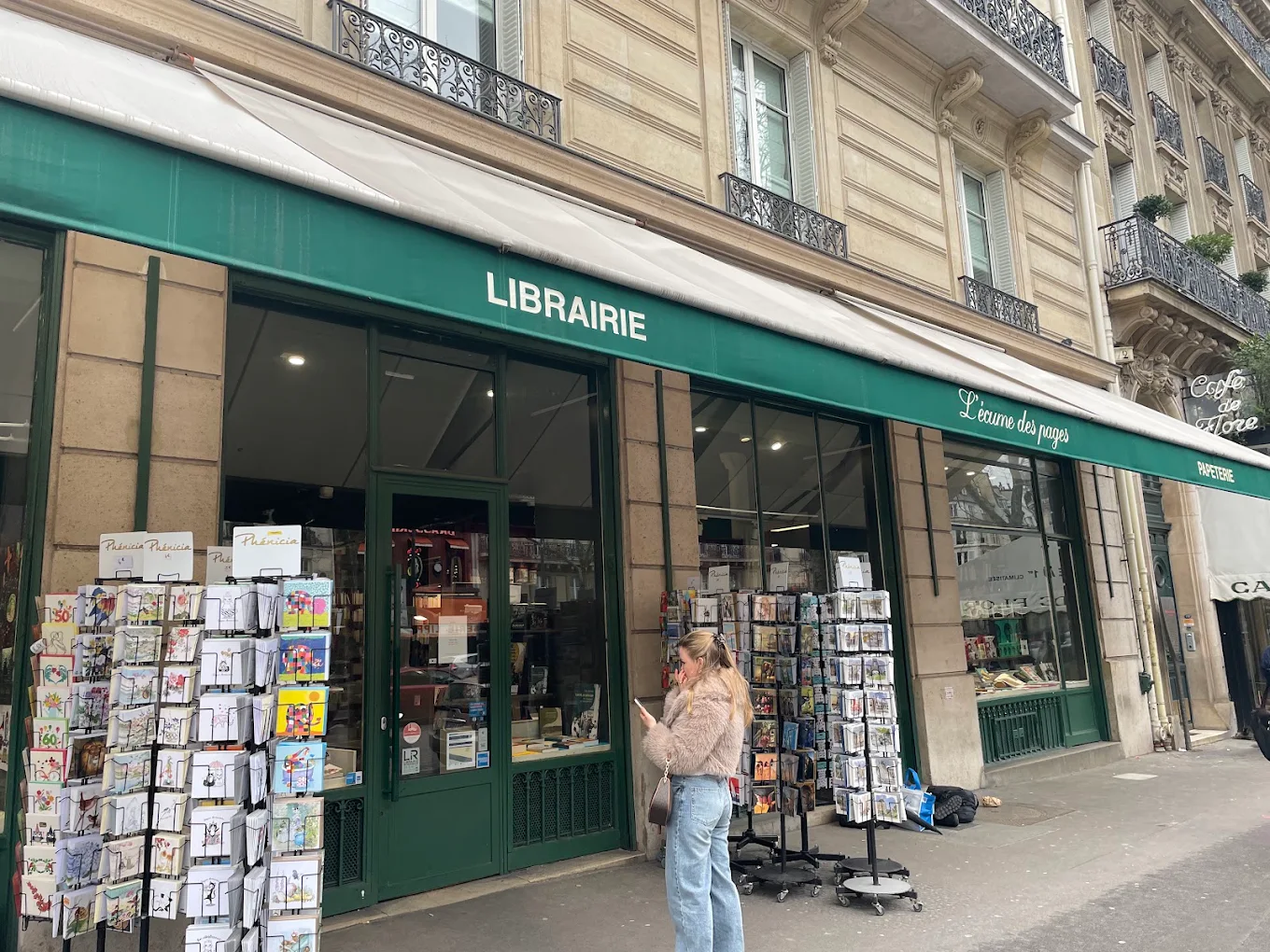
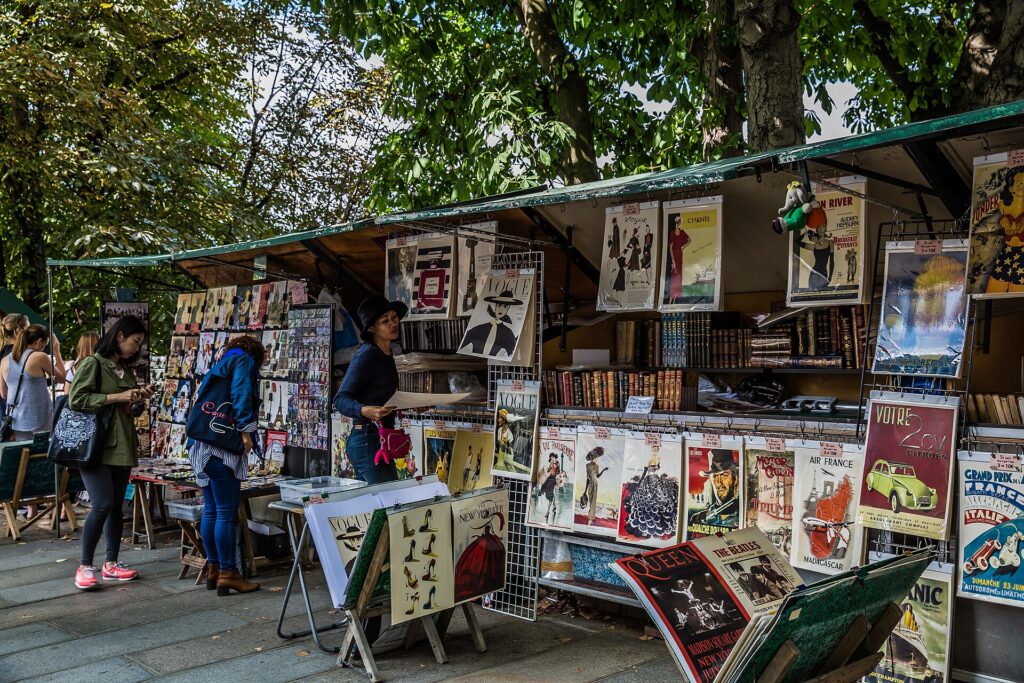
On the boulevard Saint-Germain, L’Écume des Pages stays open until midnight seven days a week. A few streets away, the publishing houses Gallimard and Grasset still have A few streets away, the publishing houses Gallimard and Grasset still have, a trade that has operated along those quays since the sixteenth century.
The city guards this concentration deliberately. Since 2008, Semaest, the municipality’s own property company, has bought up commercial leases in the 5th and 6th as they became available and re-let them to booksellers at below-market rents. The Apur planning agency describes the programme as a defense of the quarter’s cultural commerce; by 2020 it housed 44 bookshops.
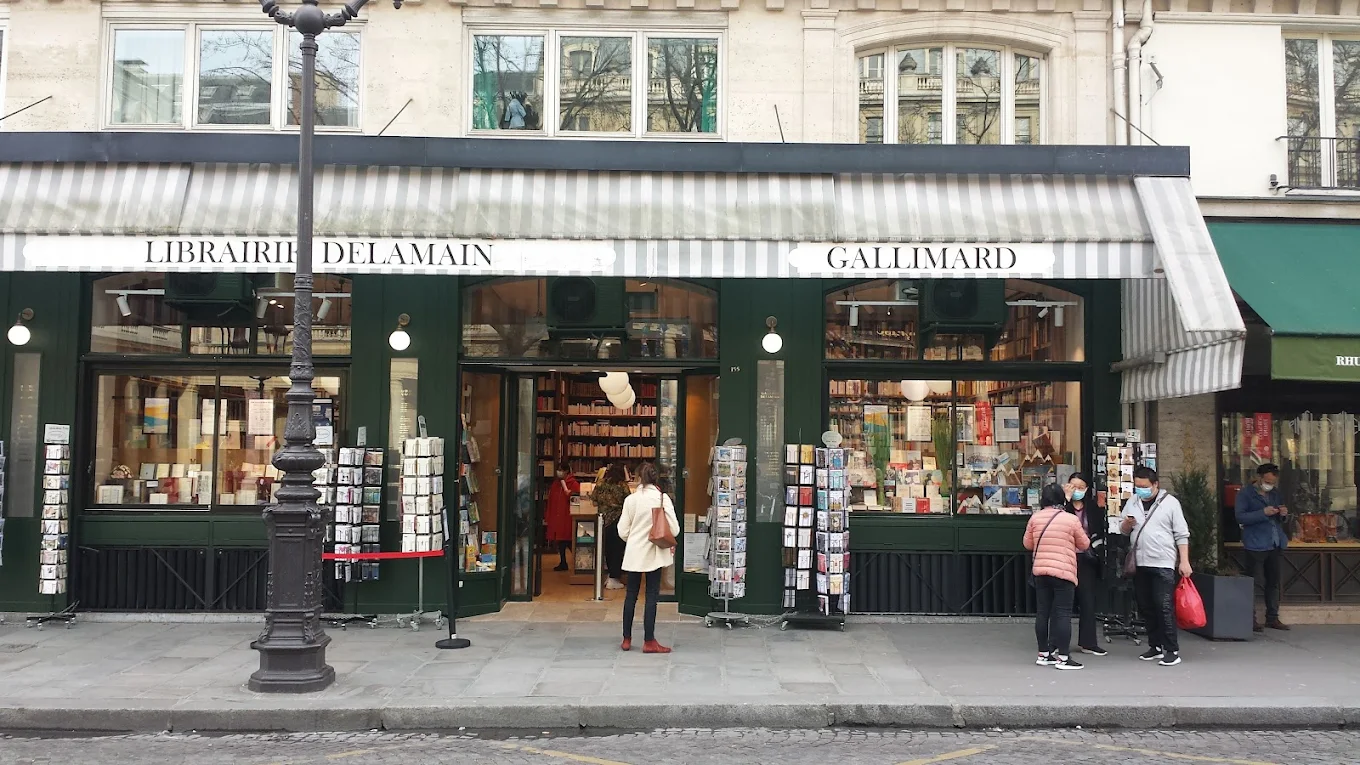
The oldest of them all needs no such help. Librairie Delamain, opposite the Comédie-Française, has traded since 1700. Galignani on the rue de Rivoli, founded in 1801, describes itself as the first English-language bookshop on the Continent. Both are still open.
The Law That Fixed the Price of a Book
The explanation begins with a law. On 10 August 1981, under Culture Minister Jack Lang, France passed the Loi Lang. It requires every new book to carry a single price set by its publisher. The retail price of a novel is the same at a hypermarket, on a website or in a village shop, and retailers may discount it by no more than 5 percent. Legislators treated the book as a cultural good that every citizen should be able to reach on equal terms. The practical effect was to remove price wars from bookselling. Shops compete on knowledge, curation, and warmth.
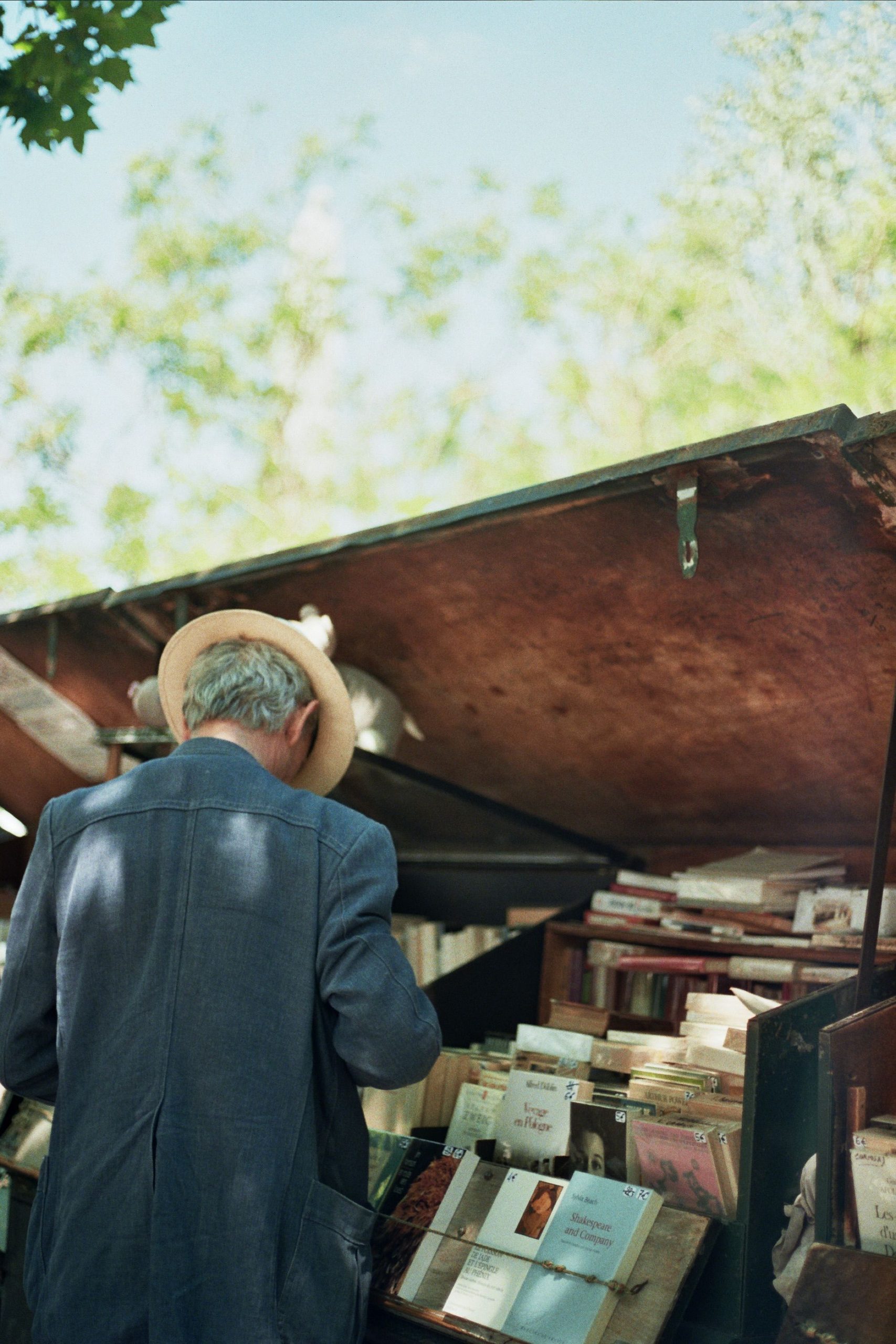
The rules have since been updated for the internet age. The 2021 Loi Darcos, named for Senator Laure Darcos, introduced a minimum delivery charge of €3 on online book orders below €35. It has been in force since 2023. The charge keeps large online retailers from undercutting bookshops through near-free shipping. Books also benefit from a reduced 5.5 percent VAT rate. During the Covid-19 lockdowns, the government classed bookshops as essential businesses, a telling statement of what a society considers necessary.
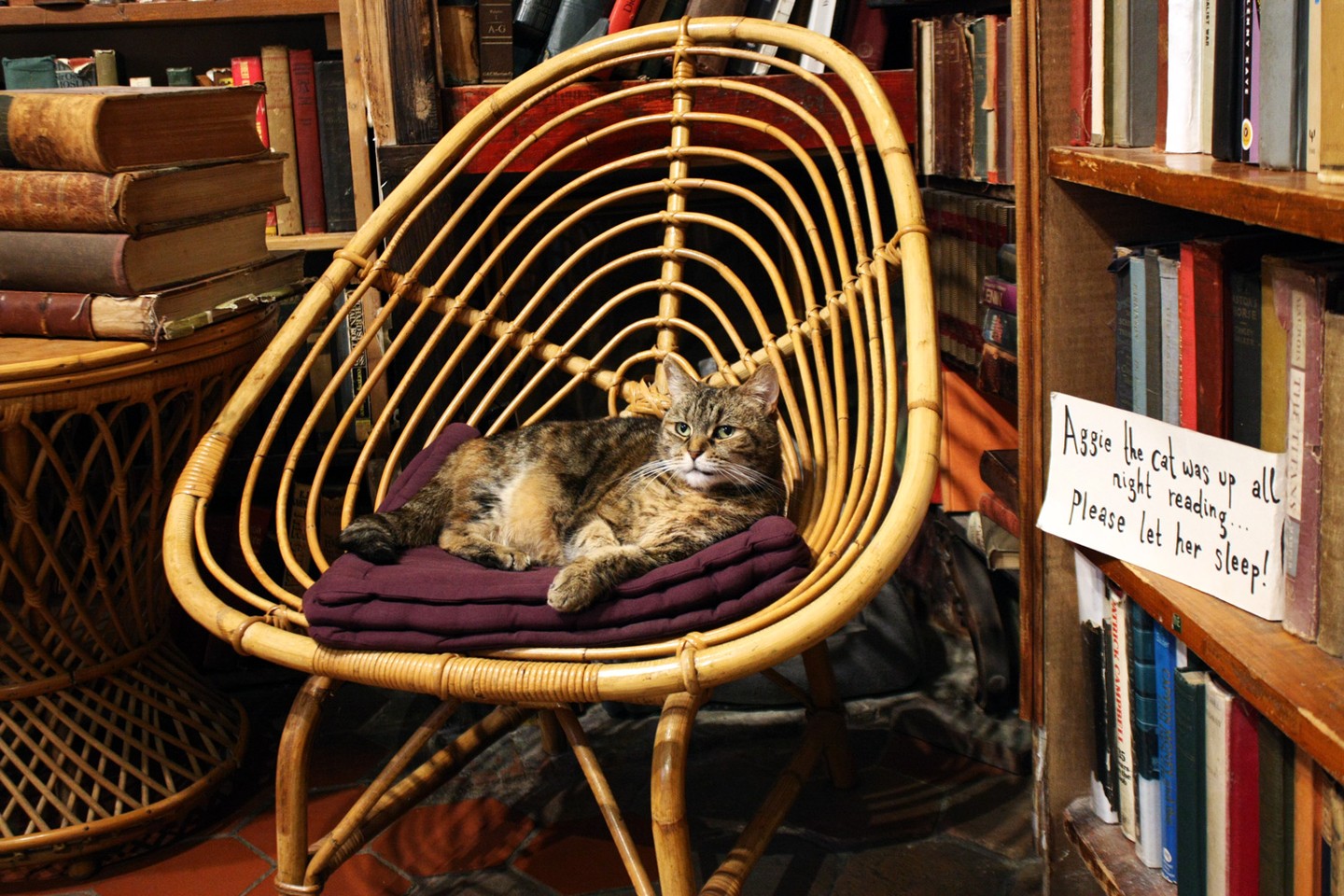
None of this makes bookselling easy. The SLF puts the sector’s average net margin at around 1 percent, among the lowest in retail. Olivier Pennaneac’h of the regional book agency for Provence-Alpes-Côte d’Azur told Adventure.com that it is “a profession driven by passion.” That passion shows in handwritten recommendations, author evenings and, often, a resident cat.
Rooms Full of Recommendations
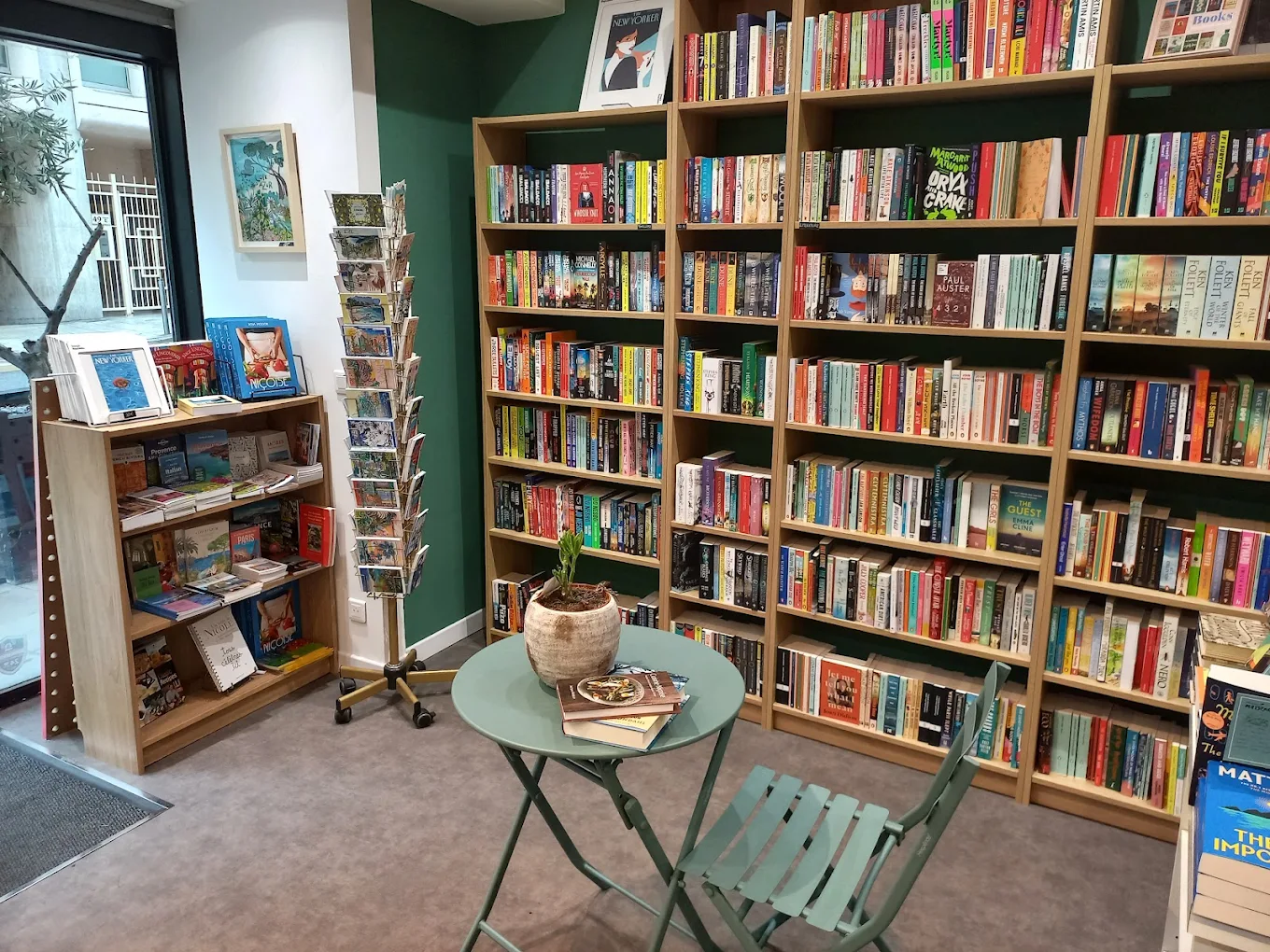
In Nice, the English-language shop Masséna around the World hosts signings and a monthly book club. Its co-managers get to know regulars through conversation. Aubeterre-sur-Dronne is a cliffside village of a few hundred people in the Charente, listed among Les Plus Beaux Villages de France, the official register of the country’s most beautiful villages. Its bookshop, La Lisière, runs bilingual author talks, exhibitions and environmental events.
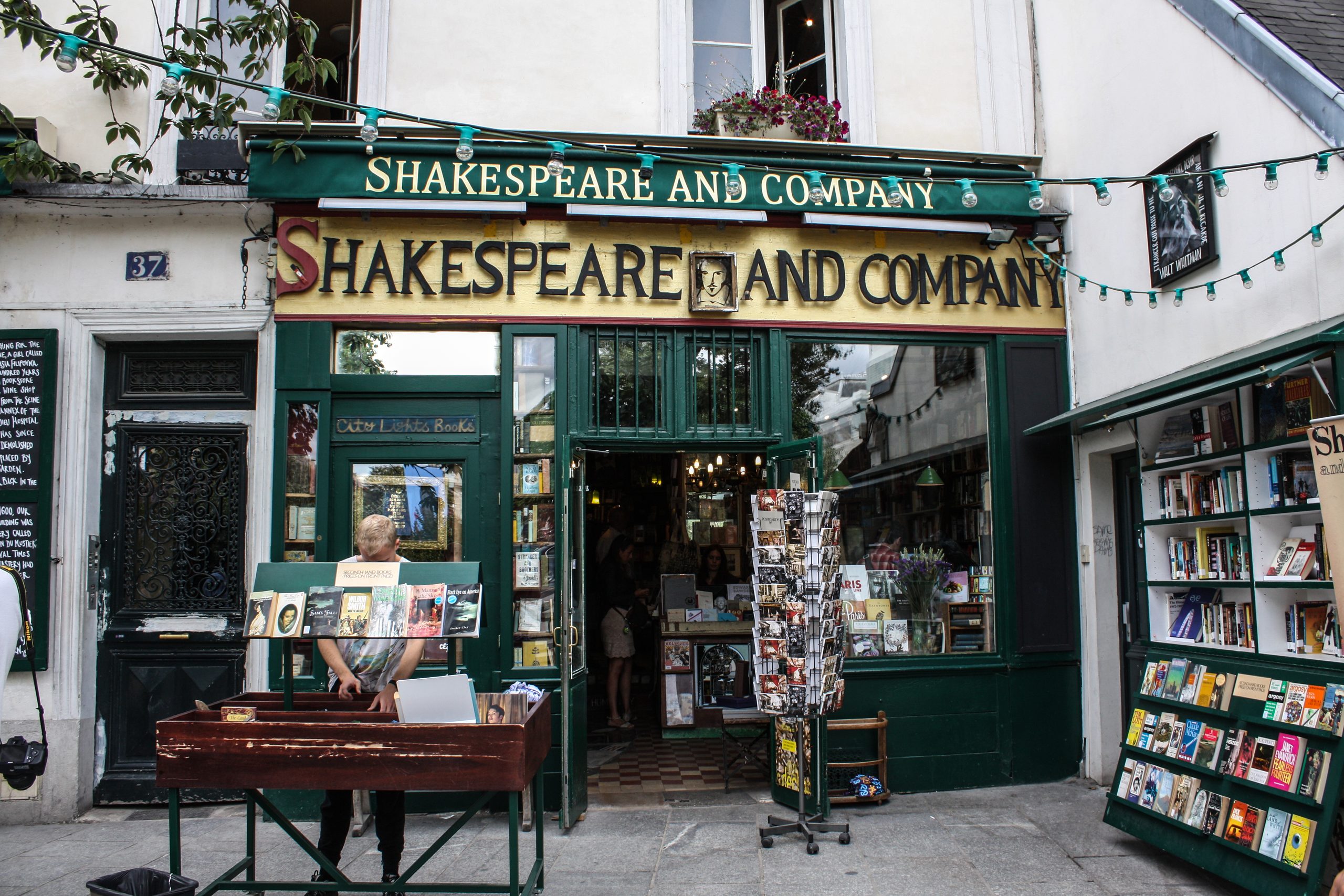
In Paris, Shakespeare and Company, whose history repays a careful reading. The American bookseller Sylvia Beach founded the original shop in 1919 and moved it in 1921 to 12 rue de l’Odéon. There, in 1922, she published James Joyce’s Ulysses, which no other publisher dared to print. The German occupation forced her to close in 1941.
The shop opposite Notre-Dame that draws queues today was founded in 1951 by another American, George Whitman. It first traded as Le Mistral, and in 1964 he renamed it in honor of Beach. Whitman liked to call himself the shop’s frère lampier, after the monk in medieval monasteries whose duty was to light the lamps at nightfall. Above the door of its library he painted a line: “Be not inhospitable to strangers lest they be angels in disguise.” He meant it. An estimated 30,000 young writers and artists, known as Tumbleweeds, have slept among the shelves. In exchange, each helped in the shop, read a book a day, and wrote a one-page autobiography.
The World Returns to the Shelves
Elsewhere, the bookshop is enjoying a revival. In the United States, independent bookstores fell to a low point in 2009. The American Booksellers Association now reports that 605 new independent bookstores opened in 2025, counting storefronts, pop-ups and mobile shops, while its membership grew 19 percent. Fast Company, drawing on ABA figures, reported a 70 percent rise in independent stores between 2020 and 2025.
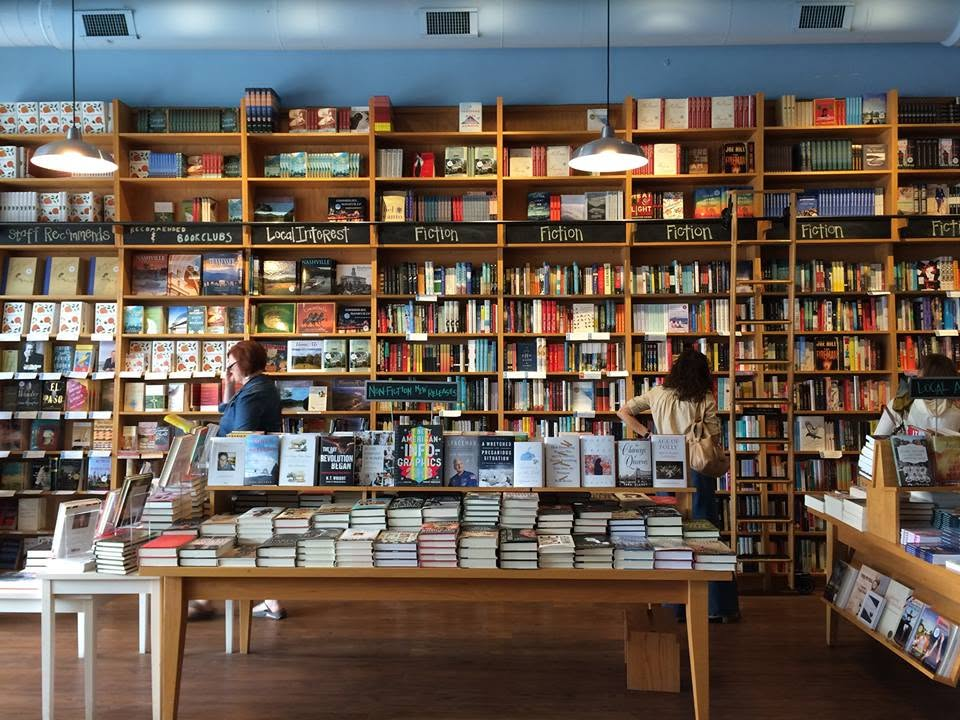
Harvard Business School professor Ryan Raffaelli, who studies the turnaround, calls it “a story about the power of community.” Print is holding steady as well. Circana BookScan counted 762.4 million print books sold in the US in 2025, a second consecutive year of modest growth.
French readers feel the pull of screens like everyone else. The CNL’s 2025 reading survey found that 63 percent of French people had read at least five books in the past year, down six points from 2023. Bookshops are part of the remedy, because a reader who wanders in without a plan often leaves with something unexpected.
Traveling by Bookshelf
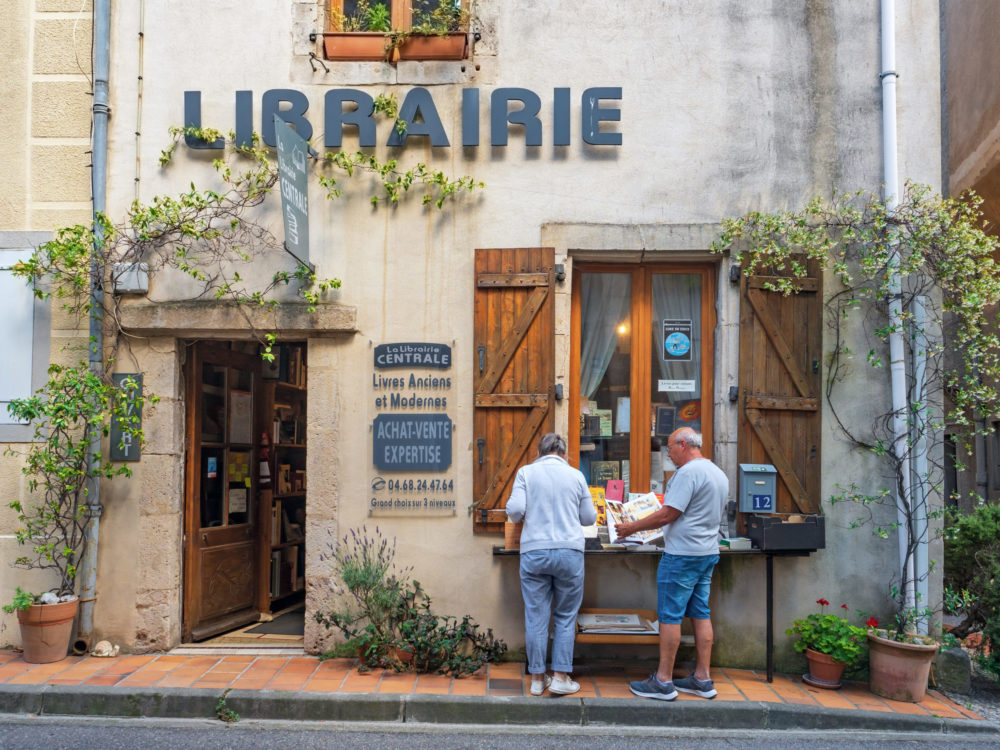
For the slow traveler, France is a country best read at walking pace. Montolieu is a hilltop village near Carcassonne, in the Aude, with roughly 800 residents. It has about 15 bookshops and welcomes some 50,000 visitors a year. Its transformation began around 1990. That was when Michel Braibant, a Carcassonne bookbinder inspired by Hay-on-Wye, founded a museum of book arts, and antiquarian booksellers moved into the village alongside it. Bécherel in Brittany, Fontenoy-la-Joûte in Lorraine and Cuisery in Burgundy later became villages du livre of their own.
Their inspiration still flourishes across the Channel. Hay-on-Wye, on the Welsh border, became the world’s first book town after Richard Booth began opening secondhand bookshops there in the early 1960s. Its festival now draws more than 100,000 visitors each spring. In Wigtown, Scotland’s National Book Town, The Open Book lets guests live above a secondhand shop and run it during their stay. Since 2014, more than 550 people have taken the keys, and the calendar is typically booked two years ahead.
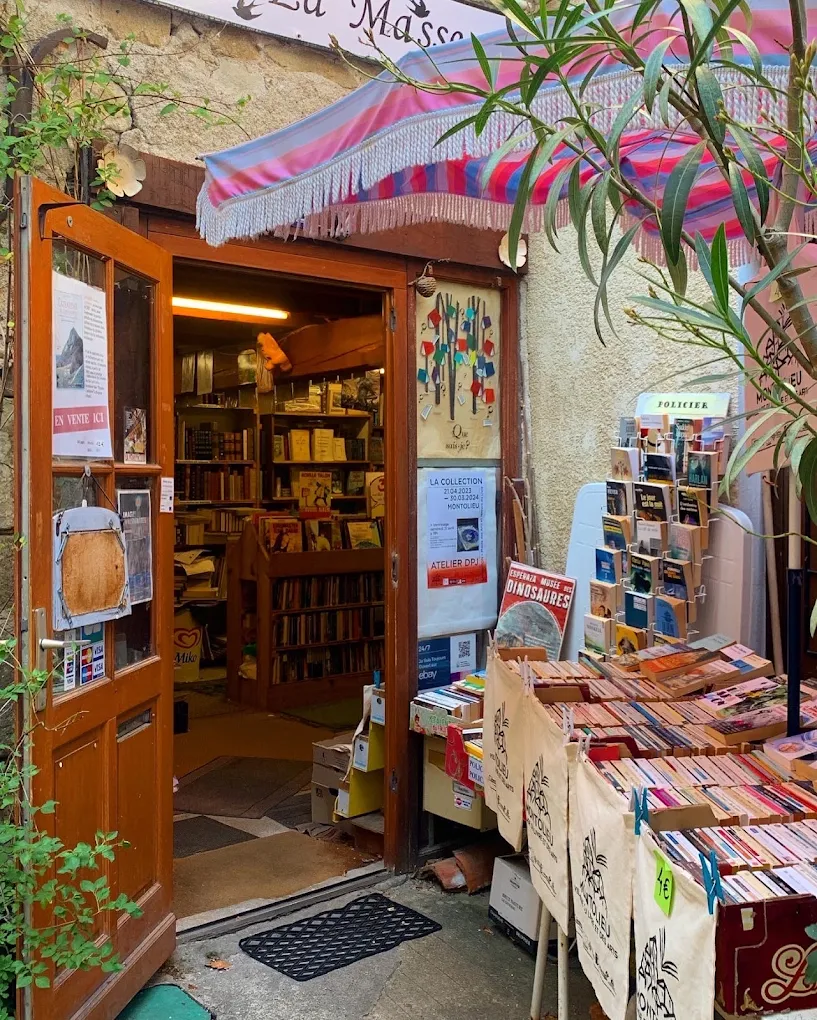
A journey planned around bookshops moves at a humane pace. It invites the traveler to linger and to talk with a bookseller in halting French. It might mean buying a book by a local poet in translation, or sitting in a garden with a coffee and a stranger’s recommendation. Along the way, it connects visitors with the people who keep a village’s cultural life alive.
A good bookshop gives every reader a small, portable citizenship in the place they are visiting. Pilgrims, old souls, and curious travelers who seek out these shops help keep the lamps lit.


Adam Ryan
Adam is a distinguished content writer, bookworm, and full-time adventurer with a constant craving for coffee. When he's not working, he loves exploring remote corners of the world, immersing himself in different cultures, and writing about his experiences.