
Seven haunted library stories with a name, a date and a witness: Marsh’s Library in Dublin, Felbrigg Hall, Combermere Abbey, the Boston Athenaeum, Bernardsville, Willard Library and State Library Victoria.
Most ghosts, in the stories, make a nuisance of themselves. They slam doors, move furniture and walk the corridors at the hour they died. Library ghosts are different. Almost every one on record is described doing what the living do in the same room: sitting in a favourite chair with a newspaper, taking a volume down from a shelf, turning pages at a table after the lights are out. The building seems to decide what kind of haunting it gets.
What follows are seven of those stories, from Dublin to Melbourne, chosen because each has a name, a date and a witness attached. Whether you believe them is your own affair. The librarians who tell them mostly do not, and tell them anyway.
1. Marsh’s Library, Dublin: The Archbishop Who Never Found the Note
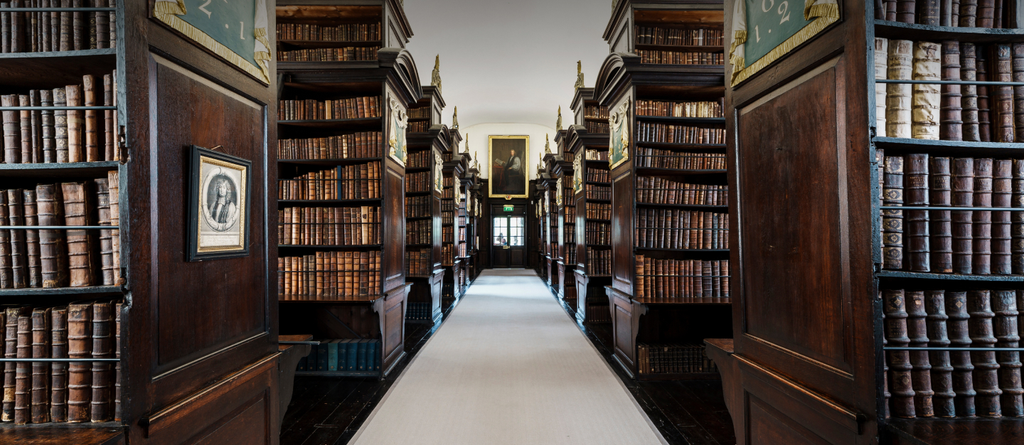
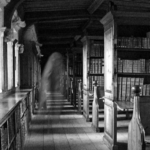
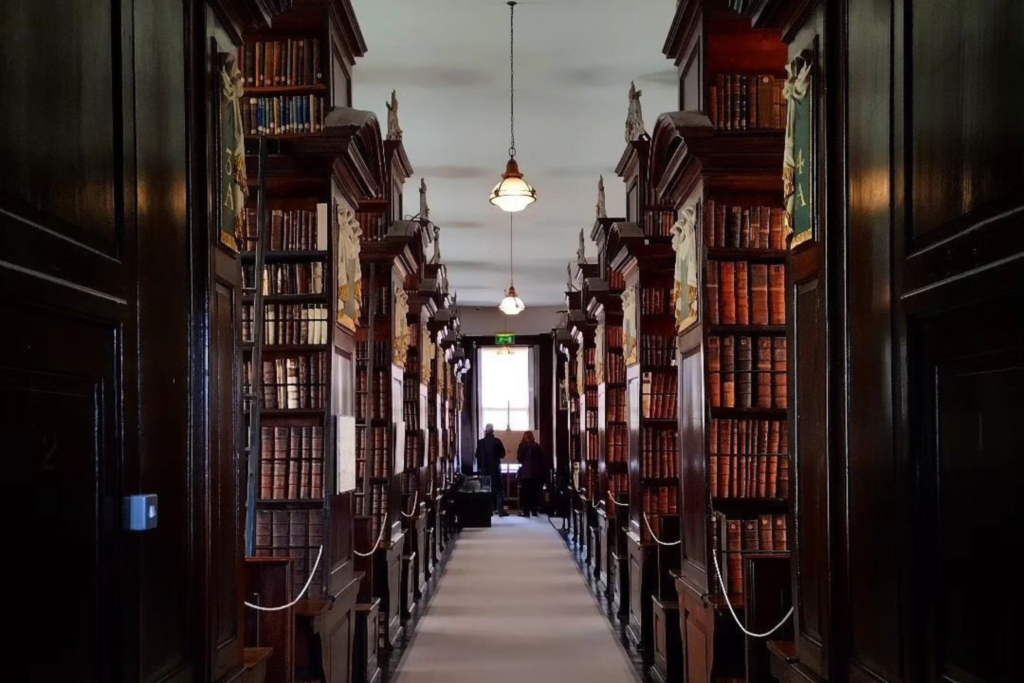
Marsh’s Library opened beside St Patrick’s Cathedral in 1707 and has scarcely changed since: dark oak cases, 25,000 books in the order its founder left them, and three wired cages at the far end where readers of rare volumes were once locked in so that nothing walked out with them. The founder was Narcissus Marsh, Archbishop of Dublin, a scholar who raised his orphaned niece Grace in his house. In 1695, at nineteen, she fell in love with a sea captain; the archbishop forbade it, and she eloped.
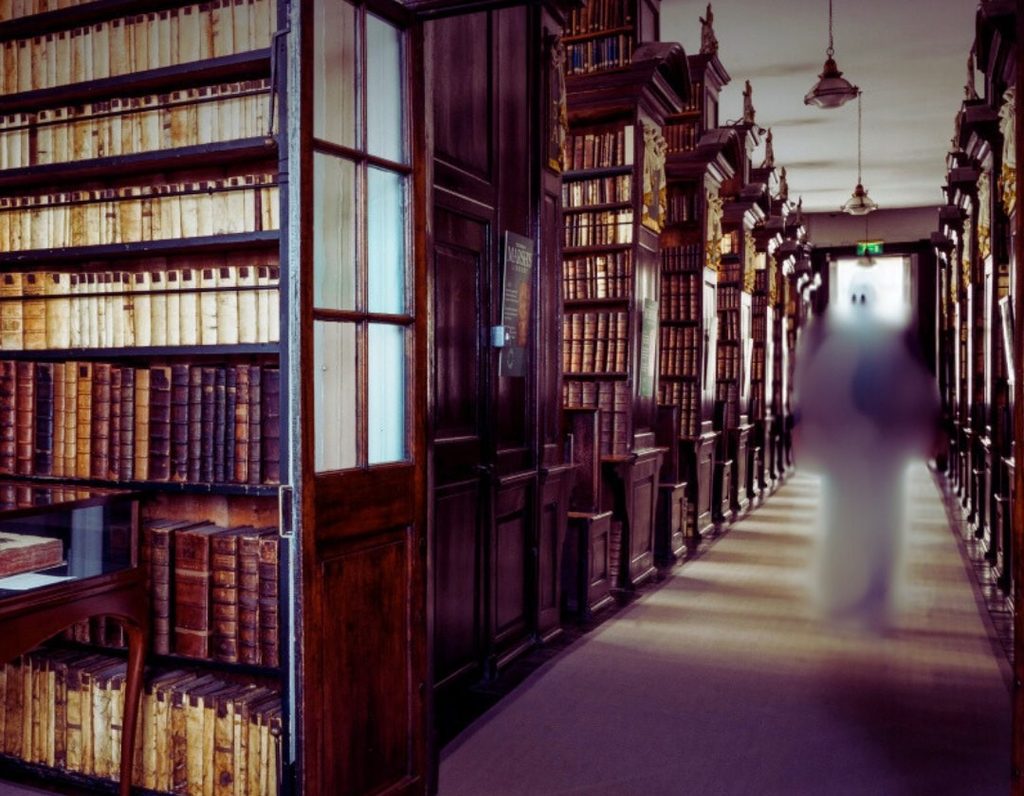
Before she left, she wrote him a note asking forgiveness and, so the story goes, slipped it between the pages of one of his books, where he would find it in his own time. He never did. Marsh died in 1713 and is buried a few steps from the library door, and the figure said to be seen at midnight, an old man in a wig pulling books from the upper shelves and shaking them out, is taken to be him, still searching. The library, which has never claimed to believe a word of it, runs Halloween events around Bram Stoker, who signed its visitors’ book as a student in 1866, and the staff will point out the shelves where the archbishop is supposed to look.
2. Felbrigg Hall, Norfolk: The Man Who Died for a Library and Came Back to Read in One
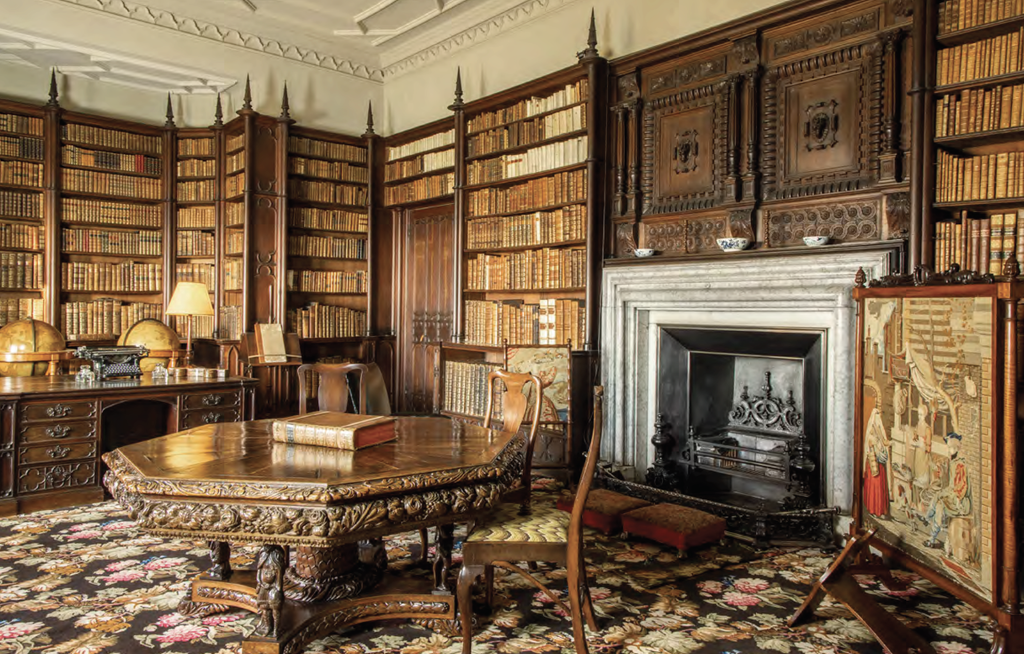
On 8 July 1809 a fire broke out in Conduit Street, London, near a house holding the valuable library of William Windham’s friend Frederick North. Windham, a former Secretary at War and one of the most admired speakers in Parliament, ran in to carry the books out, fell under the weight of an armful and injured his hip. A tumour grew on the injury; surgeons operated the following May, and he died on 4 June 1810, telling his doctor, “You fight the battle well, but it will not do”. His body went home to Felbrigg Hall, his family’s house near the Norfolk coast, where his father had built an early Gothic Revival library in the 1750s.
The National Trust, which has owned the house since 1969, tells the story on its own site: Windham is said to return to that library to read, and is seen in a chair with a book open on his knee, “leafing through pages”, as one account has it, “as though he’s still searching for a final chapter”. For years the house staff laid out his favourite books, Samuel Johnson’s among them, on the library table when the visitors had gone, in case he came.
3. Combermere Abbey, Cheshire: The Photograph Taken During the Funeral
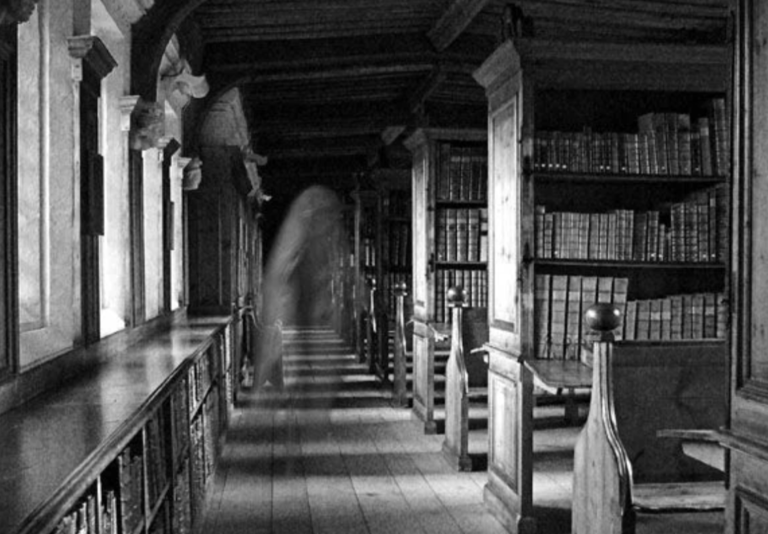
Wellington Stapleton-Cotton, the second Viscount Combermere, was knocked down by a horse-drawn carriage in London in the autumn of 1891 and died of a heart attack seven weeks later, on 1 December, aged seventy-three. On the afternoon of his funeral at Wrenbury church, four miles from Combermere Abbey, a house guest named Sybell Corbet set up her camera in the empty library, opened the shutter for about an hour, and left the room.
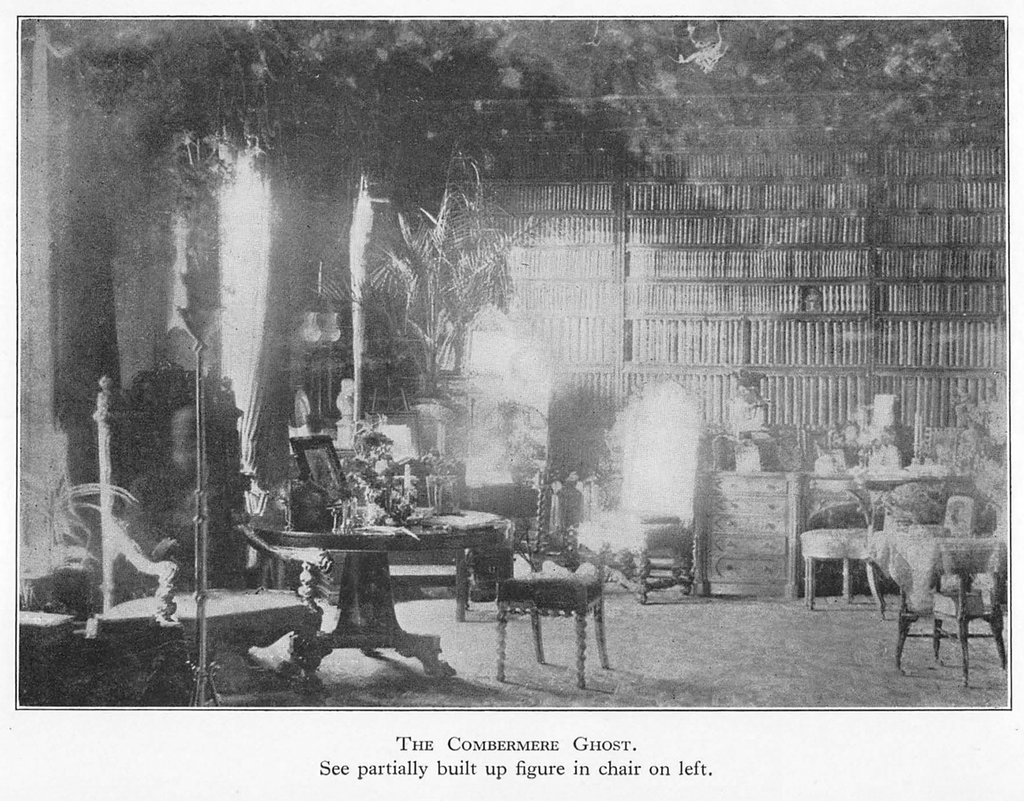
When the plate was developed, it showed the library as she had left it, with one addition: the faint, transparent figure of an elderly man in the high-backed chair to the left of the fireplace, which had been the viscount’s own. His head and one arm are clear. Below the waist there is almost nothing, and people who knew him pointed out that his legs had been crushed in the accident. The Society for Psychical Research investigated and its president, Sir William Barrett, published the case in 1895. The sceptical reading is that a servant slipped in and sat for a minute during the long exposure, and the household swore that every servant was at the graveside. Nobody has settled it in 135 years. The library is still there.
4. The Boston Athenaeum: The Ghost Nathaniel Hawthorne Saw Every Day for Weeks
The Boston Athenaeum is a private library founded in 1807, and in the spring of 1842 one of its members was Nathaniel Hawthorne, then thirty-seven, between books and in the habit of reading the newspapers in the reading room every afternoon. So was the Reverend Thaddeus Mason Harris, an elderly Unitarian minister who always took the same chair by the fire with the Boston Post. Harris died on 3 April 1842. Hawthorne read the obituary and went to the Athenaeum that afternoon, and there was Harris in his chair, with his paper. He was there the next day, and the next, for weeks. Hawthorne never saw him enter or leave; no one else in the room seemed to notice him; and Hawthorne, who felt that the old man was waiting to be spoken to, never spoke, because, as he put it later, it would have been a breach of the Athenaeum’s rule of silence, and in any case they had not been introduced.
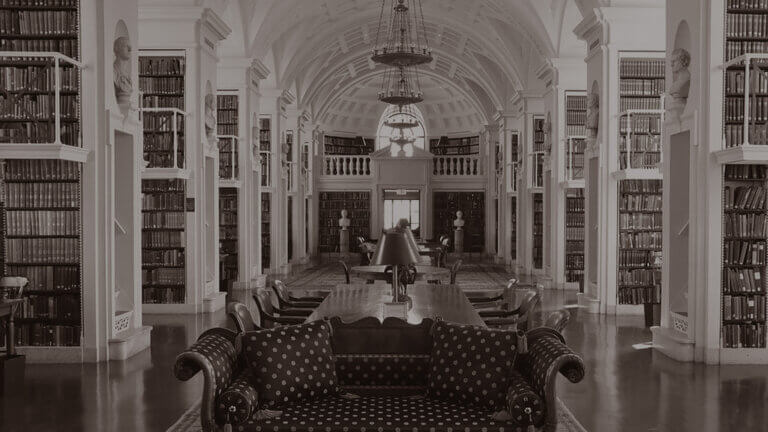
More than a decade later, in England, friends persuaded him to write it down, and the account was published after his death as “The Ghost of Doctor Harris”. It is the only haunting in this list recorded by one of the great novelists of the century, who was in the room, and who ends by admitting he cannot explain it. The Athenaeum moved to Beacon Street in 1849 and still lists the story among its curiosities.
5. Bernardsville Public Library, New Jersey: The Ghost with a Library Card
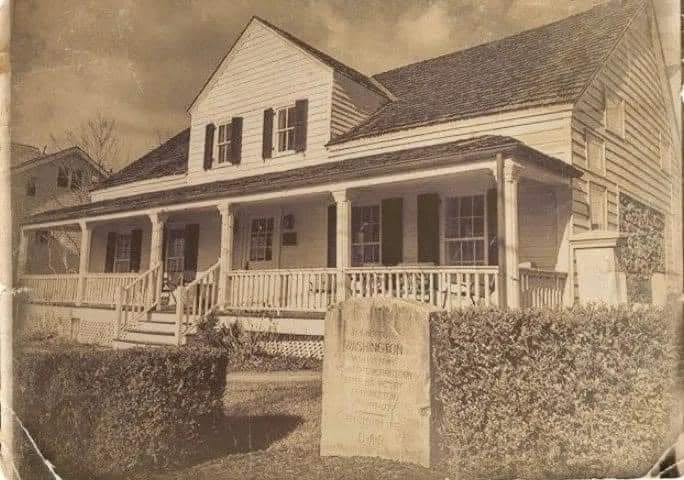
From the early 1900s until 1996, the public library of Bernardsville, a small town in the hills west of New York, occupied a building that had been the Vealtown Tavern during the American Revolution. In 1777, the innkeeper’s daughter, Phyllis Parker, married a lodger who called himself Dr Byram. He was a British spy, and when General Anthony Wayne’s papers went missing from the tavern Byram was arrested, tried and hanged. The body was returned to the inn in a coffin; Phyllis opened it; and the screams, according to the story the town has told since, never entirely stopped.
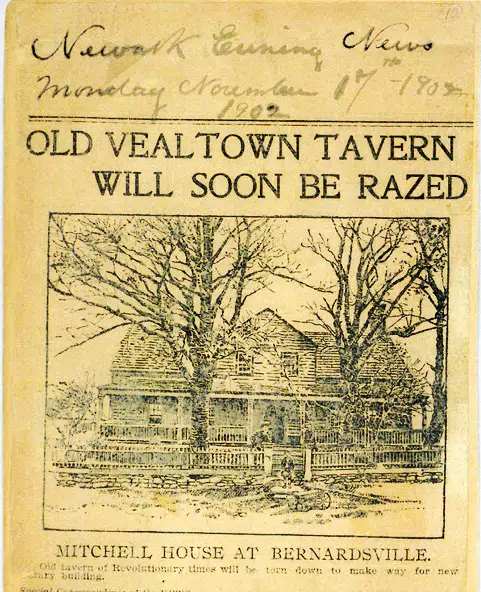
In 1974, during renovations, a night-time call reached the police from inside the locked library; the officers found nobody. Over the next fifteen years staff and readers reported a woman in a white gown on the stairs, and in 1989 a child described her exactly. In 1987 the librarians, having had enough, issued Phyllis Parker a library card, which the American Library Association’s magazine still cites as the most practical response any library has made to a ghost. The library has since moved to a new building. The card was never used.
6. Willard Library, Evansville, Indiana: The Grey Lady and Her Six Cameras
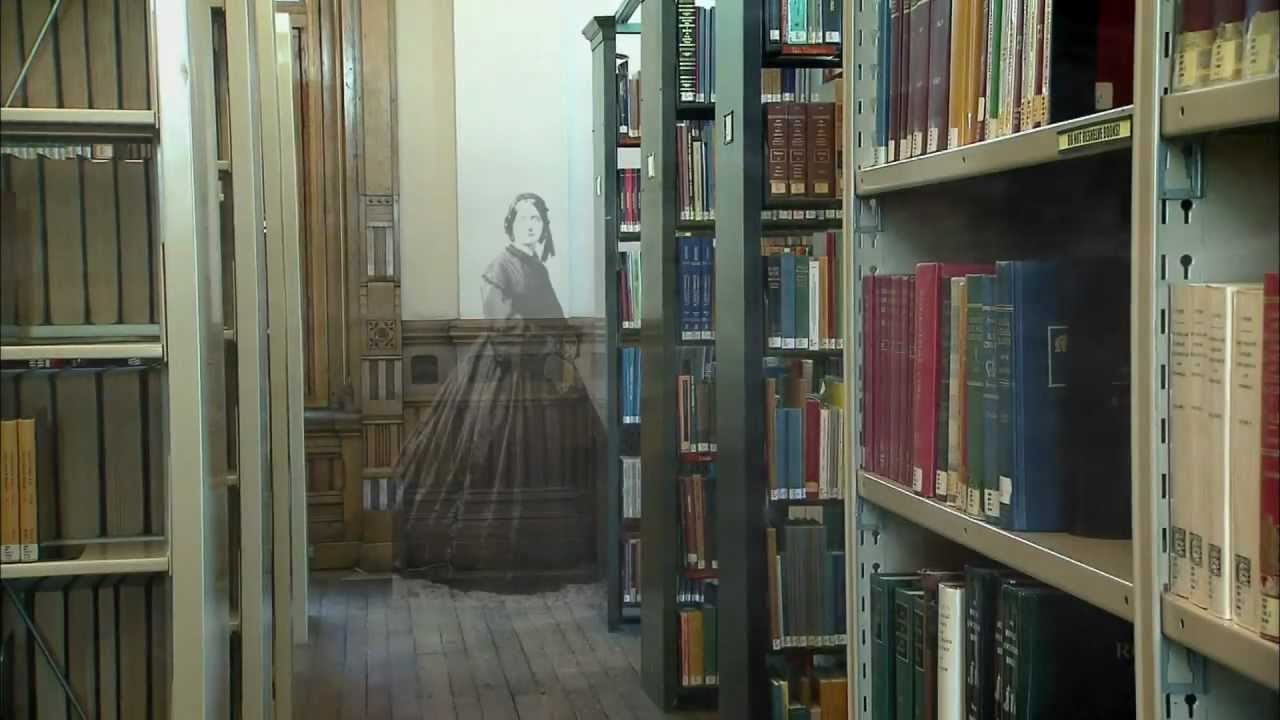
Willard Library, a turreted Victorian Gothic building that opened in 1885 and is the oldest public library building in Indiana, has the best-documented ghost in American librarianship because the library decided, in the early 2000s, to point cameras at her. The first report dates from 1937, when a custodian came in at 3am to light the furnace and met a woman in a long dress and grey shawl in the basement, who faded as he looked. He resigned. The Grey Lady has been reported in every decade since: by a children’s librarian, Margaret Maier, who said the ghost followed her home during renovations in the 1980s and stayed until the work was done; by a police officer answering a night alarm, who saw a woman and a man in an upstairs window of a building that turned out to be empty; by readers who smell perfume in the children’s room.
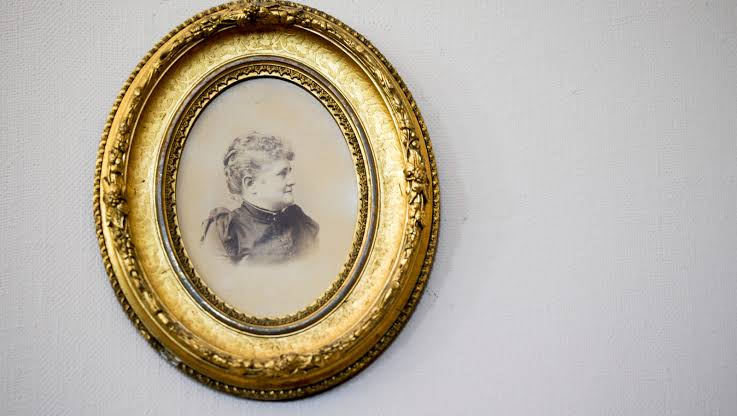
The leading theory is that she is Louise Carpenter, the founder’s daughter, whose portrait hangs on the first floor and who is said to have sued the library’s trustees in the 1890s over her father’s will. The library’s ghost cams, seven of them, trained on the children’s room, the research room, the basement hall and the stairway, are watched around the world, and the library runs Grey Lady tours each October. It records the last sighting as 10 August 2010, on the basement camera, and warns visitors that the only thing they are guaranteed to see is the resident hamster, Willie.
7. State Library Victoria, Melbourne: The Woman Near the Piano, by the People Who Work There
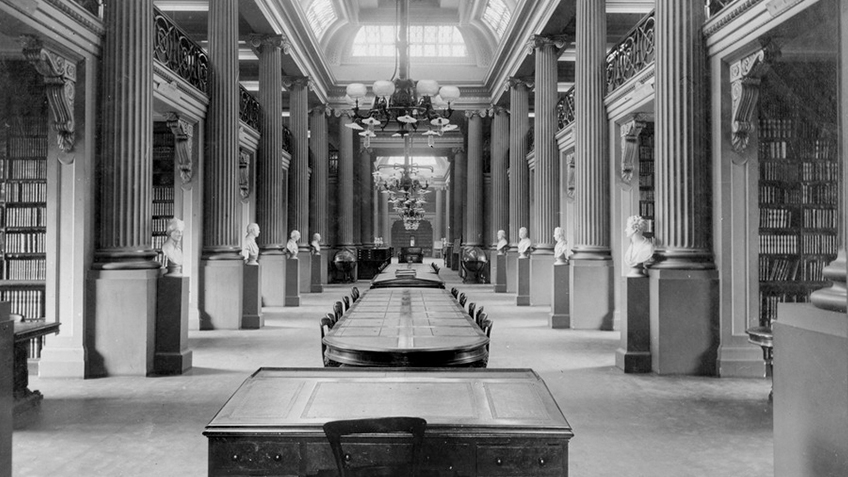
The State Library Victoria opened in 1856 and is now one of the most visited libraries in the world, with the great domed La Trobe Reading Room at its centre, and a few years ago its staff wrote down their own stories for the library’s blog. The most striking came from Hellena Lozanovski, a senior library technician, who relayed a security guard’s account from the mezzanine of what is now the Ian Potter Queen’s Hall, formerly the Arts Library, where an old piano stands.
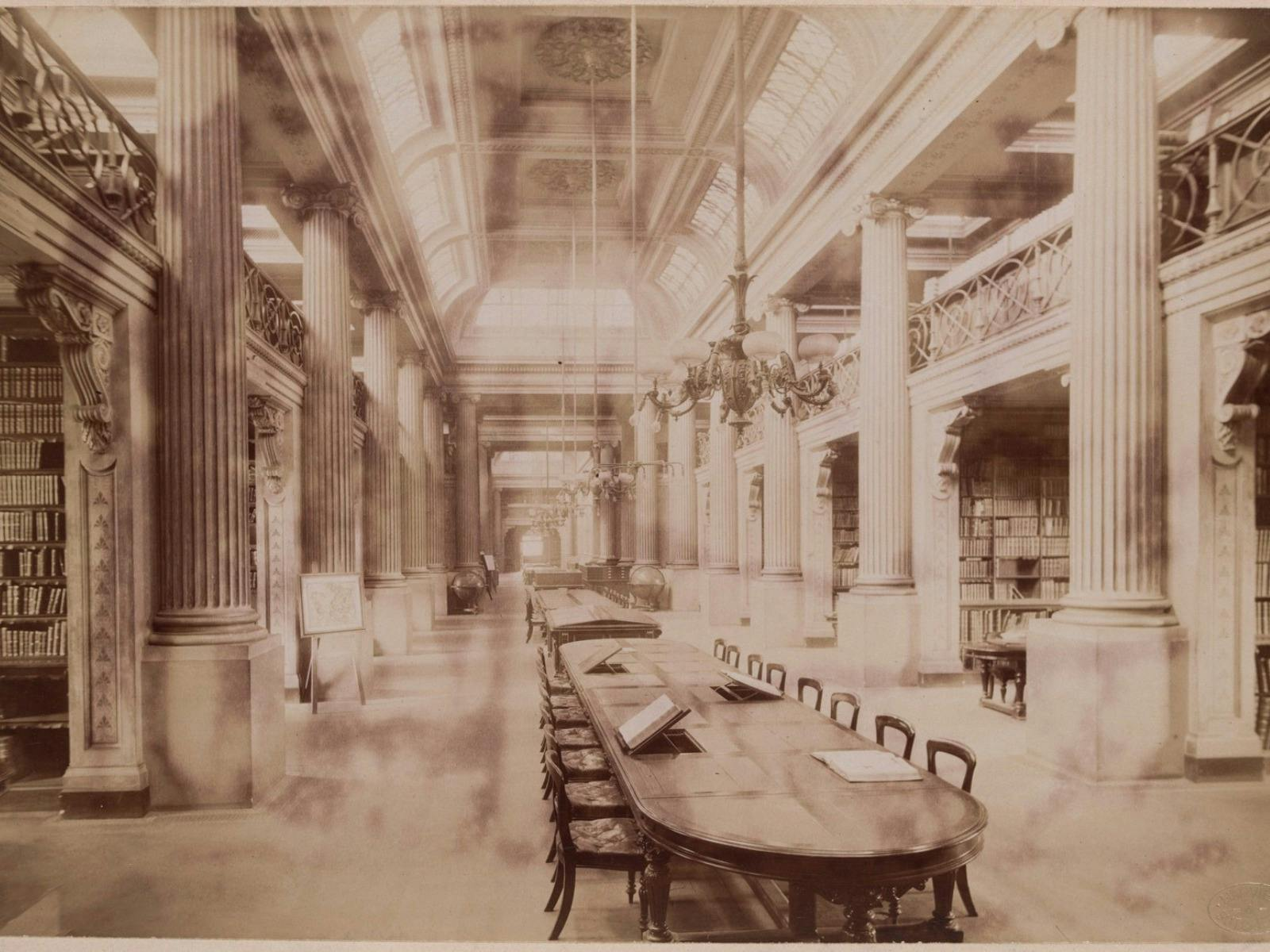
At about 2am, he saw a transparent woman in flowing clothes holding a young boy by the hand. He said he felt her sadness. Then “she walked off into the wall and disappeared”. Terri Rolfe, a library officer, recalled that former colleagues spoke of two ghosts in the same hall, a cold spot by the piano, cassette tapes that played with nobody in the room, books that fell and lights that went out. Someone in the 1990s saw a man in nineteenth-century clothes watching from a balcony. And Gerard Hayes, from acquisitions, supplied the one that librarians prefer: a bat that got into the dome years ago, died there and mummified, and which, when it was moved into the book stacks, kept setting off the motion alarms every time anyone bumped its shelf. The library’s tone throughout is affectionate and unconvinced, which is the right tone for a building that has had readers in it, alive or otherwise, for a hundred and seventy years.

Vincent Phan
Vincent is the founder and Editor-in-Chief of 1000 Libraries Magazine. He is a Paris-born ex-corporate turned bookseller and philosopher, on a global mission to spread the joy of physical books in our age of digital technology.