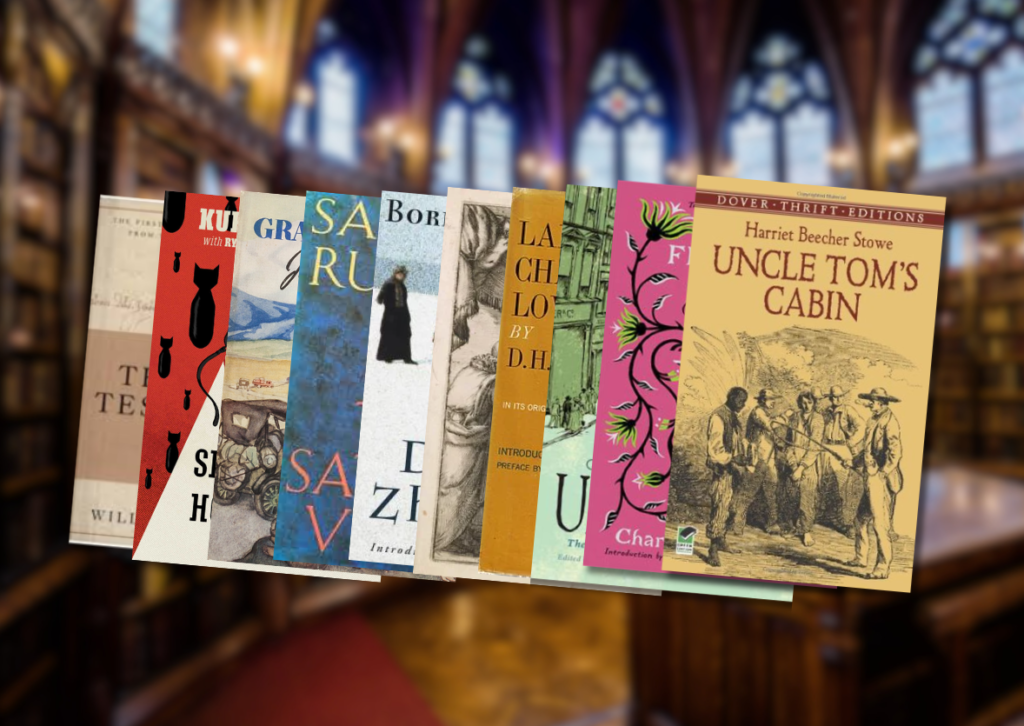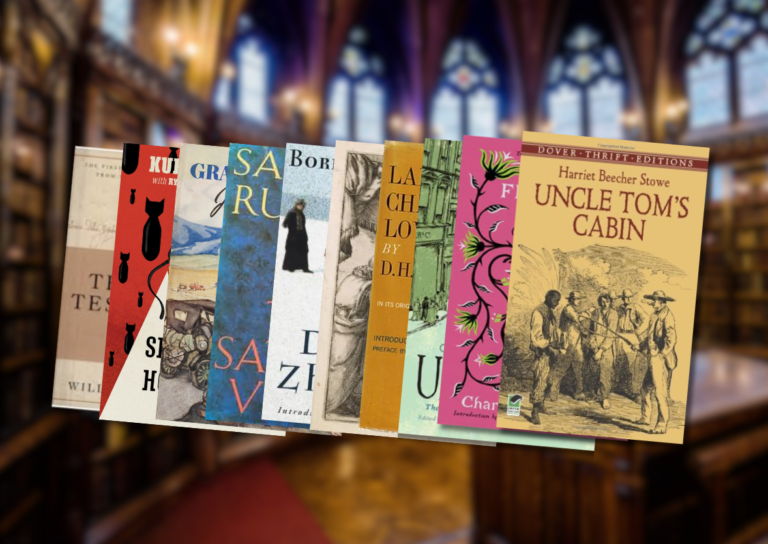
Ten books that were once considered too dangerous to read, from Tyndale’s English Bible and Galileo to Ulysses, Doctor Zhivago and The Satanic Verses, and what happened to the people who printed, owned or translated them.
Every book on this list is easy to find today. Most are set texts; one of them is the English Bible. Yet each, at the moment it appeared, was treated as a danger to the church, the state or the public, and the people who printed, sold or merely owned a copy paid for it, sometimes with a fine, sometimes with years in prison, and in one case with their life.
The danger has drained out of the books, which is what makes the stories worth telling. A banned book is a record of what a society was afraid of, and the fear tells you as much as the pages do. Here are ten, in the order the fear arrived.
1. The English New Testament (1526): The Bishop Who Bought the Whole Print Run to Burn It
William Tyndale wanted an English Bible so plain that a boy driving the plough would know more scripture than a priest. In 1526, when translating scripture into English was a crime, he printed his New Testament in Worms and had it smuggled into England in bales of cloth. The Bishop of London, Cuthbert Tunstall, preached against it at St Paul’s Cross and had copies burned on the spot. The chronicler Edward Hall tells what happened next: the bishop sent a merchant, Augustine Packington, to Antwerp to buy up every copy, and Packington, secretly Tyndale’s friend, carried the bishop’s money straight to Tyndale, who used it to print a corrected edition.
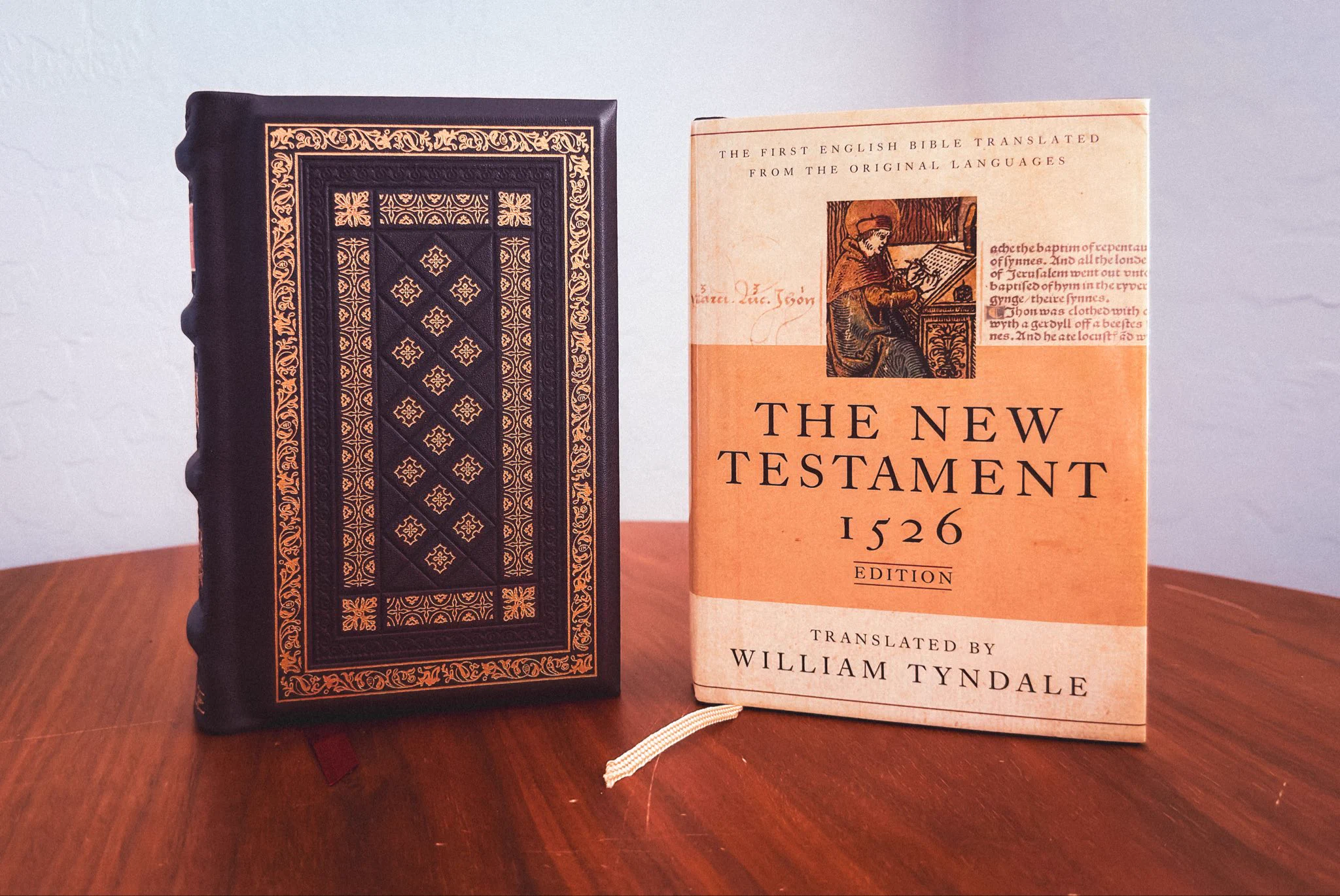
Tyndale was betrayed in Antwerp in 1535, and on 6 October 1536, outside Brussels, he was strangled at the stake and his body burned. Three copies of that 1526 Testament survive, one of them in the British Library. Seventy-five years after his death, King James’s translators leaned on his work so heavily that a 1998 study found about 83 per cent of their New Testament to be Tyndale’s wording. The book that was burned is the one English speakers have been quoting ever since.
2. Copernicus and Galileo (1543 and 1632): Two Centuries on the Forbidden List
Copernicus waited until he was dying to publish On the Revolutions of the Heavenly Spheres, the book that moved the Earth from the centre of the universe to an orbit around the Sun; the story is that a printed copy reached him on his deathbed in 1543. The Church let it alone for seventy years. In 1616, it was placed on the Index of Forbidden Books “until corrected,” and Galileo was warned not to teach the idea.
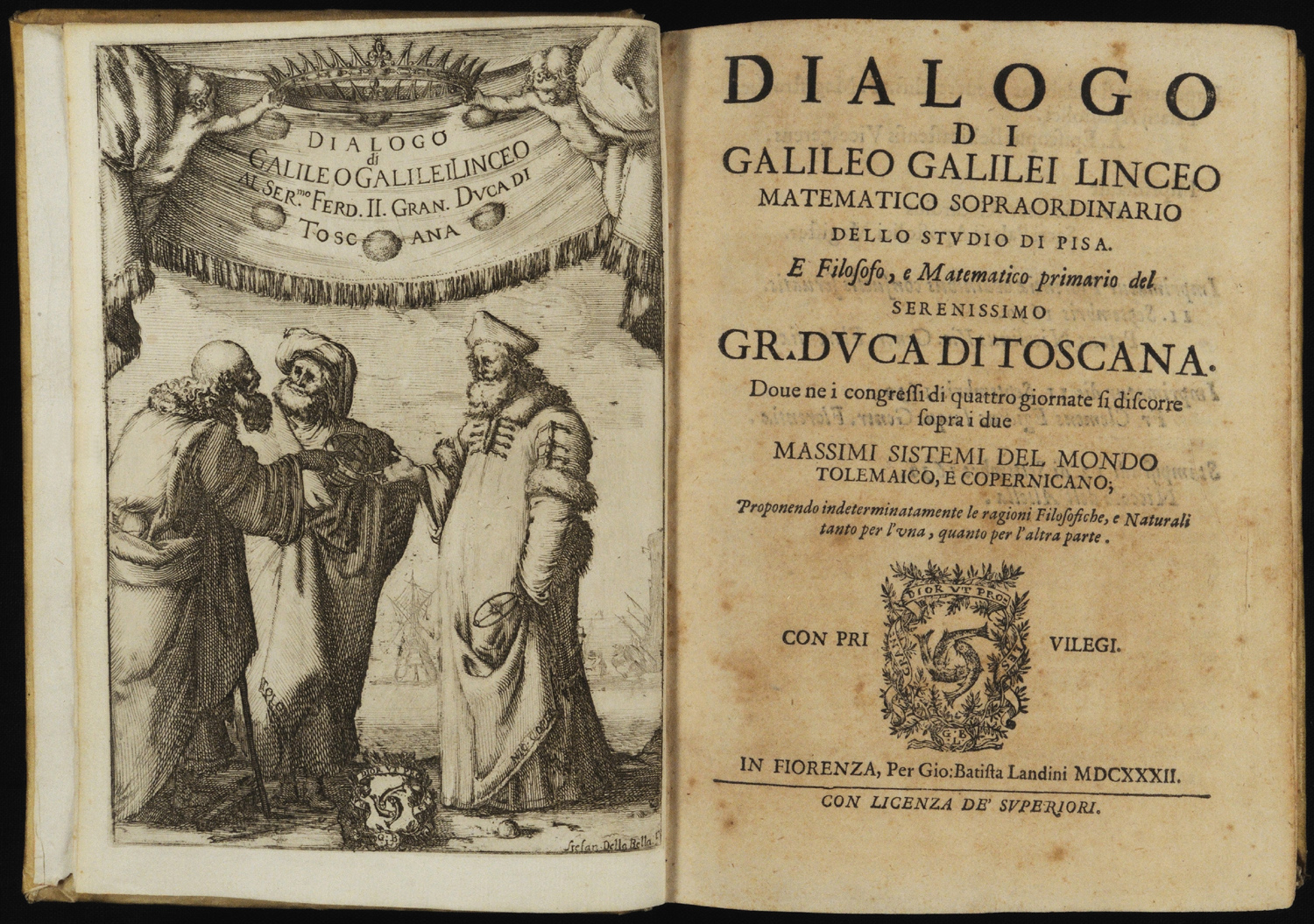
In 1632, he published his Dialogue Concerning the Two Chief World Systems anyway, with the Pope’s own arguments given to a character called Simplicio. He was tried by the Inquisition in Rome in 1633, threatened with torture, made to kneel and recant, and kept under house arrest outside Florence until he died in 1642. Both books stayed on the Index until 1835. The Museo Galileo in Florence keeps his telescopes and, in a glass case, the middle finger of his right hand, removed when his body was reburied in 1737. Visitors notice which finger it is.
3. Uncle Tom’s Cabin (1852): Ten Years in Prison for Owning a Copy
Harriet Beecher Stowe’s novel sold 300,000 copies in America in its first year and became the best-selling novel of the nineteenth century. In the slave states, it was contraband. On 4 April 1857, the sheriff of Dorchester County, Maryland, searched the home of Samuel Green, a free Black farmer and preacher whose son had escaped to Canada with Harriet Tubman’s help. He found a letter from the son, a map of Canada, railway timetables, and Uncle Tom’s Cabin.
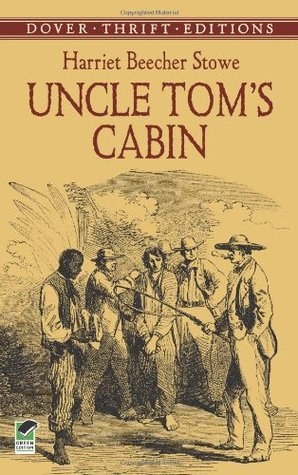
Under a Maryland law against any “abolition pamphlet” likely to “create discontent amongst the colored population,” Green was convicted for the book and sentenced to ten years in the state penitentiary. He served five years, until the governor pardoned him in 1862 on condition he left the state. He went on to help found the college that became Morgan State University.
4. Madame Bovary and Les Fleurs du mal (1857): One Prosecutor, Two Trials, One Year
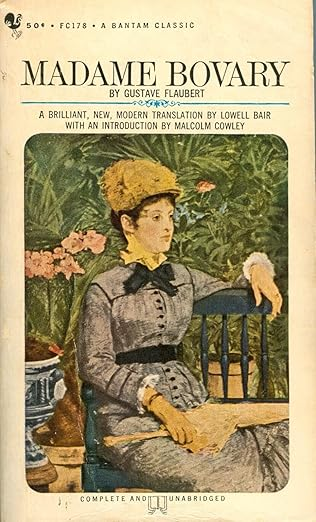
In 1857, the imperial prosecutor in Paris, Ernest Pinard, took two writers to court for offending public morals within six months of each other. In January it was Gustave Flaubert, for Madame Bovary, the story of a provincial doctor’s wife who reads too many novels and takes lovers; Pinard objected that the book punished nobody. Flaubert was acquitted, and the trial sold the novel. In August it was Charles Baudelaire, for Les Fleurs du mal, his only collection of poems, and this time Pinard won.
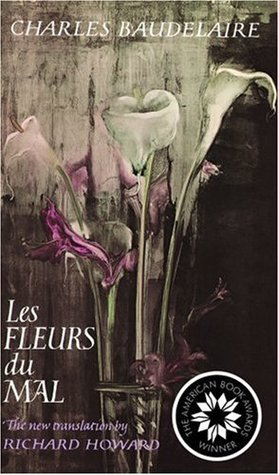
Baudelaire was fined 300 francs, later reduced to 50, and six poems were ordered cut from the book. They stayed banned in France for ninety-two years, until the highest court lifted the judgment in 1949, by which time the collection was taught in every lycée. The 1857 first edition, with the six condemned poems still in it, can be read page by page on the Bibliothèque nationale de France’s Gallica site.
5. Ulysses (1922): Burned by the Post Office, Cleared by a Judge Who Read Every Page
James Joyce’s novel of one day in Dublin was banned before it was finished. In 1920, the US Post Office seized and burned issues of the magazine serialising it, and in 1921 the magazine’s two editors were convicted of obscenity in New York. Sylvia Beach published the complete book in Paris in 1922, and for eleven years copies crossed borders in travellers’ luggage; British customs burned what it found.
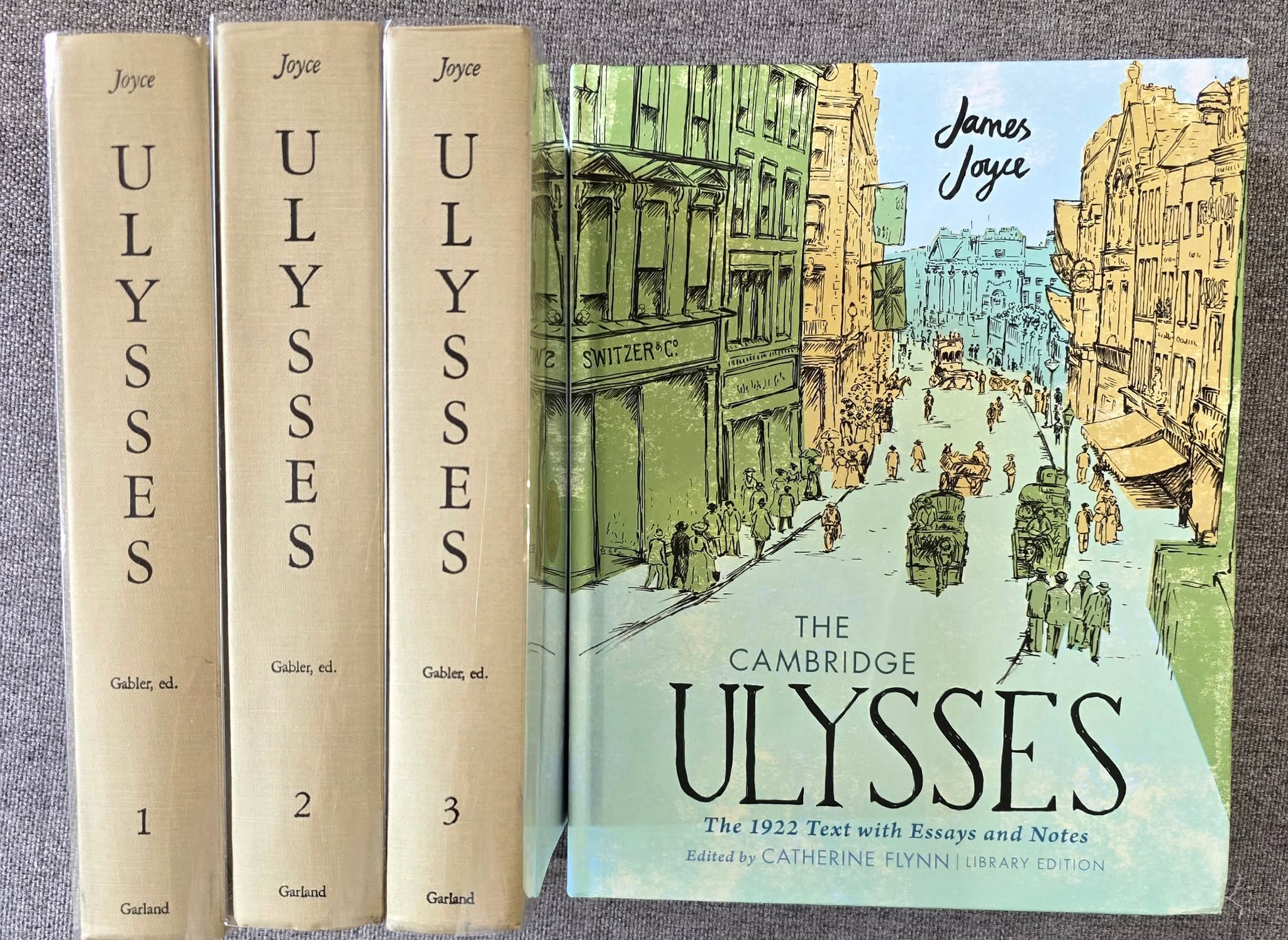
In 1933, Random House deliberately had a copy seized so the matter could go to court, and Judge John M. Woolsey in New York read the whole book, and the contested passages several times, before ruling that it was “a sincere and serious attempt to devise a new literary method” and nowhere “dirt for dirt’s sake.” His decision of 6 December 1933 is printed at the front of American editions to this day. Britain allowed the book in 1936, Australia banned it twice, until 1953, and Ireland never banned it at all, there being no need: no bookseller would stock it.
6. Lady Chatterley’s Lover (1928): Would You Let Your Servants Read It?
D.H. Lawrence printed his last novel privately in Florence in 1928 because no British or American publisher would touch a book about a baronet’s wife and her gamekeeper with those words in it. In 1960, Penguin Books printed 200,000 copies of the full text at three shillings and sixpence and invited prosecution under Britain’s new Obscene Publications Act. The Old Bailey trial ran six days; the prosecutor, Mervyn Griffith-Jones, asked the jury whether it was a book “you would wish your wife or your servants to read,” a question that dated him on the spot.
Thirty-five witnesses, including E.M. Forster and the Bishop of Woolwich, spoke for the book, and on 2 November 1960 the jury took three hours to acquit. Penguin sold the print run in a day and about three million copies within a year. Japan had convicted the translator and publisher in 1952; Australia kept the book out until 1965. The judge’s own copy, annotated by his wife and carried into court in a damask bag she sewed, was bought for the University of Bristol in 2019 after the government blocked its export.
7. The Grapes of Wrath (1939): Banned in the County Where It Was Set
John Steinbeck’s novel follows the Joad family from the Oklahoma Dust Bowl to the orchards of California, where the growers treat them as disposable. The growers read it. In August 1939, four months after publication, the Board of Supervisors of Kern County, where the book ends, voted to ban it from the county’s libraries and schools, under pressure from the Associated Farmers of California, whose local chairman called it “obscene in the extreme sense of the word.”
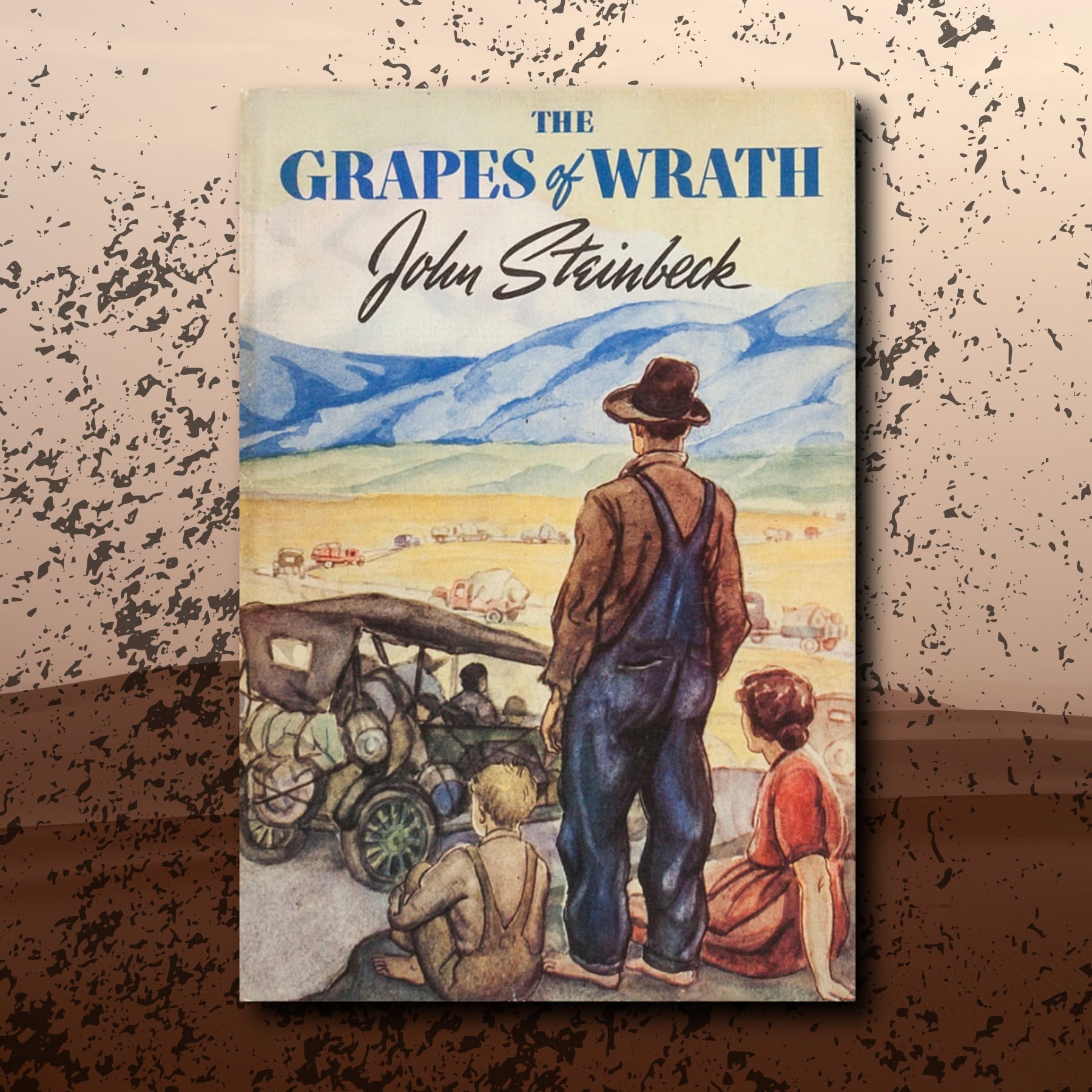
The Associated Farmers staged a photograph of a farm worker, Clell Pruett, dropping a copy into a fire while his employer watched, and it remains the image Americans reach for when they talk about burning books. The county librarian, Gretchen Knief, wrote to the board that “ideas don’t die because a book is forbidden reading.” The ban lasted until 1941. Steinbeck won the Pulitzer Prize in 1940, the Nobel in 1962, and the Kern County Library lends the novel from every branch.
8. Doctor Zhivago (1957): Handed Out by the CIA at a Vatican Pavilion
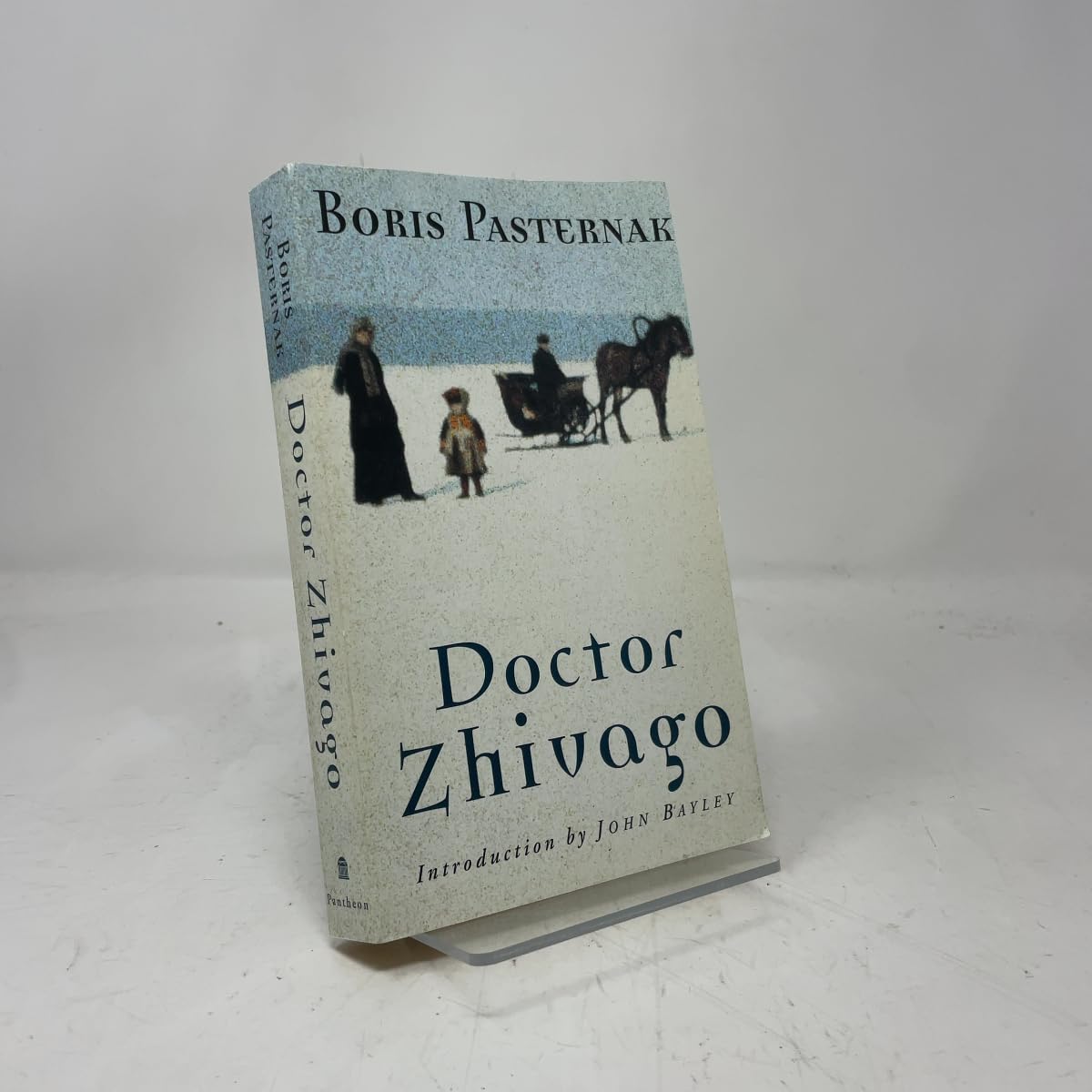
Boris Pasternak’s novel of a doctor and poet caught in the Russian Revolution was refused by Soviet publishers in 1956 as hostile to the revolution. Pasternak passed the manuscript to an Italian, and Feltrinelli published it in Milan in November 1957. Then the CIA got involved. Declassified CIA documents released in 2014 show the agency printing a Russian-language edition in the Netherlands in 1958 and arranging for copies to be handed to Soviet visitors at the Brussels World’s Fair, through the Vatican pavilion, so that Soviet citizens, as an April 1958 memo put it, would “wonder what is wrong with their government” when their greatest living writer could not be read at home. Pasternak was awarded the Nobel Prize that October and forced by the Soviet authorities to refuse it; he died in 1960. The novel was published in the Soviet Union in 1988, and his son collected the medal in Stockholm the following year.
9. Slaughterhouse-Five (1969): Thirty-Two Paperbacks in a School Furnace
Kurt Vonnegut survived the firebombing of Dresden as a prisoner of war in 1945 and took twenty-four years to write about it, in a novel whose hero comes “unstuck in time” and is kidnapped by aliens. On 10 November 1973, the school board of Drake, North Dakota, a town of a few hundred people, answered a parent’s complaint about its language by collecting all thirty-two copies assigned to an English class and burning them in the furnace under the gym, with James Dickey’s Deliverance and a short-story anthology. Vonnegut wrote to the board chairman on 16 November.
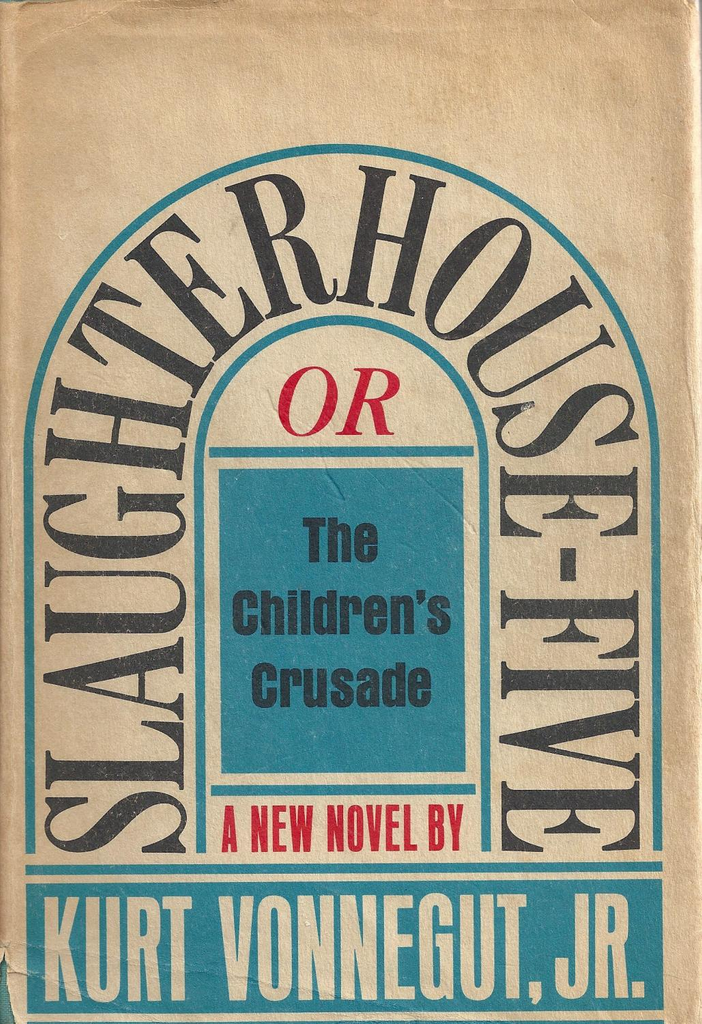
“If you were to bother to read my books,” he said, “you would learn that they are not sexy, and do not argue in favor of monstrousness of any kind. They beg that people be kinder and more responsible than they often are.” The letter, which Vonnegut reprinted in his collection Palm Sunday and which the Kurt Vonnegut Museum and Library in Indianapolis hands out during Banned Books Week, has been read by far more people than were in Drake.
10. The Satanic Verses (1988): The Book Whose Danger Has Not Yet Ended
Salman Rushdie’s fourth novel, about two Indian actors who fall from an exploding aeroplane over the English Channel and survive, contains a dream sequence on the origins of Islam that many Muslims found blasphemous. It was banned in India within weeks and burned in the street in Bradford, England, in January 1989. On 14 February 1989, Iran’s Ayatollah Khomeini issued a fatwa calling for the deaths of the author and “all those involved in its publication.” Rushdie spent nine years under armed guard; bookshops in London and Berkeley were firebombed.
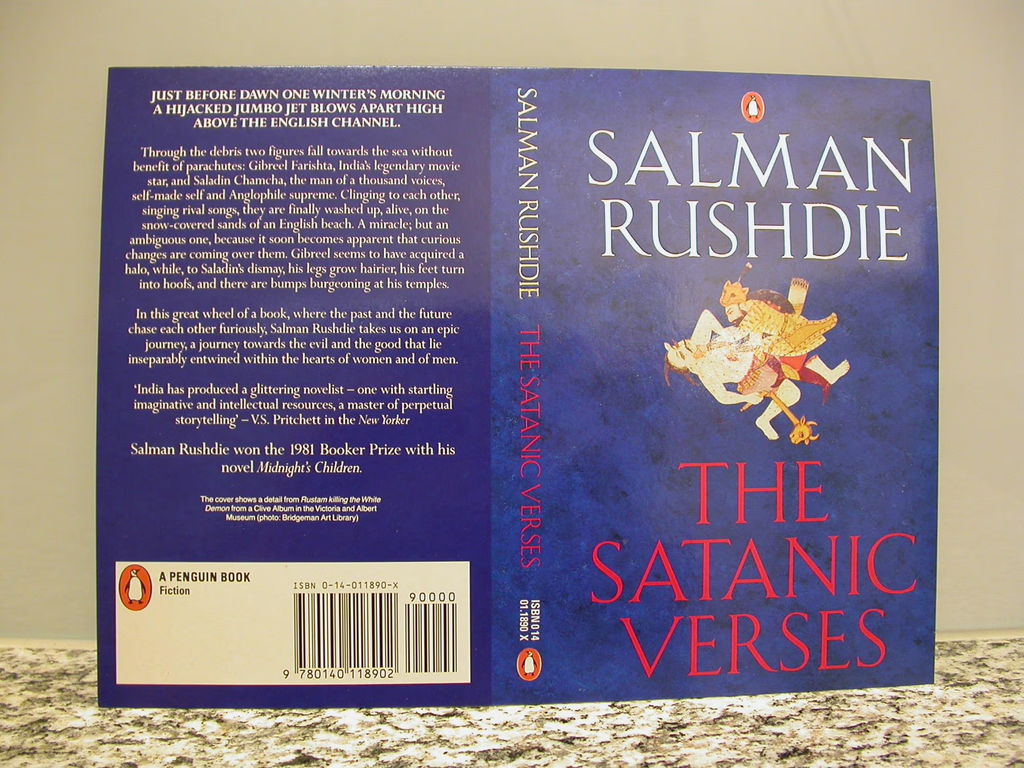
Its Italian translator was stabbed in Milan in July 1991; its Japanese translator, Hitoshi Igarashi, was found dead at his university days later, his killer never caught; its Norwegian publisher was shot outside his home in 1993. On 12 August 2022, thirty-three years after the fatwa, a man climbed onto a stage in Chautauqua, New York, and stabbed Rushdie about a dozen times before he had said a word. He lost an eye and wrote a book about it. His attacker, born nine years after the fatwa, said he had read a couple of pages of the novel; he was sentenced to 25 years in May 2025. The Satanic Verses can be bought in any bookshop in the countries where its translators were attacked. Of all the fears on this list, it is the only one still fully alive.

Vincent Minatozaki
Vincent is the founder and Editor-in-Chief of 1000 Libraries Magazine. He is a Paris-born ex-corporate turned bookseller and philosopher, on a global mission to spread the joy of physical books in our age of digital technology.