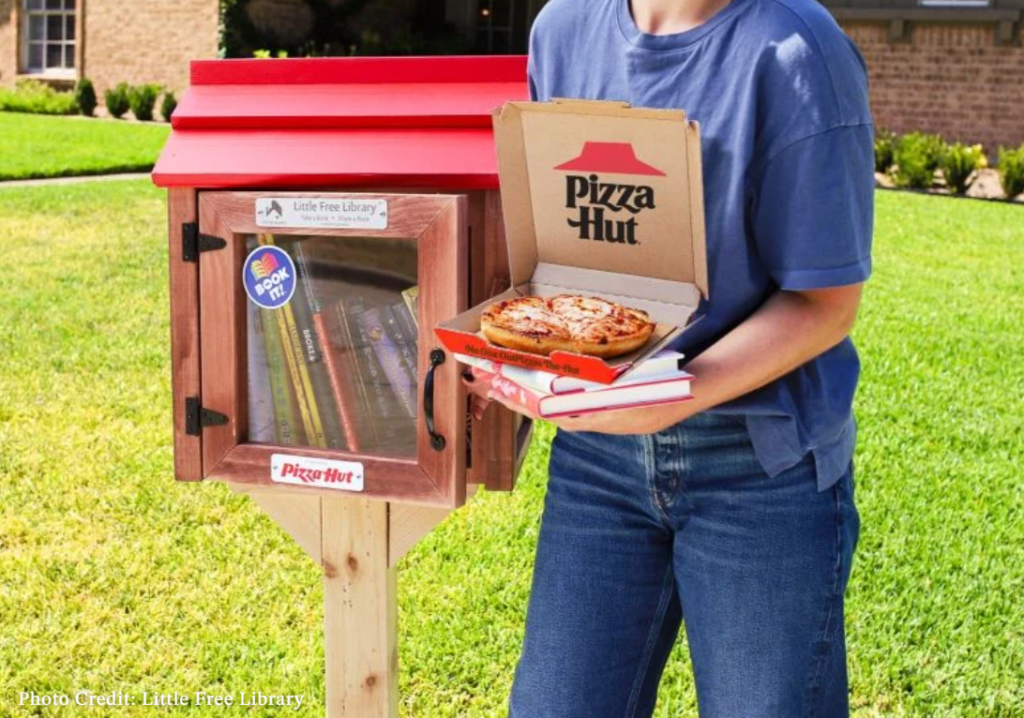
This October, two beloved institutions of American childhood reading meet on a small wooden post in the front yard.
Many of us can still picture it. The shingled roof sloped down in two tiers. The trapezoid windows glowed amber at dusk. A red plastic cup sweated on a checkered tablecloth while a paperback rested face-down beside the plate. For a generation of young readers, the Pizza Hut dining room was where a month of reading turned into a small, steaming reward.
Now, that memory is being recreated in miniature. On September 29, 2026, Pizza Hut announced a partnership with the nonprofit Little Free Library to launch Little Hut Libraries. These neighborhood book-sharing boxes are built to resemble tiny red-roof restaurants. The timing is a happy coincidence: October is both National Book Month and National Pizza Month.
What Is a Little Hut Library?
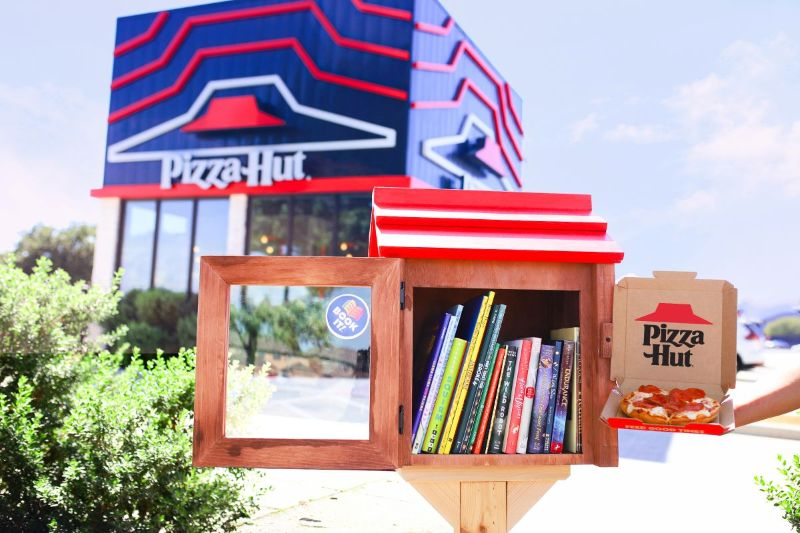
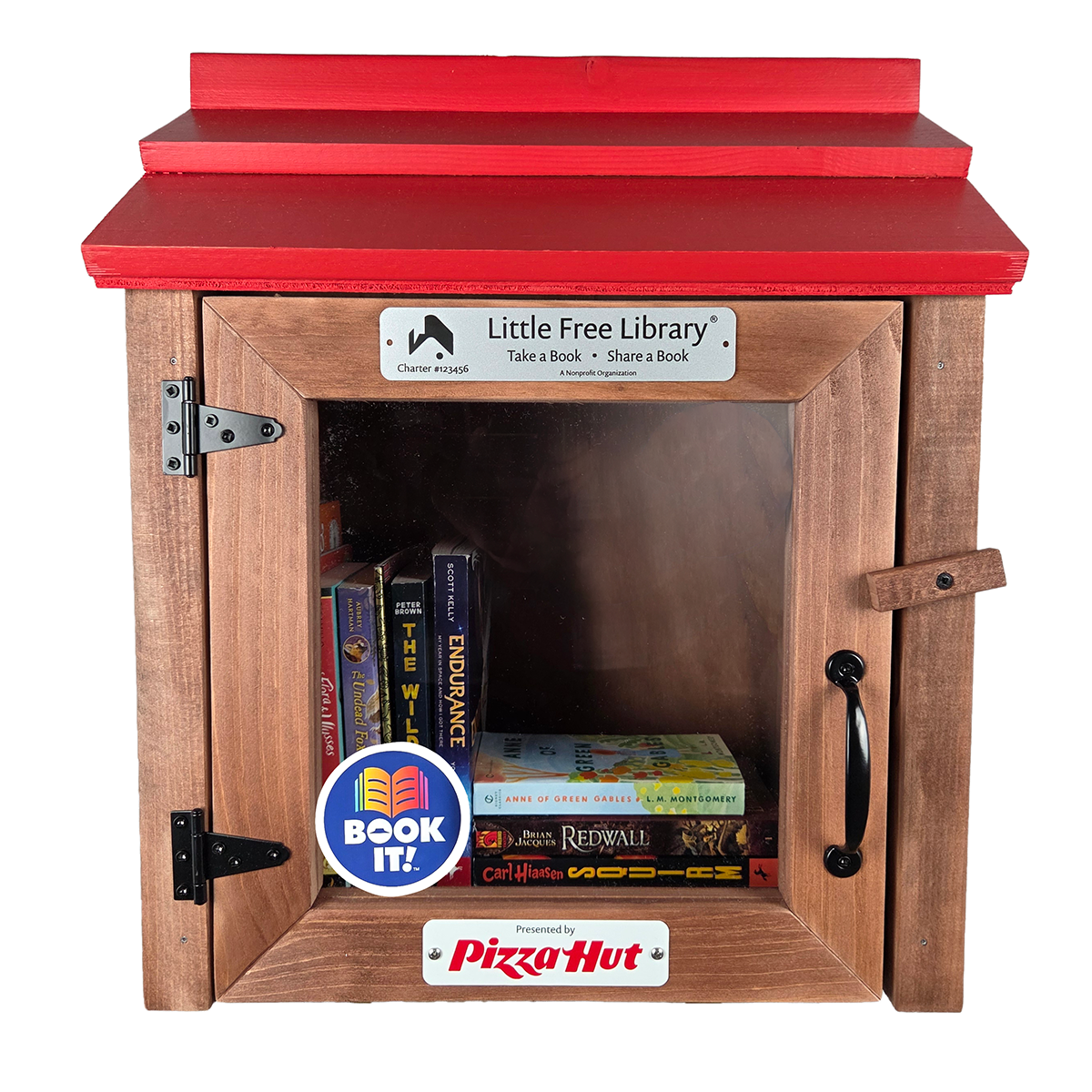
Every Little Hut Library arrives as a fully assembled book-exchange box measuring 17 inches wide, 14.25 inches deep, and 21 inches tall. The familiar roofline is rendered at roughly the scale of a birdhouse. According to the official program page, recipients also receive:
- A Little Free Library charter sign
- A wood post kit or stand
- A Pizza Hut plaque
- A steward’s guide
- Paid shipping
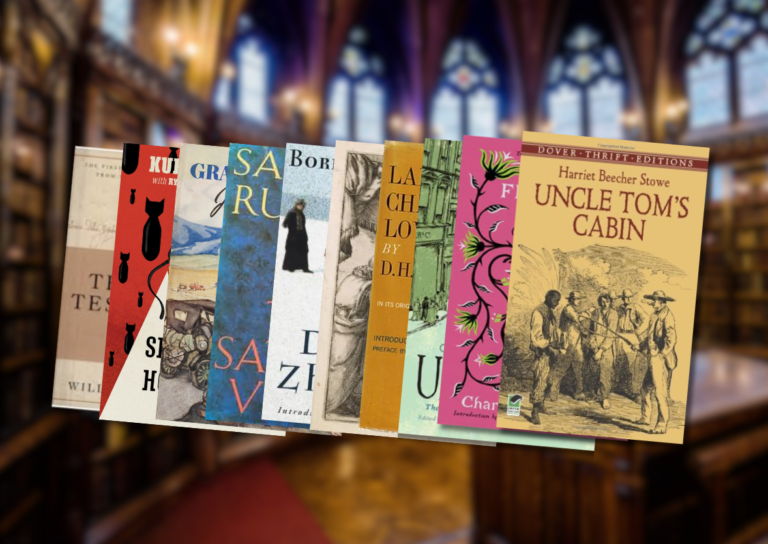
Inside, a starter collection of 25 new books selected by Little Free Library awaits.
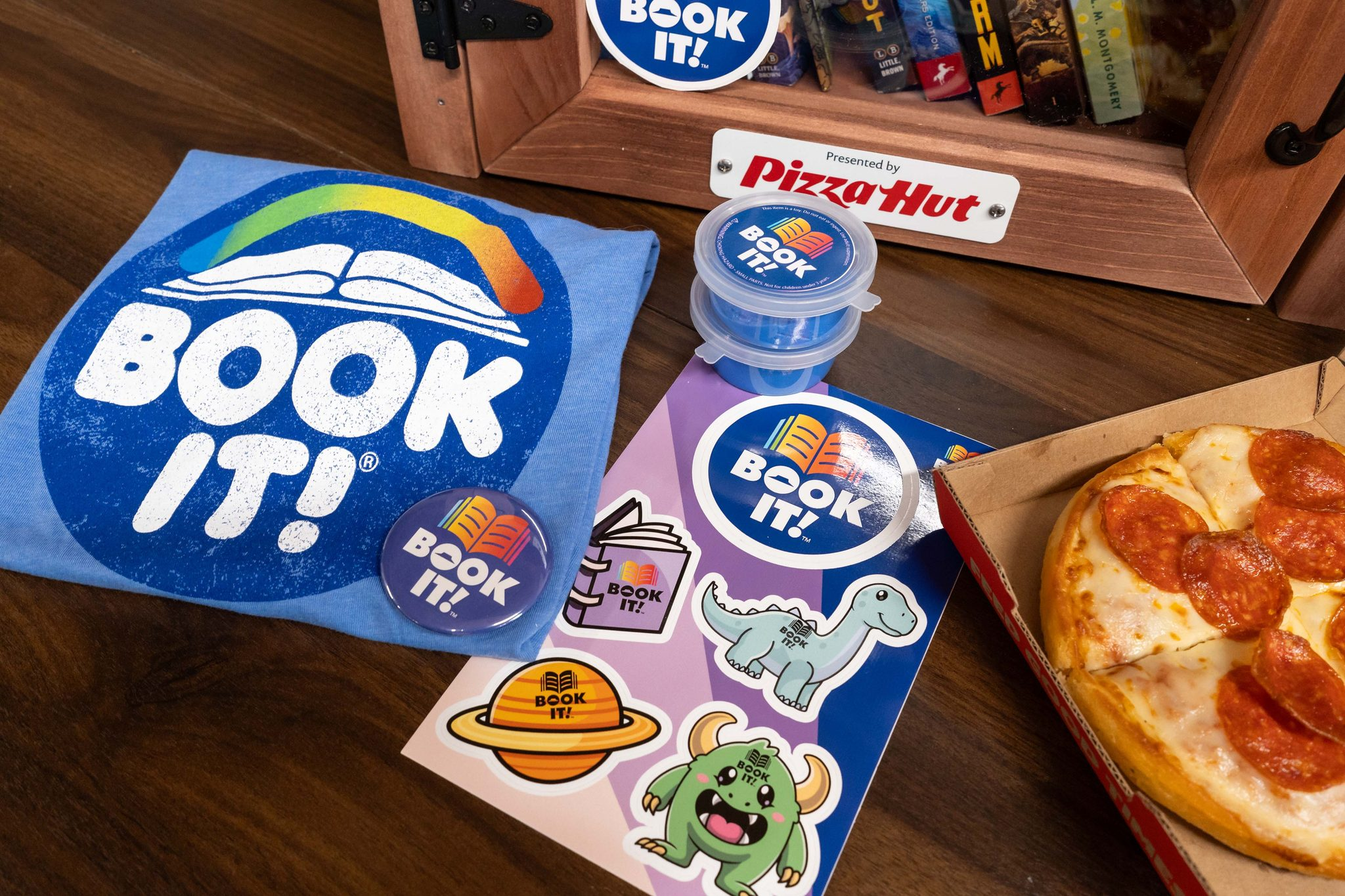
A few keepsakes from the past are tucked among the pages too. Each package includes BOOK IT! buttons, a BOOK IT! T-shirt, and a limited supply of Personal Pan Pizza coupons. Early visitors may leave with a novel under one arm and a free pizza soon.
Only 24 of these libraries will be given away across the United States. Each will become a rare landmark on its street, the kind of place children use for years to give directions.
Forty Years of Reading for Pizza
The design draws on real history. Pizza Hut created BOOK IT! in its Wichita, Kansas, offices in 1984. President Ronald Reagan had urged American businesses to get involved in education. Arthur Gunther, then Pizza Hut’s president, thought of his son Michael, who struggled with reading because of vision problems. Gunther met with Kansas educators to design a program that would reward children for the books they finished.
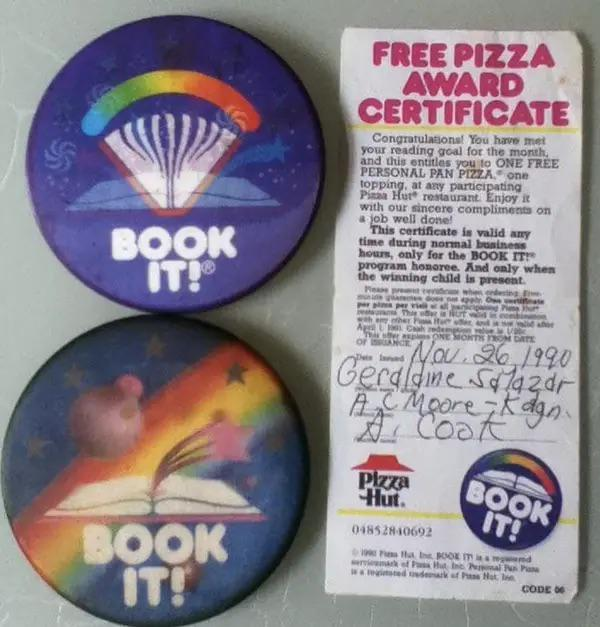
The concept was simple and appealing. A child who reached a monthly reading goal earned a Personal Pan Pizza. As SavorNation’s Tabitha Britt wrote, cashing in those reading stars for a free pizza was a childhood high point for many millennials.
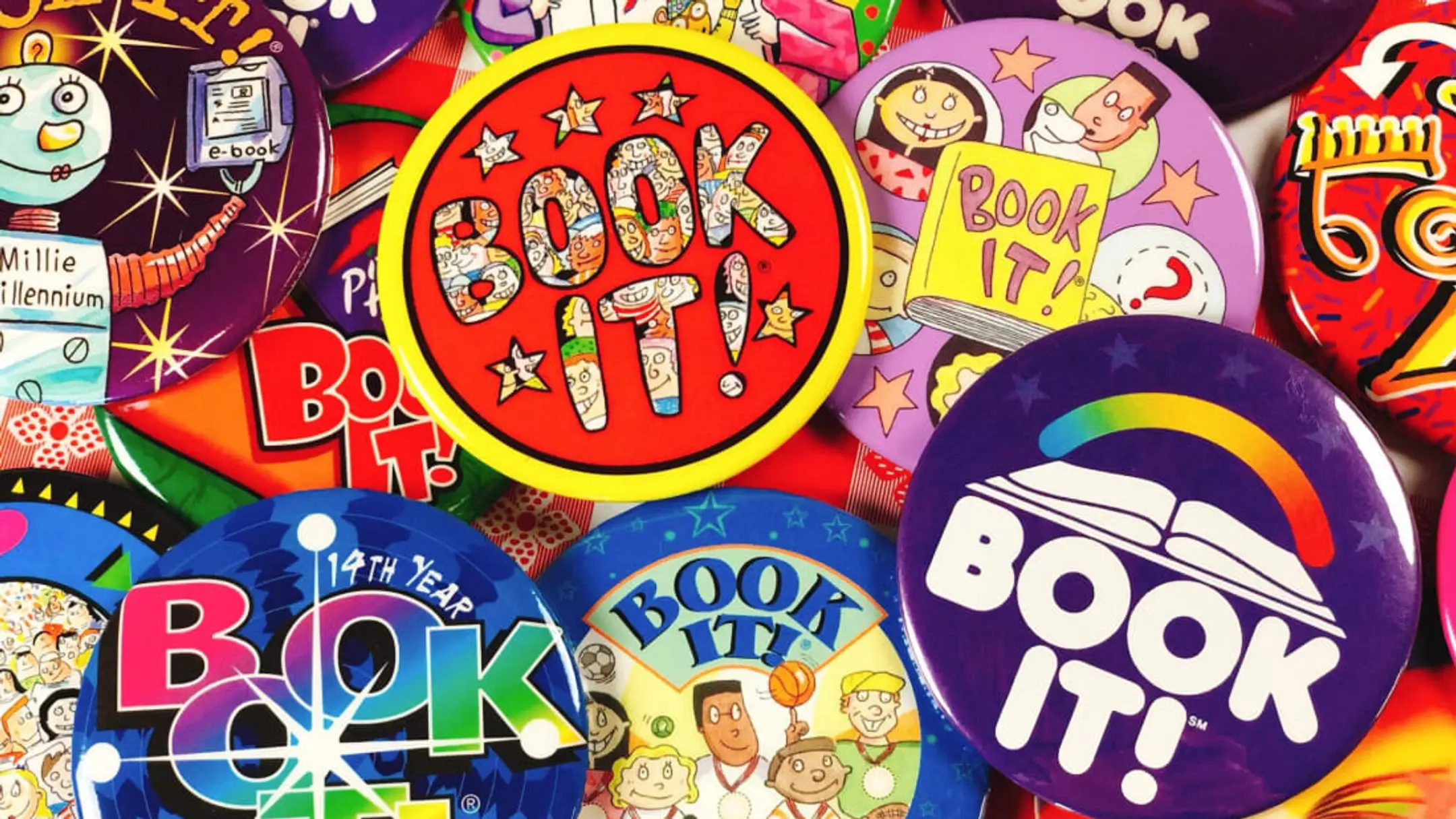
The BOOK IT! program continues today, now in its fifth decade.
Little Free Library CEO Daniel Gumnit called the new boxes “a fun and nostalgic way to put more books within reach.” Melissa Friebe, Pizza Hut’s U.S. chief marketing officer, called the red roof and BOOK IT! two iconic pieces of Pizza Hut history.
The Architecture of Memory
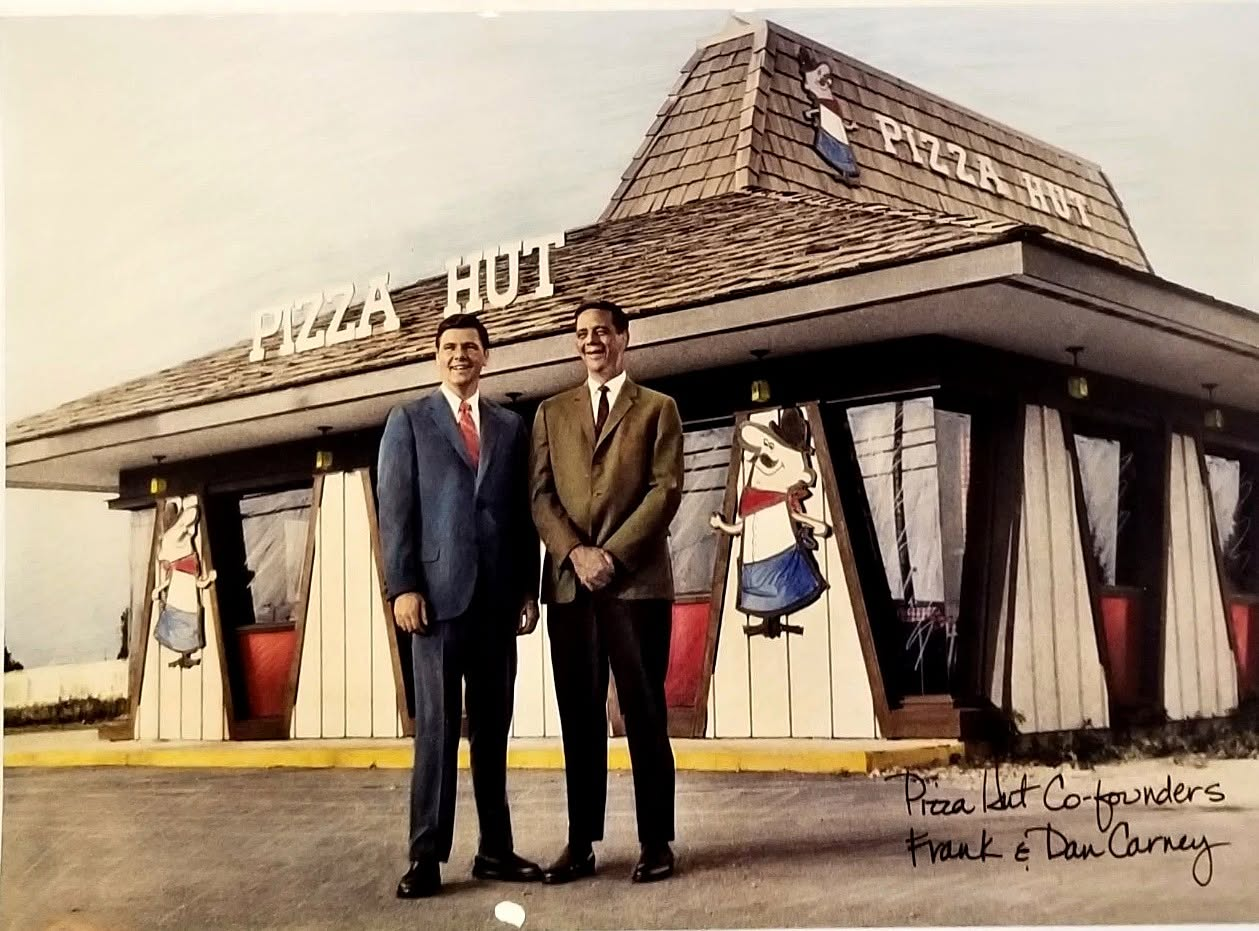
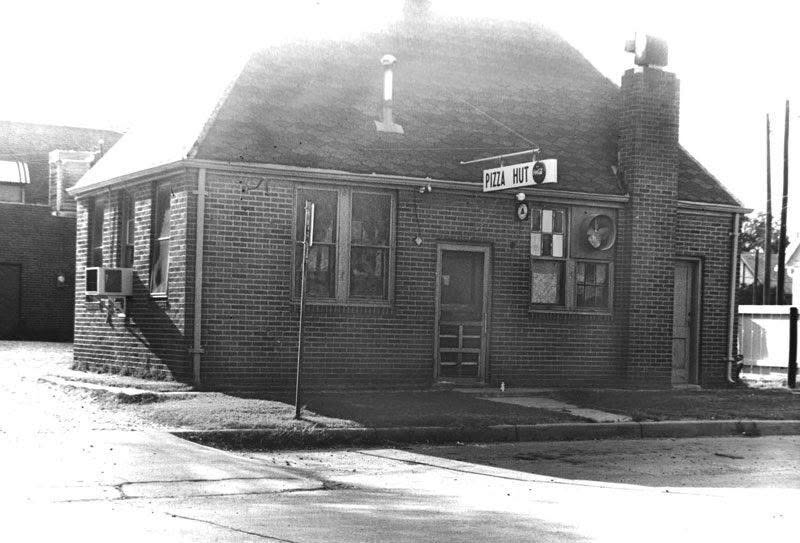
The red roof has a quiet story of its own. Brothers Dan and Frank Carney opened the first Pizza Hut in Wichita in 1958 in a small brick building, borrowing $600 from their mother. That original building now stands on the Wichita State University campus as the Pizza Hut Museum, which opened in 2018.
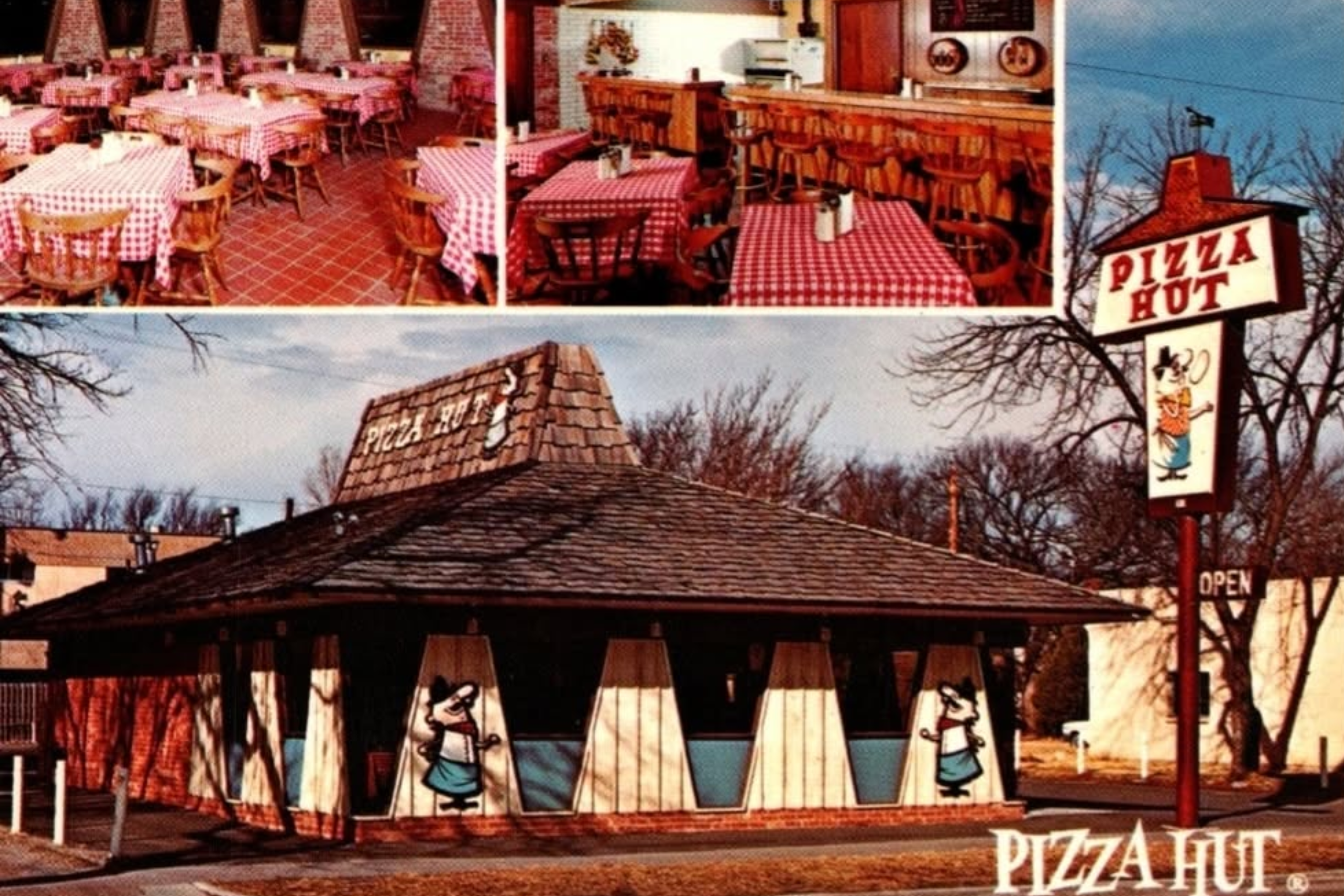
The famous roof arrived in 1969. It was designed by Richard D. Burke, a Wichita architect who was a college friend and fraternity brother of the Carneys. According to the Pizza Hut Museum, Burke asked for a $30,000 fee the young company couldn’t afford. He agreed instead to accept $100 for every restaurant built from his plans.
Many of those buildings outlived their pizza ovens. Today they house churches, paint stores and restaurants of every cuisine. Since 2008, the crowdsourced blog Used to Be a Pizza Hut has documented them.
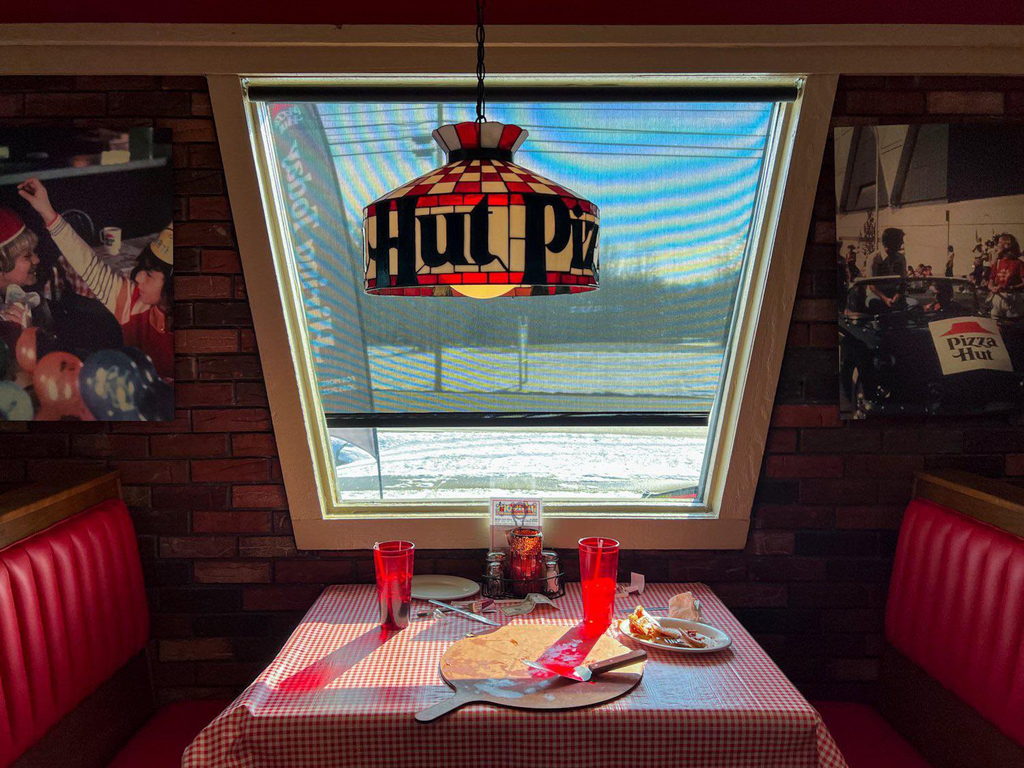
The silhouette is also returning to the restaurants themselves. Gray News reported in May that 155 Pizza Hut locations are bringing back the classic red-roof design. Those restaurants are also restoring the Tiffany-style lamps, red cups, checkered tablecloths, and vinyl booths.
The first “Pizza Hut Classic” remodel opened in Ashdown, Arkansas, in 2019. Since then, Wichita-based franchisee Daland Corp. has converted 38 of its own restaurants. The Little Hut Libraries carry that same spirit out to the curb, where people will once again linger under the familiar roof.
A Movement That Began With a Schoolhouse
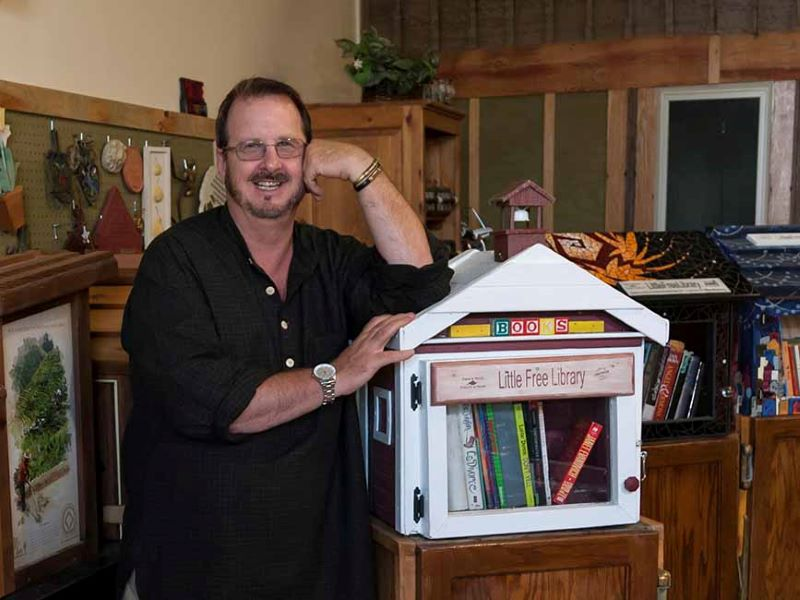
Little Free Library has a humble origin of its own. In 2009, Todd Bol of Hudson, Wisconsin, built a small model of a one-room schoolhouse. He made it as a tribute to his mother, a teacher who loved to read. He filled it with books, set it on a post in his front yard, and watched his neighbors fall in love with it.
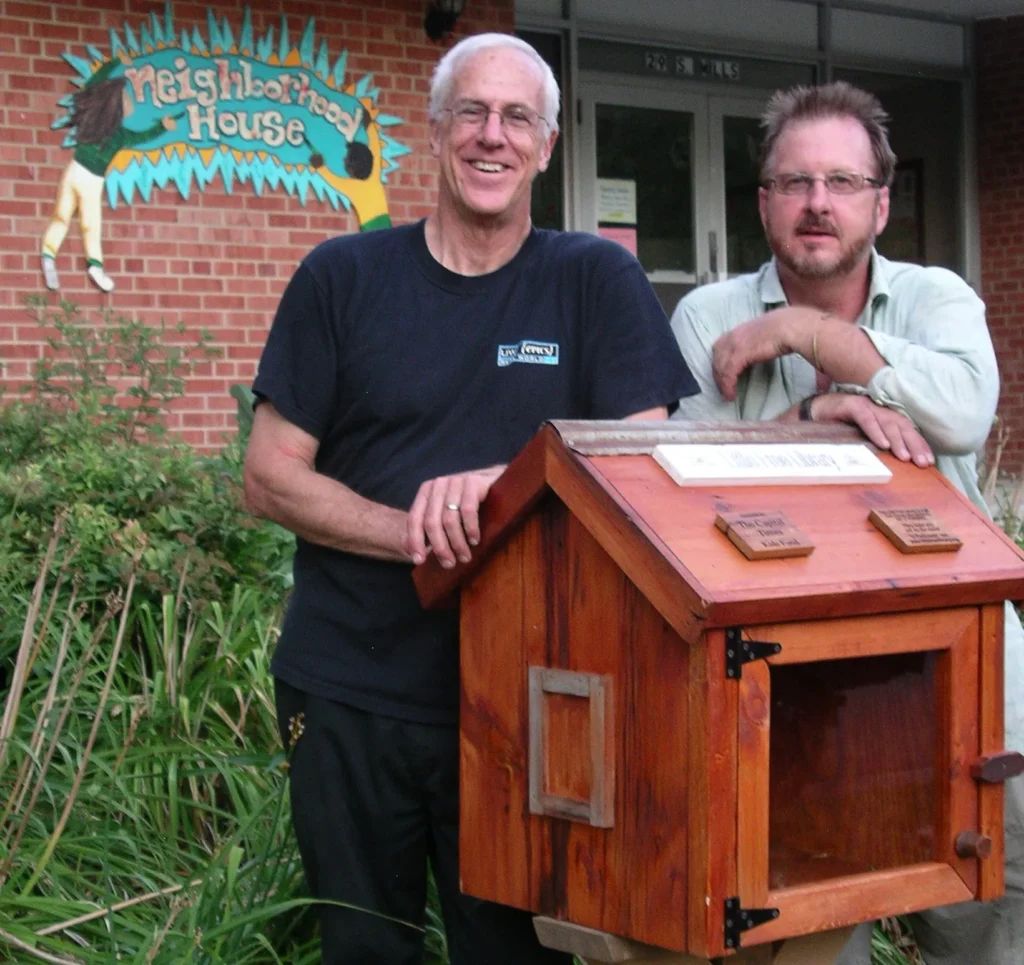
Bol and Rick Brooks of UW-Madison then set out to match Andrew Carnegie. Around the turn of the 20th century, Carnegie had aimed to fund 2,509 free public libraries. According to the organization’s history, Bol and Brooks passed that number in 2012. Bol died in 2018, after seeing 75,000 libraries installed. In his final days, he spoke of his belief in “a Little Free Library on every block and a book in every hand.”
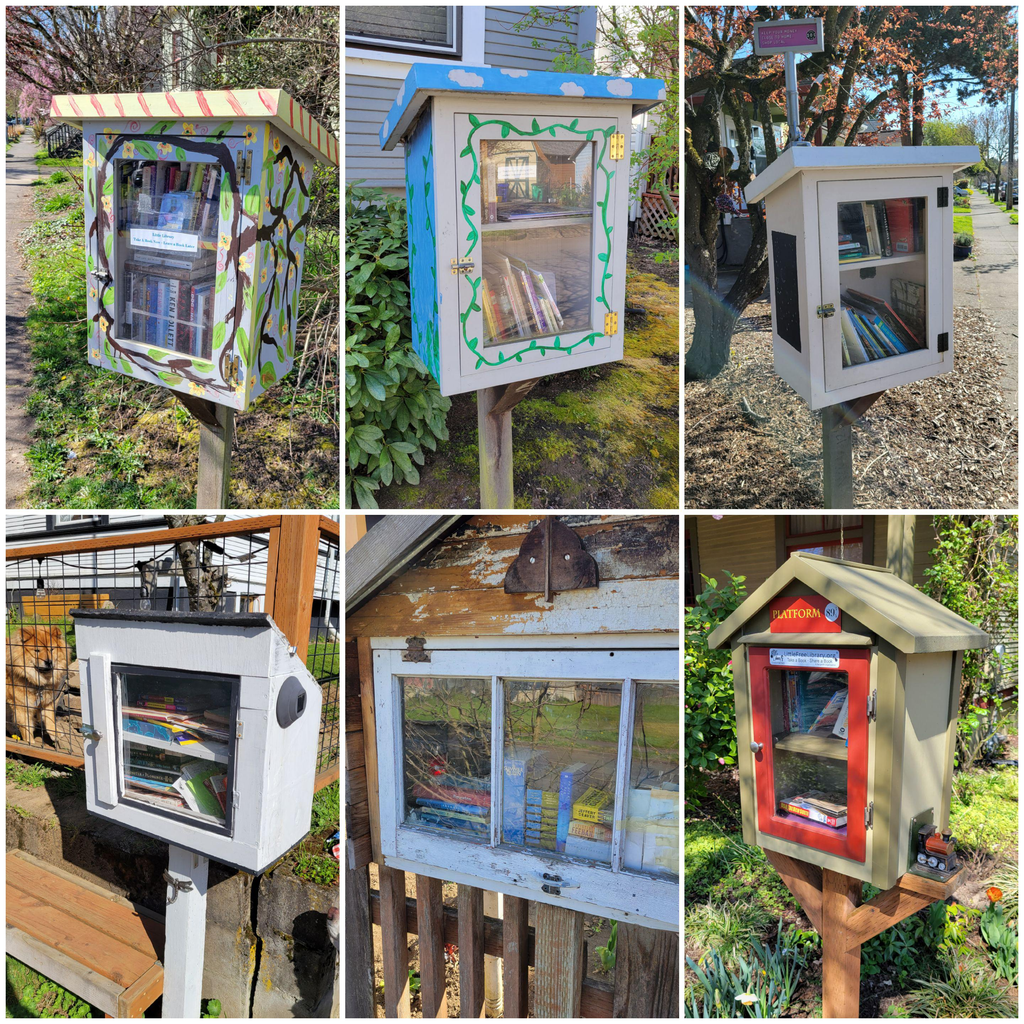
Today, more than 200,000 Little Free Libraries are registered. They stand in all 50 states, 128 countries, and on all seven continents, including Antarctica. More than 500 million books have been shared through them. The organization’s own surveys find that 72 percent of stewards have met more neighbors because of their library. Ninety-eight percent of people say their neighborhood feels friendlier for having one.
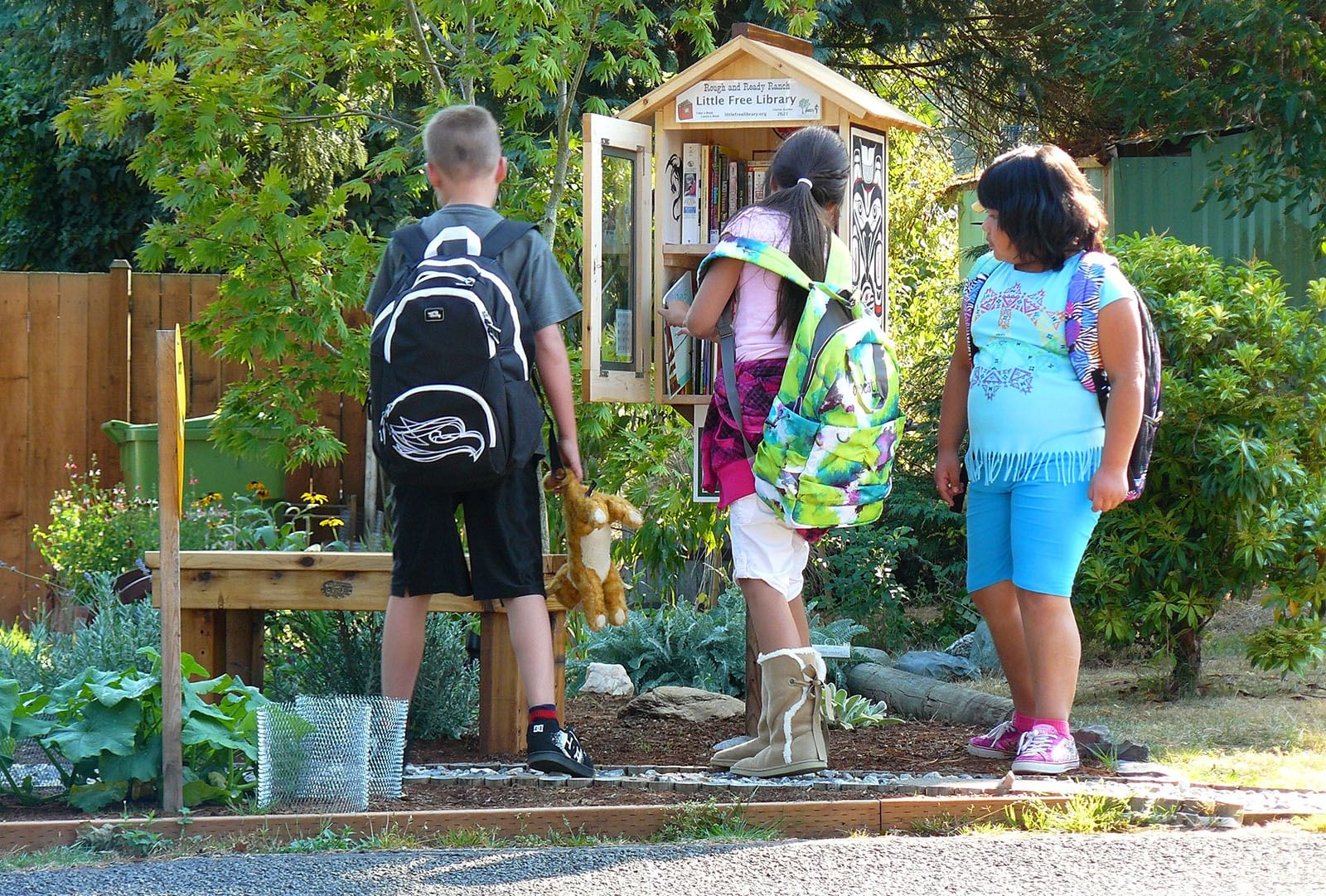
Those figures describe something slow-living lovers already understand. A box of books on a quiet street invites people to pause. A retiree leaves a well-loved copy of One Hundred Years of Solitude. A child returns a dog-eared graphic novel. Two strangers become neighbors over a shared recommendation. The exchange happens at walking pace, on the honor system, in the open air.
How to Apply for a Little Hut Library
Applications are open through October 31, 2026, and can be submitted using Little Free Library’s application form. The main requirements:
- Applicants must be 18 or older and local to the library site.
- The installation site must be in the U.S., with all permissions and permits already approved.
- Each household or organization may apply once every six months.
The form asks two questions, and each of them must be answered in up to 200 words. The first asks how the library will change your community. The second asks how you will keep it stocked and maintained. Book lovers will appreciate one detail: Little Free Library recommends against using AI tools to write the answers. Staff members read every application, looking for a genuine sense of each community.
Winners will be notified by November 10. Packages are shipped about two weeks later. The new libraries will appear on the Little Free Library World Map on January 1, 2027, unless a steward opts out.
If you are already a Little Free Library steward in the U.S., you can enter a separate giveaway. The prize pack includes a BOOK IT! T-shirt, a sticker sheet, a button, and a $20 Barnes & Noble gift card.
A Small Roof, a Wide World
If one of the 24 red roofs goes to another town, the invitation stays open. Find a Little Free Library near you, or build one with your own hands. You can also carry a book you loved to the box down the street and leave it for whoever comes next. Each of those 200,000 boxes began with one person who decided their corner of the world could use a few more stories.
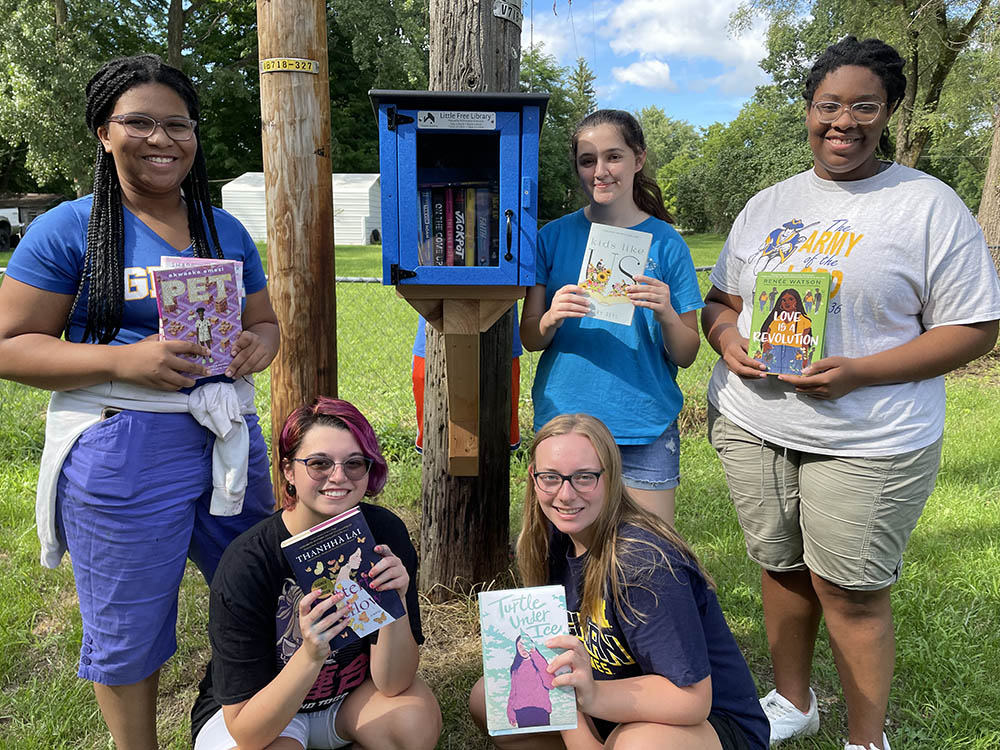
In the months ahead, somewhere, a child will open a little red-roofed door, pull out a book about a faraway country, and begin to wonder. Readers have always been made this way: one book, one neighbor, one unhurried afternoon at a time.

Adam Ryan
Adam is a distinguished content writer, bookworm, and full-time adventurer with a constant craving for coffee. When he's not working, he loves exploring remote corners of the world, immersing himself in different cultures, and writing about his experiences.