In 1977, a bookseller crowned himself King of Hay-on-Wye. The stunt turned a Welsh farm town into the world’s first book town, and fifty others followed.
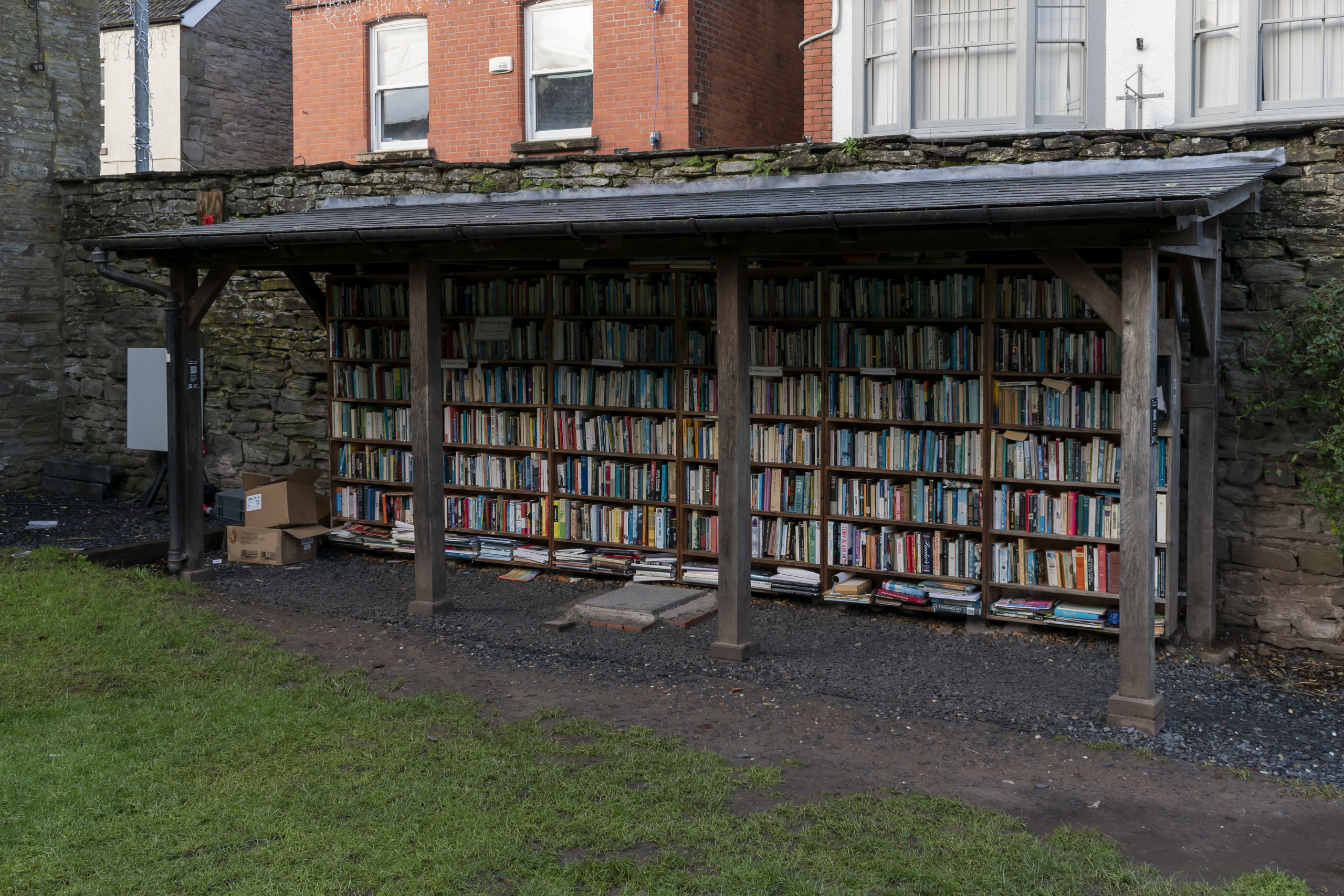
Along the boundary wall of a Norman castle in a Welsh market town, wooden shelves stand in the open air, filled with second-hand books and watched by nobody at all. You choose what you like, drop a coin into the honesty box, and walk away with it. Every book costs £1. The shelves stay out in the weather, restocked each week, and the takings go to the trust that restored the castle behind them.
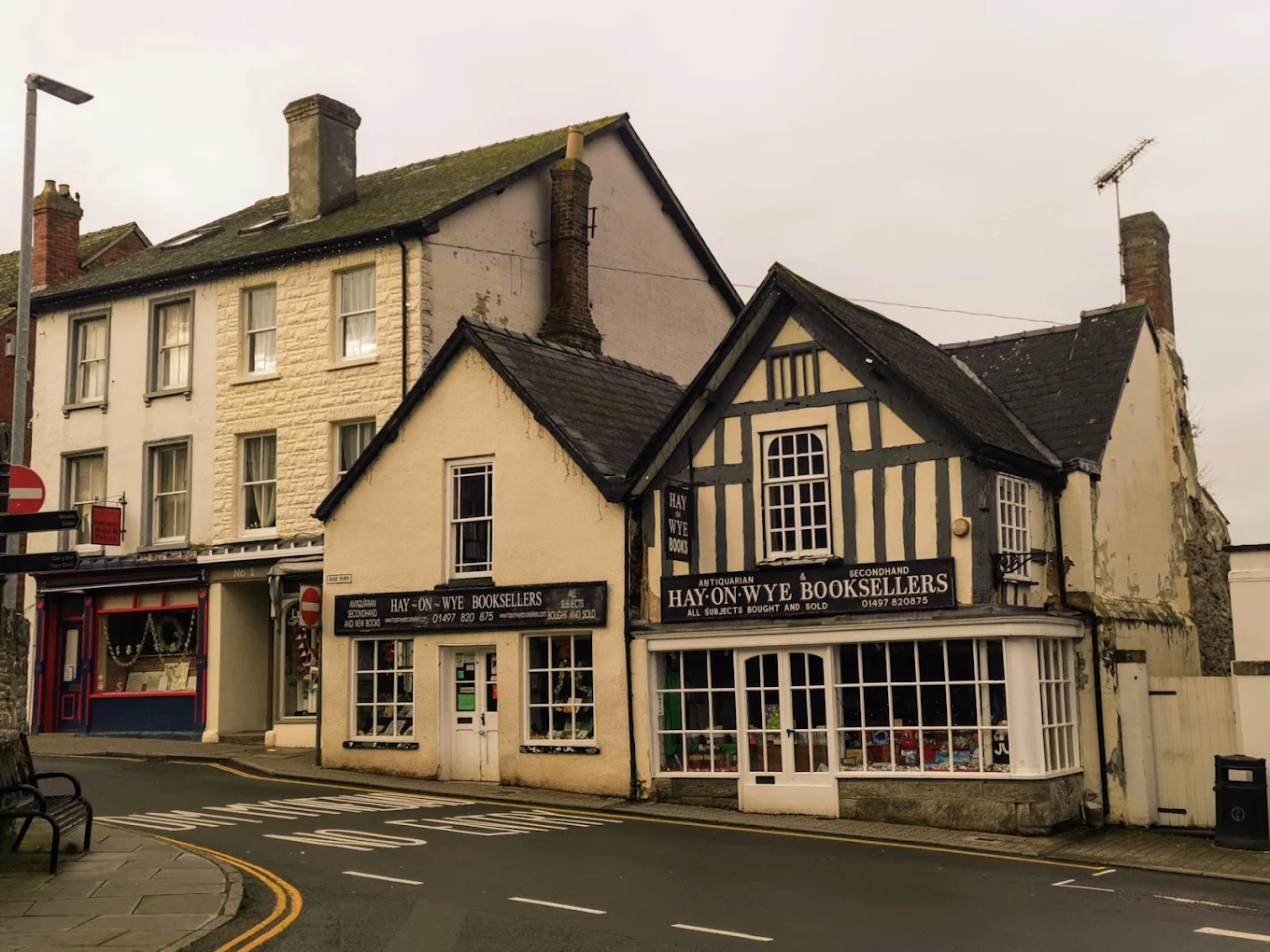
This is Hay-on-Wye, a town of about 1,700 people on the border between Wales and England, where a bend in the River Wye meets the green edge of the Black Mountains. It has more than twenty independent bookshops, about one for every eighty residents. The whole experiment began with a single stubborn bookseller who believed that paper could keep a fading farm town alive.
The Bookseller Who Bet a Town on Paper
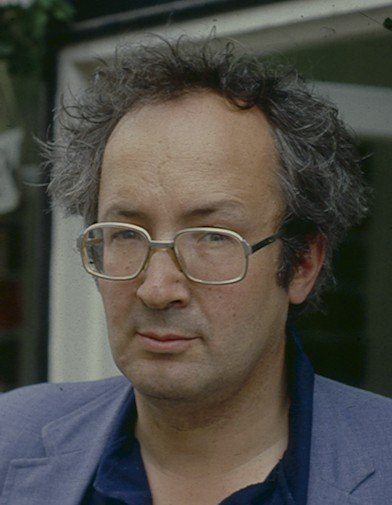
Richard Booth was born in Plymouth in 1938, educated at Rugby School and Oxford, and drawn back to the countryside where his family had an estate. He worked three weeks as an accountant, quit, and moved to Hay. He later explained in his autobiography that buying a small shop in Hay let him play a major role in a minor business instead of a minor role in a major one.
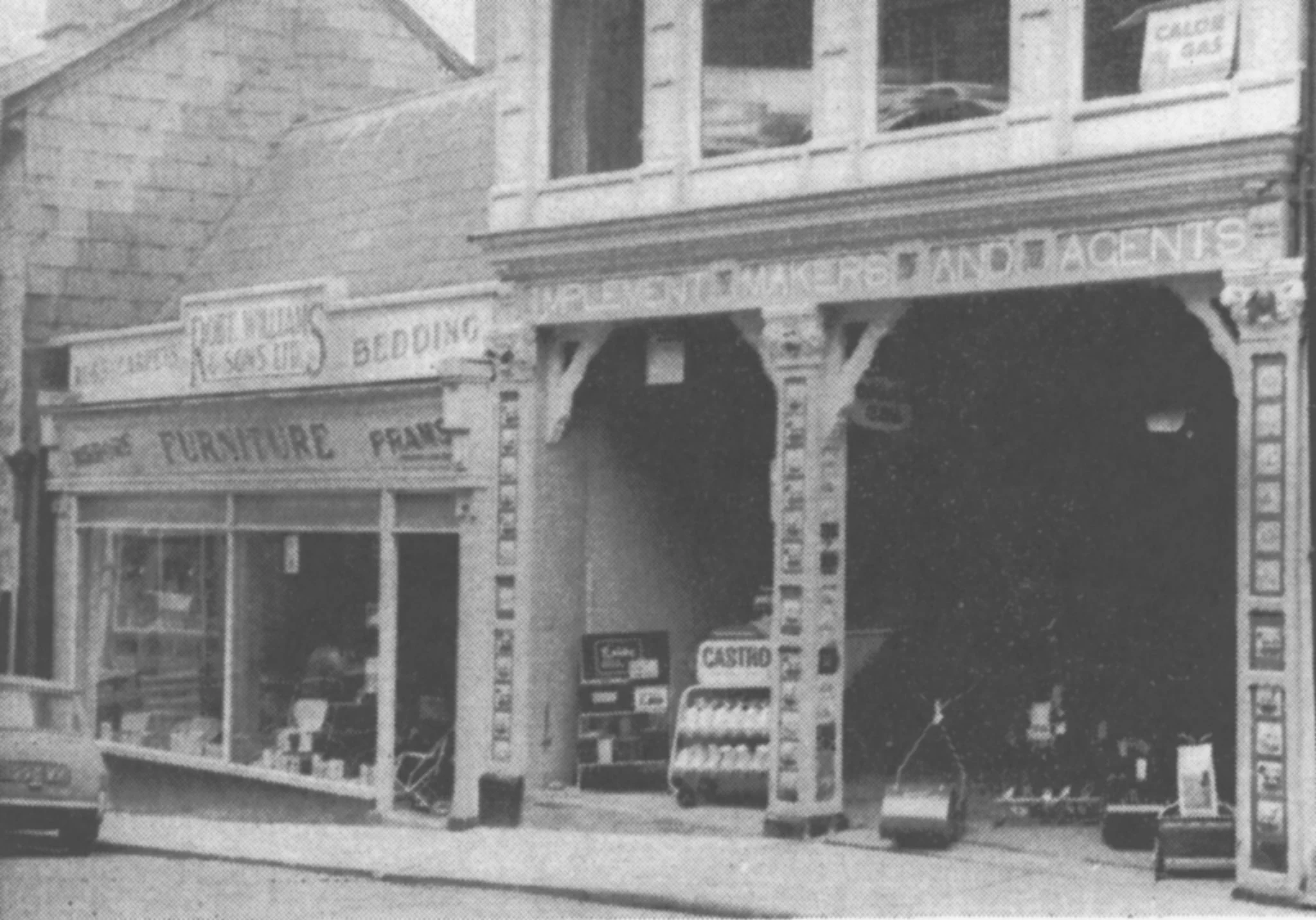
In the early 1960s, as the local economy slid and shopfronts emptied, he opened a second-hand bookshop in Hay’s old fire station. Opening a bookshop in a declining market town seemed lunacy to many. He opened another, and then another.
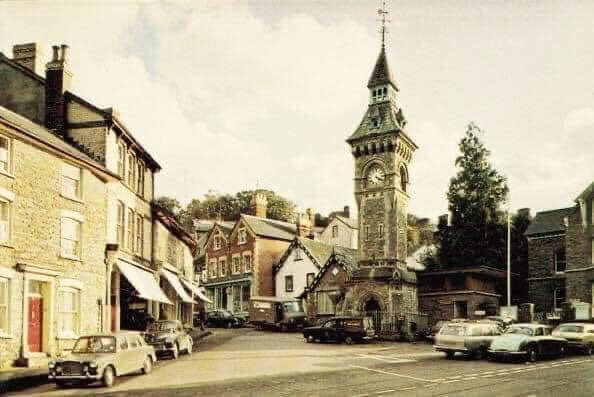
His method was a kind of literary salvage operation. Booth shipped lorry-loads of books from the United States back to Hay Castle, which he had bought and turned into a warehouse and shop. He bought up the contents of colleges, monasteries and country-house libraries. He encouraged others to open shops of their own, understanding that a dozen bookshops on one street would pull visitors from hundreds of miles away in a way no single shop could. By 1976, the Welsh Tourist Board had listed the place as a Town of Books. At its peak, Hay held more than thirty second-hand bookshops.
The Kingdom Declared on April Fools’ Day
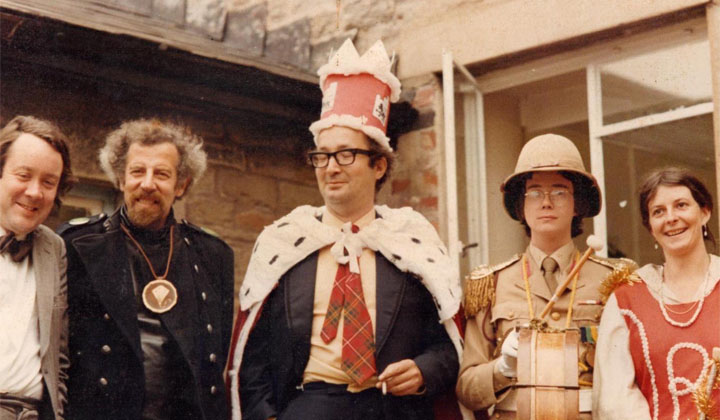
Publicity was the missing piece, and Booth understood publicity the way other people understand weather. He also chose his date with care.
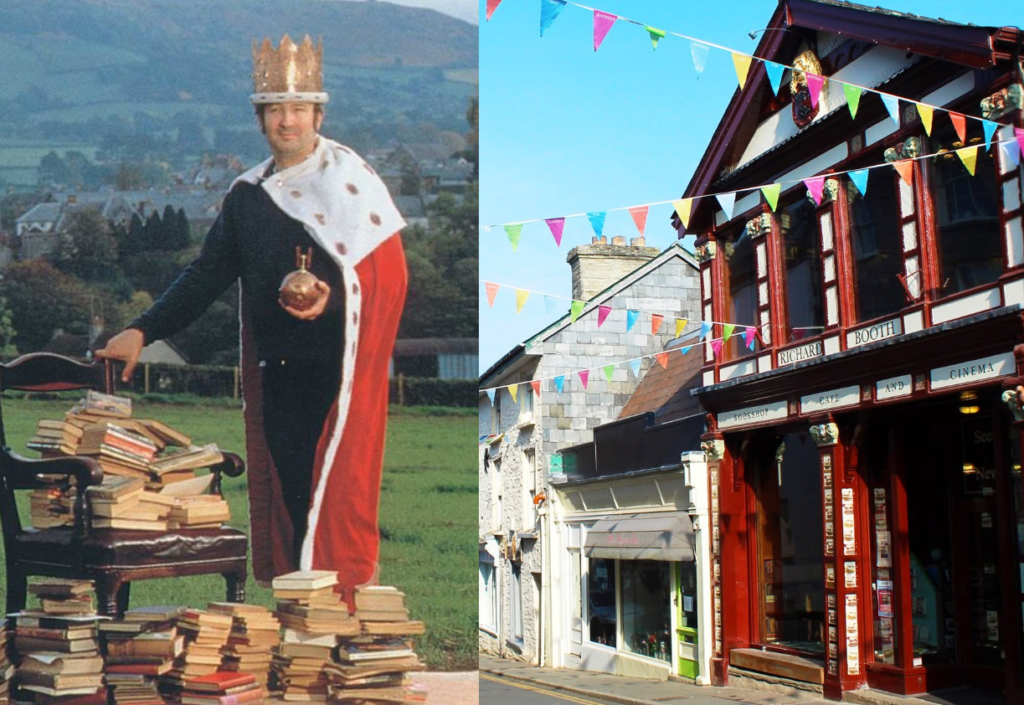
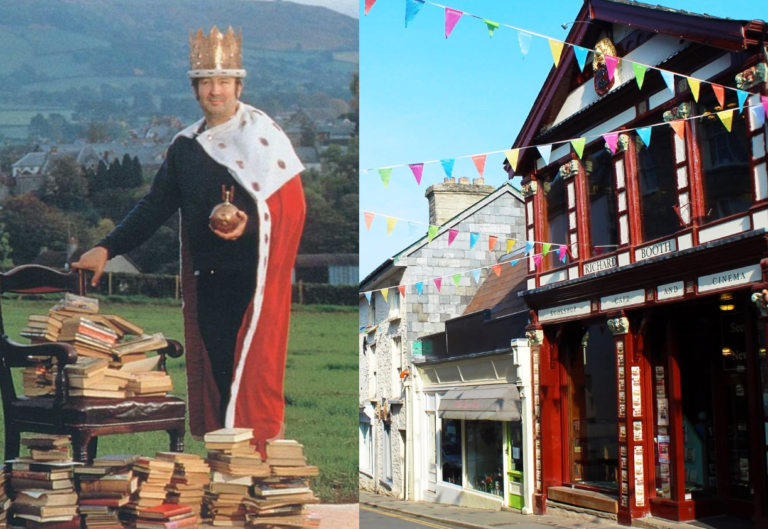
On April Fools’ Day 1977, he put on a homemade crown, marched through the streets, and declared Hay an independent kingdom with himself as its monarch. The date gave everyone permission to enjoy the joke while taking the town seriously, and the details were gloriously silly and carefully chosen. He appointed his horse, Goldie, as prime minister.
Passports were issued and stamped in the town’s two pubs. A national anthem was written, and dukedoms and knighthoods sold to anyone who wanted one. A rowing boat, reclassified as a gunboat, patrolled the Wye. Ambassadors were dispatched to The Hague, where nobody had asked for them.
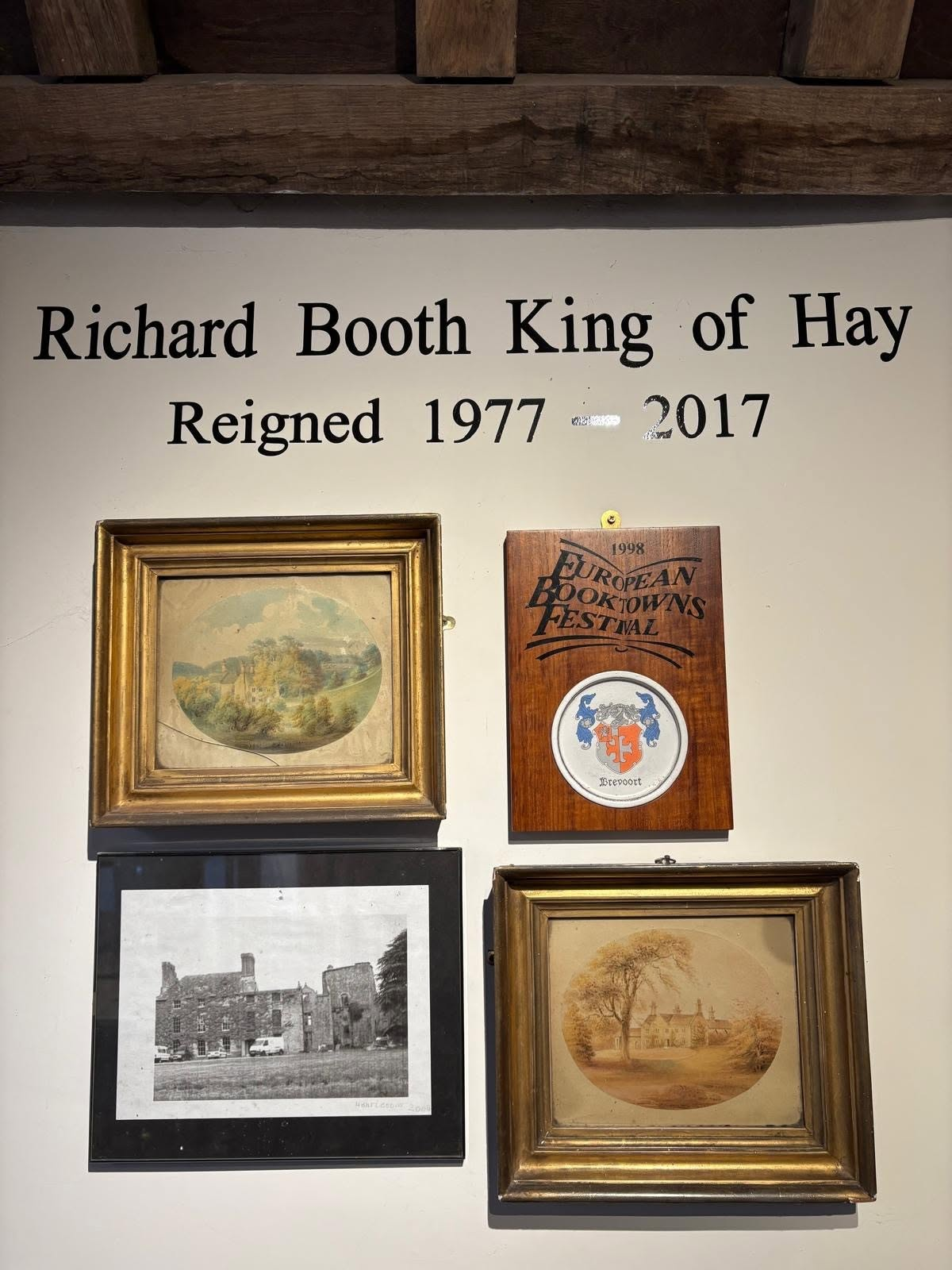
No government recognized any of it. Newspapers across Britain ran the story, papers abroad picked it up, and thousands of new visitors arrived to see what the fuss was about. The joke did exactly what Booth intended: it turned a town with nothing obvious to sell into a destination.
The King Is Gone, the Kingdom Remains
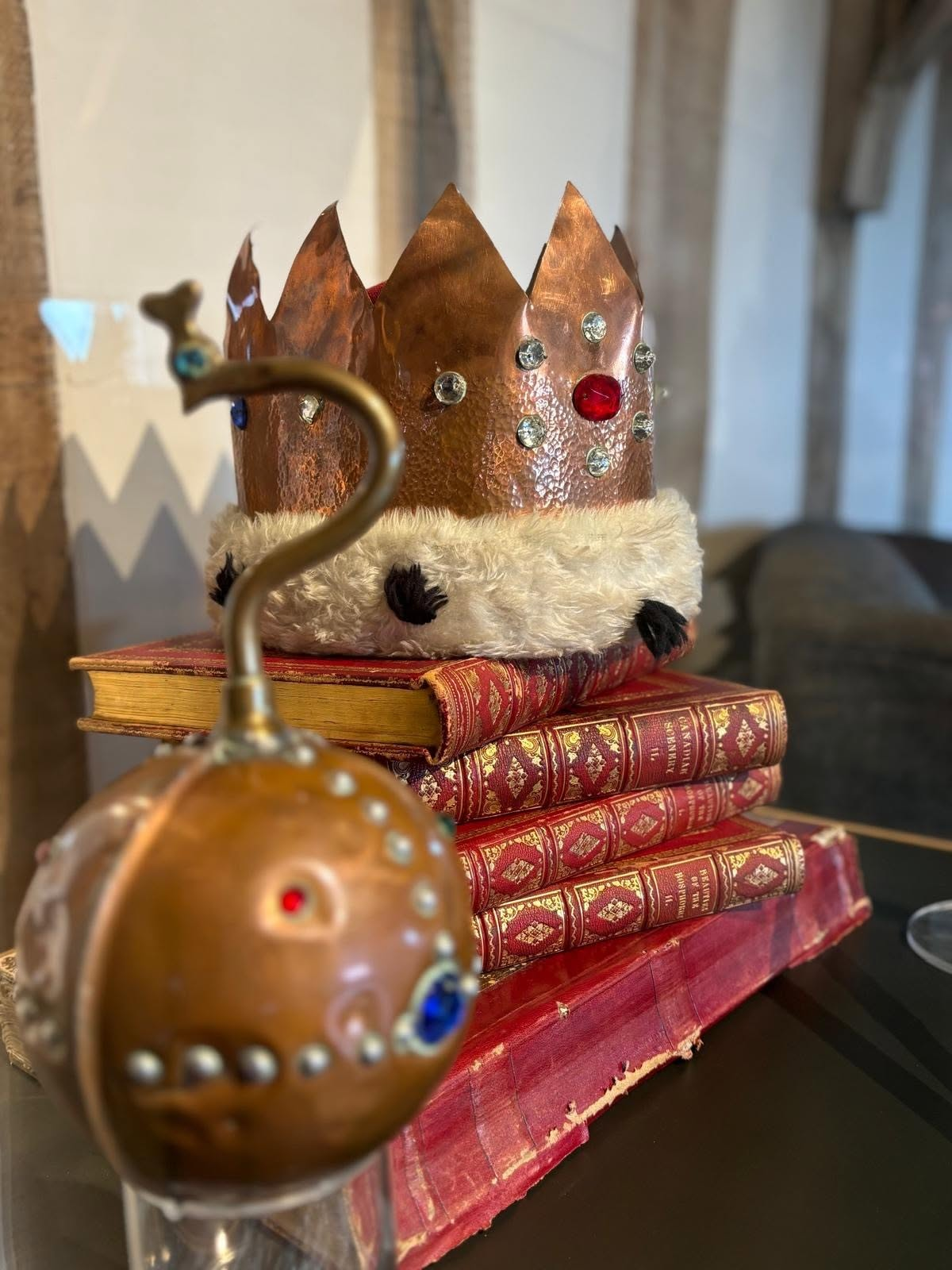
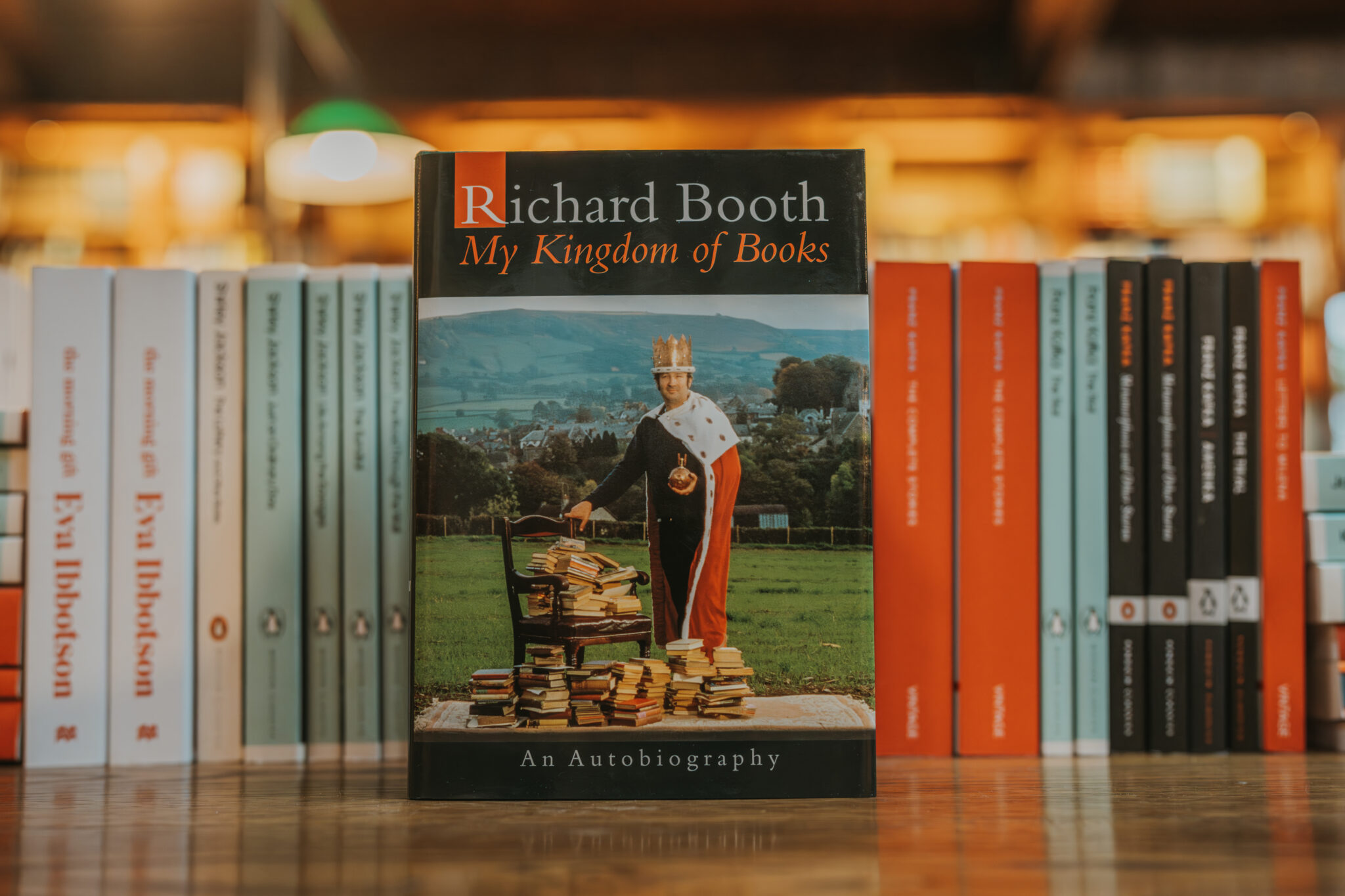
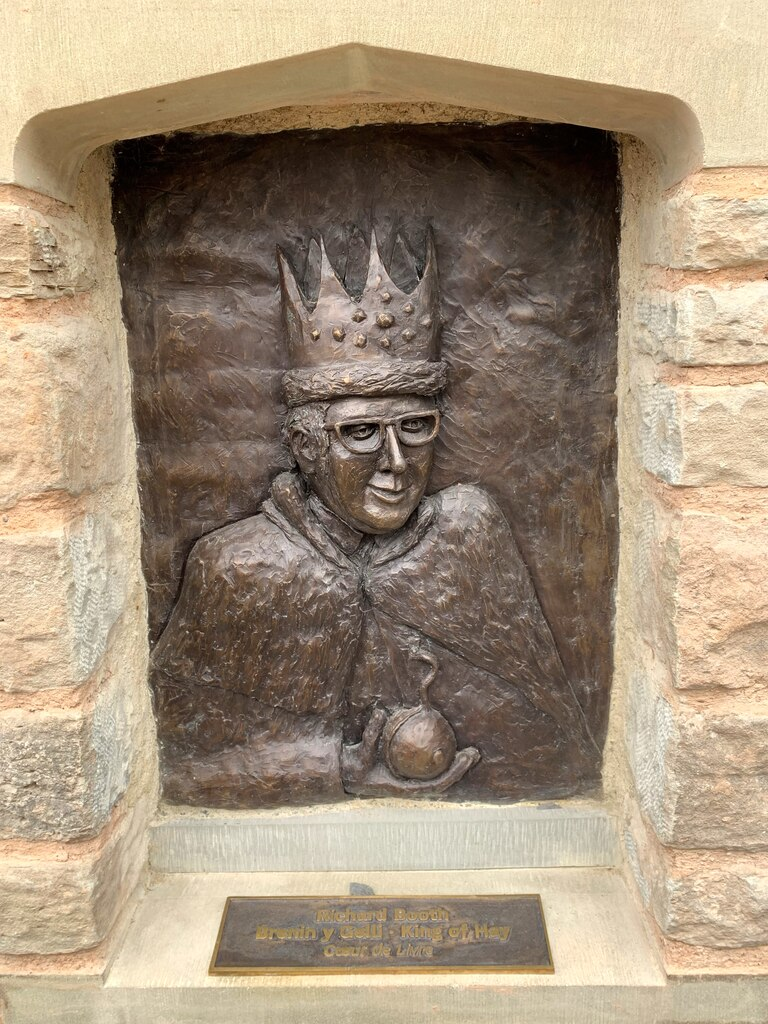
Booth wore the crown for the rest of his life. He was appointed MBE in 2004 for services to tourism, published a candid autobiography, My Kingdom of Books, in 1999, and sold the castle to a trust in 2011. In 2009, he cheerfully allowed his own effigy to be beheaded in the town square during a mock revolution, remaining on good terms with the revolutionaries afterward. He died on August 20, 2019, at his home in Cusop, just across the border, aged 80.
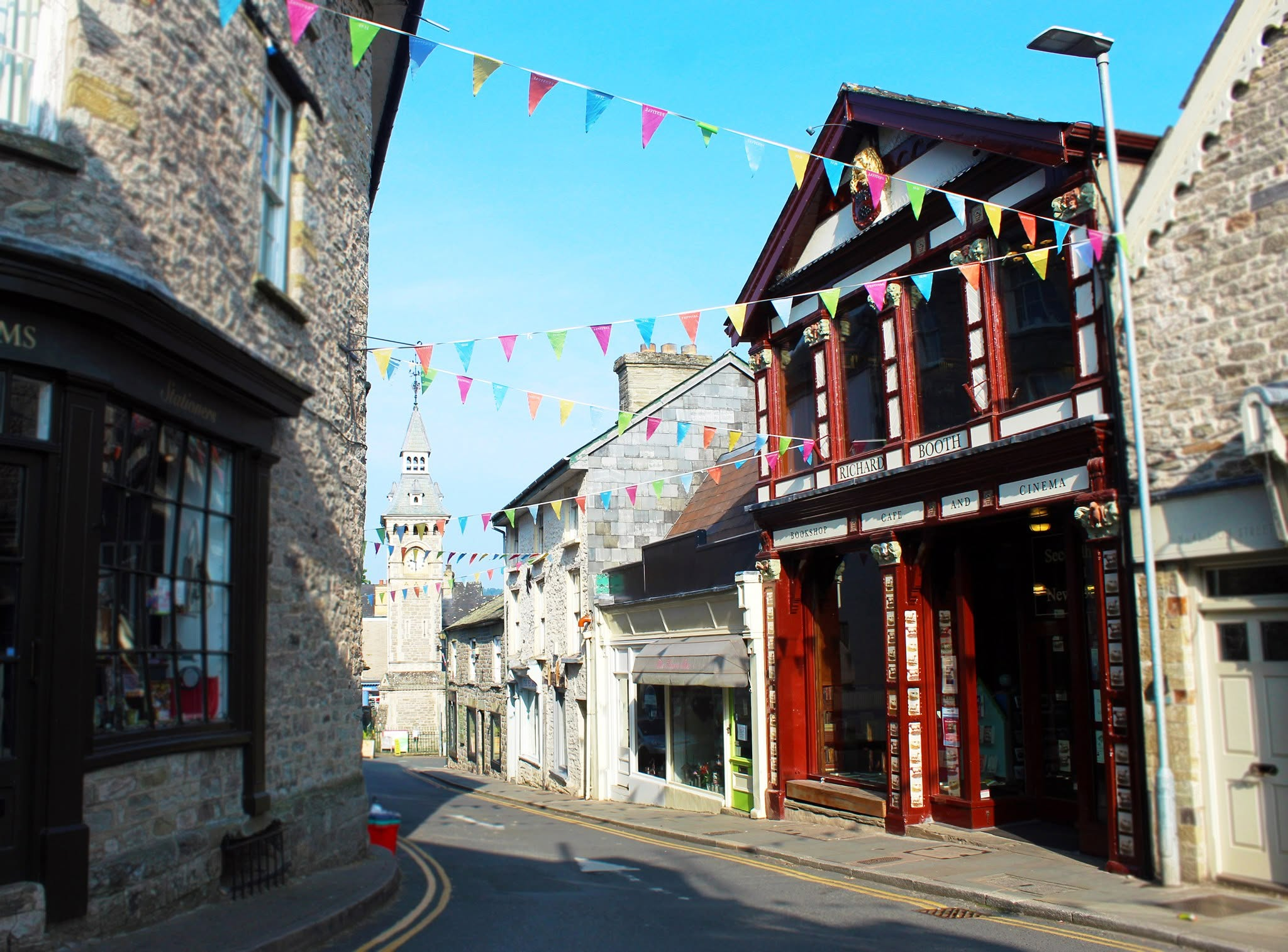
The kingdom he invented has outlived him comfortably. Hay Festival director Peter Florence called Booth’s plan to diversify a rural economy through second-hand bookselling an idea of genius. His name still hangs over one of the largest shops in town, Richard Booth’s Bookshop on Lion Street, which now spans three floors, with a cinema and café attached. His crown, scepter, robe and original flag of independence are on display in the castle’s Richard Booth Collection. The honesty shelves still stand against the castle wall, still unstaffed, still trusted.
What he left behind sits in the ordinary weekday life of the place: booksellers ordering stock, visitors climbing narrow staircases, coins dropping into a box. The crown was the advertisement, and the town is the thing itself.
Fifty Towns and Counting
The idea traveled. In 1984, the Ardennes village of Redu in Belgium, home to about 400 people, remade itself as a village du livre on the Hay model. It now holds more than twenty bookshops and keeps them open through the night every August for the Nuit du Livre. Wigtown became Scotland’s national book town in 1998. Other towns reinvented themselves the same way, including Saint-Pierre-de-Clages in Switzerland, Bredevoort in the Netherlands, Sysmä in Finland, and Tvedestrand in Norway.

The movement acquired an institution in April 2001, when the International Organisation of Book Towns was officially registered in the Netherlands. It holds a festival and general assembly every two years, most recently in Featherston, New Zealand, with Chelopek in Bulgaria next in line. Its member towns range from Borrby in Sweden to Clunes in Victoria, Australia.
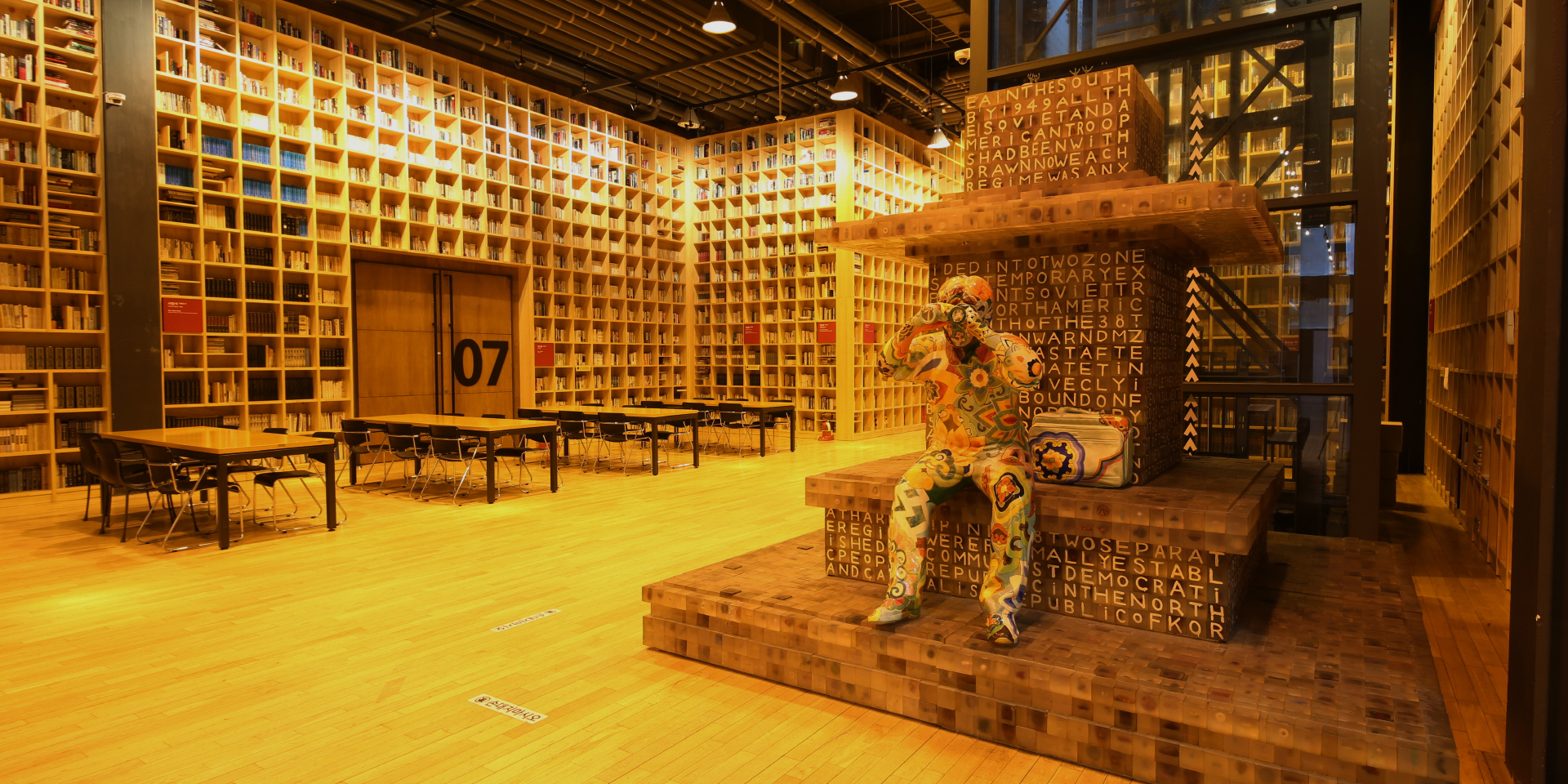
Counting unofficial book towns, more than fifty places worldwide have followed the Hay formula, including Kampung Buku in Malaysia and Paju Book City in South Korea.
The organization’s definition is plain enough: a small, preferably rural town or village where second-hand and antiquarian bookshops are concentrated. Behind that dry wording sits a rural development strategy that has quietly worked in places industry abandoned, using the one resource that multiplies when shared.
A Town of Paper in an Age of Screens
Every prediction made about printed books in the last twenty years suggested Hay should be struggling by now; a decade ago, headlines forecast ebook supremacy and the death of the paper book. Instead, print held its ground, and physical books still outsell digital by more than four to one with UK consumers, part of a wider comeback of analog. Hay is thriving: its castle newly restored, its festival breaking records, its honesty shelves restocked every week.
In 2026, the festival issued more than 210,000 tickets and sold 70,000 books, up 35 percent on the year before. The rise of the screen appears to have sharpened the appetite for the opposite experience: a whole day spent with dusty spines and no notifications, an afternoon in which the only algorithm at work is your own curiosity wandering along a row of unfamiliar titles.
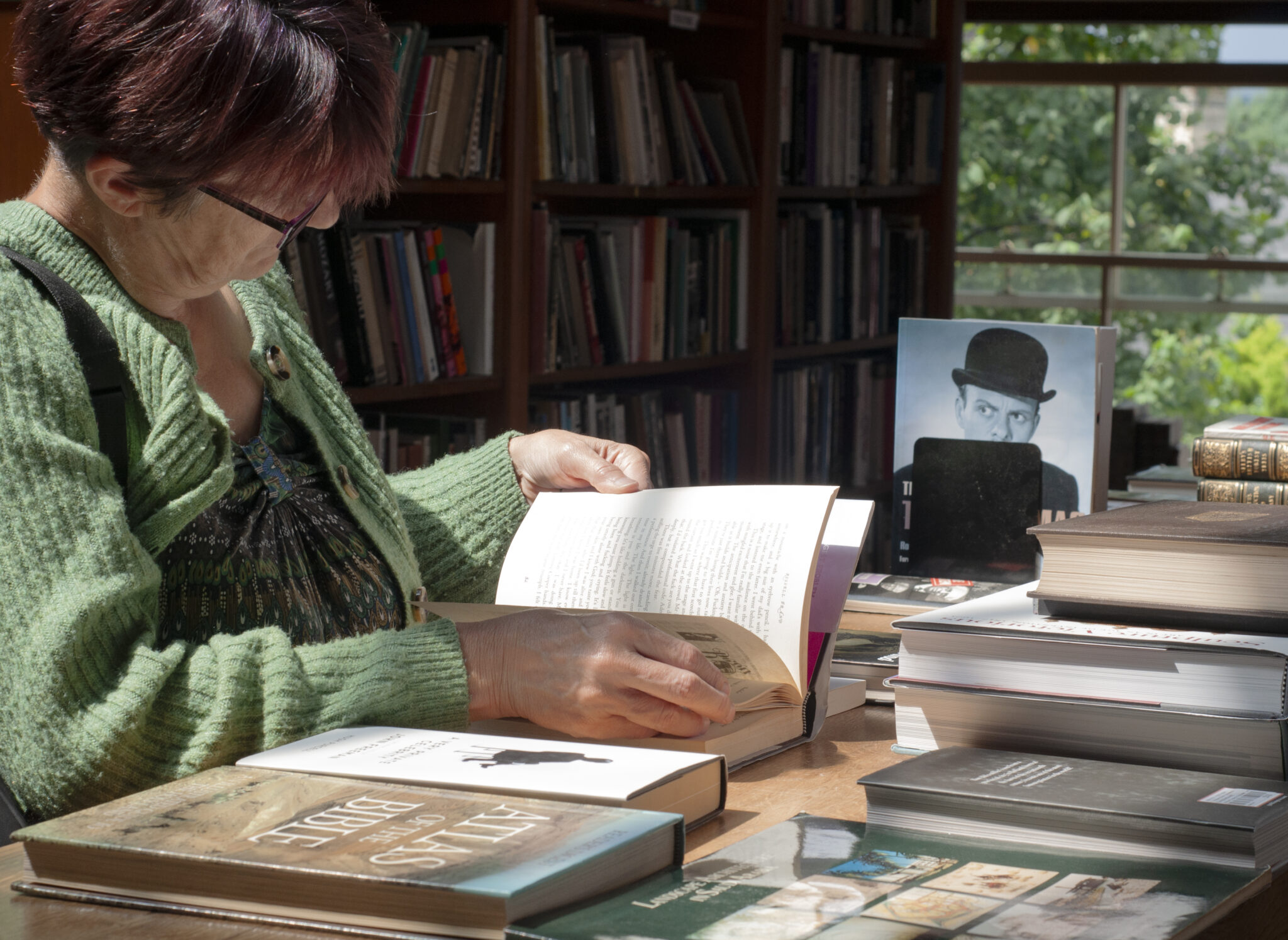
Readers travel here precisely because the town runs on paper, on browsing, on conversations with someone behind a counter who has read the thing you are holding. At Richard Booth’s Bookshop, specialist department heads oversee the new, secondhand and antiquarian stock.
The Woodstock of the Mind
In 1988, Norman, Rhoda and Peter Florence founded the Hay Festival of Literature & Arts, running events in the primary school and wherever else they would have them. It now runs for around ten days from late May into June and draws crowds many times the size of the town’s population. Bill Clinton described it in 2001 as the Woodstock of the mind, and the organizers have cheerfully used the line ever since.
In 2026, the main festival ran from May 21 to 31. The Winter Weekend of talks, music and comedy returns to the castle grounds from 26 to 29 November. The festival’s 40th spring edition follows in 2027.
How to Give Hay the Time It Deserves
Hay rewards the unhurried visitor. The shops sit close enough together that no itinerary is required; start at Richard Booth’s Bookshop, 44 Lion Street, drift through the centre, and follow whichever doorway looks most promising. Murder and Mayhem handles crime and horror, Gay on Wye stocks LGBTQ+ writing, and the Hay Cinema Bookshop fills a former picture house. If you’d like a head start, our guide to Hay-on-Wye’s 10 best bookstores picks out the shops worth seeking first.
Hay Castle opened to the public in May 2022 after a restoration partly funded by the National Lottery Heritage Fund. It was the first time in its 900-year history that the building had been generally accessible. It is open daily from 10 AM to 4 PM, and a £7.50 ticket lasts a full year, with under-18s free. You can even buy a Hay peerage there and become, say, the Duke of Radnor. The honesty shelves stand where they always have, at the foot of the walls.
Hay proved that second-hand books alone could rescue a dying town, and half a century on, the shelves are still full and the coins still go in the box.

Millie Ramm
Millie has been writing since she was a child, and has spent more time with her nose in books than anywhere else. She has been ghostwriting novels and editing for the past few years, and when not working she is curled up with her cats, looking for her next read.