Reading in bed was once blamed for fires and fantasies. The viral 68% stress statistic came from a chocolate brand. Here’s what the real sleep science says.
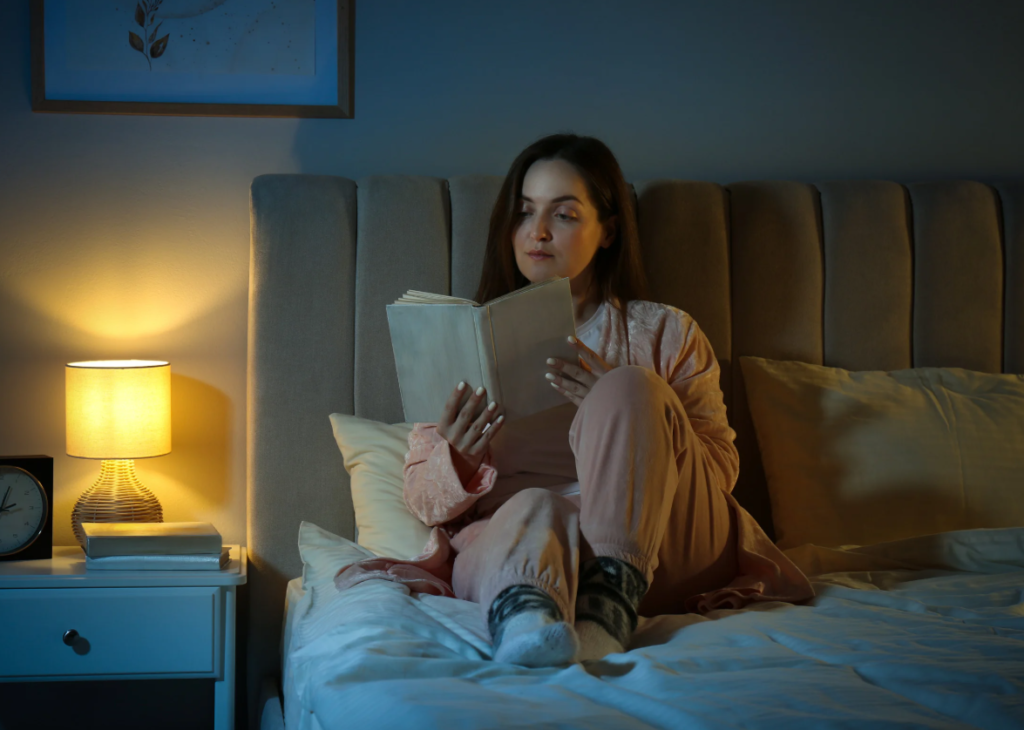
For most readers, the last page of the day is turned in bed. The lamp is low, the phone is somewhere else, and a chapter turns into two before the eyelids win. It is one of the most ordinary pleasures a reading life contains, and lately it has acquired a new reputation. Social media calls it a sleep hack, and articles promise that a few minutes with a book will melt away most of your stress, citing brain-health experts and a statistic that has been repeated for nearly twenty years.
The habit has a stranger history than that. For much of the last two centuries, reading in bed was treated as a vice: dangerous, unhealthy and faintly indecent. The truth about it sits somewhere between the old panic and the new hype, and it turns out to be more interesting than either. It has to do with what a story does to a worried mind at the end of a long day.
“Reading in Bed Is a Disease,” a Doctor Told the Daily Mail in 1903
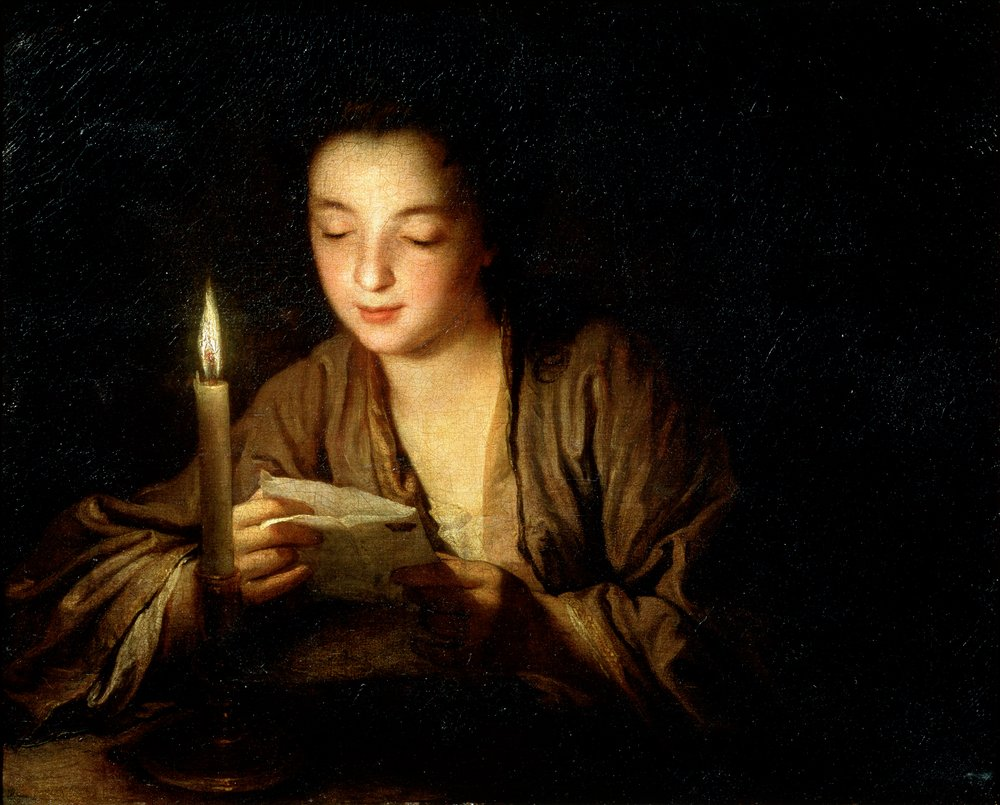
Before electric light, reading in bed meant reading by candle, and the candle was the problem. In an essay for The Atlantic, the scholar Nika Mavrody described the habit in the nineteenth century as “practically synonymous with death-by-fire.” A Christian periodical, the Family Monitor, blamed the death of Lord Walsingham in a house fire in 1831 on “the flagrant vice of bringing a book to bed.” The fear went beyond the flames. People worried, Mavrody wrote, that solitary reading and sleeping “fostered a private, fantasy life,” a life that took place behind a closed door, in a person’s own head, with no one supervising.
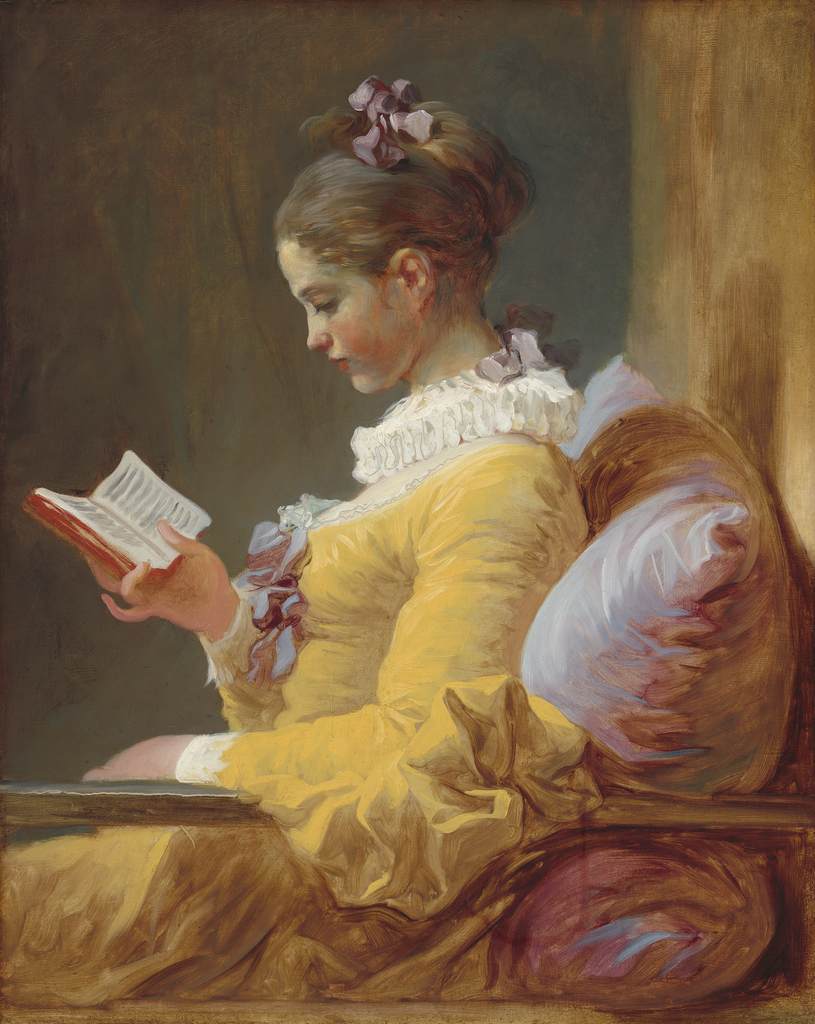
That worry had been growing since the eighteenth century, when cheap printing put novels into the hands of readers who had never owned books before. German critics spoke of Lesesucht, “reading mania,” and in England, as the sociologist Frank Furedi recounts, the Lady’s Magazine warned in 1780 that novels were “the powerful engines with which the seducer attacks the female heart.” A woman alone in bed with a novel was the picture of what the moralists feared: a mind wandering off somewhere they could not follow.
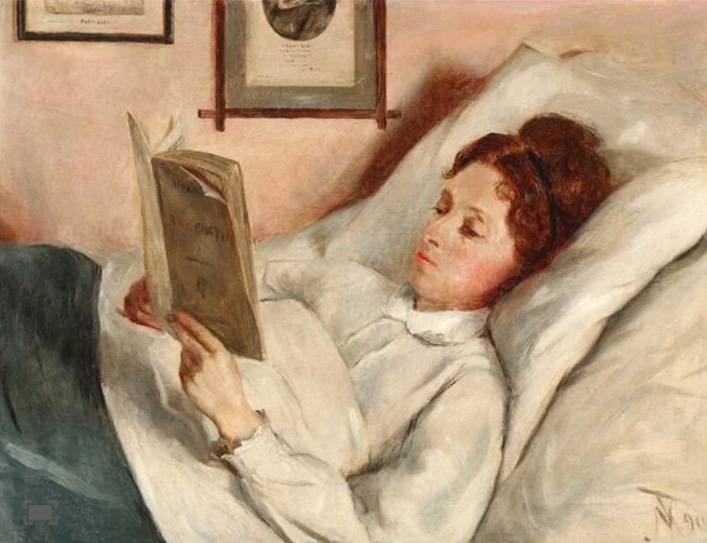
The doctors picked up where the moralists left off. In 1903 a physician told the Daily Mail that “reading in bed is a disease; the habit is as bad as taking drugs.” A doctor writing in the Guardian in 1908 warned that the chief danger “is to the eyes.” Readers carried on regardless. The Irish writer Stephen Gwynn observed in 1899 that “the habit of reading in bed is one which everybody condemns and everybody practices,” and in 1919 the American essayist Christopher Morley opened a collection of his pieces with an instruction to the reader: “This book is intended to be read in bed. Please do not attempt to read it anywhere else.” A copy on the bedside shelf, he added, “may possibly pave the way to easy slumber.”
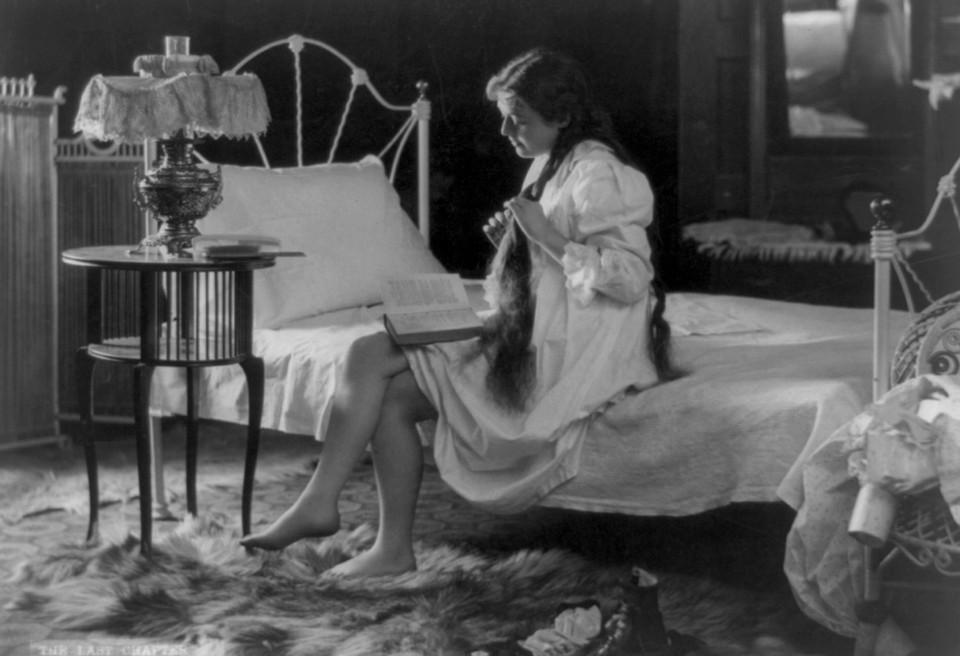
What the doctors and the moralists both sensed was the thing that makes the habit valuable. A book in bed takes the reader out of the room. For a long time that looked like a danger. It may be the whole reason it works.
The 68 Per Cent That Came From a Chocolate Company
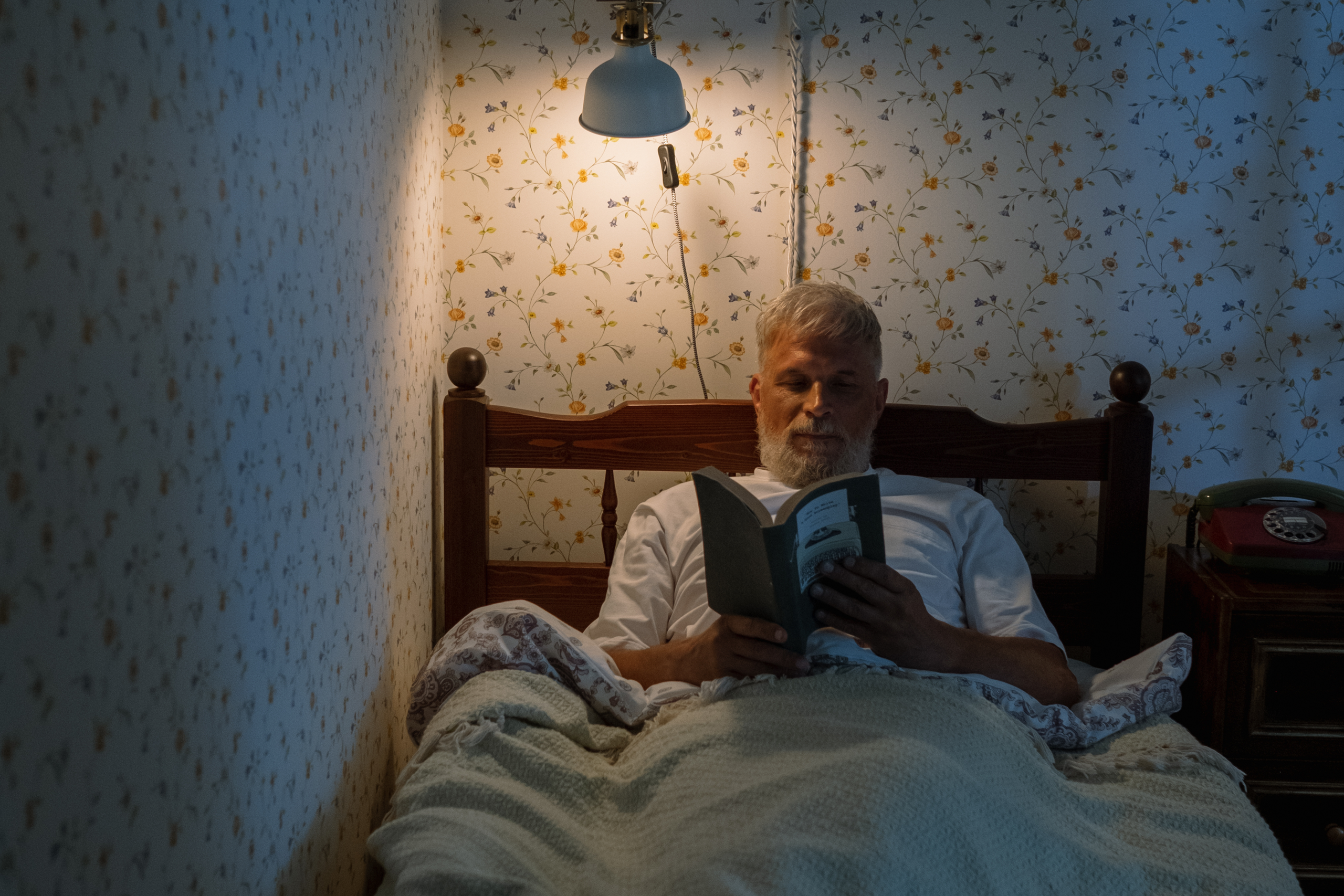
If you have read anything about books and sleep online, you have probably met this claim: reading for just six minutes reduces stress by 68 per cent, more than listening to music, drinking tea or going for a walk. It appears in health columns, library blogs and wellness posts, often described as research from the University of Sussex.
The number comes from a 2009 study by Mindlab International, a consultancy run by the psychologist David Lewis, which Wikipedia notes operated from an innovation centre in Brighton after he left the university. It was commissioned by Galaxy chocolate to launch a book giveaway. No journal published it, and its methods have never appeared anywhere a scientist could check them. Ten years later, Inc. magazine was still presenting it as “new research.”

The good news is that a real test of reading in bed now exists, and it is more convincing for being honest about its limits. In 2021 researchers in Ireland ran what they called the People’s Trial, randomly assigning 991 members of the public either to read a book in bed before sleep or to skip it, for a week. Afterwards, 42 per cent of the readers reported that their sleep had improved, against 28 per cent of those who did not read. The results were self-reported, and the authors note that “not everyone’s sleep improved”: one reader in ten slept worse. A gap of fourteen points from a simple habit that costs nothing is still a meaningful result.
The format of the book matters too, though less than people think. In a much-cited Harvard study, twelve adults spent two weeks reading for four hours each evening, sometimes from a printed book and sometimes from a light-emitting e-reader at full brightness. On the e-reader nights, they took about ten minutes longer to fall asleep, their melatonin was suppressed by 55 per cent, and they were sleepier the next morning.
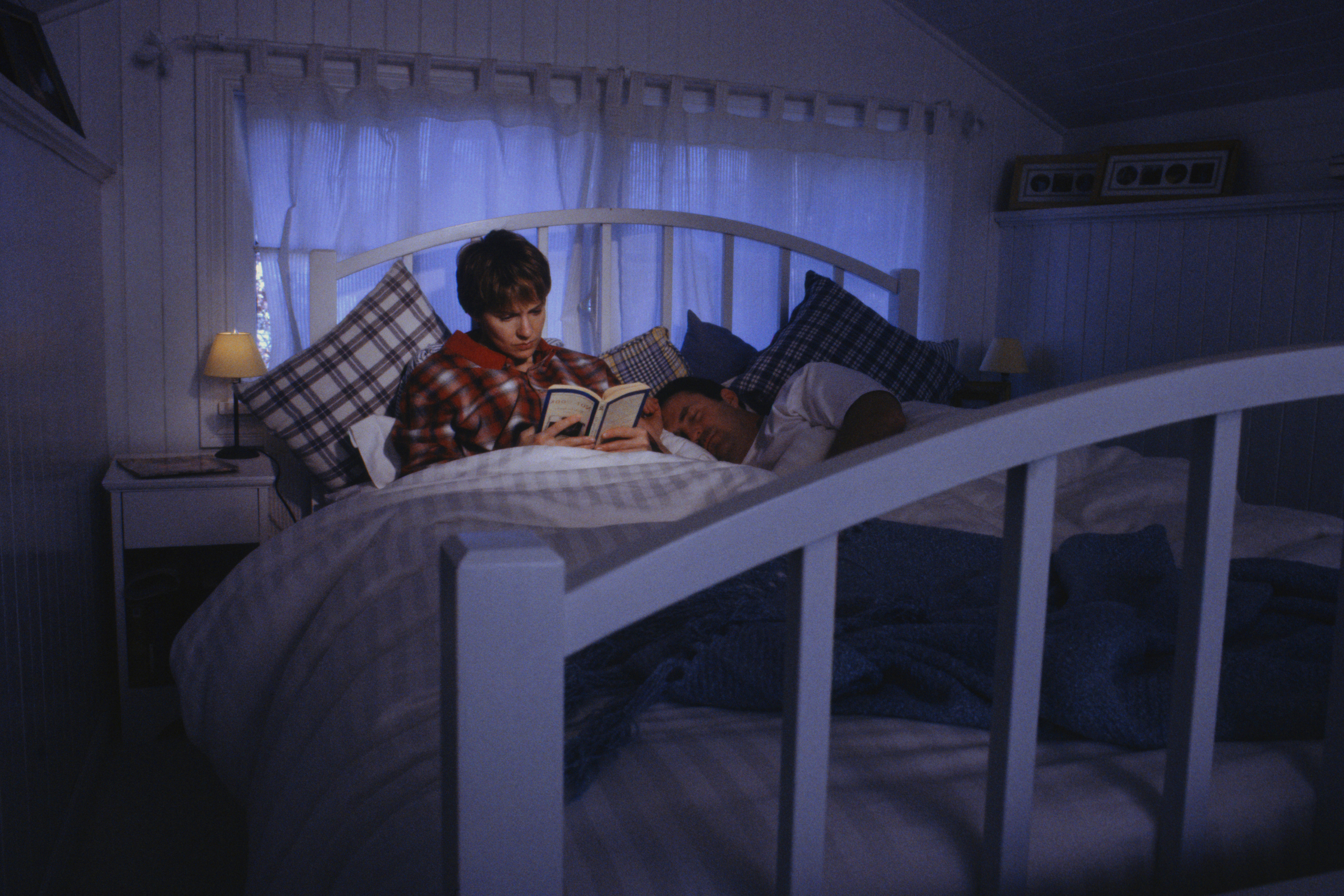
Later studies in more ordinary conditions found the effect of screen light much smaller: in one at Uppsala University, two hours on a tablet did not affect the sleep of students who had been out in daylight. What seems to matter more is what the screen does to the mind. A study of young adults found that frequent binge-watchers had 98 per cent higher odds of poor sleep, and the researcher traced it to “cognitive pre-sleep arousal,” the state of a brain too switched on to let go.

For children, the evidence is about rhythm. A review of the research on bedtime routines admits it is “not clear whether reading itself promotes sleep,” while finding strong support for consistent routines, which is why the American Academy of Pediatrics recommends a simple sequence for every night: Brush, Book, Bed.
“More Brain Space Than the Same Dirty Old Sheep”

Why would a book help at all? The answer lies in what actually keeps people awake. Sleep researchers have found, again and again, that the main obstacle to sleep sits in the mind. In 2002 the Oxford psychologist Allison Harvey proposed an influential model of insomnia in which worry about not sleeping and the constant monitoring of whether sleep is coming keep the problem going.
In one of her studies, poor sleepers took an average of 36 minutes to fall asleep against 13 to 16 for good sleepers, and the difference was put down to “uncontrollable pre-sleep cognitive activity.” A 2026 study from the National University of Singapore, which followed students across some 800 nights, found that racing thoughts were what connected a stressful day to a sleepless night; heart rate did not explain the link.
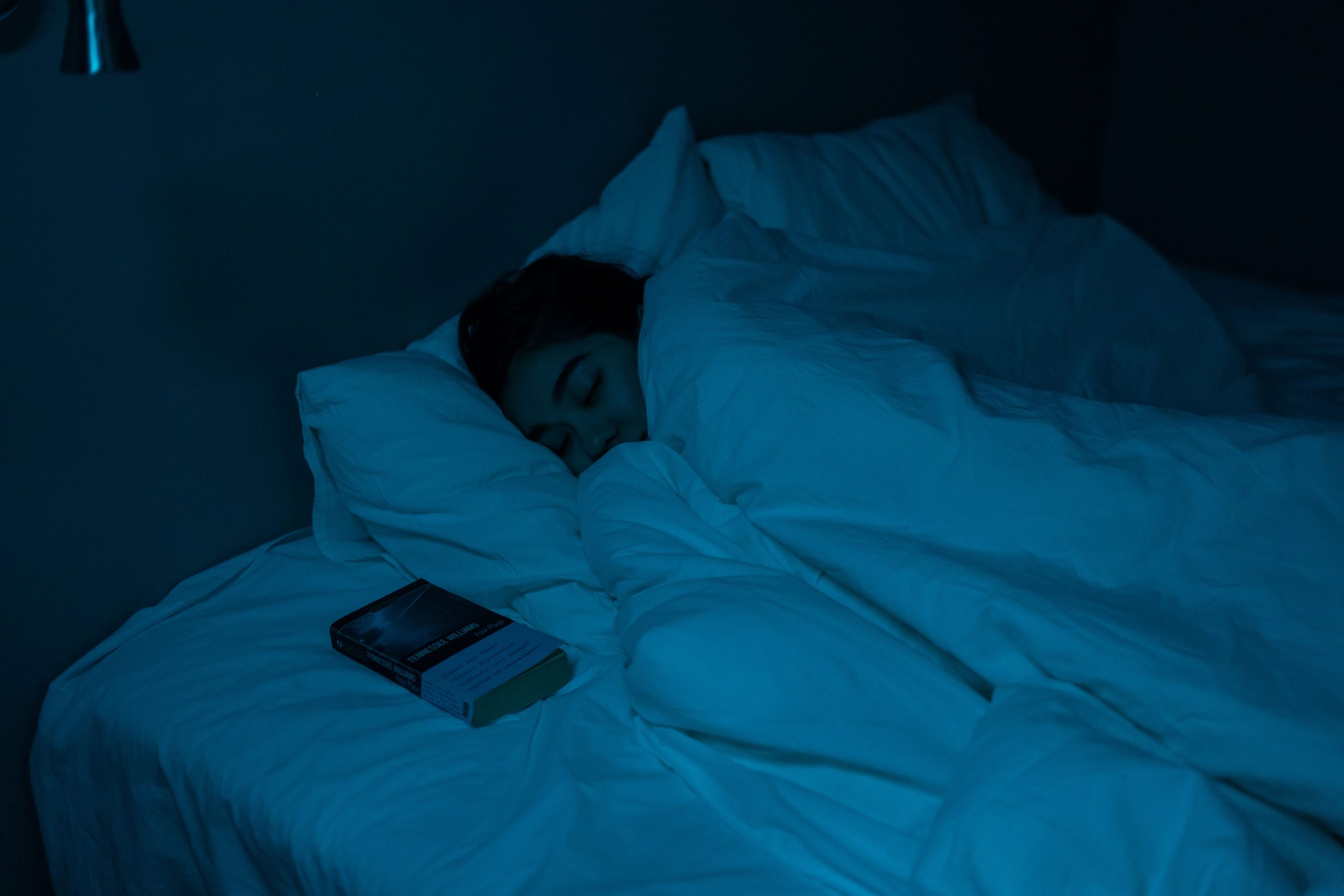
Two Melbourne sleep researchers, Melinda Jackson of Monash University and Hailey Meaklim of the University of Melbourne, describe the difference beautifully. Good sleepers, they write, “report experiencing mostly visual sensory images as they drift to sleep,” while the thoughts of people with insomnia are “more focused on planning and problem-solving.” Trying harder makes it worse, because “putting effort into sleep actually wakes you up more.” Their advice is to pick an engaging task with enough scope to hold the mind, and to avoid anything so gripping that it winds you up.
That is very close to what Harvey tested in a famous experiment with her colleague S. Payne. People with insomnia were asked, on falling into bed, either to imagine a scene that was “interesting and engaging, but also pleasant and relaxing,” to distract themselves however they liked, or to do nothing special. The imagery group fell asleep sooner than the group given no instruction, and found their thoughts less distressing.
Harvey’s explanation to New Scientist has become a small classic: “Picturing an engaging scene takes up more brain space than the same dirty old sheep.” Nobody has yet run the same test with a novel, but a good book does something very like it. It hands the mind a scene, absorbing enough to crowd out the email and the argument, gentle enough to let the eyes grow heavy. This is also why the psychologist Lalitaa Suglani suggests that “familiar or light fiction” suits the hour better than a thriller.
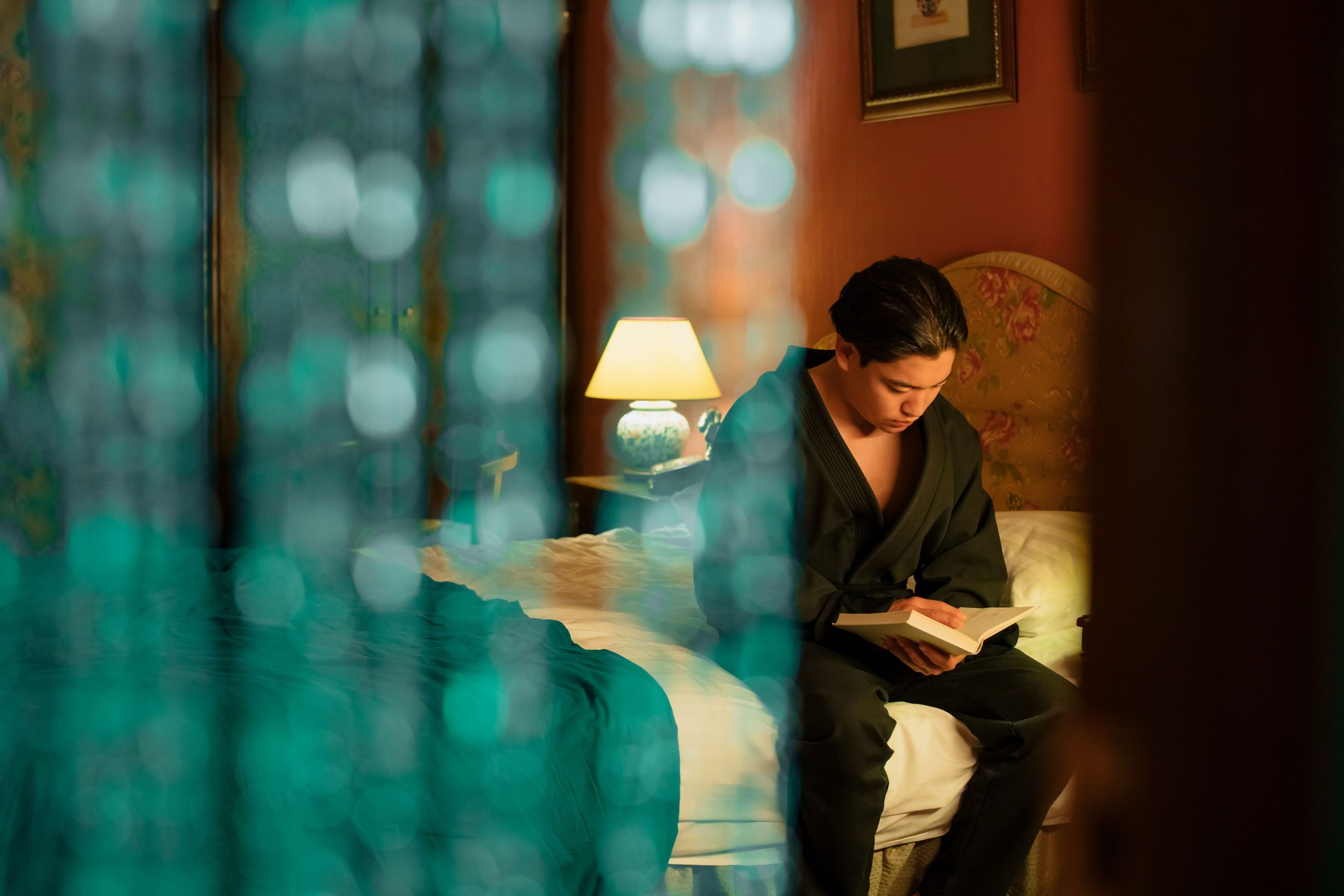
The habit may also work simply by being a habit. Sleep clinicians advise people to “establish a set of regular presleep routines to signal that bedtime approaches,” done in the same order each night. And a team led by Alison Wood Brooks of Harvard Business School found that performing a small ritual before a stressful task, in their case singing a Journey song to a stranger, lowered both heart rate and anxiety. Those studies had nothing to do with sleep, but the nightly chapter has every feature of a ritual: the same lamp, the same pillow, the same small act repeated until the body learns what comes next.
There is one honest complication. For people with chronic insomnia, the standard behavioural treatment, devised by the psychologist Richard Bootzin in 1972, says the opposite of everything above: “Do not read or watch television in the bedroom.” The aim is to retrain a bed that has become associated with lying awake, and Stanford’s sleep clinic still advises insomnia patients to use the hour before bed for reading “somewhere other than your bedroom.”

For everyone else, the clinical view is gentler; one NHS leaflet simply says, “If you like to read in bed, do it for no more than half an hour.” The half hour matters. Psychologists have a name, bedtime procrastination, for “failing to go to bed at the intended time,” and every reader knows how easily one more chapter becomes three.
Proust Fell Asleep Still Thinking About His Book
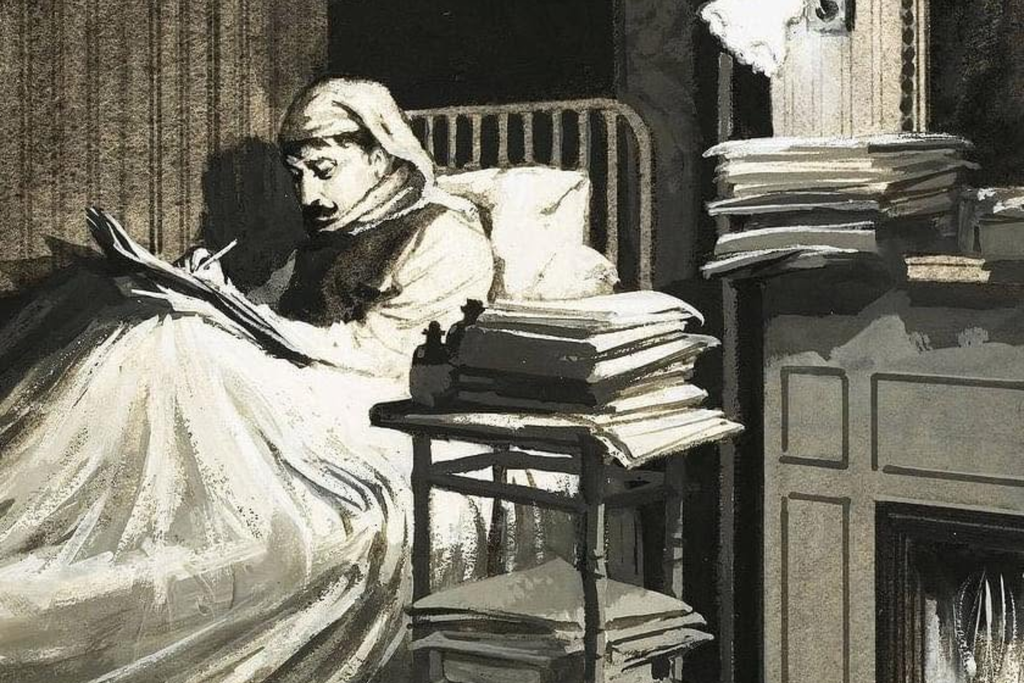
The most famous bedtime reader in literature appears on the first page of Marcel Proust’s In Search of Lost Time, the seven-volume French novel published between 1913 and 1927. Its narrator remembers the years when he went to bed early, and how, sometimes, “when I had put out my candle, my eyes would close so quickly” that he had no time to tell himself he was falling asleep. Half an hour later he would wake, still believing he was holding the book. He “had been thinking all the time, while I was asleep, of what I had just been reading,” and in his drowsy state he became the subject of it: “a church, a quartet, the rivalry between François I and Charles V.”
Proust is describing something psychologists now have a name for. In a well-known study from 2000, Melanie Green and Timothy Brock of Ohio State University called it transportation: the state in which a story absorbs us so fully that it becomes “an integrative melding of attention, imagery, and feelings,” and the reader “loses access to some real-world facts in favor of accepting the narrative world that the author has created.” Green and Brock were studying persuasion, and nobody has yet measured transportation against sleep. Their description still fits Proust’s narrator precisely, and it fits the reason a novel seems to work where other calming habits fail.
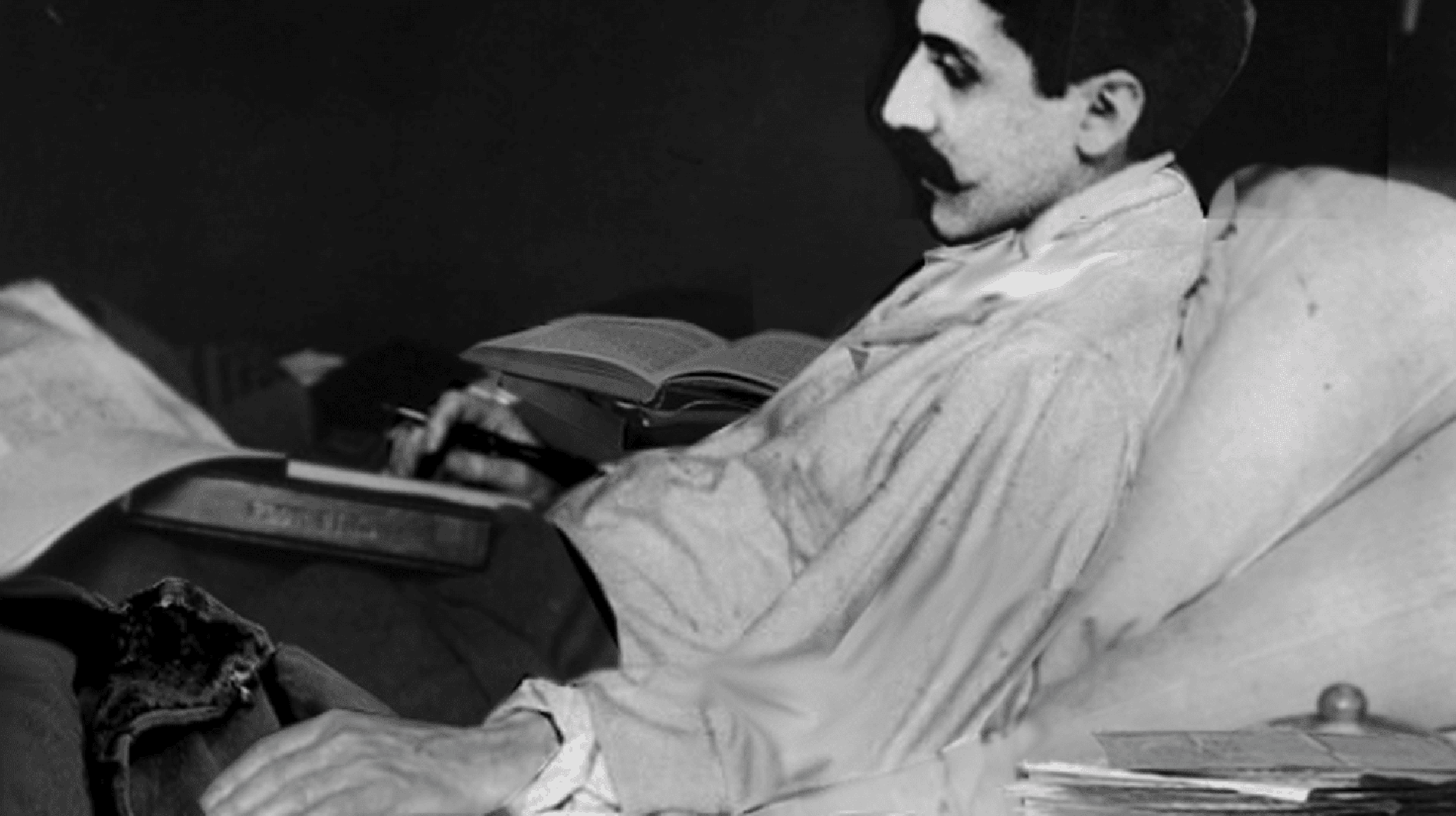
Proust’s half-sleeping narrator also shows something about the moment of falling asleep itself. In a classic review of the research, the Harvard psychologist Daniel Schacter described the drowsy interval between waking and sleep as a state of spontaneous images and “looser patterns of association”, marked by “a steady decline in volitional control.” What we do before bed can colour that state: in a well-known Harvard experiment, most people who had spent the day playing Tetris saw falling blocks as they drifted off. No study has yet tested whether a story’s images ease the passage into sleep. It is a lovely possibility all the same, and it is exactly what Proust describes: a reader who closes the book and keeps going, the church and the quartet carrying him across the border into sleep, his mind already some distance from the day.
Seen this way, the Victorian moralists described the habit accurately and drew the opposite conclusion from the one the science now supports. Reading in bed does take the reader into a private world that no one else can enter. It does loosen the hold of the real room, with its responsibilities and its lists. Falling asleep requires exactly that loosening, and few things accomplish it as kindly as a good book held by lamplight. Christopher Morley’s instruction to read his essays in bed and nowhere else was a joke, and like most good jokes it was also true. Some books are written for the hour when the day lets go of us, and the best of them leave us, like Proust’s narrator, still in their world when we wake.

Vincent Minatozaki
Vincent is the founder and Editor-in-Chief of 1000 Libraries Magazine. He is a Paris-born ex-corporate turned bookseller and philosopher, on a global mission to spread the joy of physical books in our age of digital technology.