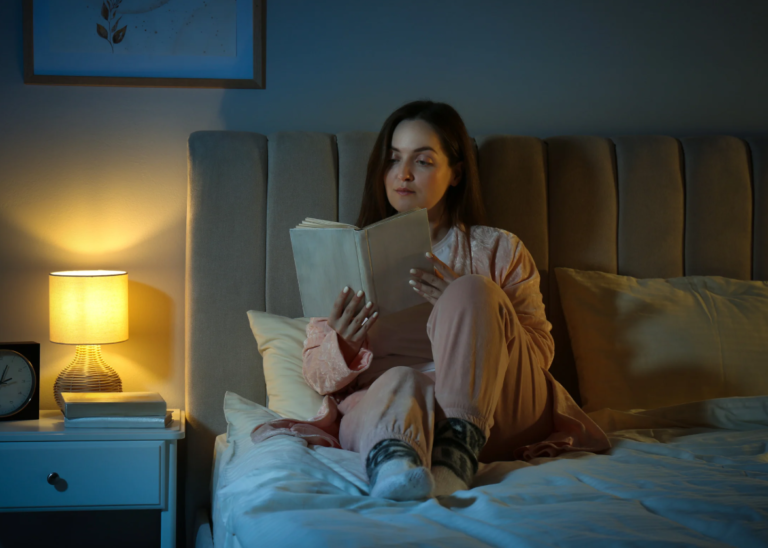
Happy 87th Birthday, Margaret Atwood! From the forests of northern Quebec to a sealed room in Oslo, Margaret Atwood has spent a lifetime thinking about the person on the other side of the page.
On the top floor of Oslo’s public library, Deichman Bjørvika, is a small room lined with wood. Its walls hold manuscripts that no living person has read. Margaret Atwood wrote the first, Scribbler Moon, in 2014. It will stay sealed until 2114, when it will be printed on paper made from a forest of 1,000 trees planted outside the city for that purpose. Future Library, the century-long artwork conceived by the Scottish artist Katie Paterson, rests on faith in readers who have yet to be born. Atwood has called the wait “a fairytale length of time.”
That faith runs through much of what she has said about reading. In essays, lectures, and interviews, the Canadian author has repeatedly returned to the reader. She asks who that person is, what they do with a book, and why the world needs more of them. Five of her reflections, gathered here, form a small philosophy of the reading life.
A Childhood of Rain and Pages
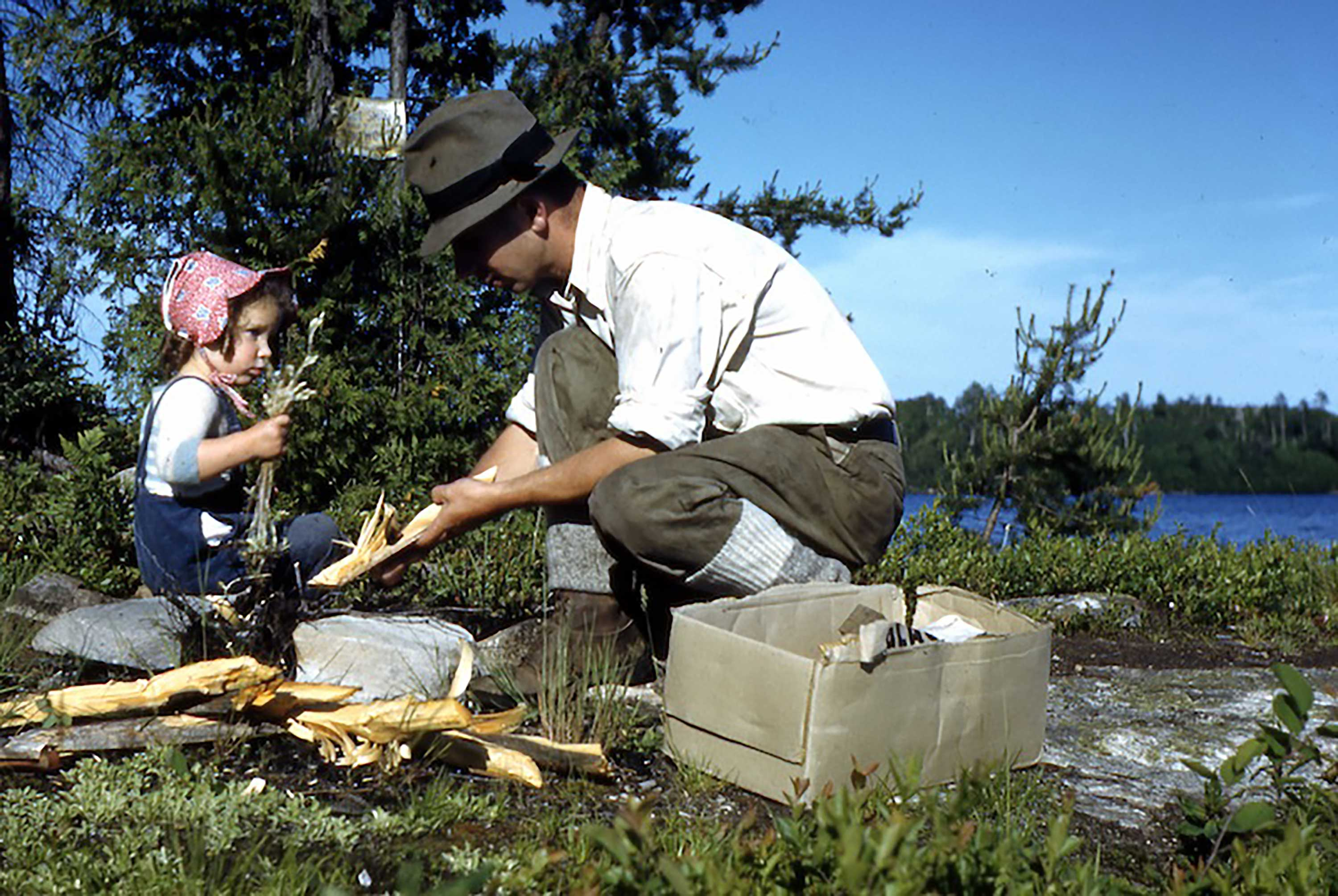
Margaret Atwood was born in Ottawa in 1939, the daughter of an entomologist. She spent much of her childhood in the forests of northern Quebec. In a 2013 interview, she recalled that there was often no radio or television there, and on rainy days she stayed inside reading, writing, and drawing.
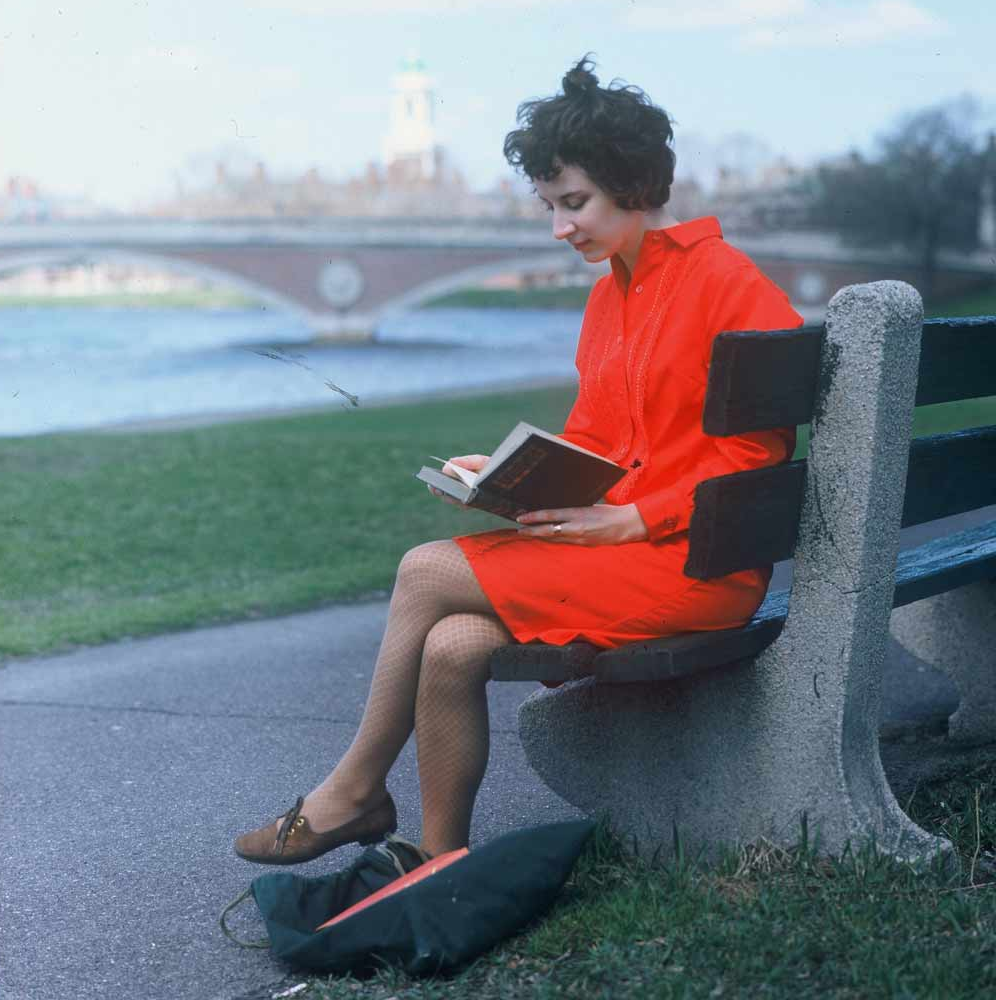
She began studying at Victoria College at the University of Torontoin 1957, where the critic Northrop Frye was among her teachers. Atwood later published more than 50 books, including Canadian bestsellers like The Handmaid’s Tale, Cat’s Eye, and The Blind Assassin, and won two Booker Prizes.
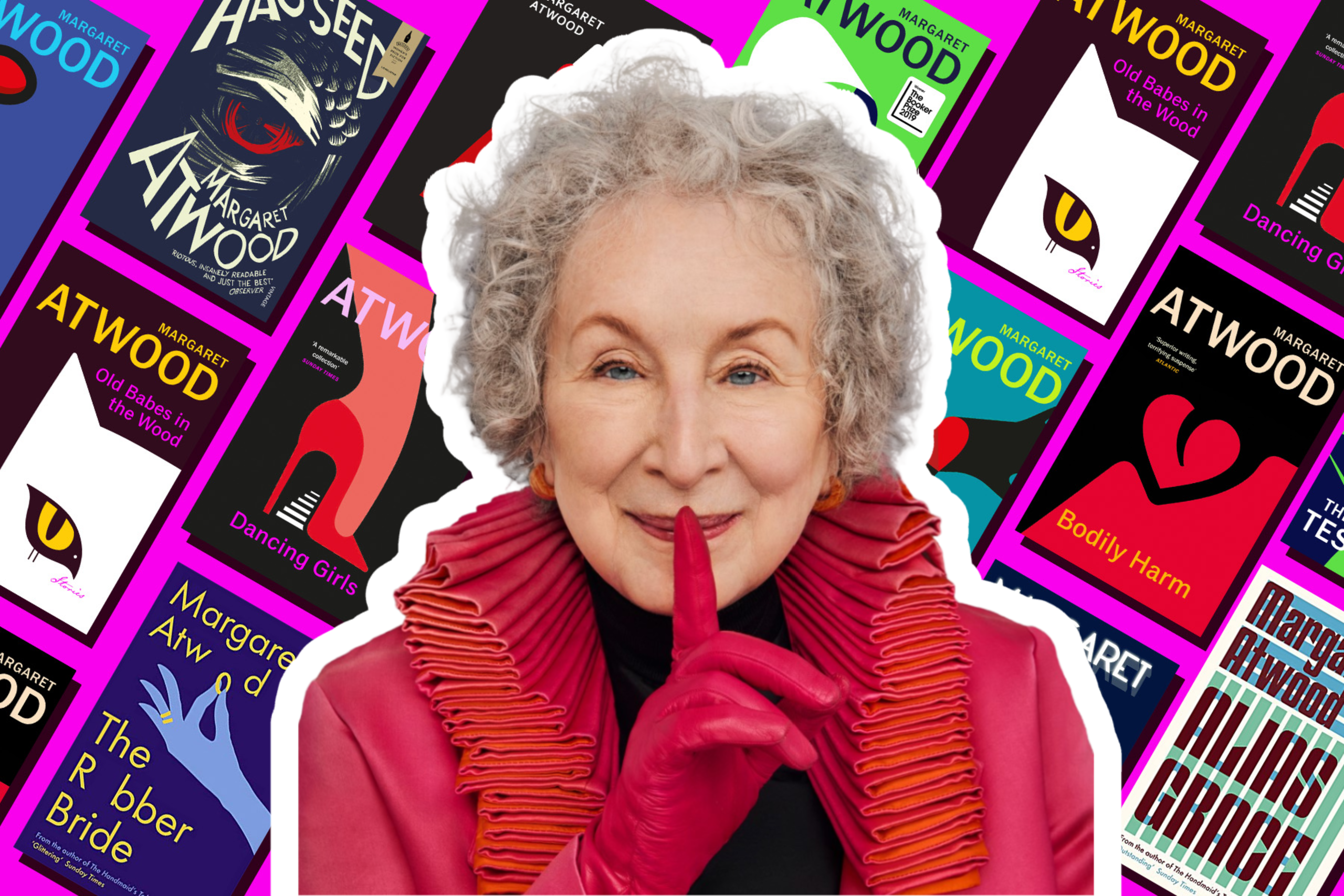
Through all those decades of writing, Atwood has remained first of all a reader, and she speaks about reading with the warmth of someone recalling an old friend. The five reflections below trace that thinking. They begin with the solitary reader alone with a page, move outward to the bond between reader and writer, and end with the generations of readers still to come.
1. Every Reader, a Different Book
“Reading is one of the most individual things that happens. So every reader is going to read a piece in a slightly different way, sometimes a radically different way.”
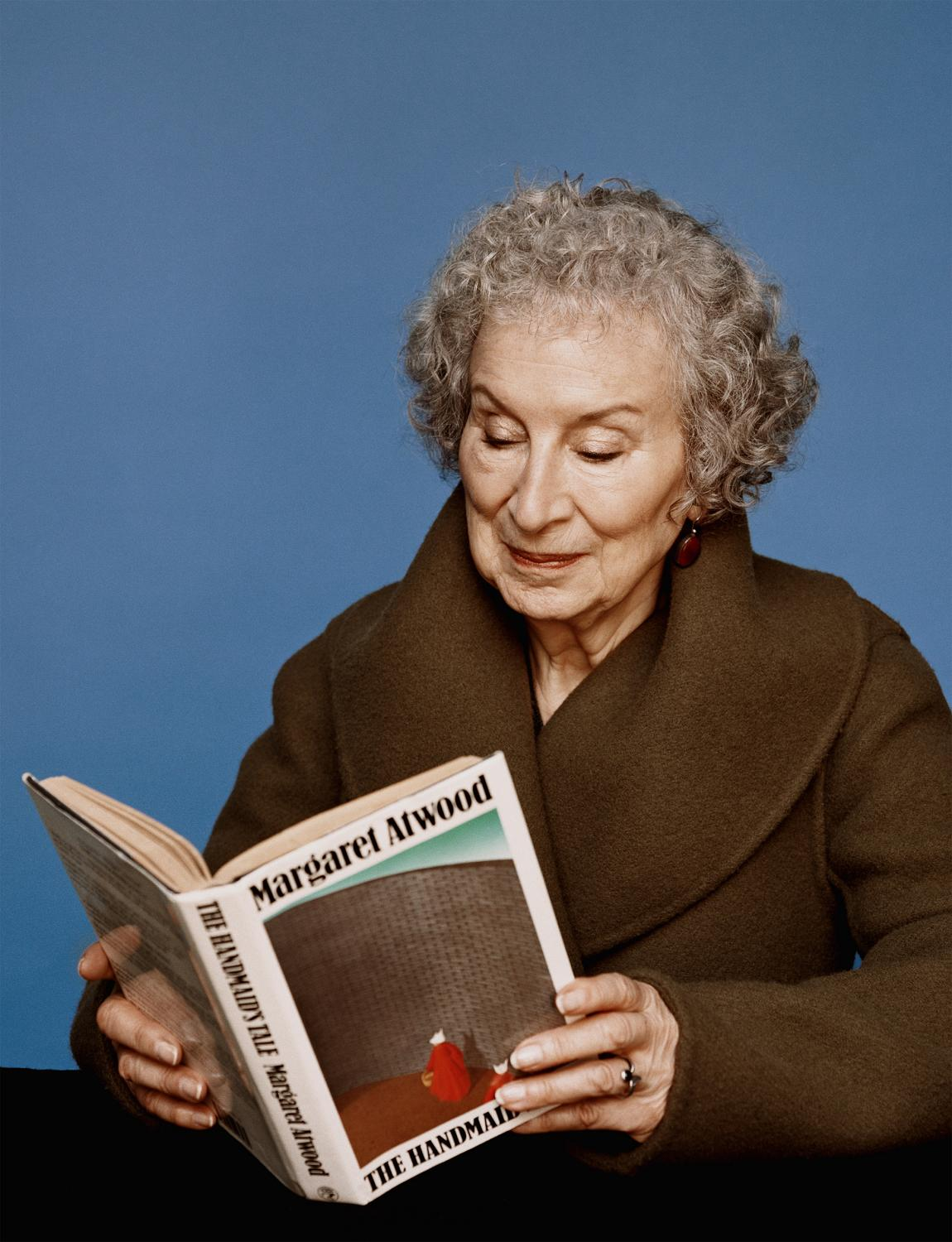
Atwood said this in a 2014 BuzzFeed interview with Krystie Lee Yandoli. She added that every reader interprets a piece slightly differently, and sometimes radically differently. Anyone who has lent a beloved novel to a friend and then heard it described back as a different book entirely will recognize the truth of this. Two people can sit with the same pages and come away with two private worlds, each one real to its reader.
2. The Book as a Musical Score
“A book may outlive its author, and it moves too, and it too can be said to change – but not in the manner of the telling. It changes in the manner of the reading. As many commentators have remarked, works of literature are recreated by each generation of readers, who make them new by finding fresh meanings in them. The printed text of a book is thus like a musical score, which is not itself music, but becomes music when played by musicians, or “interpreted” by them, as we say. The act of reading a text is like playing music and listening to it at the same time, and the reader becomes its own interpreter.”
She develops the idea in Negotiating with the Dead: A Writer on Writing (2002). The book grew out of the Empson Lectures she gave at the University of Cambridge in 2000. In this passage, Atwood observes that each generation of readers remakes literature by finding fresh meanings in it. She compares a book’s printed text to a musical score, which comes alive when musicians perform it.
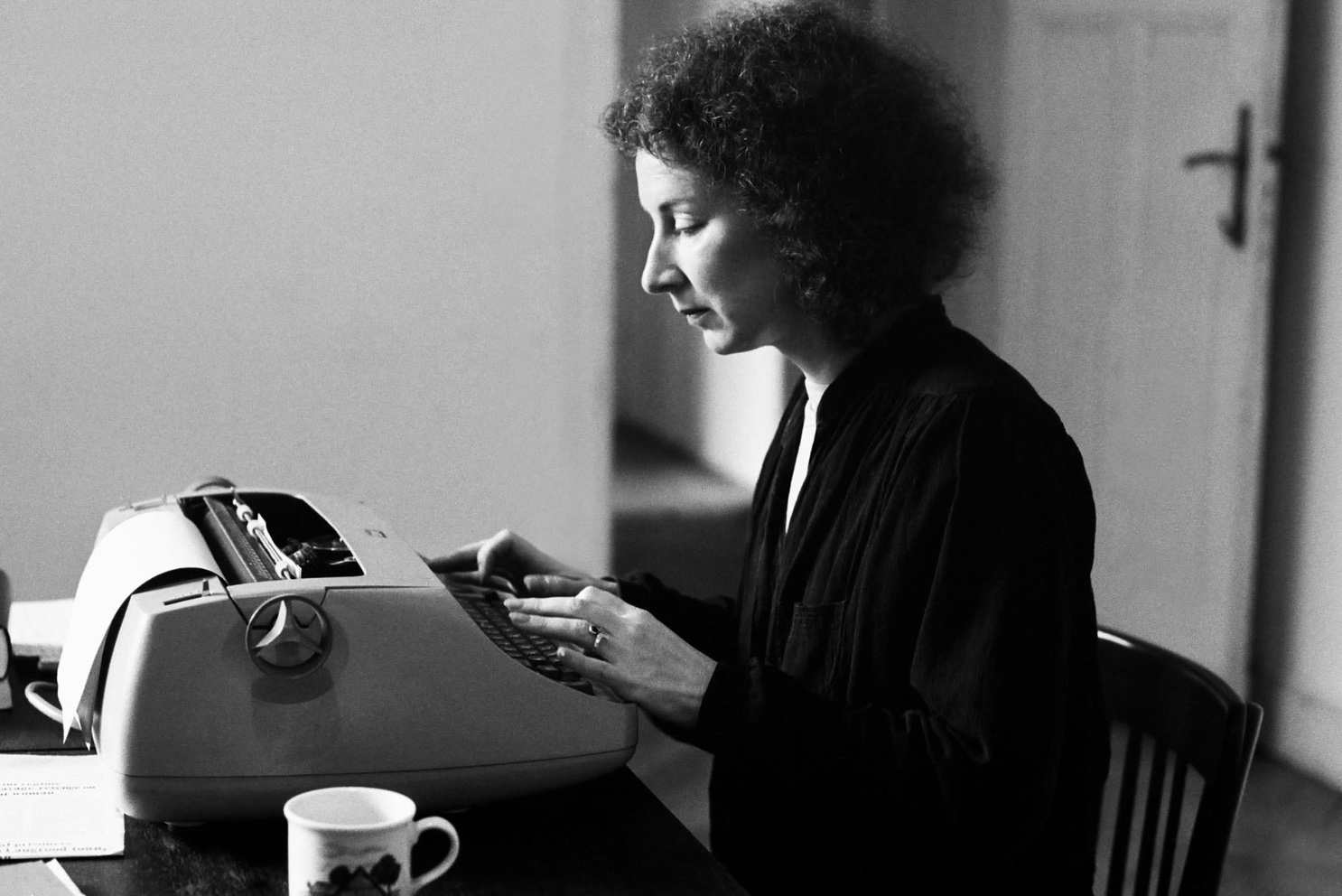
Atwood writes that reading “is like playing music and listening to it at the same time.” The image suits anyone with an analog turn of mind. A score can rest on a shelf for centuries, waiting for a pair of hands. A novel waits the same way, for a reader willing to give it time, attention, and breath. Each reading is a performance, and in Atwood’s account the reader becomes the book’s interpreter.
3. The Reader a Book Is Waiting For
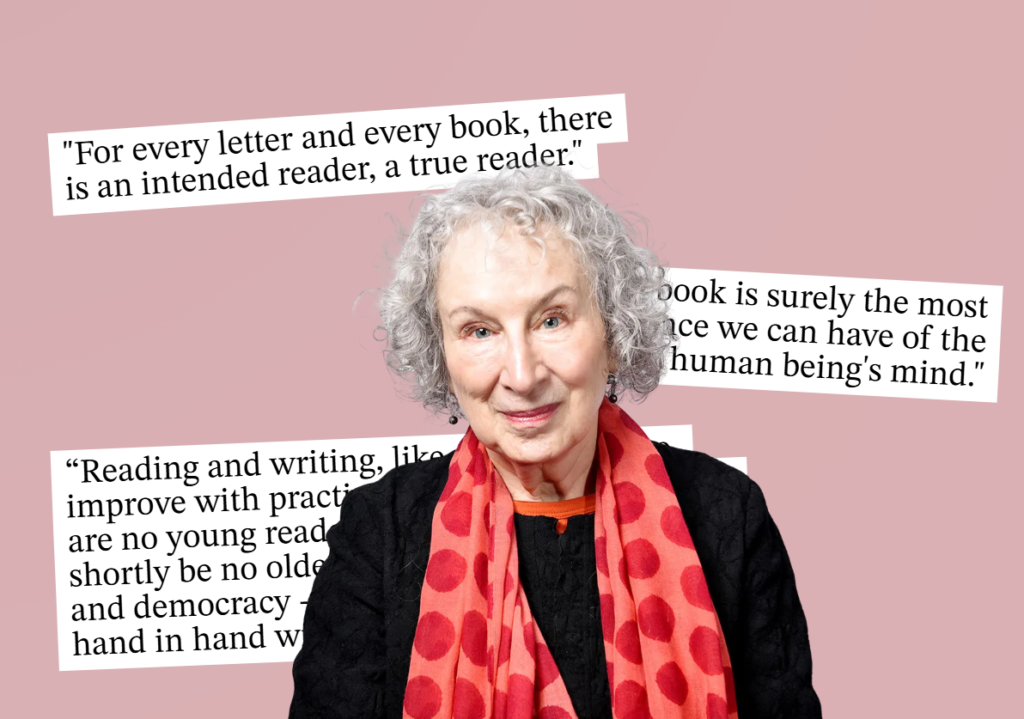
“For every letter and every book, there is an intended reader, a true reader.”
This line comes from the chapter of Negotiating with the Dead titled “Communion.” There, Atwood imagines a triangle of writer, reader, and book, with the book as a go-between carrying a message from one person to another. The sentence carries a quiet tenderness. Somewhere, perhaps in another country or another century, a person is waiting for a particular book. Atwood goes on to suggest that this ideal reader could be anyone, since reading is as singular an act as writing.
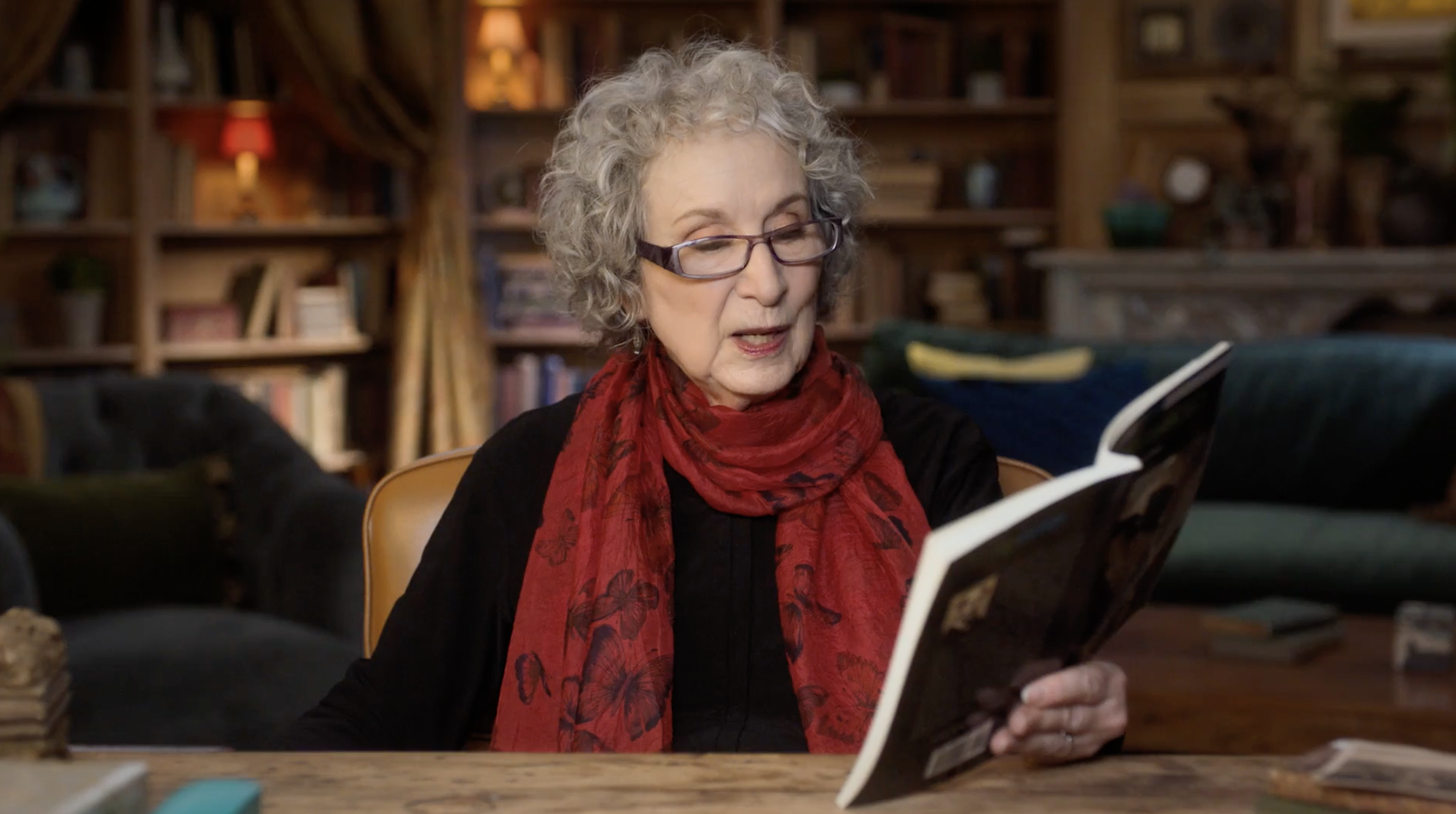
This is a generous way to think about world literature. A novel translated from Korean, Portuguese, or Yoruba may find its true reader in a small town on the far side of the planet. A reader who opens it with curiosity becomes, for a few hundred pages, a citizen of a much larger world.
4. Reading as The Most Intimate Experience
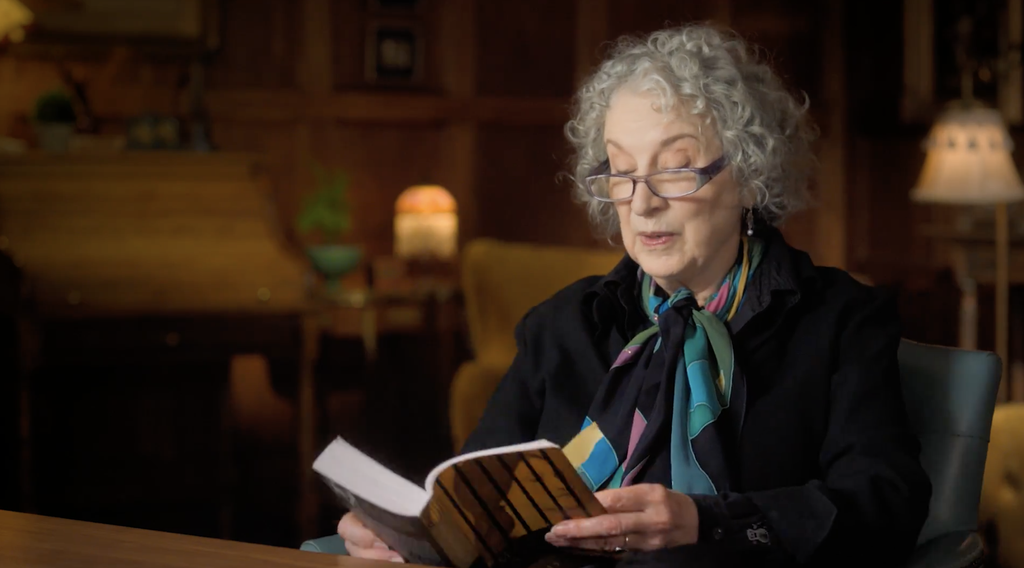
“Reading a book is surely the most intimate experience we can have of the inside of another human being’s mind.”
In an essay widely cited as “A Wolf in Wolf’s Clothing,” published in America magazine, Atwood describes a book as a voice in your ear, meant for you alone while you read it. Reading, she writes, is “the most intimate experience we can have of the inside of another human being’s mind.”
That intimacy explains the particular kindness reading can teach. Spending an evening inside a stranger’s thoughts stretches the imagination toward empathy. The stranger might be a clerk in nineteenth-century St. Petersburg or a girl growing up in postwar Toronto. Few experiences bring us so close to another life with so little distance in between, and the closeness lingers long after the book is closed.
5. Raising the Next Generation of Readers
“Reading and writing, like everything else, improve with practice. And, of course, if there are no young readers and writers, there will shortly be no older ones. Literacy will be dead, and democracy – which many believe goes hand in hand with it – will be dead as well.”
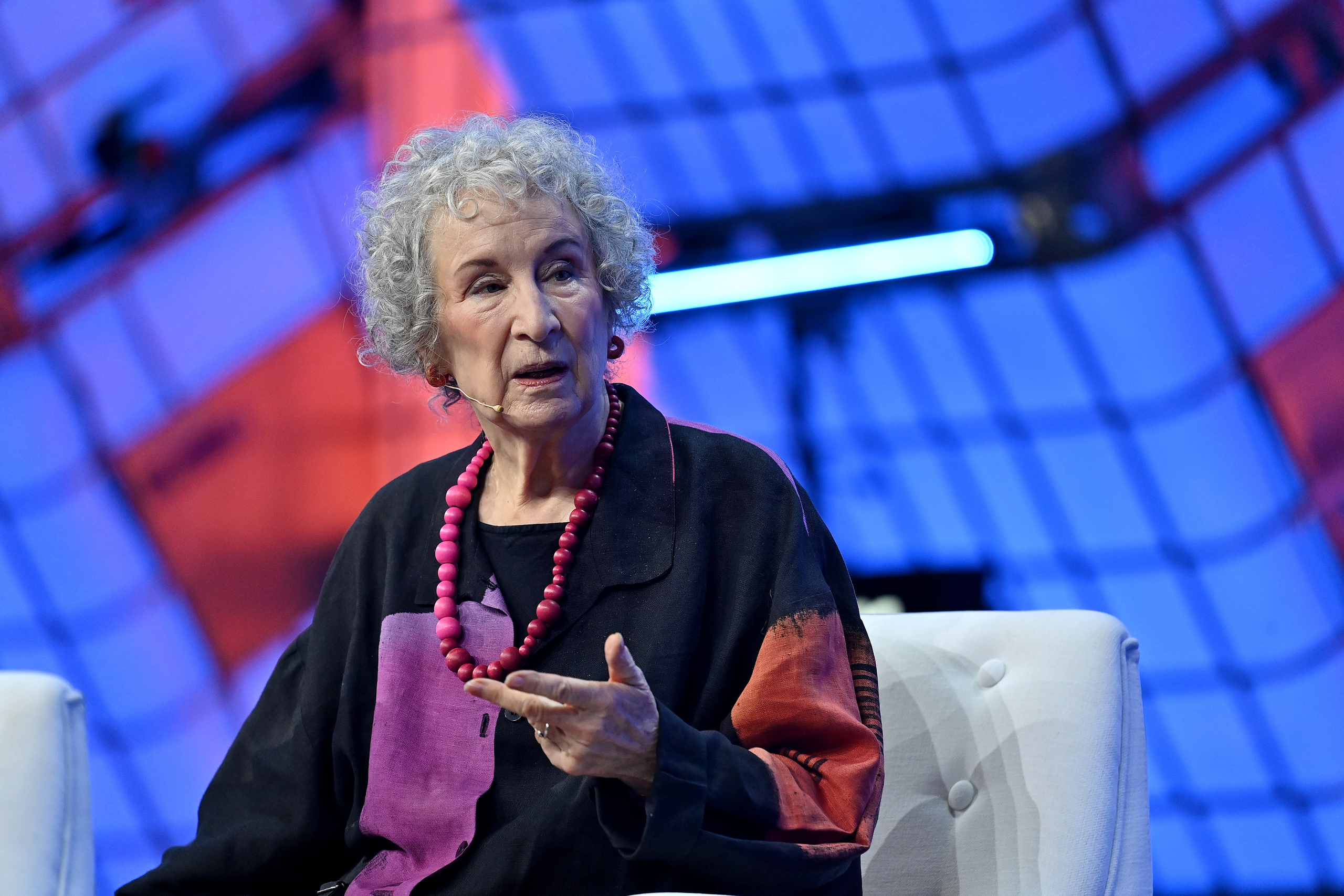
The last line comes from a 2012 essay for the Guardian. In it, Atwood, then in her early seventies, explained why she had joined Wattpad, the Toronto-based platform where people post and read stories on their phones. That summer she began sharing poems there and agreed to judge a poetry competition for the site.
In the essay, she argued that reading and writing improve with practice. She also warned that literacy is at stake, along with the democracy many believe goes hand in hand with it.
Her enthusiasm drew on a long memory of literary history. She compared Wattpad writers, who shape their stories in response to readers’ comments, to Dickens publishing The Pickwick Papers in installments. She recalled Frye’s counsel that young people should be allowed to start with whatever captures their interest. She also described a letter Wattpad co-founder Allen Lau received from an elderly man in an African village, where a mobile phone allowed people to read and share stories.
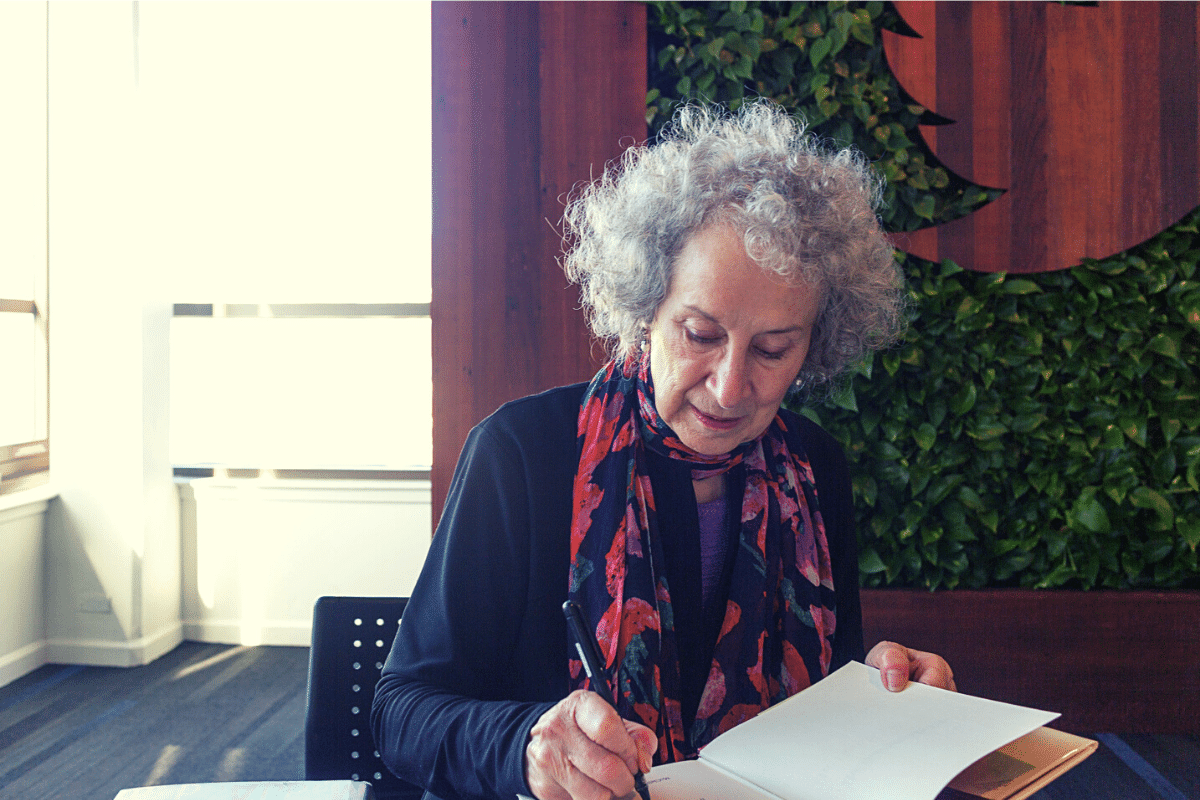
Old souls can take heart from this. Atwood’s devotion to the printed page has always sat comfortably alongside her curiosity about new ways to reach readers. In the same essay, she wrote that her age gave her the freedom to experiment. A love of old things and a warm welcome for young readers belong together.
The Reader in 2114
That brings us back to the wood-lined room in Oslo. Atwood handed over her manuscript at a 2015 forest ceremony. Since then, the Future Library has received manuscripts from David Mitchell, Sjón, Elif Shafak, Han Kang, Karl Ove Knausgård, Ocean Vuong and Tsitsi Dangarembga, among others. It is a quiet anthology of the world’s voices, growing by one book a year. The Silent Room opened at Deichman Bjørvika in 2022, and the manuscripts are on display there, though no one can read them until 2114.
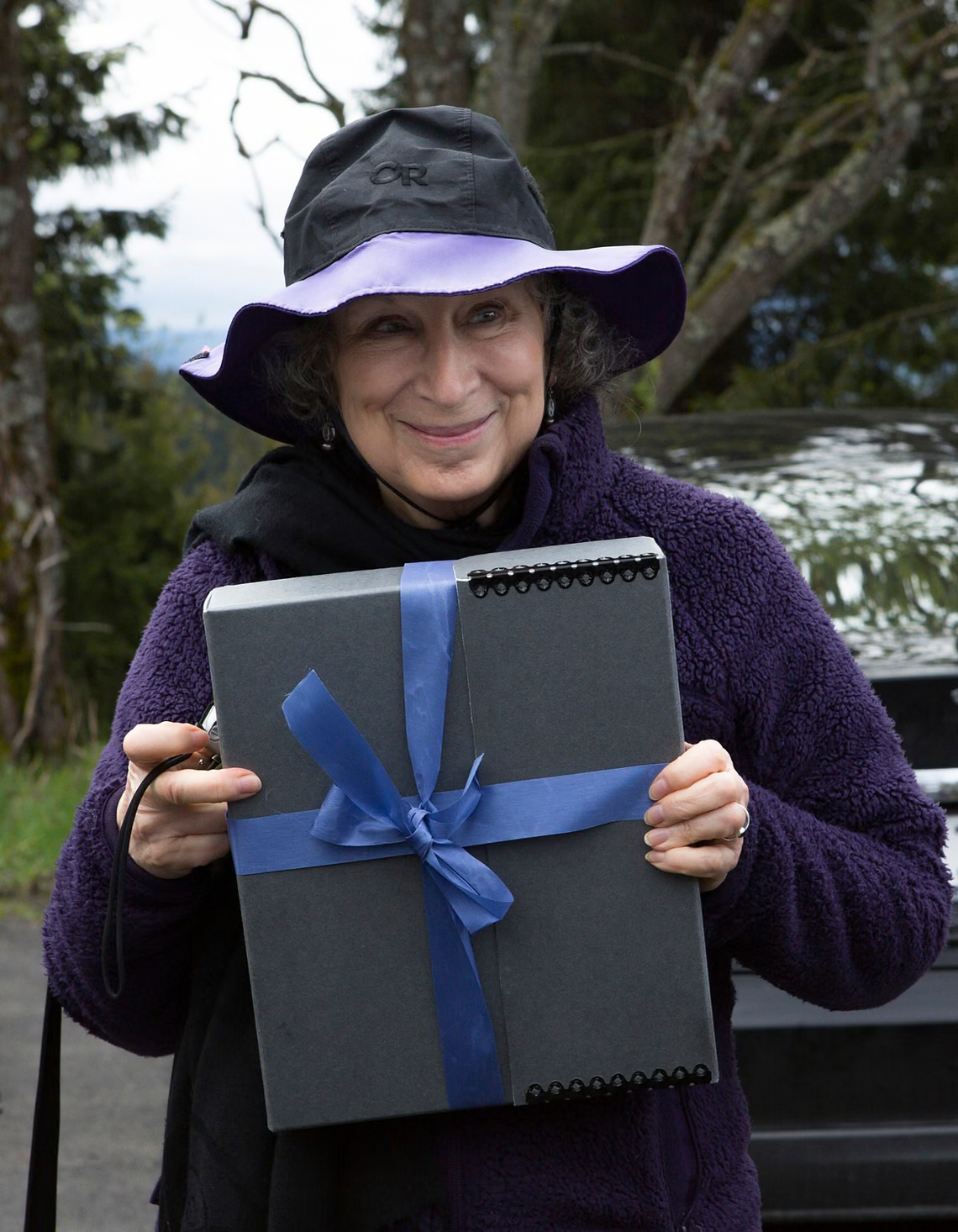
Each manuscript is a letter to a true reader not yet born. Atwood’s reflections suggest how the rest of us might prepare. We can read slowly and reread often. We can put books in young hands, and treat every library as a meeting place for strangers across time. Somewhere tonight, a reader opens one of her books for the first time, and the music begins again.

Adam Ryan
Adam is a distinguished content writer, bookworm, and full-time adventurer with a constant craving for coffee. When he's not working, he loves exploring remote corners of the world, immersing himself in different cultures, and writing about his experiences.