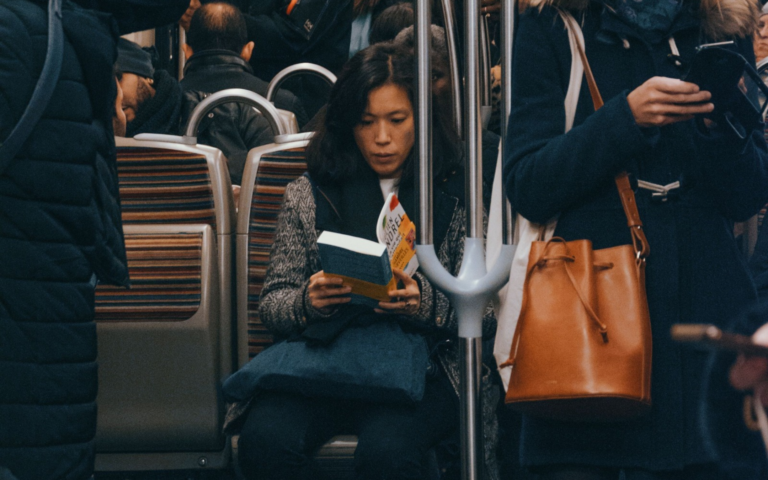

Eleven cities where books are part of everyday life, from Edinburgh and Dublin to Tokyo’s Jimbōchō and Buenos Aires: where book lovers truly belong.
Imagine the following scenario. You step off a train in an unfamiliar city, sit down at the first café you find, and slowly notice what’s missing. Nobody at the surrounding tables is scrolling. The woman by the window is 40 pages from the end of something and clearly rationing it. Two men argue over a paperback one of them is holding like evidence.
The waiter glances at the novel beside your cup, nods at it, says it’s better in the original, but the translation is honest. And something in your chest unclenches, because you realize you’ve spent years being the only person reading in public, and here, you’re just another local.
That feeling is what this list is really about. Not museums, not plaques, not an author’s house cordoned off with a velvet rope. These are 11 cities and towns where people actually read: visibly, daily, on terraces and trams and park benches, and where walking into a bookshop feels less like shopping and more like coming home.
One of them turned a national holiday into a night of reading by candlelight. Two rebuilt failing economies on second-hand paperbacks. One built an entire city, from the zoning laws up, around the making of books. Elsewhere, a reader is a customer. In these places, a reader is a citizen. Arrive with a book in hand, and you’ll find you already belong.
Edinburgh, Scotland
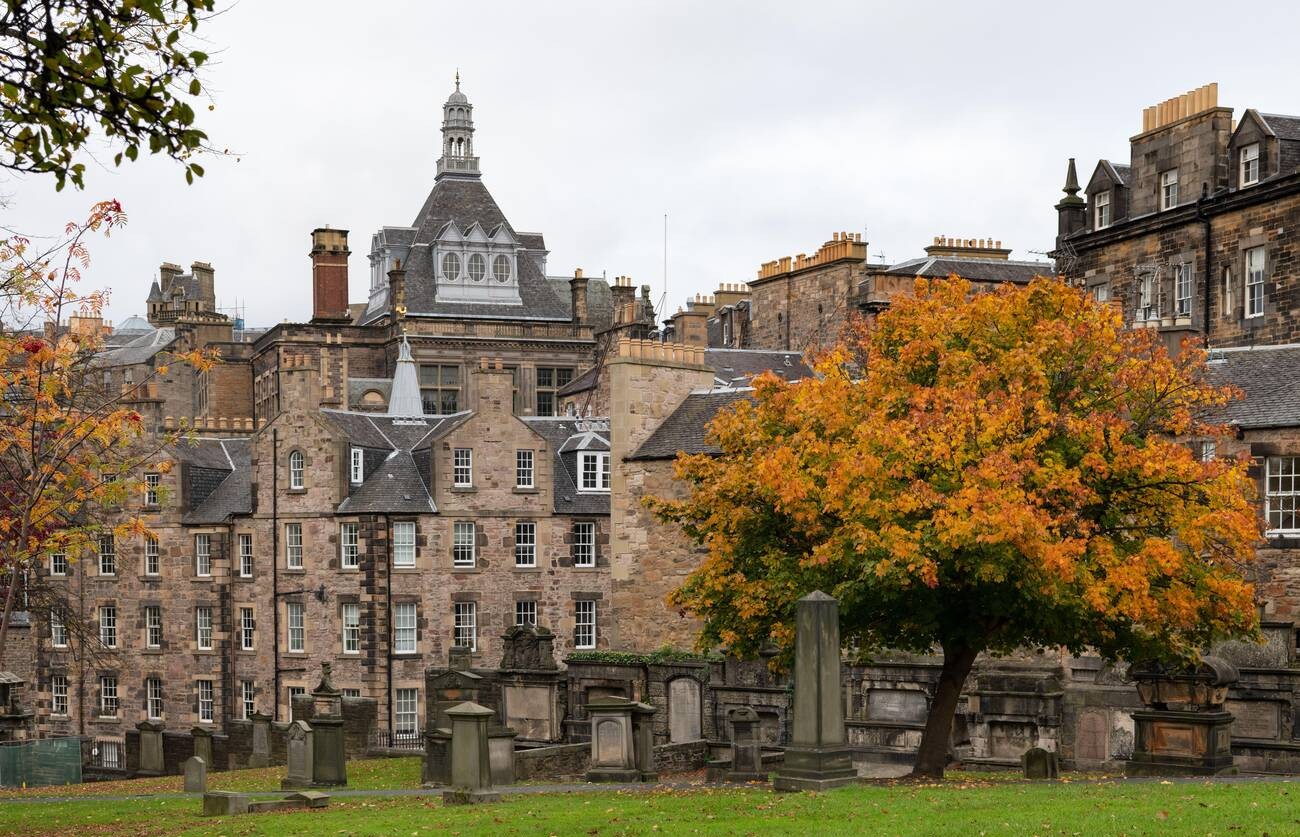
Walk through Greyfriars Kirkyard at dusk, and you’ll pass a gravestone for one Thomas Riddell. It’s a name that struck a chord with J.K. Rowling, who wandered this same cemetery while drafting Harry Potter in nearby cafés and may have been inspired by a few dearly departed’s names.
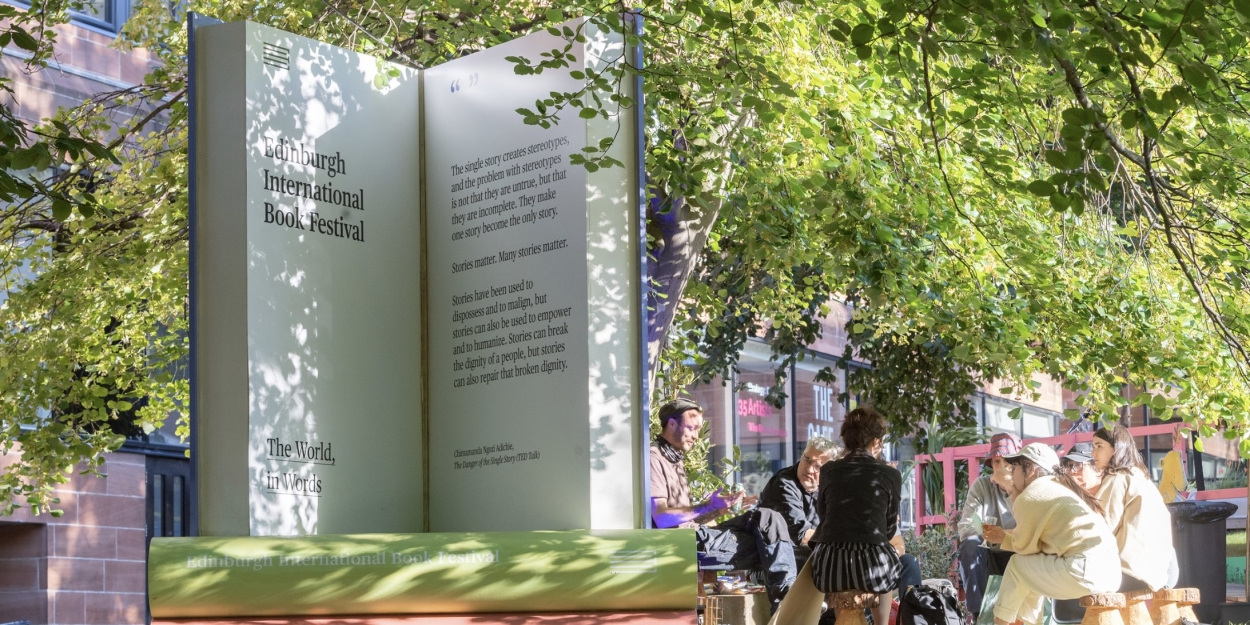
The city has always blurred fiction and reality: Robert Louis Stevenson is said to have drawn Dr Jekyll’s darker half from a real Edinburgh cabinet-maker, councillor by day and burglar by night. In 2004, UNESCO made the obvious official and named Edinburgh the world’s first City of Literature. Every August, the Edinburgh International Book Festival turns the whole city into one long conversation, hosting roughly 800 authors from nearly 40 countries.
Dublin, Ireland
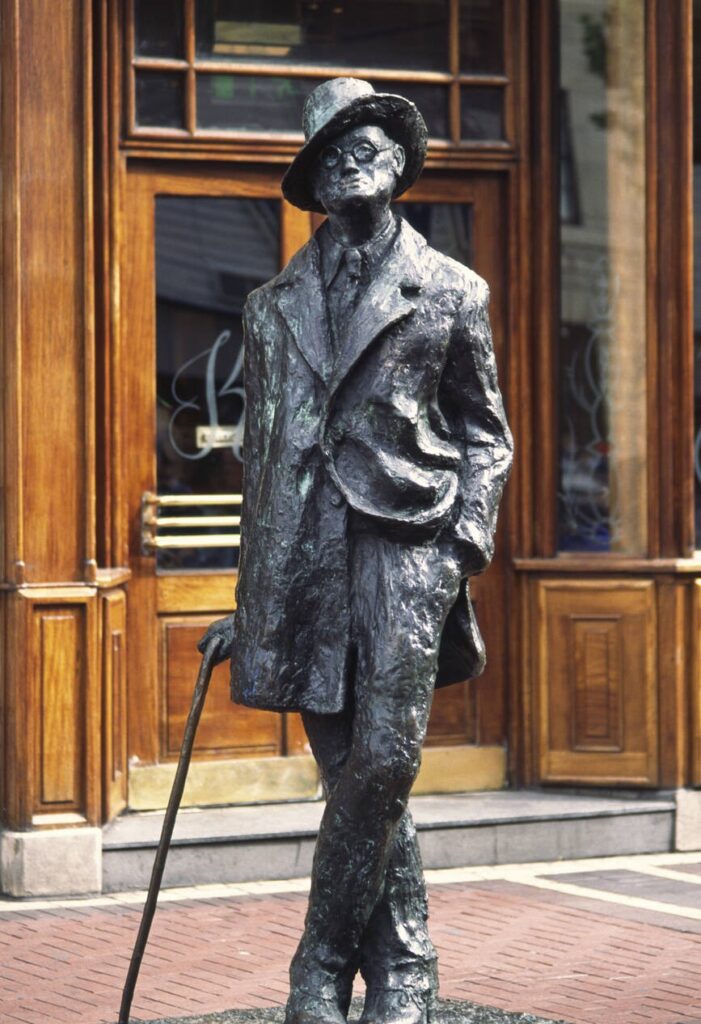
Every 16 June, Dublin recreates its most famous novel in a live performance. Strangers in boater hats and linen dresses retrace the exact route Leopold Bloom walked through the city in James Joyce’s Ulysses, stopping at Davy Byrnes for the same gorgonzola sandwich and glass of burgundy that Bloom orders partway through.
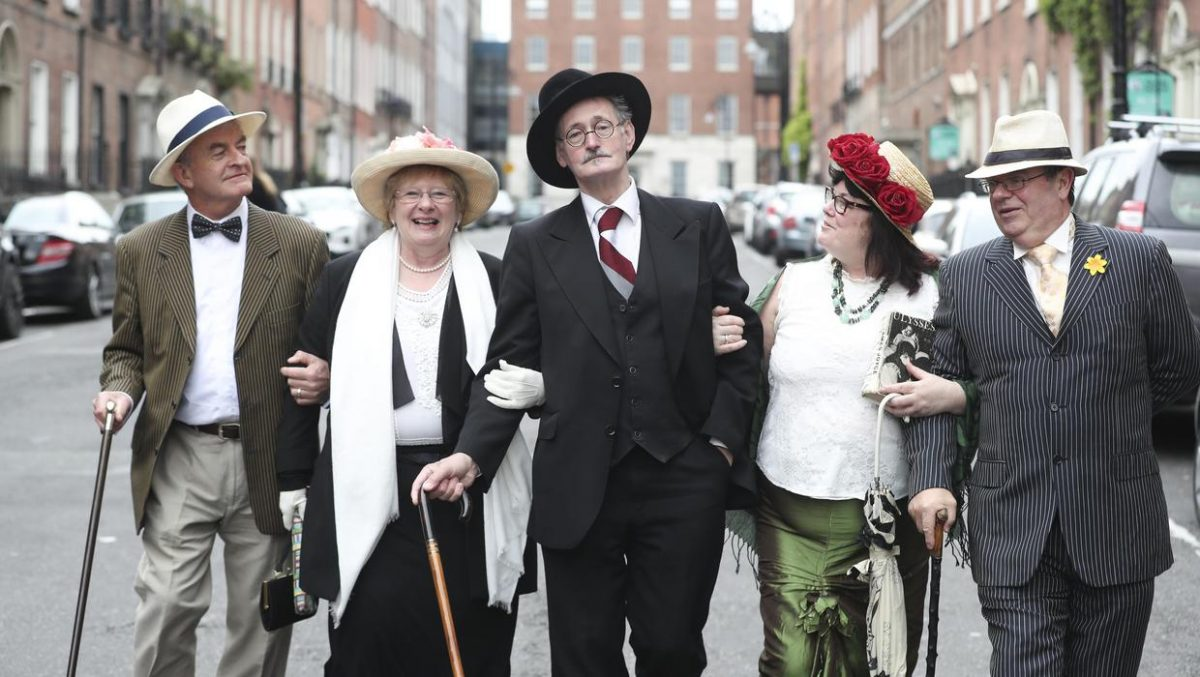
The day is called Bloomsday, and it turns a 265,000-word novel into a walkable, edible festival open to anyone. No ticket required, just nerve and curiosity, and by the second pub even the shyest visitor can be absorbed into the plot.
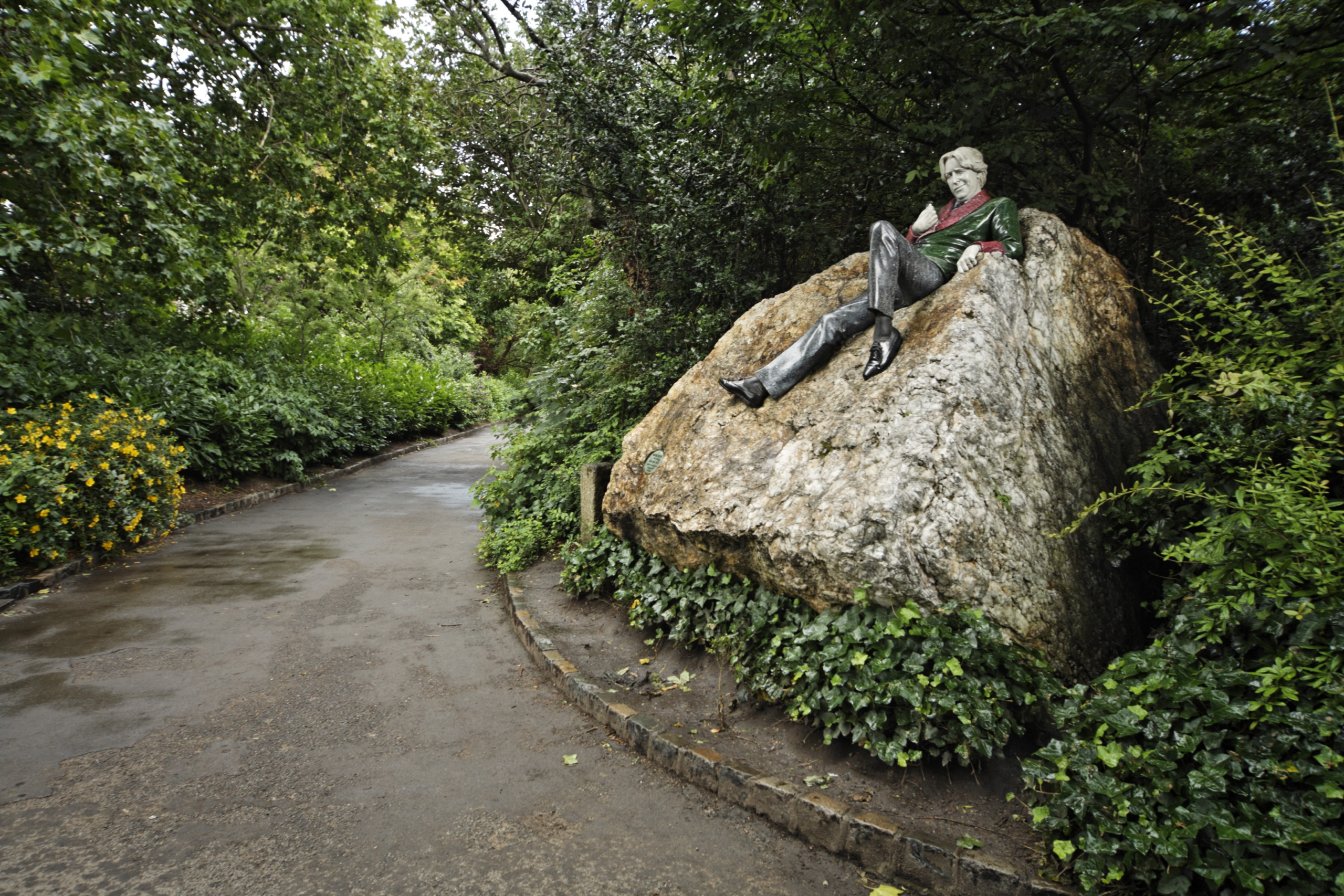
Dublin earned its UNESCO City of Literature title in 2010, in a city that also produced Oscar Wilde. In fact, his statue now reclines in Merrion Square, permanently amused, directly across from the house where he grew up.
Reykjavík, Iceland
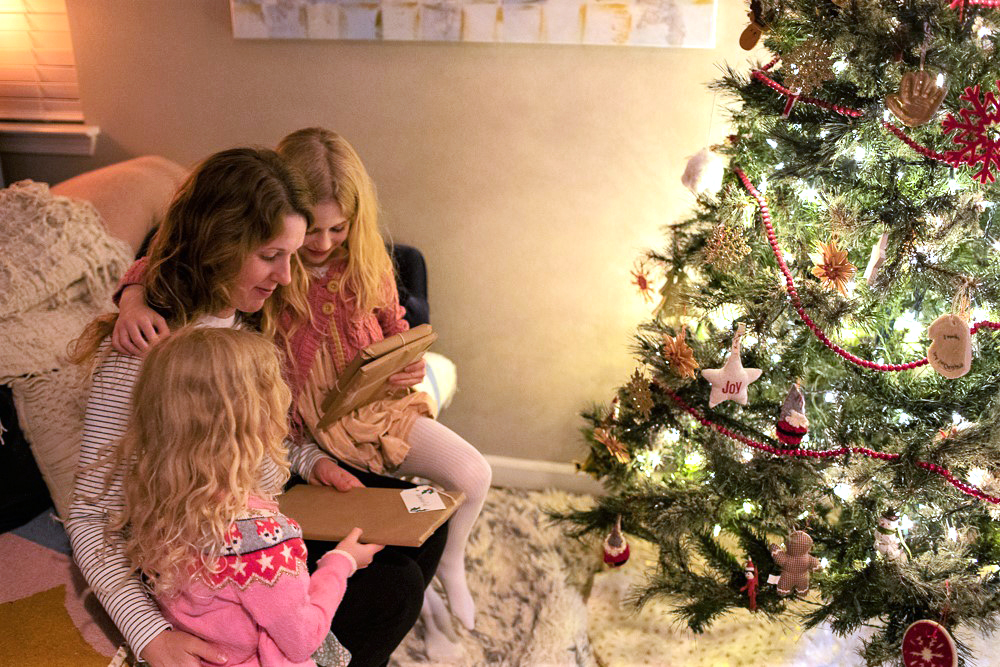
On the night of 24 December, Icelandic homes go quiet in a very particular way. Everyone opens a freshly wrapped book, settles in with hot chocolate or a box of candy, and reads until they fall asleep. The tradition is called the jólabókaflóð, the Christmas book flood, and it exists because Icelandic publishers release most of the year’s new titles in a single autumn rush timed for gift-giving. An entire national economy of reading, organized around one silent night.
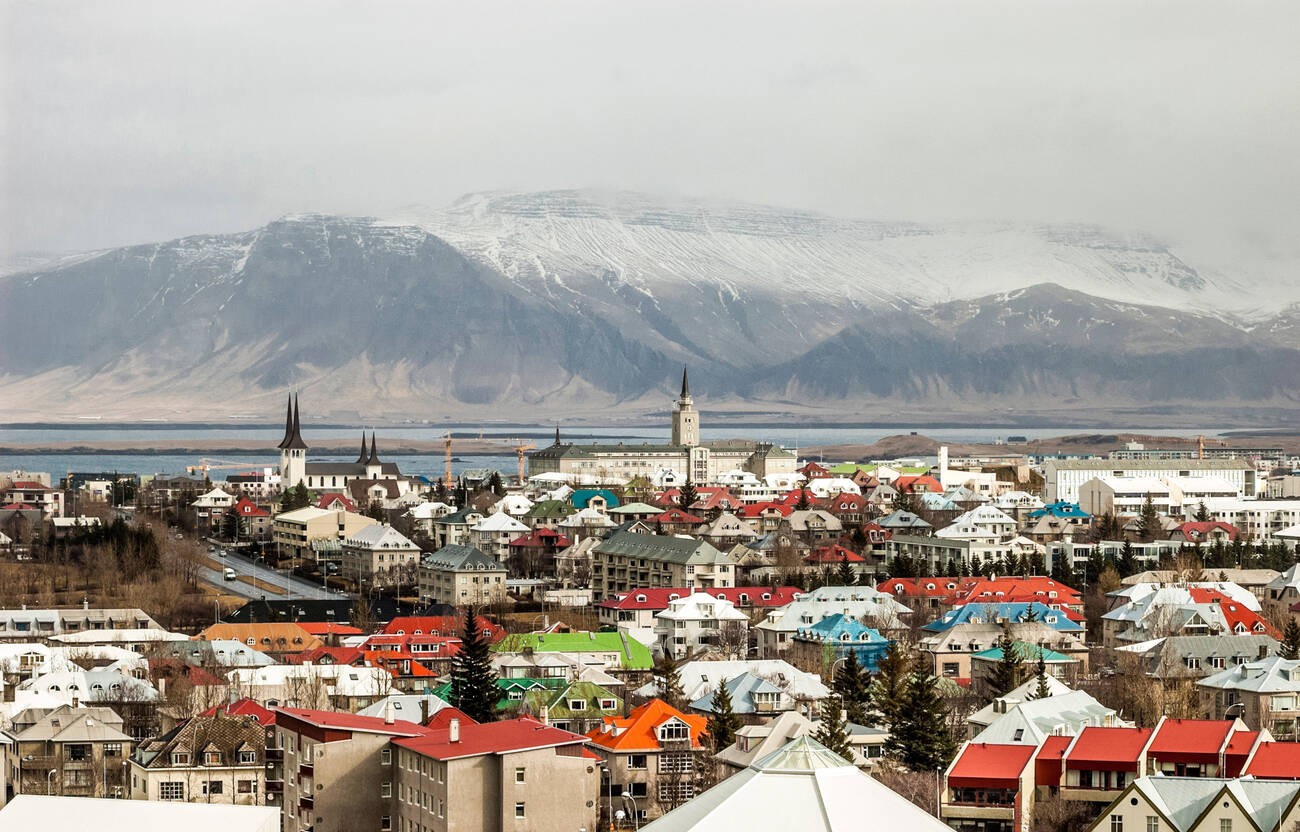
Reykjavík became the world’s fifth UNESCO City of Literature in 2011, and the first in a non-English-speaking country. It’s a very fitting title for the birthplace of medieval sagas, which are still read here not as homework but as heritage.
Paris, France
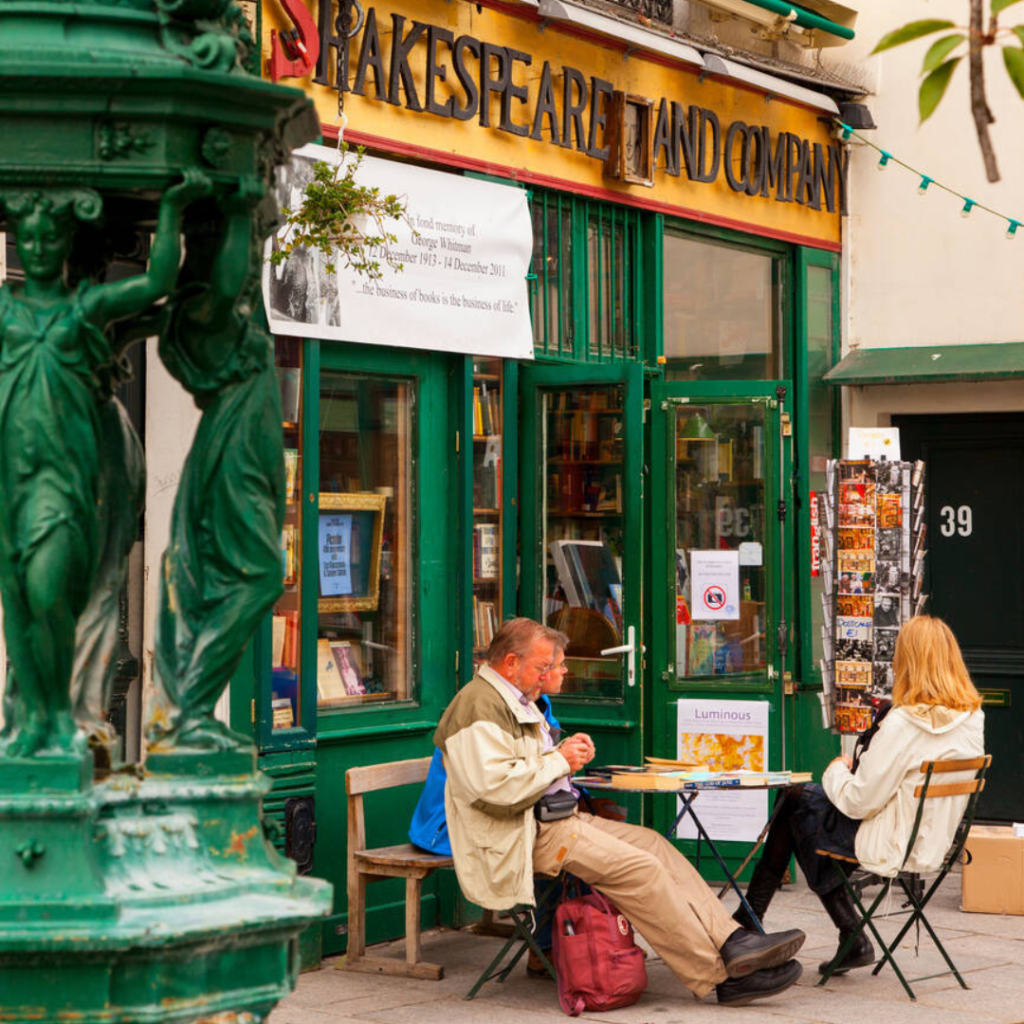
Shakespeare and Company, one of Paris’ most famous bookstores, has, for over seventy years, allowed traveling writers a free place to sleep and fully immerse themselves in their writing. Nowadays, it’s called the Tumbleweed programme, and its conditions are as follows: read a book a day, help around the shop, and leave a page about yourself for the archive.
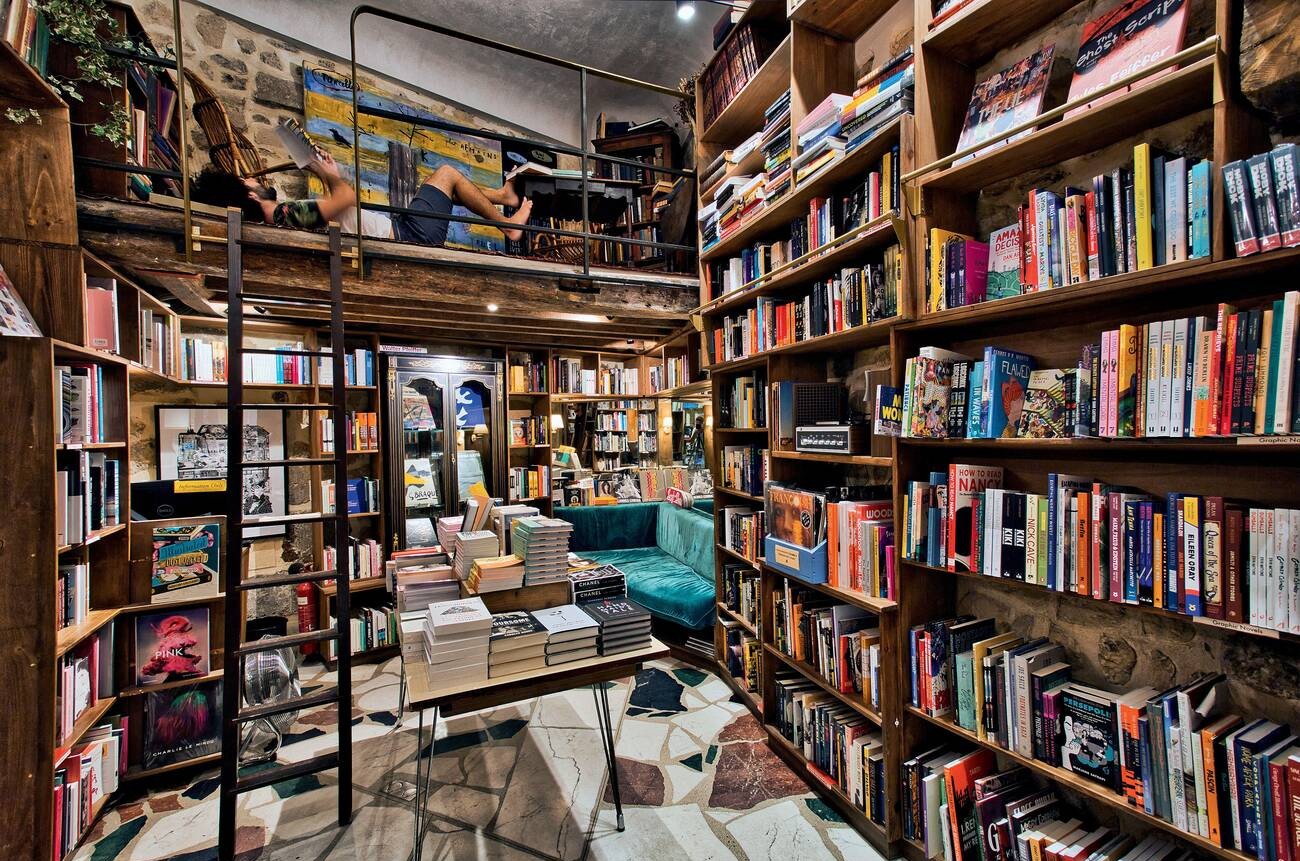
The idea for this came from the bookstore’s founder himself, George Whitman, who was in turn inspired by Sylvia Beach, so much so that he named his 1951 shop in tribute to her original store of 1919. Beach published Ulysses when no other publisher dared and sheltered Hemingway and Fitzgerald through their broke, brilliant twenties.
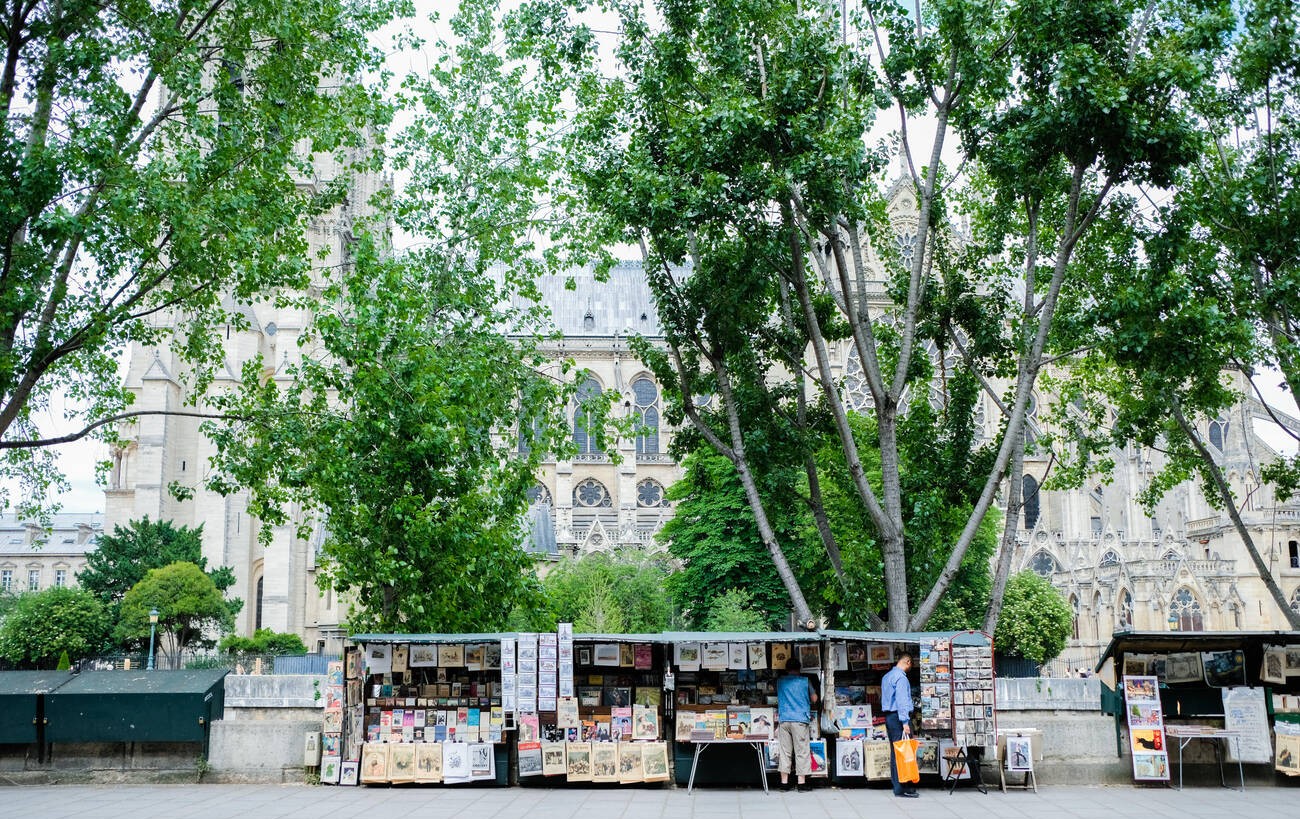
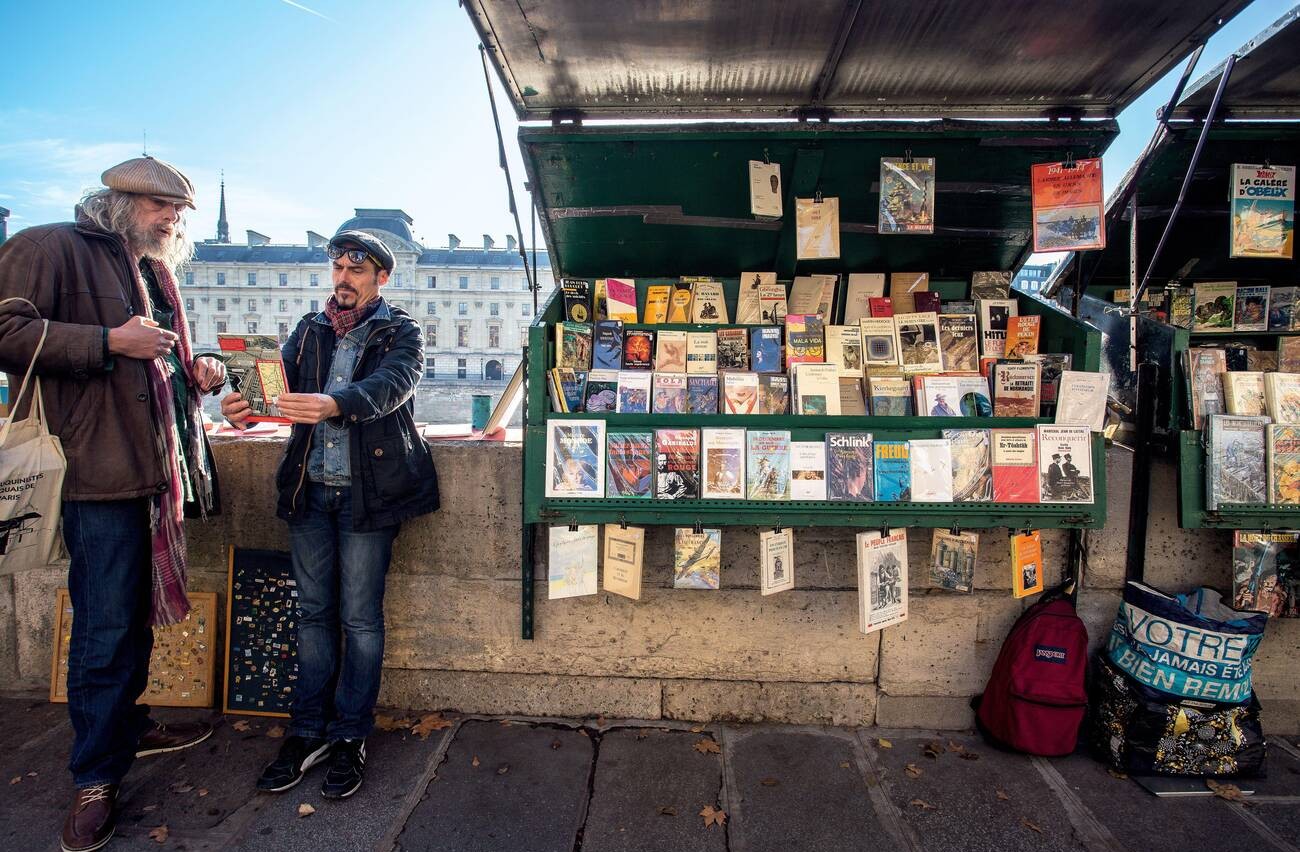
Down along the Seine, the green stalls of the Bouquinistes still sell second-hand books from the riverbank, a trade so woven into the cityscape that it is protected as a UNESCO World Heritage site. Watch the quays on a warm evening and count how many people are reading on the riverbank. In Paris, a book is not what you do when there’s nothing else. It’s a way of life.
Buenos Aires, Argentina
Step inside El Ateneo Grand Splendid, one of the most beautiful bookstores in the world, and you’ll see the ceiling fresco from its days as a 1920s theatre still arching overhead. Since its remodelling as a bookstore, the stage holds a café, and the velvet-curtained balcony boxes have become reading nooks instead of seats for opera glasses.
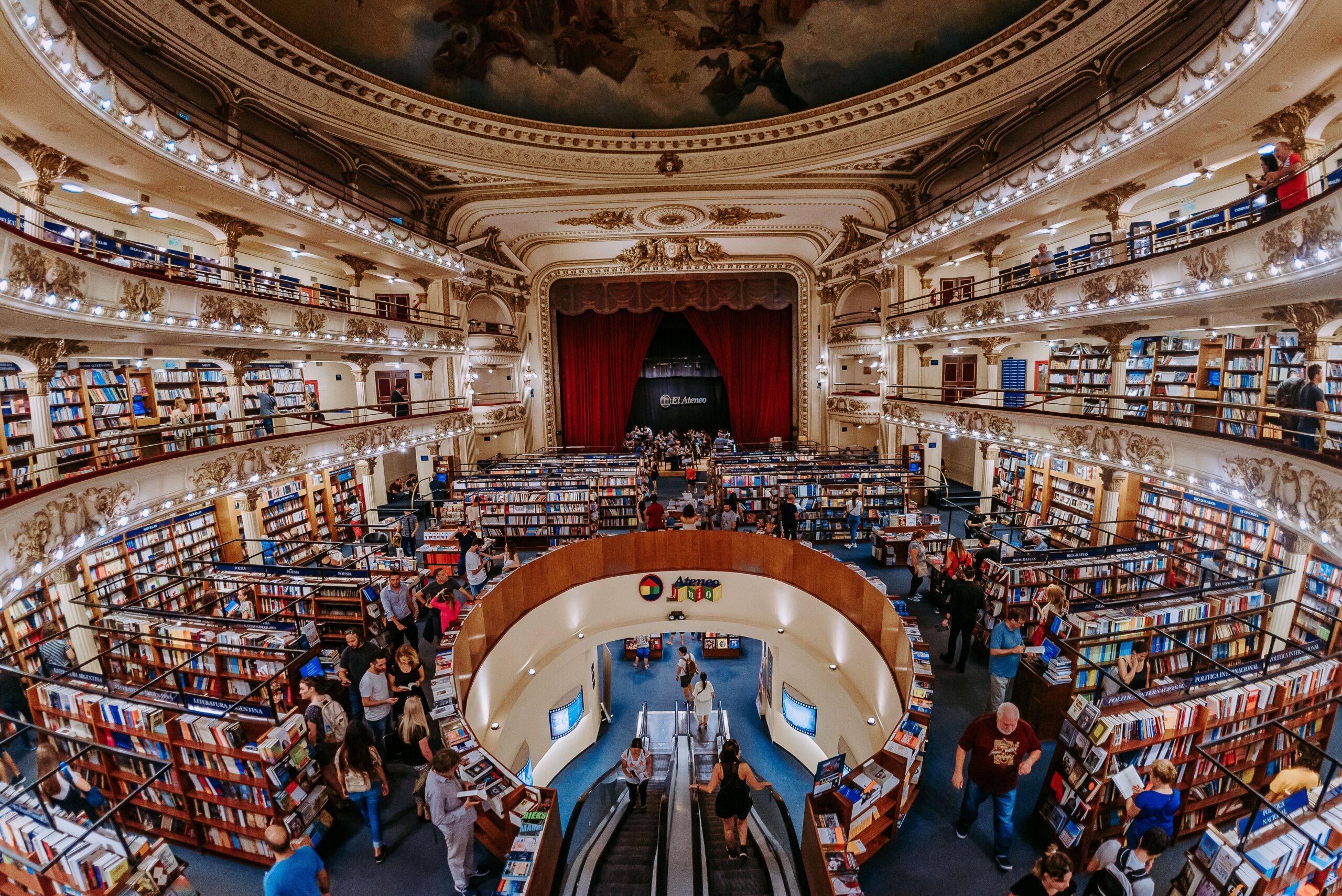
Buenos Aires was named UNESCO’s World Book Capital in 2011 and, for a time, had the highest number of bookshops per capita (25 shops per 100,000 residents) in the world. This is also Jorge Luis Borges’s hometown. He served as director of the National Library and, going blind, imagined paradise as “a kind of library.” Sit in any park here on a Tuesday afternoon and count the number of open books around you. You’ll run out of fingers before you run out of readers, and Borges’s line starts to sound less like poetry and more like local knowledge.
Prague, Czech Republic
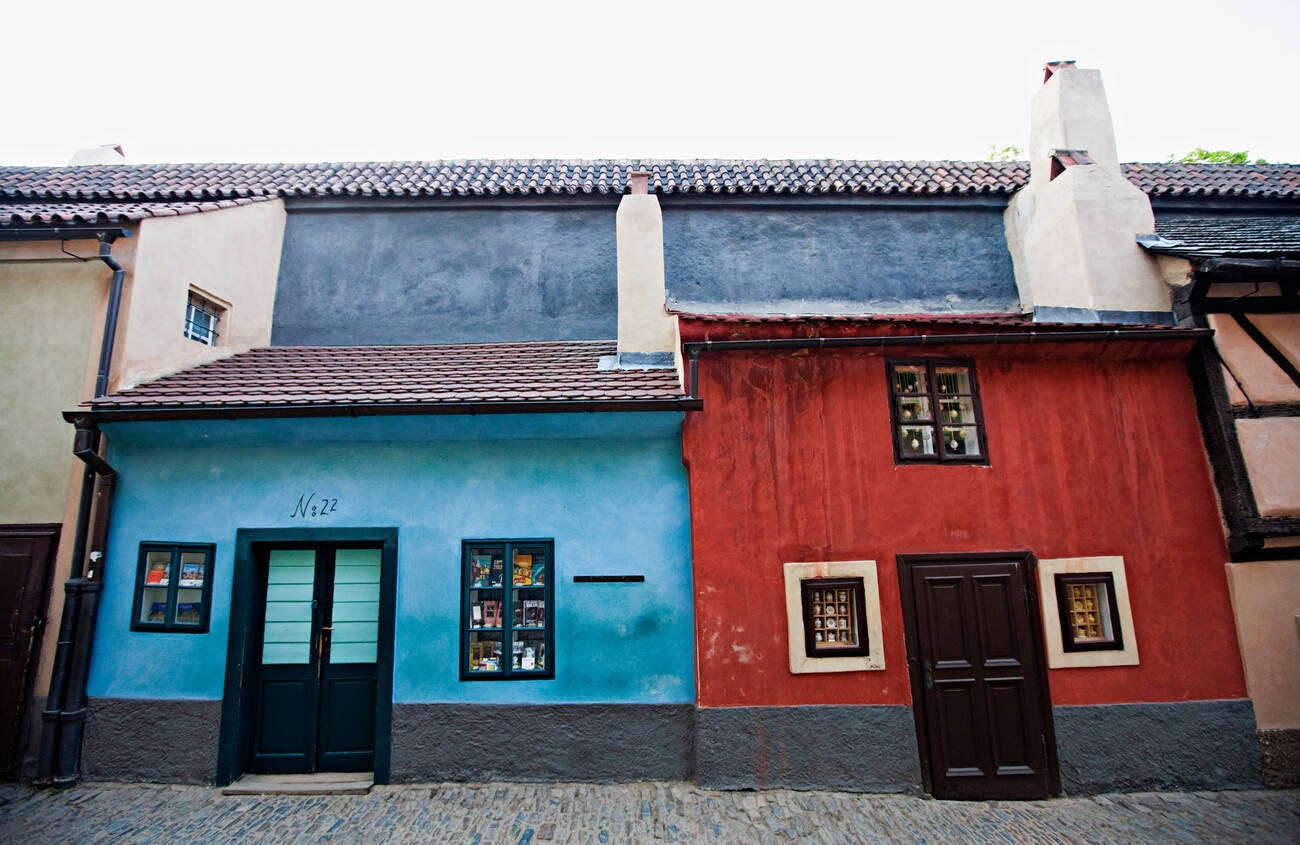
Franz Kafka wrote much of his fiction in a tiny blue house on Golden Lane, tucked inside Prague Castle’s walls. It was so small, he reportedly had to duck through the doorway. It’s a detail that makes The Trial‘s airless bureaucracy feel less like allegory and more like autobiography.
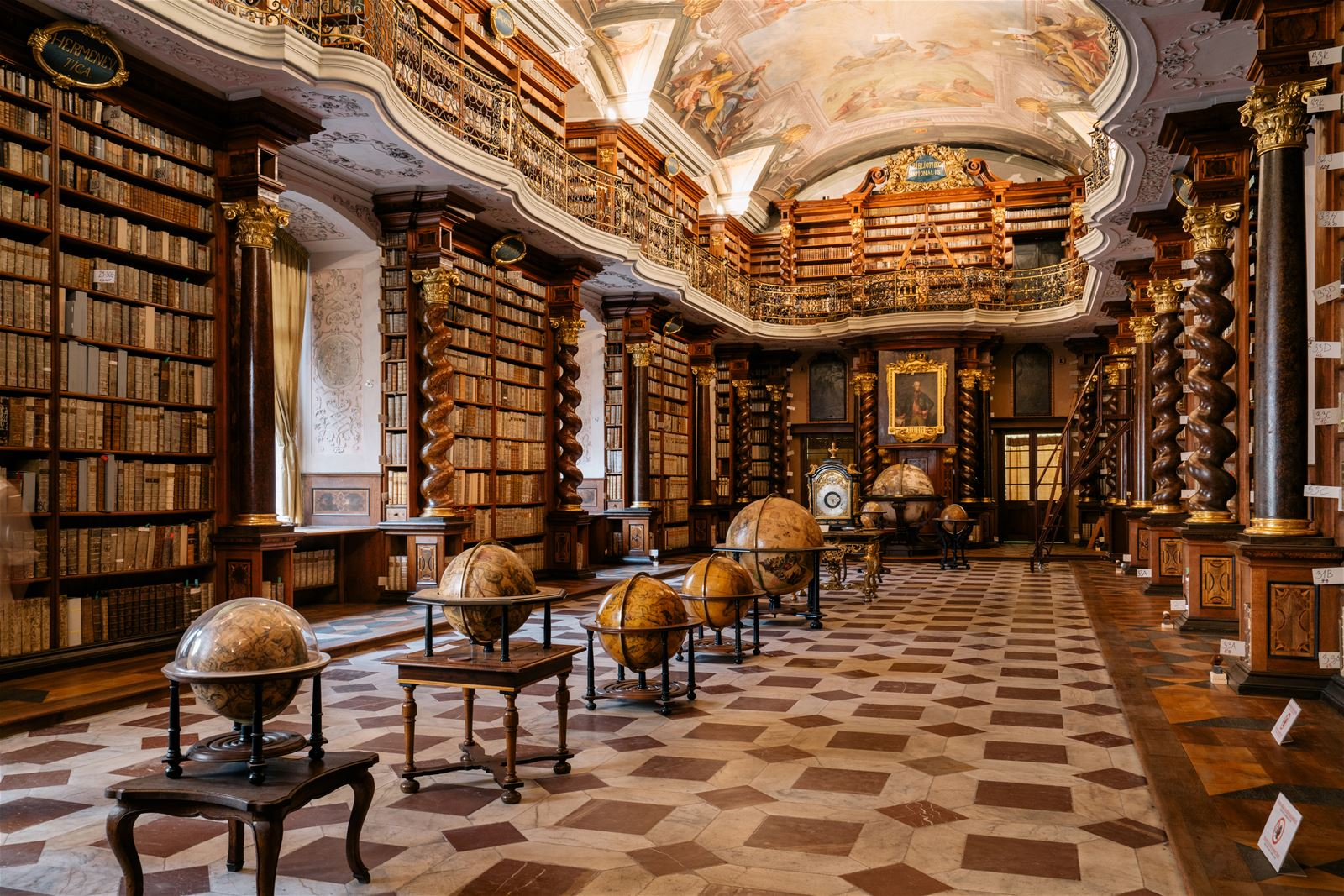
Down the hill, Café Slavia has watched writers and dissidents trade manuscripts and cigarettes across its marble tables for over a century, and the Klementinum’s 18th-century library hall still keeps its frescoed ceiling and globes under glass. Prague joined the UNESCO Creative Cities Network in December 2014, but it had been profoundly literary for centuries and hardly needed the certificate.
Óbidos, Portugal
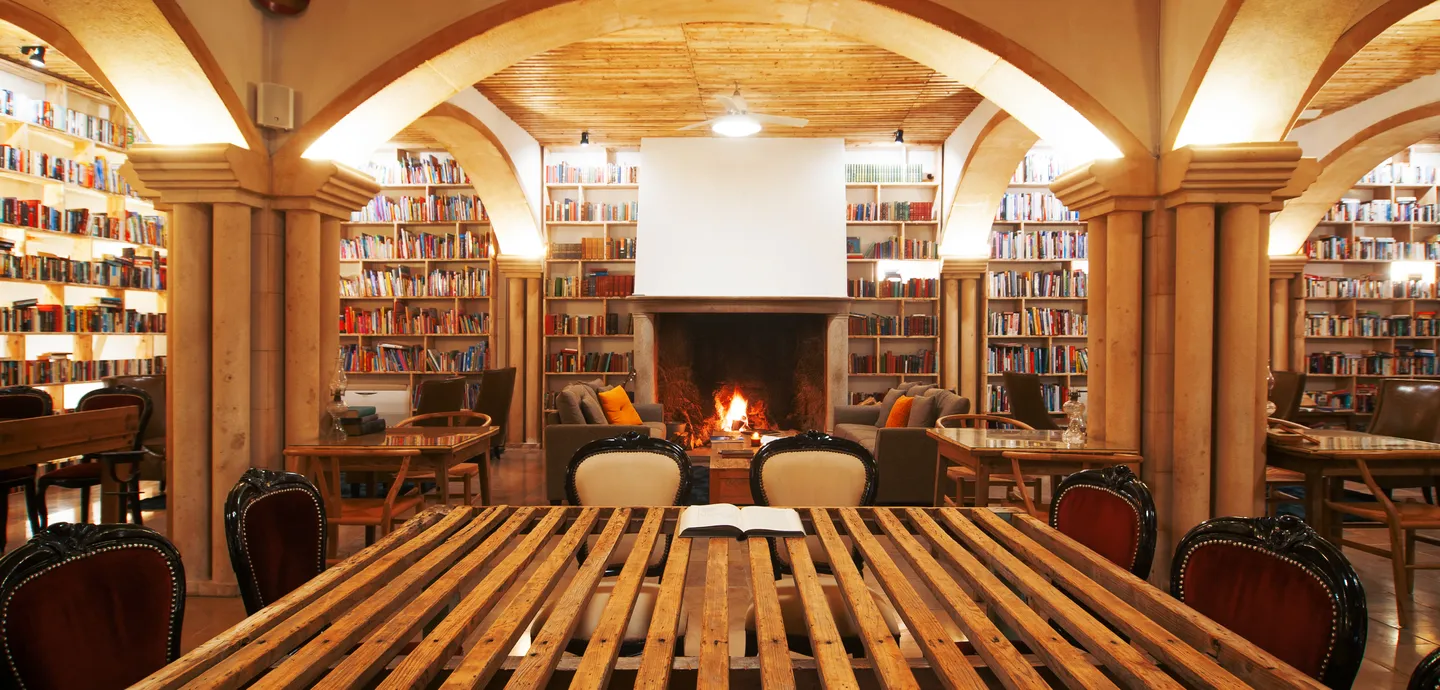
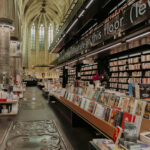
Inside the 12th-century Igreja de Santiago, stained-glass light falls across rows of paperbacks stacked where the pews used to be. It’s one of nearly a dozen bookshops the literary curator José Pinho helped install inside this walled medieval village. Others include a former fire station and an old wine cellar. The converted 1800s convent is now the largest book hotel in the world, where every room comes with shelves of volumes.
UNESCO named Óbidos a City of Literature on 11 December 2015, recognizing a town of just 3,000 people that looked at a fading local economy and prescribed, quite literally, more books.
Hay on Wye, Wales
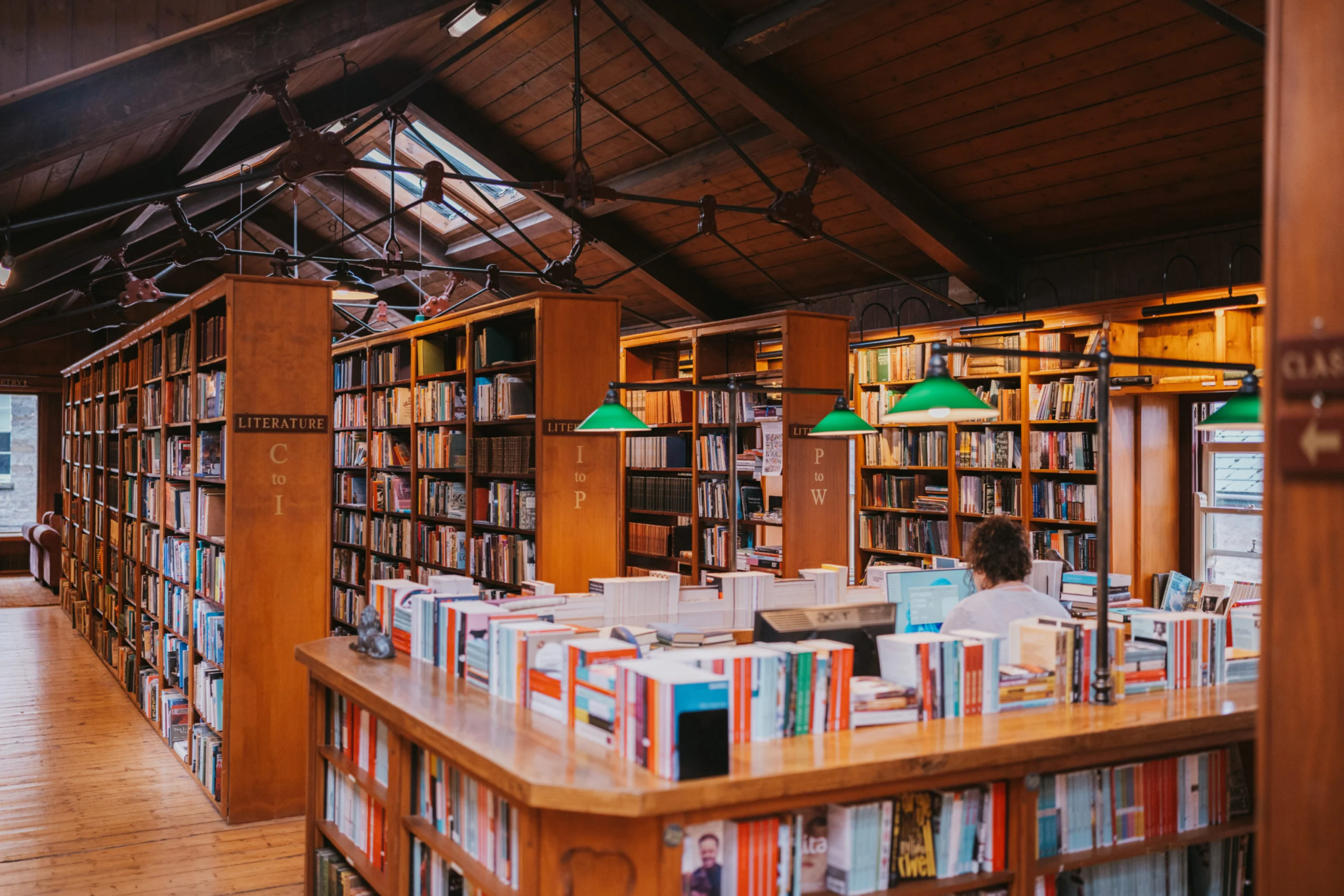
On April Fools’ Day of 1977, the bookseller Richard Booth stood before his adopted hometown, declared it an independent kingdom, crowned himself “King Richard, Coeur de Livre” (Richard the Bookheart), and, following the example of Caligula, appointed his horse prime minister.
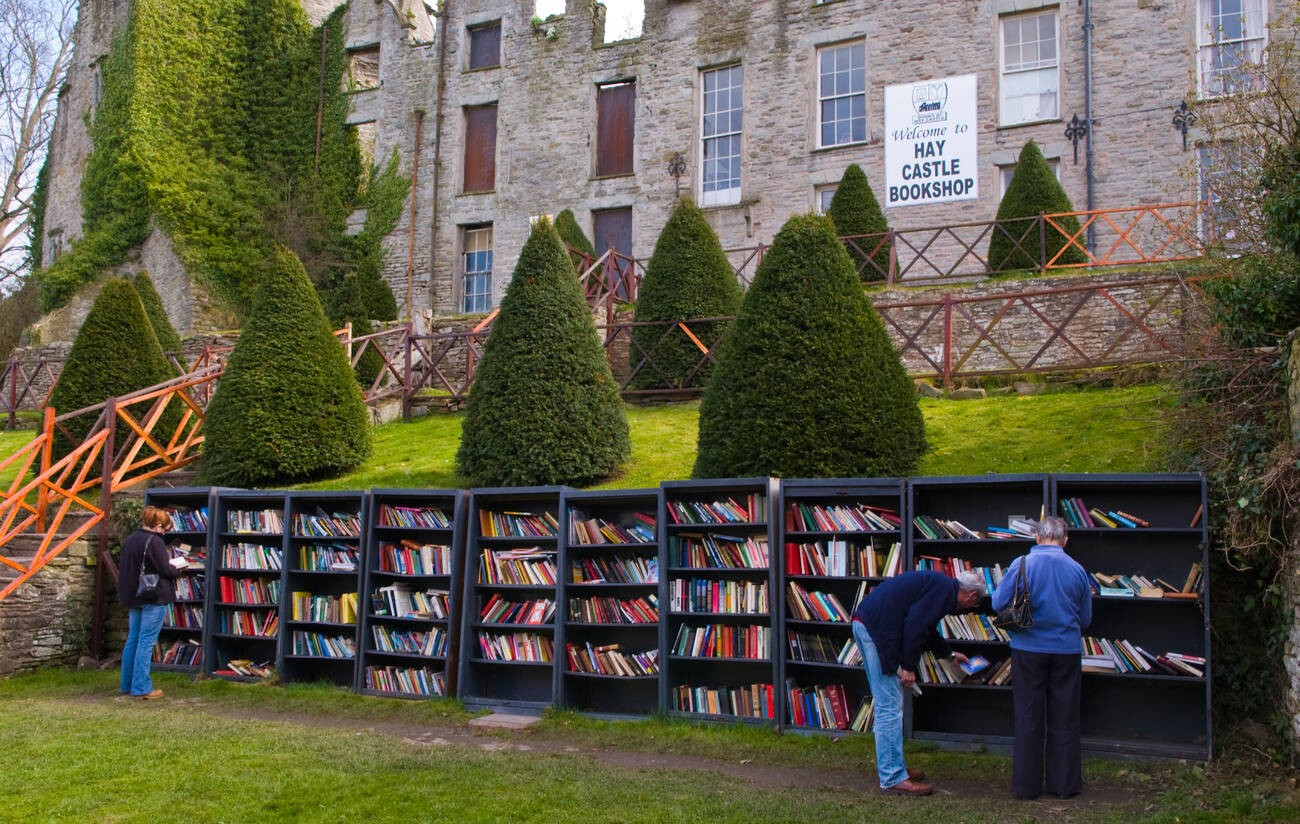
It was a publicity stunt, and it worked spectacularly. Hay is now recognized as the world’s first book town, and Hay Castle once held the Guinness World Record for the largest second-hand bookshop, with roughly a million books and an honesty box for after-hours browsers that still operates today.
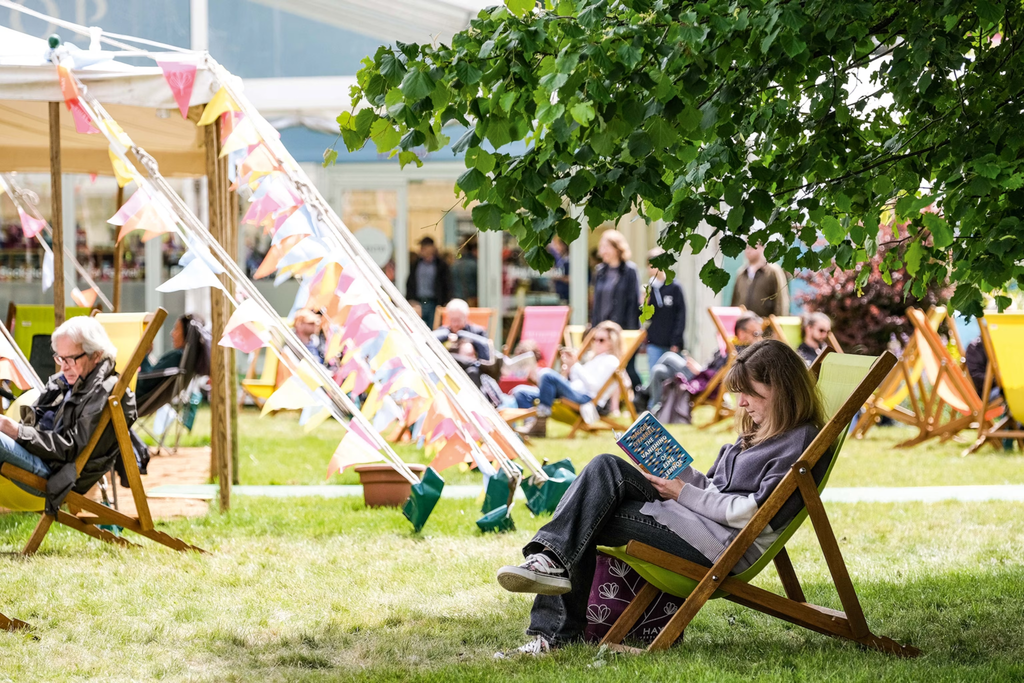
Each spring the Hay Festival, which Bill Clinton called “the Woodstock of the mind,” draws writers from around the globe to a town smaller than most shopping centres.
Wigtown, Scotland
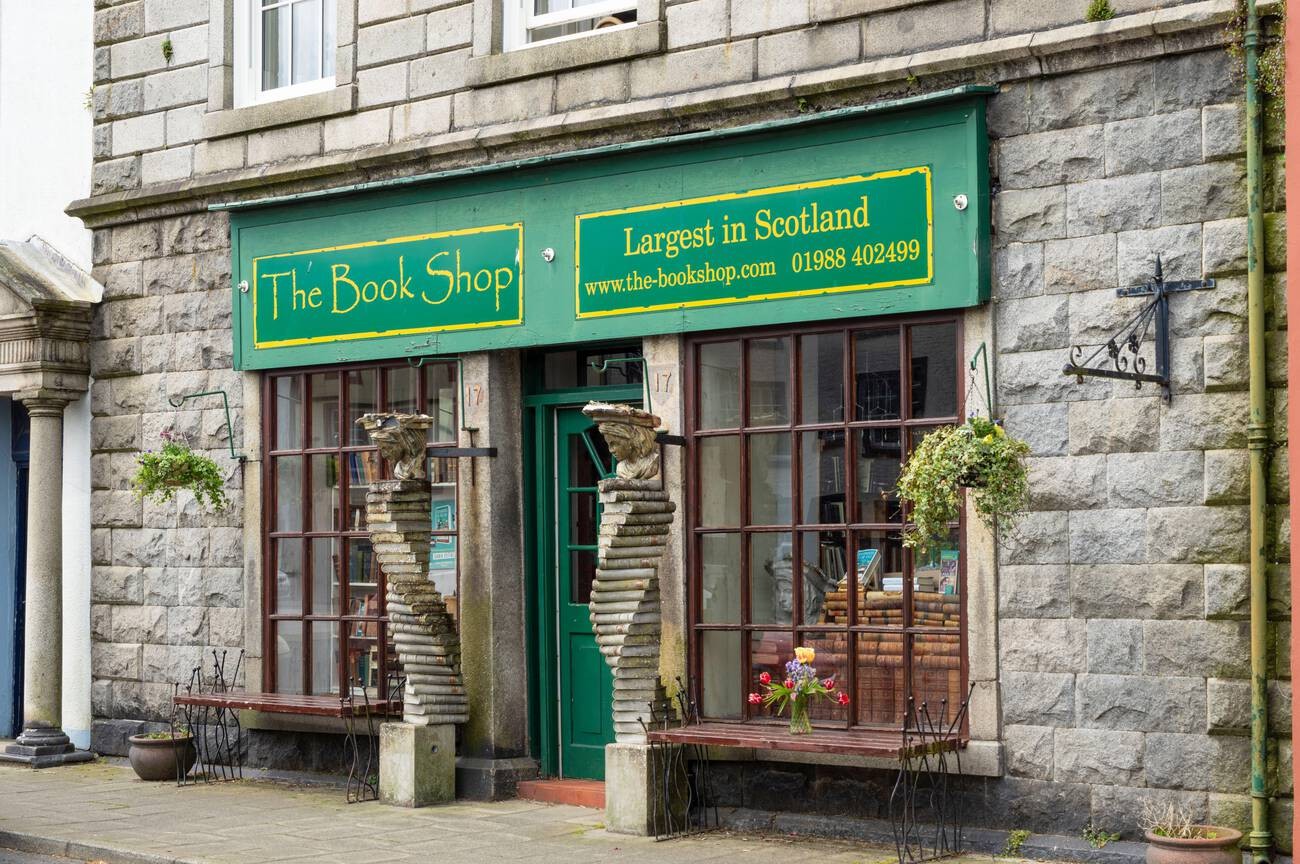
In the 1990s, this small Galloway town had some of the highest unemployment in Scotland, with 83 empty properties around its market square. Then, in 1998, it was chosen over five other struggling towns to become Scotland’s National Book Town, and within a few years, the empty shopfronts had filled with roughly 17 bookshops, including what became Scotland’s largest second-hand bookshop, later immortalized in Shaun Bythell’s bestselling Diary of a Bookseller.
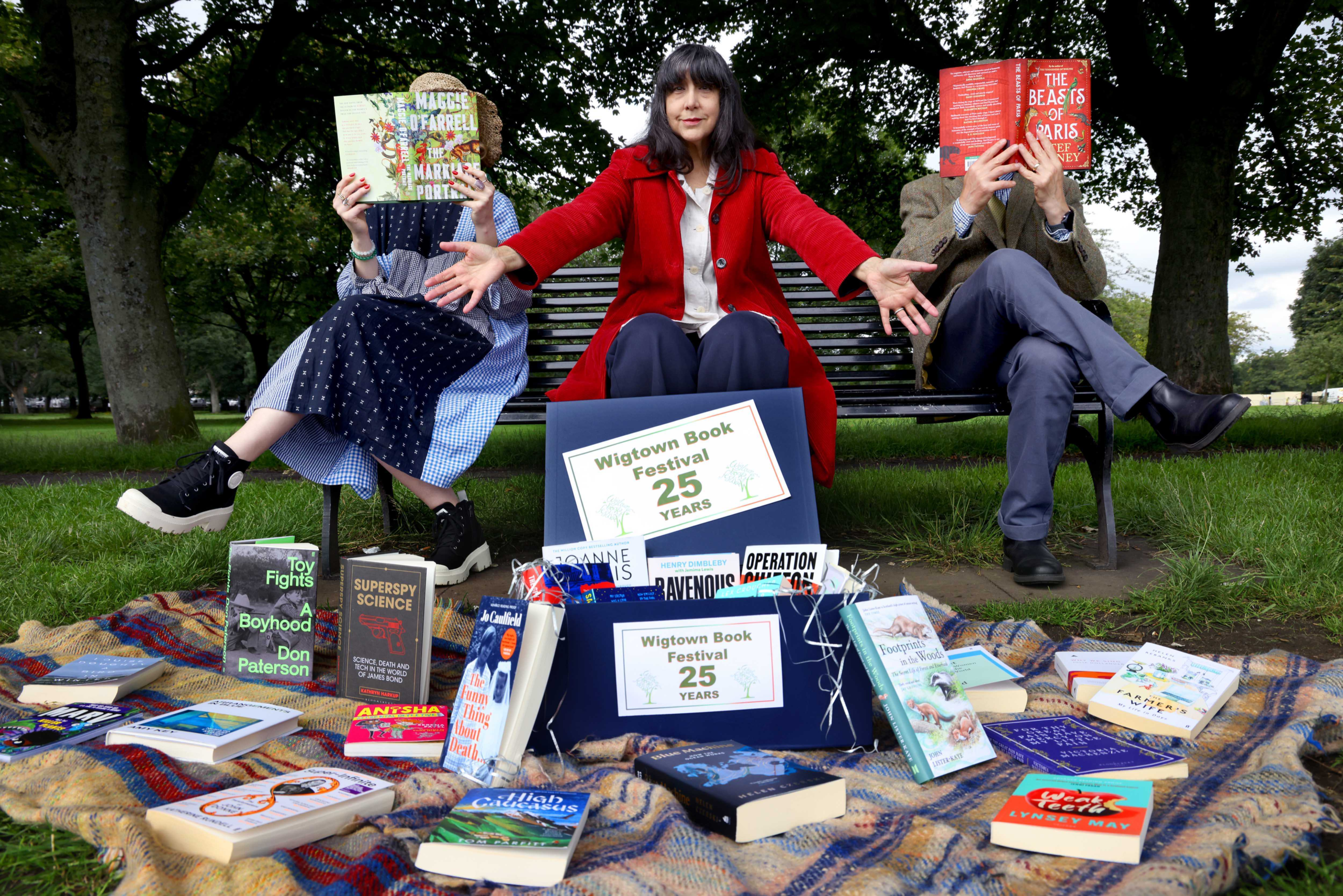
Each autumn the town’s 10-day literary festival brings thousands of visitors to a place with fewer than 1,000 residents. It is the quietest case study going in how books can rebuild a town from the inside out.
Jimbōchō, Tokyo, Japan
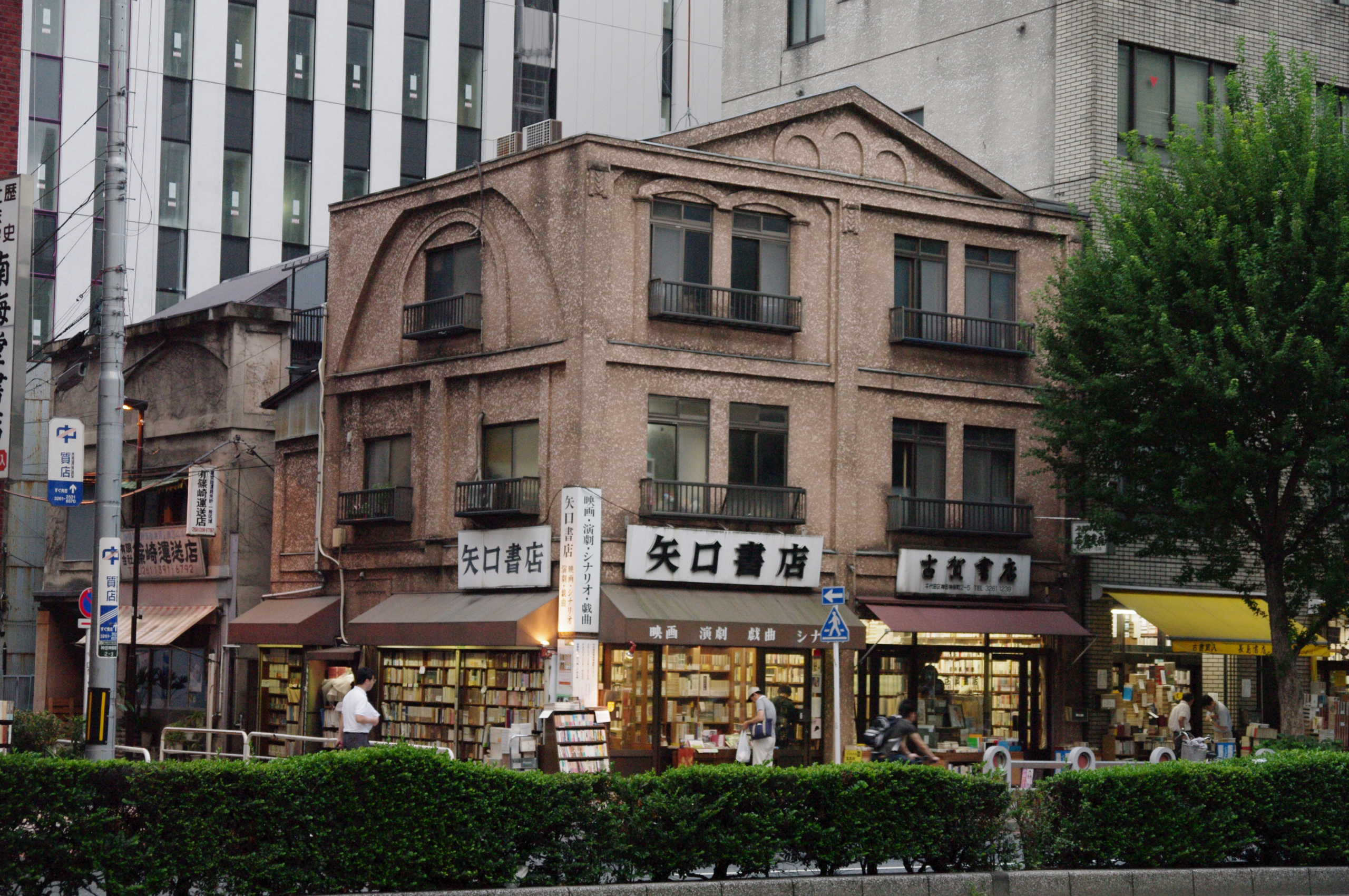
Follow Yasukuni-dōri through Tokyo’s Chiyoda ward, and you’ll pass roughly 130 second-hand bookshops in a single stretch. Some of these are open-air, their discount shelves spilling onto the pavement with that unmistakable scent of ageing paper.
Despite a 1913 fire, the Great Kanto Earthquake of 1923, and the wartime bombing, the district survived largely intact, which is why century-old shops like Takayama Honten, founded in 1875, still trade rare editions across the street from publishing giants like Iwanami Shoten. At the retro café Ladrio, opened in 1949 as a bookshop’s reading room, the coffee still arrives Vienna-style, its whipped cream keeping it hot long enough for one more chapter.
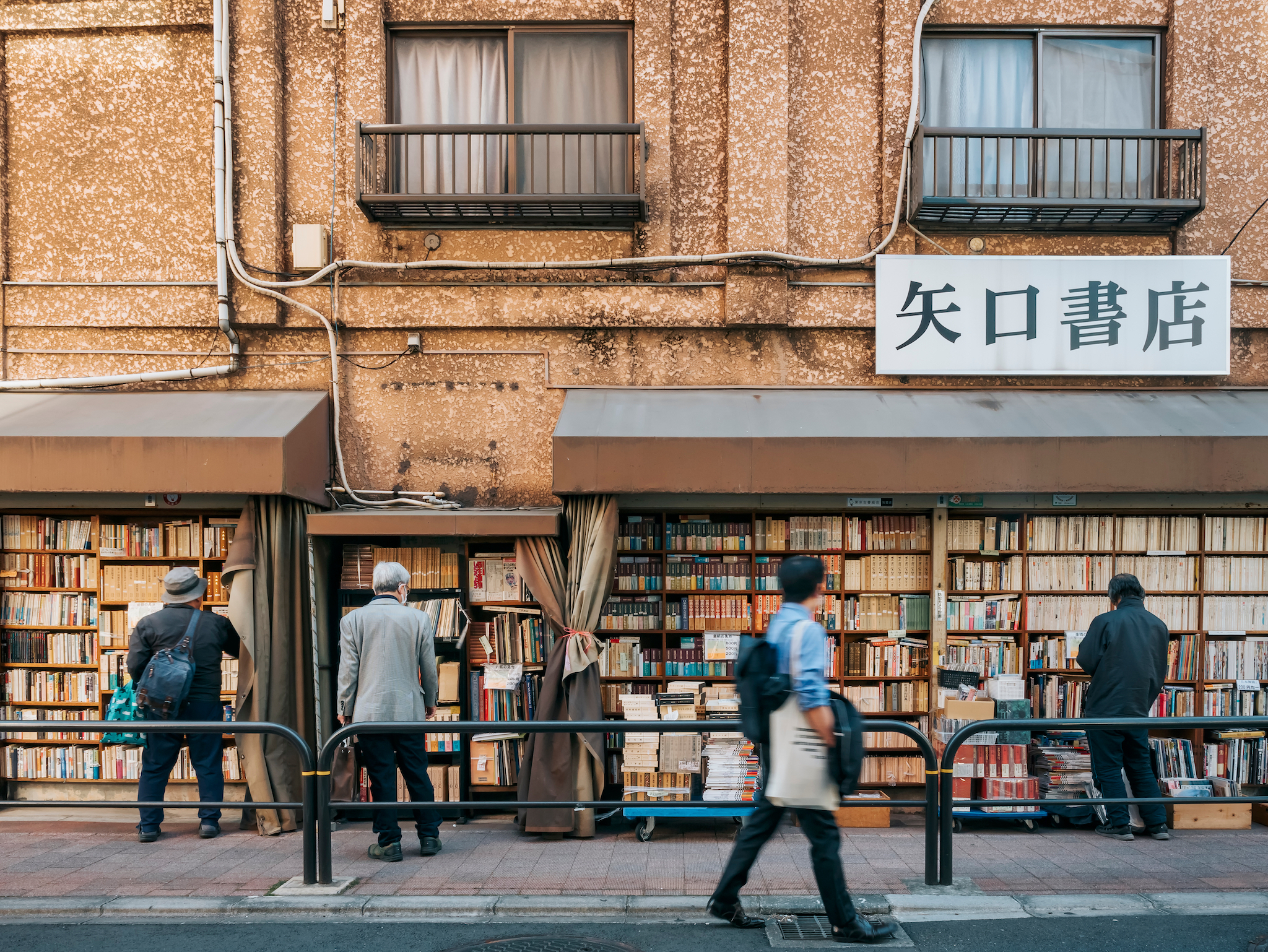
Jimbōchō remains one of the largest second-hand book districts on earth, and what stays with you isn’t the stock. It’s the people: office workers reading upright at the shelves on their lunch break, students crouched over the discount crates, an entire district on first-name terms with paper.
Paju Book City, South Korea
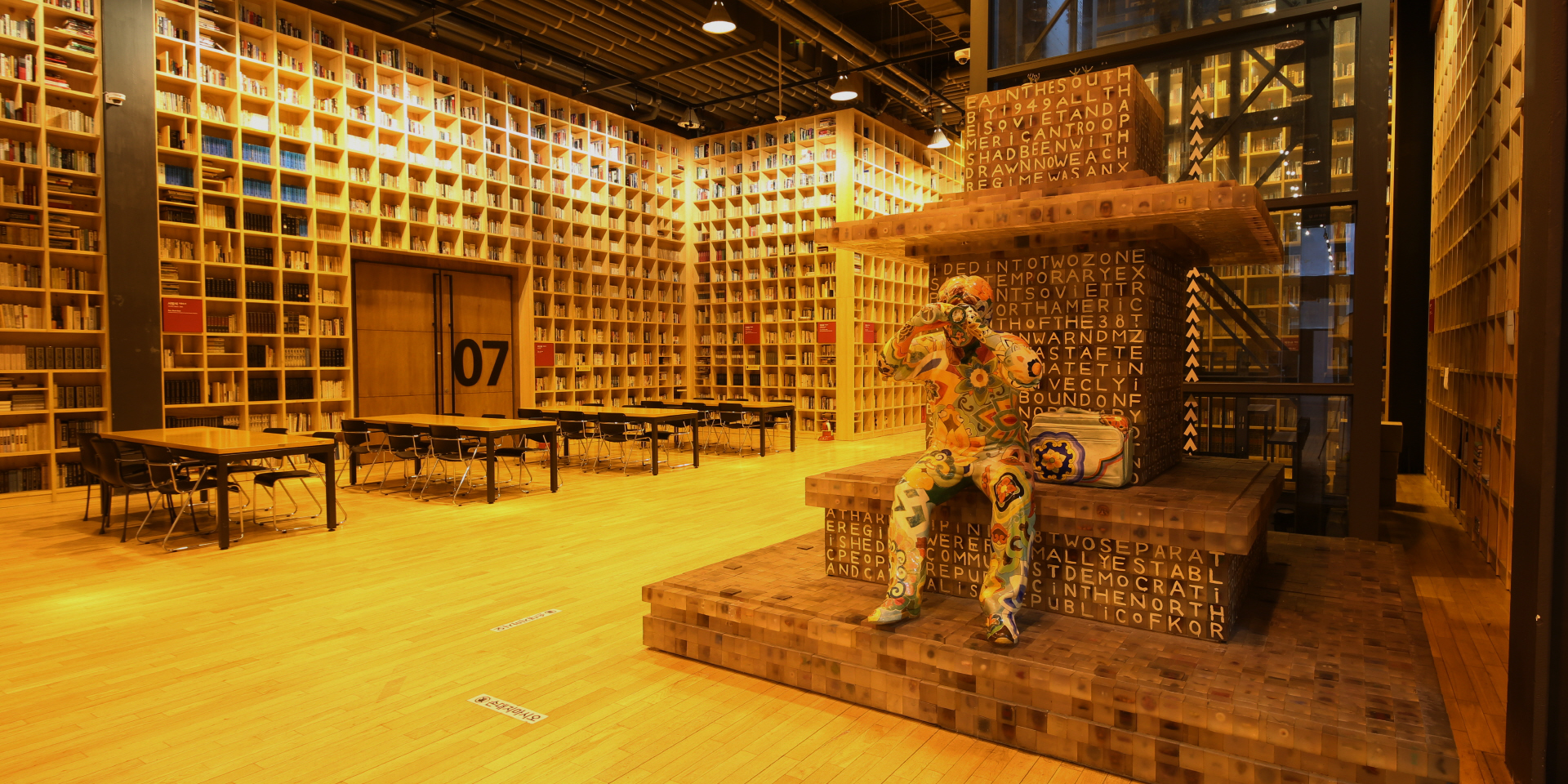
An hour north of Seoul, hard up against the tension of the 38th parallel, sits a city built entirely for books. No billboards, no fences, no building taller than four storeys, all by design. Paju Book City began in 1989 when a group of publishers, frustrated with a scattered and inefficient industry, decided to build a single place where writing, printing and selling books could happen side by side.
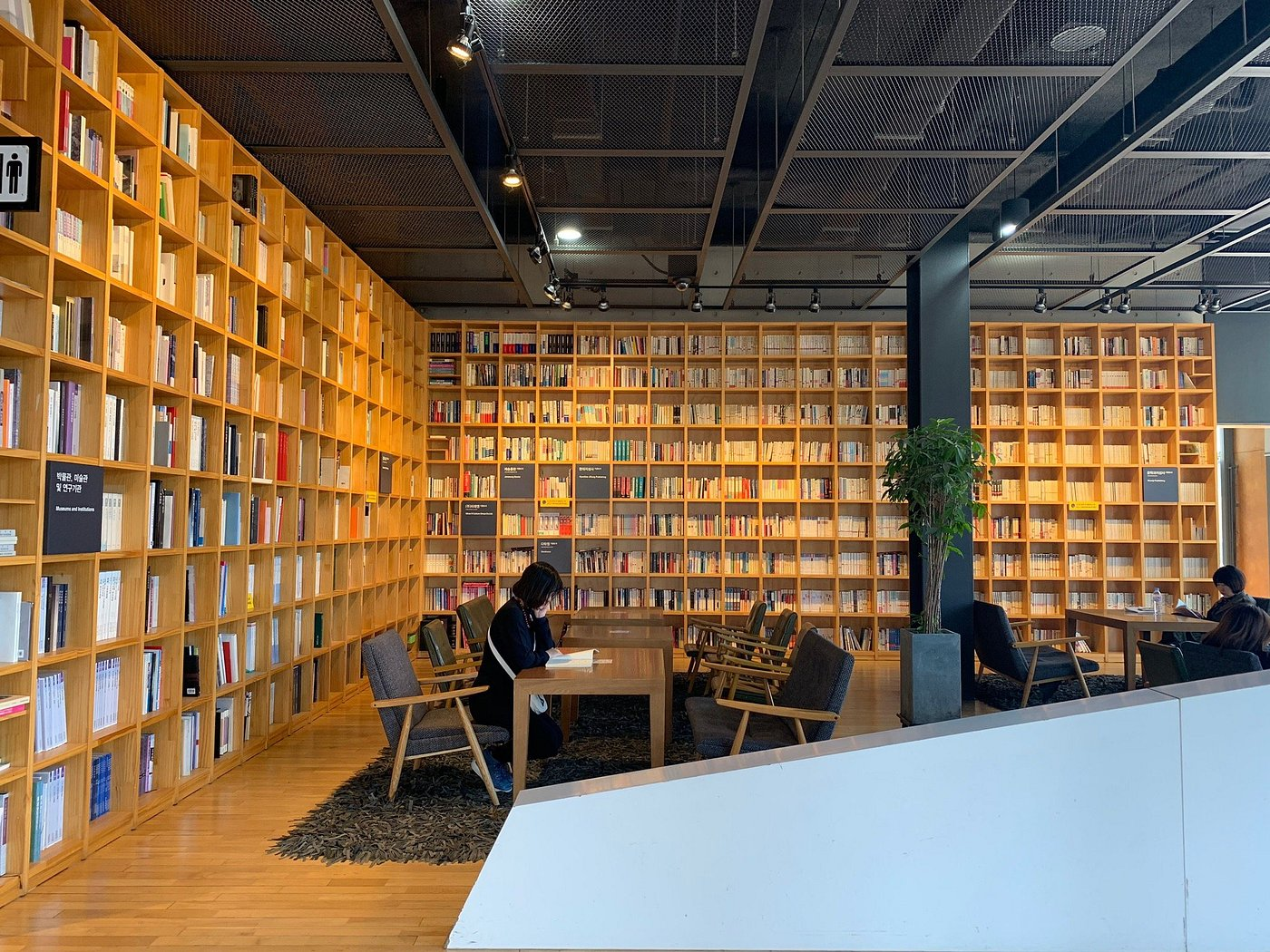
Today, its Forest of Wisdom library holds tens of thousands of donated volumes beneath a five-storey glass atrium, and the whole complex carries an unofficial motto that could serve every city on this list: “A City to Recover Lost Humanity.”
The Thread That Connects Them
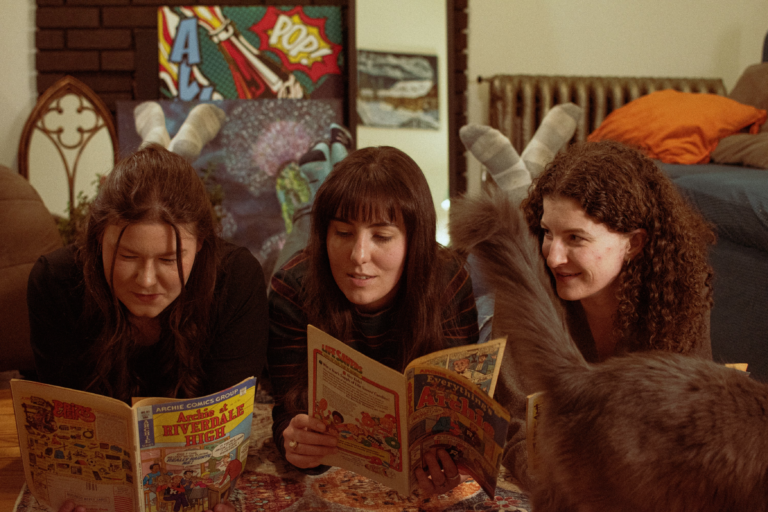
None of these places is a literary theme park. They’re cities and towns where reading simply happens, in castle ruins and deconsecrated churches, in medieval villages and quiet living rooms on the longest night of the year. What they offer a travelling reader is rarer than any landmark: the sensation of being ordinary.
Here, carrying a novel to dinner needs no explanation. Asking a bookseller what the city is reading gets you a 20-minute answer and possibly a friend. The terrace tables hold paperbacks, the trams hold readers, and the quiet person in the corner with a book is not hiding from the world but participating in it.
If you have ever felt like the last reader standing, book the ticket. Somewhere on this list, a café chair is waiting, the light is good, the coffee keeps coming, and everyone around you understands exactly what you’re doing there. You won’t feel like a tourist. You’ll feel like you finally moved home.


K Lou
K. Lou is a writer born in the U.S. who found her way to Japan through a spiritual calling—or, more precisely, better access to tea. She writes about travel, culture, and the occasional creative piece, inspired by her enduring love of books. This love began in high school when K. Lou carried books around to avoid seeming odd while lost in thought. Once she started reading, she never stopped. With zero regrets, she continues to explore the written word and invites others to join her in celebrating its varied forms.